Portfolio
Public-private allocation guidance, capital market assumptions, and strategic insight to help investors build forward-looking portfolios they can act on and defend.
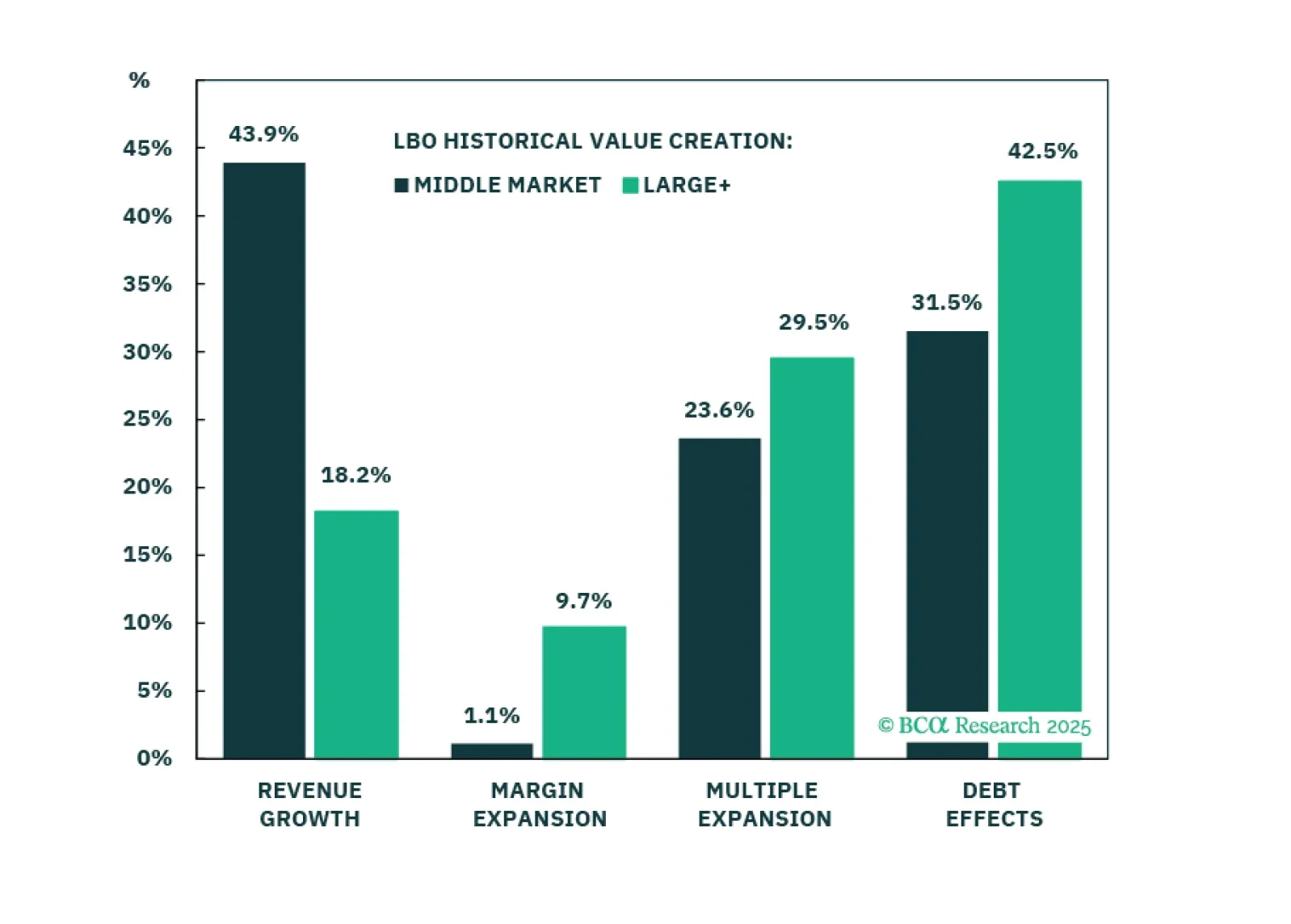
Return expectations have changed for Buyouts, but not equally for Large+ and Middle Market deals. While tariffs are dramatically reducing investor expectations, our return expectations are modestly increasing—with Large+ leading. In Part 2, we will tackle Private Credit.
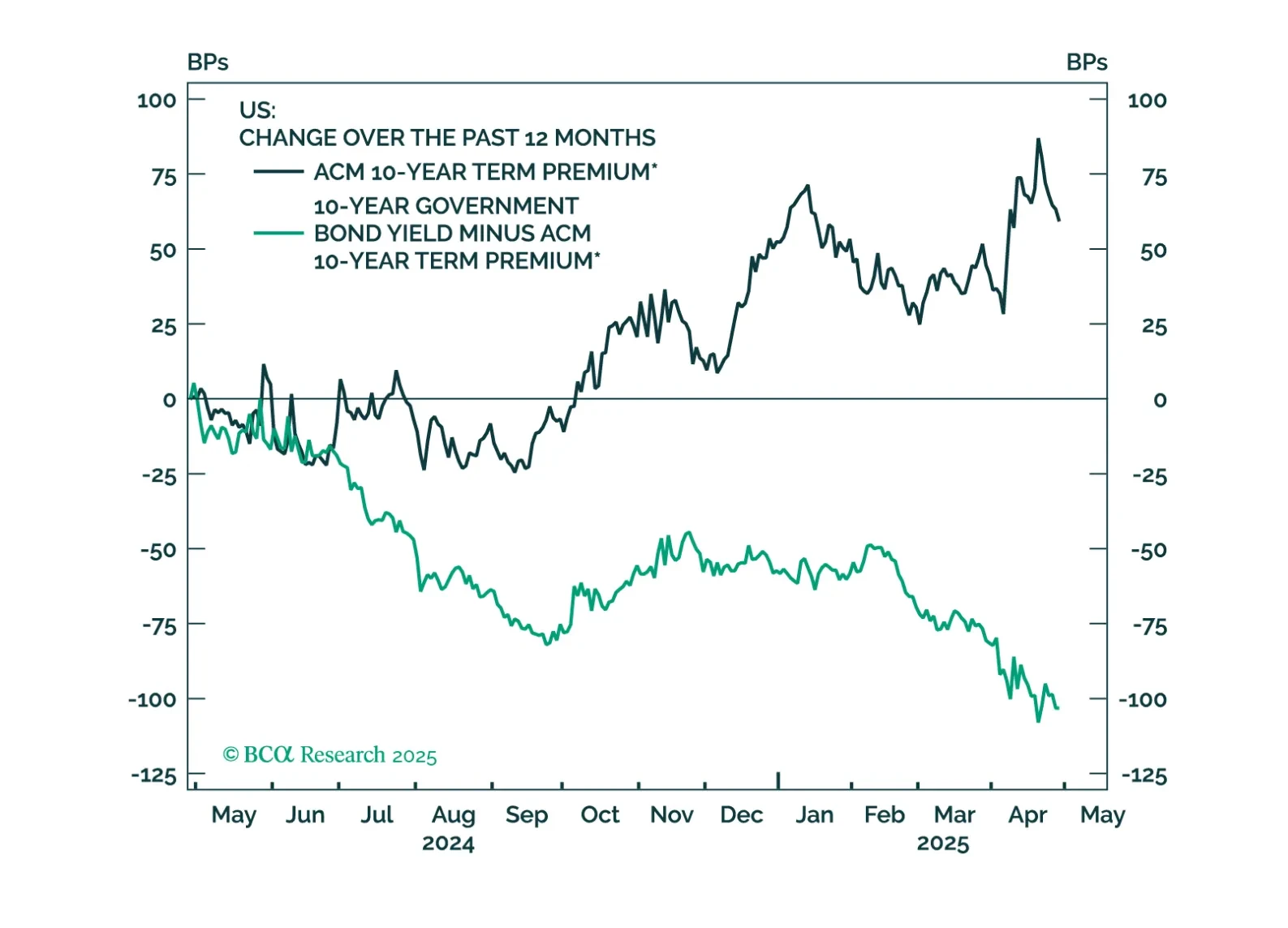
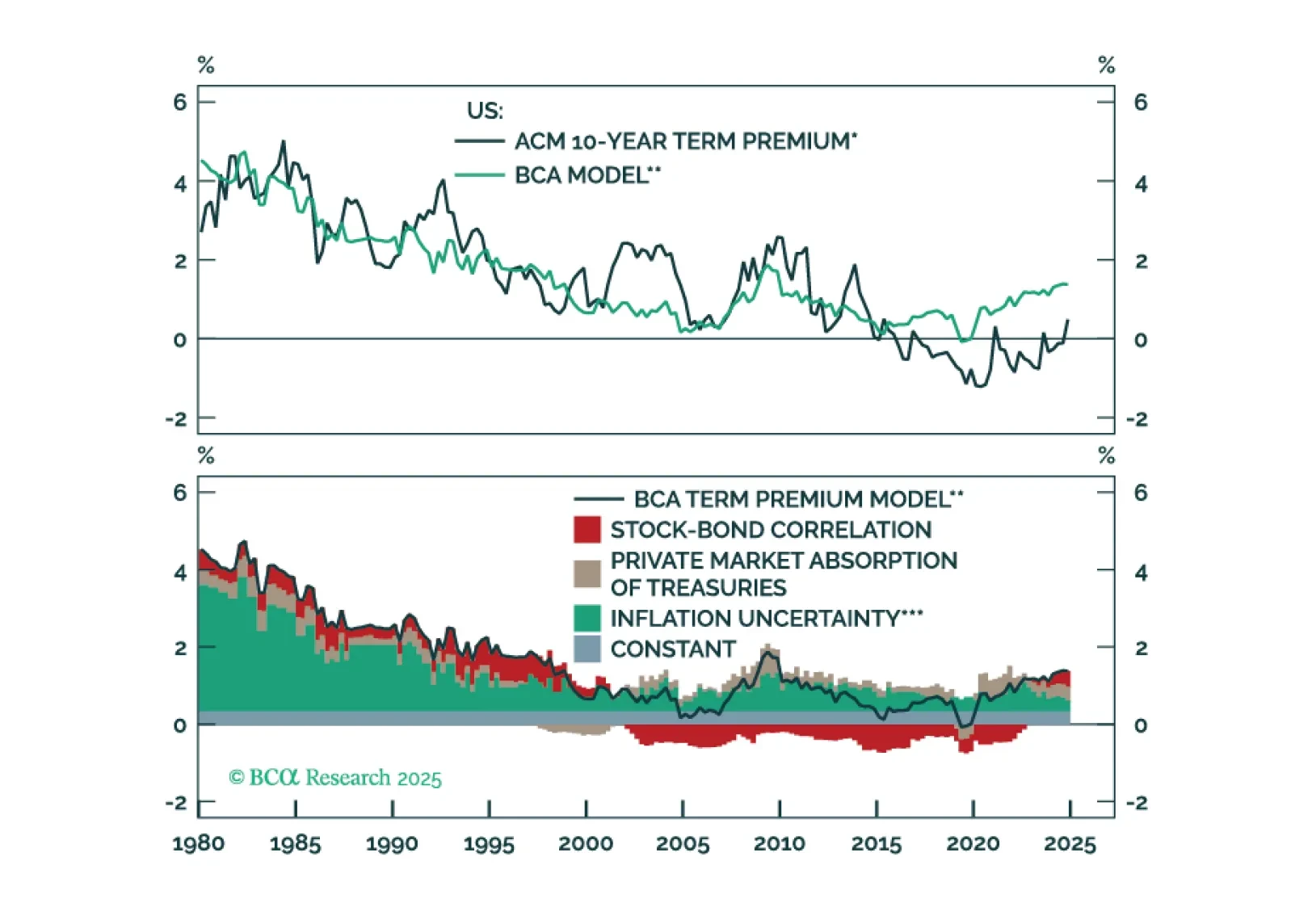
While most investors spent the month of April frantically refreshing their Twitter feeds for the next tariff announcement, we reiterate our stance that details on tariffs should be left to day traders. Long-term investors should be focused on the bigger story: the triple selloff in US stocks, bonds and the dollar. Foreign investors perceive that there has been a deterioration in governance in the US, and are requiring a higher risk premium from America. While Trump has walked back some of his most aggressive rhetoric, business investment will not resume unless we get clarity in policy. We continue to recommend a defensive stance, but downgrade duration from overweight to neutral to protect ourselves against shocks to the term premium. We also introduce Bitcoin to ours asset coverage. We upgrade it from underweight to neutral.
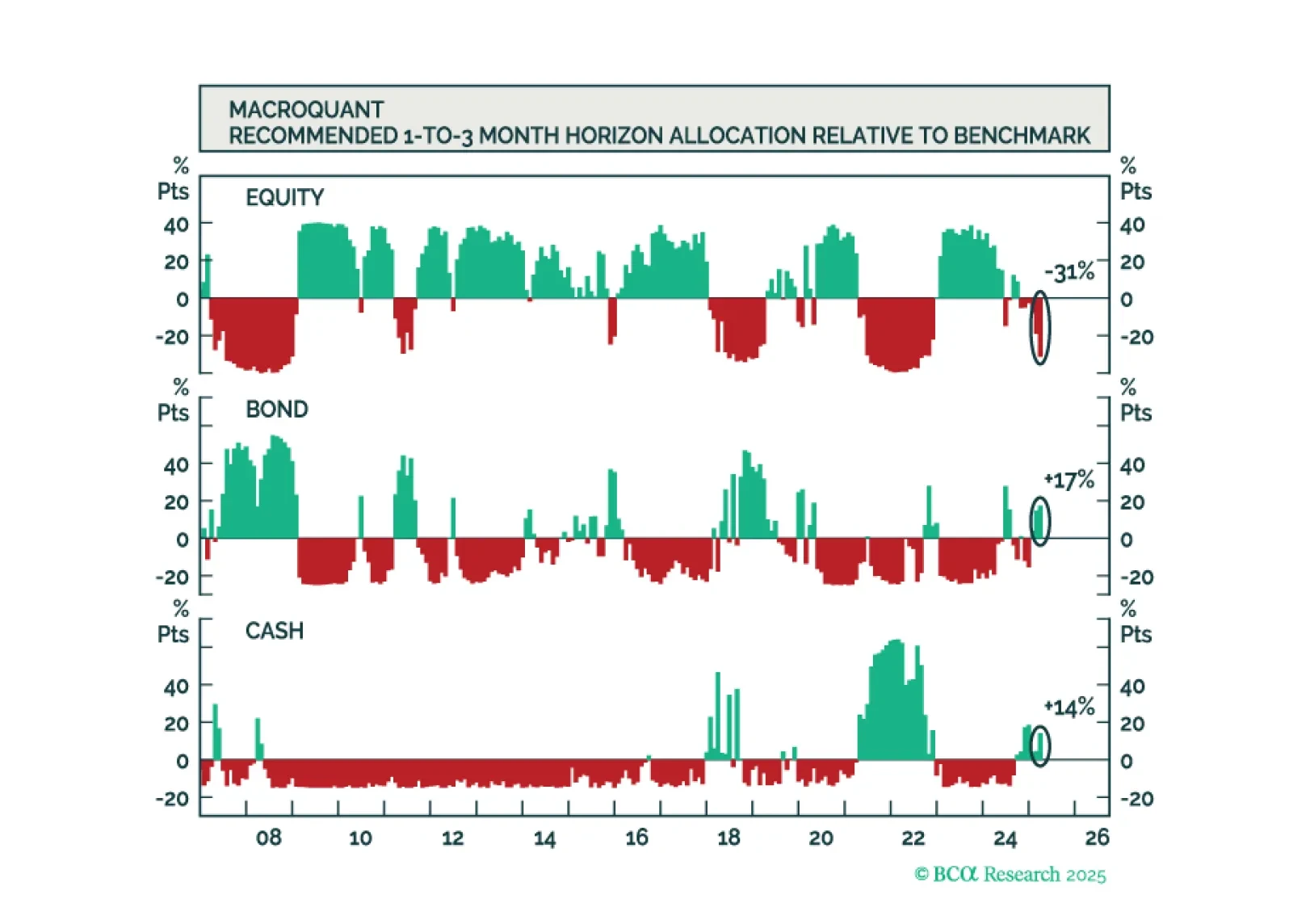
MacroQuant sees the risks to US growth as being to the downside and the risks to inflation as being to the upside. Such a stagflationary brew justifies an underweight on stocks.
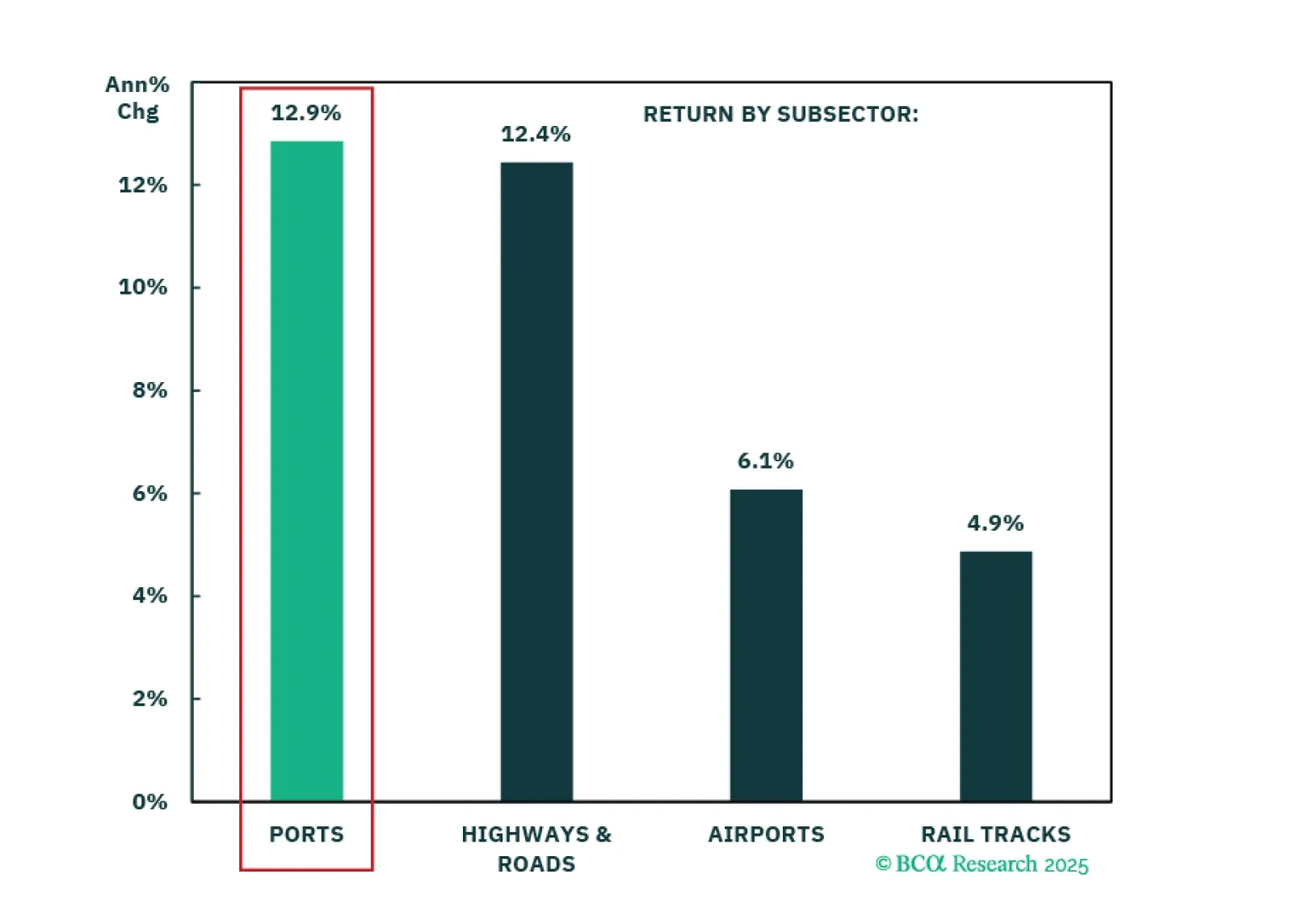
The US will continue to lead global trade, but the past winners from China-US tensions face decline. Reglobalization is underway. India Port Infrastructure will be a long-term winner.

Tariffs may trigger the recession, but the economy was already vulnerable from unsustainable growth and inflated expectations. Private Equity is most exposed, though this situation neither emerged suddenly nor will it unfold overnight. Our recommendations remain largely unchanged as market conditions increasingly align with our outlook.
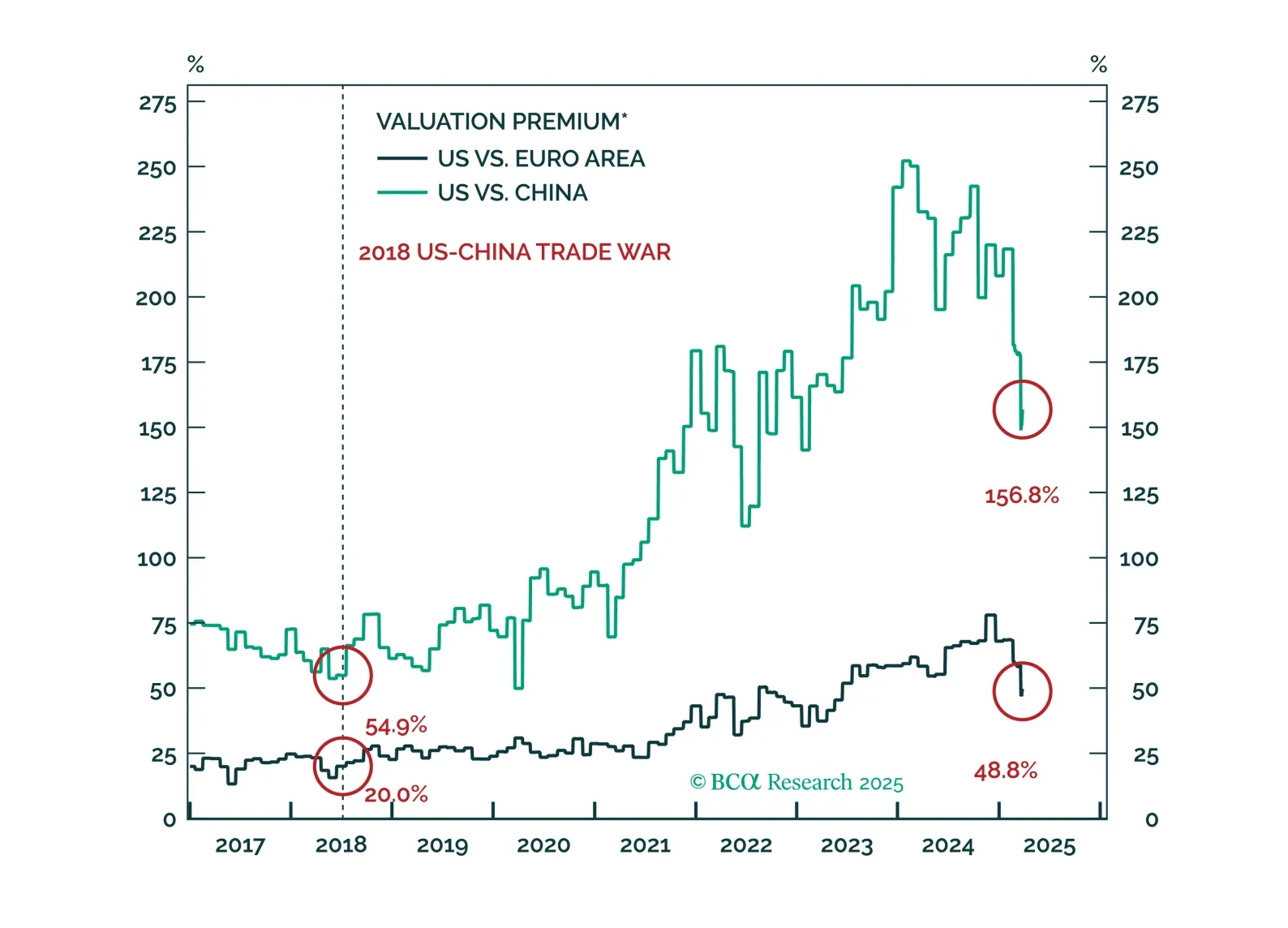
Trump’s foreign policy has been the focus for investors over the past few months. But is it really the underlying cause of the selloff? Market dynamics suggests that tariffs have only been a catalyst. In our view, investors should not focus on the man – Trump and his policy preferences – but should instead focus on the macro. Specifically, we outline three trends that will matter over the cyclical horizon: valuation and policy differences between the US and the rest of the world, the collapse of US animal spirits, and how the AI narrative has begun to crack. While markets could whipsaw around “Liberation Day,” this will only be the opening salvo of the negotiations. We believe that investors will be better served by focusing on these three forces – none of which are positive to risk assets. Remain defensively positioned.

Going into April, MacroQuant recommends a modest underweight on stocks, offset by an overweight on bonds and cash. While MacroQuant is modestly bearish on stocks, we suspect that the downside risks to equities may be greater than what the model assumes.
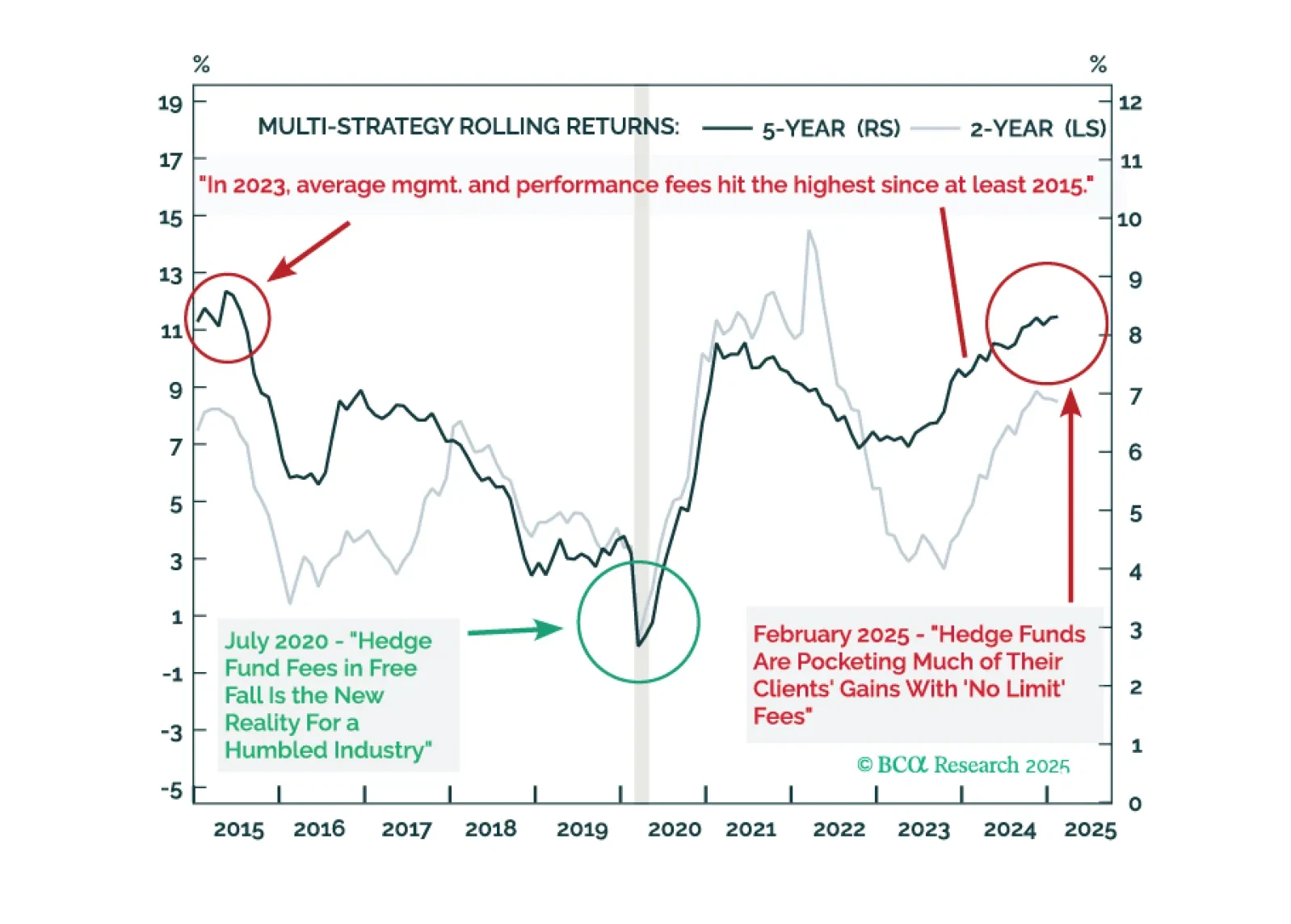
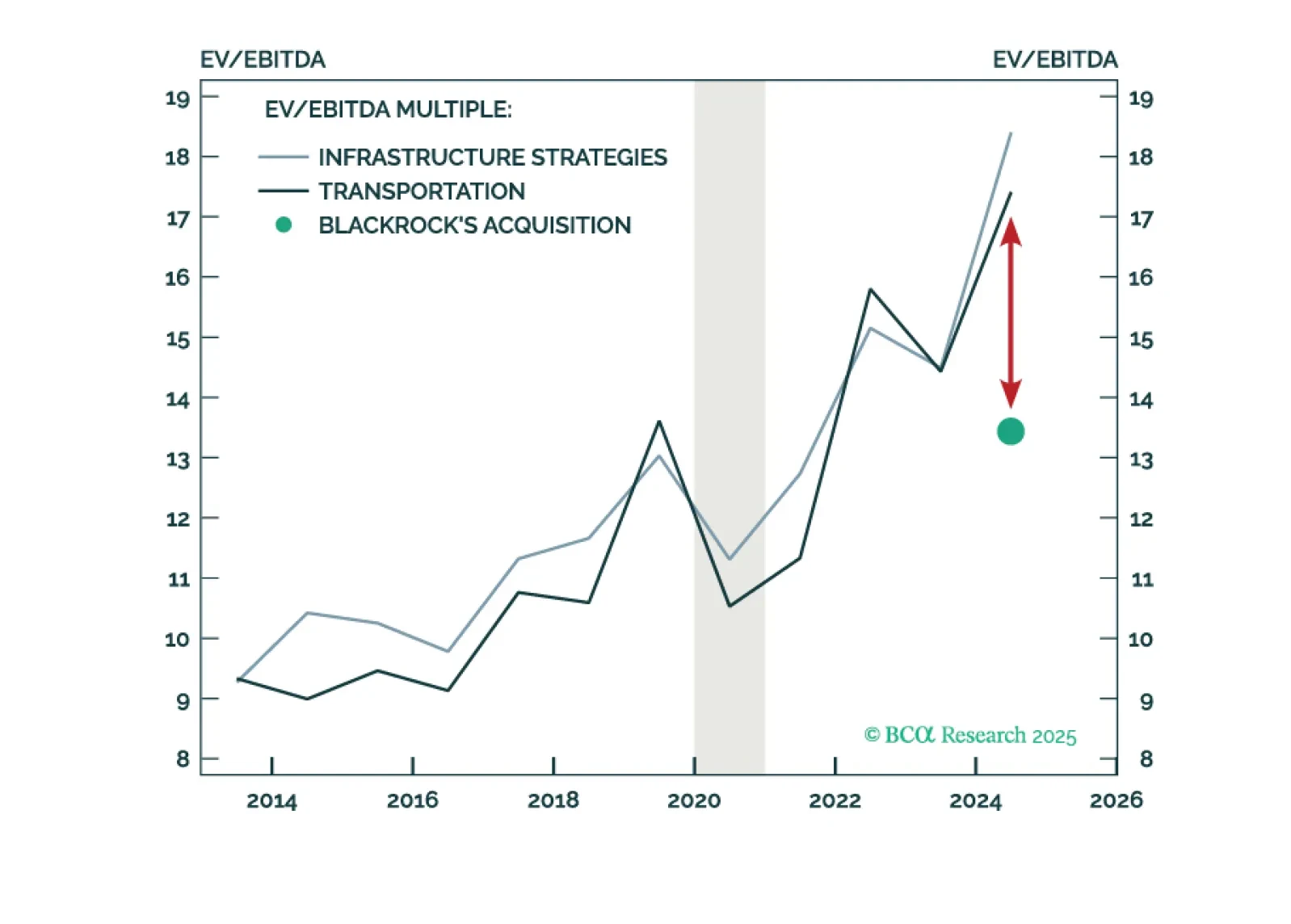
The ports that BlackRock acquired on both sides of the Panama Canal appear to be a bargain in terms of the entry valuation. But are the risks being appropriately compensated? In this prefatory report, we prepare investors for our upcoming Infrastructure reports, which will highlight geopolitical risk factors in this private asset class rarely encountered in others.