 GeoMacro
Find out more
The market narrative around the Gulf conflict rests on three flawed myths: the UAE is not “finished,” Iran cannot close Hormuz indefinitely, and the war is not fundamentally about China.
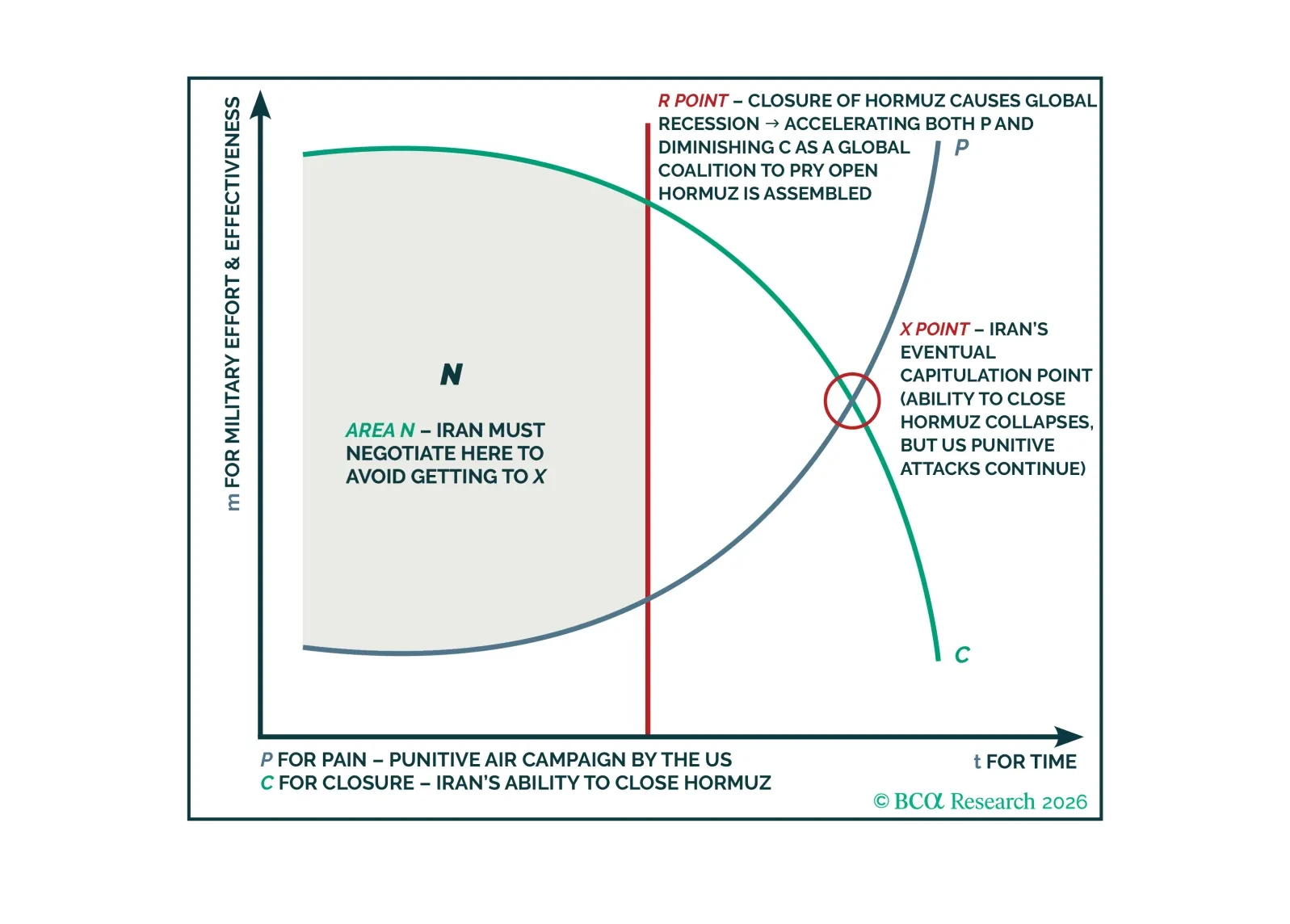
Our March 13 tactical insight into the ongoing Third Gulf War has incited a lot of client feedback.
The conflict in Iran has entered the “post-Trump taco zone” where it is now all about Tehran’s reaction function.
Regional geopolitical risk is rising for Europe, EM Asia, and South Asia. We adjust our regional risk matrix accordingly.
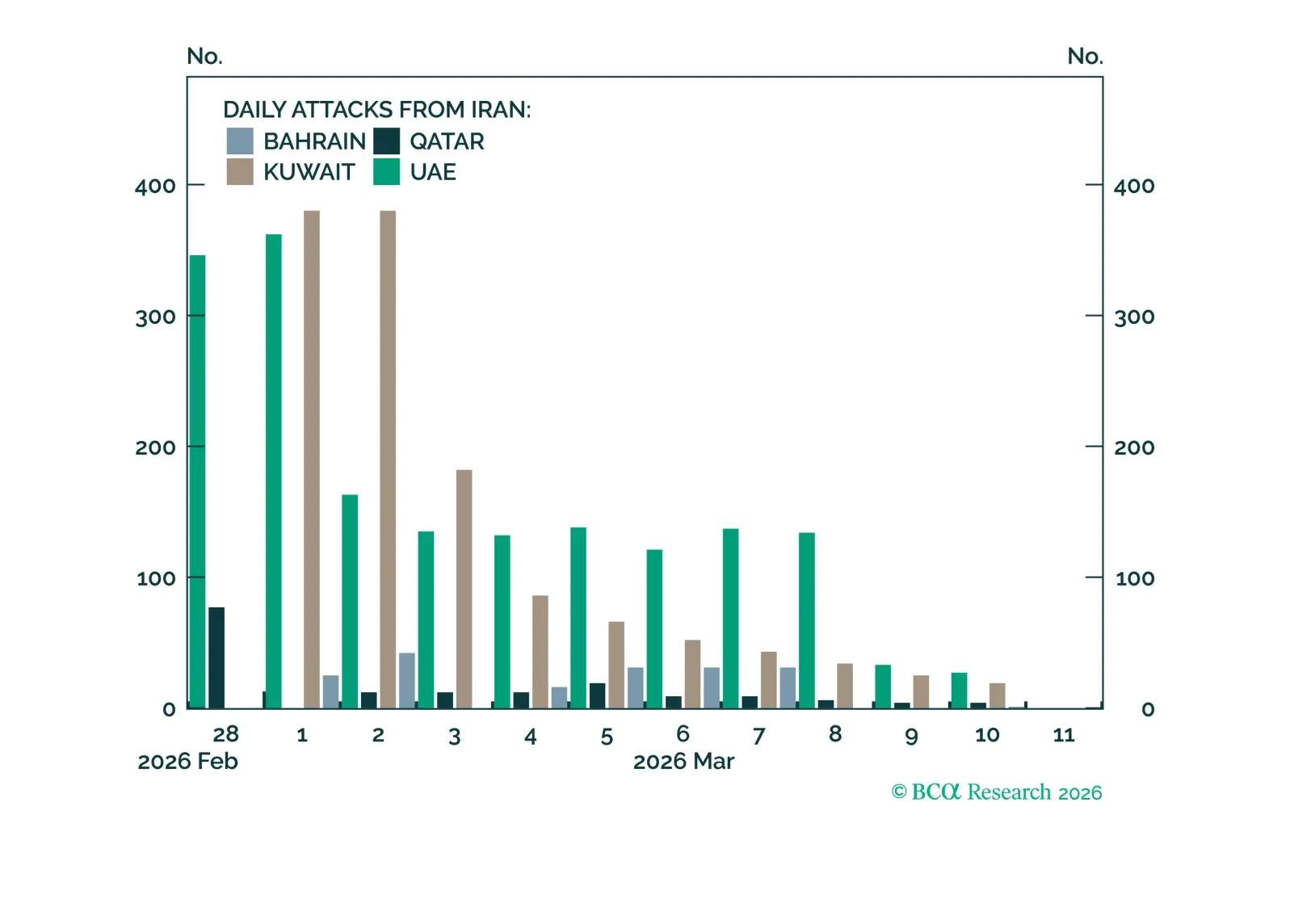
Drone and ballistic missile attacks were slowing, as of March 11. Air traffic in the region was also slowly recovering, as the pace of attacks declined. Warning, however: Reports from US CENTCOM and the IDF claim that Iran still has around 40% to 50% of its stockpile of missiles and launchers. Attacks are continuing, even though at a reduced tempo.
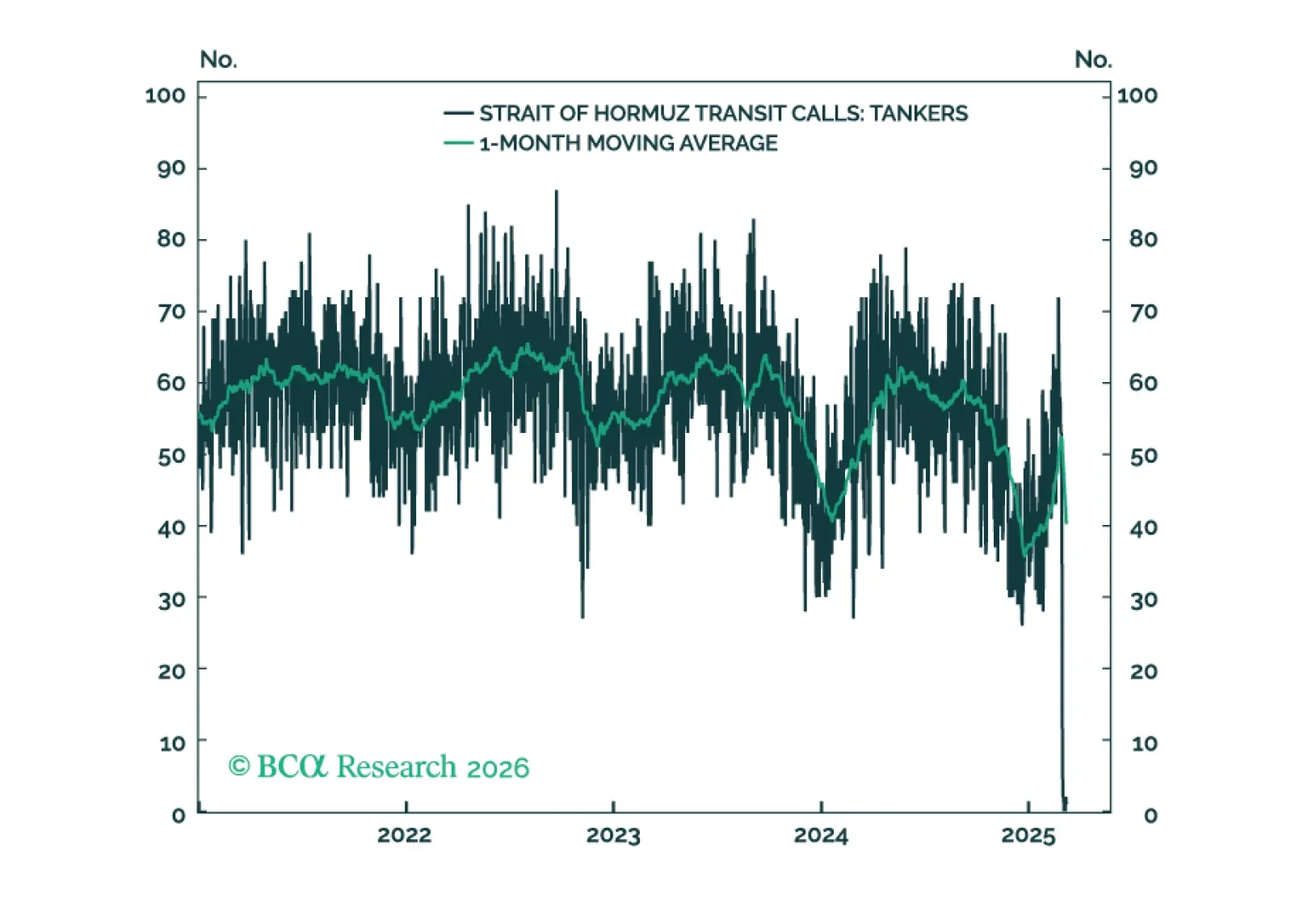
With all eyes on the Strait of Hormuz, BCA Research has created a dashboard of data for your convenience.

China's slowdown coincides with at least a minor global oil shock – a combination we have long feared.
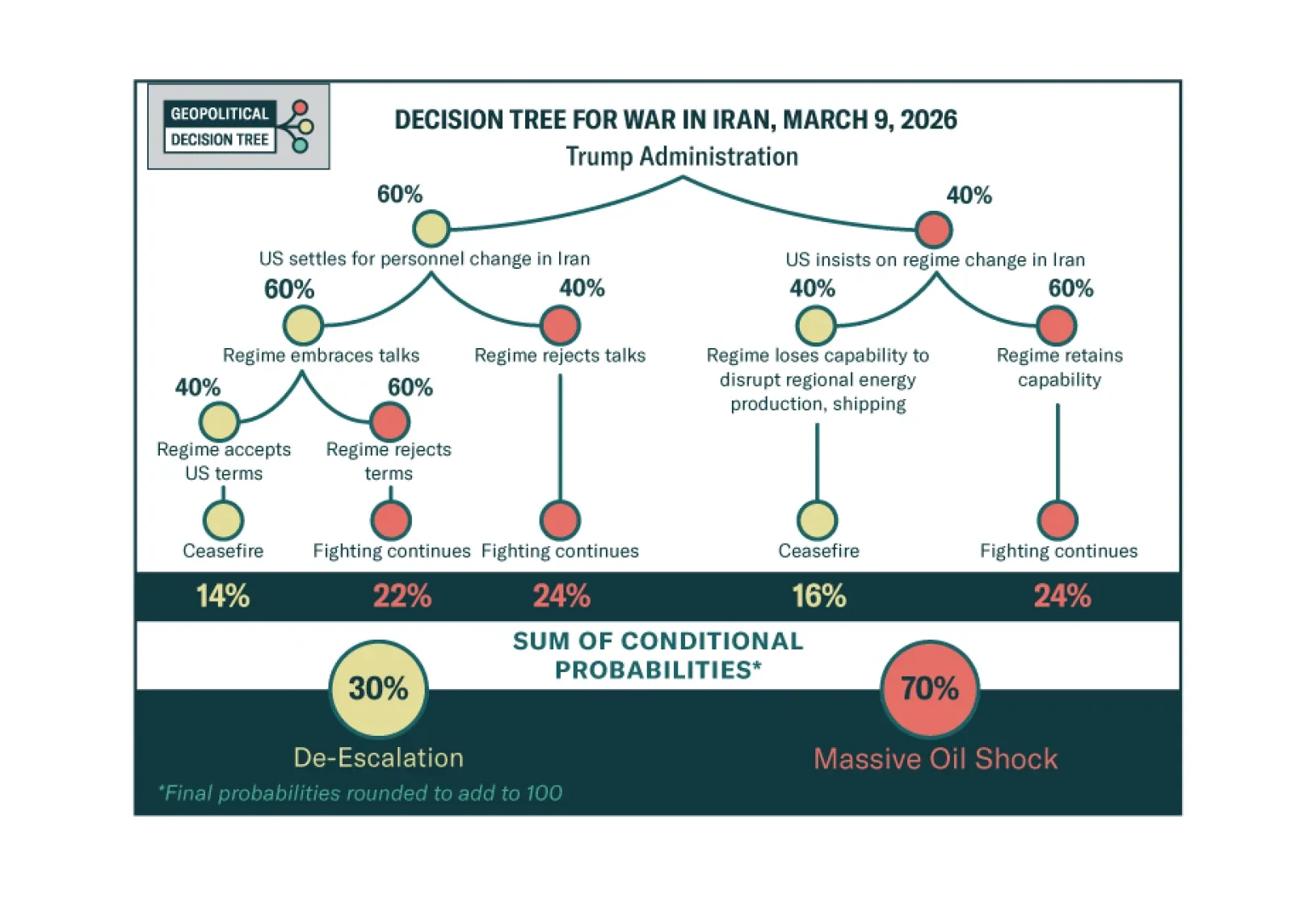
In this monthly iteration of our chartpack, we focus exclusively on just two questions. First, we present four scenarios for how the situation in the Middle East develops. Second, what happens if the pernicious scenarios come to dominate, how investors should play a global recession, were it to occur.
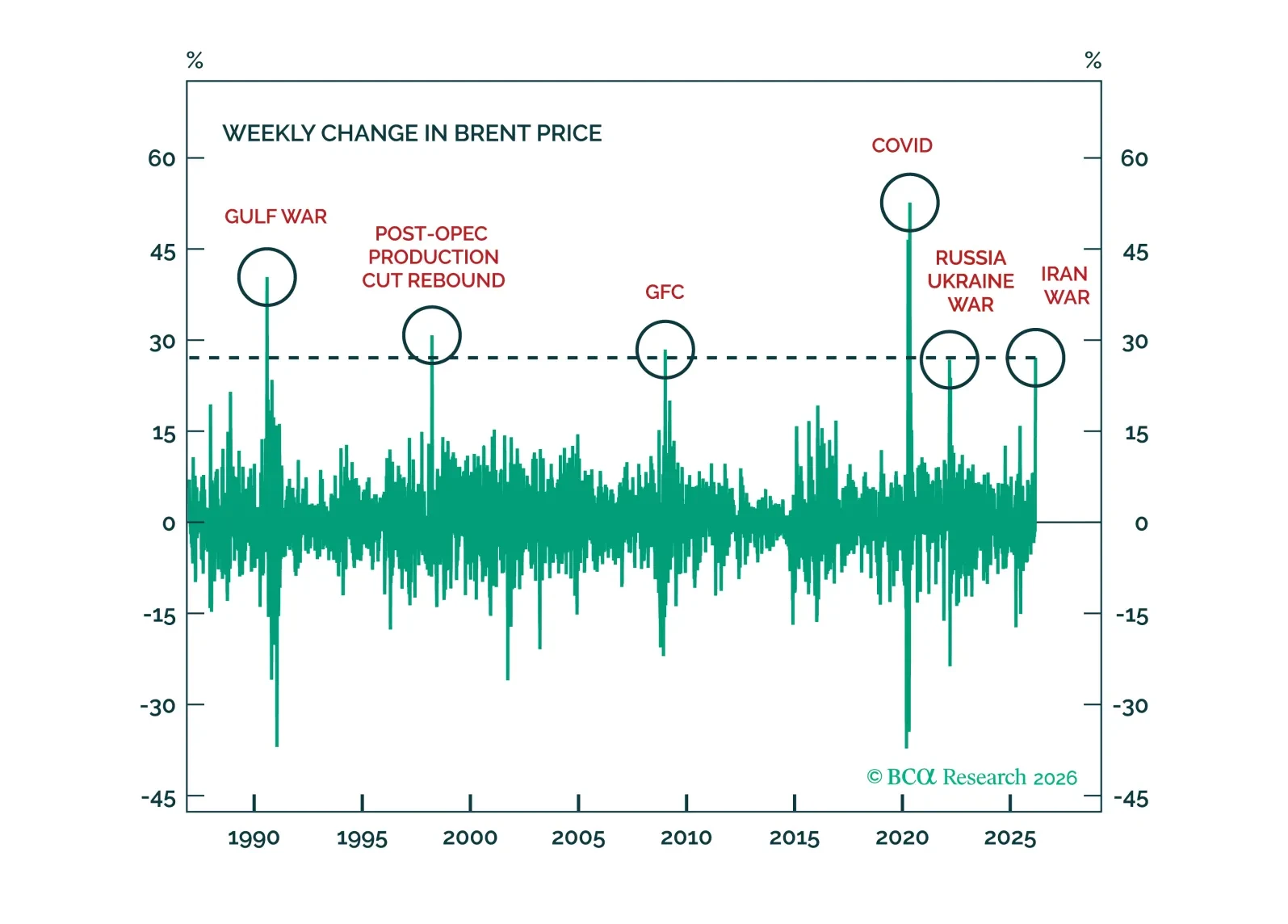
Close oil trades tactically, but beware lingering economic costs of the Iran war this year.
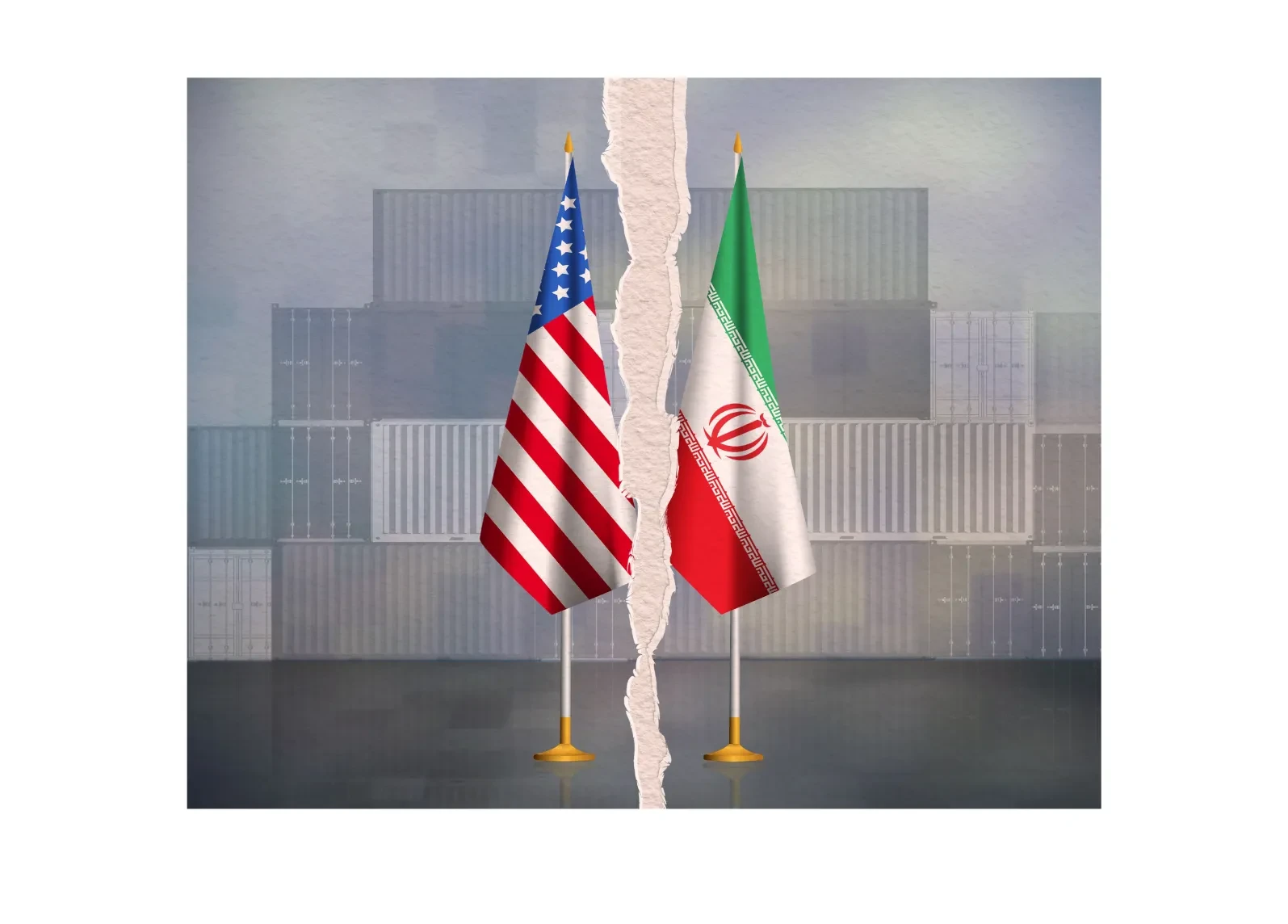
Investors have decided that the news flow out of the Middle East over the weekend was beyond negative, it is borderline apocalyptic. There are several reasons to agree with this assessment.