 GeoMacro
A blend of geopolitics and macro, synthesizing the new and old macro to generate alpha and identify the beta through probability-weighted market views.
2026 will see geopolitical risk move sideways globally as the US pursues a ceasefire in the proxy war with Russia and a tariff truce with China ahead of midterm elections that will produce gridlock.
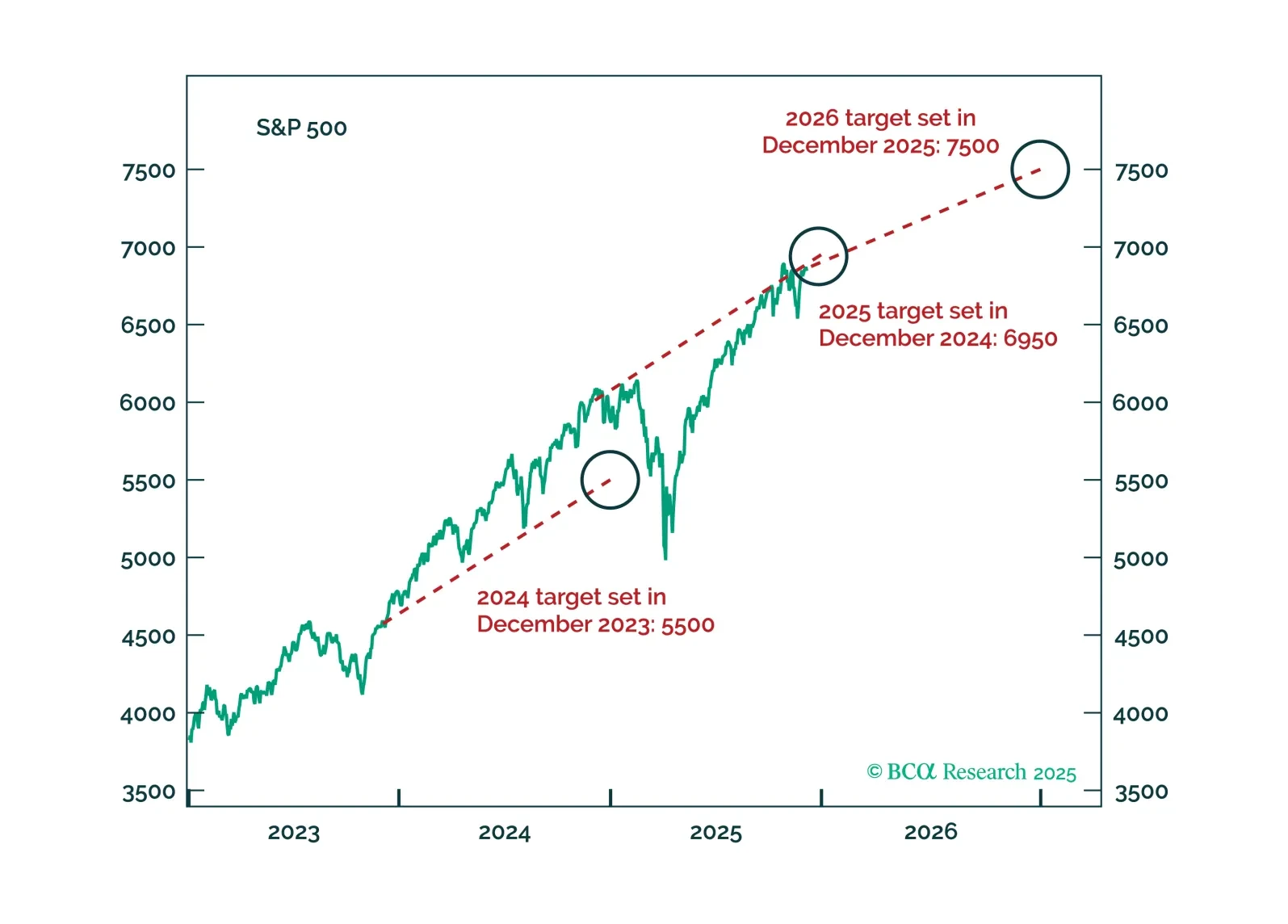
We had a good year in 2025. For two years now, we have been unabashedly bullish, proving that the GeoMacro framework works.
Washington’s new strategy sheds liberal idealism for hard-edged multipolar realism: spheres of influence accepted, allies chided, Asia red lines firm, Latin America elevated, and AI-plus-digital assets crowned as national-security sinews. The result is a world steadied by US offshore balancing – an unexpectedly bullish backdrop for emerging markets in the years ahead.
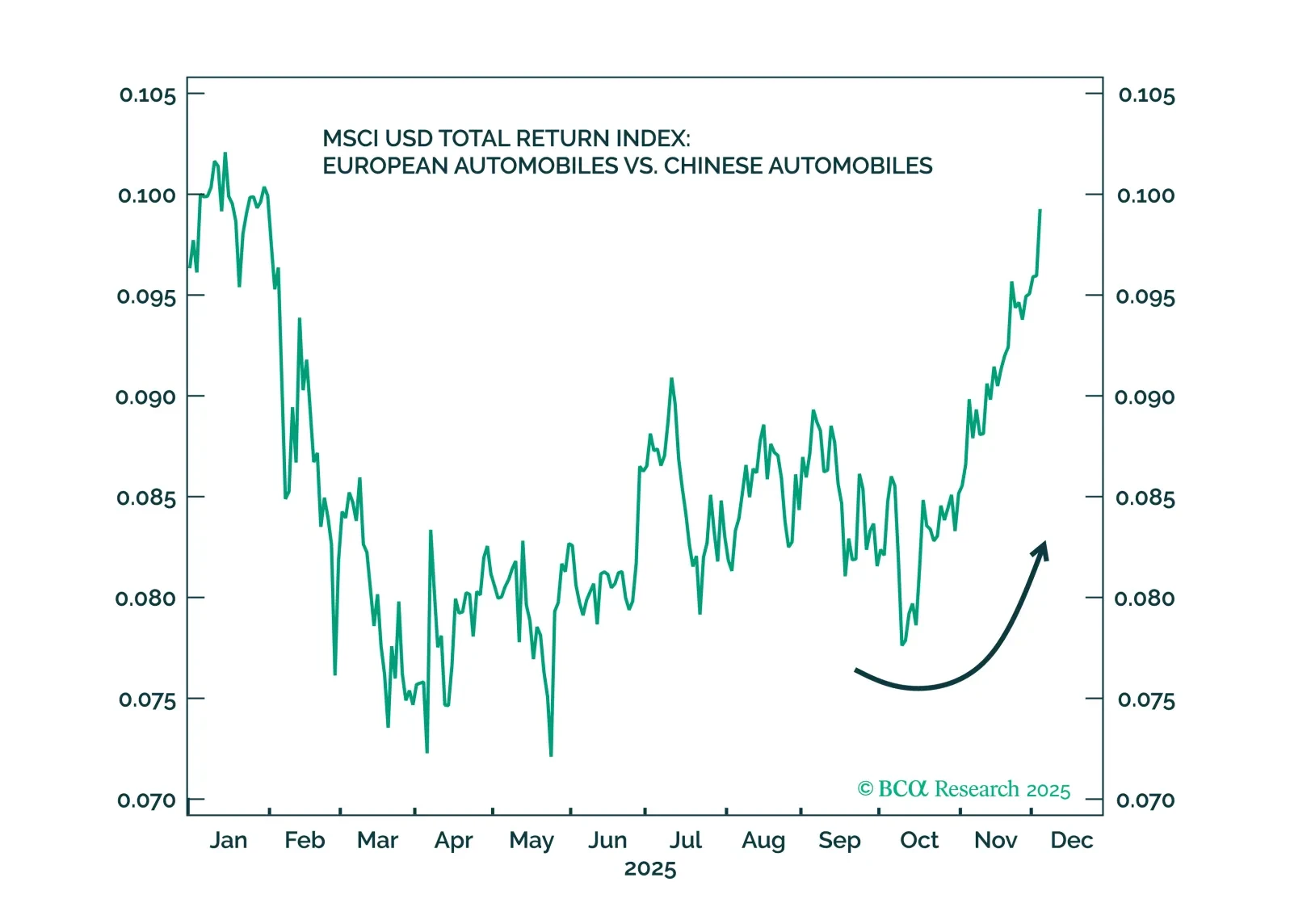
We got Trump's tariff shock and backtracking correct and predicted Israel's attack on Iran. But we missed the China rally — and there is still no Ukraine ceasefire.
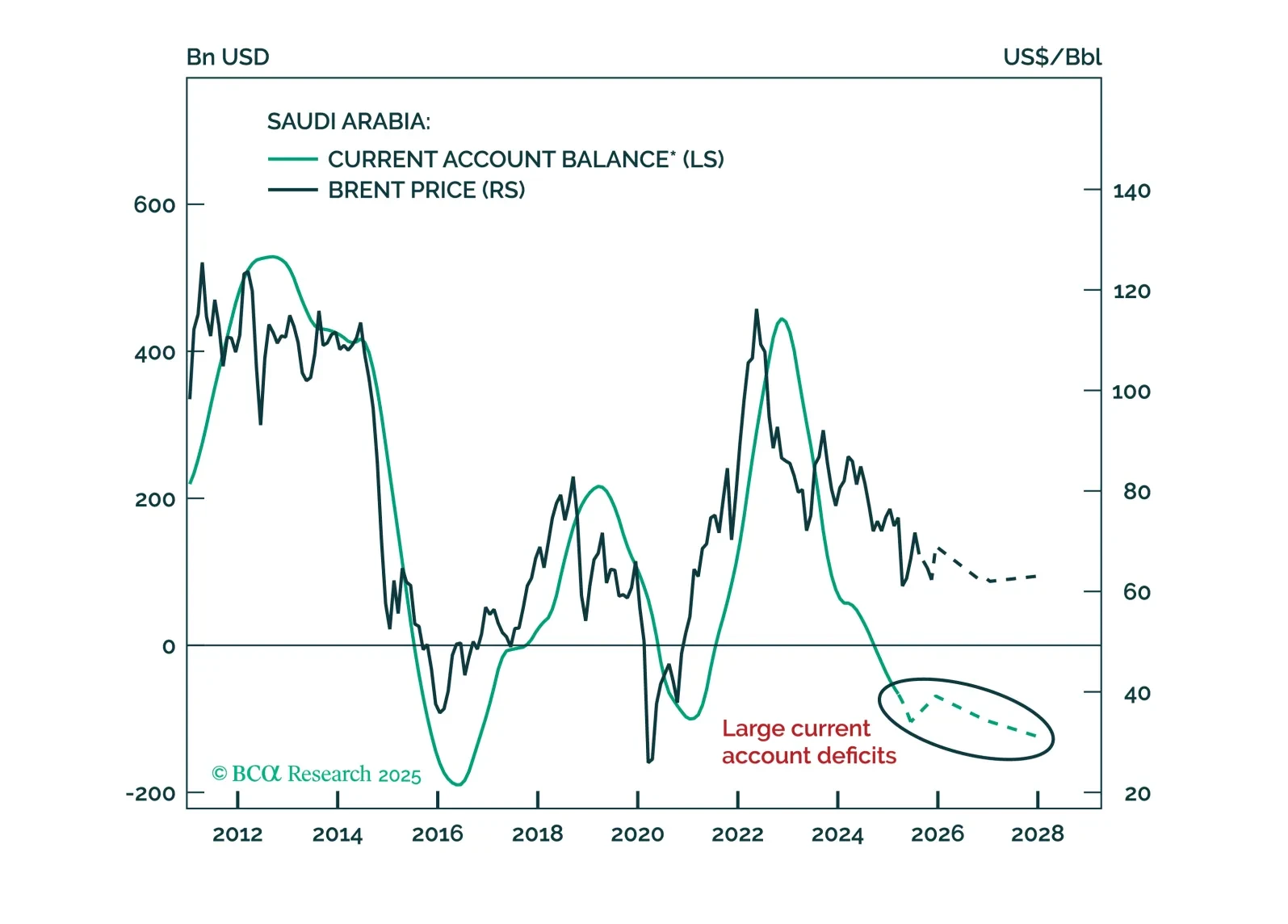
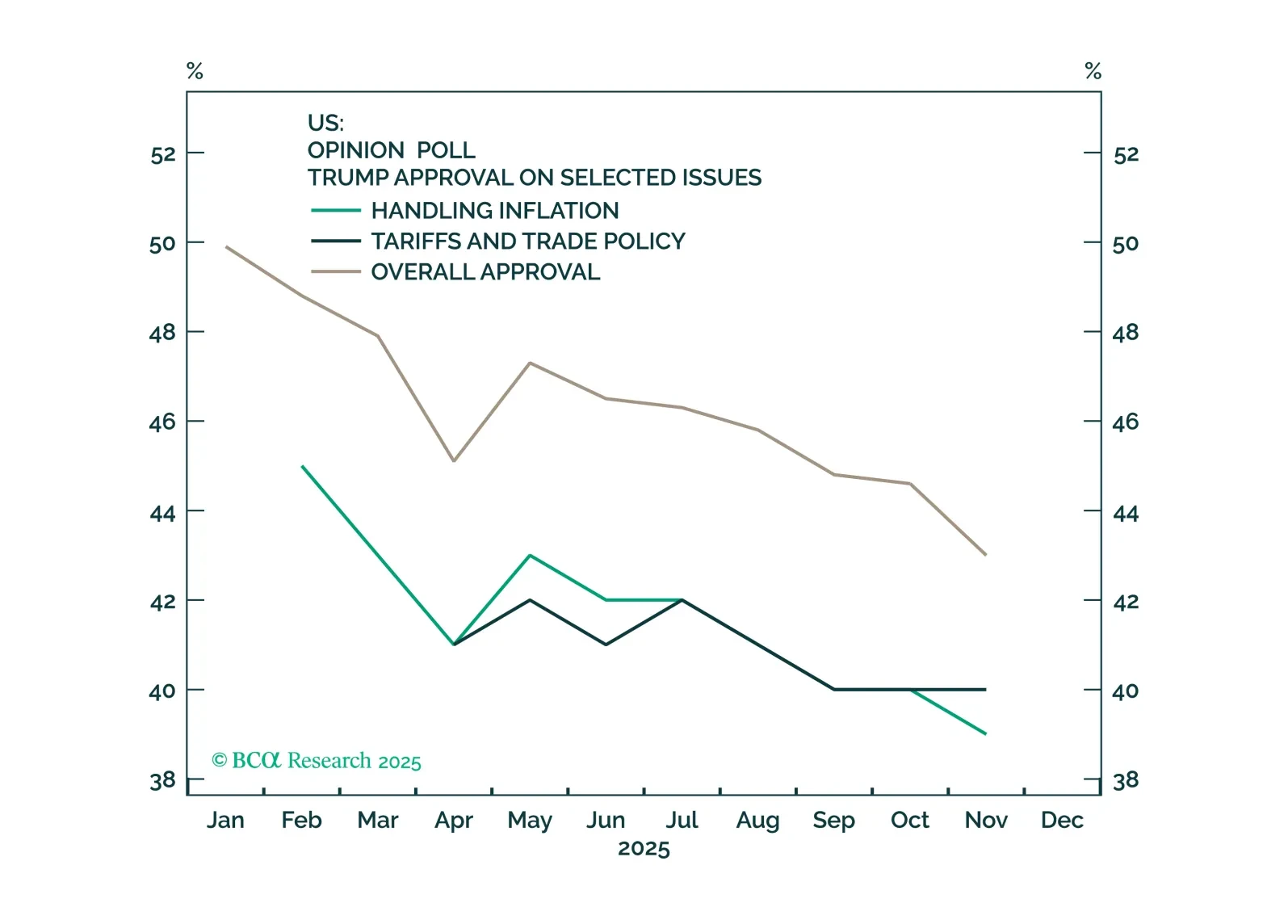
On purely macroeconomic terms, the US economy appears to be heading towards a recession. But the whole point of our framework – GeoMacro – is to forecast the interplay between politics, geopolitics, and macro. The White House is taking control of the Fed in 2026 and, together, they will look to re-lever the US consumer.
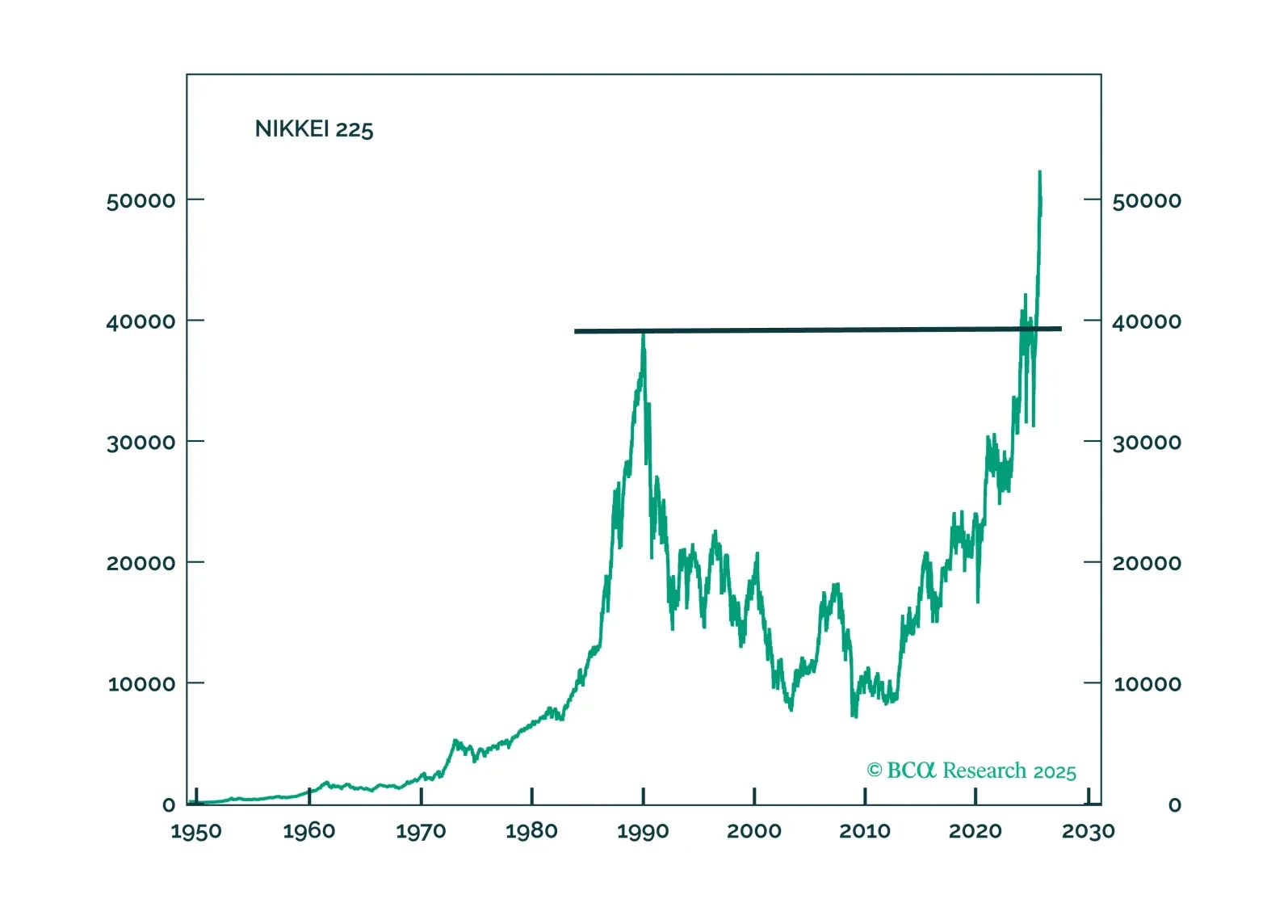
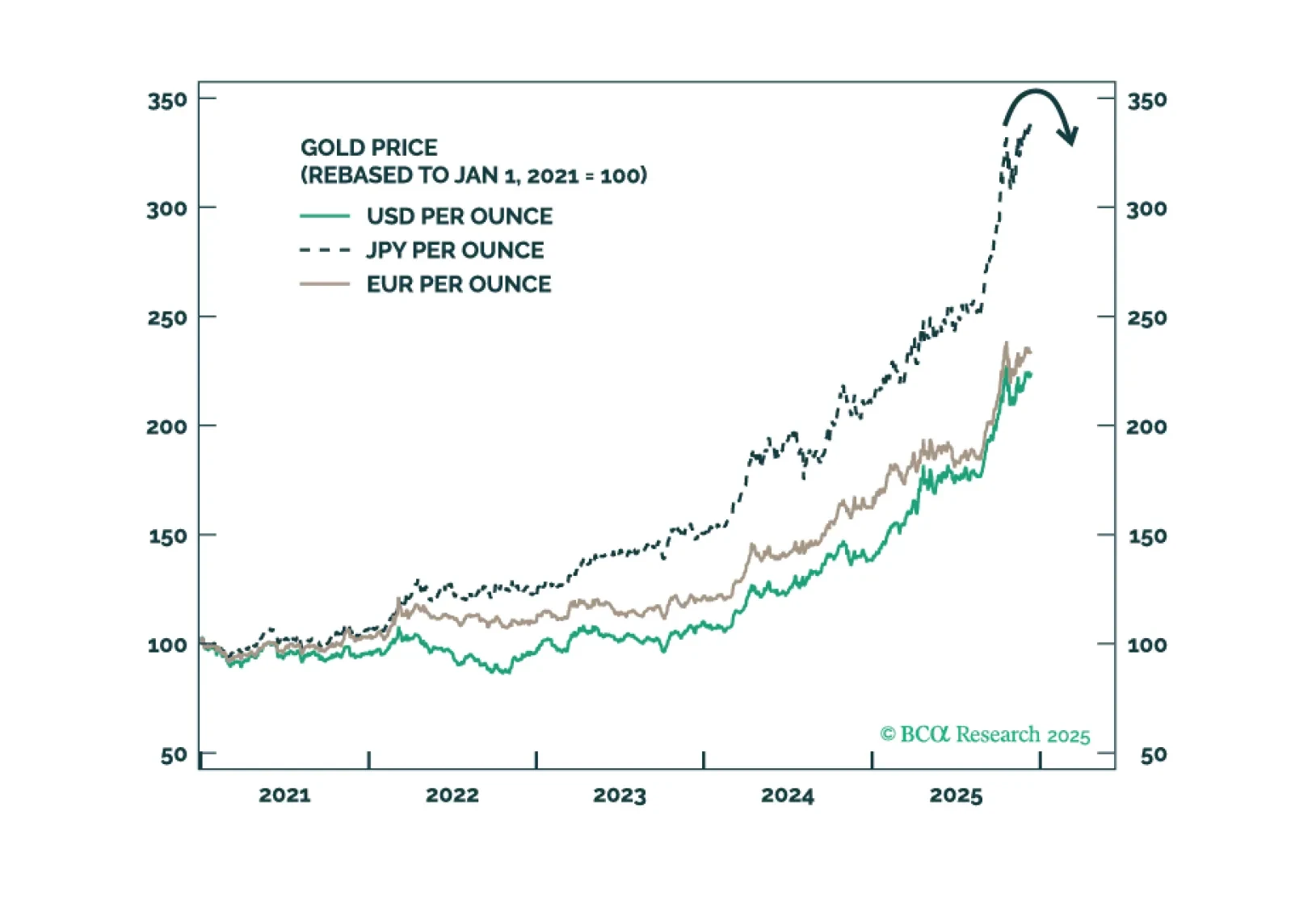
Japanese financial assets will finally have unfettered access to outsized returns. This performance will come in fits and starts, but we are comfortable laying our cards down on buying the yen, and Japanese industrial stocks.
The real reason behind the overt support by the US of Argentina’s experiment is far less exotic and yet also far more lucrative for global investors.
Our conclusions from 2019 were on point. We correctly predicted the fiscal and monetary deluge in 2020 and the subsequent rise in fiscal deficits. Now that we are where we are, someone is going to have to pay for it all. Especially as America's income inequality outcomes are just as bad as ever.
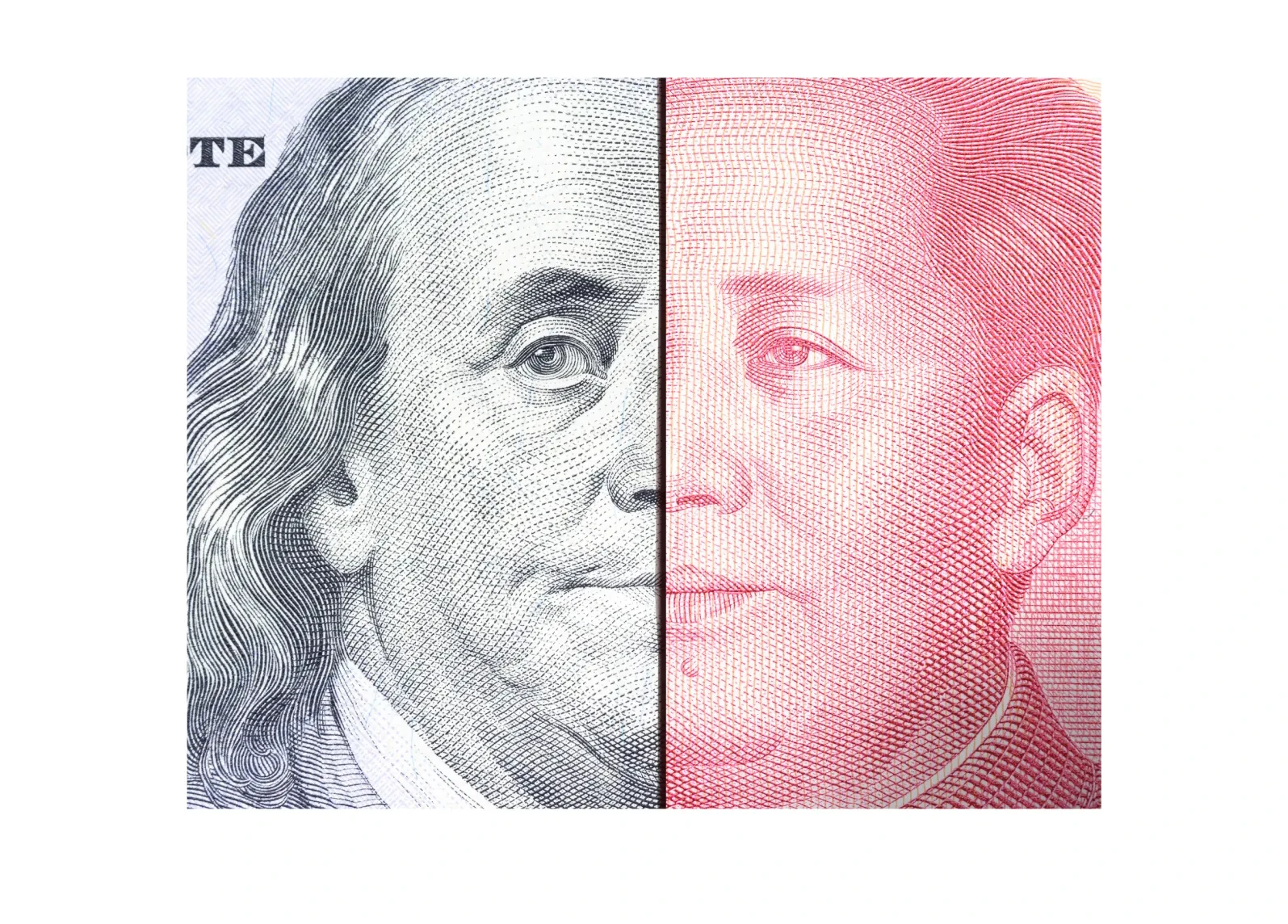
What should investors take from this flurry of diplomatic activity ahead of the US Thanksgiving holiday?