 GeoMacro | Tactical Risks & Opportunities
Near-term geopolitical analysis, focused on the 0-3 month horizon. Publication frequency shaped by urgent global events.
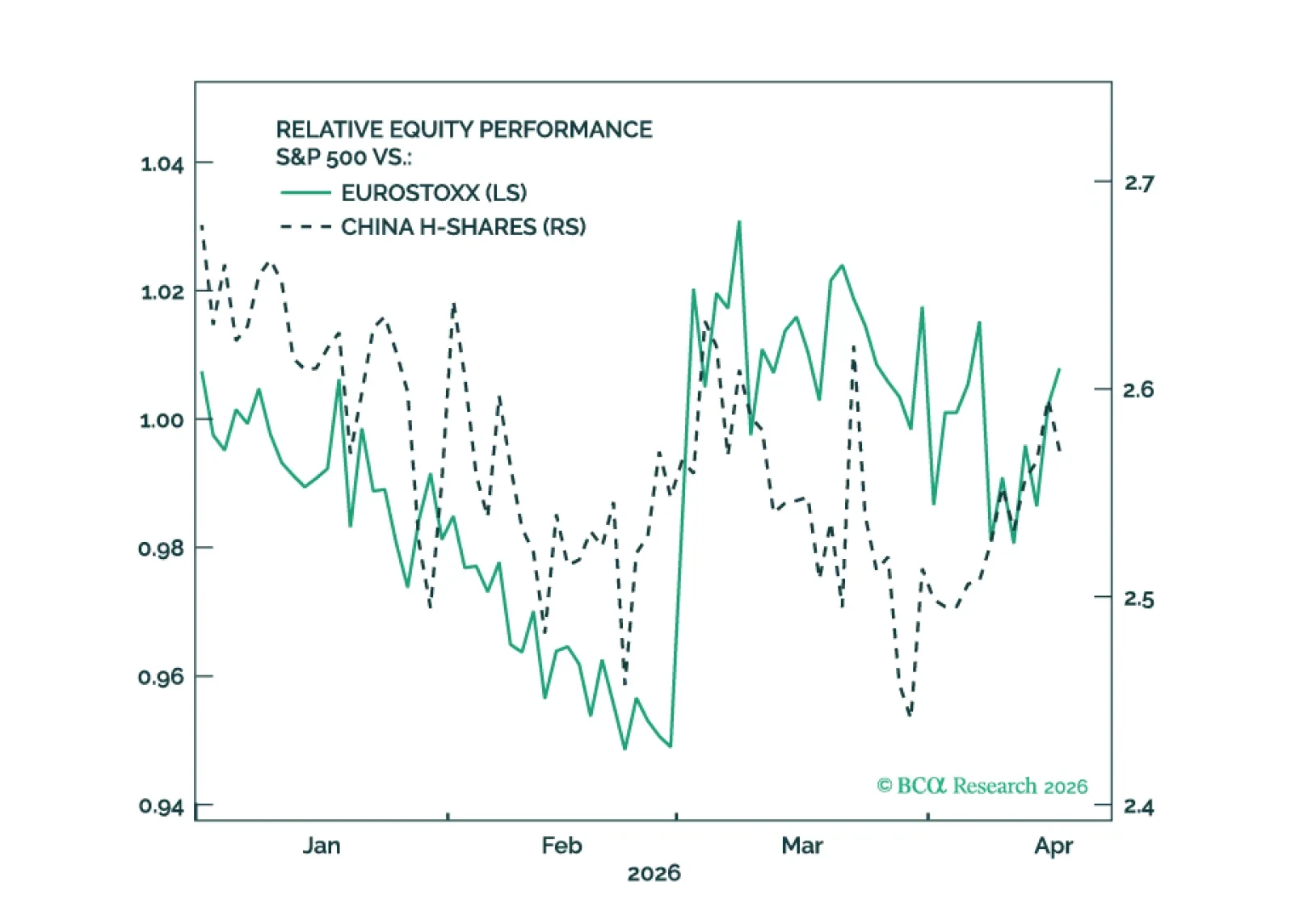
The Iran war is deescalating further — against our expectations — setting up an aggressive return to the risk-on rally.

Markets may be underpricing a bifurcated political outcome. Unless the Iran deescalation succeeds, the delayed economic fallout from the energy shock could materially worsen Republican prospects and raise the probability of a Democratic Senate victory.
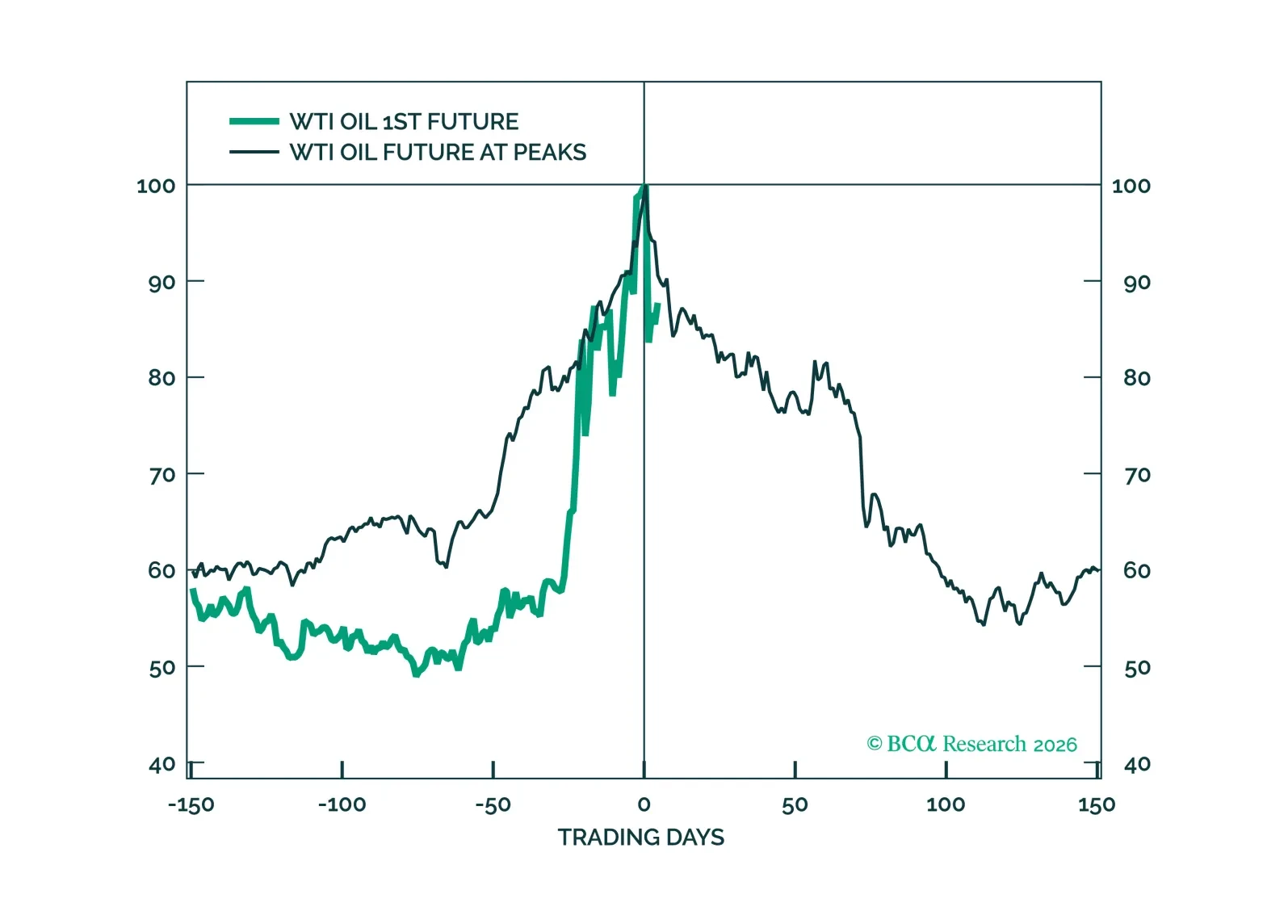
In this chartpack, we present the logic behind our sanguine view and why we think that oil has peaked. We also elucidate our three main scenarios from here on out.

When the ceasefire between Iran and the US was announced on April 8, several clients told us that their geopolitical consultants were pitching a bearish narrative. The US had set up the two-week ceasefire to surge more material and troops to the region, so as to set up the next phase of the conflict. One such advisory firm also pointed out that it was unlikely that the US would hold back on further conflict since it had “already amassed ground troops to the region.”

President Trump has announced that the US would impose a blockade on the Strait of Hormuz, in effect exacerbating the partial blockade that has already been in place due to Iran’s threats against shipping in the Persian Gulf. The threat comes after the direct negotiations between Iran and the US in Islamabad failed to make a breakthrough. Oil is up on the news and stock futures are down. How should investors read the situation?
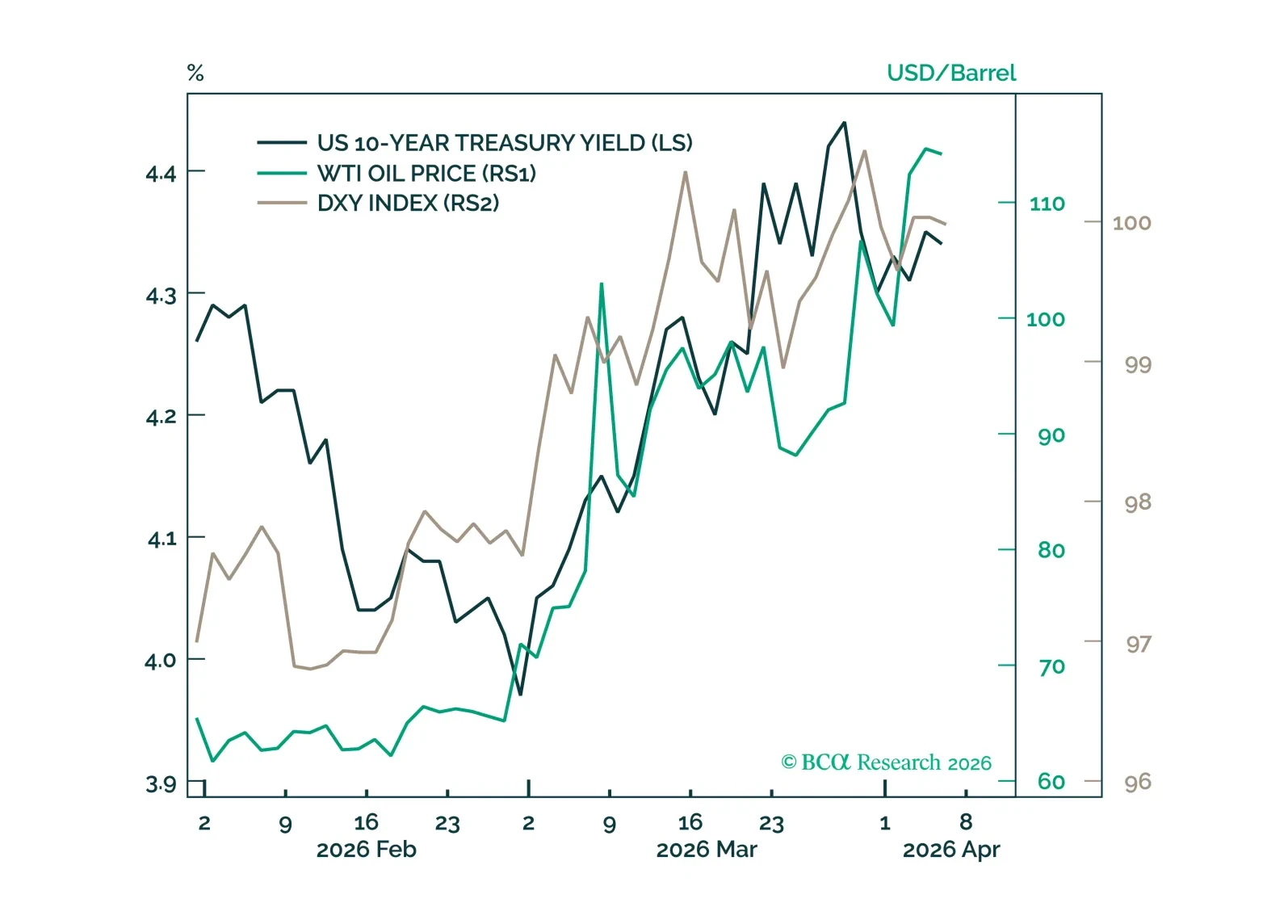
As we publish this regularly scheduled GeoMacro Alpha Report, President Trump is warning of civilization-ending strikes against Iran. A bluff? Stage Five on the Seven Steps of Maximum Pressure? A real threat to use weapons of mass destruction? The odds and pattern of Trump's behavior are skewed towards the former, but even small odds of the latter make trading the next 24 hours dangerous.
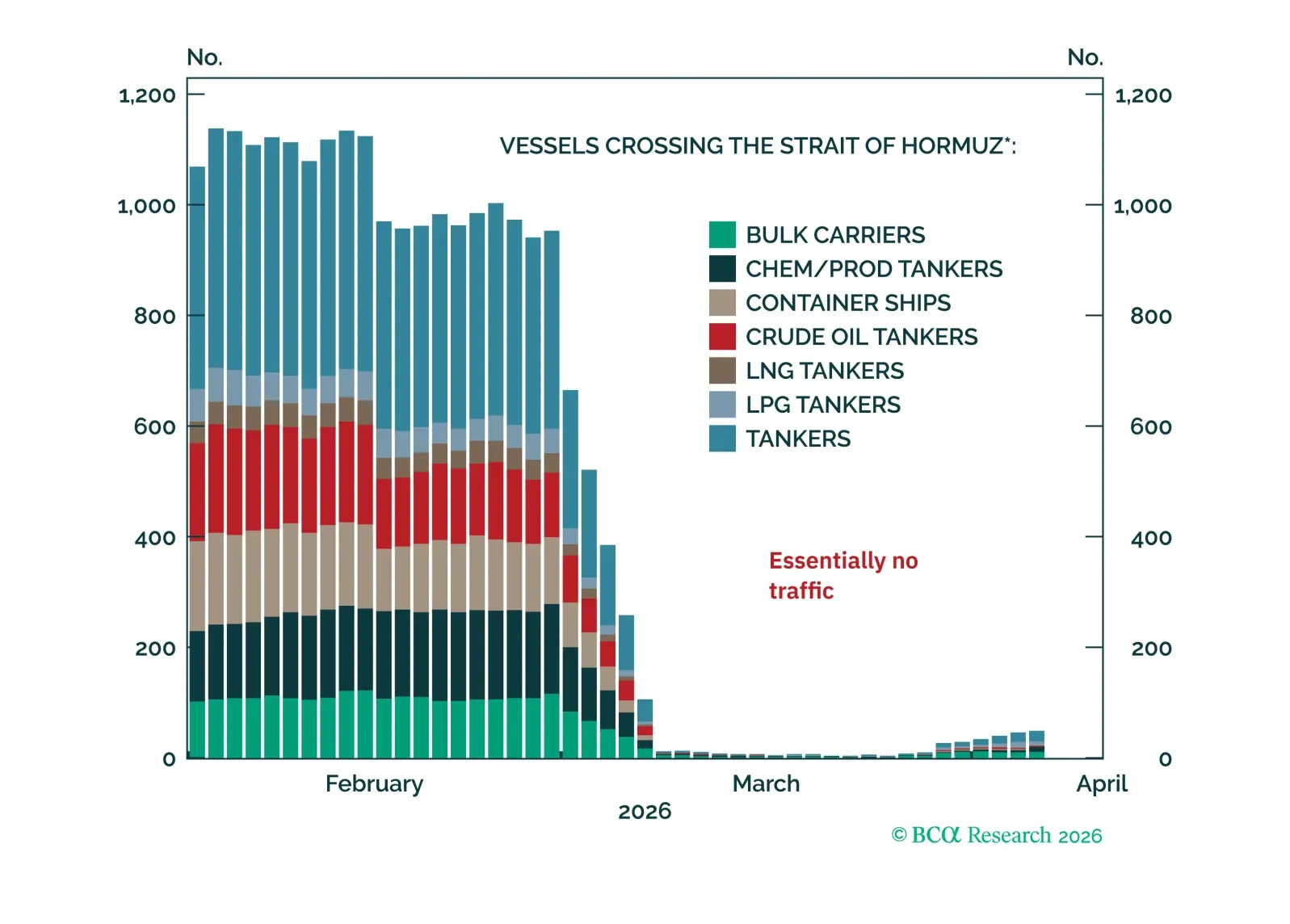
Domestic politics suggest that President Trump needs to retreat from the war in Iran, but strategic factors suggest not. Stay defensive for now.
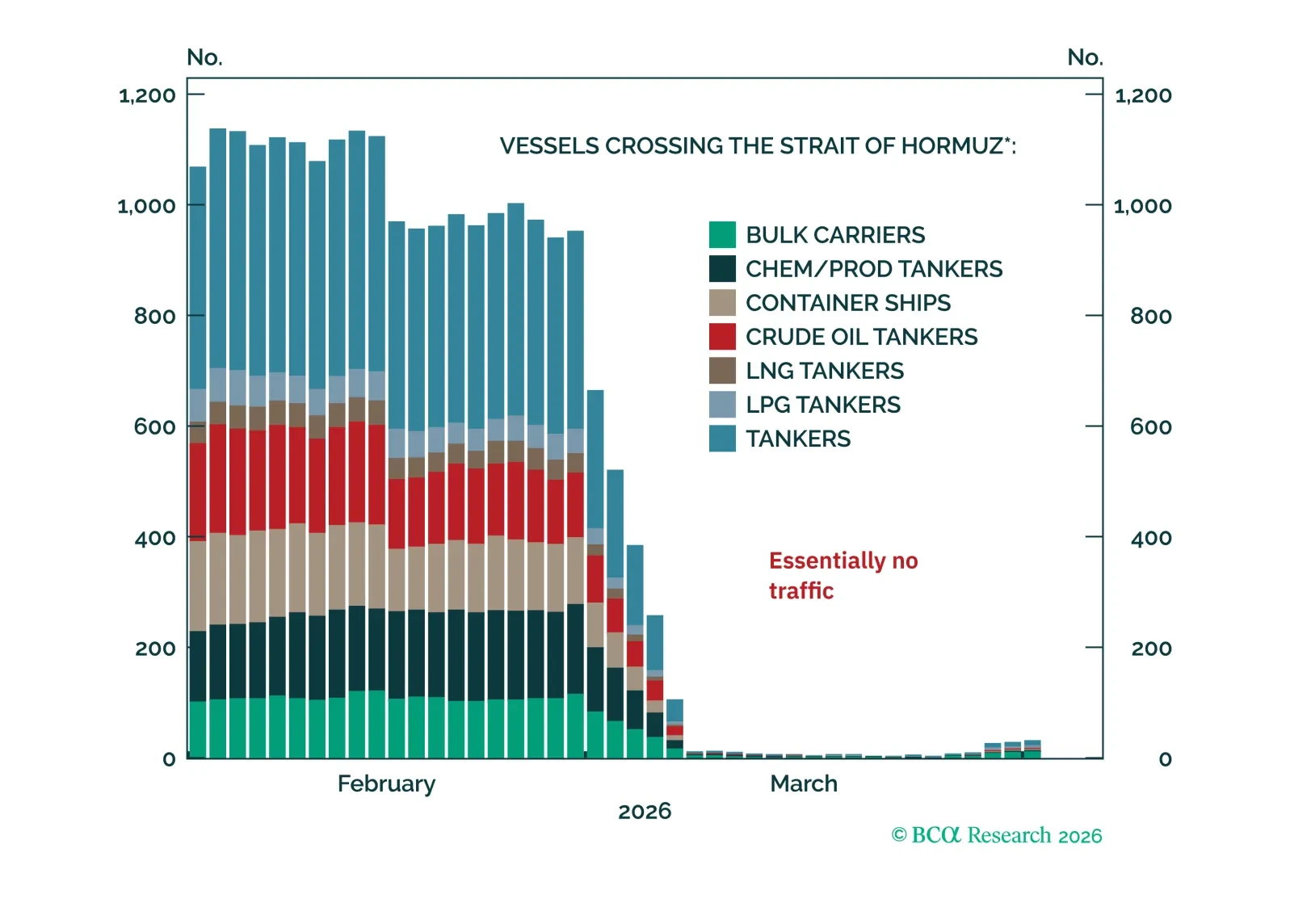
Our "miniature stagflation" episode is coming together on the back of the Iran shock, China slowdown, and American political division.
Over the past 48 hours, there has been a cacophony of statements back and forth between Tehran and Washington, DC, some suggesting that the probability of de-escalation is rising. At the same time, kinetic action has continued unabated. A Kuwaiti tanker was targeted by Iran off the coast of the UAE, followed by a Qatari tanker off Doha, and the US ramped up its attacks on Iranian industrial capacity. The world now awaits with great anticipation President Trump’s remarks to the nation on April 1.
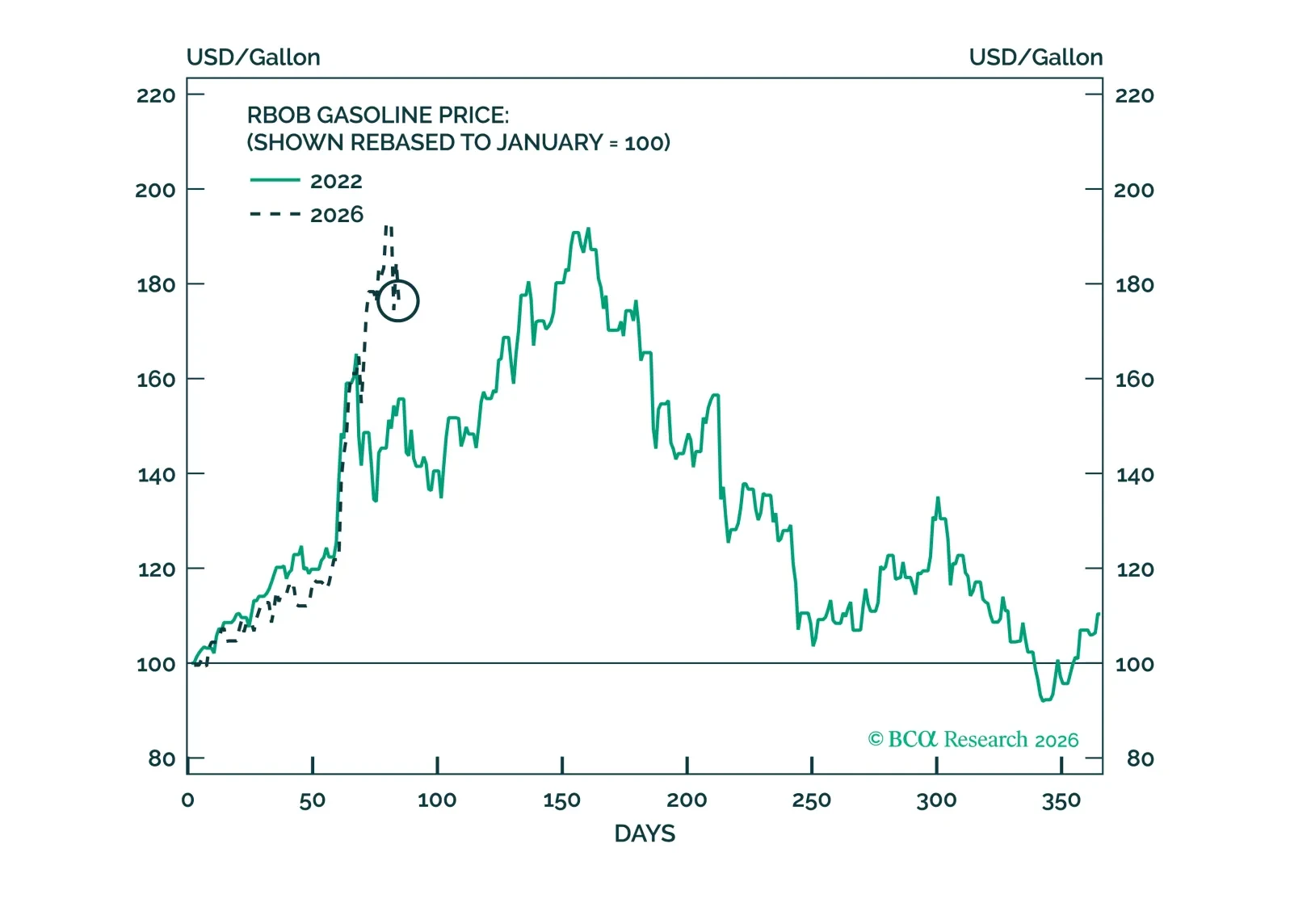
The Iran war may not deescalate in the near term, and if it does, it will likely reescalate later this year, suggesting investors should take a cyclically defensive outlook.