 CoreMacro
| Global
Global macro research on the forces driving the world economy, with calls across stocks, bonds, and currencies.
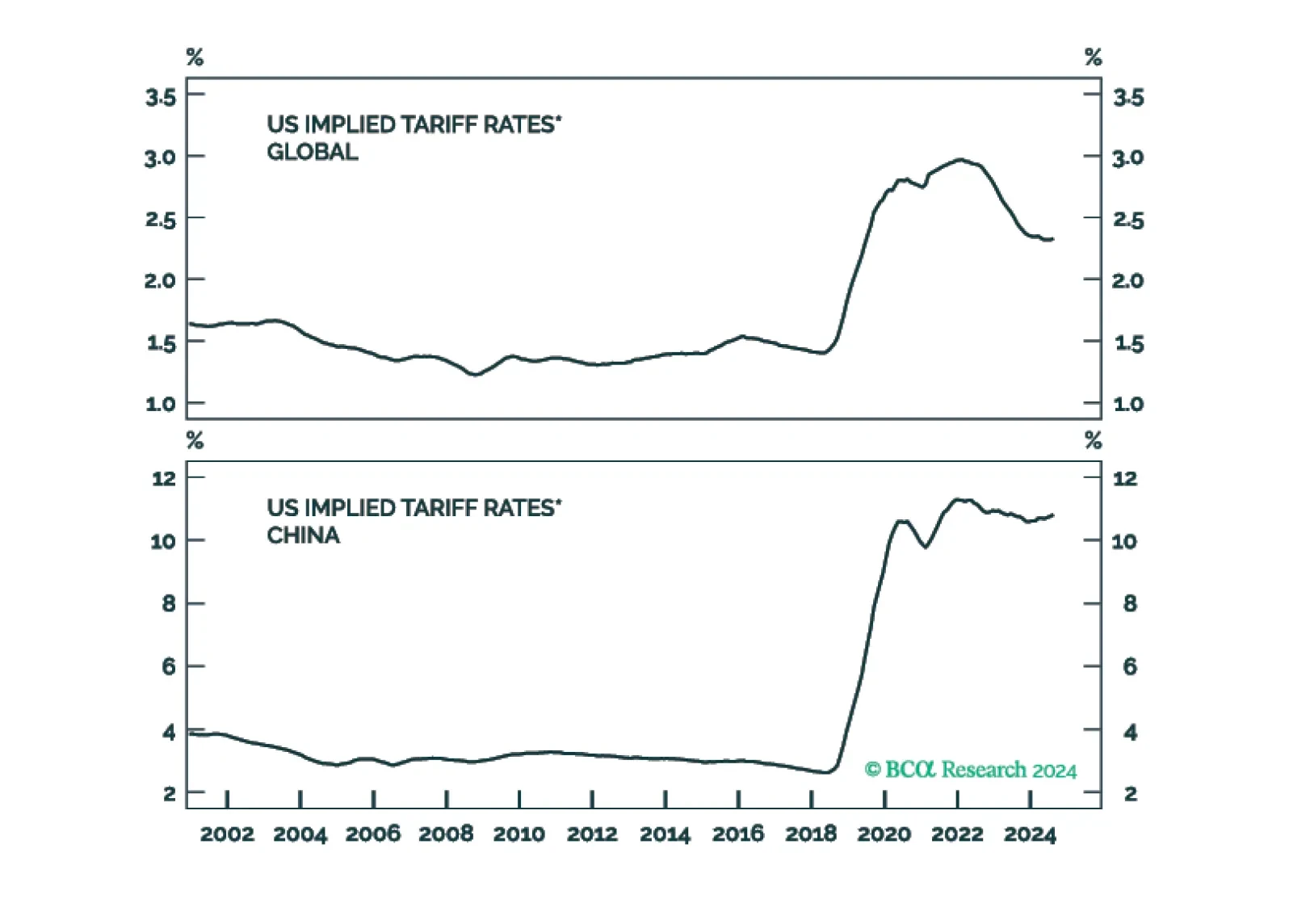
Back in 2016, there was widespread concern that if Donald Trump became president, he would start a trade war. As it turned out, Trump did become president and he did start a trade war, but the US economy continued growing anyway. In a study published in August 2019, the Congressional Budget Office concluded that Trump's tariffs reduced the level of US real GDP by 0.3% - not immaterial but not earth-shattering either.
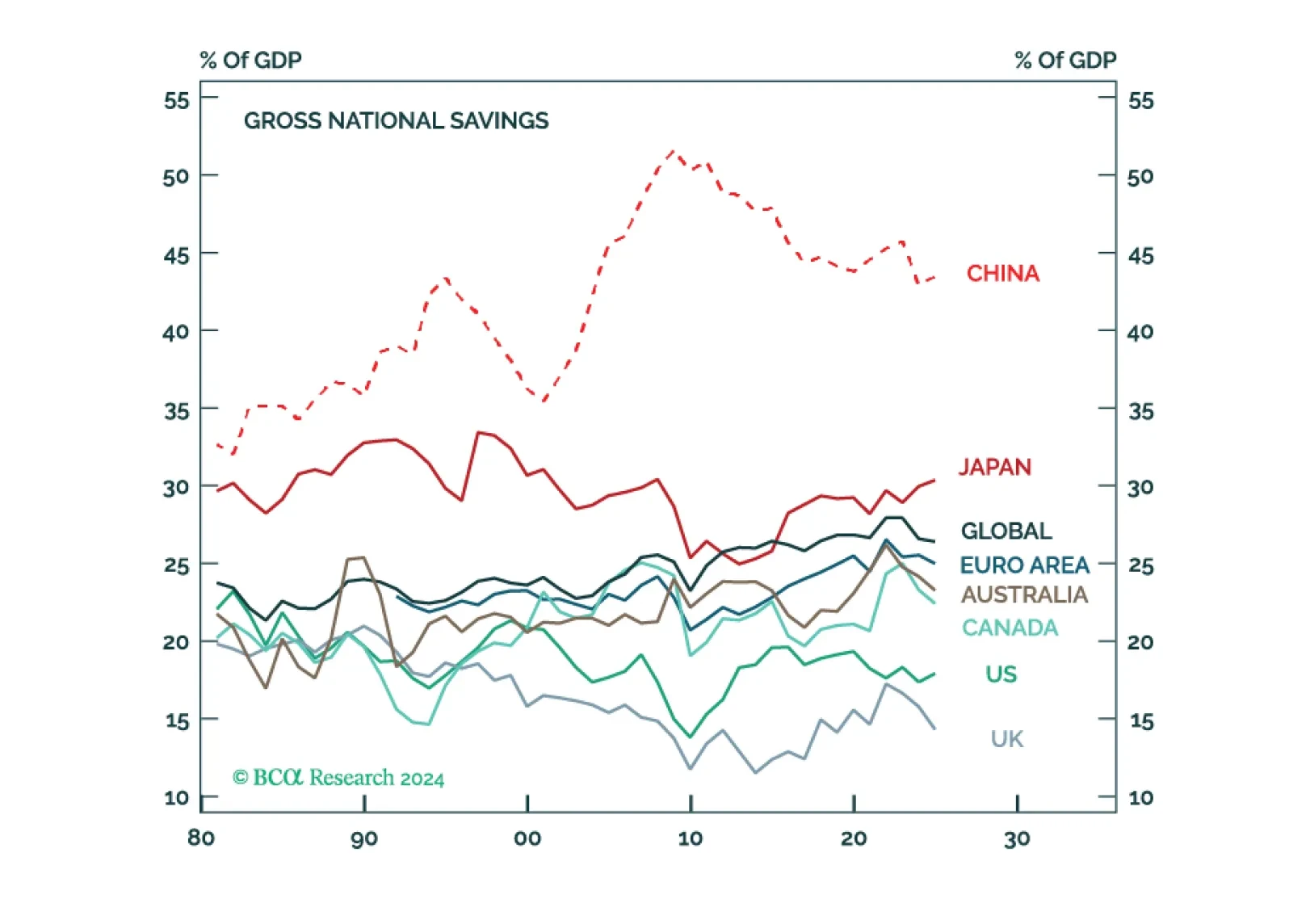
In this report, we discuss why we are lifting our US recession probability from 60% to 65% and explain why China’s latest stimulus announcements are welcome, but probably are “too little, too late.”
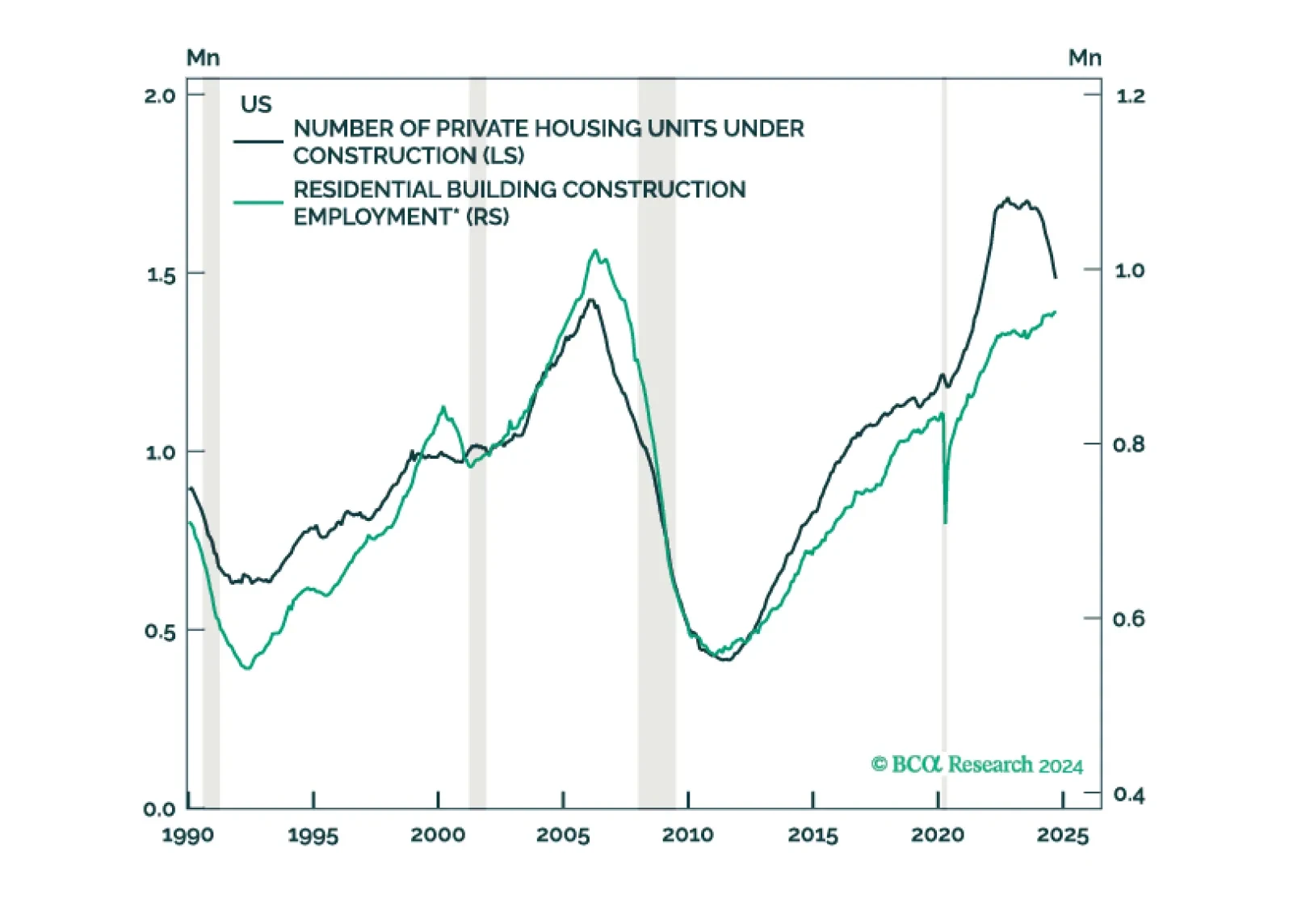
In August 2007, Ed Leamer famously presented a paper entitled Housing IS the Business Cycle at the Jackson Hole symposium. I was reminded of this paper after seeing today's US housing data.
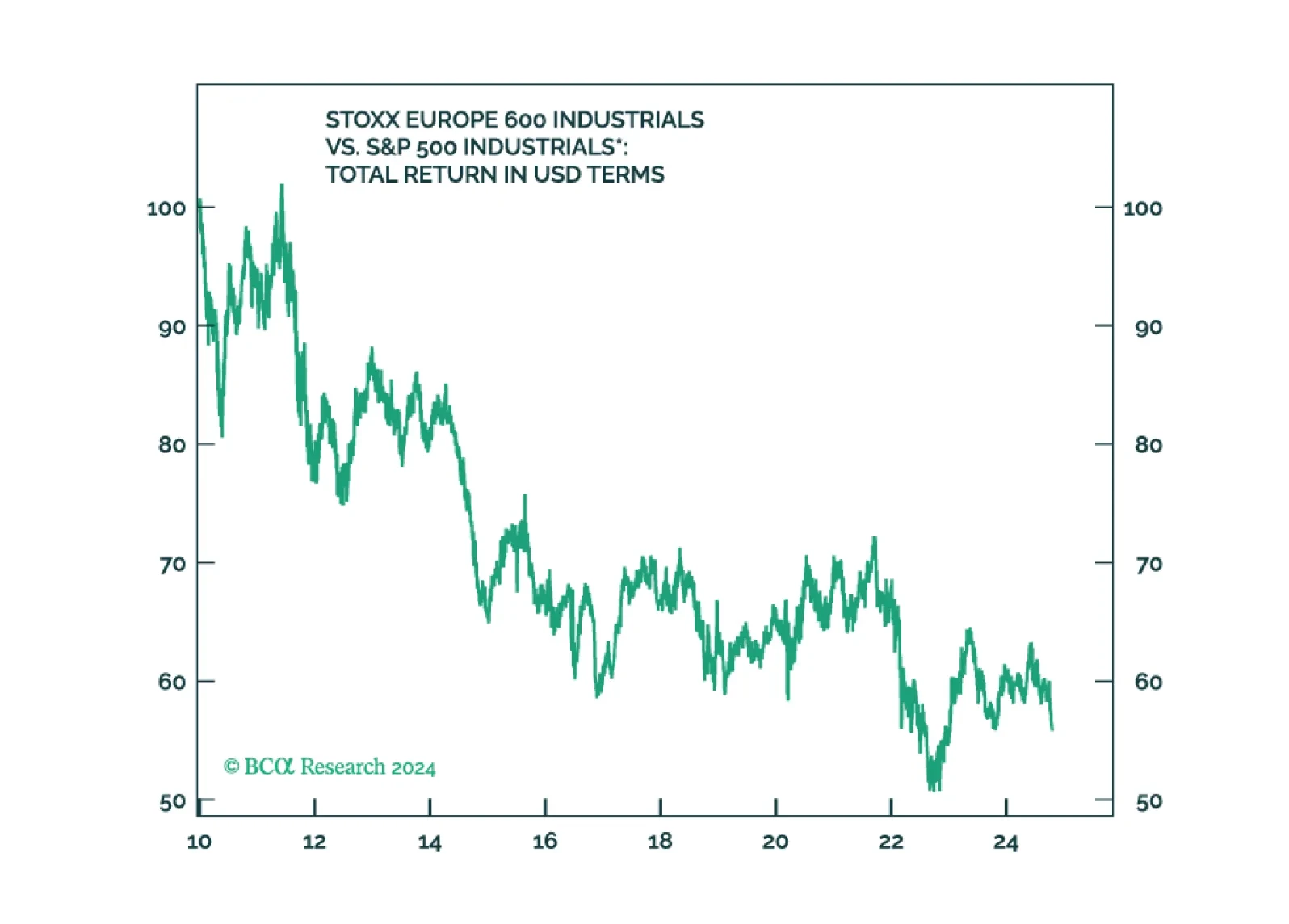
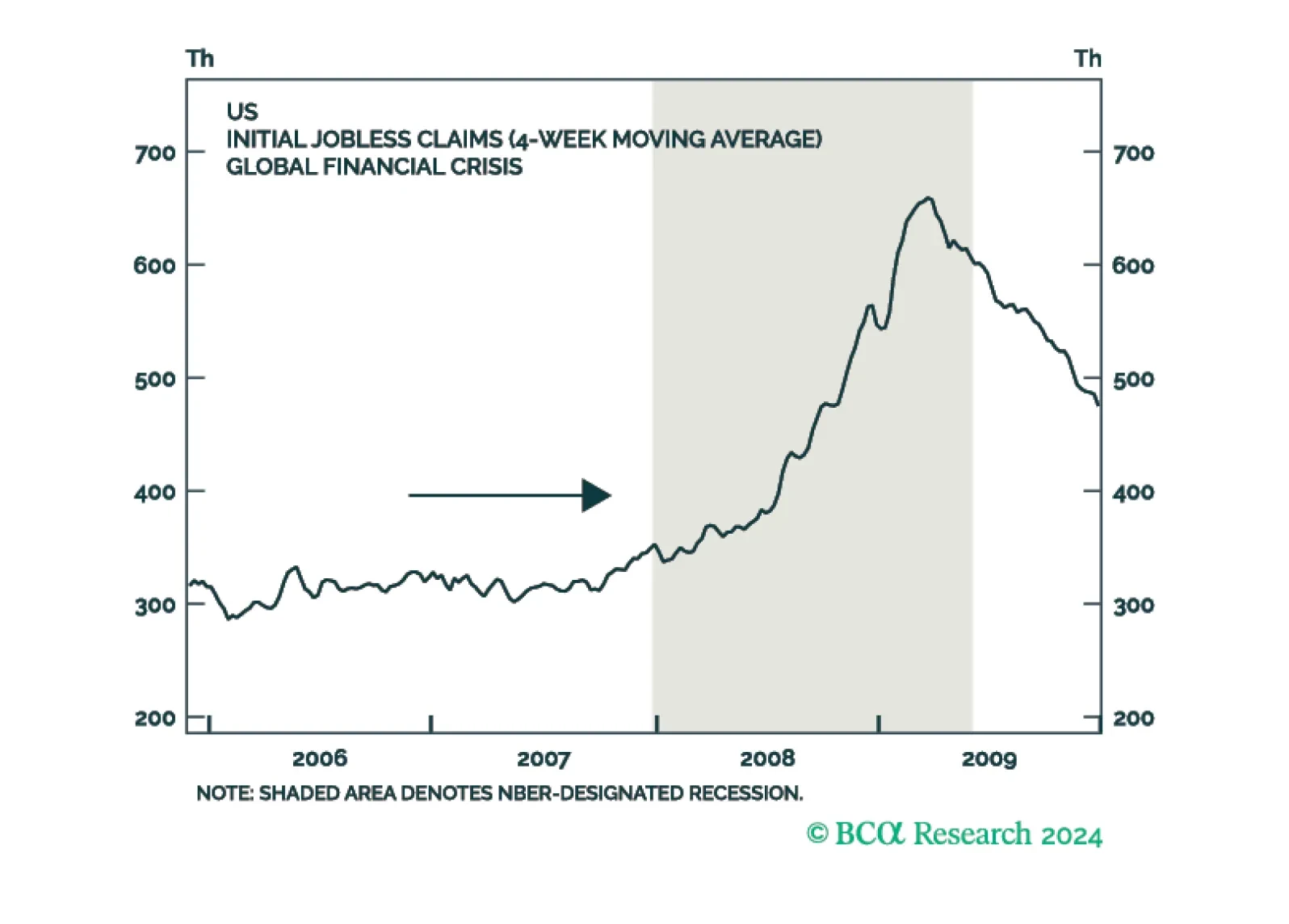
Whenever I present a skeptical view about the strength of the US labor market, I am often reminded that layoffs remain very low.
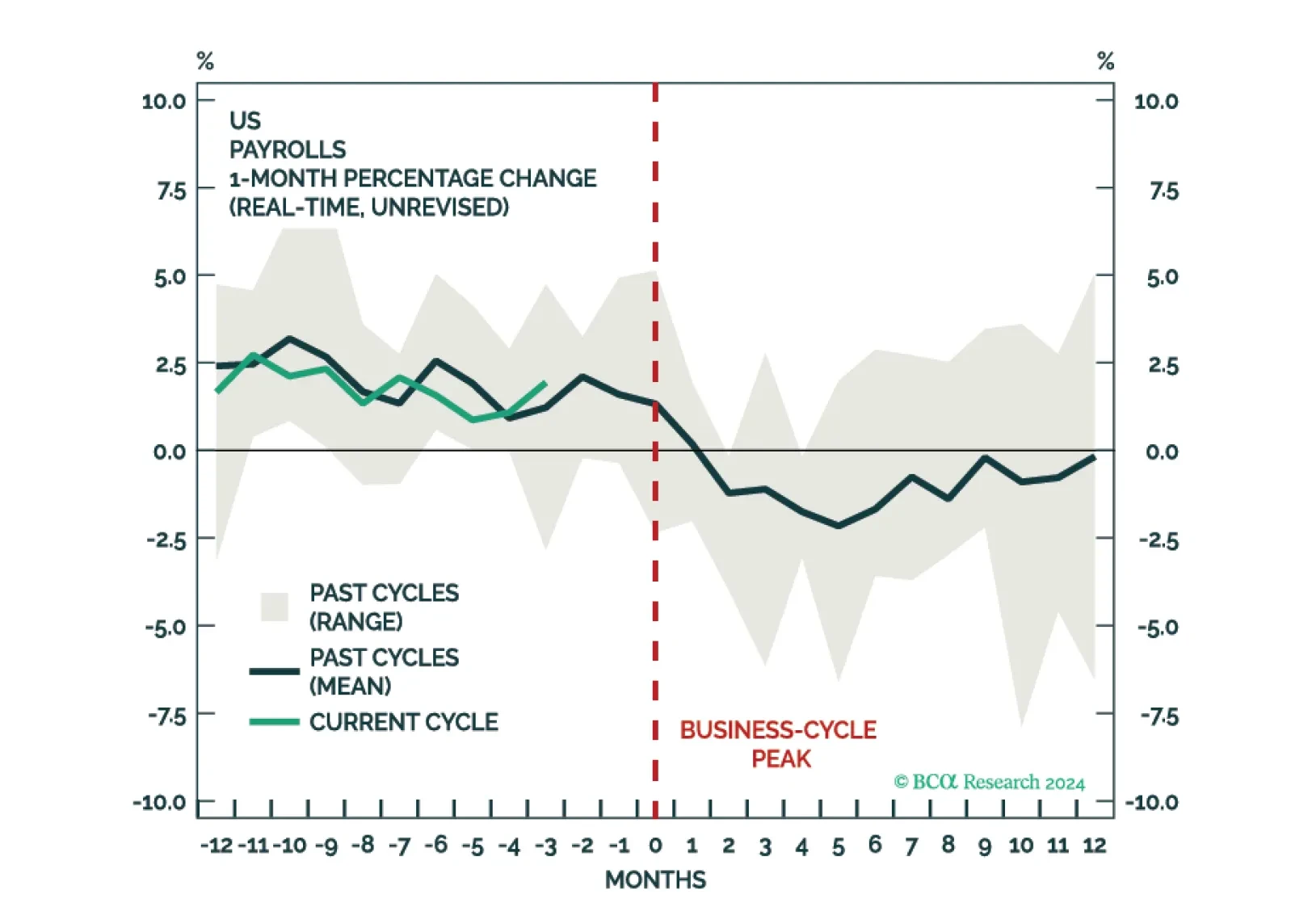
It is too early to say that the US labor market has turned the corner. We assign a 60% chance that the US will enter a recession over the next 12 months, with the downturn likely to begin in the first half of 2025. Accordingly, investors should underweight equities.
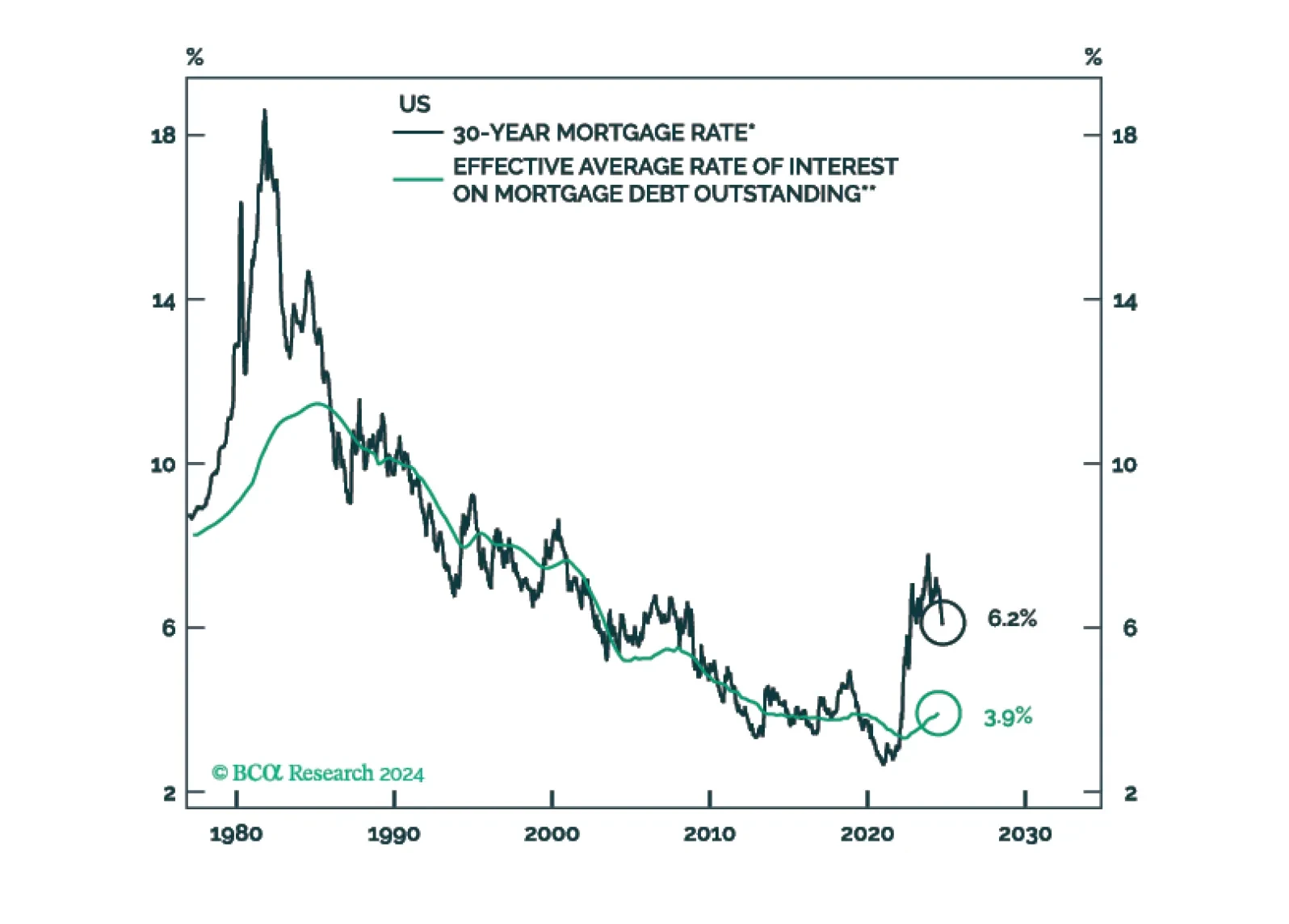
Following last week's strong jobs report, I'm hearing more people argue that a 4% Treasury yield is not that restrictive after all. To see why this view is wrong, suppose that the 10-year Treasury yield stays at 4% and mortgage rates remain roughly where they are.
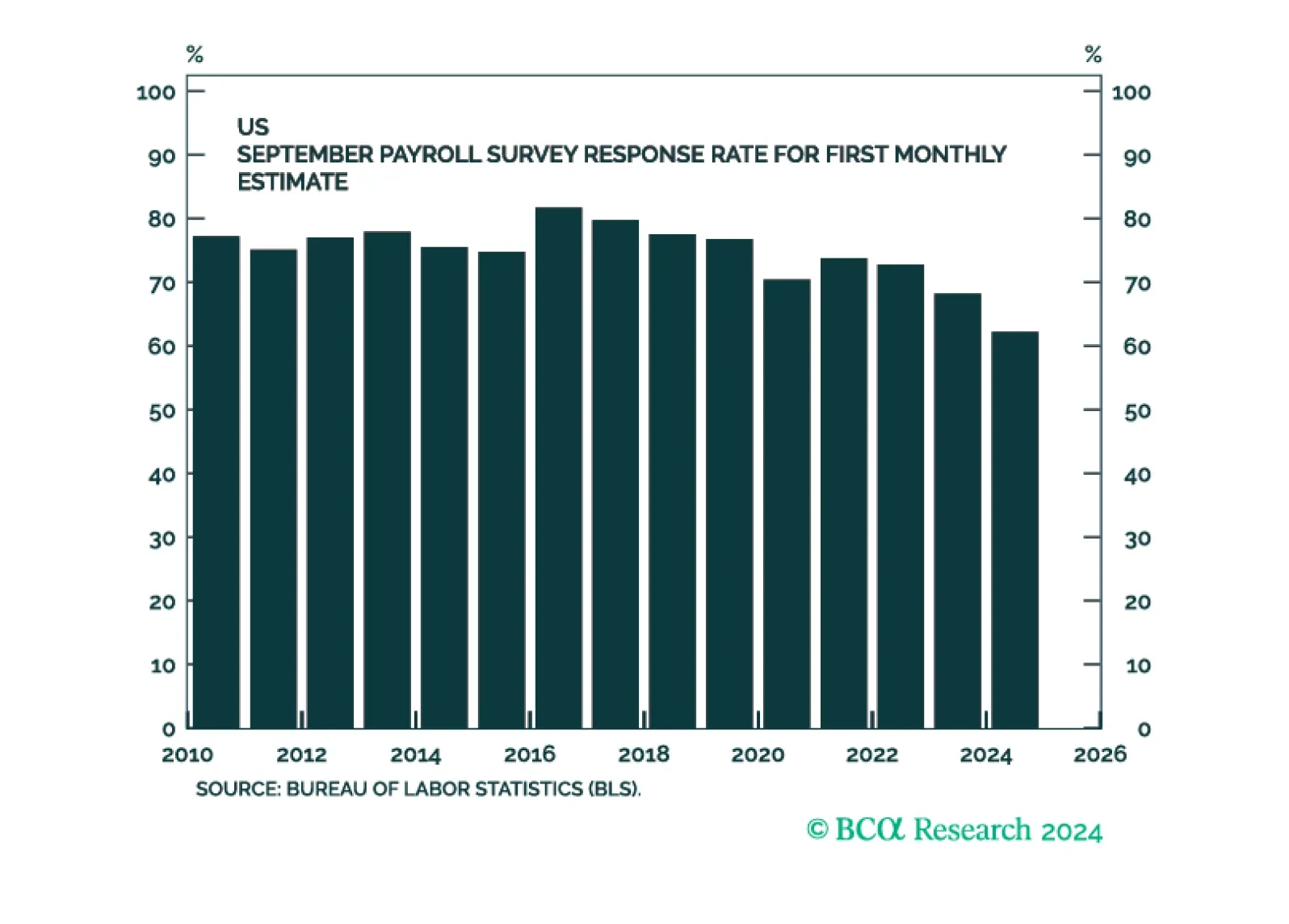
I am starting to regret my decision to join the dark side a few months ago. The September jobs report was very strong. In the spirit of being a good Bayesian and adjusting my credences based on new information, I am revising down my 12-month US recession probability from 70% to 60% and shifting the likely start date of the recession into the first half of 2025 (previously, I had said late 2024 or early 2025).
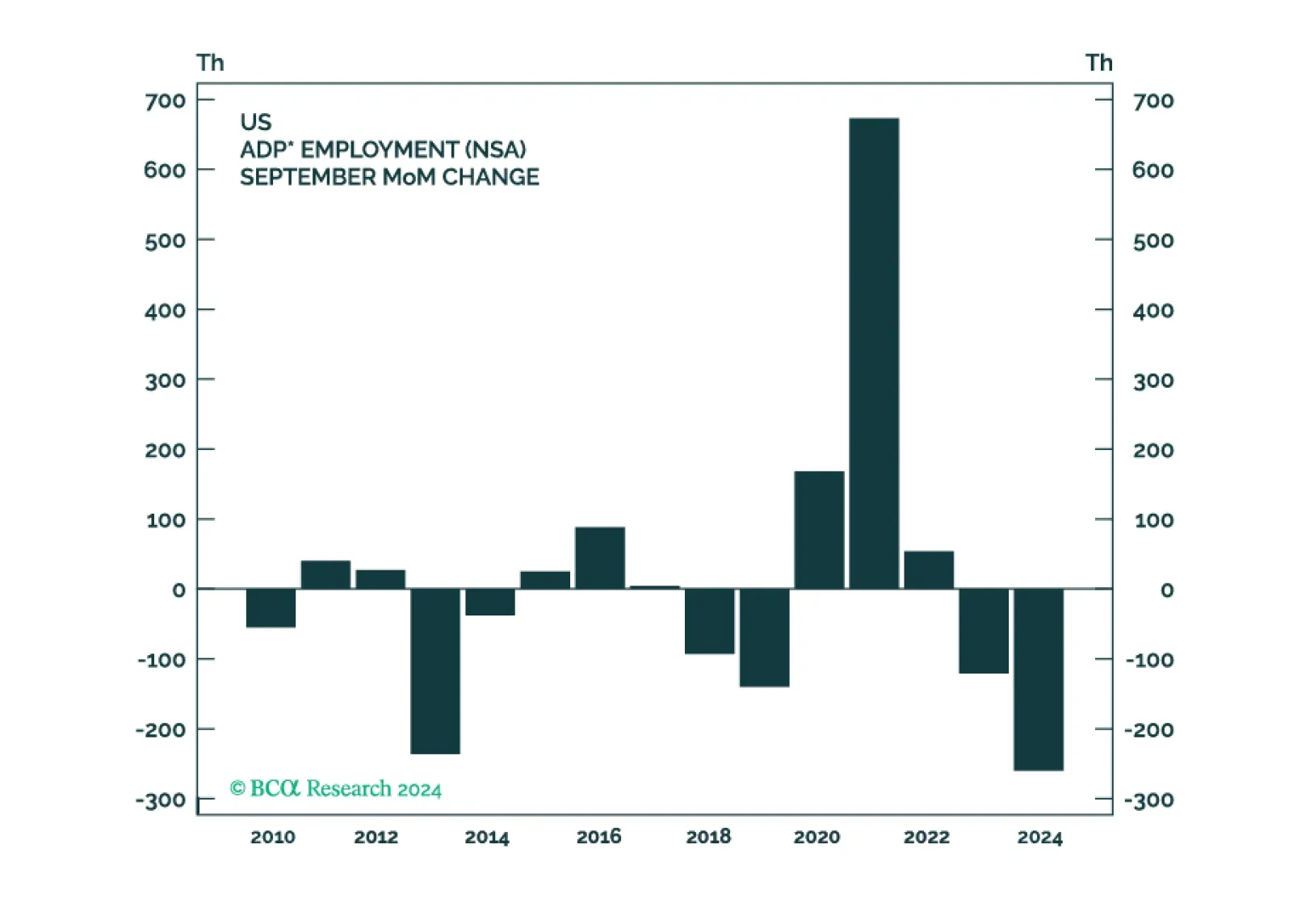
I am not one to dismiss the ADP report. Unlike the establishment survey, the ADP numbers are based on hard data. If the ADP is not a reliable guide to the government’s payrolls estimates, maybe that is because the government’s payroll estimates are not a reliable guide to actual payrolls.
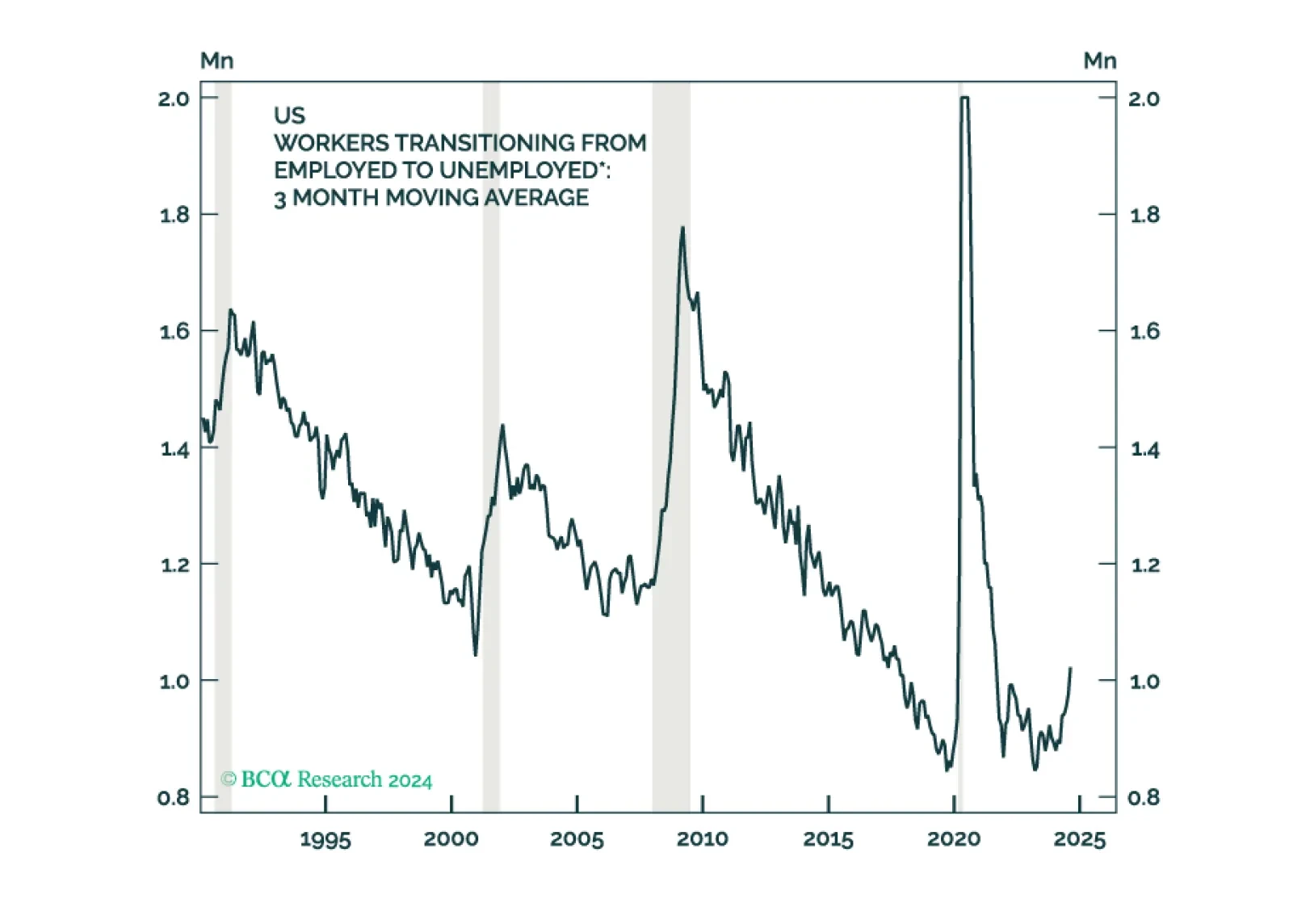
Back in 2022, when Jamie Dimon was predicting an economic hurricane, I was one of the few strategists reassuring clients that the US was not at imminent risk of a recession.