 CoreMacro
BCA’s flagship global macro and investment strategy platform, helping investors anticipate regime shifts, connect signals across regions and asset classes, and navigate the world’s most difficult macro questions.
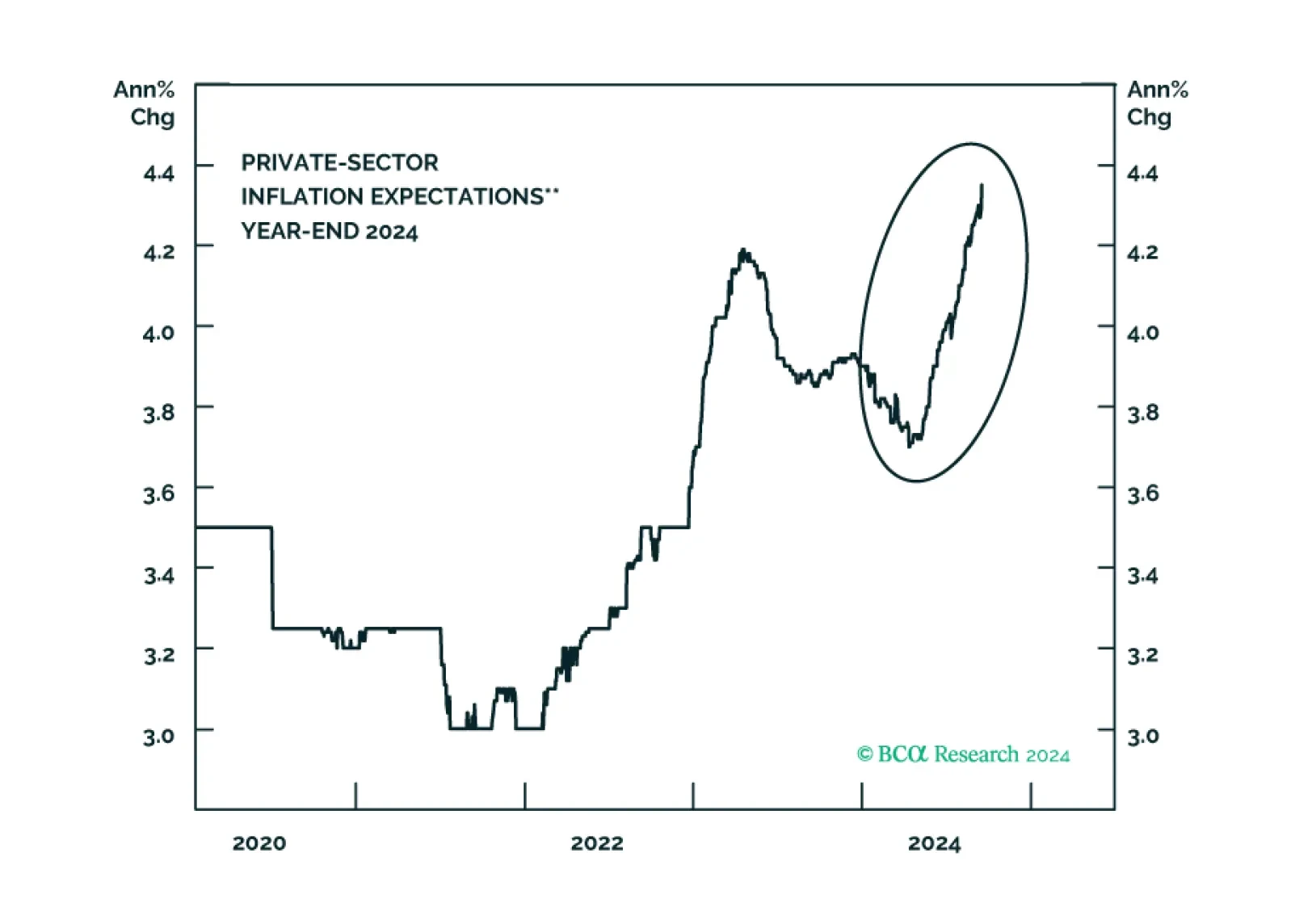
The Central Bank of Brazil (BCB) raised interest rates last week. Is this the commencement of a major tightening cycle that will persist well into next year? Despite this move, we maintain that the BCB will cut interest rates substantially next year. We believe the Lula-nominated board members are playing the long game: voting to hike rates until year-end to establish credibility with financial markets in order to get a pass at easing monetary policy in early 2025.
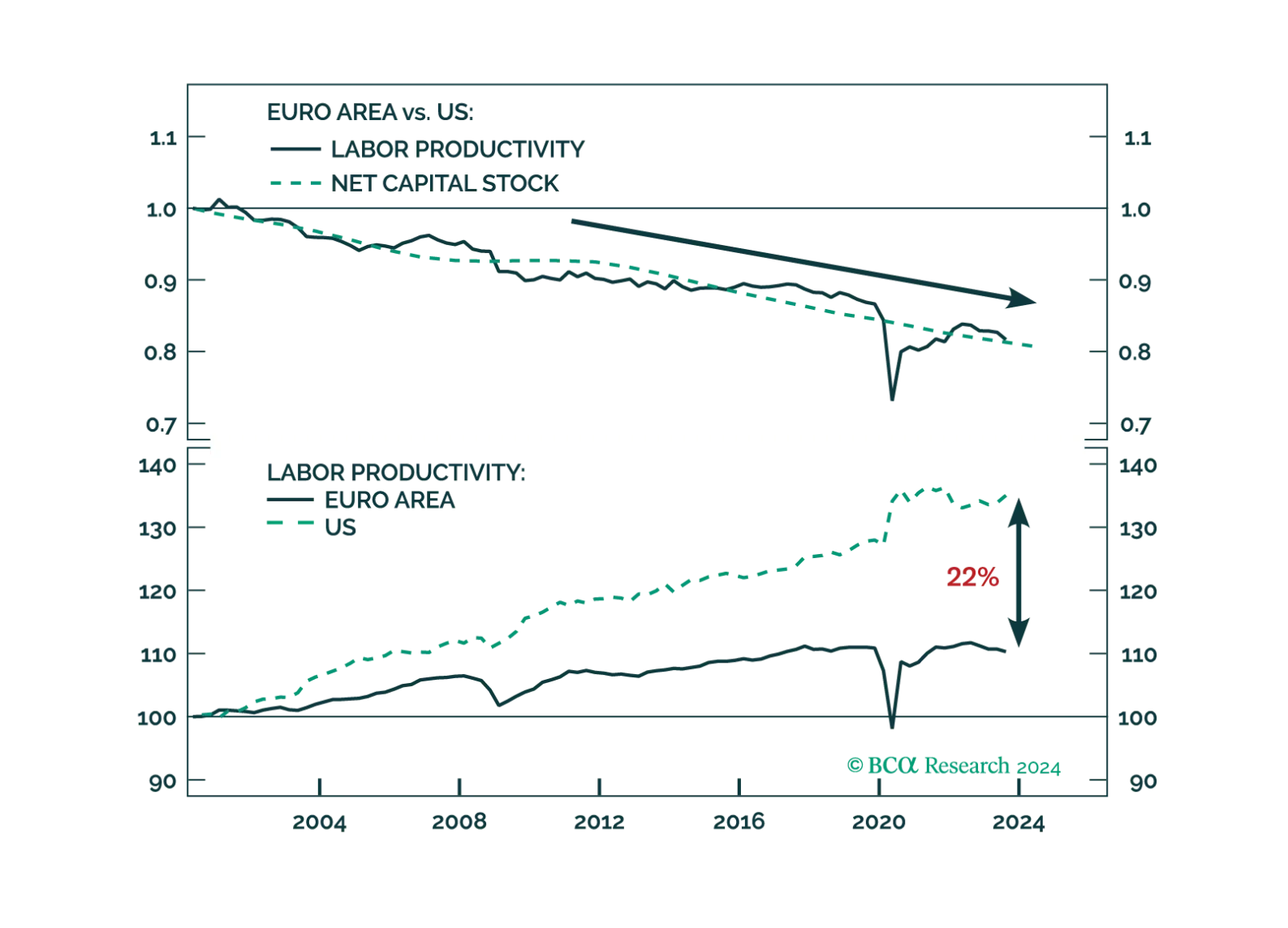
The Draghi report highlights sensible reforms that would address many of Europe’s productivity shortcomings. Whether European capitals heed Mario Draghi’s advices remains to be seen.
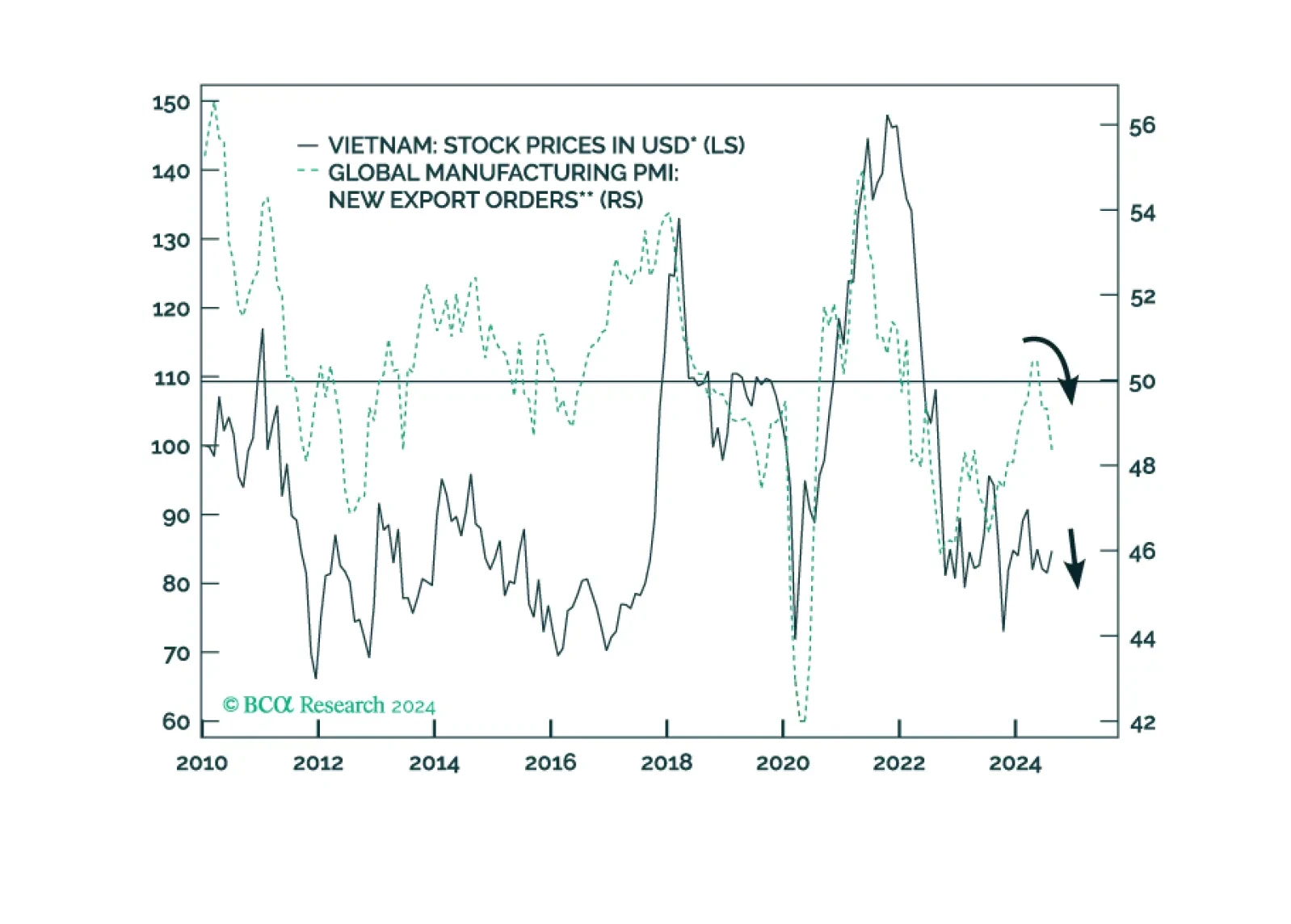
The Vietnamese economy is growing at a strong 7%. Why, then, are Vietnamese stocks struggling? Should investors expect a revival soon?

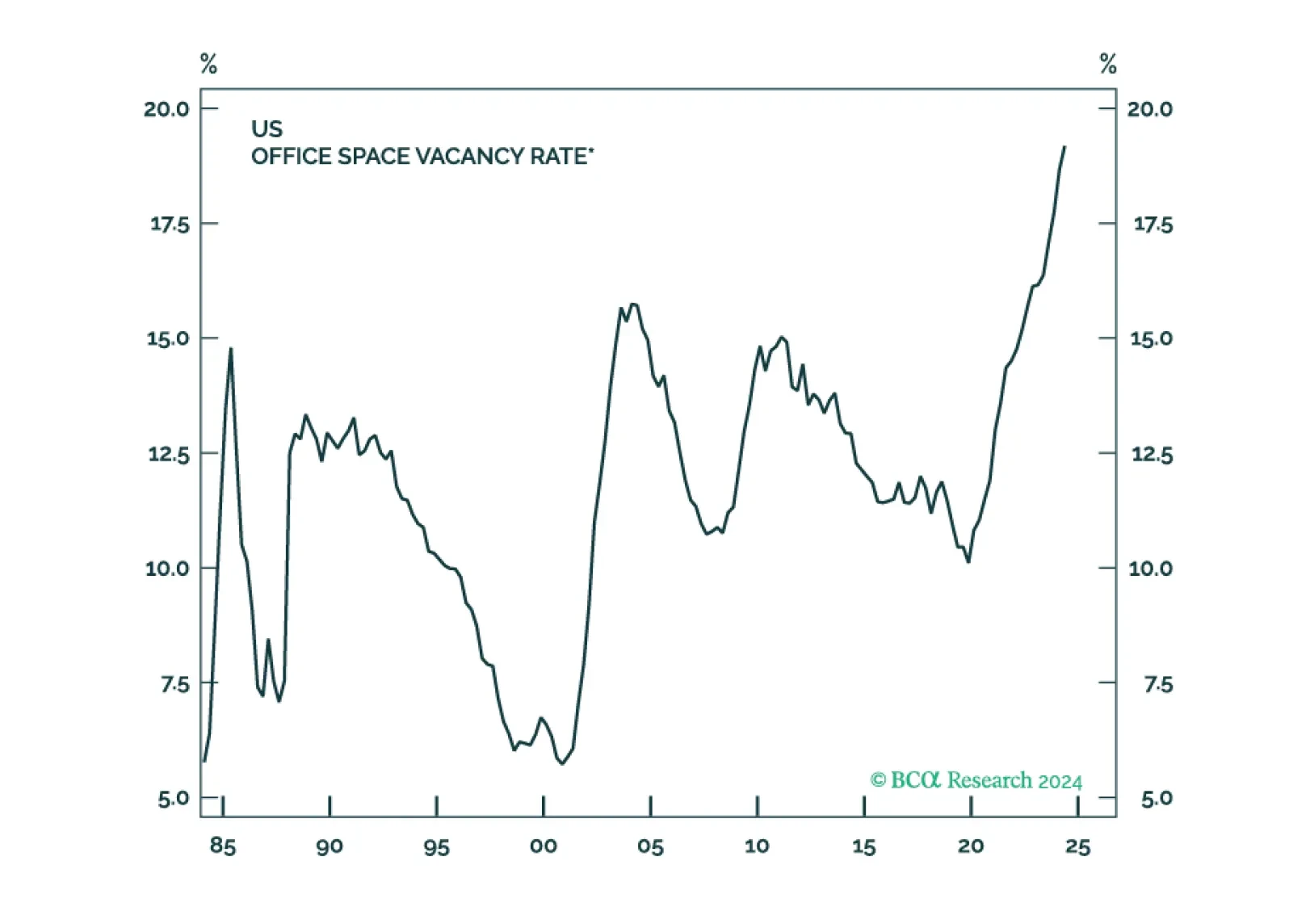
The US suffers from enough imbalances to produce a mild recession. Unfortunately, such a recession could lead to a significant bear market in stocks, just as it did during the very mild 2001 recession.
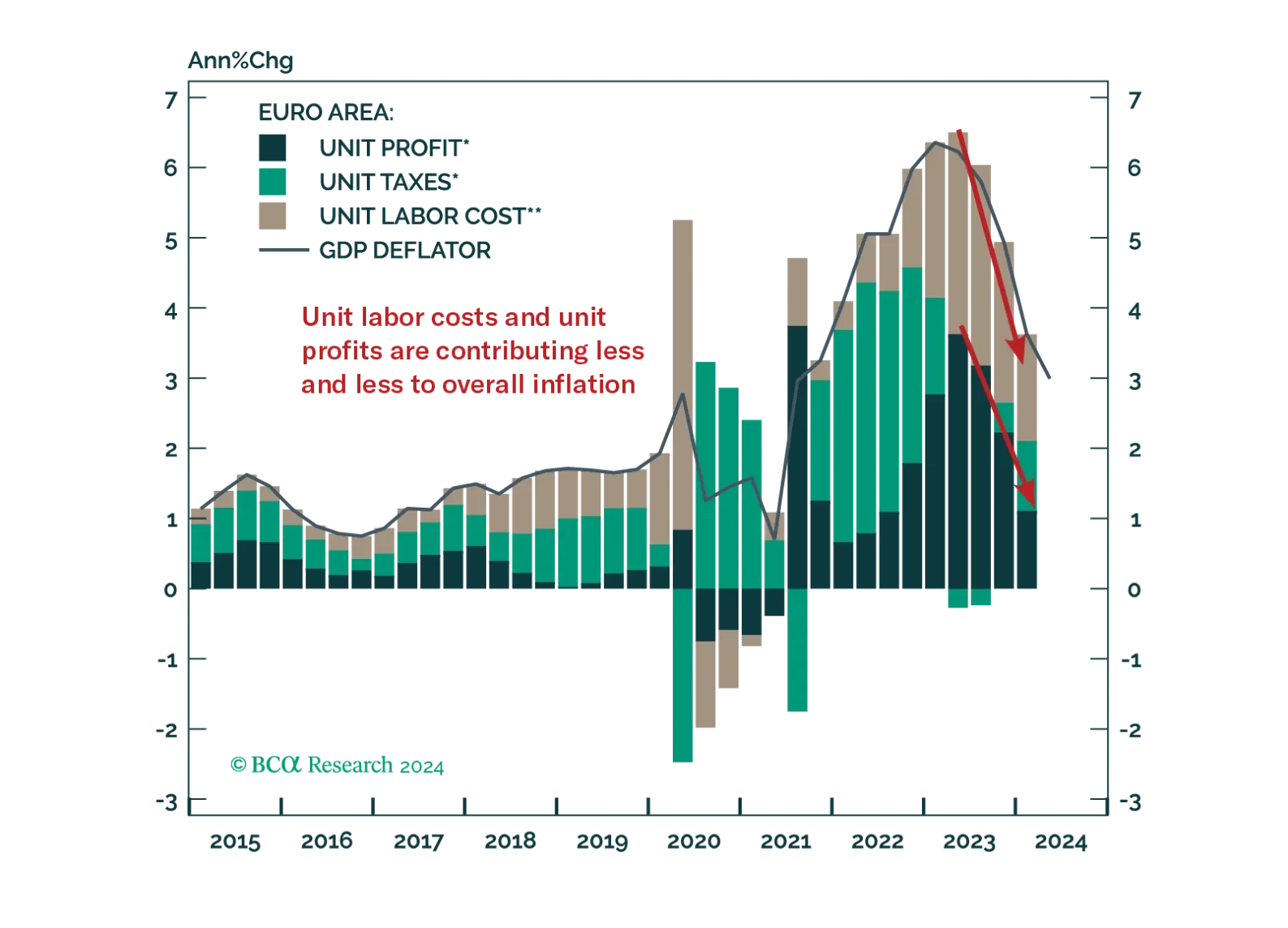
The ECB will cut rates once more this year; however, markets underprice how far it will ease next year.
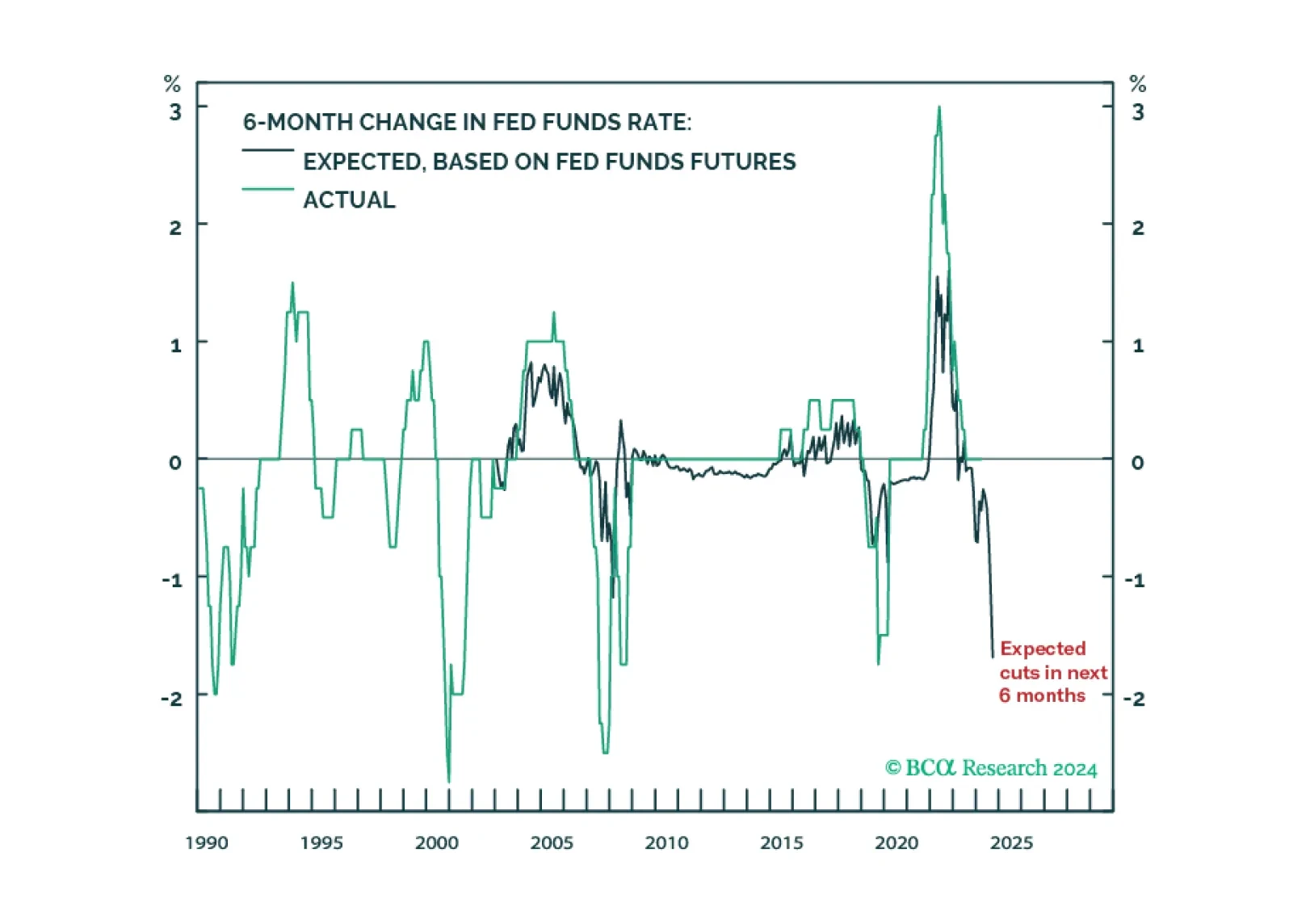
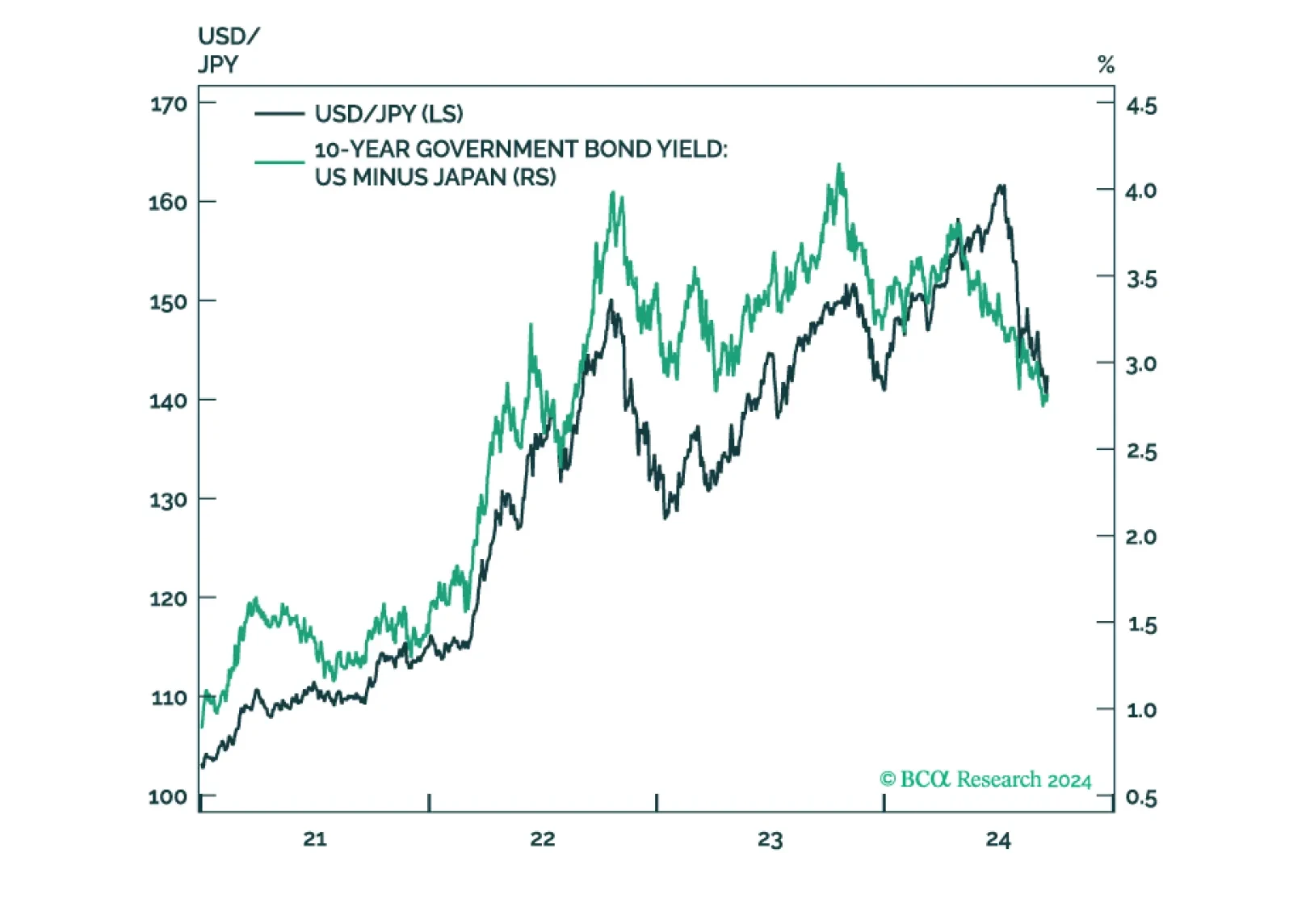
By triggering a renewed surge in the yen, and a disorderly unwinding of the AI bubble, more aggressive rate cutting would guarantee the very recession that the Fed is trying to stave off. This means that underweight short-term US rates or T-bonds combined with underweight US tech is a winning position, one way or another. And we reveal the best way of expressing this.
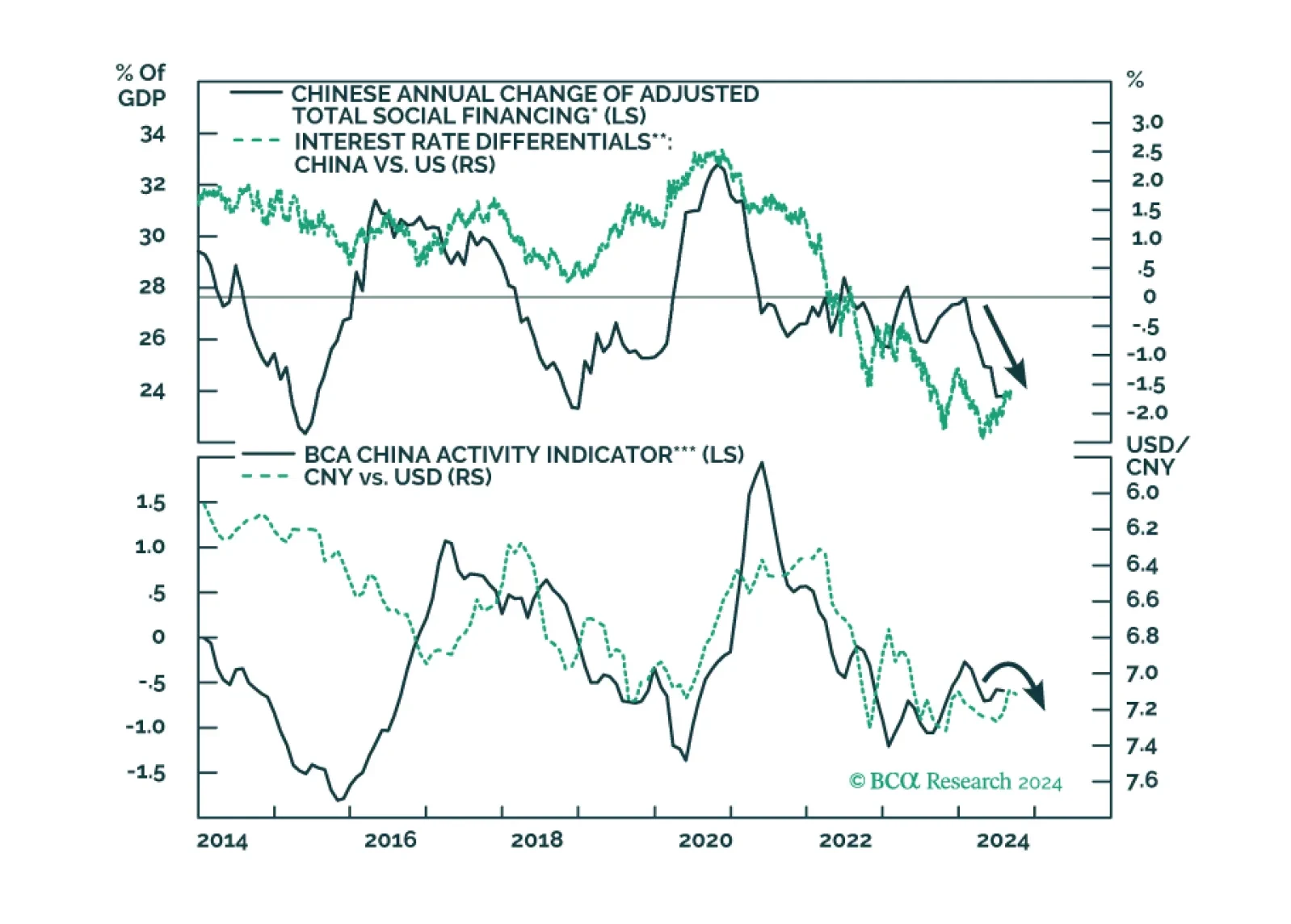
Both the Chinese and US central banks will likely take policy actions in the coming weeks. What is the potential impact of a mortgage rate cut on China’s household consumption and the broader economy? Will the anticipated Fed easing cycle further lift the RMB exchange rate versus the US dollar?

The undercurrents of global financial markets signal deteriorating global growth conditions. There is little cash on the sidelines in the US, the Euro Area, and Japan. If the budding bear market resembles the 2000-2003 one, EM stock prices are unlikely to outperform global equities in the initial leg but could outperform in the latter stage of the global selloff.