 CoreMacro
BCA’s flagship global macro and investment strategy platform, helping investors anticipate regime shifts, connect signals across regions and asset classes, and navigate the world’s most difficult macro questions.
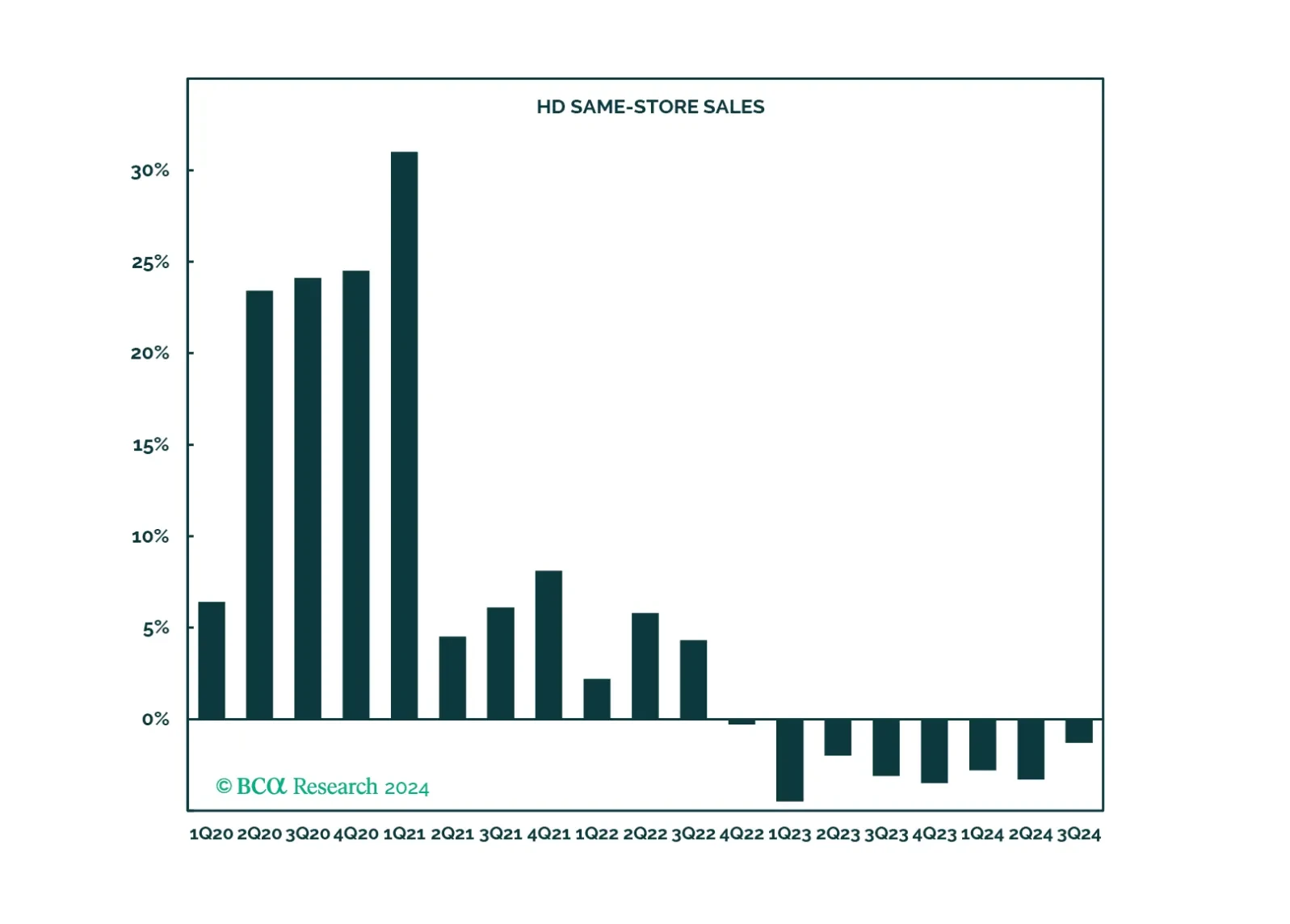
Earnings reports and commentary from major retailers confirm that the consumer continues to lose momentum, while signs that the labor market continues to cool suggest that household income growth is poised to slow. We reiterate our downbeat fundamental take and our defensive asset allocation recommendations.
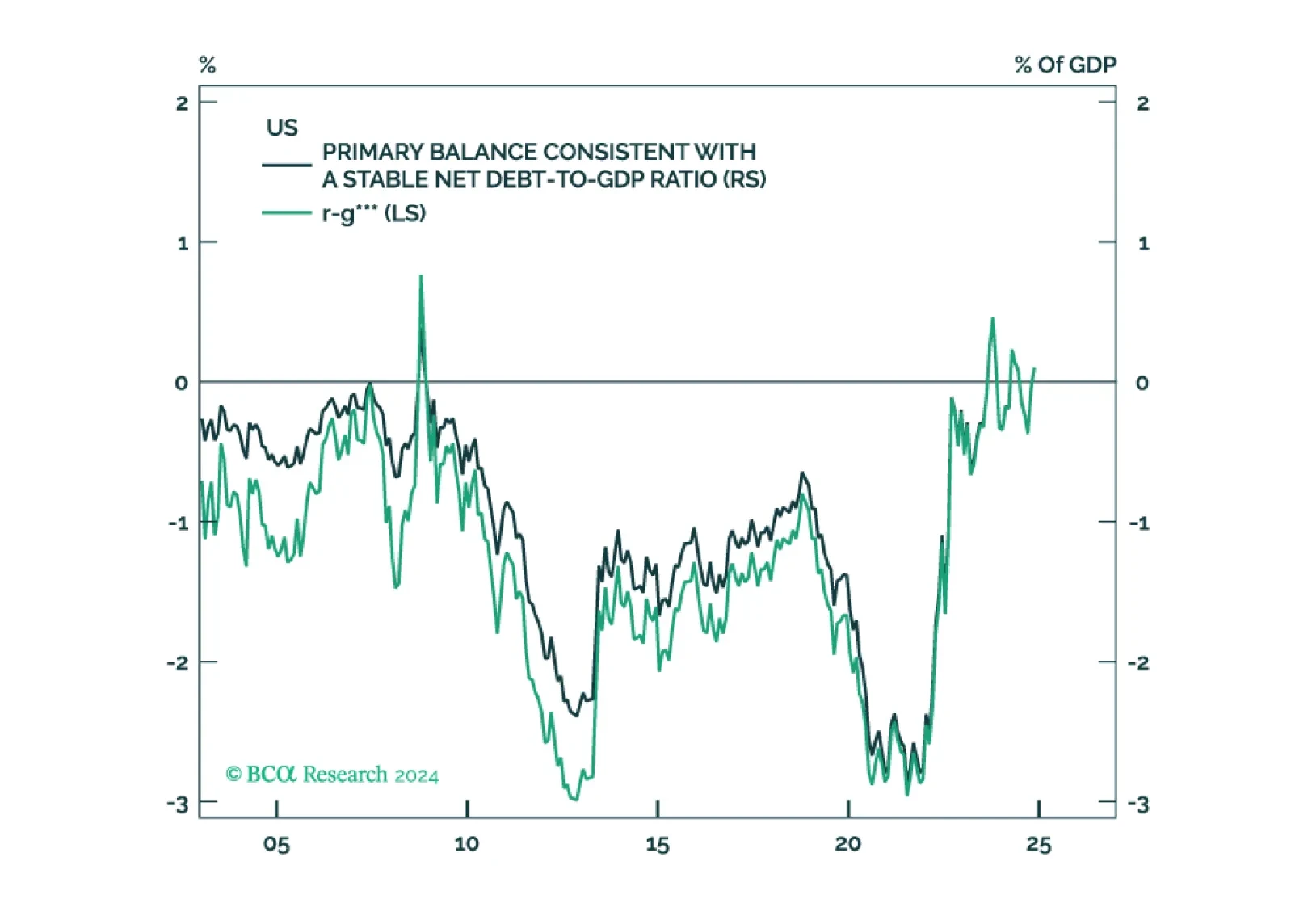
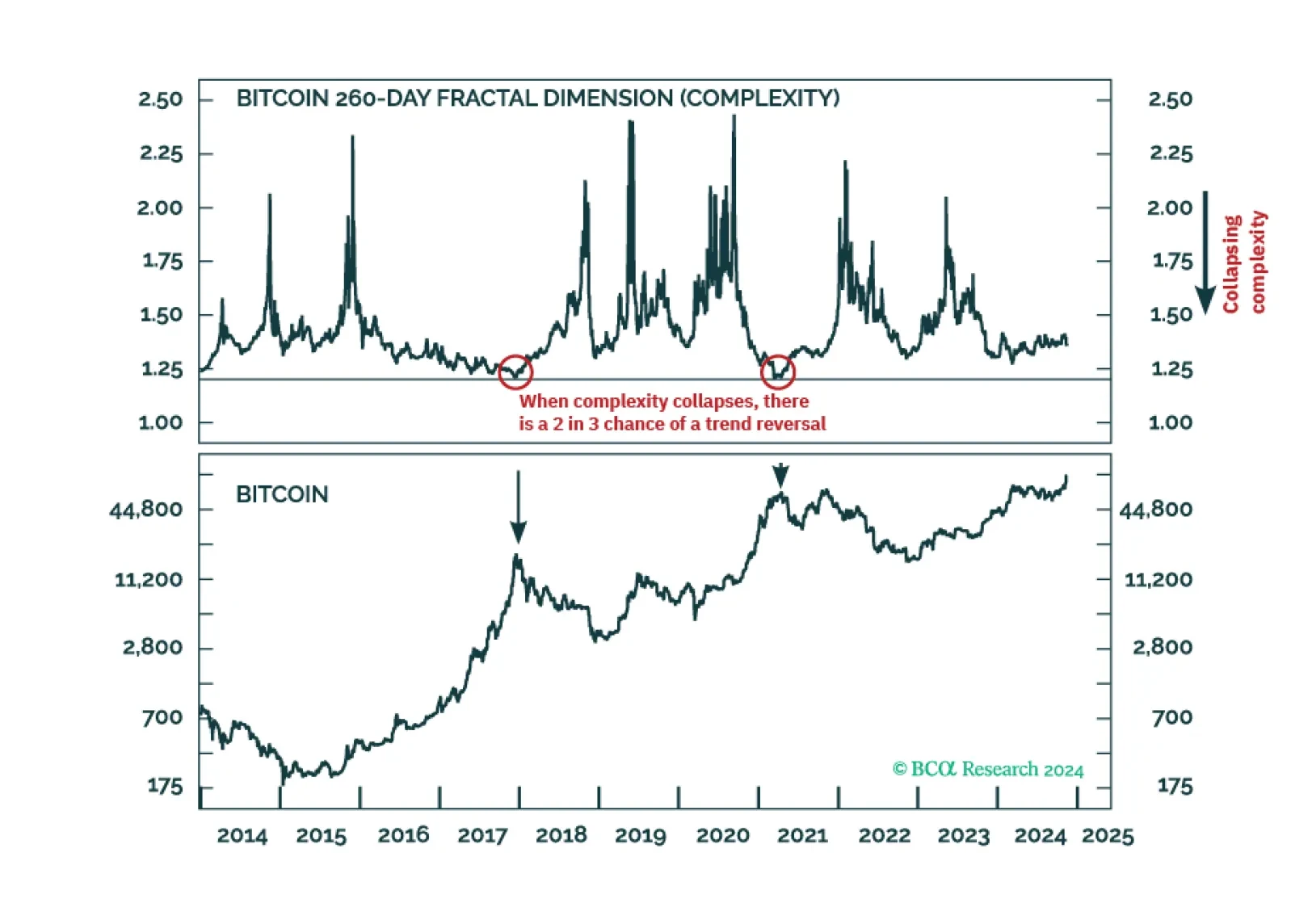
The value of both gold and bitcoin comes from the collective belief that they are the non-confiscatable assets to own in a fiat monetary system, as an insurance against hyperinflation, banking system failure, or state expropriation. As global wealth rises, the value of both gold and bitcoin will also rise. But as bitcoin takes market share from gold, bitcoin has considerably more upside than gold, with an ultimate destination of $200,000+. Plus: 10-year T-bonds and Portuguese stocks are tactically oversold.
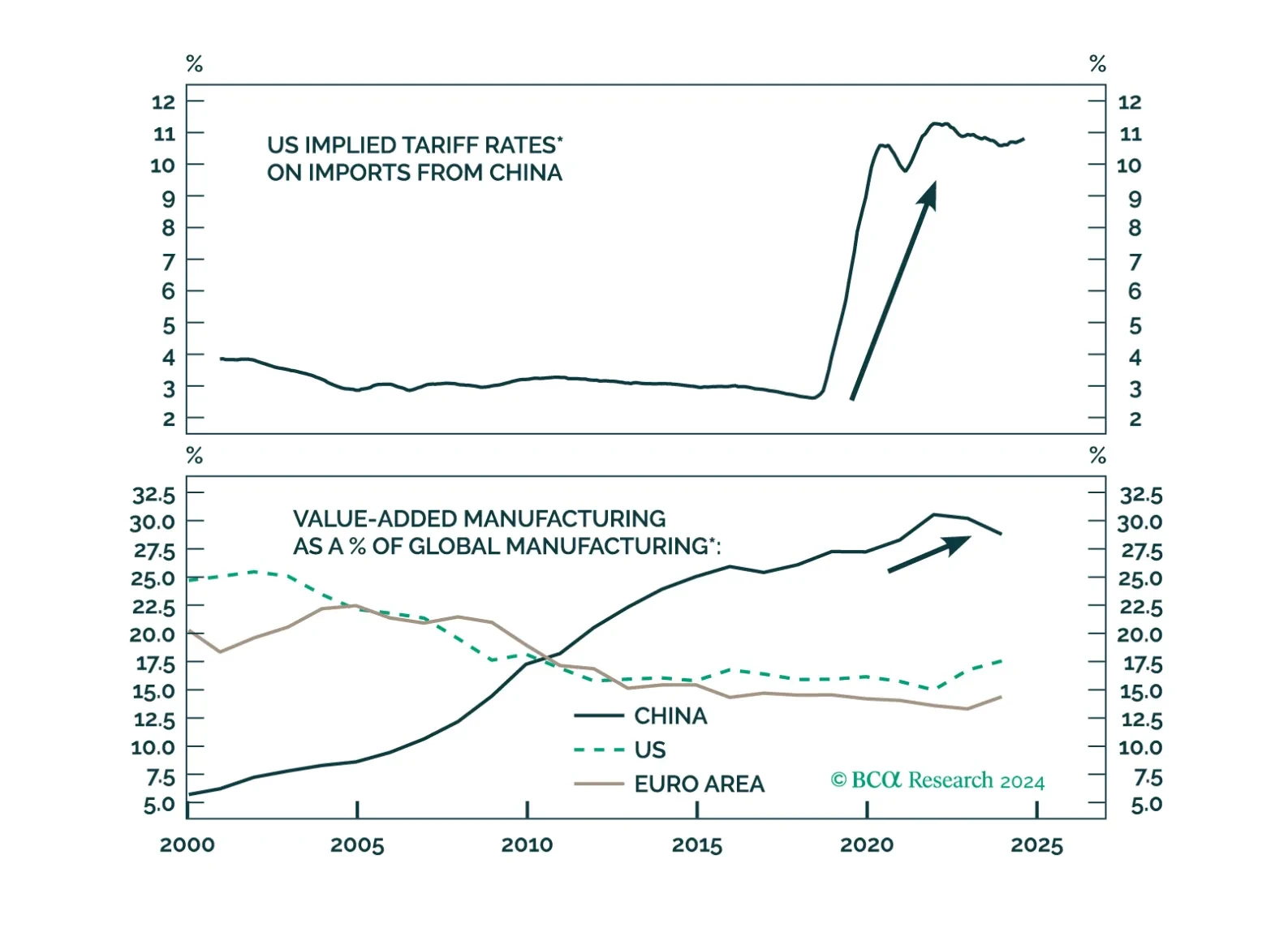
Trump's presidential re-election makes US tariff rate hikes on Chinese exports an imminent threat. Beijing has made extensive efforts to derisk the domestic economy and diversify trade away from the US. However, China is no better positioned today than it was in 2018 to withstand the impact of a renewed trade war.
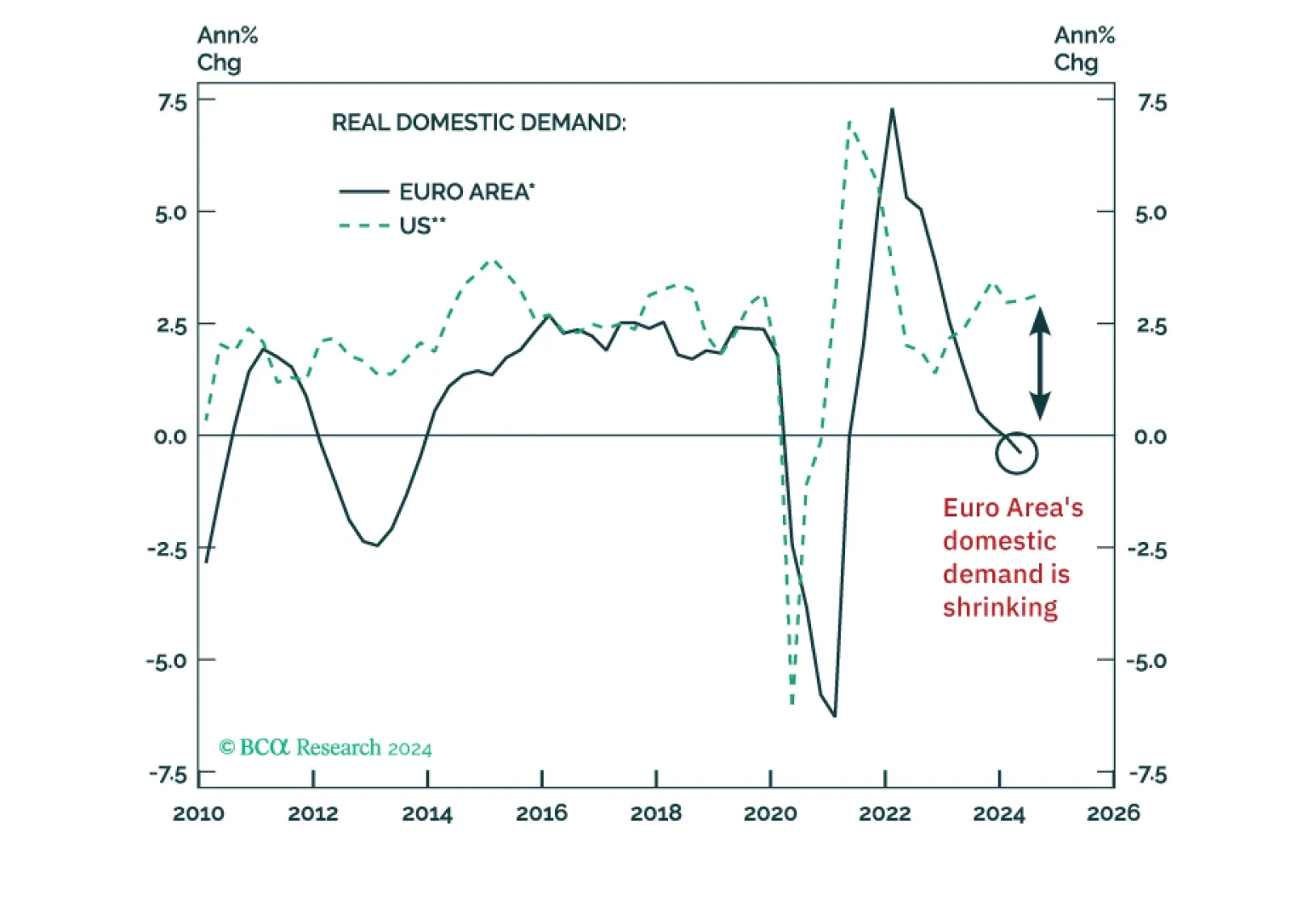
The threat of import tariffs and US growth outperformance versus the rest of the world will continue supporting the US dollar rally over the near term. Nevertheless, the Trump administration’s medium- to long-term goal will be a US dollar devaluation to boost the country’s manufacturing competitiveness. We will recommend upgrading EM stocks and bonds when we downgrade our US dollar view.

This week, we update our Central Bank Monitors (CBMs), that help us calibrate how monetary policy should be adjusted in developed-market economies. Our conclusion is that while overall, easier monetary settings are required, there a few trade ideas that arise from the divergences in signals amongst G10 countries.
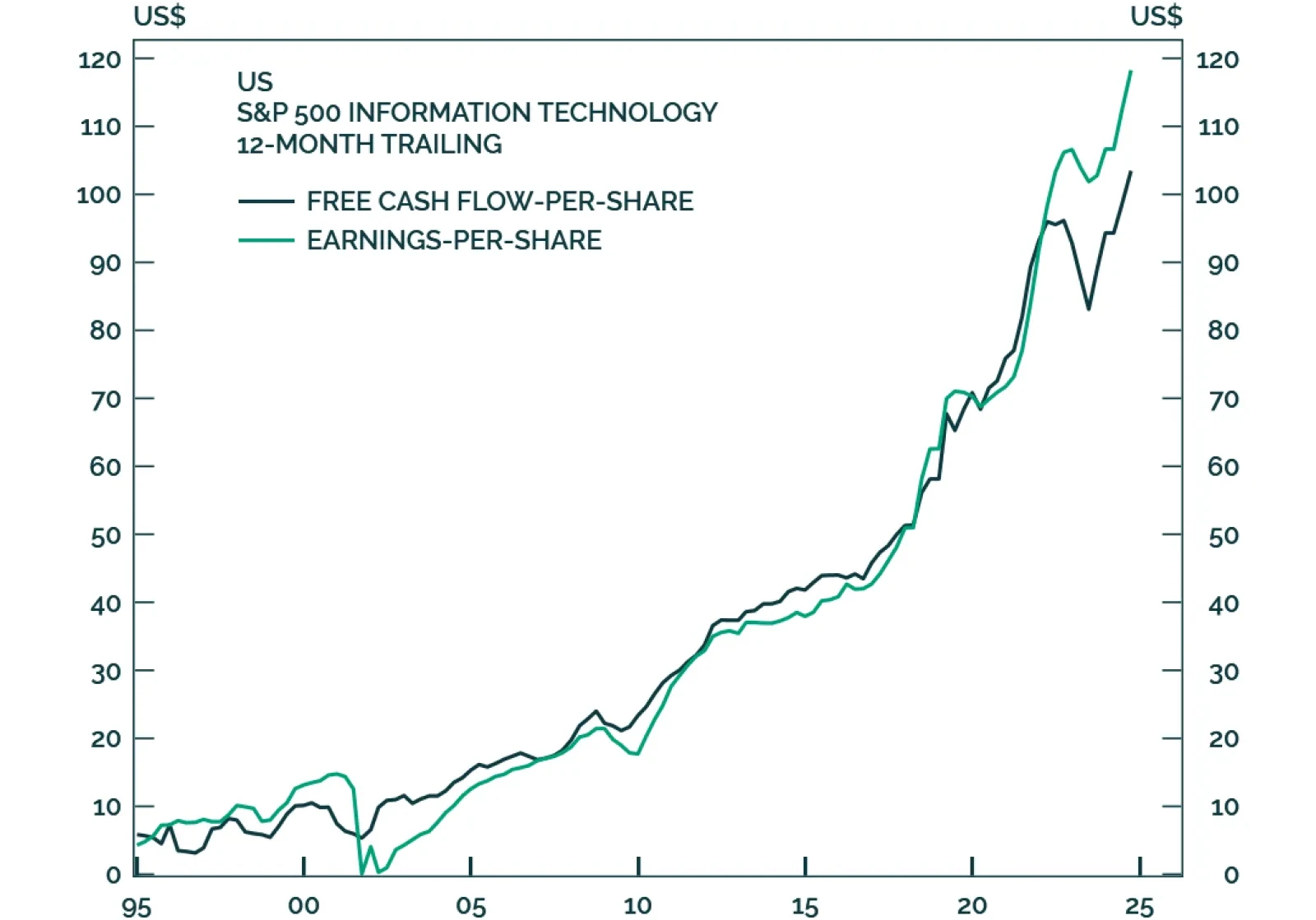
Since the end of 2021, EPS for the S&P 500 Information Technology sector has grown by 29%. In contrast, free cash flow-per-share has grown by only 11%.