Monetary Policy
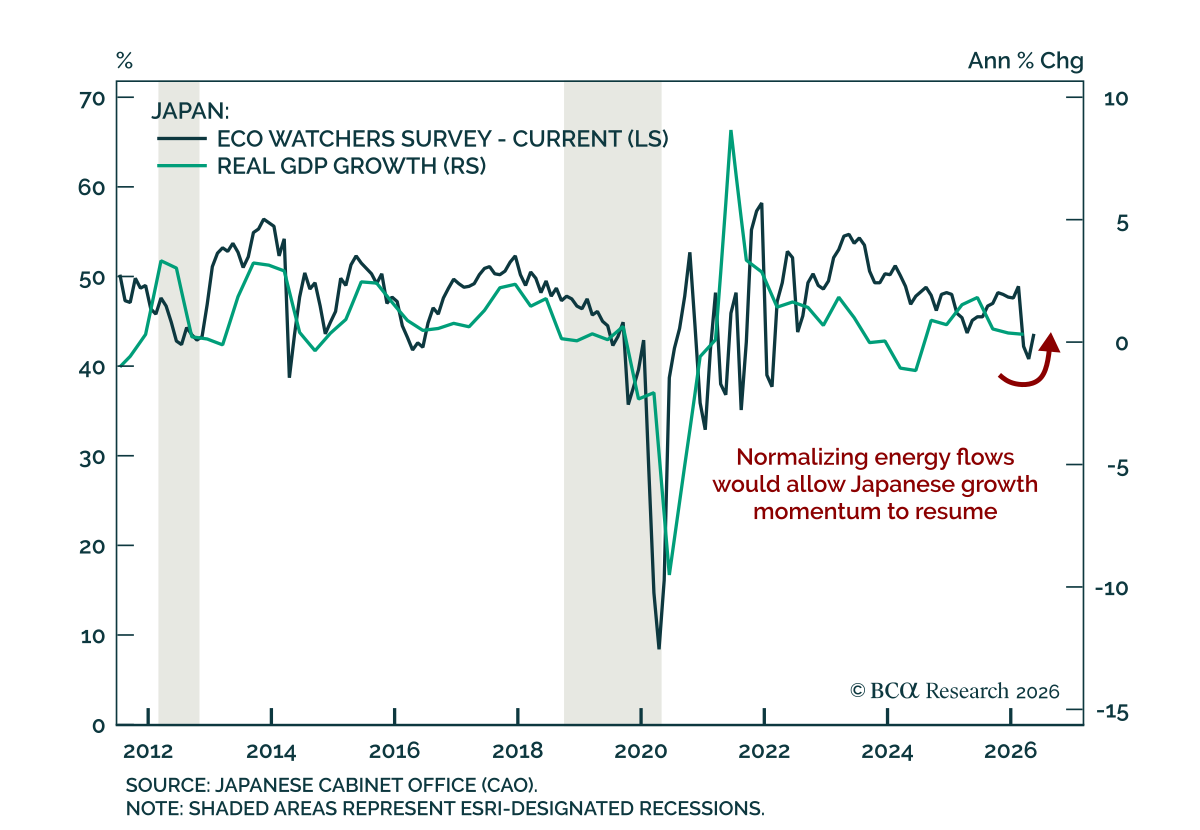
Japan’s May Eco Watchers Survey beat estimates, pointing to resilient growth despite the Middle East conflict. Both the current conditions and outlook indexes rose more than expected, to 43.6 from 40.8 and to 40.7 from 39.4, respectively. Both had plunged in…
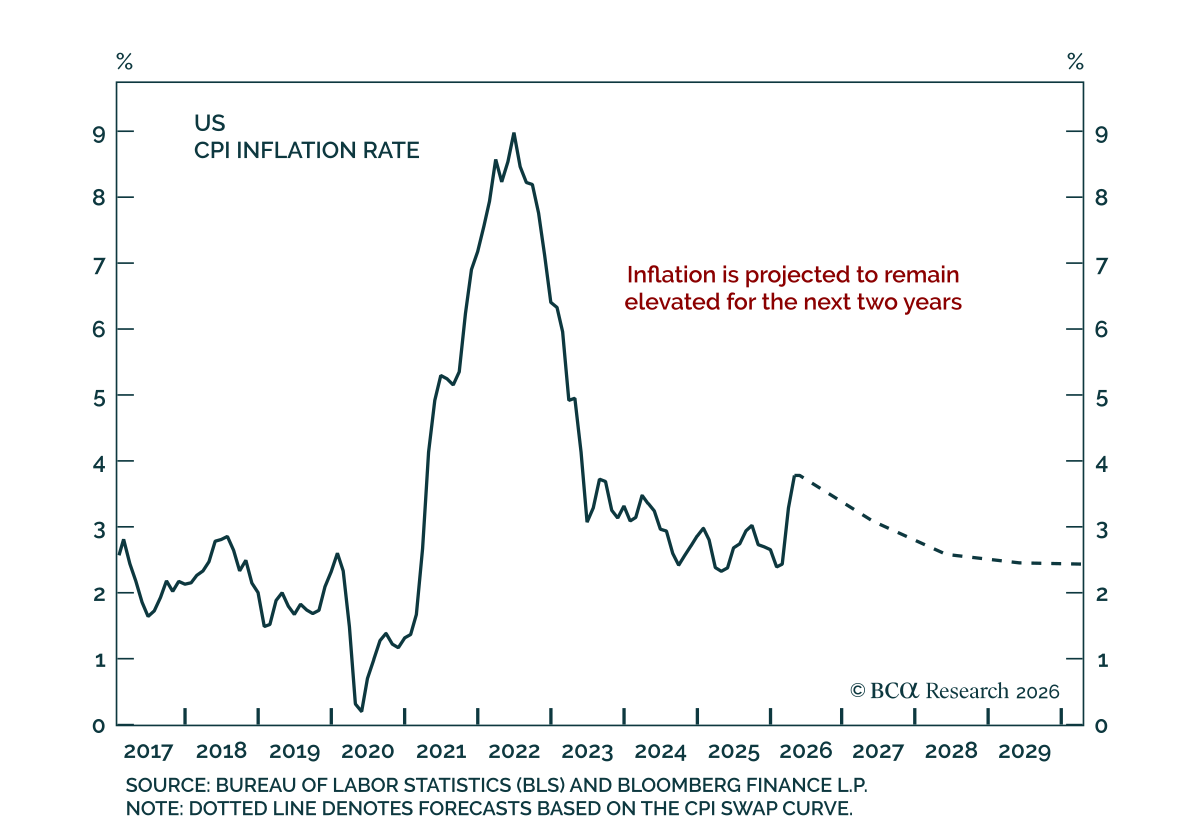
BCA’s Global Investment Strategy team challenges Fed Chair Kevin Warsh's view that AI will prove disinflationary, particularly on the near-term inflation impact. Our colleagues argue AI is currently pushing up costs across a range of inputs, including power…
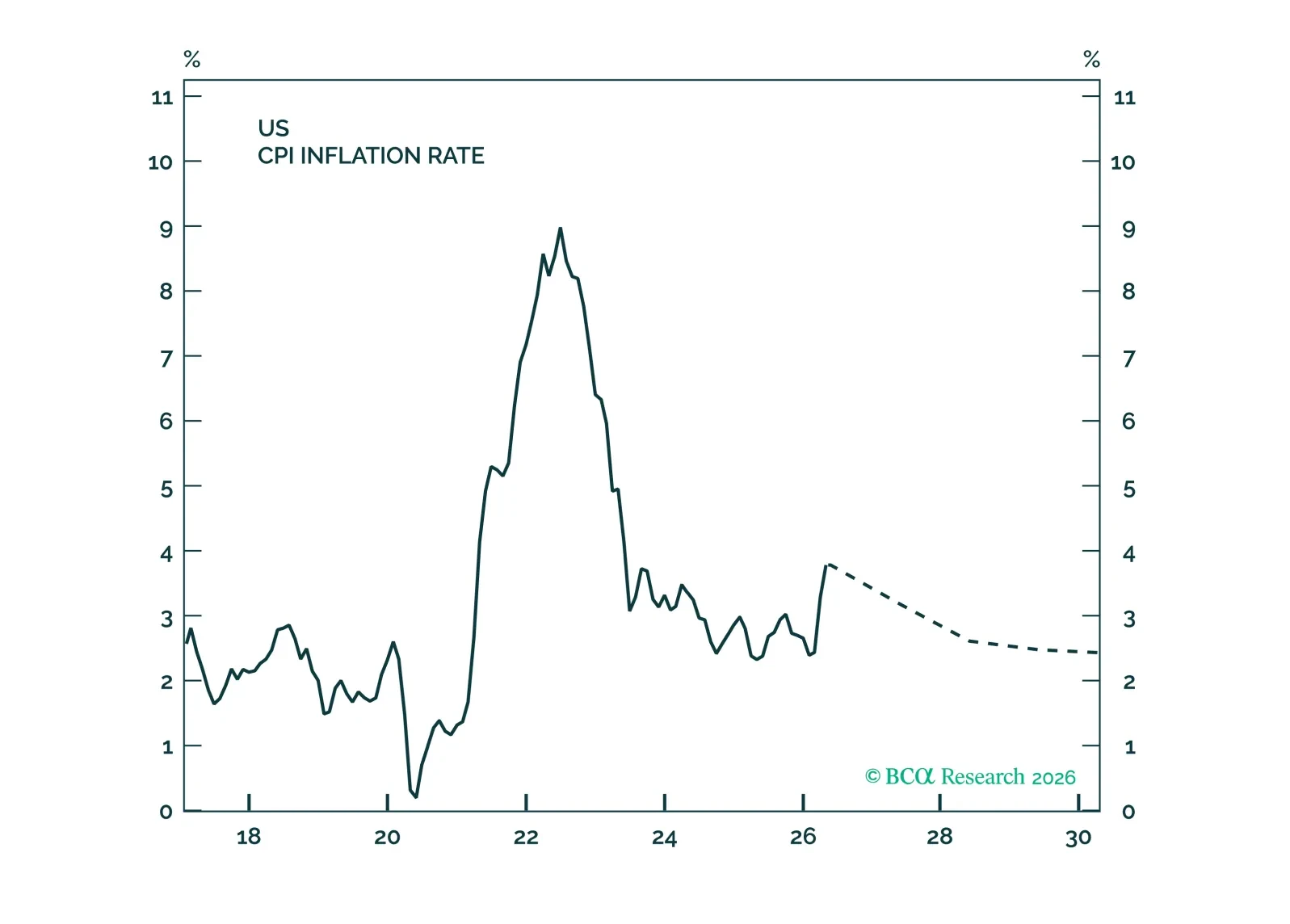
The AI boom will increase inflation in the near term and could also raise it over the long term. The Fed’s reluctance to hike rates is understandable, but it risks amplifying what may already be a brewing stock market bubble.
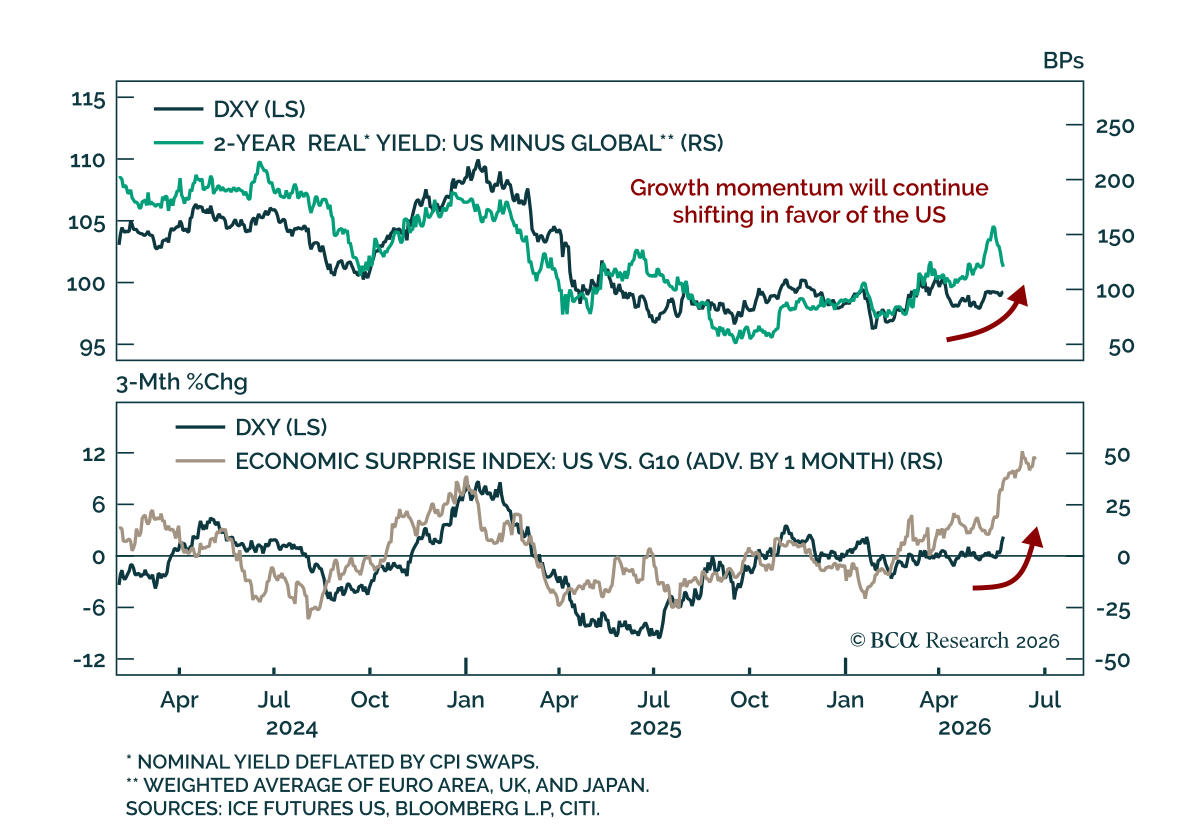
The cyclical outlook for the US dollar is improving and reinforces positioning for further dollar strength in the near term against energy importers. As a net energy exporter, the US economy remains more resilient to the terms-of-trade shock and the risks of…
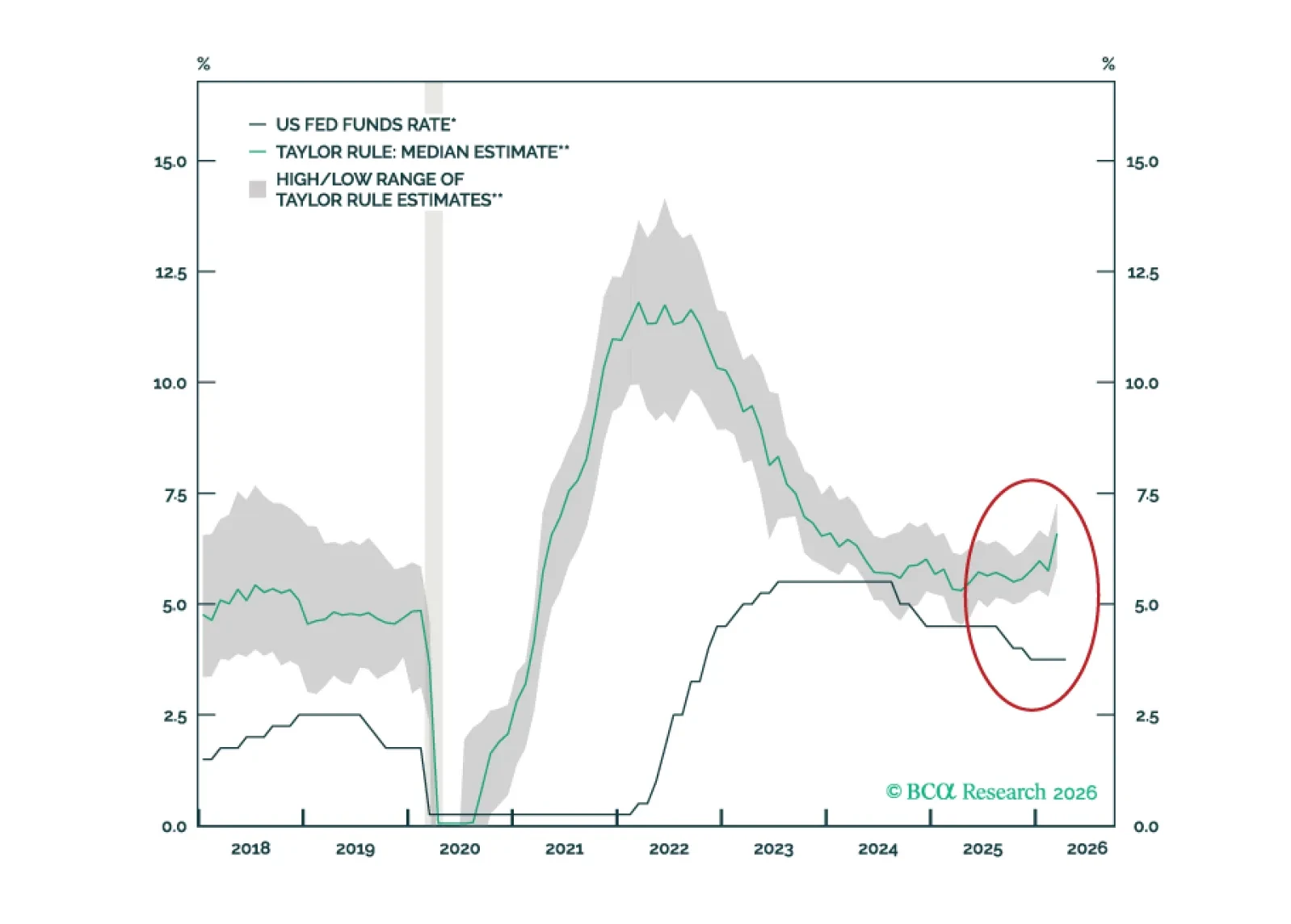
In Section II, Jonathan explores whether Kevin Warsh's appointment as Fed Chair signals a return to Greenspan-era, rules-based monetary policy.
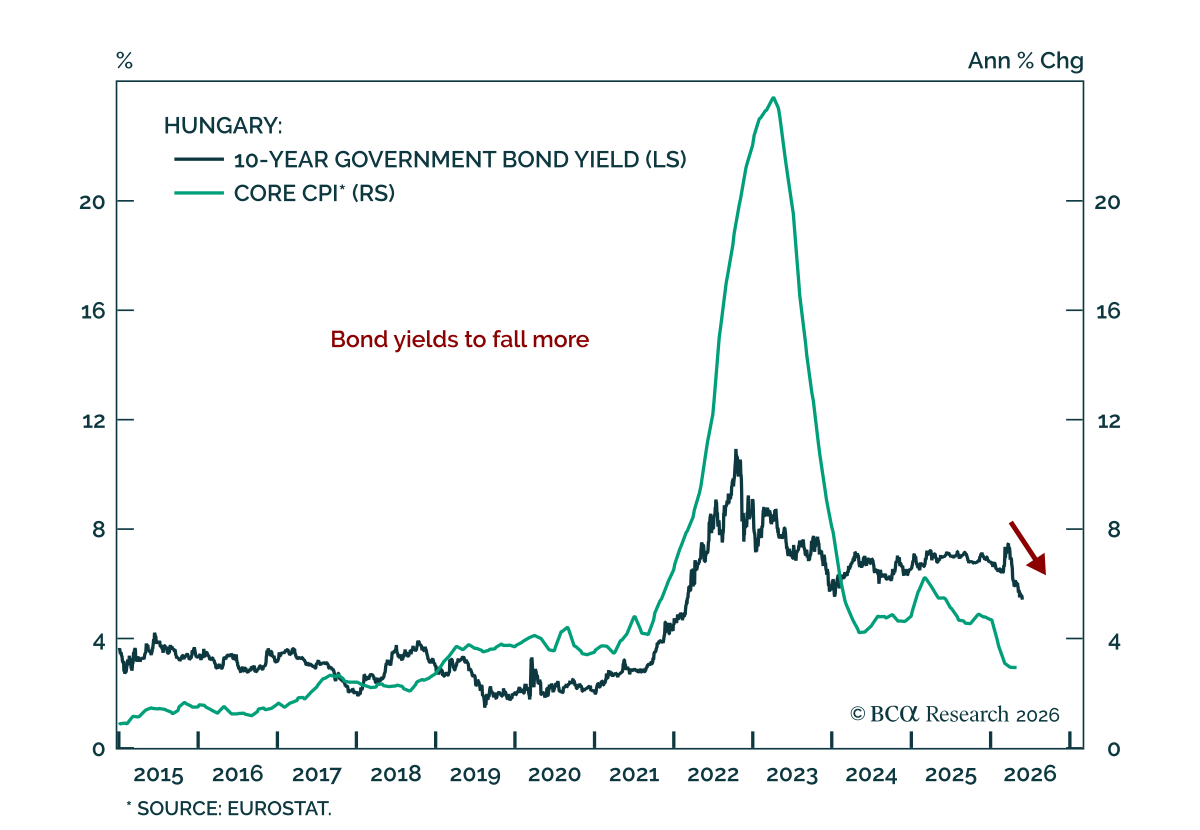
Hungary’s policy mix is turning bond-friendly. The Hungarian National Bank held rates at 6.25%, citing a better inflation outlook supported by a stronger forint and the delayed phaseout of regulated fuel prices. Our EM strategists expect the forint to…
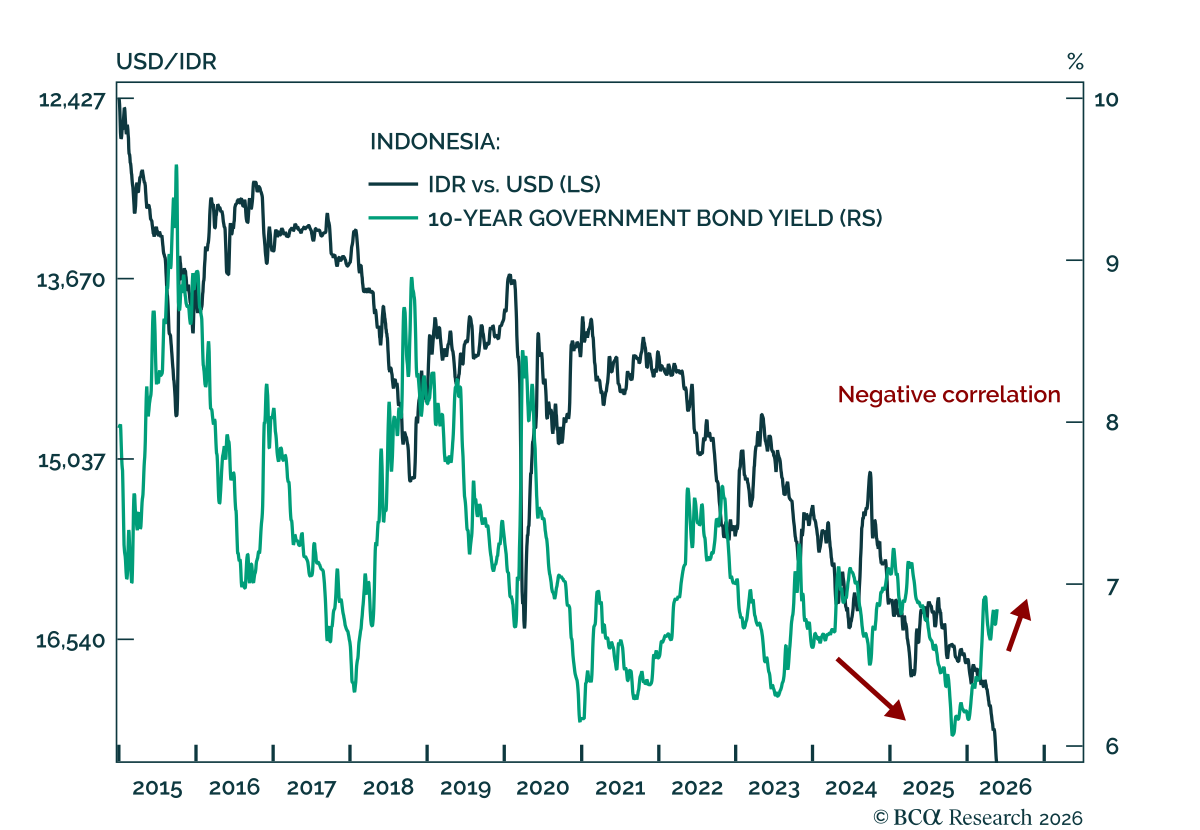
Bank Indonesia raised its policy rate by 50 bps to 5.25% last week, 25 bps above expectations, as a response to persistent rupiah weakness. The recent sell-off in the rupiah and local bonds was partly triggered by the finance minister's plan to spend an…
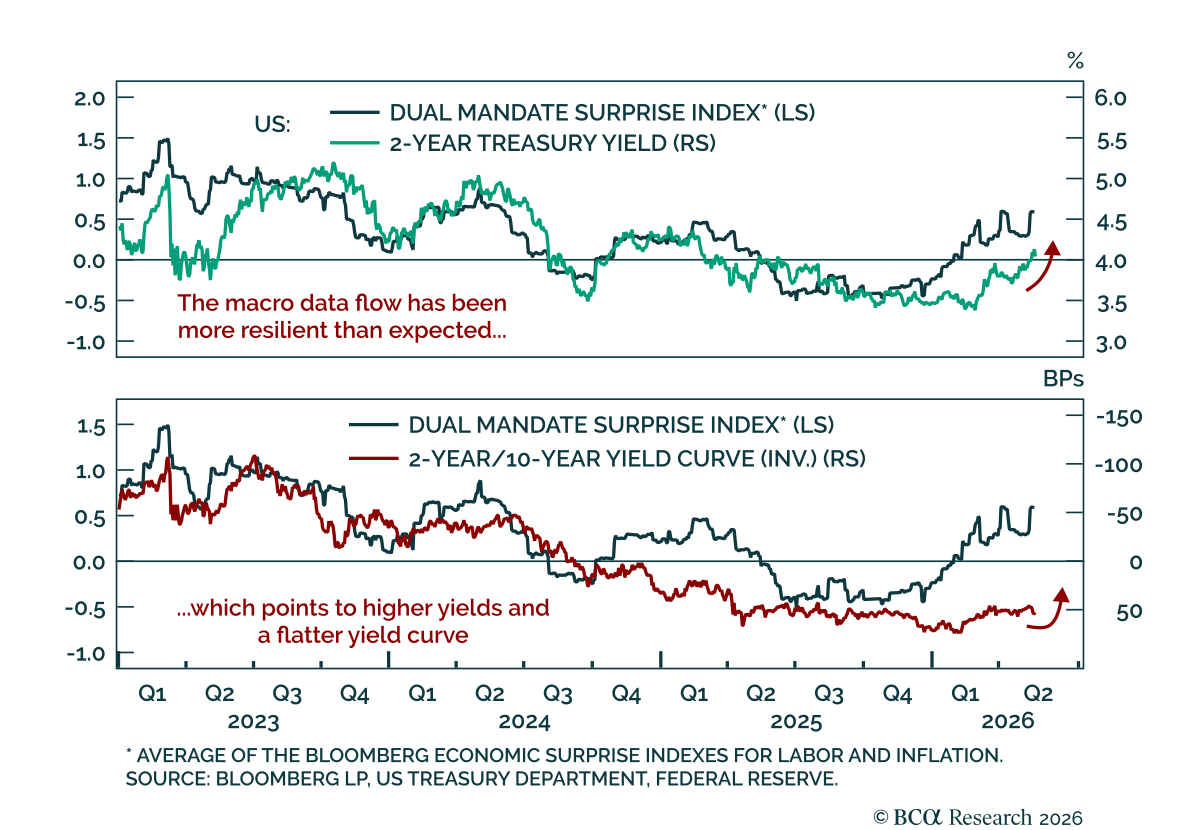
The April FOMC minutes clarified the hawkish shift that marked the meeting. The Fed held at its last meeting, but there were four dissents. While Governor Miran favored a 25 bps cut, regional presidents Hammack, Kashkari, and Logan supported a hold but voted…
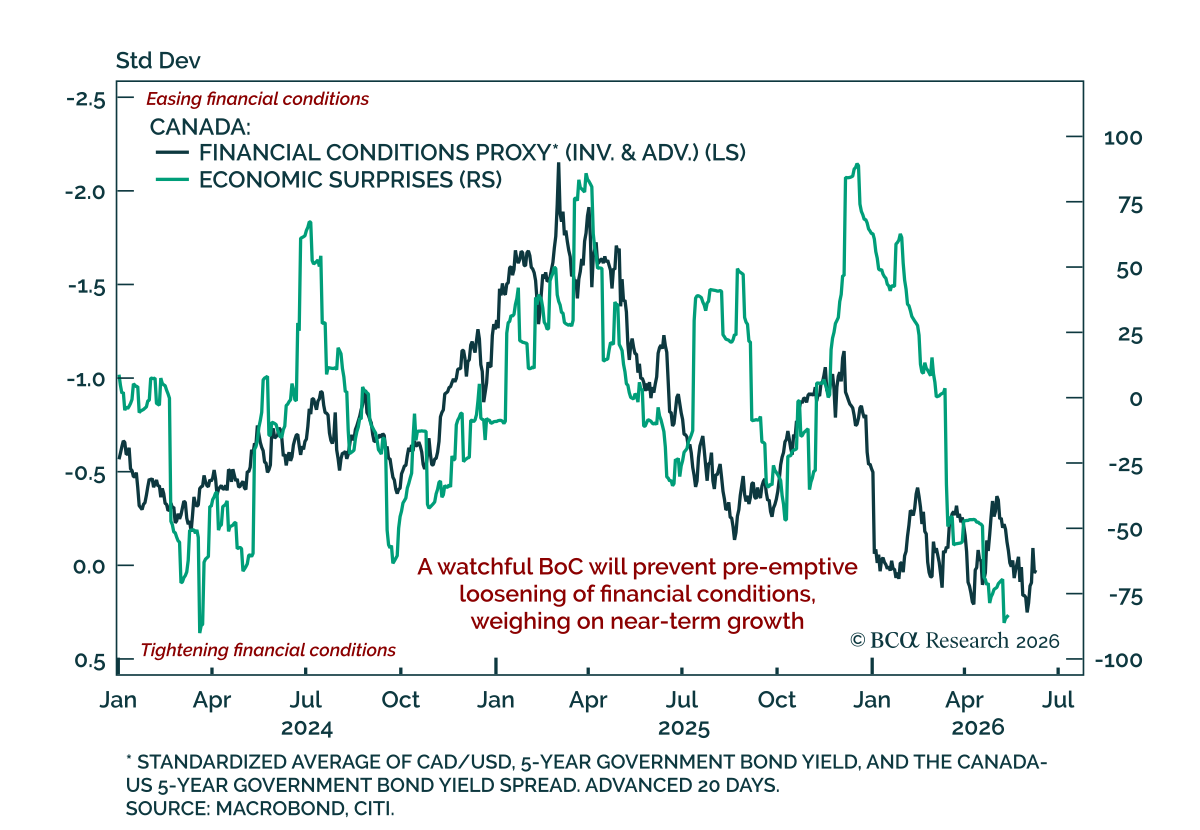
Canada’s data keep disappointing, and stable but still-restrictive financial conditions point to subdued growth ahead. As we recently highlighted, Canadian economic surprises turned negative earlier this year and have kept falling. Canada also faces several…

The Bank of England’s latest Monetary Policy Report offers a clean framework for thinking through an oil shock and the appropriate policy response. The first channel is the direct effect of higher energy prices on inflation such as higher gas and utilities…