Monetary Policy
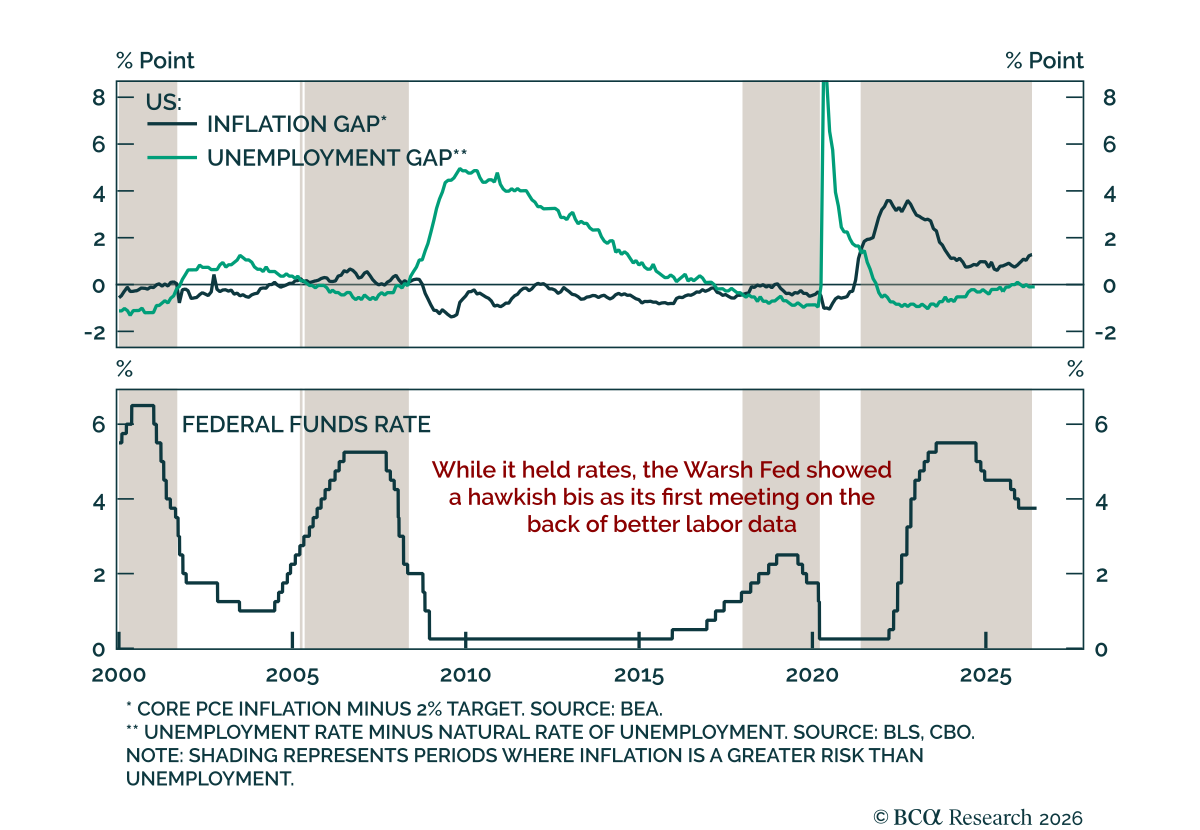
The Fed left rates unchanged at 3.5%-3.75% in a unanimous vote, yet the meeting tilted hawkish. The meeting marked a new era for Fed communication, with a much shorter statement and little, if any, forward guidance. The statement removed the easing bias that…
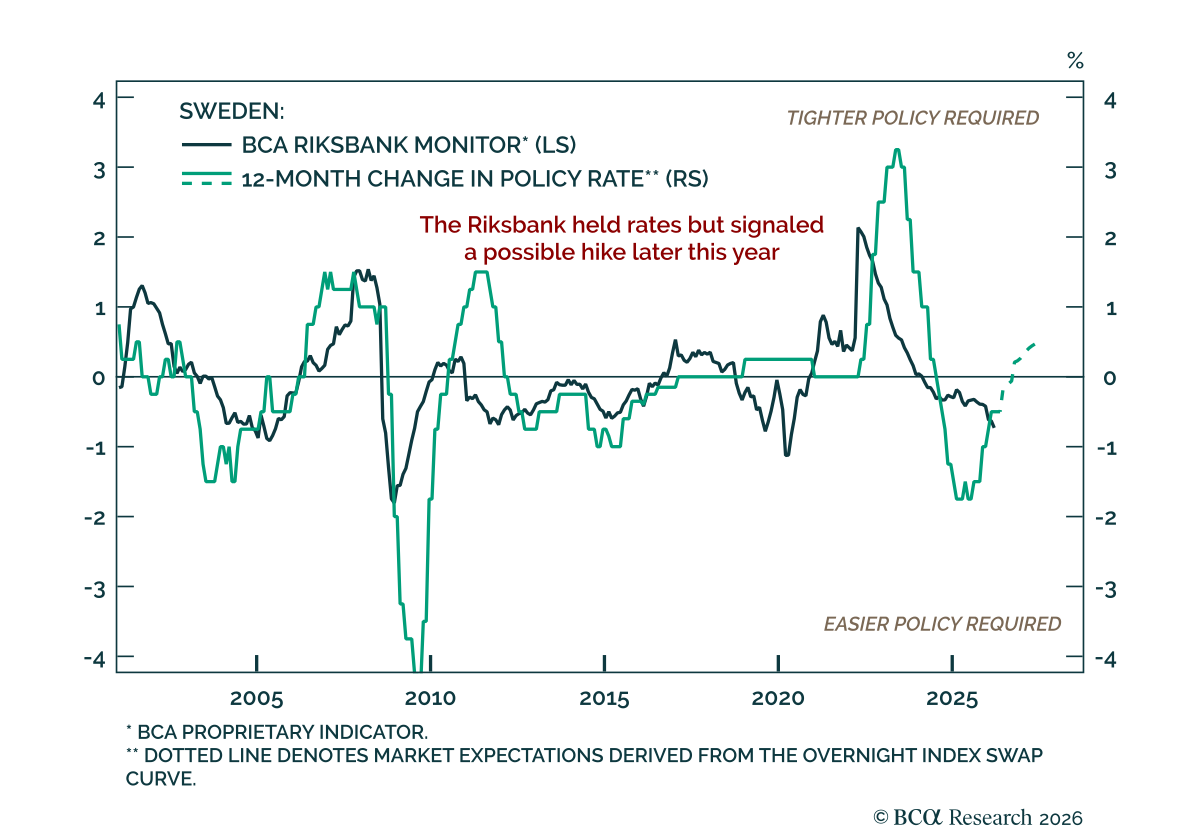
The Riksbank held its policy rate at 1.75% for the sixth straight meeting, as expected, but shifted its guidance in a hawkish direction. The central bank signaled a higher probability of a hike this year, citing rising inflationary pressures. This is a shift…
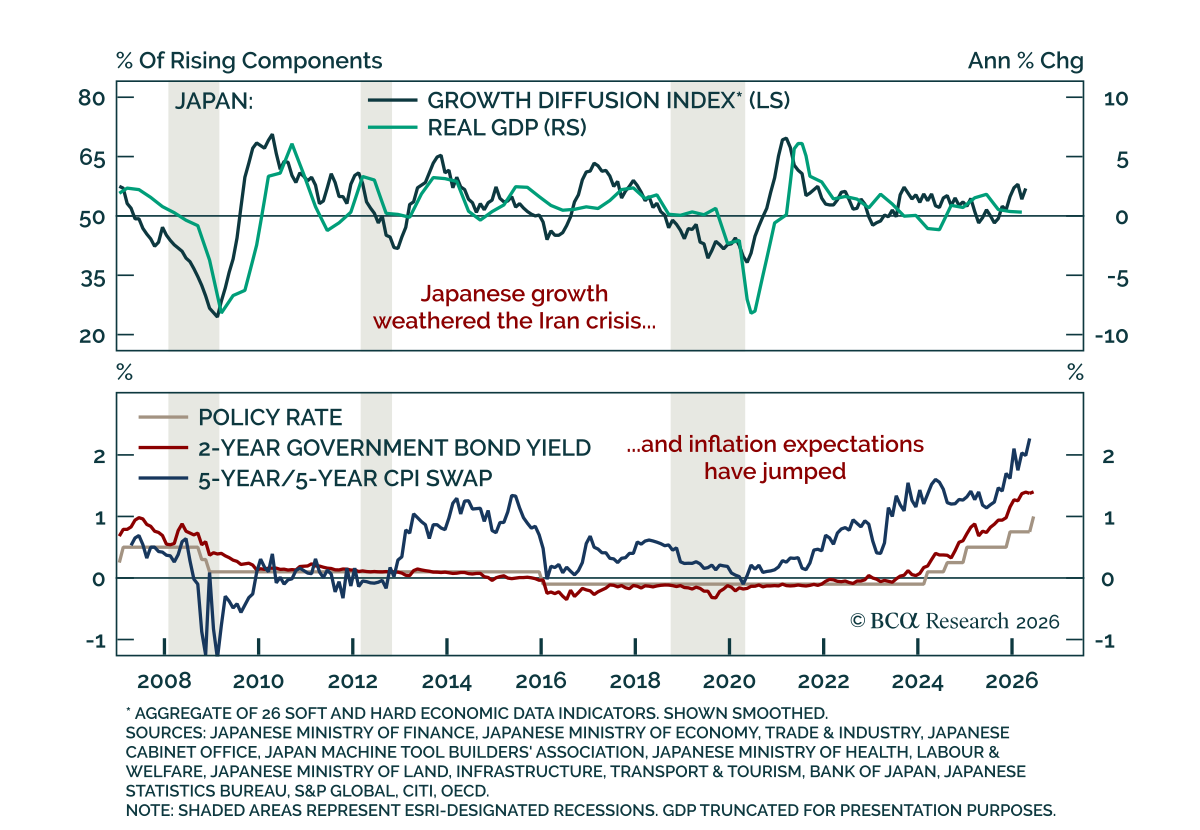
The Bank of Japan raised rates to their highest since 1995, but market pricing still understates the tightening path. The BoJ hiked 25 bps to 1%, as expected, in a 7-1 decision. This marks another step in Japan’s exit from its structurally deflationary…
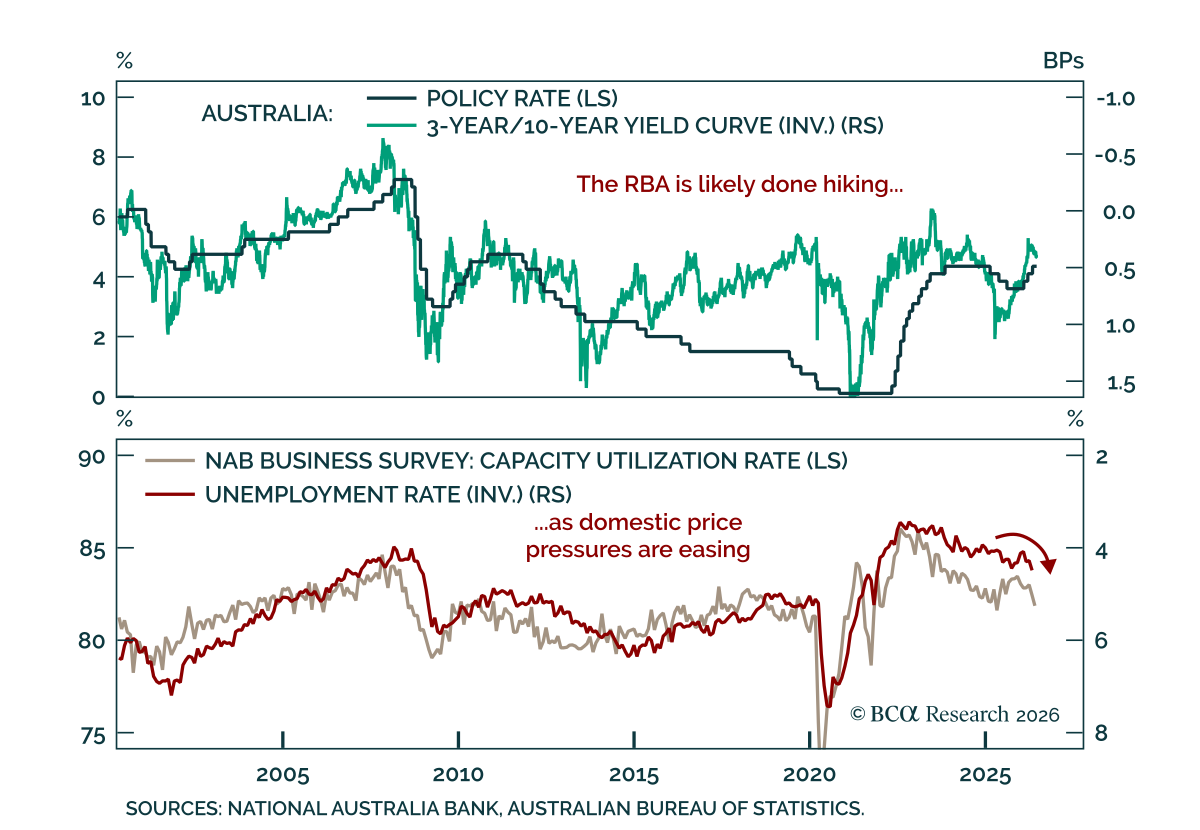
The RBA held rates, and further tightening looks unlikely despite the hawkish rhetoric. The policy rate was left unchanged, as expected, after three consecutive hikes totaling 75 bps. The decision was unanimous. Still, Governor Bullock declined to rule out…
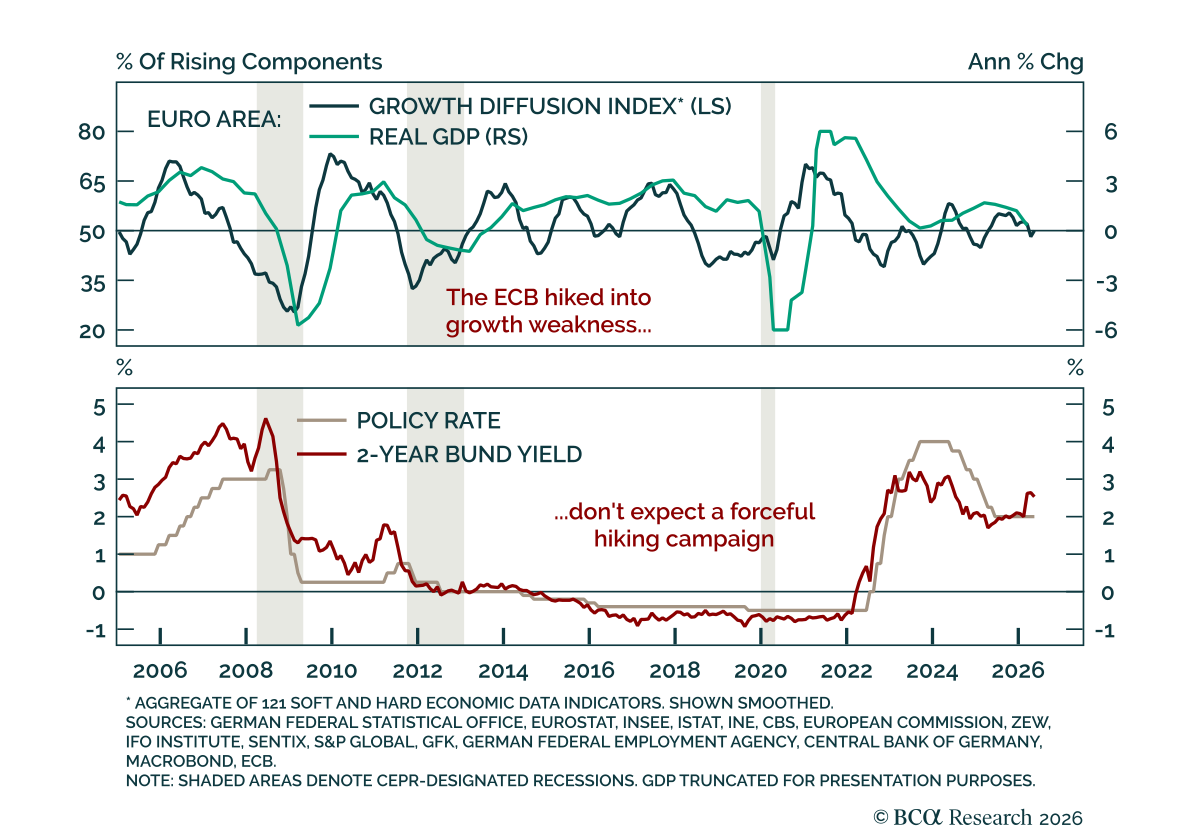
The ECB hiked as expected, but further tightening would be a mistake that ultimately supports European bonds. The policy rate was raised by 25 bps to 2.25%, as expected. The ECB also revised its inflation forecasts higher and its growth forecasts lower. It…
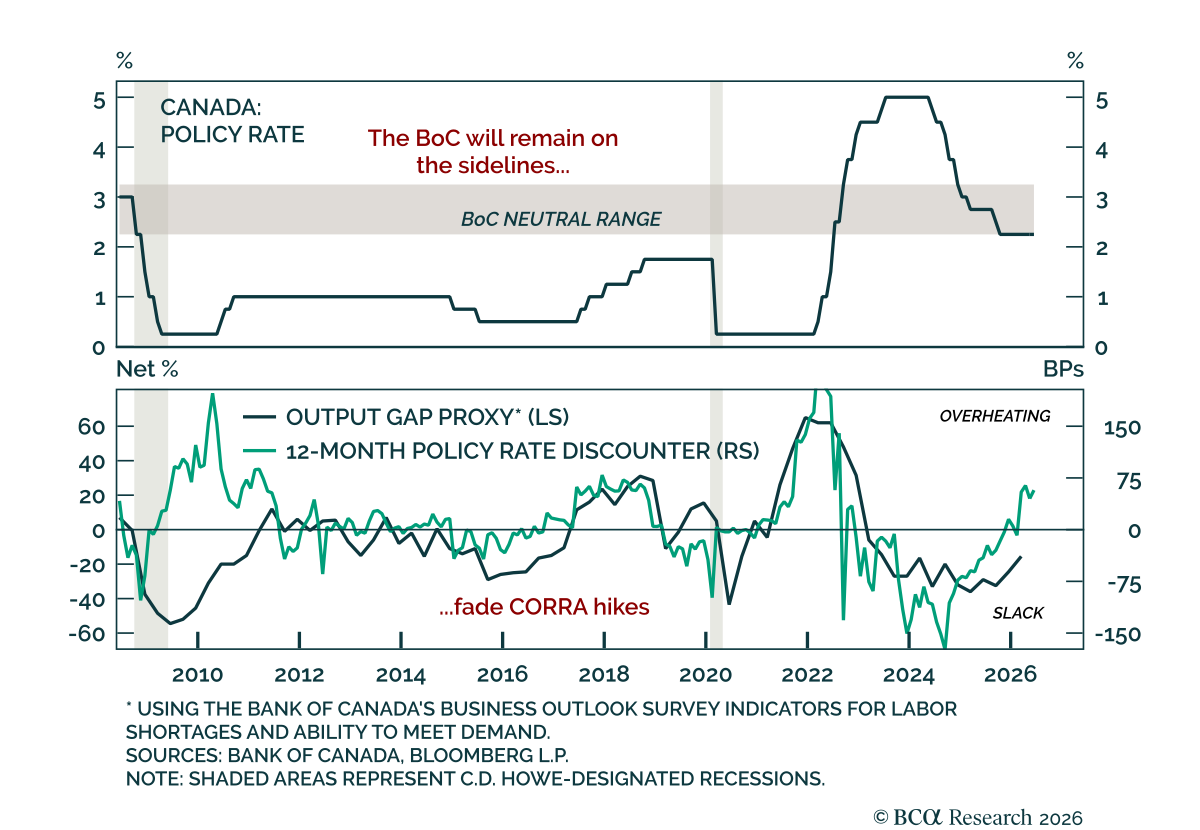
The Bank of Canada kept rates unchanged and still sees two-sided risks around the inflation outlook. The policy rate was left at 2.25% for a fifth consecutive meeting, in line with expectations. At 2.25%, it remains at the bottom of the BoC’s estimated…
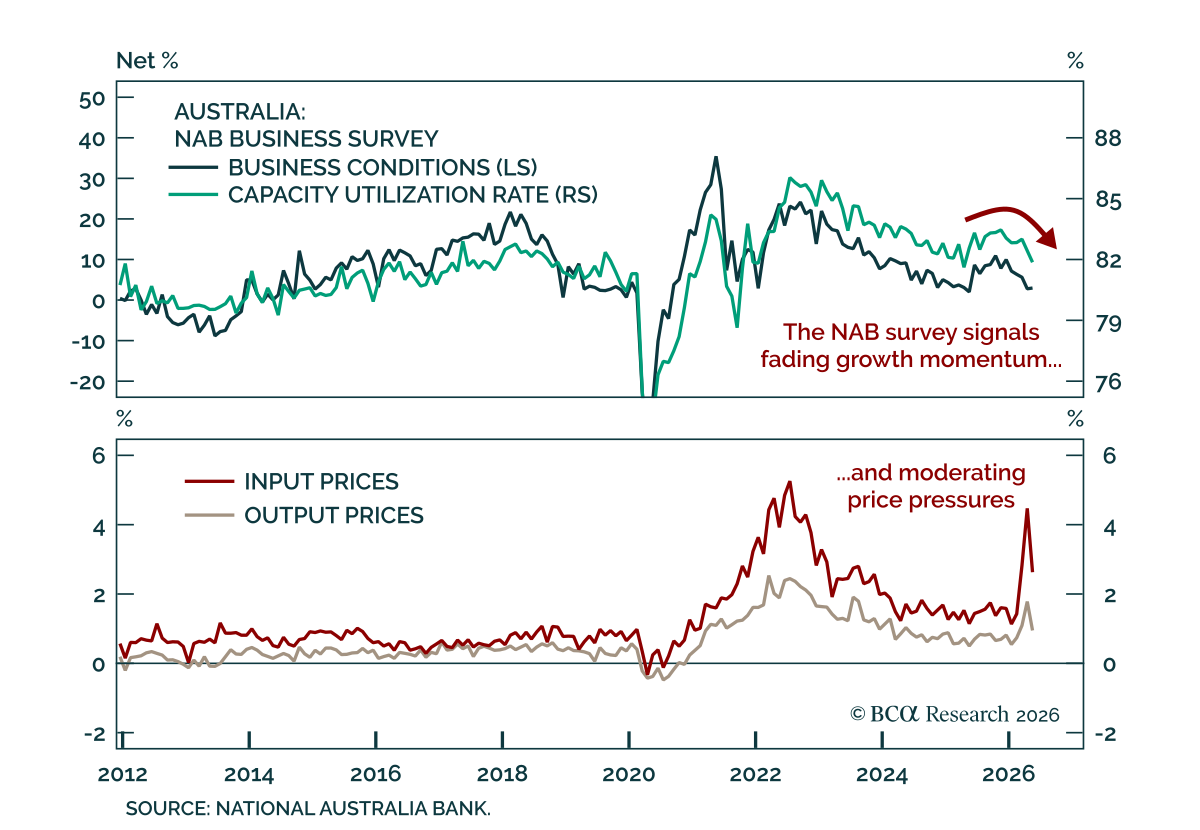
Australia's May NAB survey pointed to softer growth, with moderating price pressures reinforcing the case that the RBA's tightening cycle is over. Business conditions held steady at +3, firmly below the long-term average, after falling every month this year.…
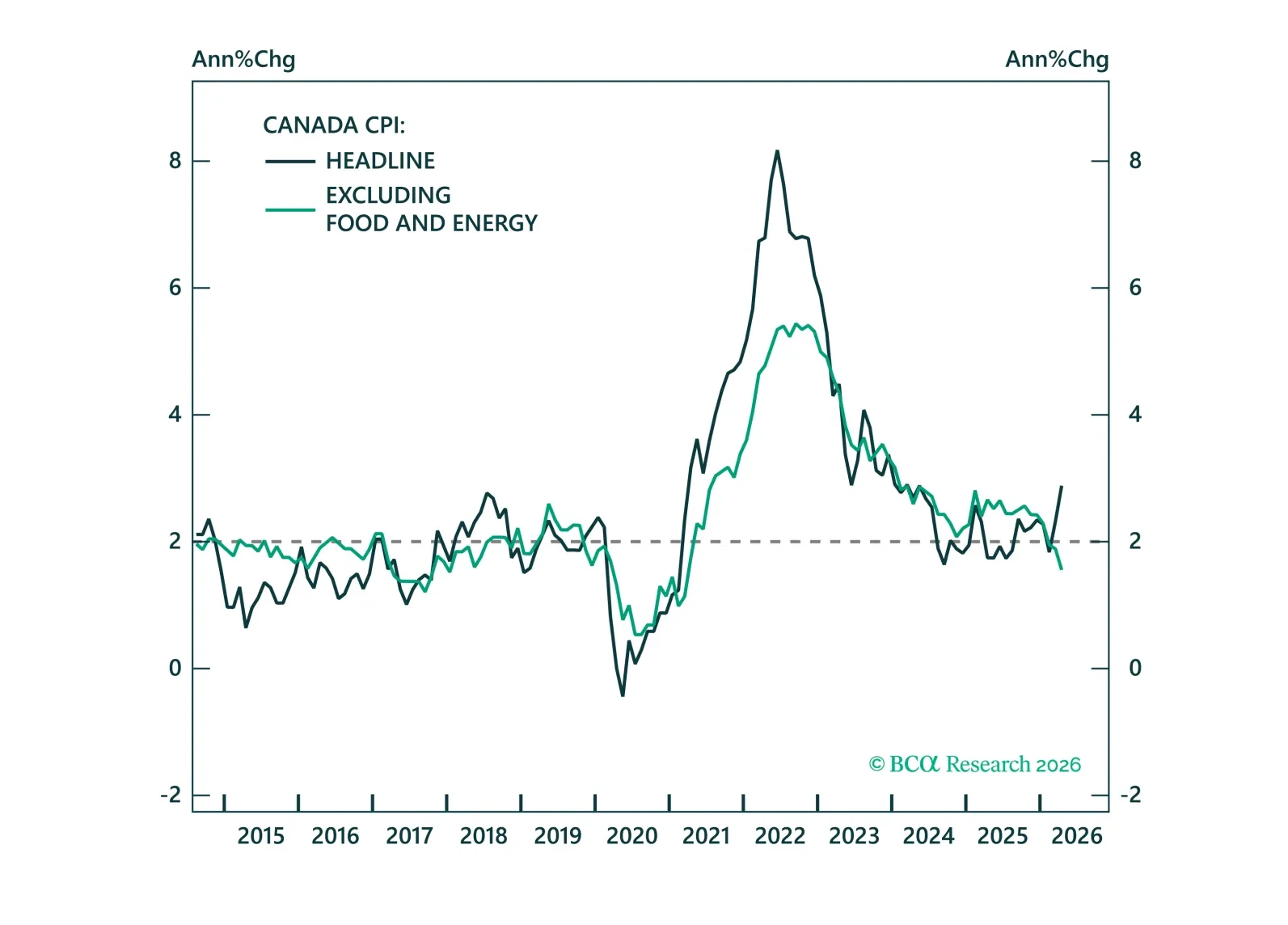
The Bank of Canada left rates unchanged and emphasized inflation risks from higher oil prices. We discuss why inflation and labor market data argue against the tightening currently priced.
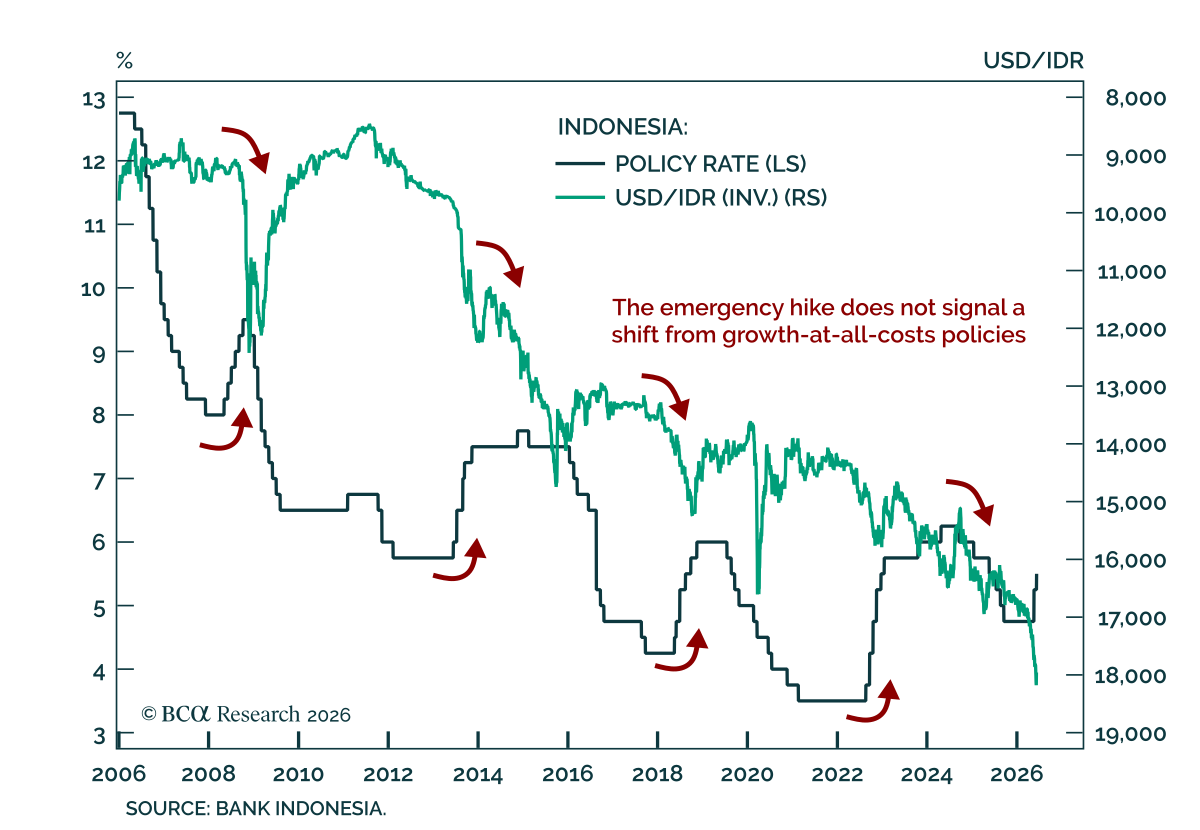
Bank Indonesia’s off-cycle rate hike was a defensive move to slow the rupiah’s slide, not a change in the broader policy story. After raising its policy rate to 5.25% at last week's scheduled meeting, the Indonesian central bank surprised with an unscheduled…
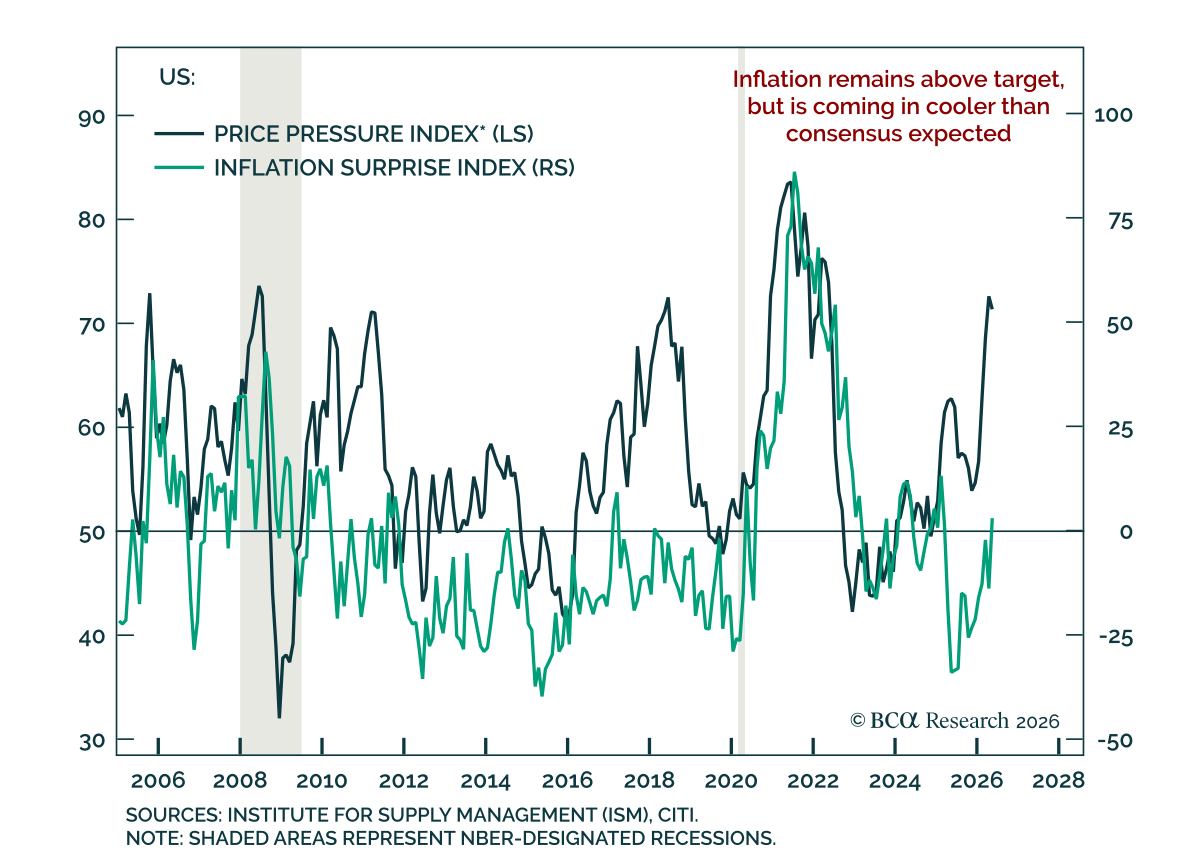
A notable pattern is emerging globally: inflation remains above target, but it is coming in cooler than consensus expected. US inflation came in below estimates. The same pattern has appeared in European developed and emerging markets, including Switzerland…