Monetary Policy
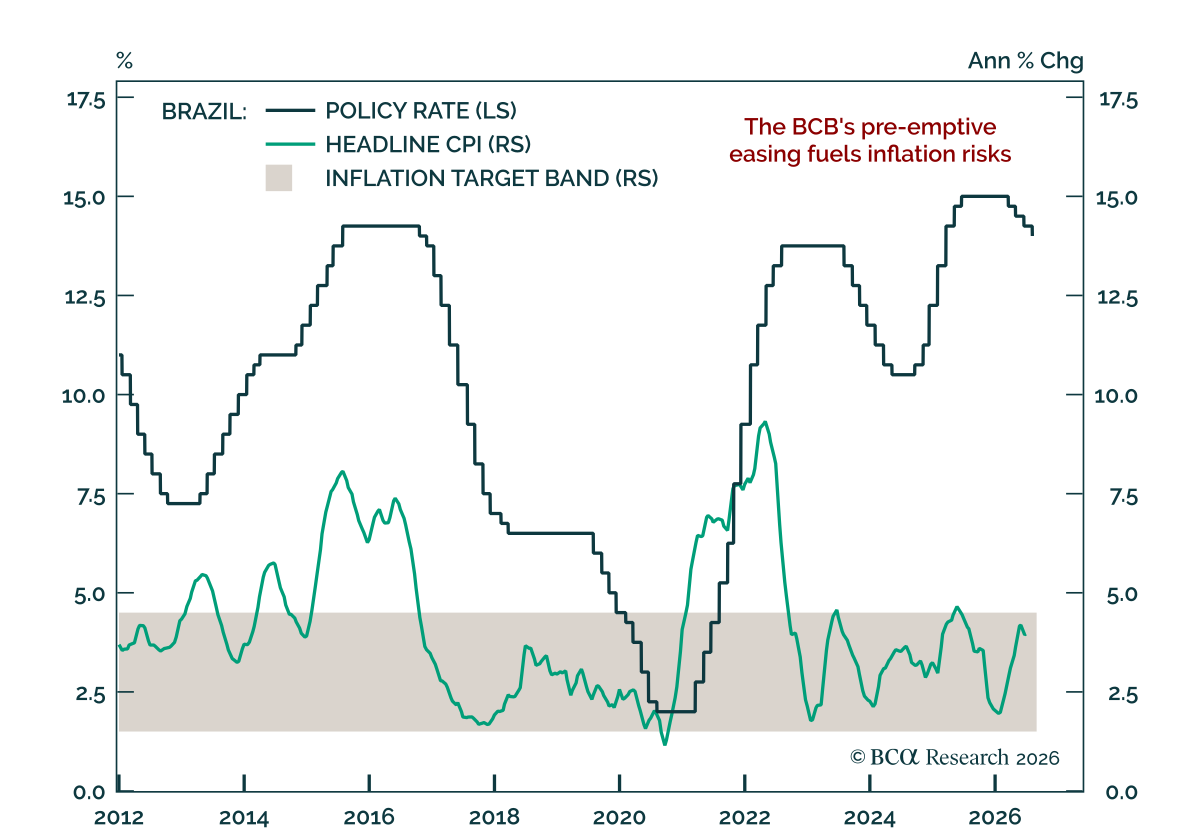
Brazil’s central bank cut rates for a fourth consecutive meeting, but inflation risks persist. The move followed a softer-than-expected inflation print, and policymakers signaled that more cuts are likely. Our EM strategists have argued that both policymakers…
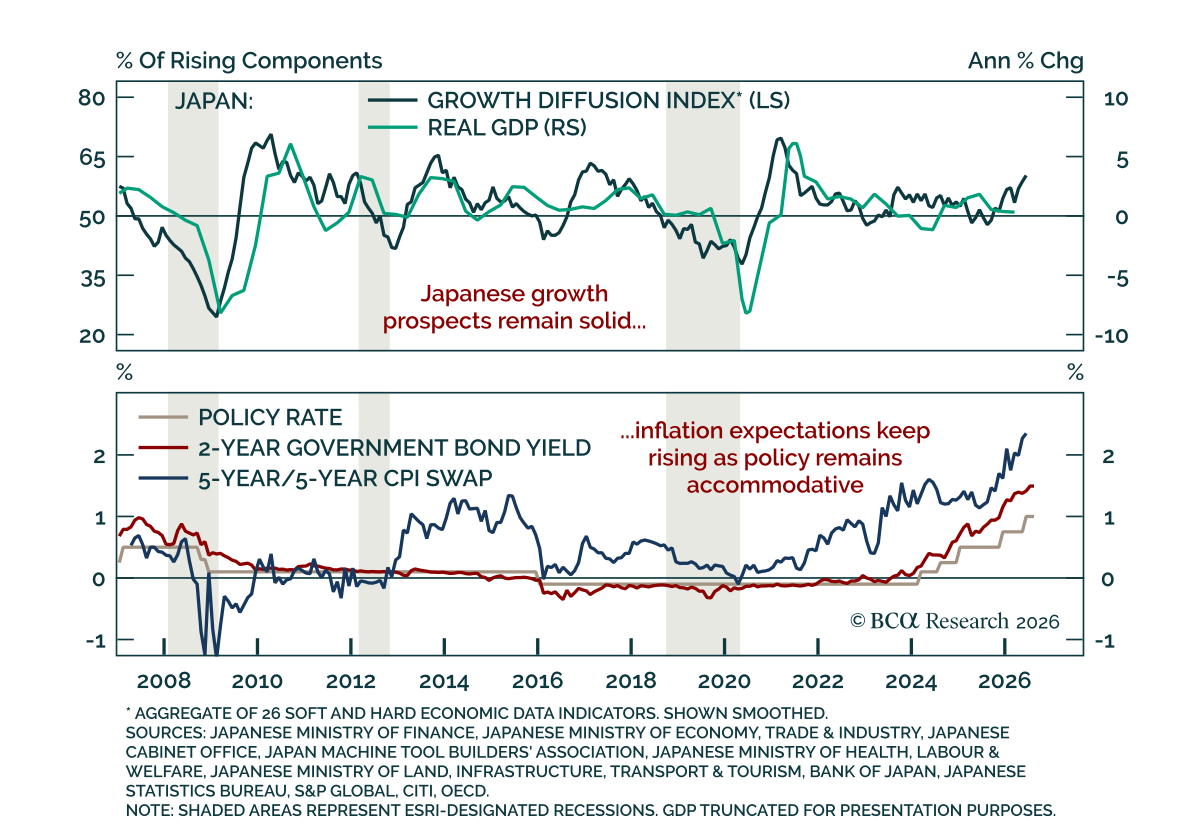
The BoJ signaled further hikes, but not the more aggressive tightening needed to stabilize the JPY. The Bank of Japan held rates at 1% as expected in an 8-1 decision, with board member Takata dissenting in favor of a 25 bps hike. The BoJ acknowledged more…
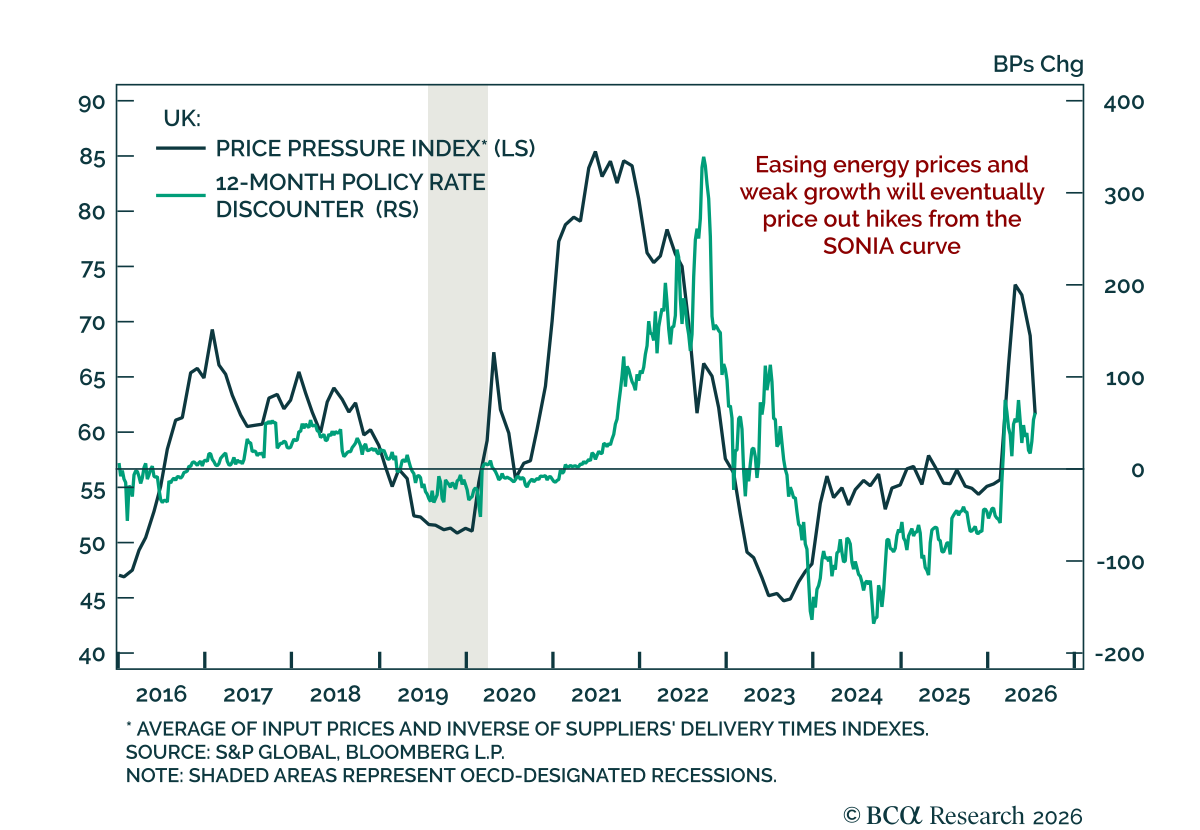
A sidelined BoE confronted with weak growth and easing price pressures supports an overweight in UK gilts and an underweight in GBP. The BoE held rates at 3.75% for the fifth consecutive meeting. The 6-3 decision saw Mann, Greene, and Pill dissent in favor of…
Section I outlines BCA’s views on the US-Iran conflict, Europe’s near-term outlook, the currency and bond selloffs in Japan and the early days of the Warsh Fed. In Section II, Roukaya, Matt, and Artem argue that the worst of gold's downturn is likely behind us. Real rates and the dollar — which have reasserted themselves as gold's primary drivers — are set to shift from headwinds to tailwinds for the metal.
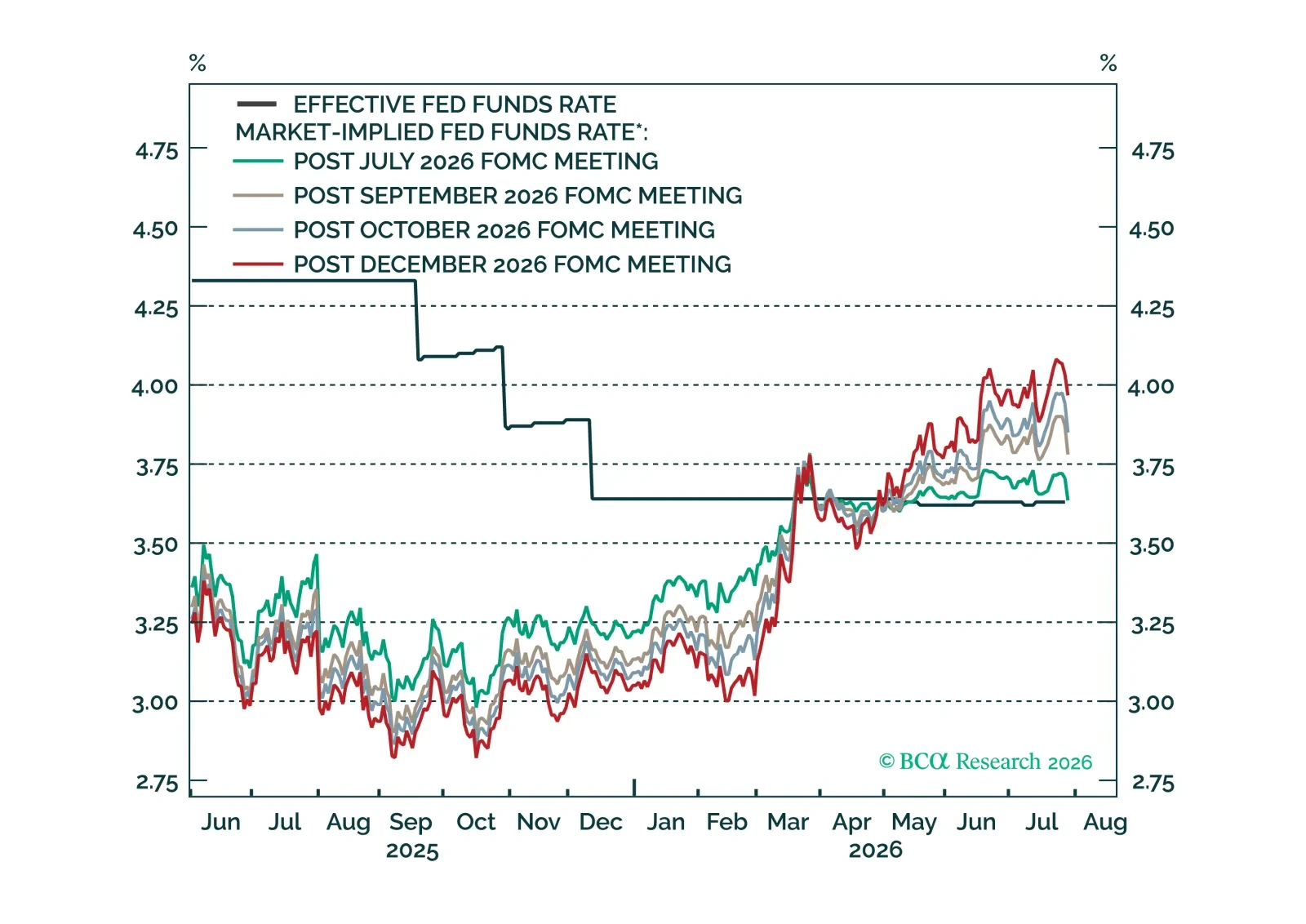
Despite today’s hold, the bar for a rate hike in September remains low and contingent on the next two core CPI reports.
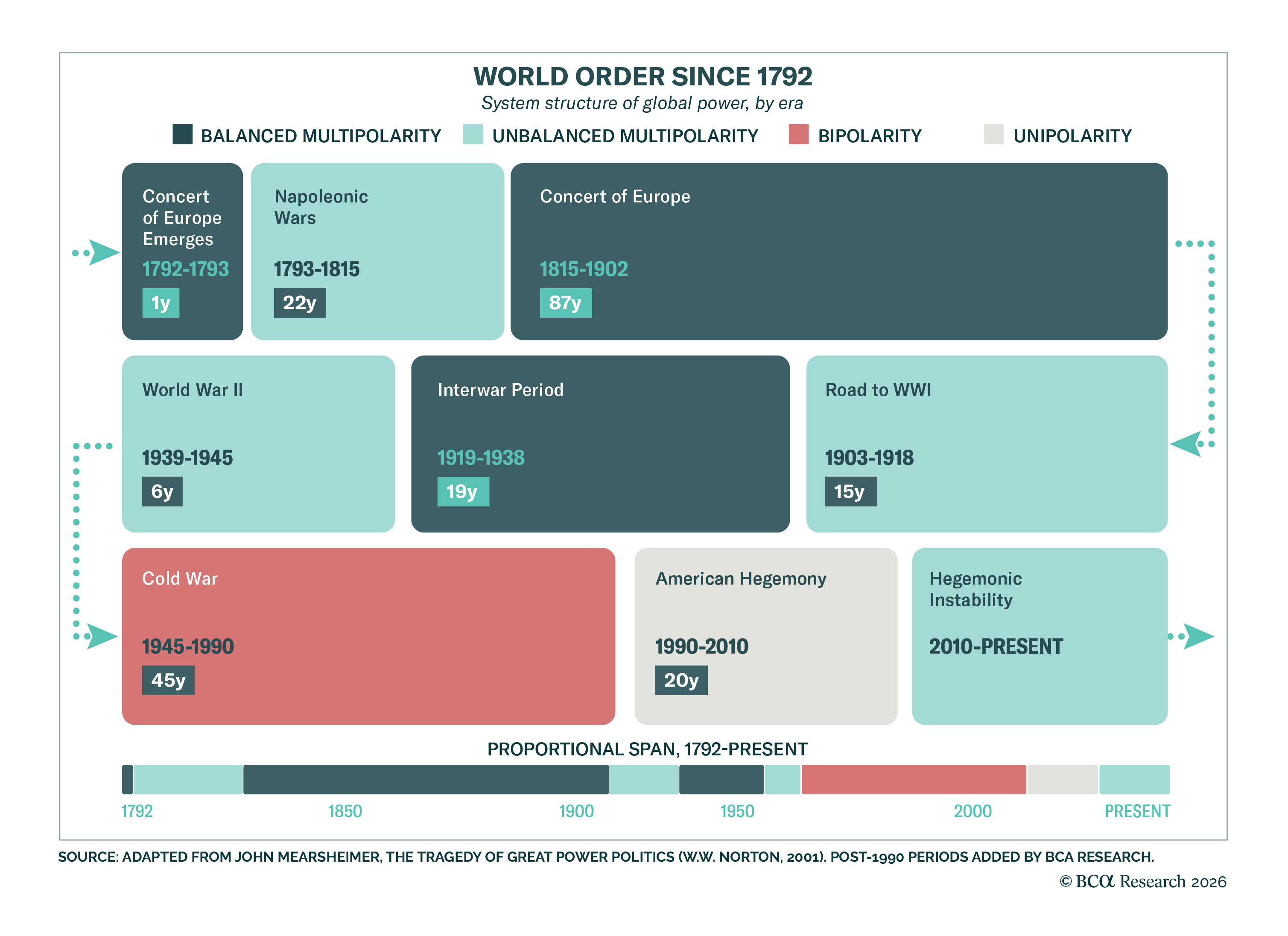
Our Portfolio Construction and FICC strategists argue that allocators should bet on active management, raising exposure to hedge funds and other alternatives. The tailwinds that made beta so rewarding and alpha so difficult after the GFC are now reversing, as…
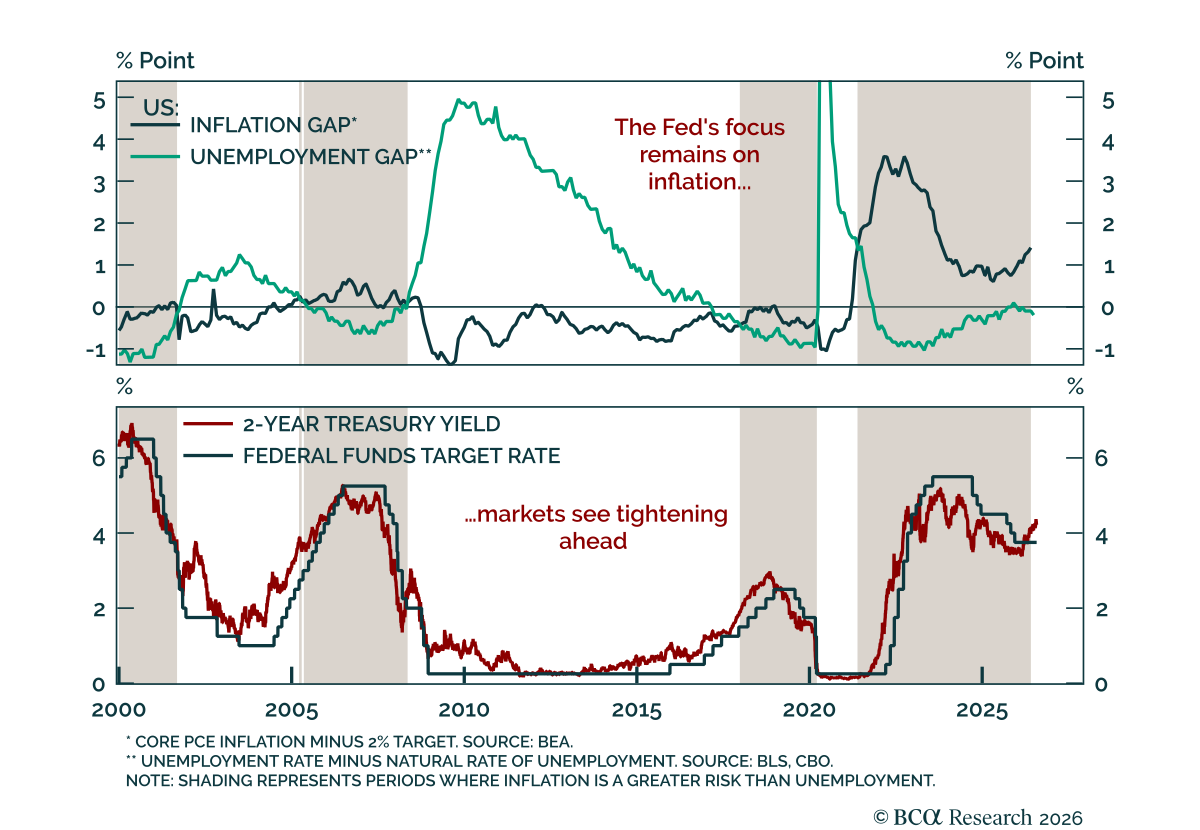
The Fed held rates at 3.5%-3.75%; despite market jitters, cooling data should keep policy on hold unless labor and inflation reaccelerate. The decision drew three dissents from regional presidents Hammack, Kashkari, and Logan in favor of a 25 bps hike. The…
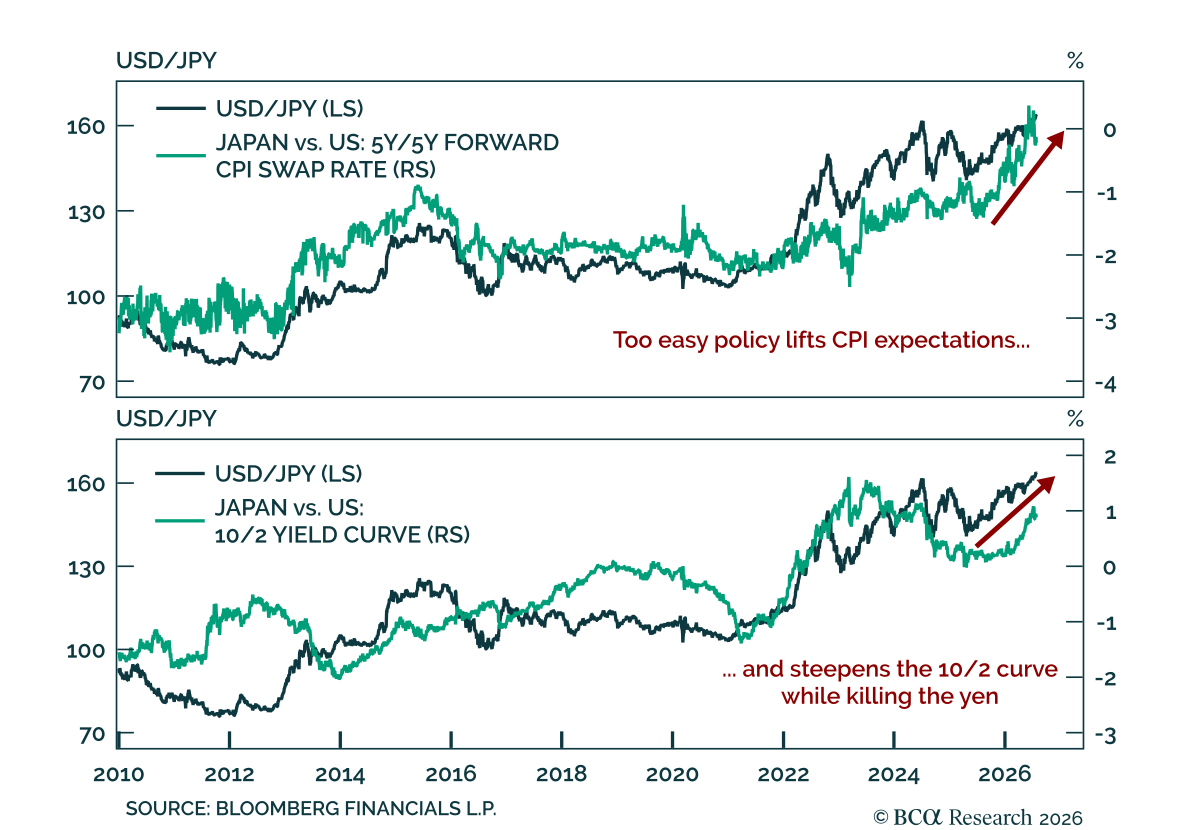
Our FICC strategists see the yen's collapse and JGB weakness driven by the Bank of Japan's easy policy, not fiscal stress. Japan's exploding debt is not to blame: cross-country evidence shows Japanese yields track savings-investment fundamentals rather than…
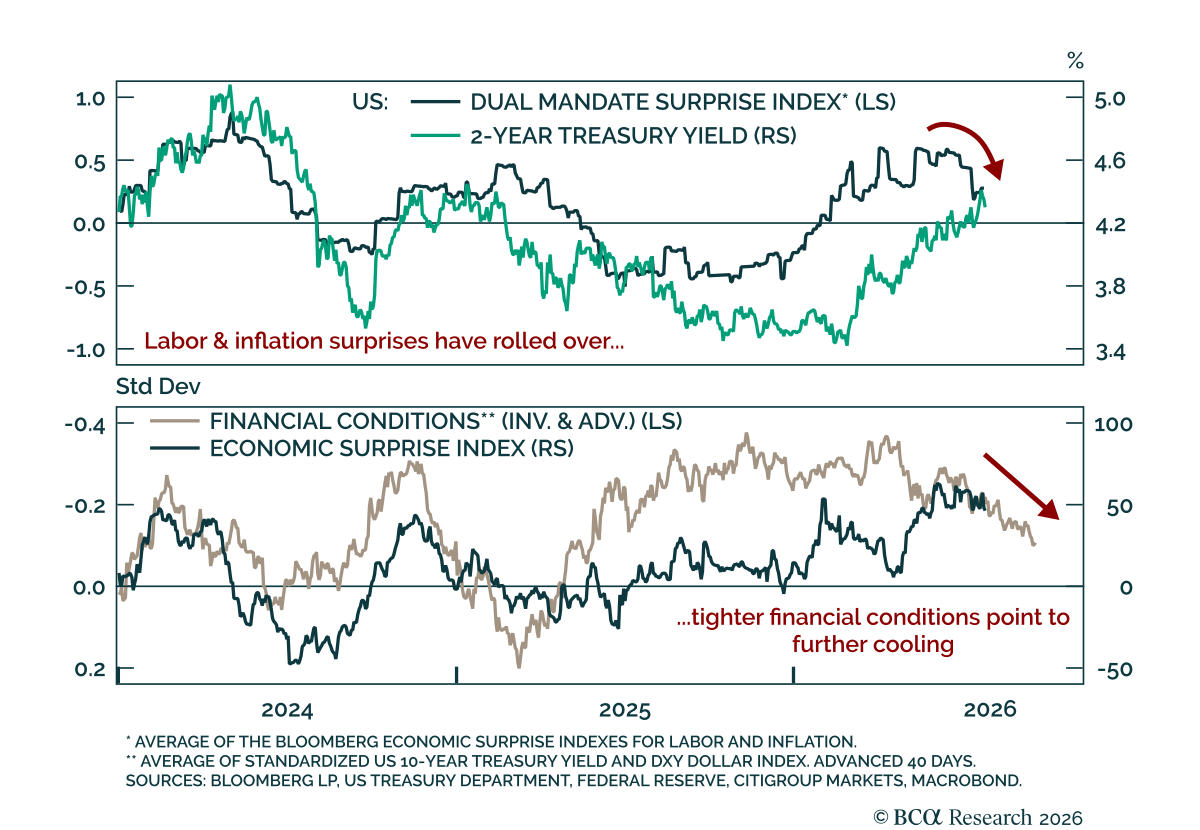
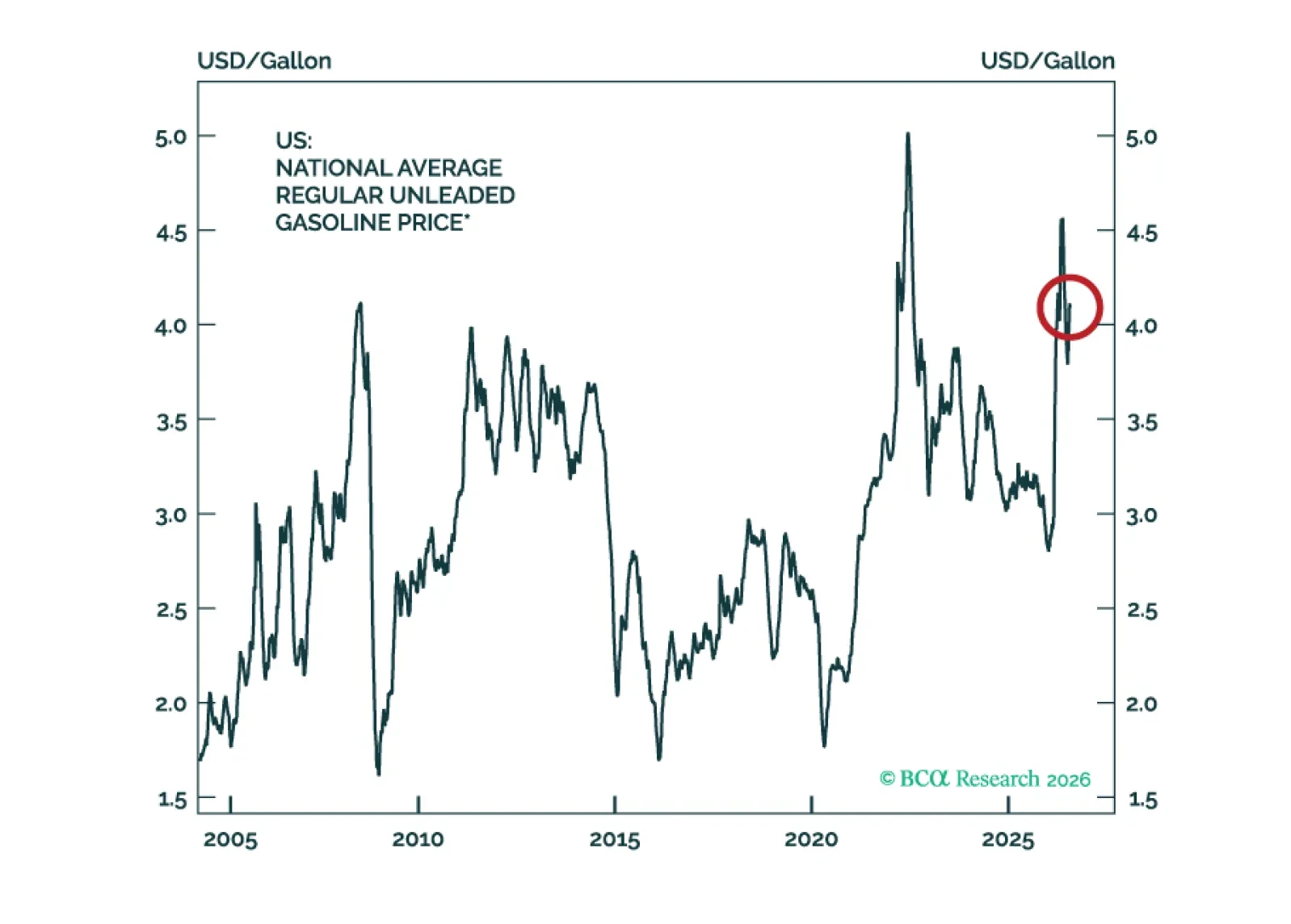
The current US macro backdrop does not justify a Fed hike on Wednesday. Along with other tier-1 releases such as the June employment report, CPI, and ISM Manufacturing, consumer confidence has been cooling on easing labor market perceptions. The Middle East…

The JPY’s decline reflects rising inflation expectations rather than fiscal risk, and is likely to persist until the BoJ turns more hawkish. Our Chart Of The Week comes from Mathieu Savary, Chief FICC Strategist. Mathieu examines the JPY’s decoupling from…