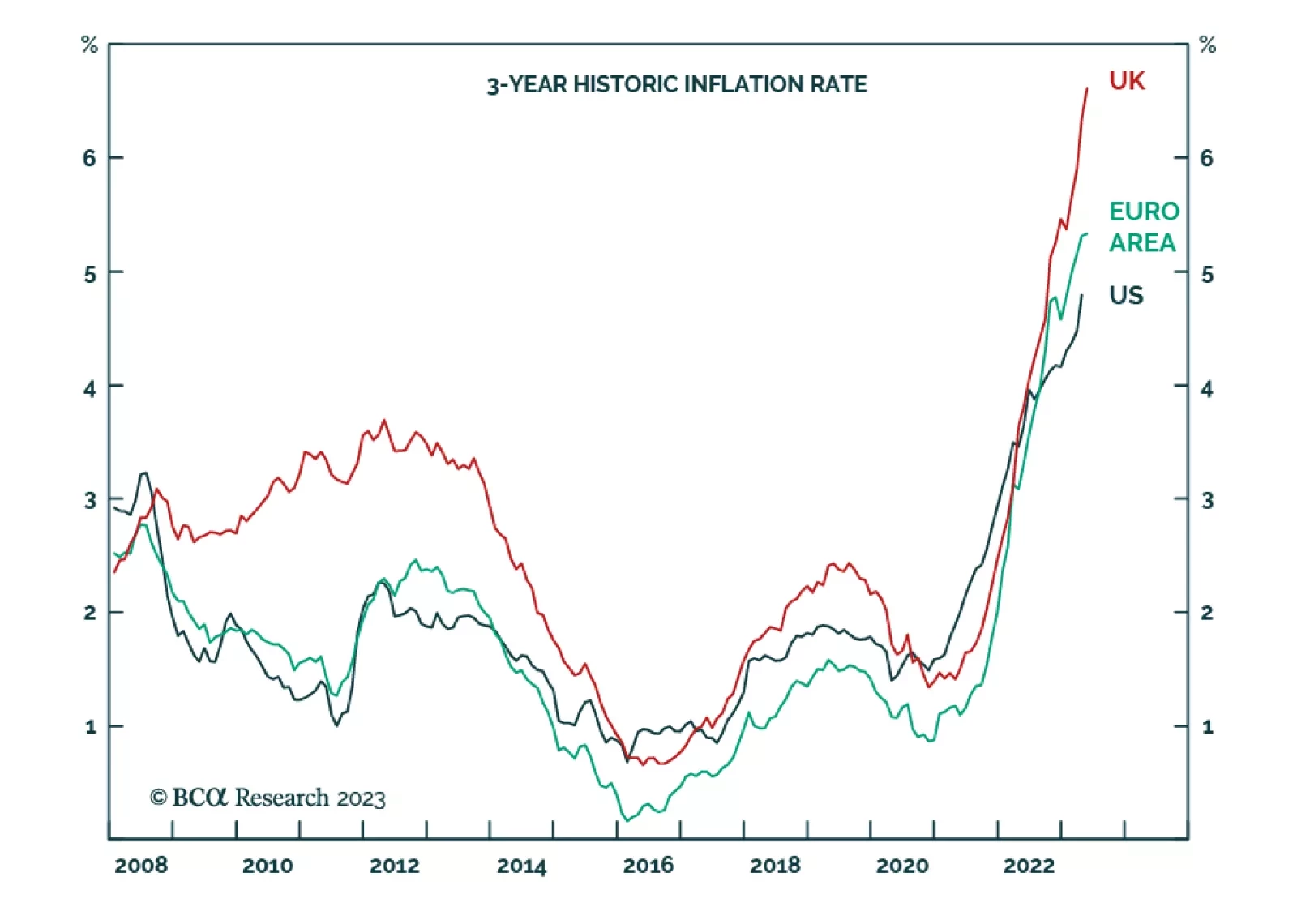
Monetary
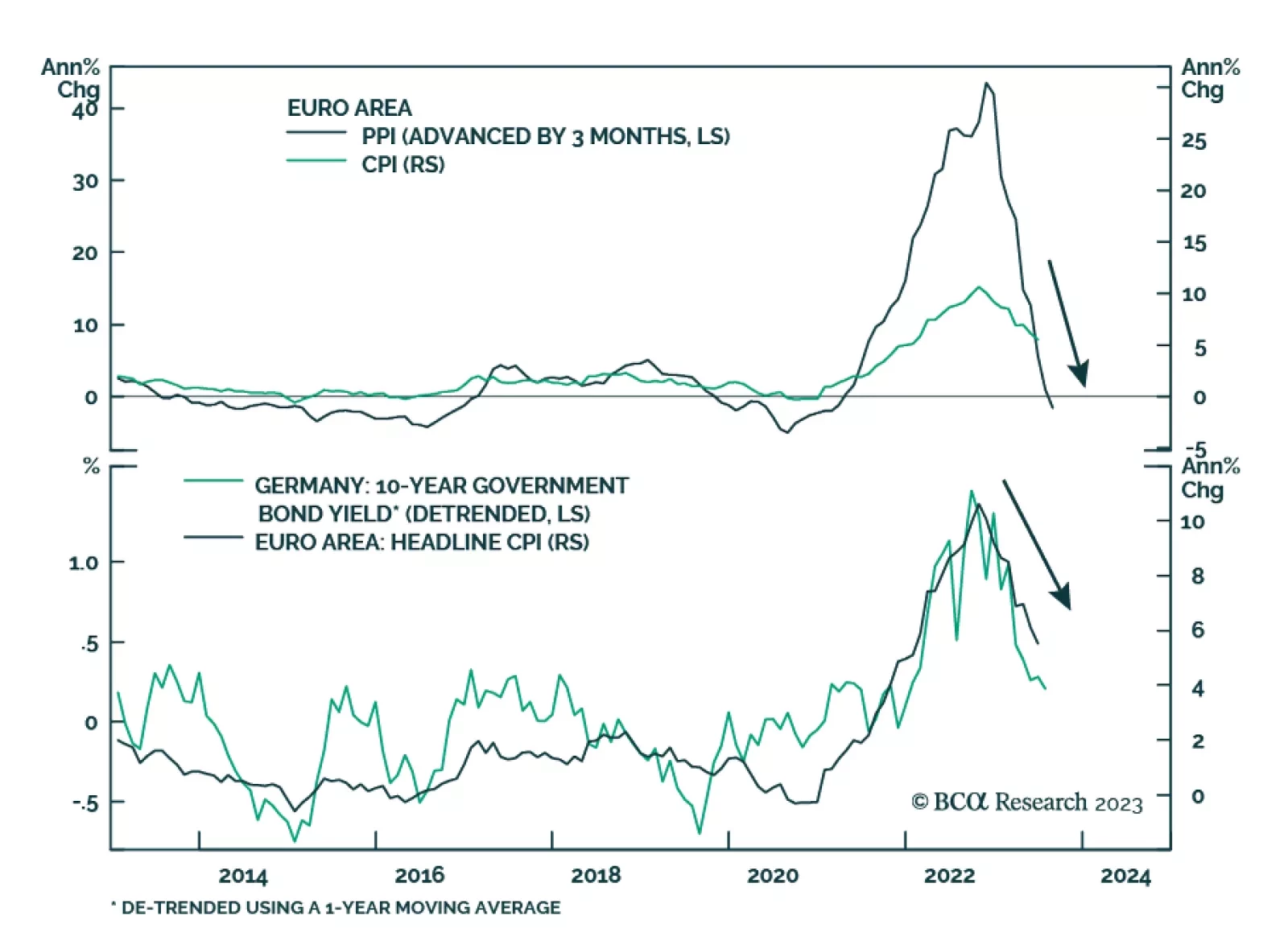

The world economy is likely already in recession, defined as world growth dipping to sub-2 percent. So far, the world recession has been China-led, but in the coming months it will change to being developed economy-led. Hence, while metals and industrial commodities may get some brief respite, high yield credit and stocks will underperform government bonds. New tactical recommendations are to overweight French luxury goods versus US tech, and to overweight USD/COP.
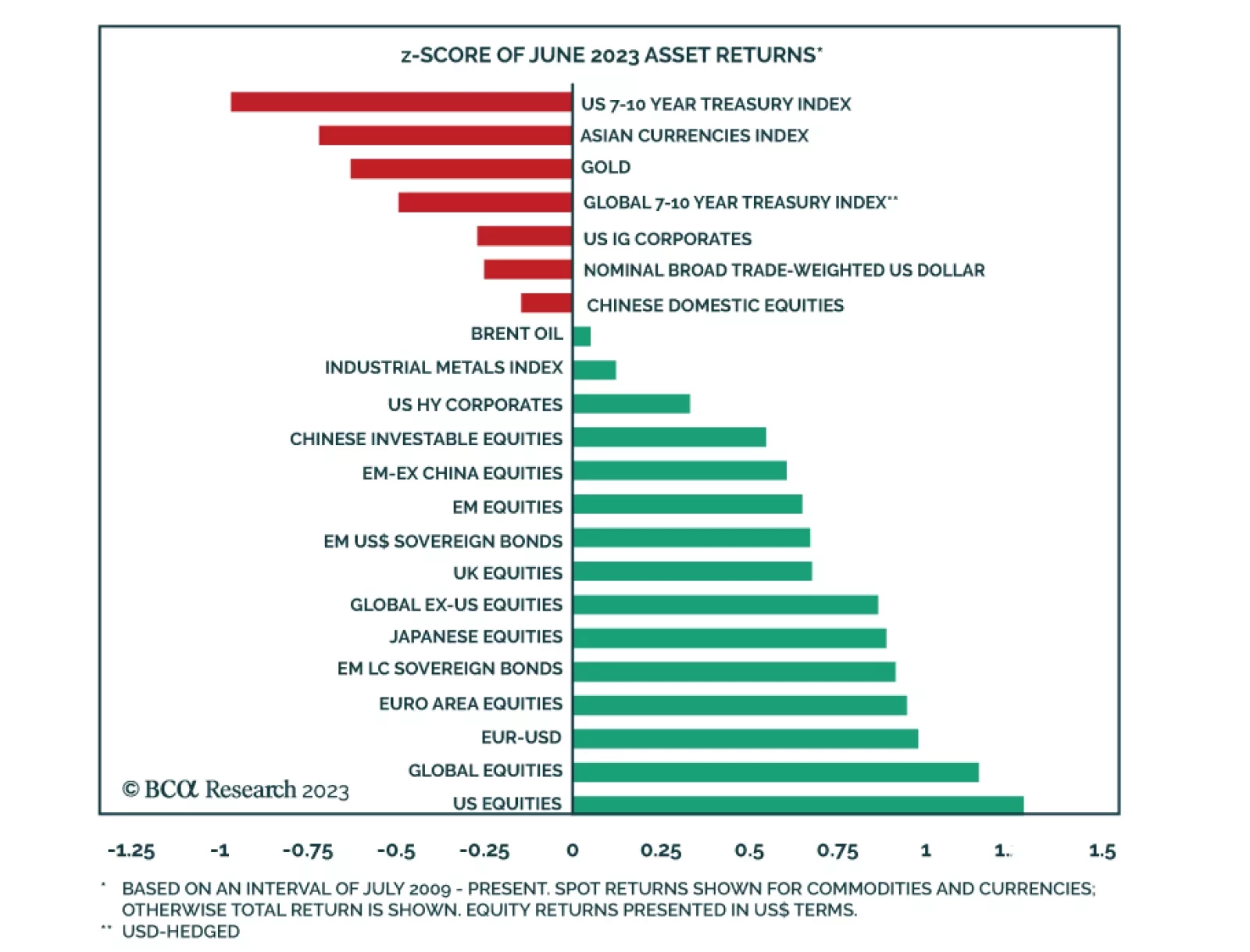
Recession is on track to start around year-end. Stocks usually peak shortly before recession begins. So, position defensively but be prepared for a few more months of the rally.
This report reviews our key calls for major currencies, in light of recent data releases.
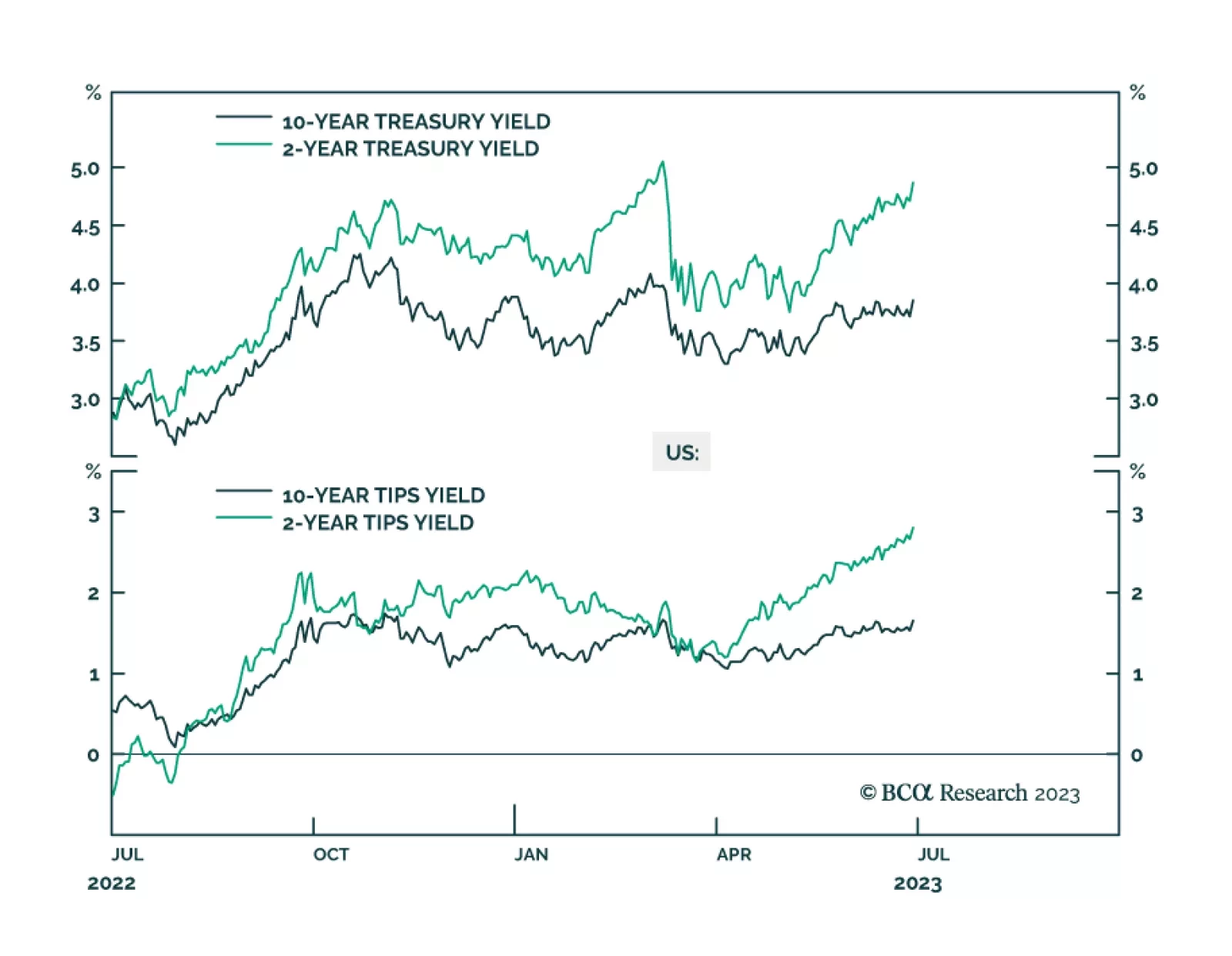
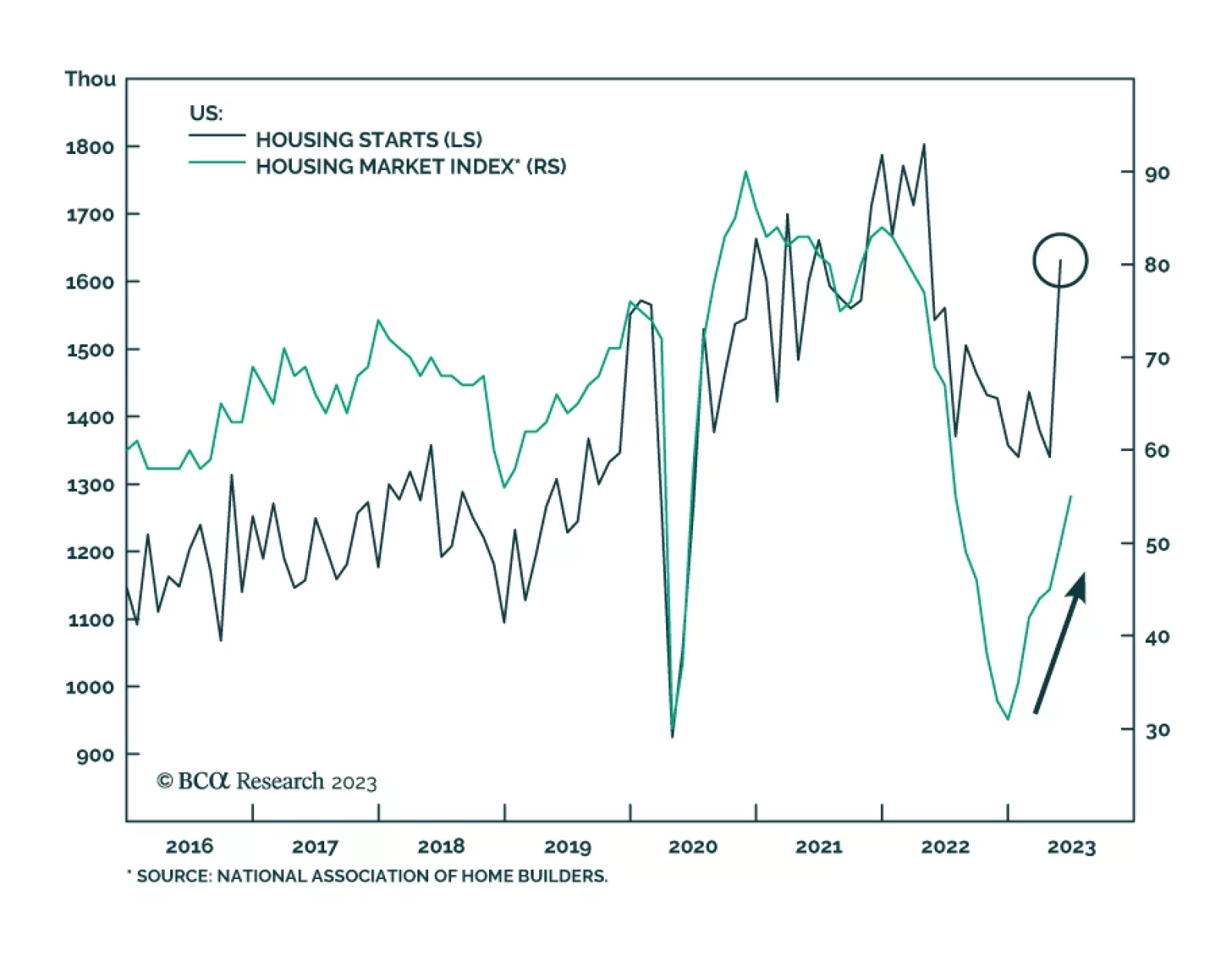
A look at how US bond yields responded to yesterday’s strong economic data and this morning’s soft inflation print.
We build a four-stage business cycle framework based on economic growth and capacity utilization, and then analyze historical returns for most major asset allocation decisions for each stage. Given that we are in the early recession stage (negative growth coupled and an overheated economy), our framework recommends a defensive positioning across all asset classes.