Iran

If the 2022 roadmap is any guide, equity markets and cyclical currencies will trough only after confirming that the peak in energy prices is in the rearview mirror. In the very near term, investors should focus on P&L preservation. Reduce exposure to equities, and seek refuge in gold, and inflation-linked bonds (ILBs). Amid a very different demand side than in 2022, today’s supply shock is unlikely to generate lasting inflation, and investors should fade rate-hike odds.
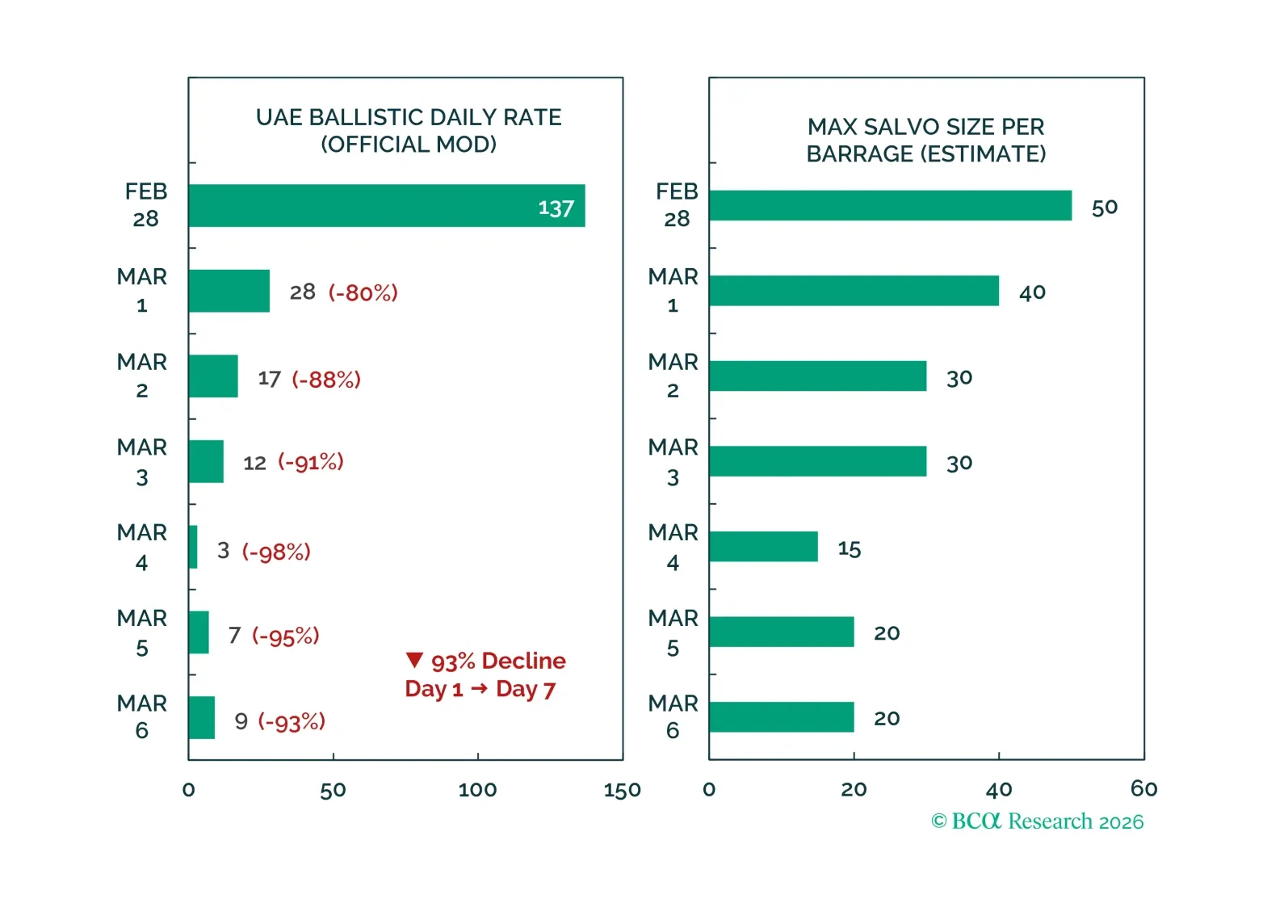
Investors have decided that the news flow out of the Middle East over the weekend was beyond negative, it is borderline apocalyptic. There are several reasons to agree with this assessment.
Instead of a normal missive, I am sending all my clients today a very lightly edited internal email that I just shared with the whole firm. I hope that it illustrates to you some of the … “fear”… that we all share with each other behind closed doors here at BCA Research as colleagues and teammates. Hopefully you see some of it in our research as well. That “cold sweat” is a necessary part of anyone in research and strategy roles. Once we lose it, we become disconnected from our clients who are in the trenches and the frontlines.

Avoid EM and DM risk assets. In the near term (one-to-three months), the odds favor US equity outperformance and a US dollar rebound. Nevertheless, the cyclical outlook (nine-to-12 months) warrants underweighting US equities and staying short the greenback.

Iran doesn’t need to sink a single US warship; it could inflict much more damage by sinking the US stock and bond markets by disrupting shipping, trade, and oil tankers with decentralised low-tech drone warfare. We discuss why it is not the direct pain of higher oil prices, but the knock-on repercussions for stock and bond markets that could inflict the greater damage. Plus, a new tactical trade is to underweight Materials.
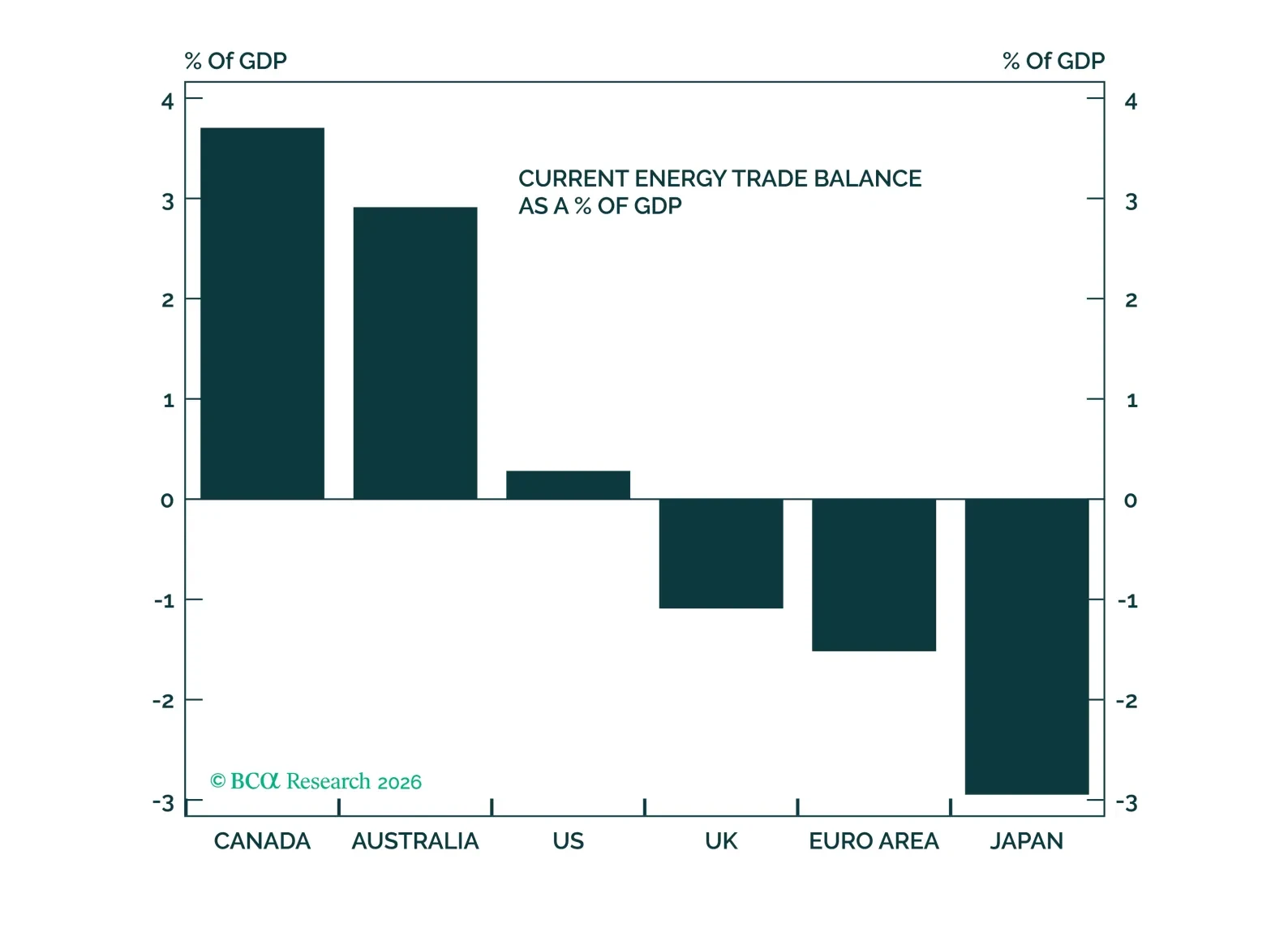
A key risk to our view has materialized. Our base case remains constructive, but risks have increased. Upgrade Tail Risk Strategies from overweight to max overweight. Upgrade Canadian equities and the Canadian dollar to overweight. Upgrade Australian equities and the Australian dollar to overweight.

Clients are universally asking us when we expect President Trump to activate the legendary “Trump Put.” We believe that the S&P 500 would have to correct by more than 10% to practically guarantee a put. We are open minded that it could occur before; it could also occur later. But a double-digit stock price decline will certainly be a greater motivator.

An energy price spike caused by a Middle Eastern war almost guarantees that Republicans will lose control of the House, and the chance of a Democratic Senate victory increases from 35% to 40%.
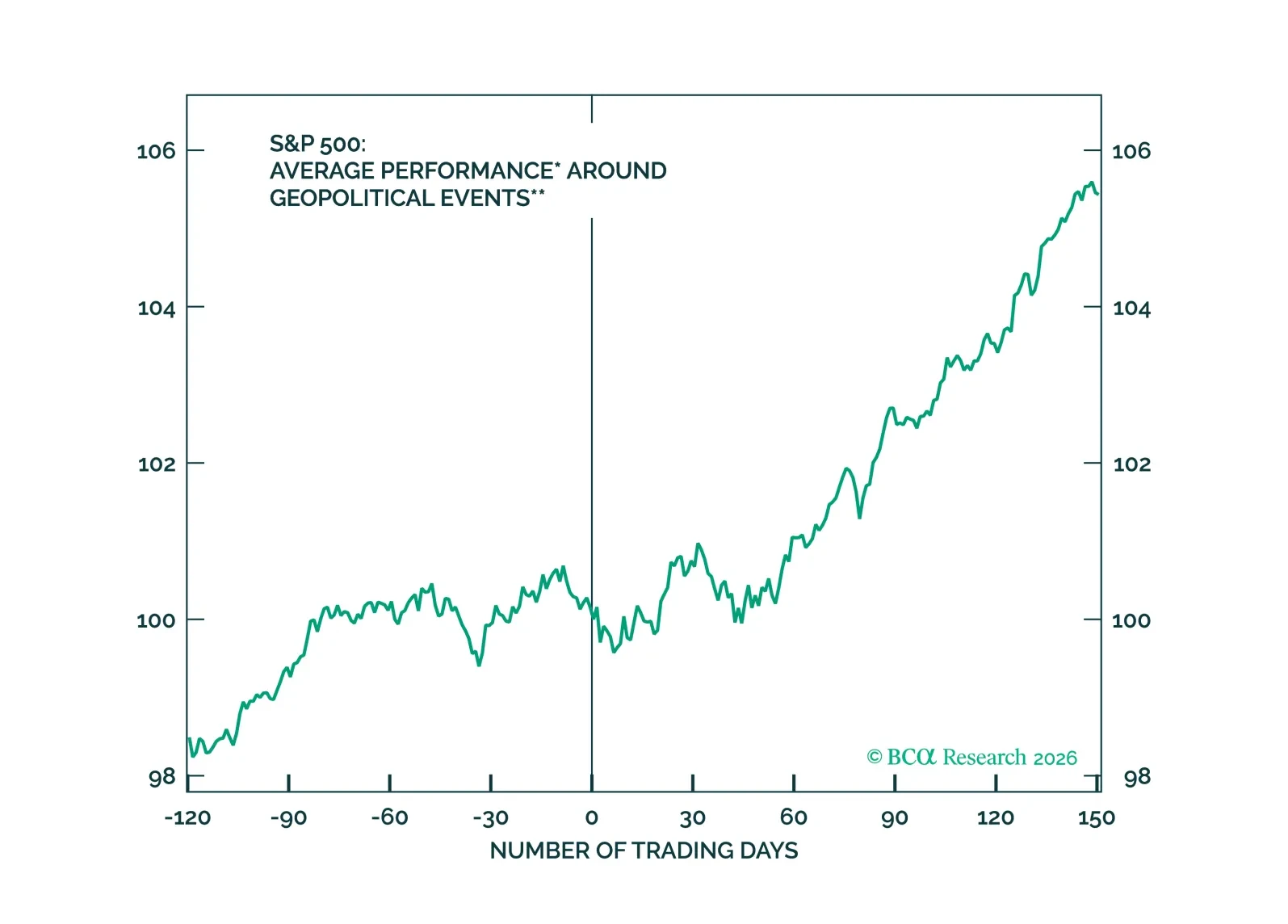
In the short term, there is plenty to be worried about in macro beyond the Middle East. The market was on thin ice before the Iran conflict. In the long term, the base case scenario remains bullish, but the war in the Middle East needs to be brief.
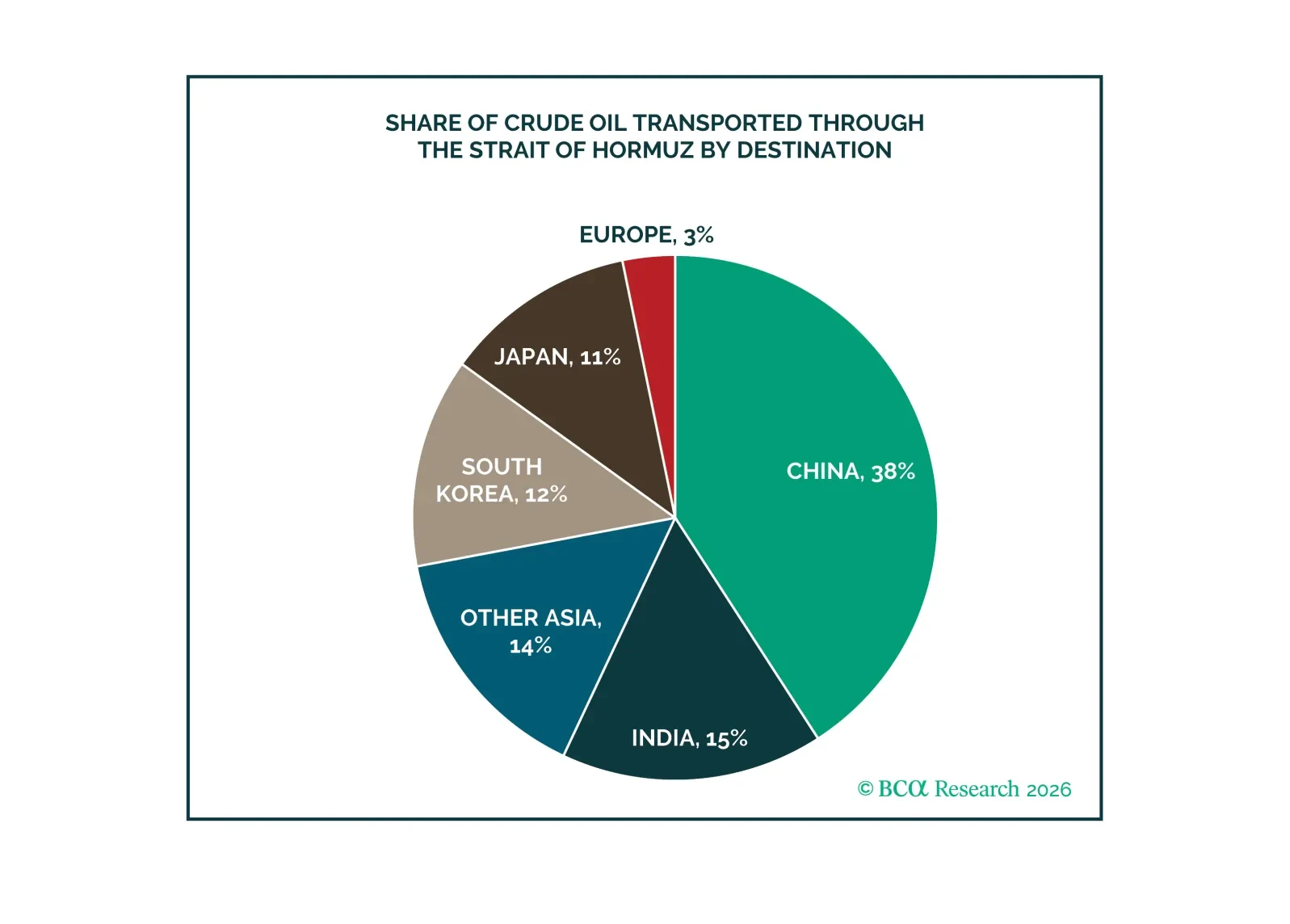
The war in Iran is disrupting global oil and LNG flows and remains a threat to regional energy infrastructure.
Energy price risks remain skewed to the upside over the near term.