Emerging Markets
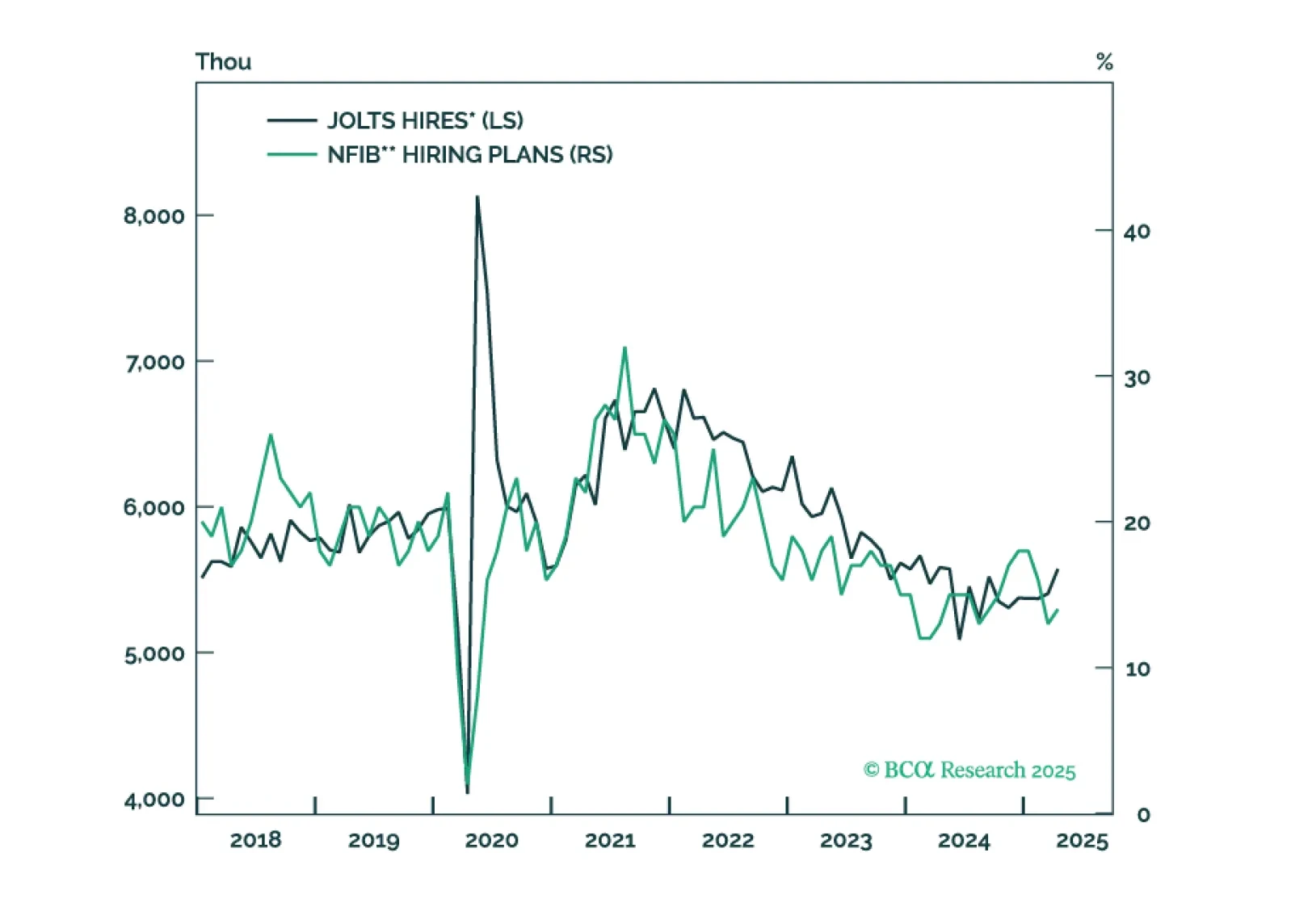
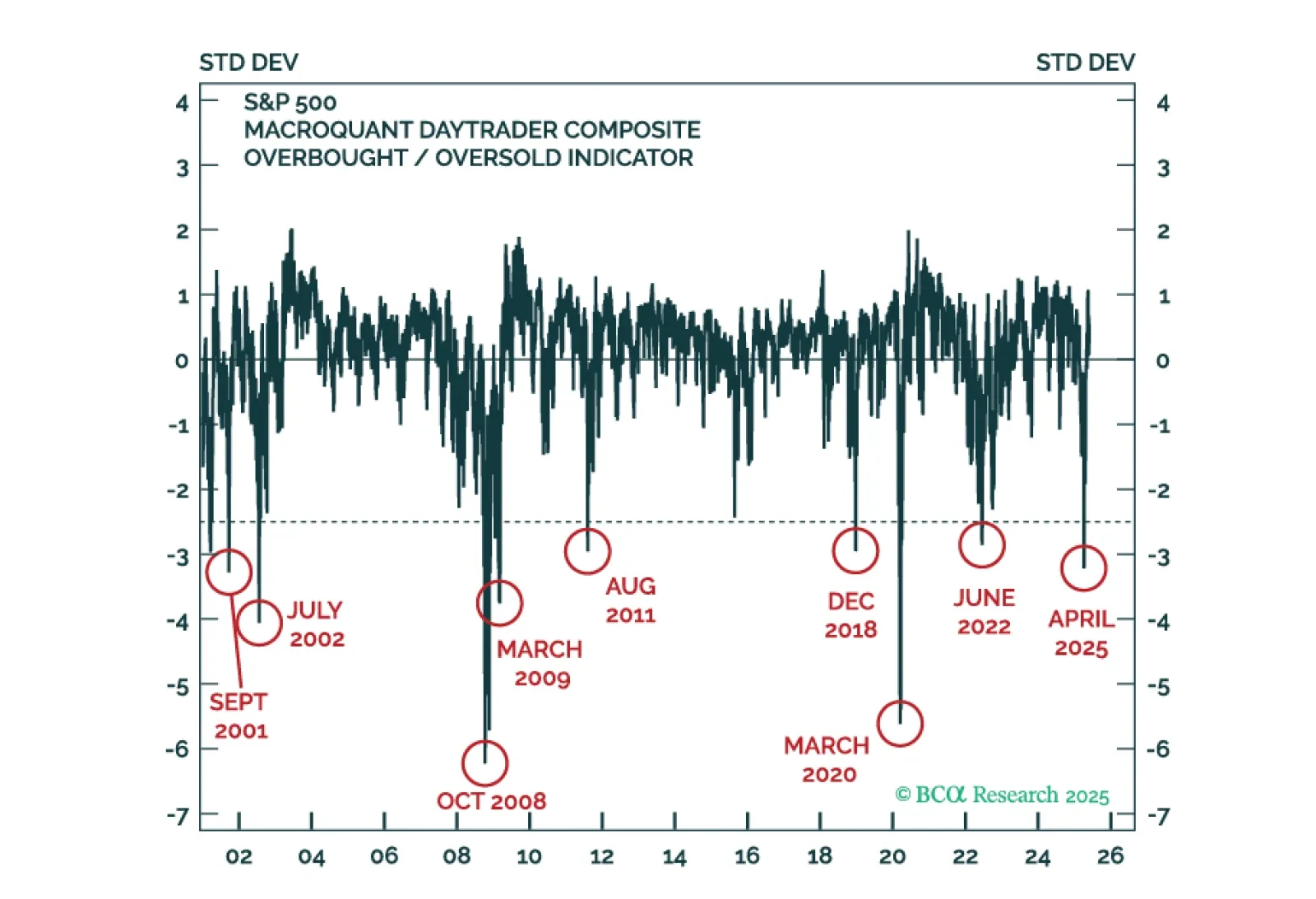
MacroQuant warns that US equities are pricing in very little economic risk. The model is shunning equities and recommends a large overweight to cash.
MacroQuant warns that US equities are pricing in very little economic risk. The model is shunning equities and recommends a large overweight to cash.
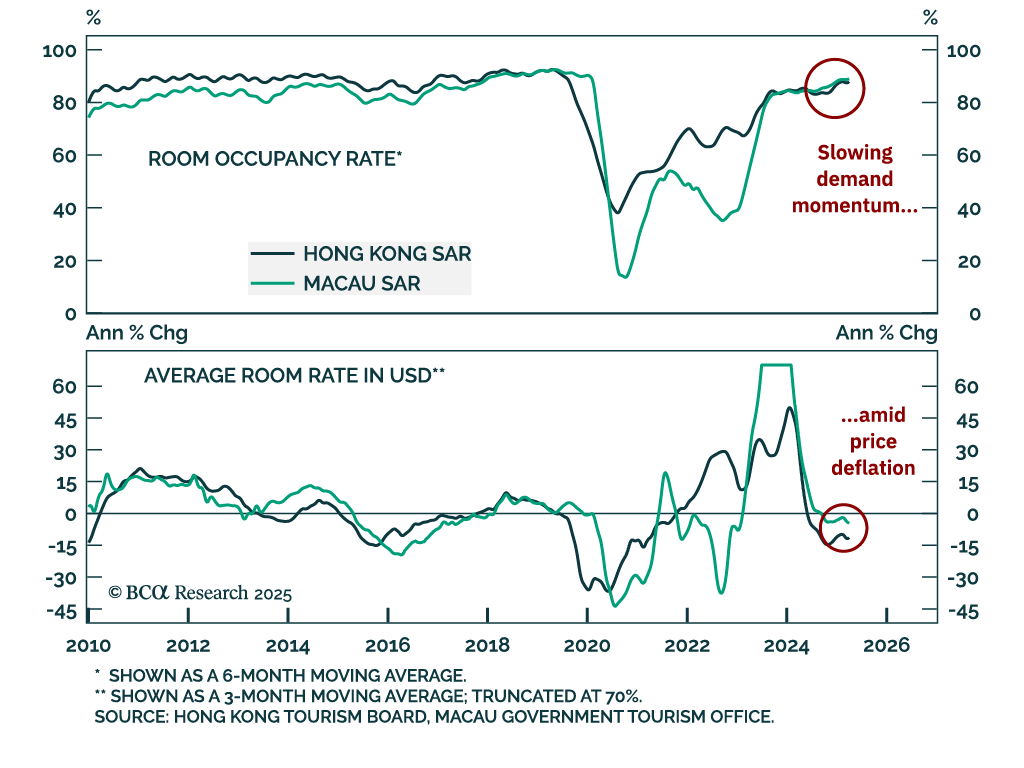
China’s tourism sector has rebounded meaningfully since the January 2023 COVID reopening; however, investors should not be complacent about the outlook for tourism stocks. The double-digit revenue growth of the Chinese tourism industry over the past decade…
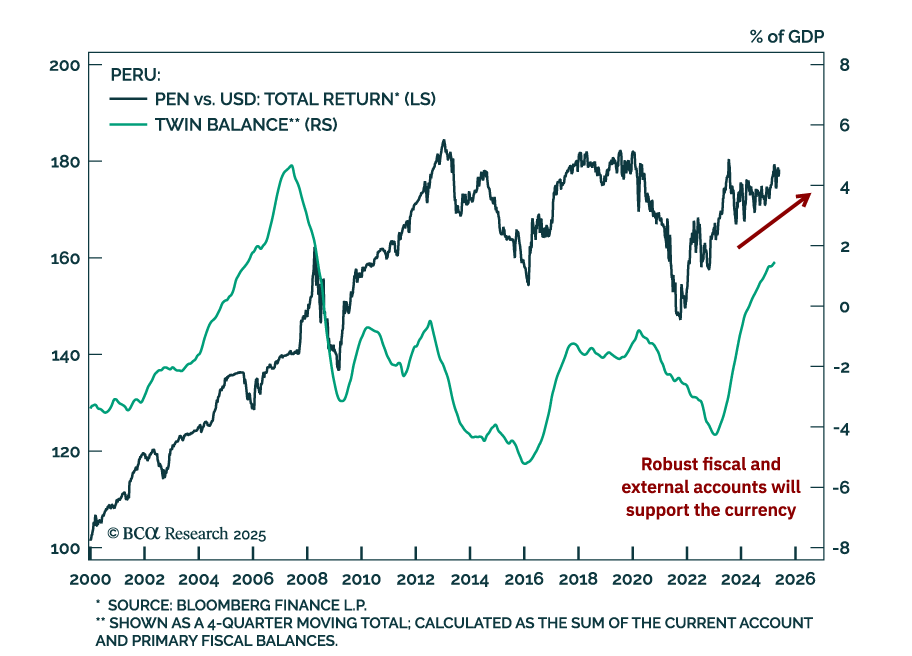
Peru’s economic resilience will help its markets outperform their EM peers. A global growth downturn will weigh on EM assets in absolute terms, but Peruvian markets offer attractive tradeable opportunities. The Andean nation has much better macro fundamentals…
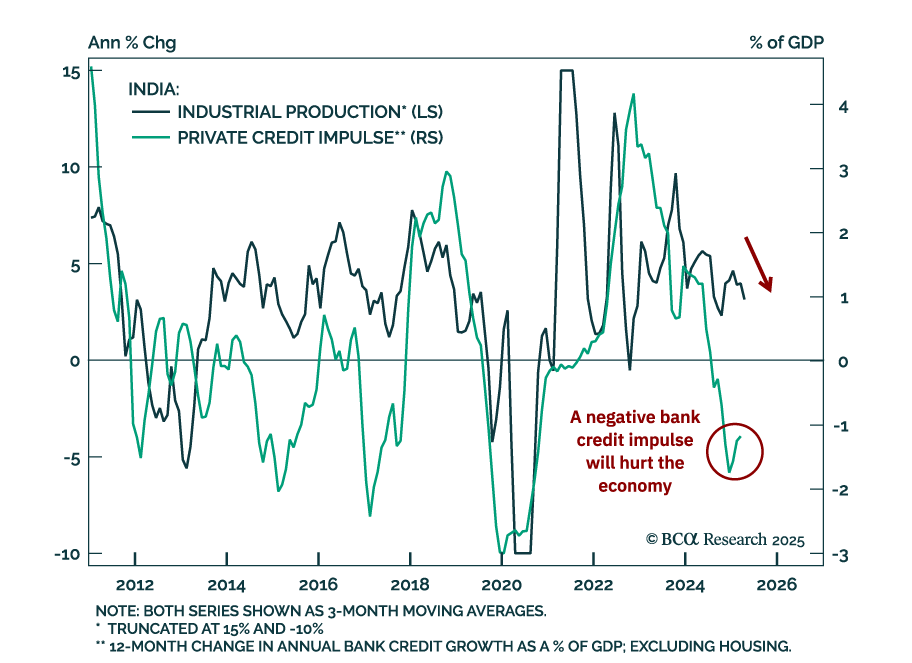
Industrial activity in India is deteriorating, which will weigh on a stock market that’s priced for perfection. Indian industrial production slowed to 2.7% year-on-year in April compared to 3.9% in March. The economic slowdown will gain traction in the coming…
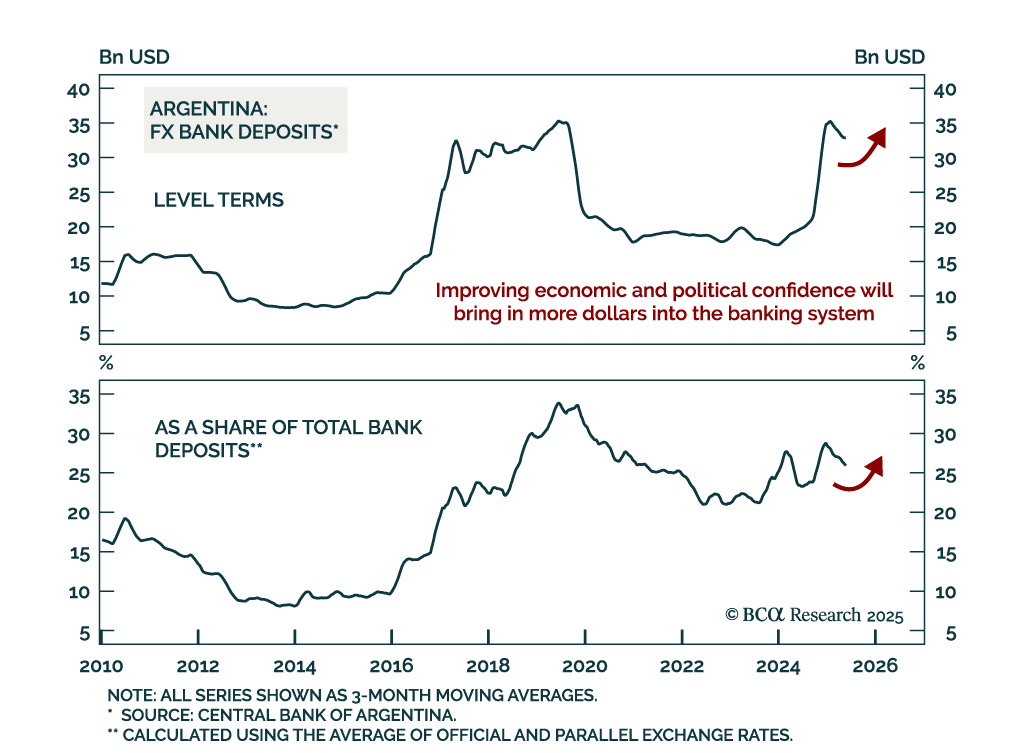
The latest political developments in Argentina increase the odds of further liberalizing reforms and solidify the economy’s structural upside. First, the libertarian governing party came out on top in Buenos Aires’ legislative elections. While municipal…
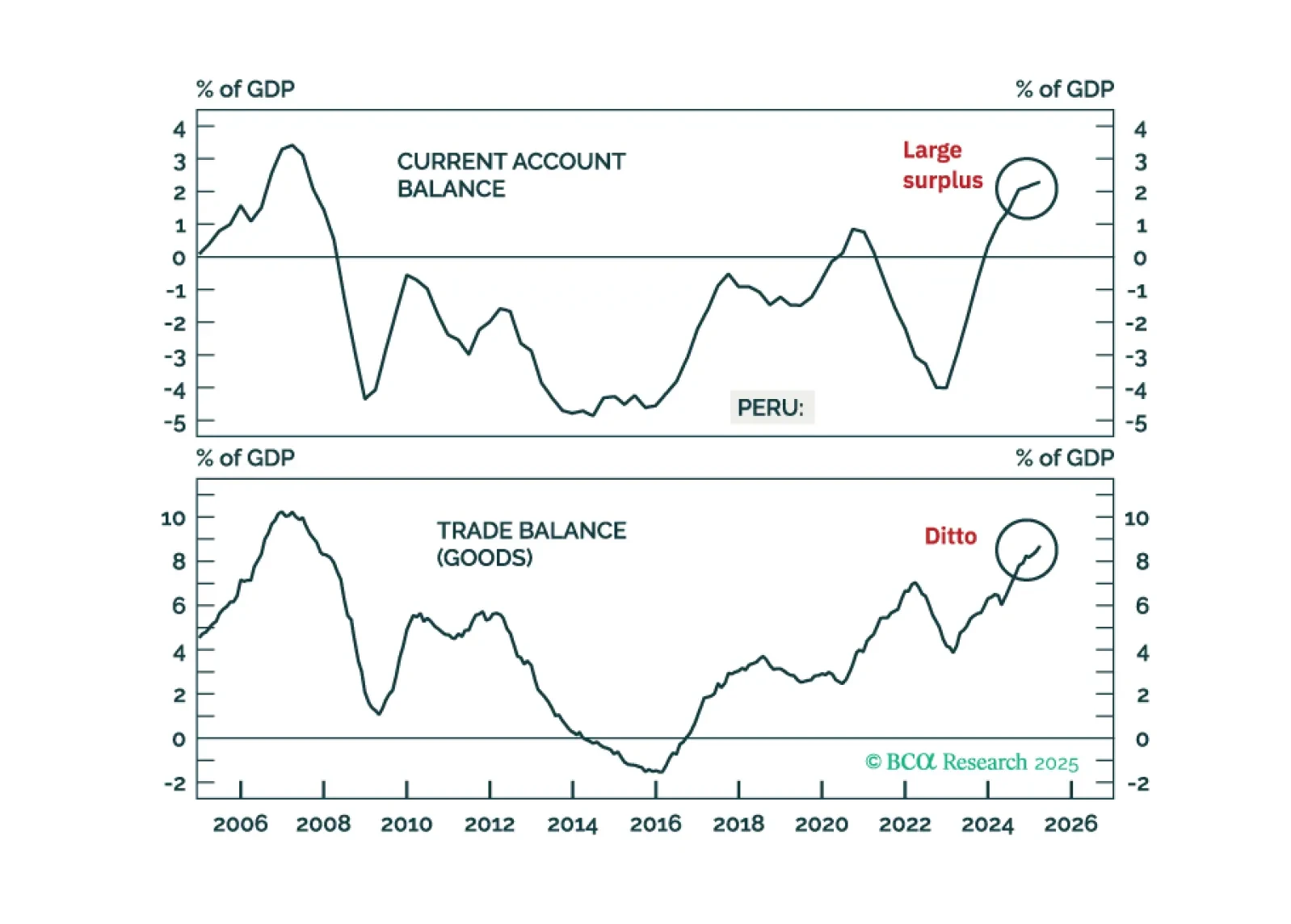
Peru’s economic resilience will help its markets outperform their EM peers. Domestic macro fundamentals are robust, and strong external accounts will lead to a stable-to-strengthening currency versus the US dollar. Overweight Peruvian equities, local bonds, and sovereign credit relative to their respective EM benchmarks, and go long 10-year domestic bonds (currency unhedged).
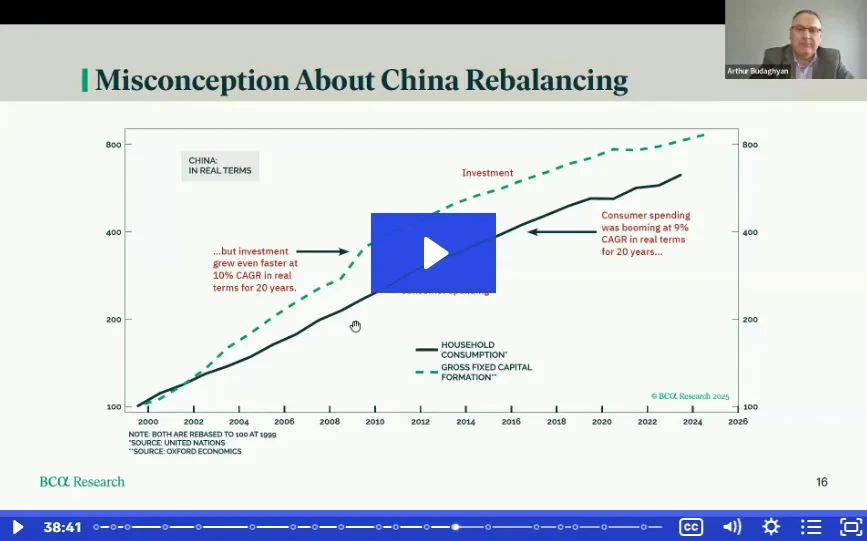
We are pleased to share the replay of Emerging Markets Webcast "China's Rebalancing, Global Trade, And The US Dollar", hosted by Chief EM & China Strategist Arthur Budaghyan.
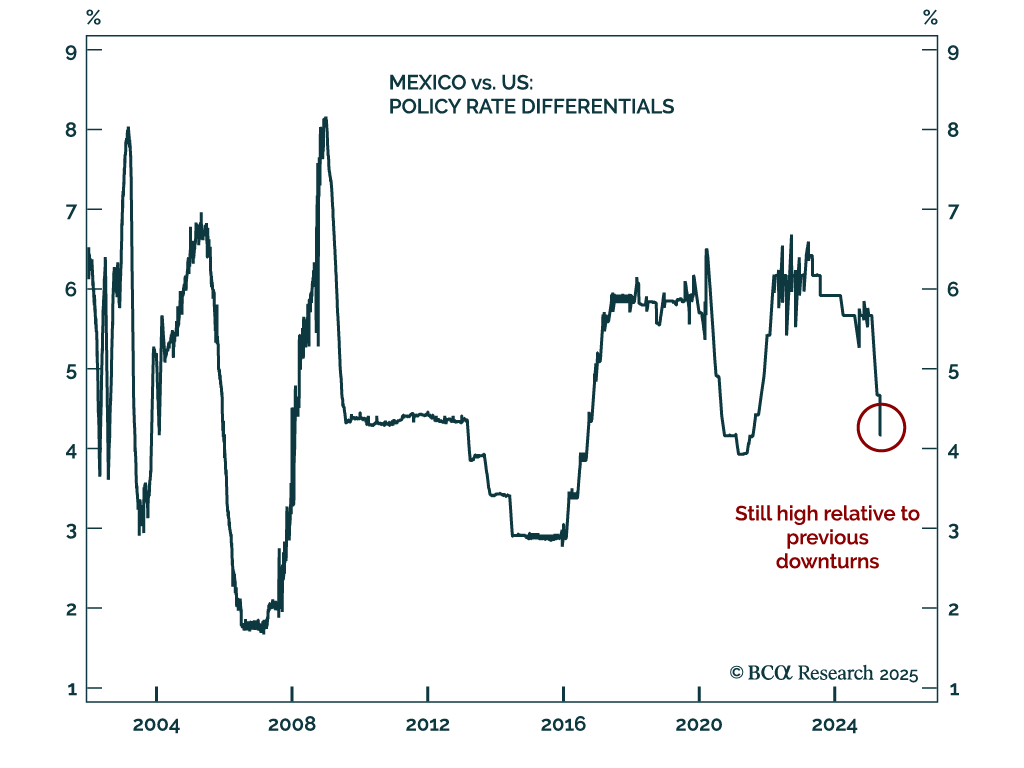
Banxico’s 50 bps rate cut reinforces our bullish view on Mexican bonds, with easing likely to continue as inflation falls and growth slows. The central bank unanimously lowered its policy rate to 8.5%, and we expect further cuts ahead as Mexico heads toward a…