Economic Growth

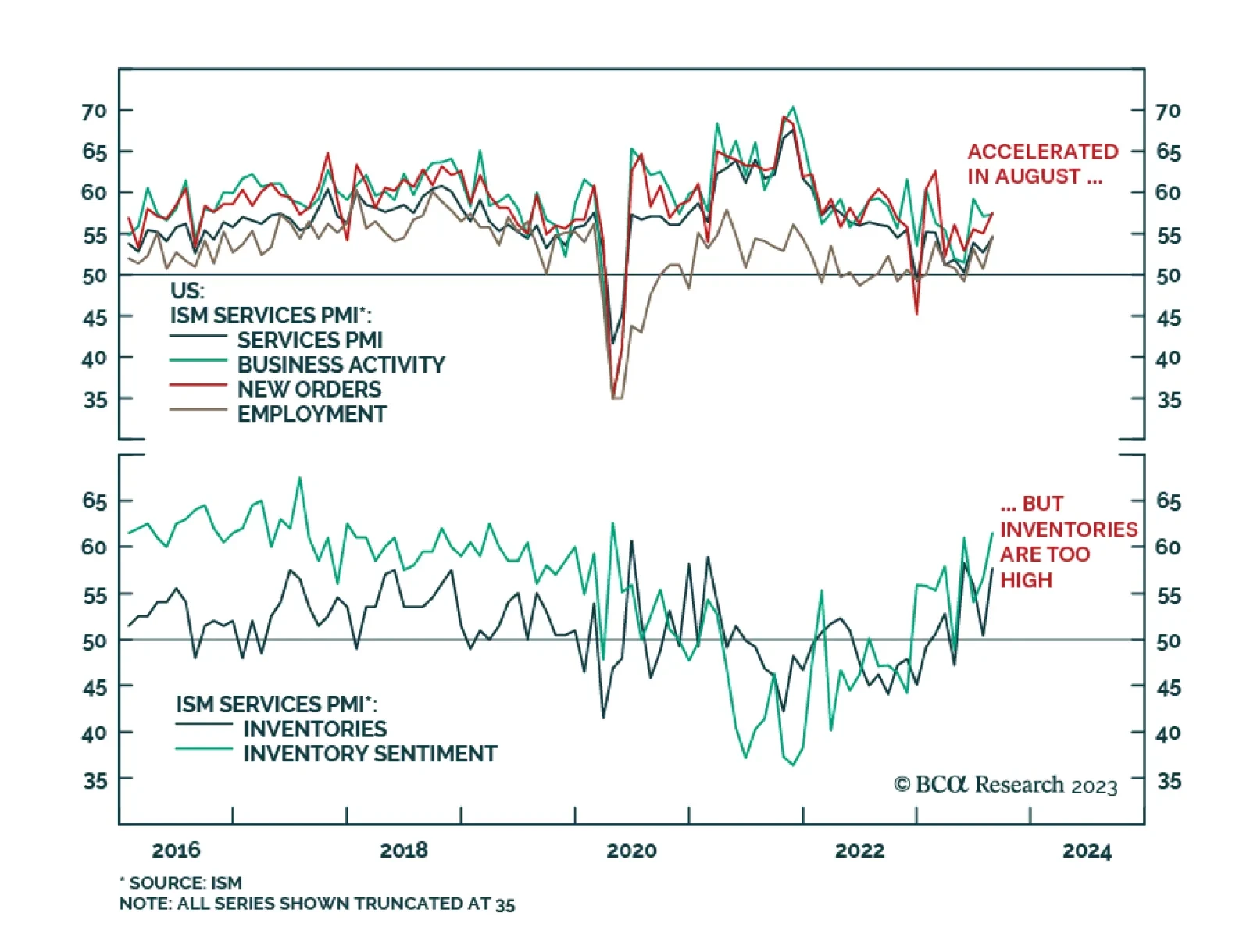
If we look at global growth as an aircraft, the plane is experiencing failing engines and will lose more altitude in the coming months. Yet, neither Chinese authorities, nor the Fed or the ECB will be quick to come to the rescue as global growth downshifts. These dynamics herald a stronger US dollar and lower EM risk asset prices.
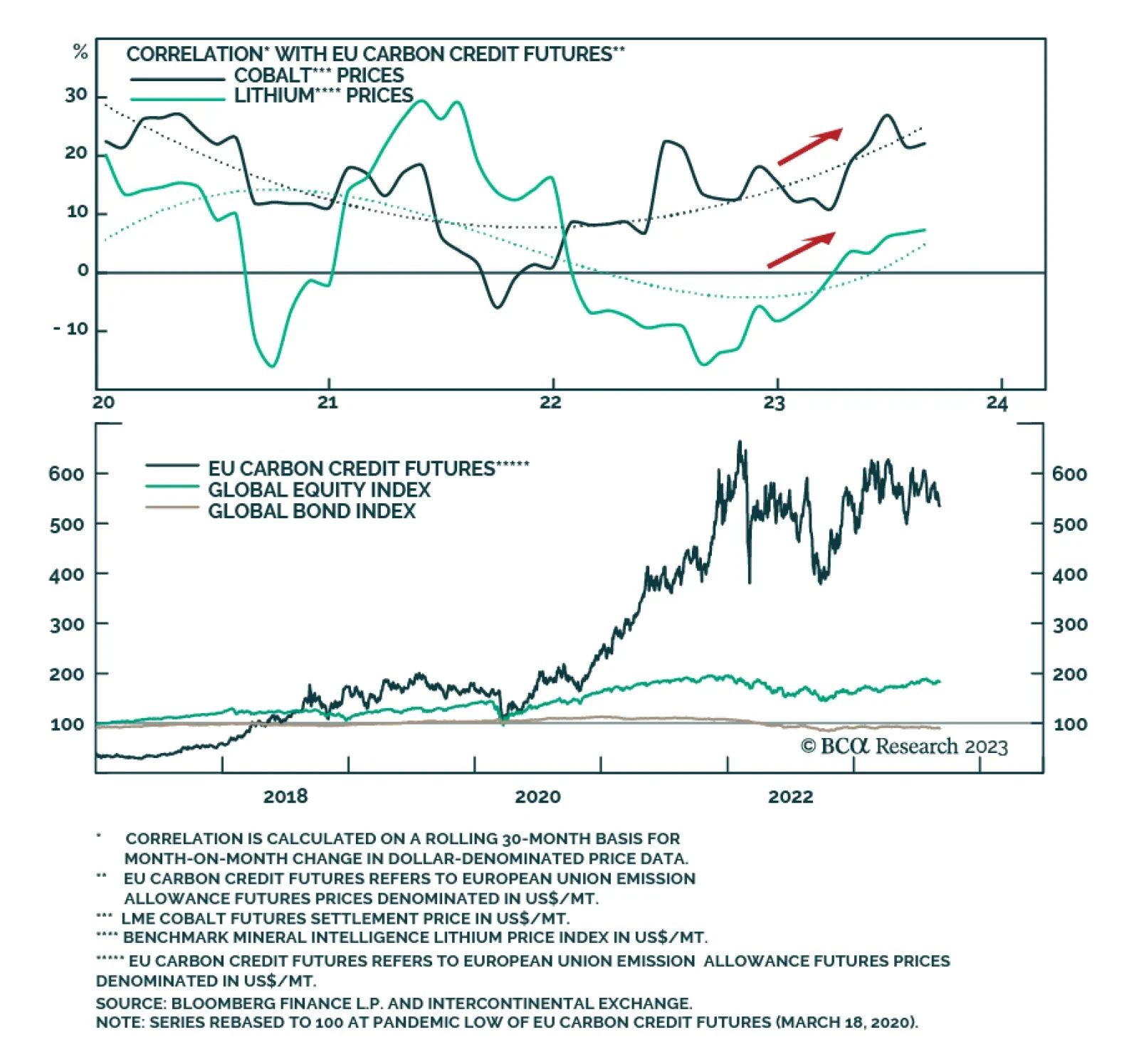
The geopolitical backdrop remains negative despite some marginally less negative news. China’s stimulus is not yet large or fast enough to prevent a market riot. Two of our preferred equity regions, ASEAN and Europe, are struggling to outperform. Investors should stay defensive overall.
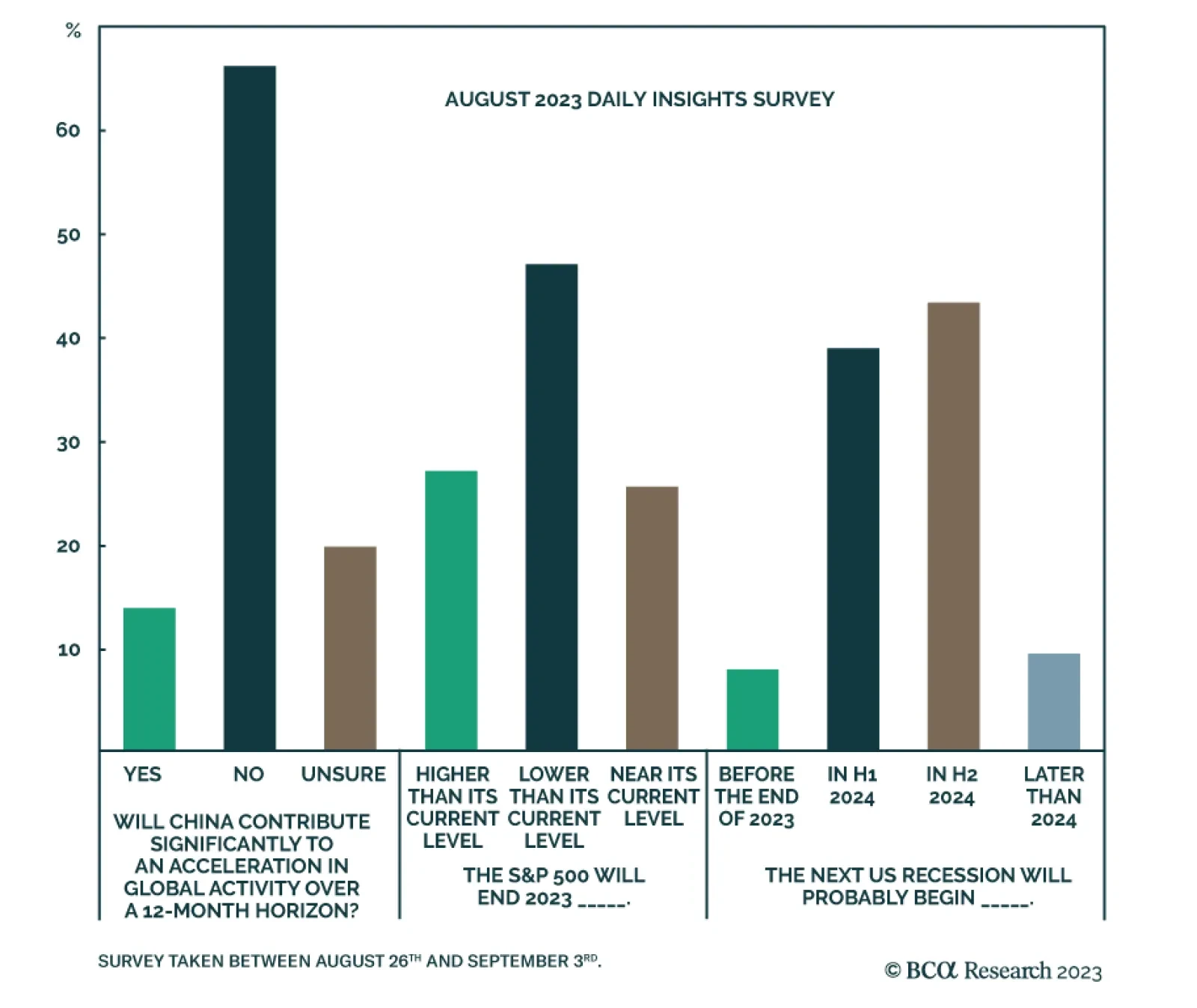
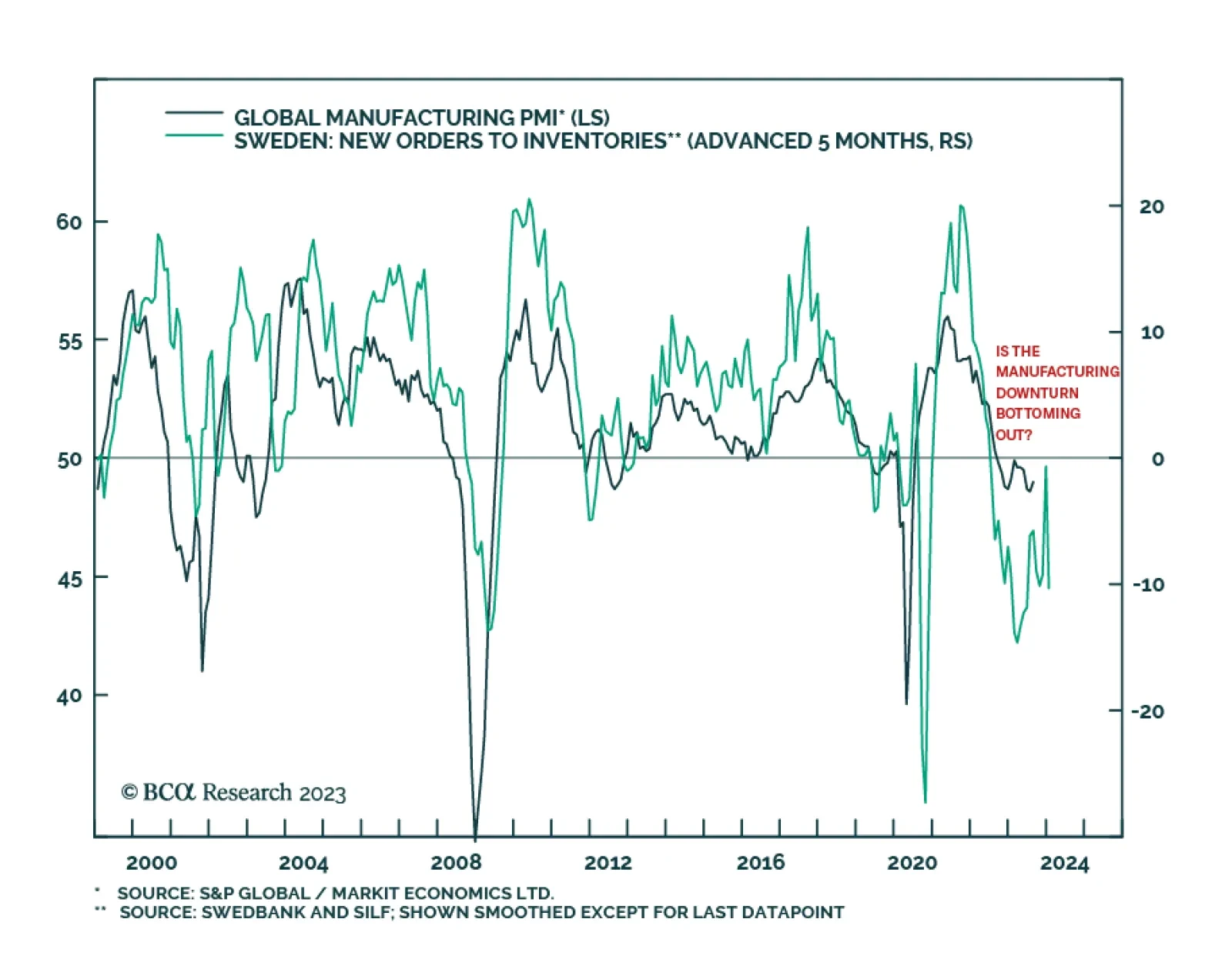
In Part 2 of this series, we prescribe the treatment needed to produce a recovery for the ailing Chinese economy. Authorities will only panic and unleash “irrigation-style” stimulus if the unemployment rate rises sharply, or a financial crisis unravels in onshore markets. This is not yet the case.
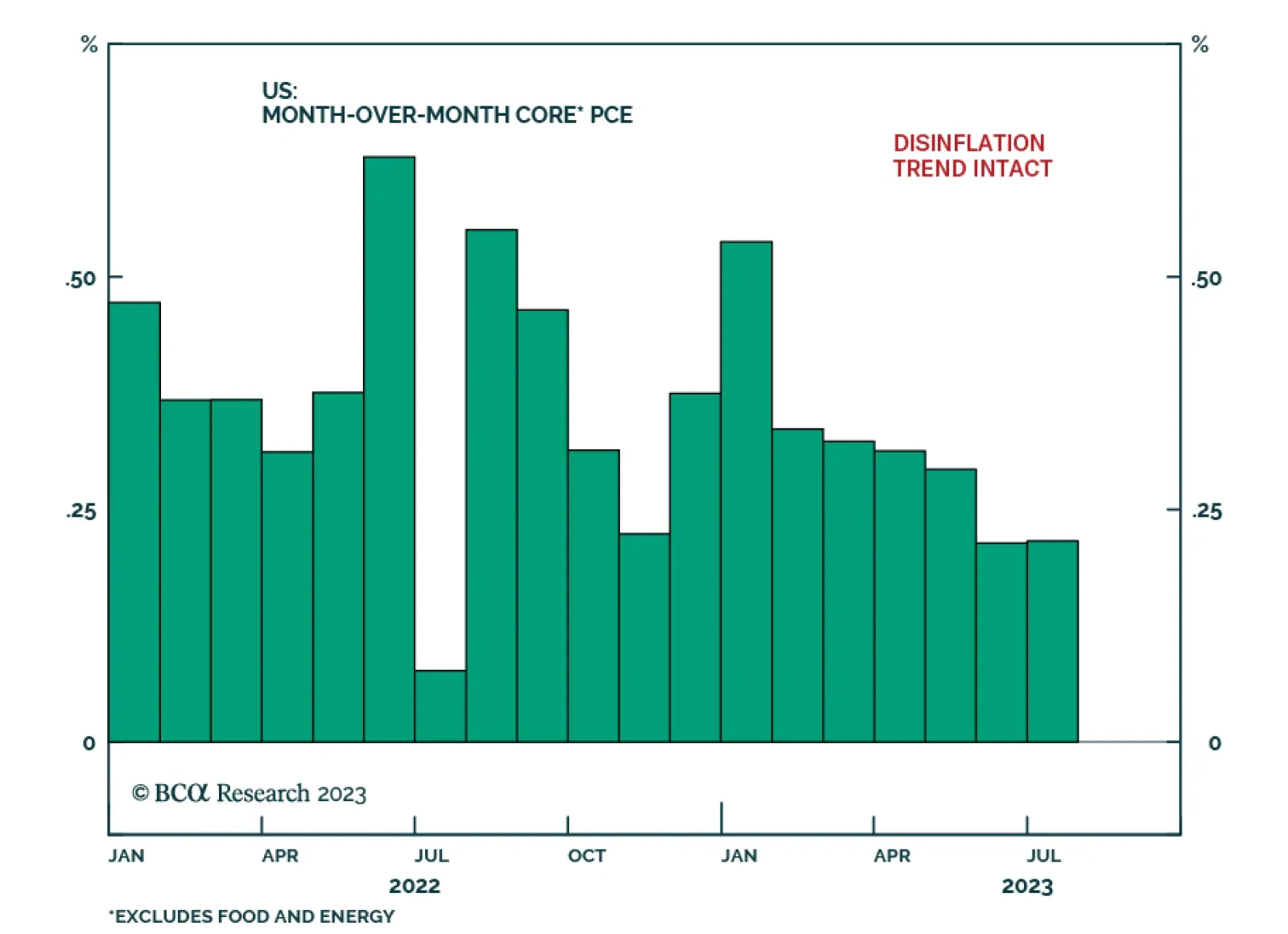
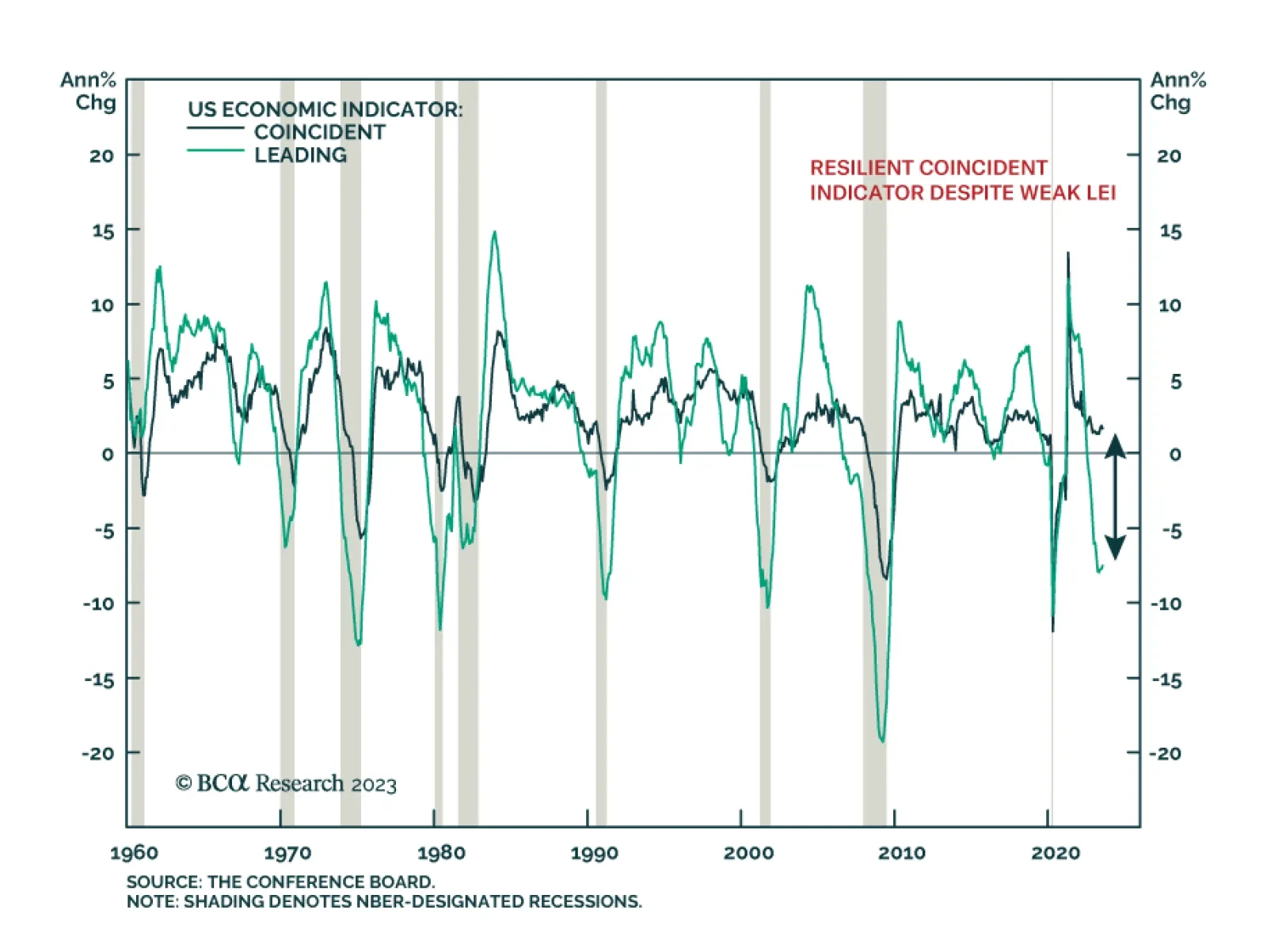
In Section I, we respond to the ongoing challenge to our view that the US economy is on a recessionary path. The available evidence overwhelmingly supports the notion that US monetary policy is tight, which argues against the “no landing” economic scenario. It also underscores that the recessionary clock is indeed ticking unless the monetary policy stance eases soon. The “soft landing” narrative remains improbable and may have been unduly boosted by artificially low inflation readings over the summer. Until concrete signs of the meaningful rate cuts emerge, we will continue to recommend that investors maintain defensive portfolio positions. In Section II, we review the “modern-day” Phillips Curve, and explain why it is unlikely that the Fed will see a sustainable return to its 2% target without a rise in the unemployment rate above NAIRU.