Economic Growth
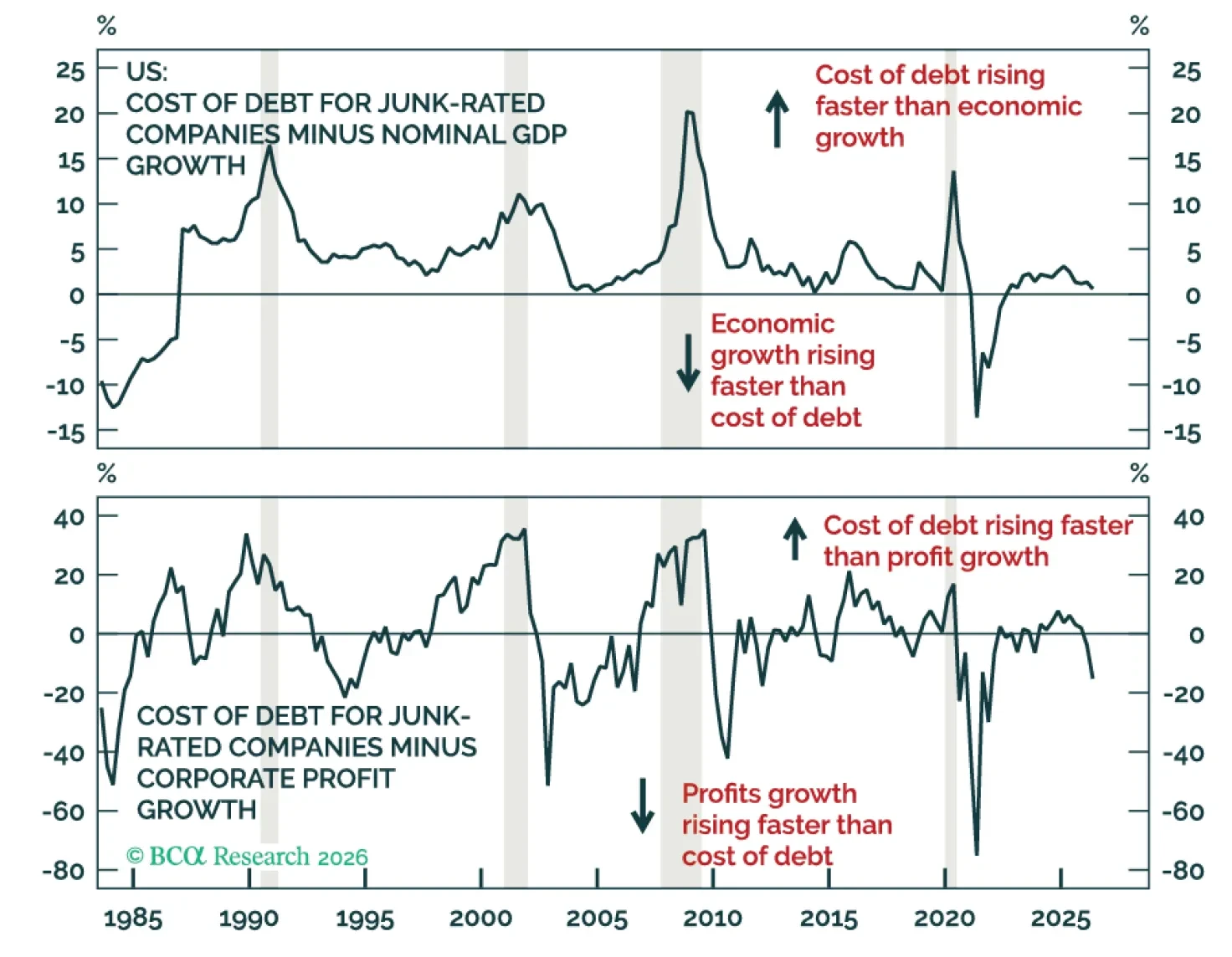
Investors overestimate the threat current interest rate levels pose to both equities and the economy. Despite a rising long end, the gap between high-yield borrowing costs and both nominal growth and corporate profits is at five-year lows and falling. Remain overweight equities. Within Fixed Income, Upgrade High Yield and Downgrade Government Bonds and EM Debt. Downgrade Chinese Equities to Neutral.
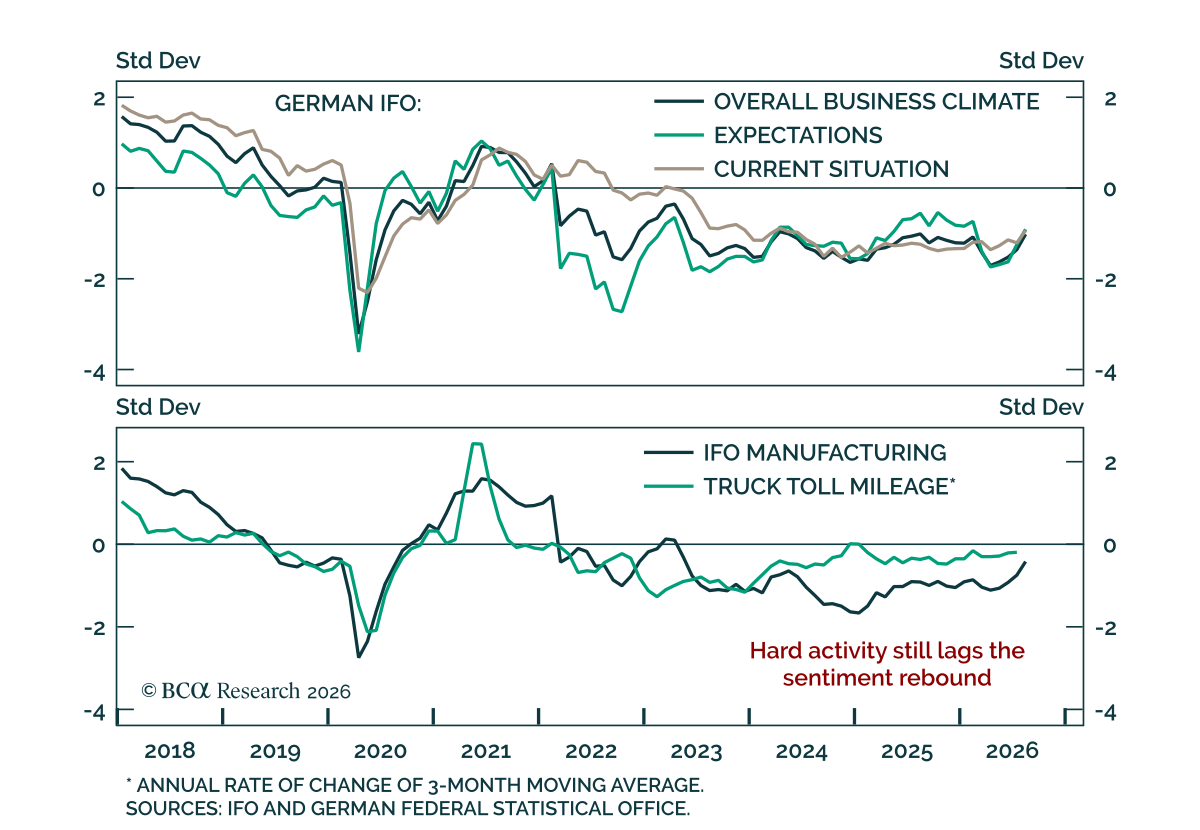
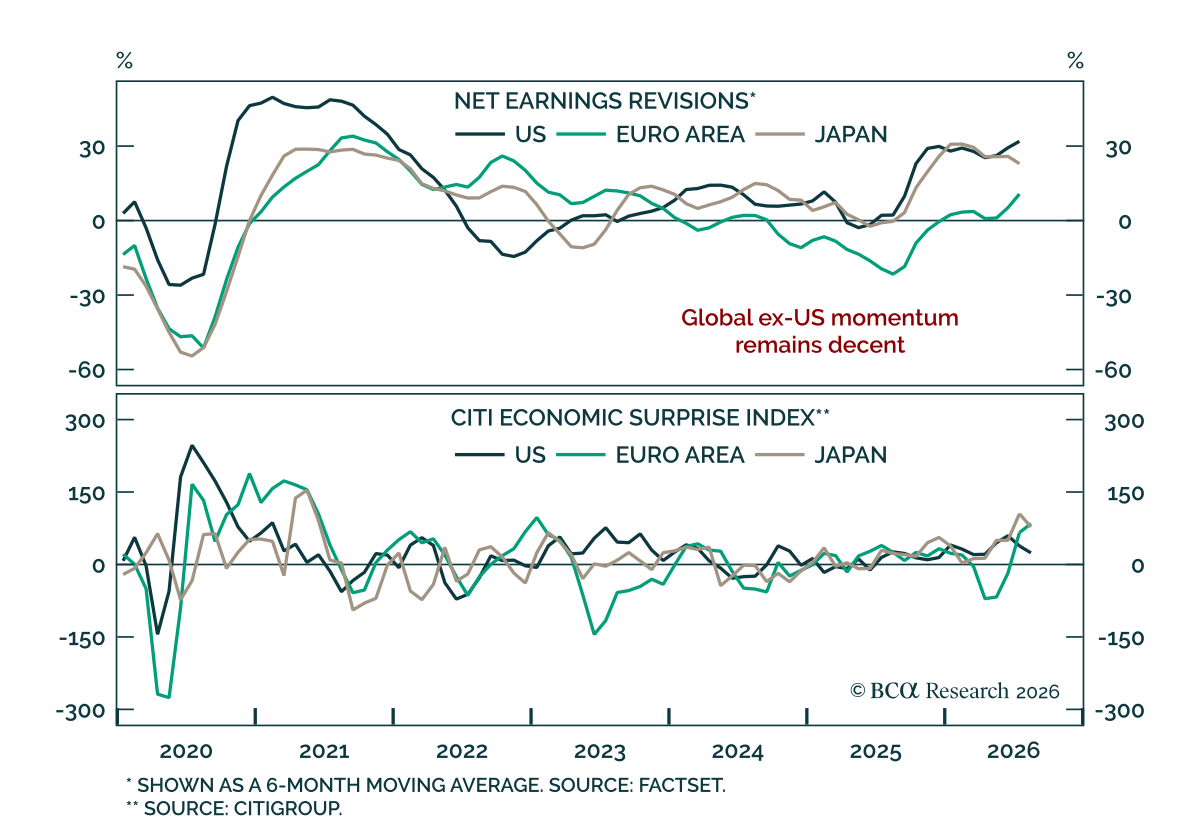
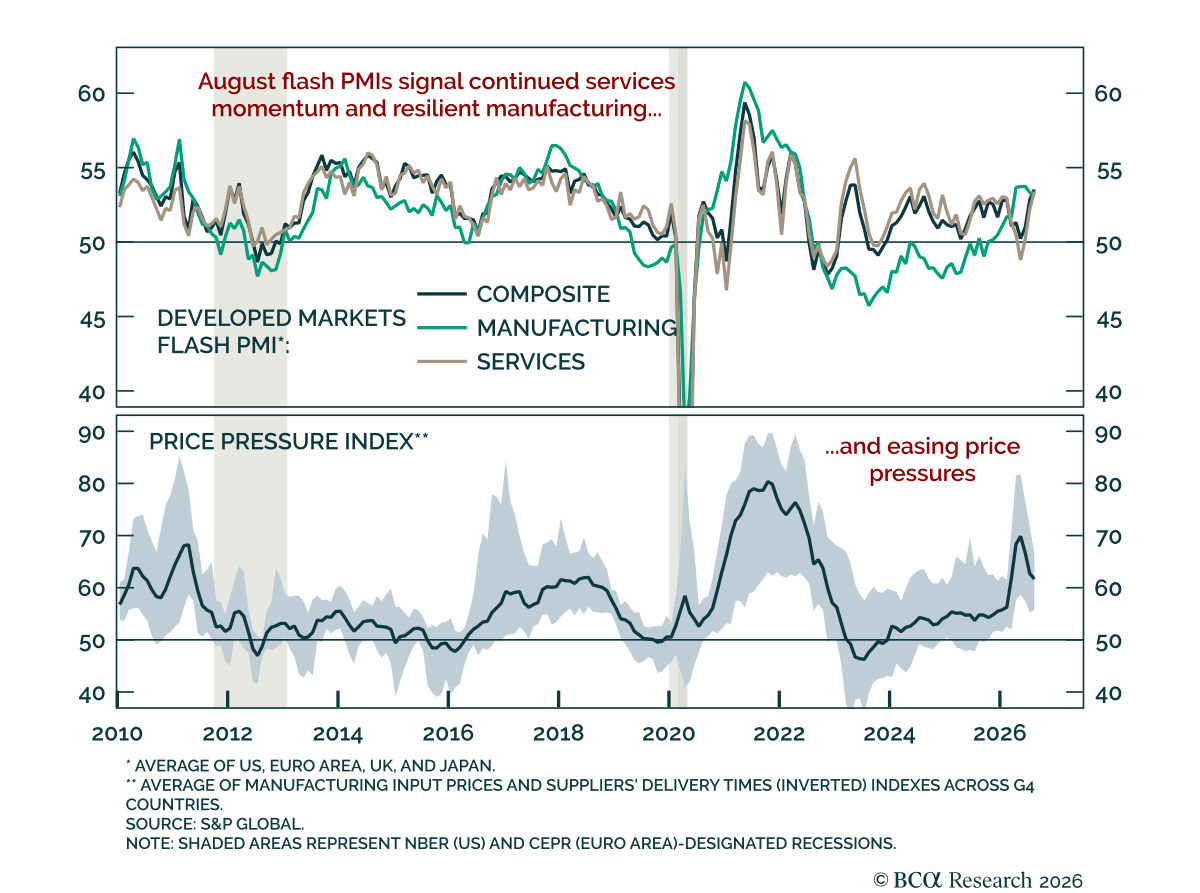
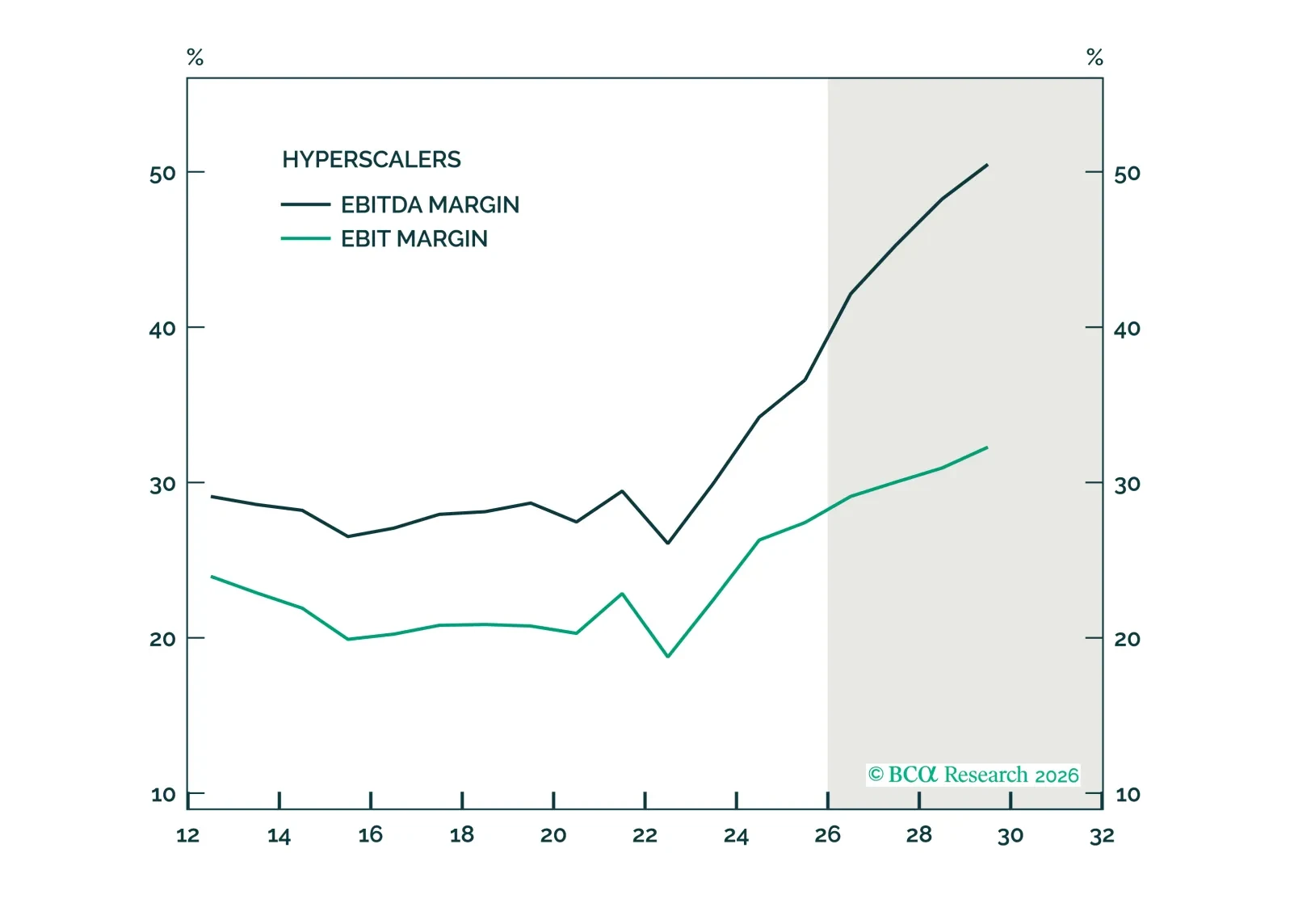
An acute shortage of AI hardware will support tech stocks into year-end. However, AI companies may need to ultimately generate $10 trillion per year in revenue to justify their capex. Barring a massive increase in productivity growth, this will be very difficult to achieve. Despite today’s Treasury announcement of upsized buyback operations, bond yields are likely to remain elevated over the coming months. Rising crack spreads have reduced the demand for crude, which is not encouraging for global growth. On the FX front, recent intervention to support the yen will probably be insufficient, but there is significant long-term upside for the currency.
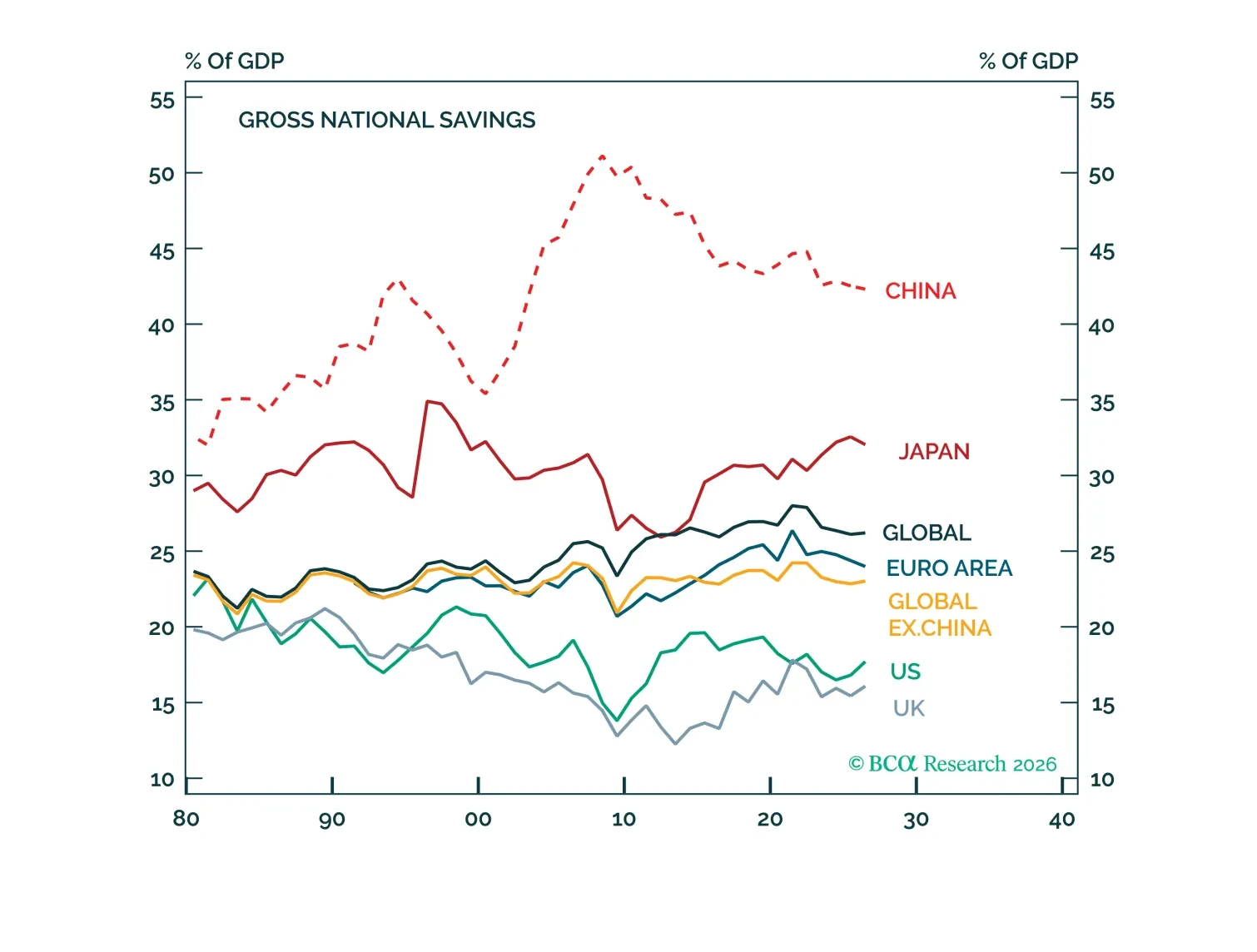
China does not produce too much. It spends too little. The only viable way for China to reduce investment without raising unemployment is by lowering national savings. Doing so is likely to be politically challenging, however. This suggests that China will suffer from subpar growth and deflationary pressures for the foreseeable future.