Sorry, you need to enable JavaScript to visit this website.
メインコンテンツにスキップ
メインコンテンツにスキップ

ポリシー

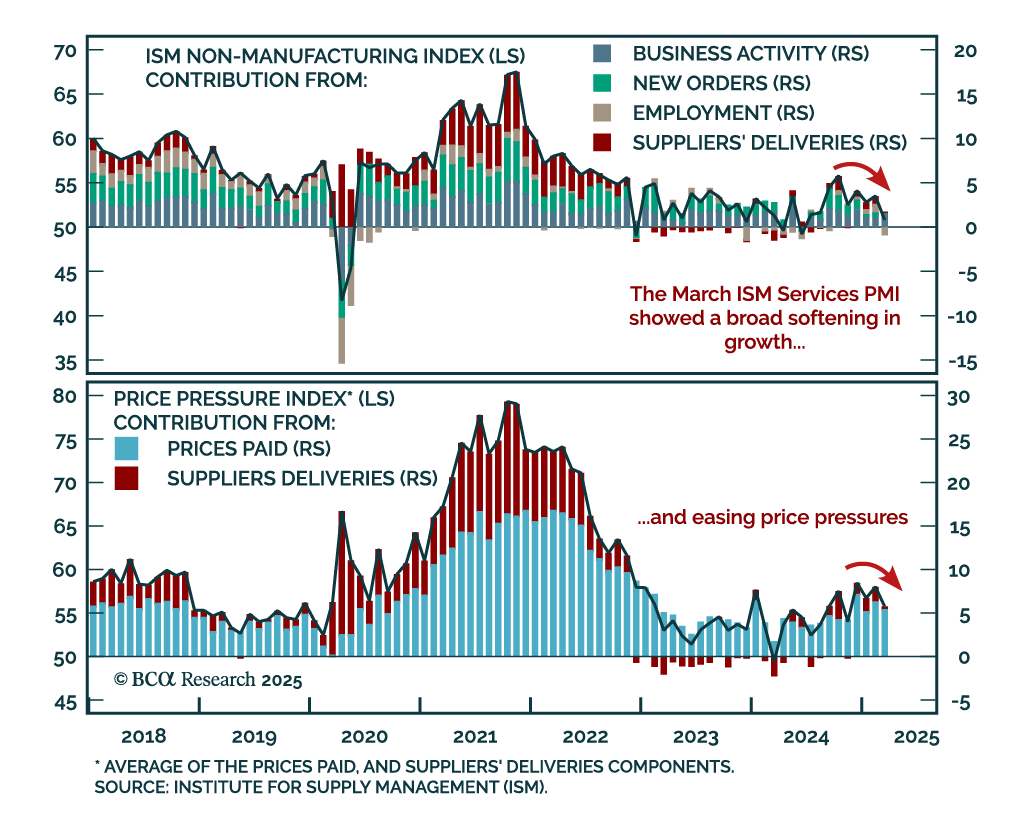
The March ISM Services report sent a recessionary signal, supporting our defensive positioning. The headline index fell sharply to 50.8 from 53.5, missing expectations. New orders dropped to 50.2, while employment collapsed to 46.2 from 53.9. Prices paid also…
Our GeoMacro strategists recommend positioning for an exodus out of US assets, with long exposure to gold, the yen, and the Canadian dollar. April 2, “Liberation Day,” is likely to mark the peak in de-globalization hysteria, as the trade war acts as a…

Trump's Tariff D-Day brings a negative surprise to financial markets already anxious over a declining US cyclical economy. Investors should sell risky assets, increase safe havens, and overweight US assets in the near term.
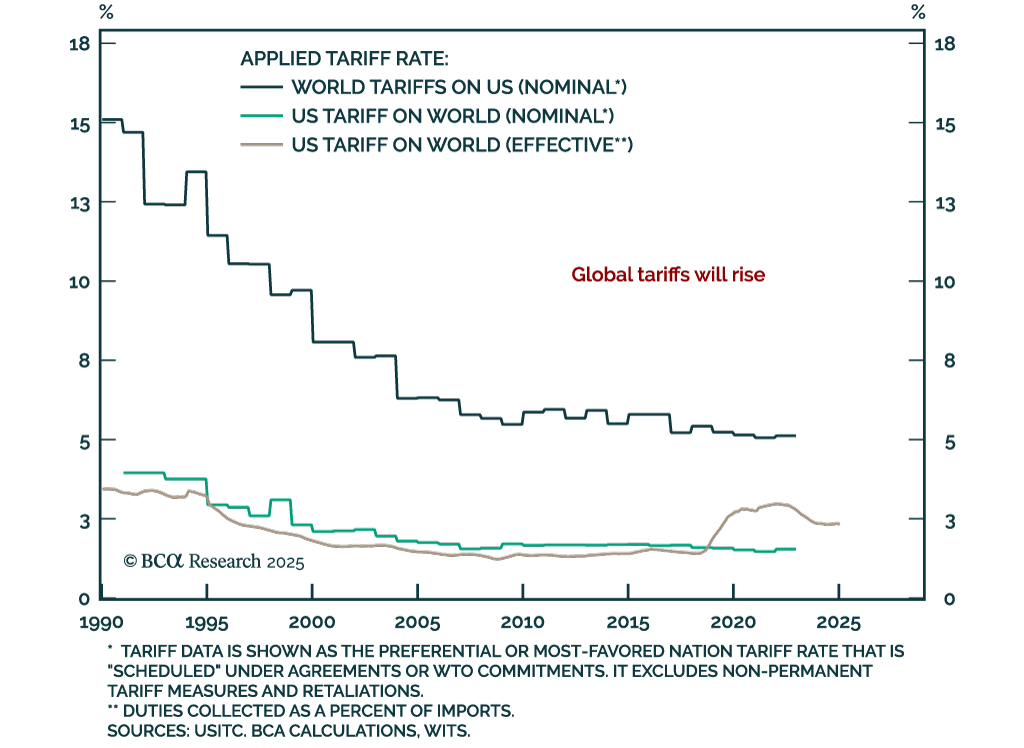
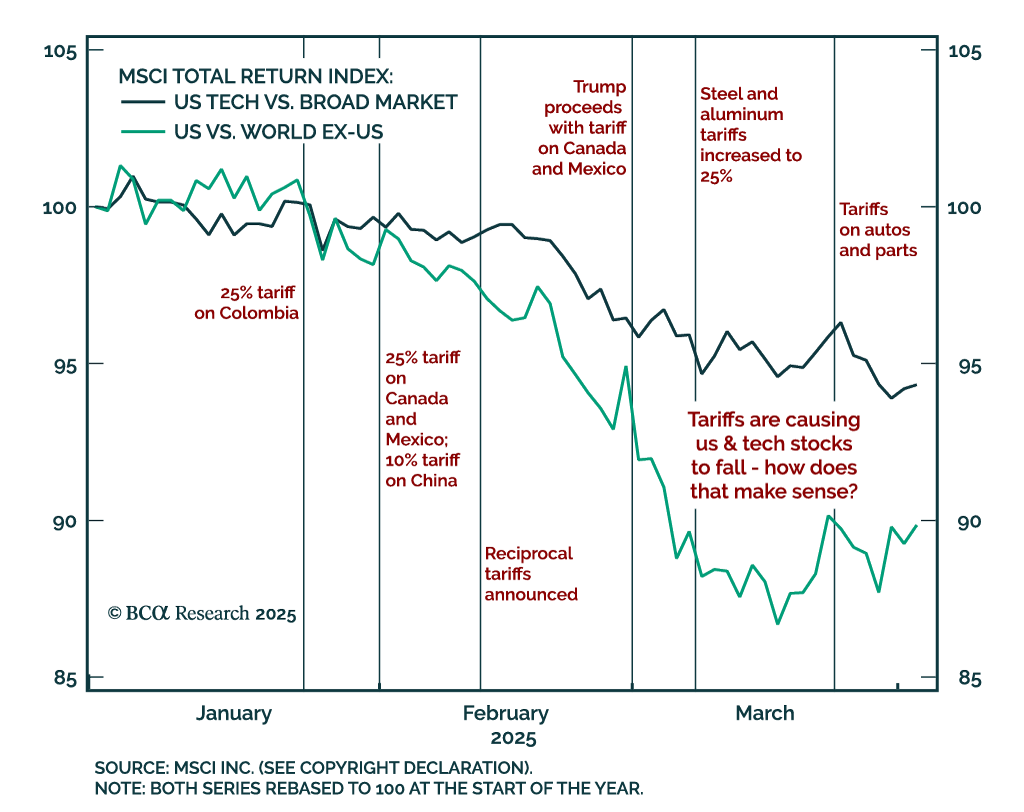
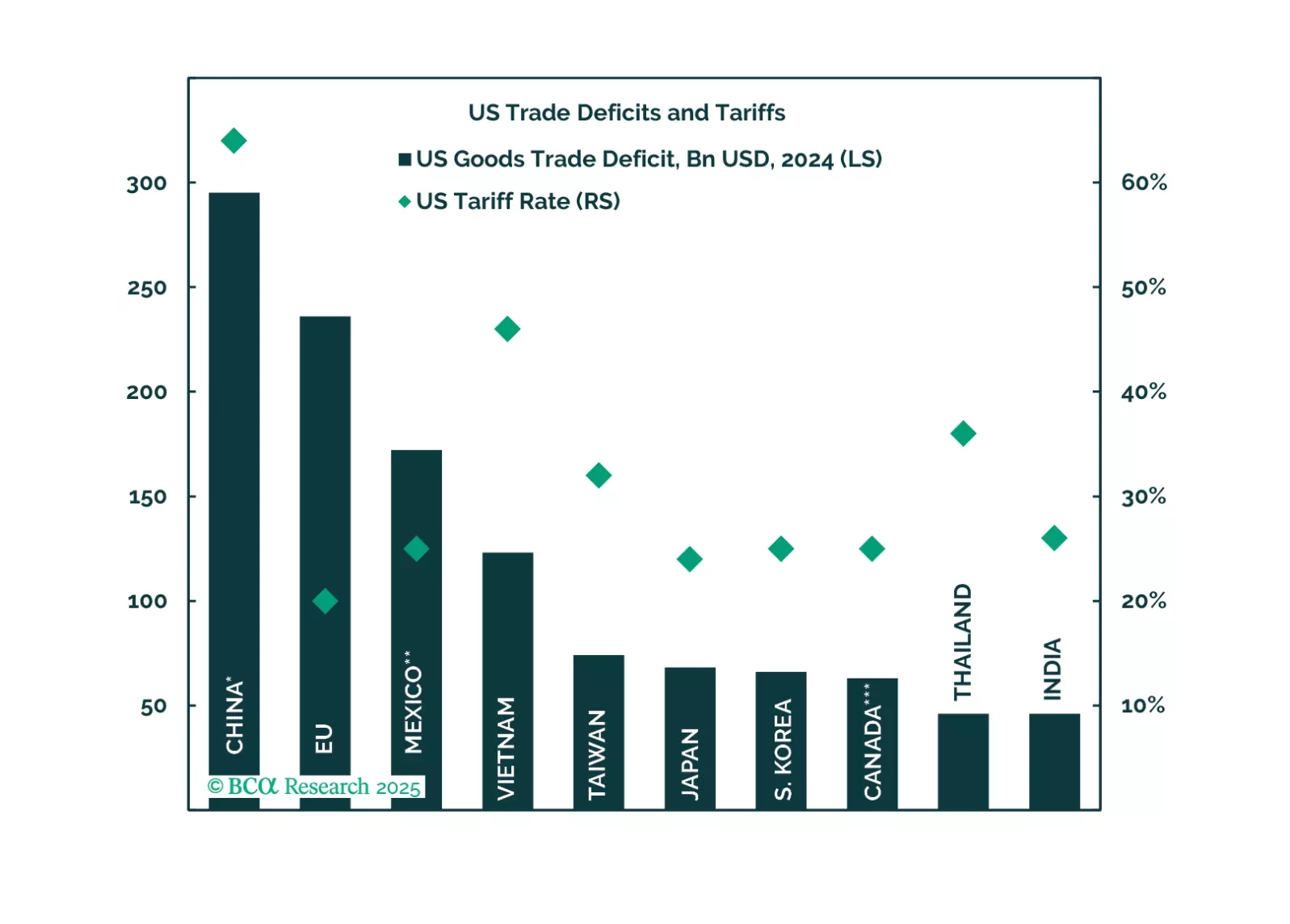
Markets had a risk-off reaction to the Trump administration’s announcement of reciprocal tariffs, reinforcing the case for defensive portfolio positioning. The proposal includes a 10% baseline tariff on all imports, a 25% tariff on foreign-made vehicles, and…
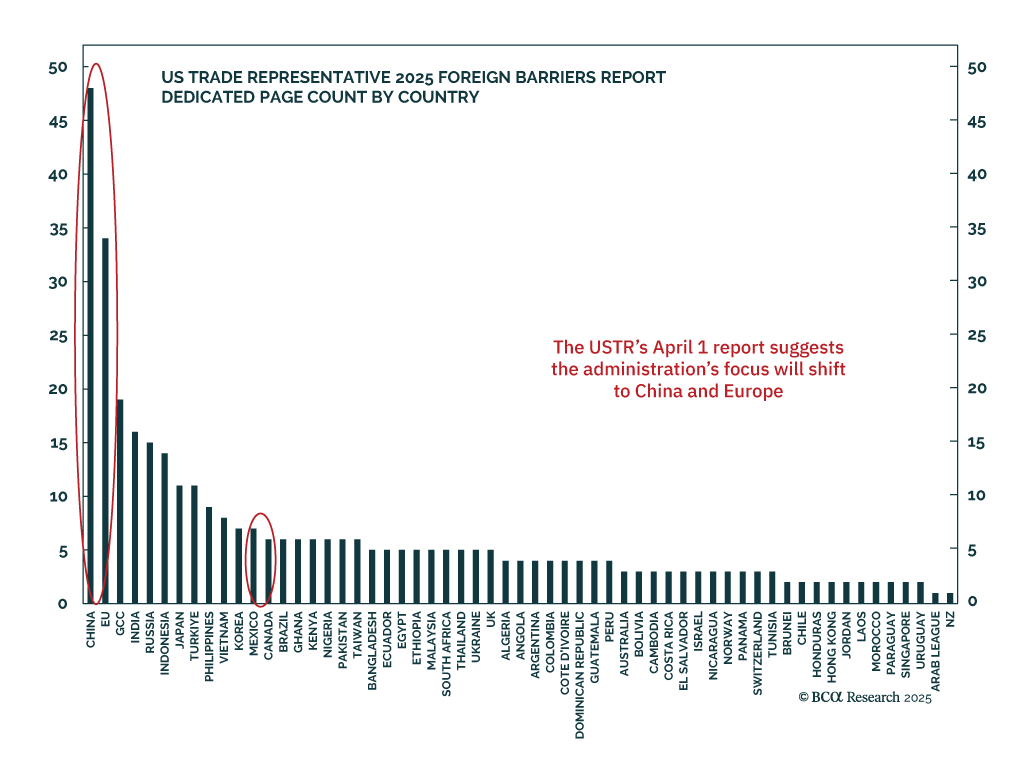
April 2 may mark peak trade tensions, but the path forward remains highly uncertain, supporting our underweight on risk assets and industrial commodities. The USTR’s long-awaited report on trade barriers will guide the next phase of US trade policy. While the…

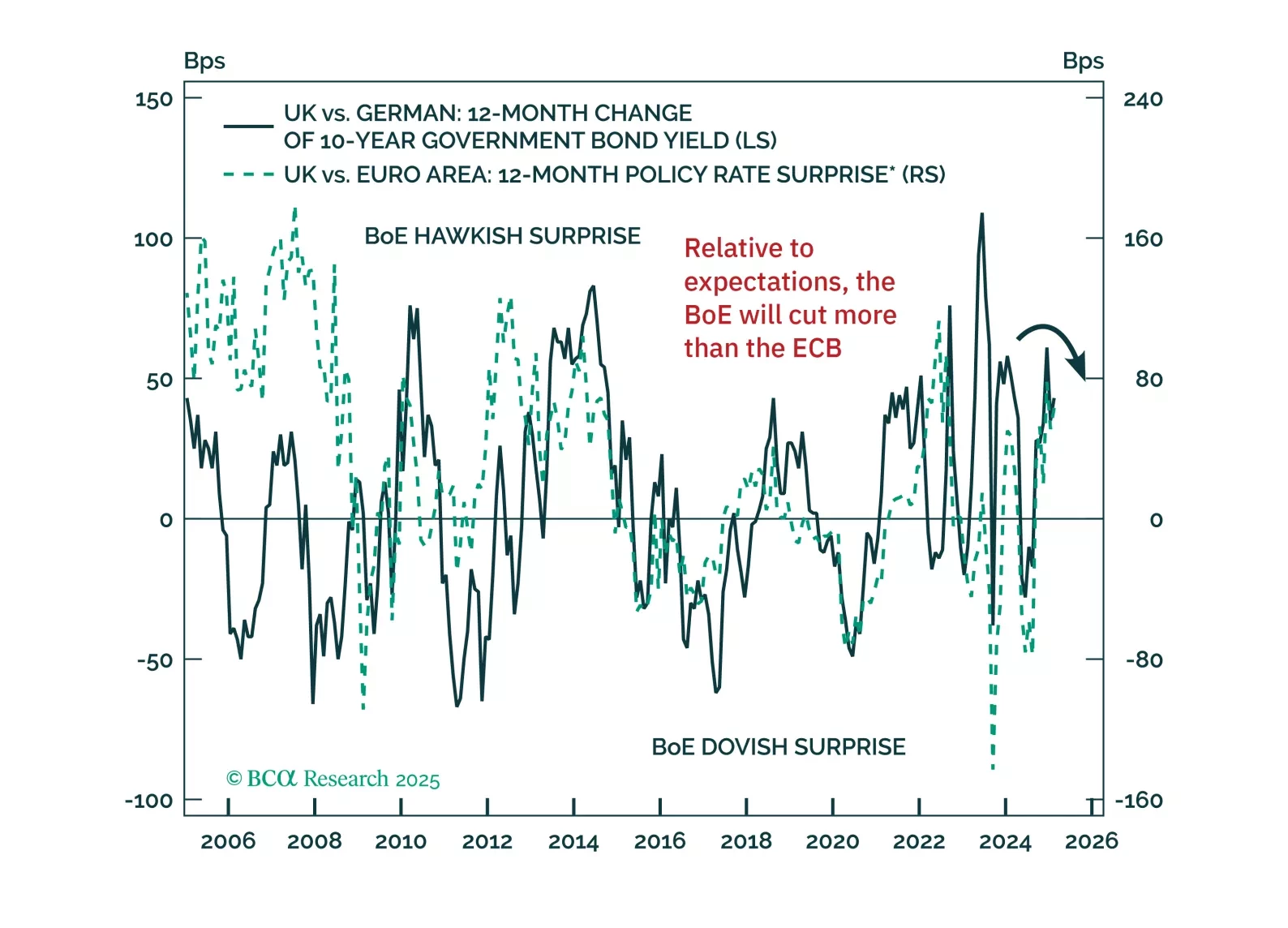
With economic headwinds building and fiscal dynamics shifting, bond markets are at a turning point. Our latest note outlines why German bund yields are set to decline and why UK gilts are poised to outperform — and how to position accordingly.
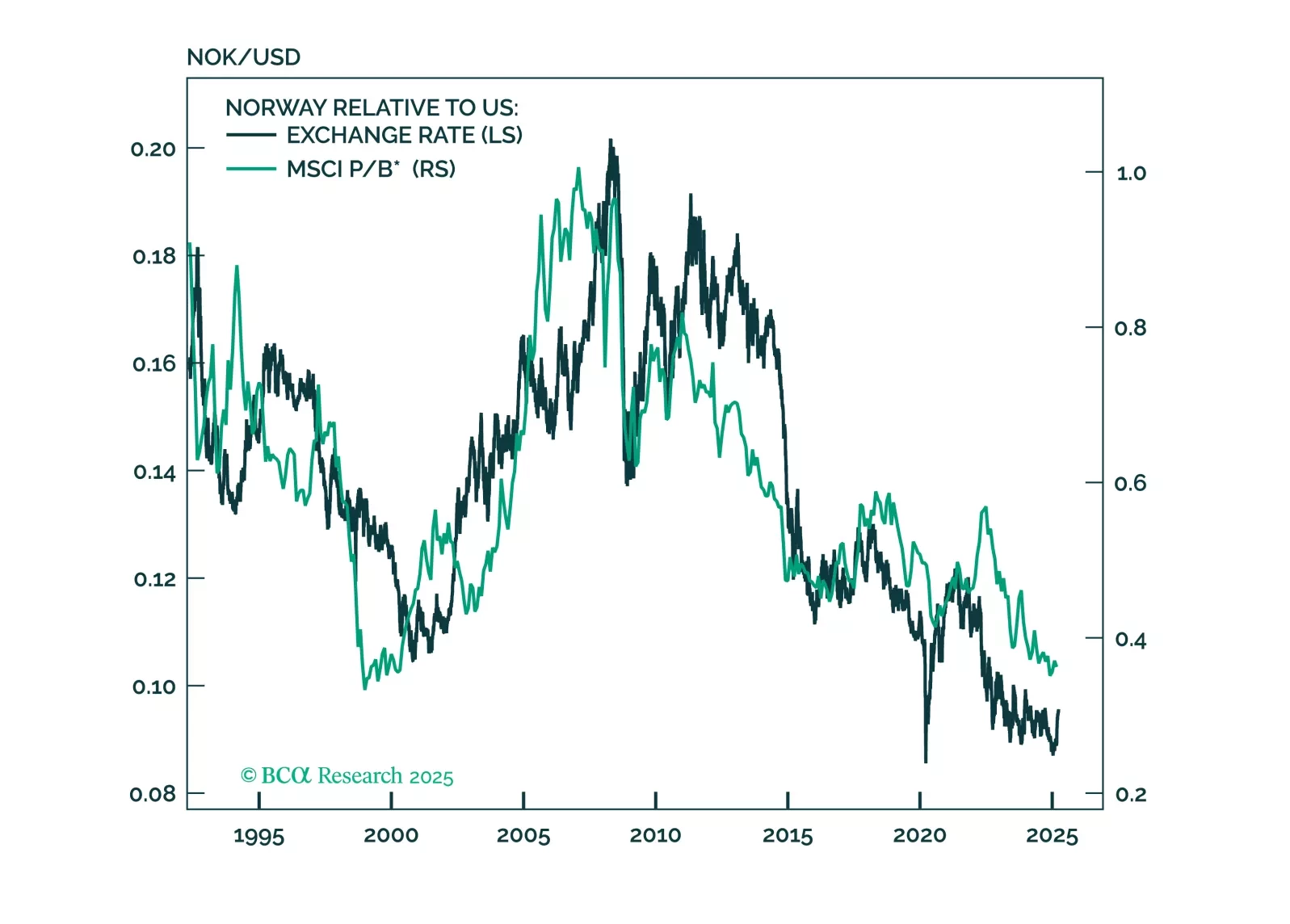
This report looks at investment implications, for Norwegian assets, given the recent meeting, from the Norges Bank. 
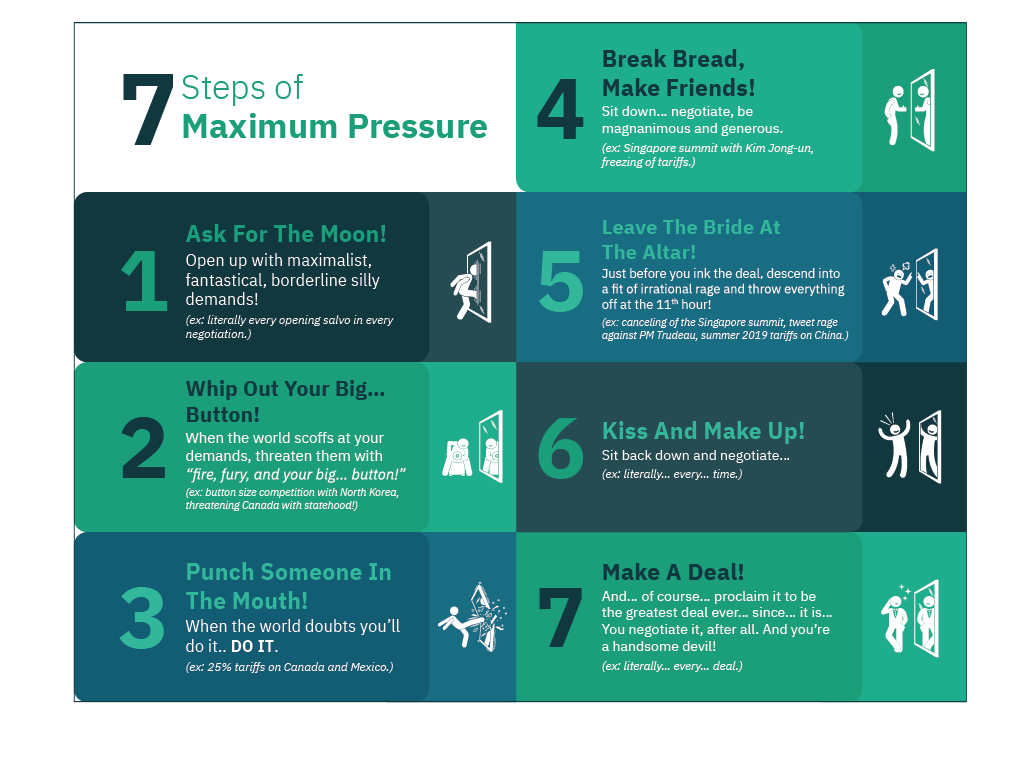
Markets may be bracing for April 2, but the real surprise could be how unsurprising it ends up being. Our Chart Of The Week comes from GeoMacro Chief Strategist Marko Papic, who sees the looming tariff salvo as the peak of de-globalization panic. With Beltway…

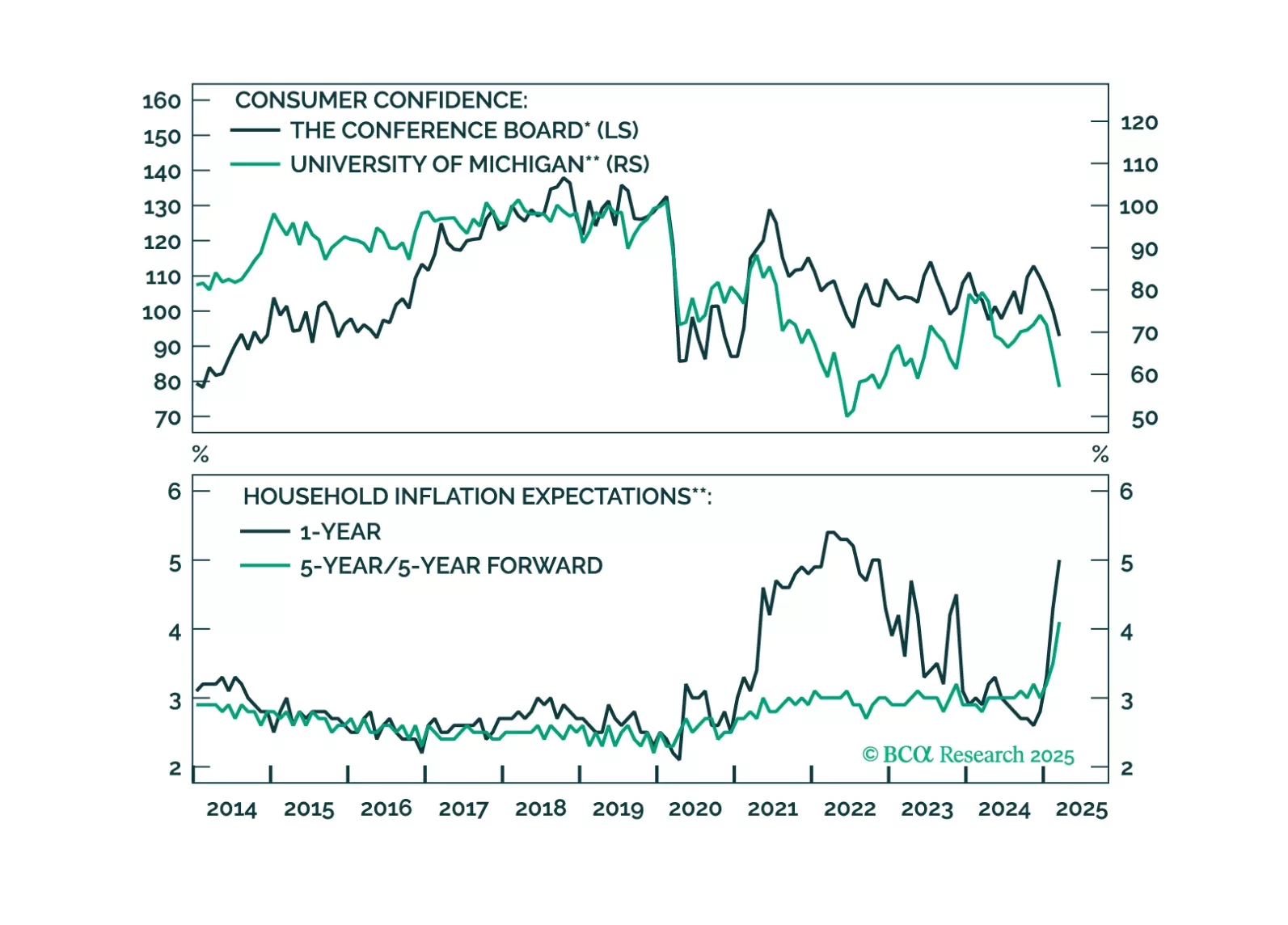
This morning’s weak consumer spending and strong inflation data reinforce our sense that the US economy is heading toward recession.
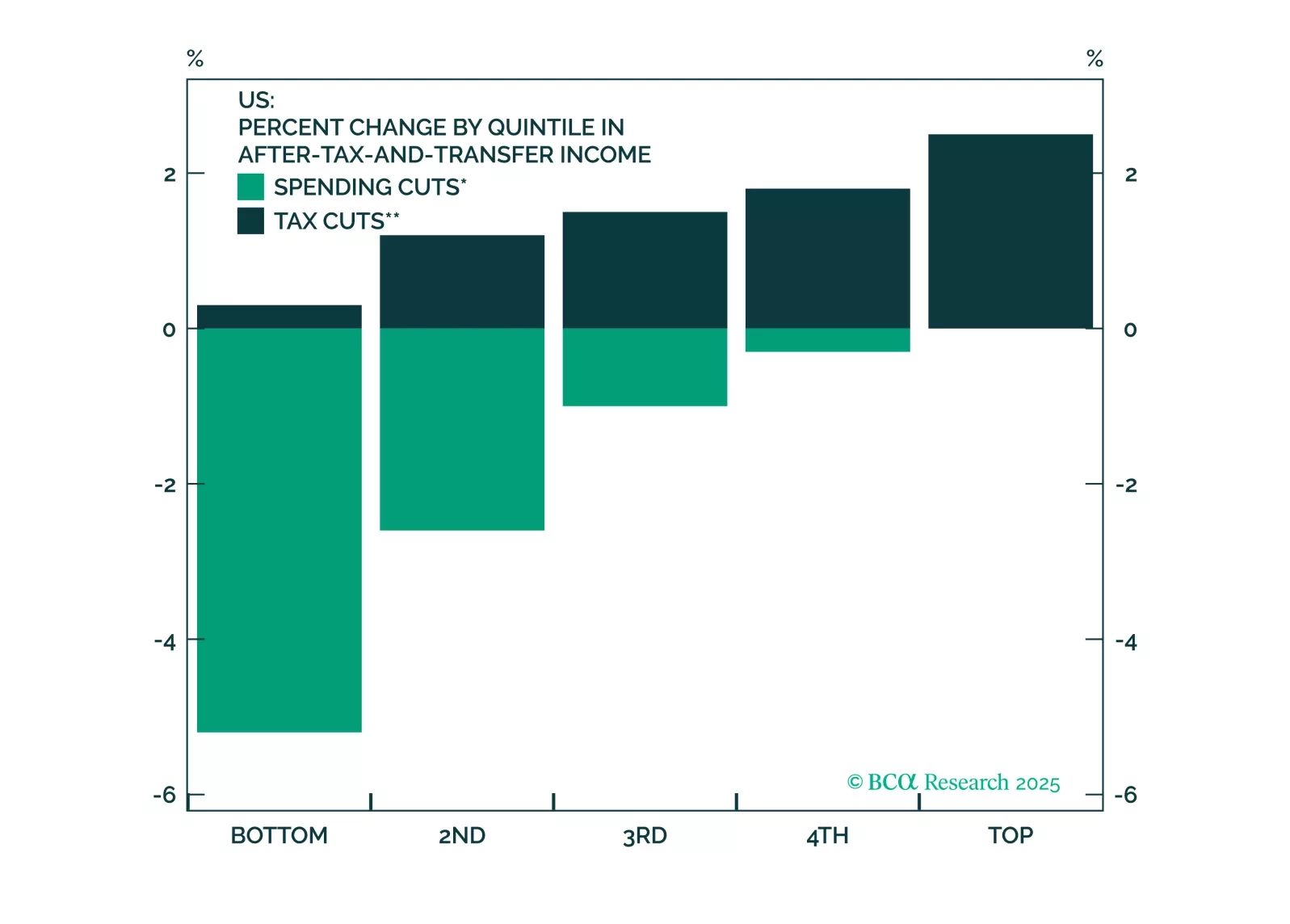
Stocks will continue to struggle in the second quarter as President Trump tries to implement tariffs. Tax cuts will only temporarily dispel growth fears, if at all. Middle Eastern instability will add oil price surprises to an environment that is looking fairly stagflationary.