Persa (Golfo)
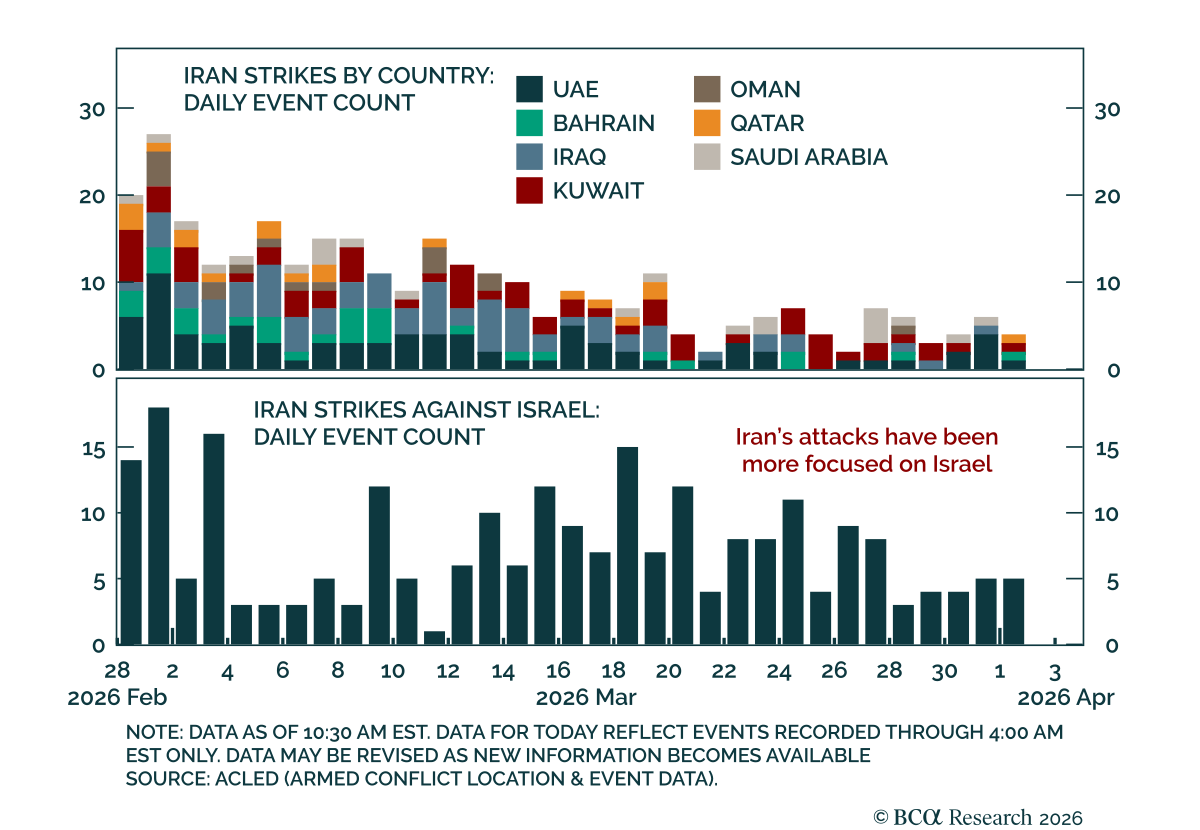
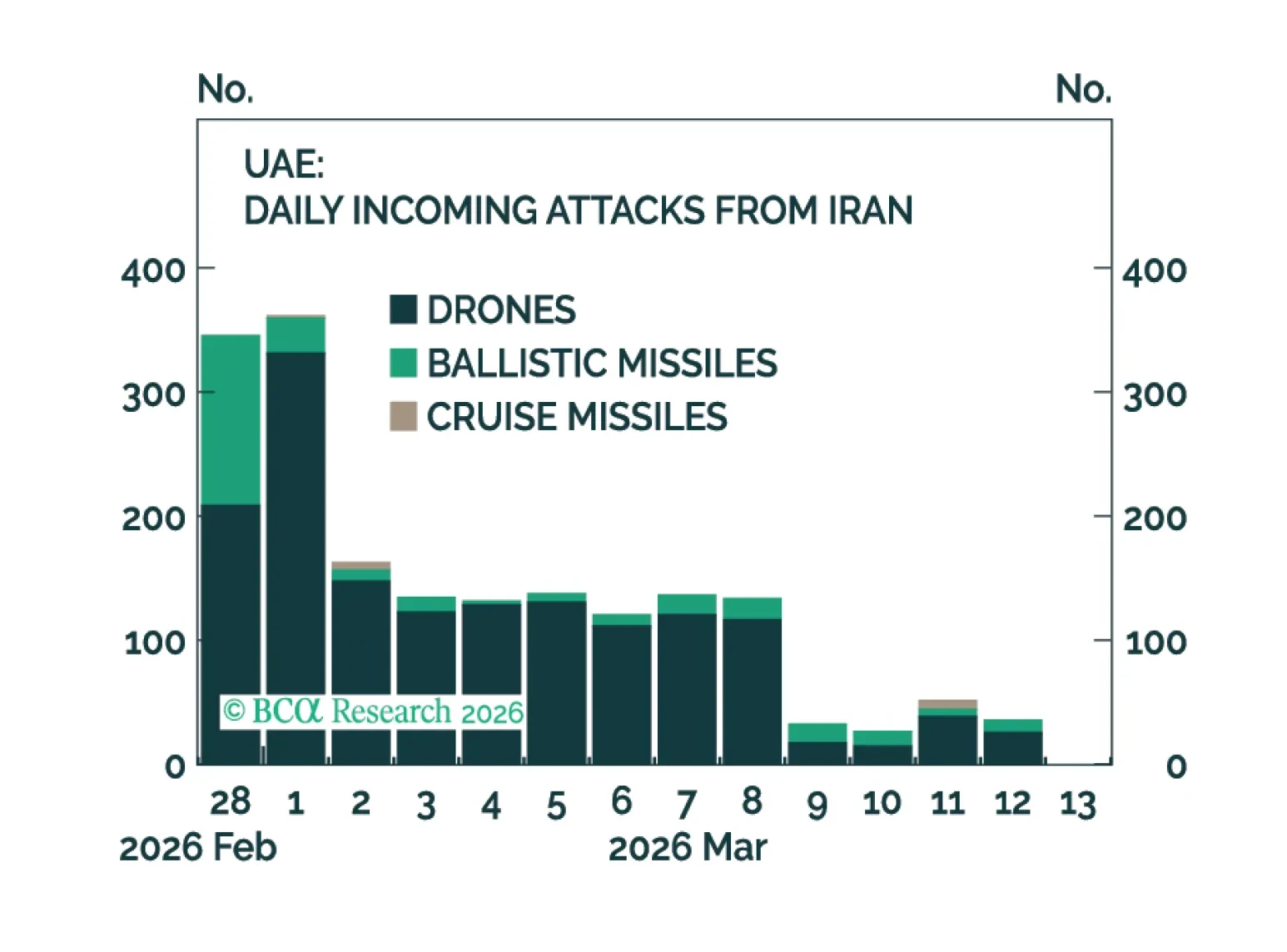
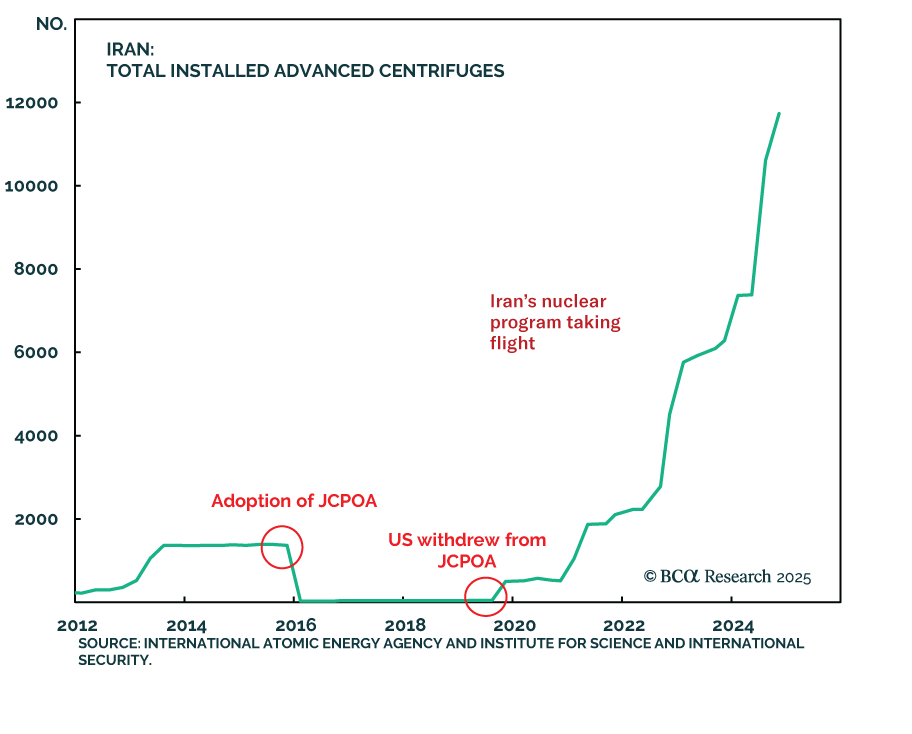
El conflicto en Oriente Medio persiste mientras Estados Unidos e Israel continúan atacando instalaciones militares y de seguridad interna iraníes, y Irán ha respondido con sus propios misiles y drones contra los Estados del Golfo. Aunque el ritmo de las represalias iraníes ha disminuido, parece haberse estabilizado, como lo demuestran los ataques contra los EAU.
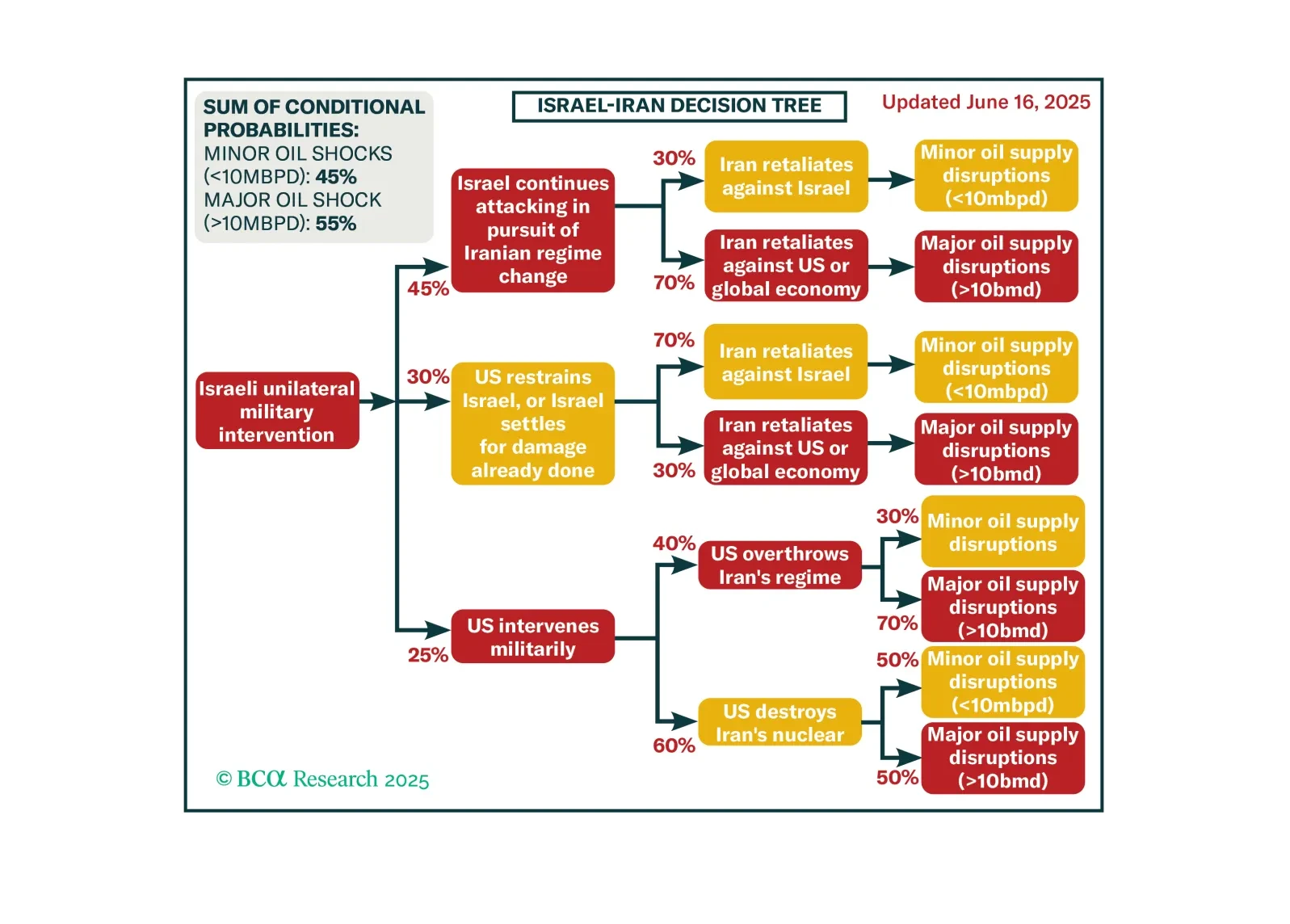
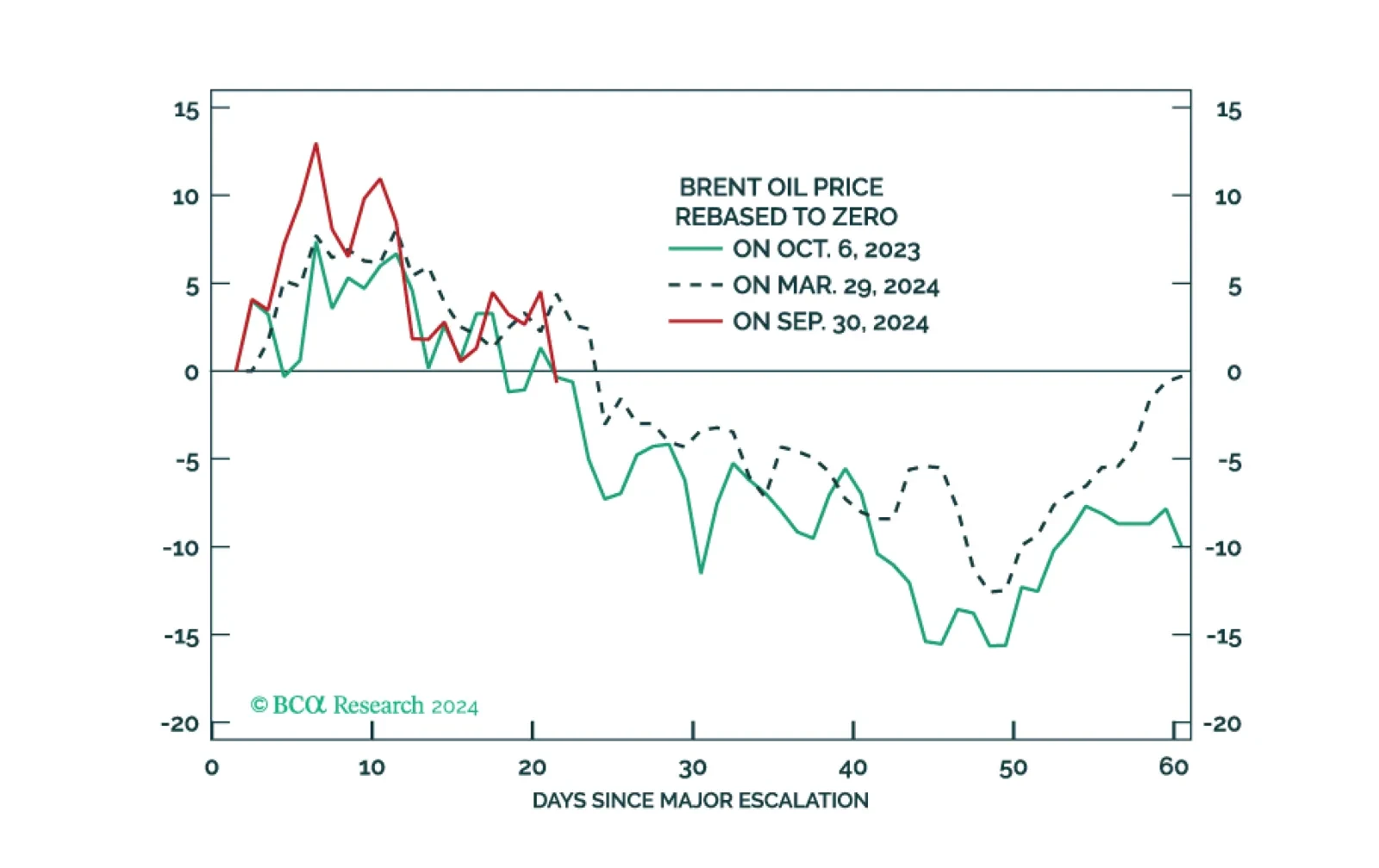
Los ataques de Israel a Irán continuarán hasta que Irán se vea obligado a atacar el suministro regional de petróleo para que Estados Unidos frene a Israel. Eso podría no funcionar. Los inversores deben prepararse para un impacto económico más amplio del conflicto.
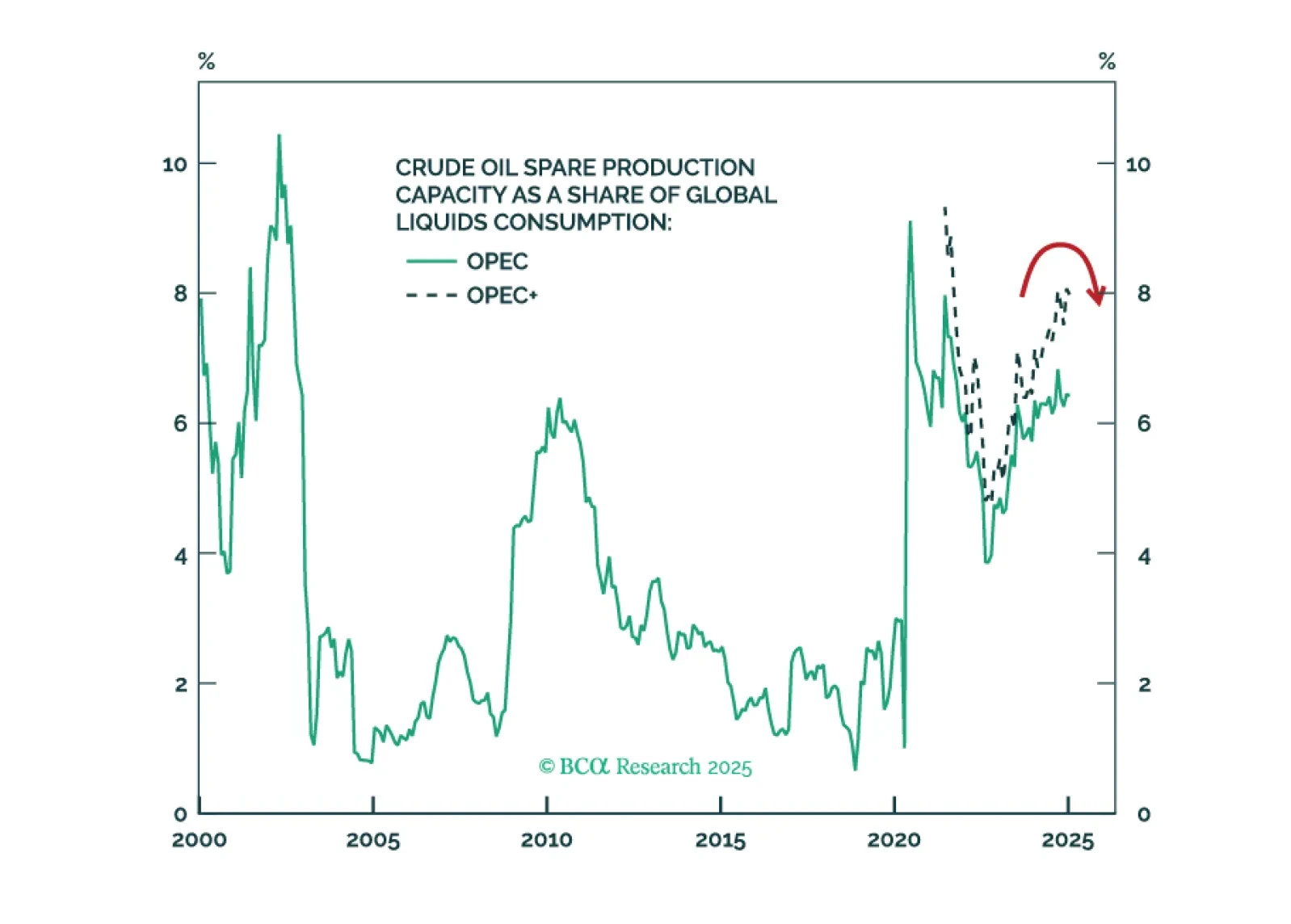
Investors should hold gold, build up some cash, tactically overweight US equities relative to global, and prepare for at least minor oil supply shocks – possibly major shocks – as the Israel-Iran war escalates.
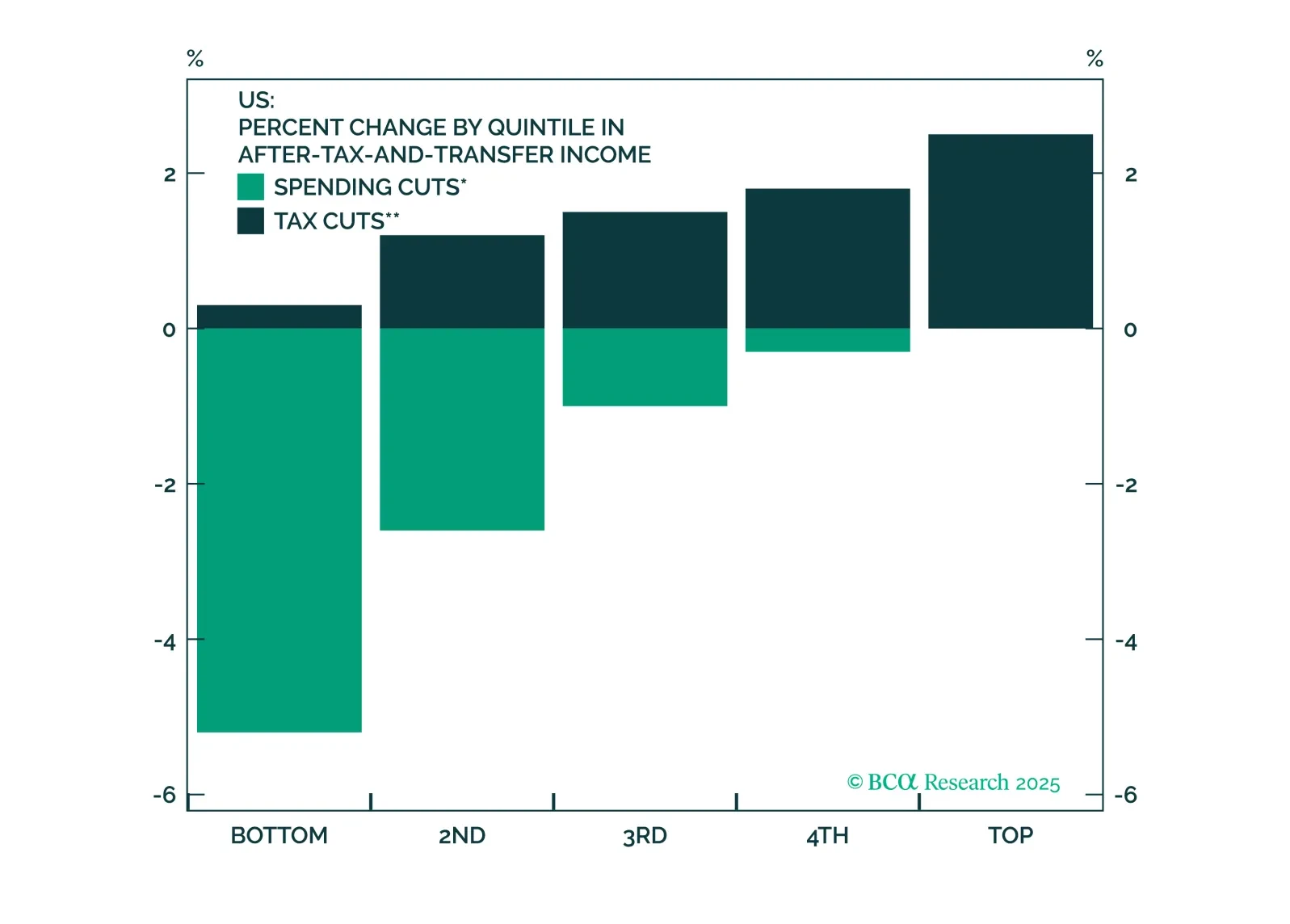
Stocks will continue to struggle in the second quarter as President Trump tries to implement tariffs. Tax cuts will only temporarily dispel growth fears, if at all. Middle Eastern instability will add oil price surprises to an environment that is looking fairly stagflationary.
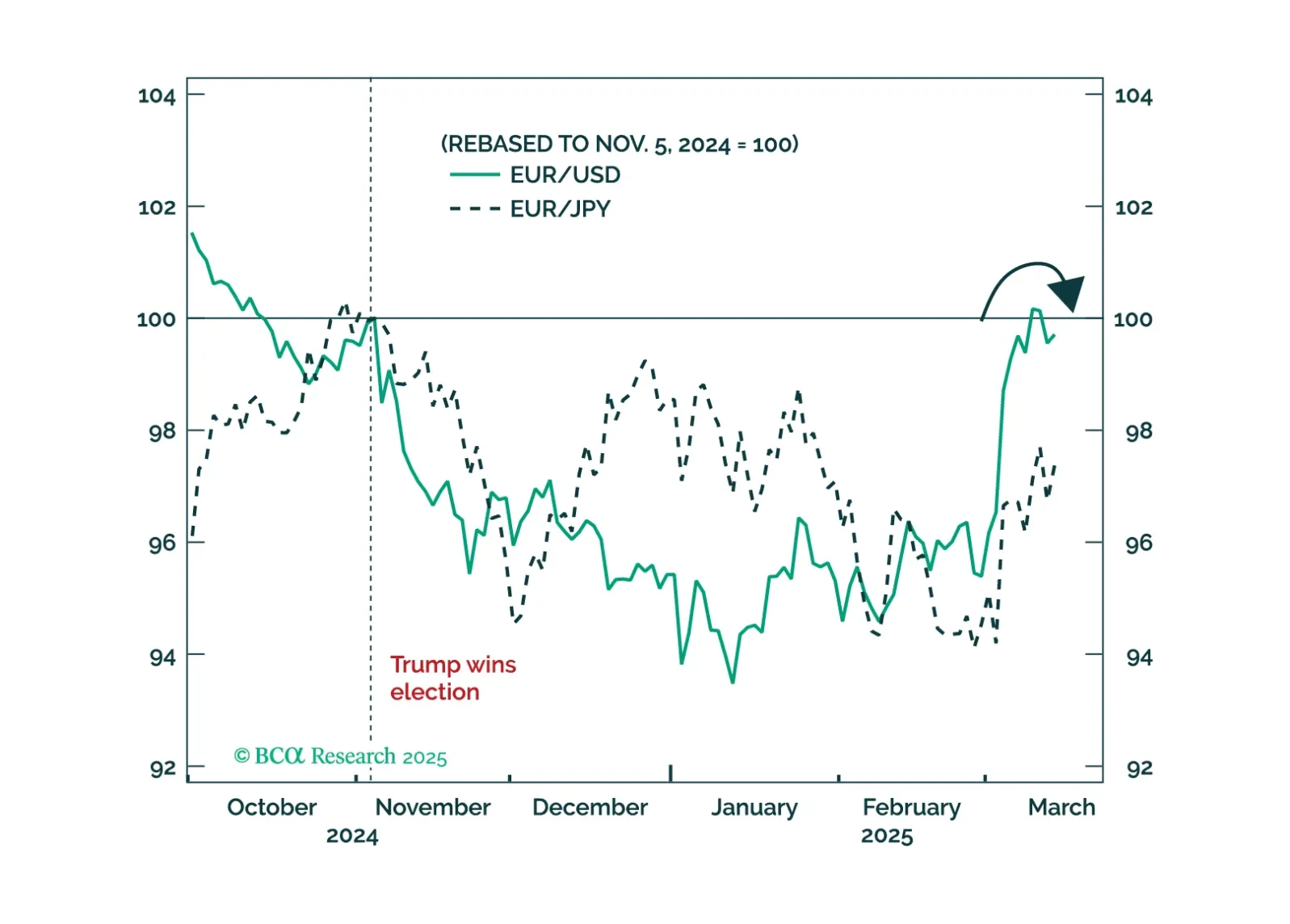
Trump’s foreign policy can be explained by rational US interests, but it requires settling the trade war with allies sooner rather than later. Book gains on EUR-USD for now.
- Congress will pass tax cuts by end of 2025 producing a fiscal thrust of about 0.9% of GDP in 2026.
- Trump will count on that stimulus as a basis for slapping tariffs on leading trade partners.
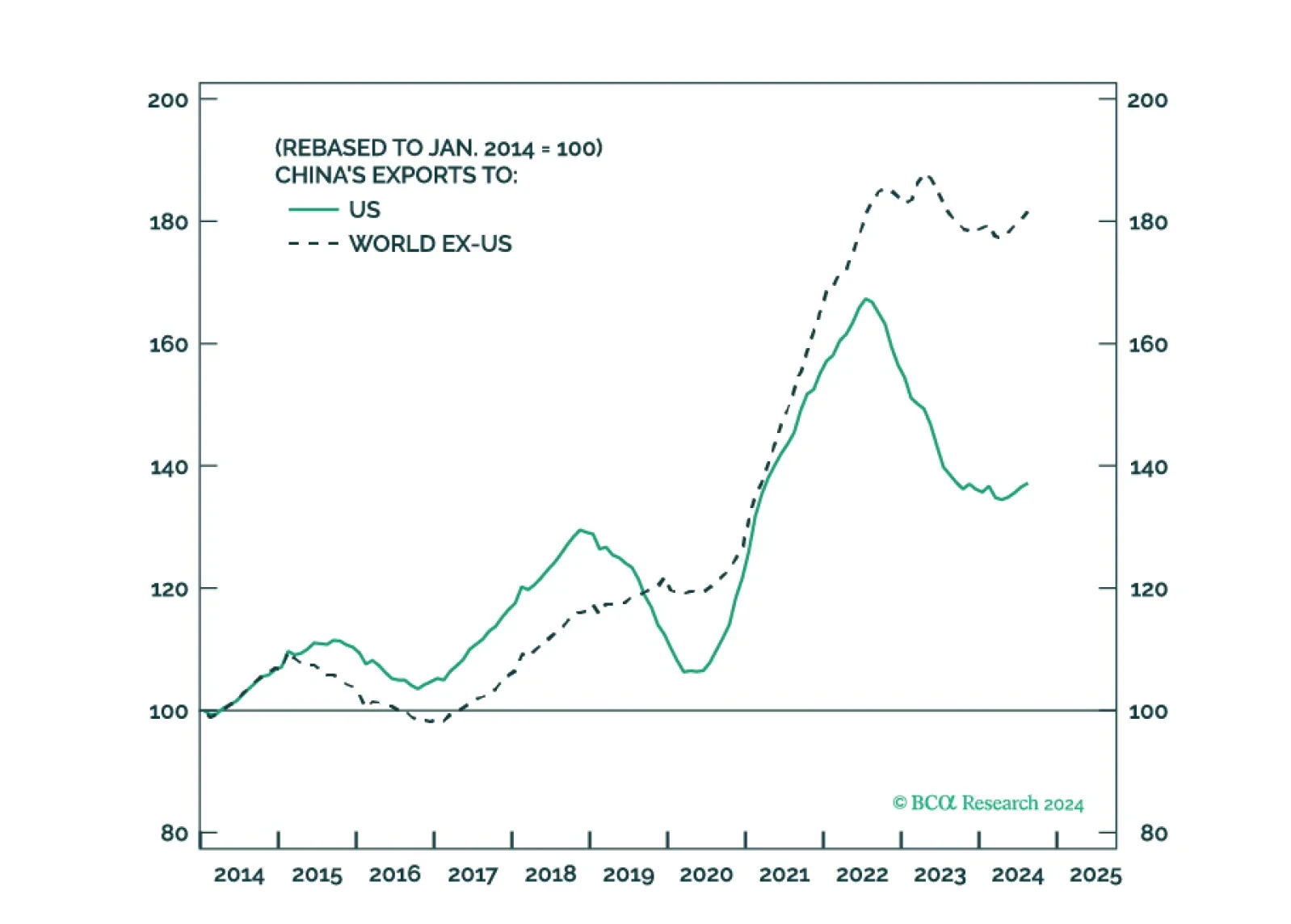
- China will retaliate against Trump and stimulate its domestic economy, while pursuing stronger trade ties with other countries. Europe will also retaliate.
- Geopolitical risk will shift from Ukraine-Russia to Israel-Iran, where the conflict will continue to escalate until a crisis point is reached within 2025.
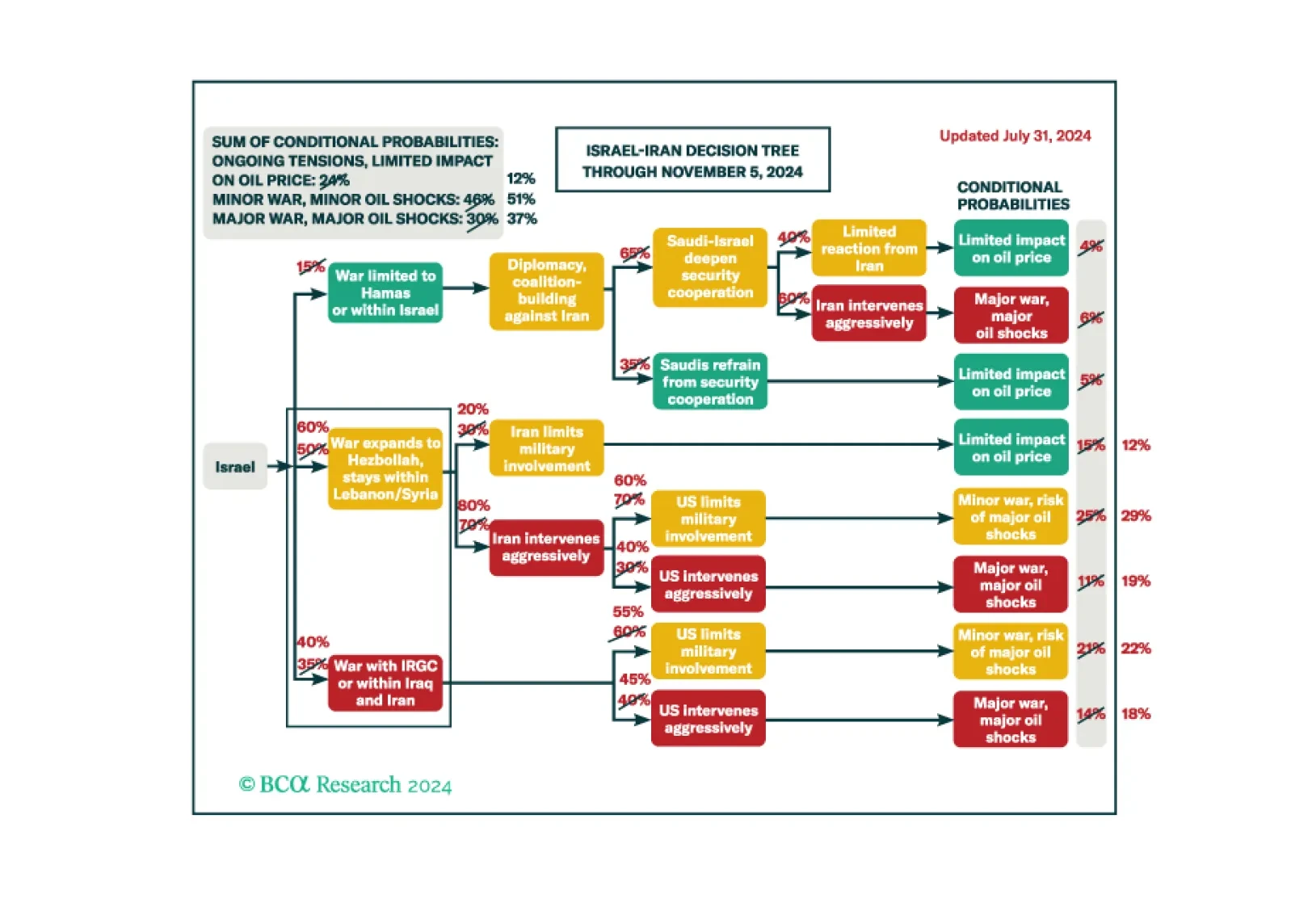
We maintain 37% odds of a major recessionary oil shock, 51% odds of minor shocks, and 12% odds of no shocks.