Francia
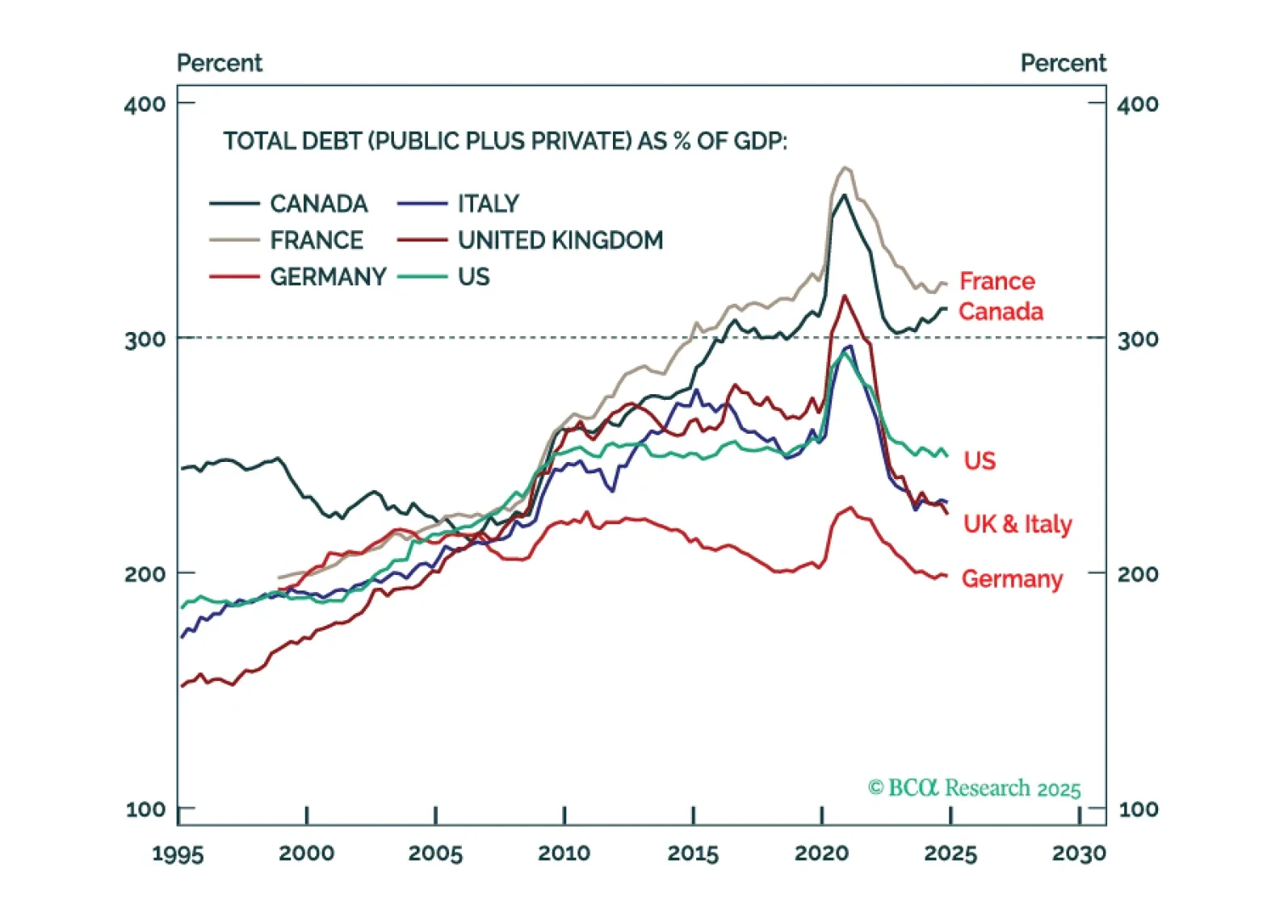
Los vigilantes de los bonos están rondando sobre varios objetivos en este momento: Francia, el Reino Unido y Japón. Pero Francia es el más vulnerable debido a una combinación tóxica: un ratio total de deuda muy por encima del 300 por ciento más el peor déficit primario del G7 más un estancamiento político, que empeorará aún más si el Primer Ministro François Bayrou pierde la votación de confianza el 8 de septiembre en su gobierno minoritario. Explicamos por qué el BCE no puede salvar a Francia y las implicaciones para la inversión. Además, presentamos nuestro nuevo ‘mapa de calor’ de complejidad para la asignación global de activos, que conduce a una nueva estrategia táctica para infraponderar los servicios de comunicación mundial (WTEL).

Esta semana, nuestros tres evaluadores exploran: acciones del Reino Unido que son baratas y ofrecen cobertura geopolítica; acciones francesas sensibles a China; y acciones de valor y que pagan dividendos en EE. UU.
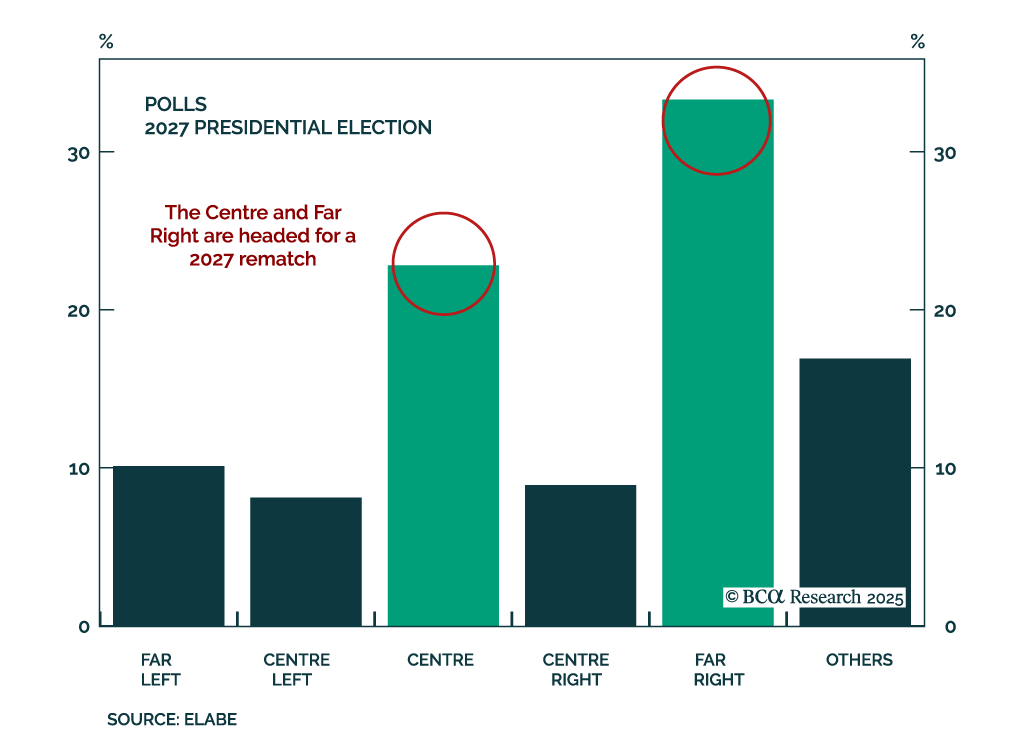
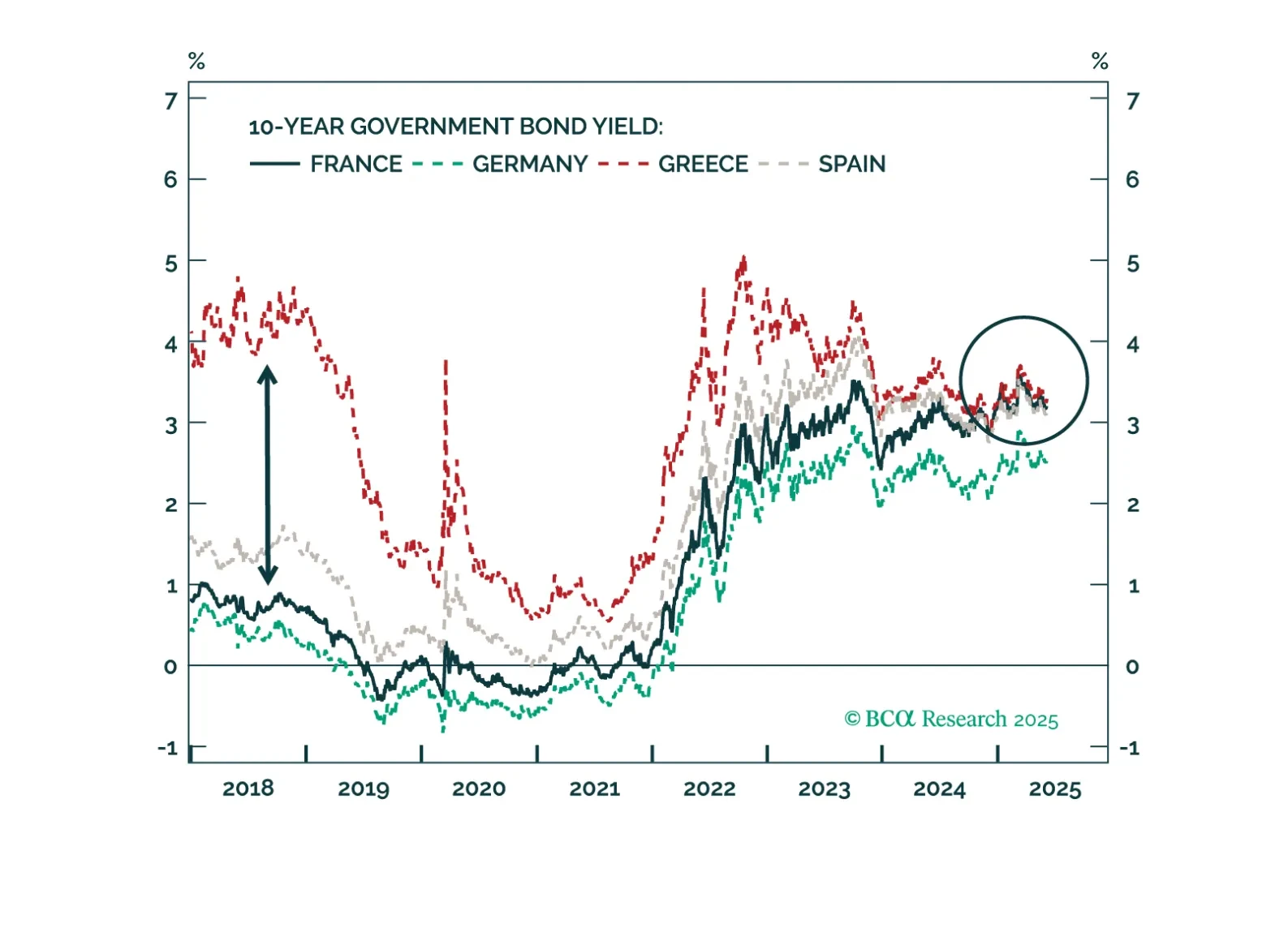
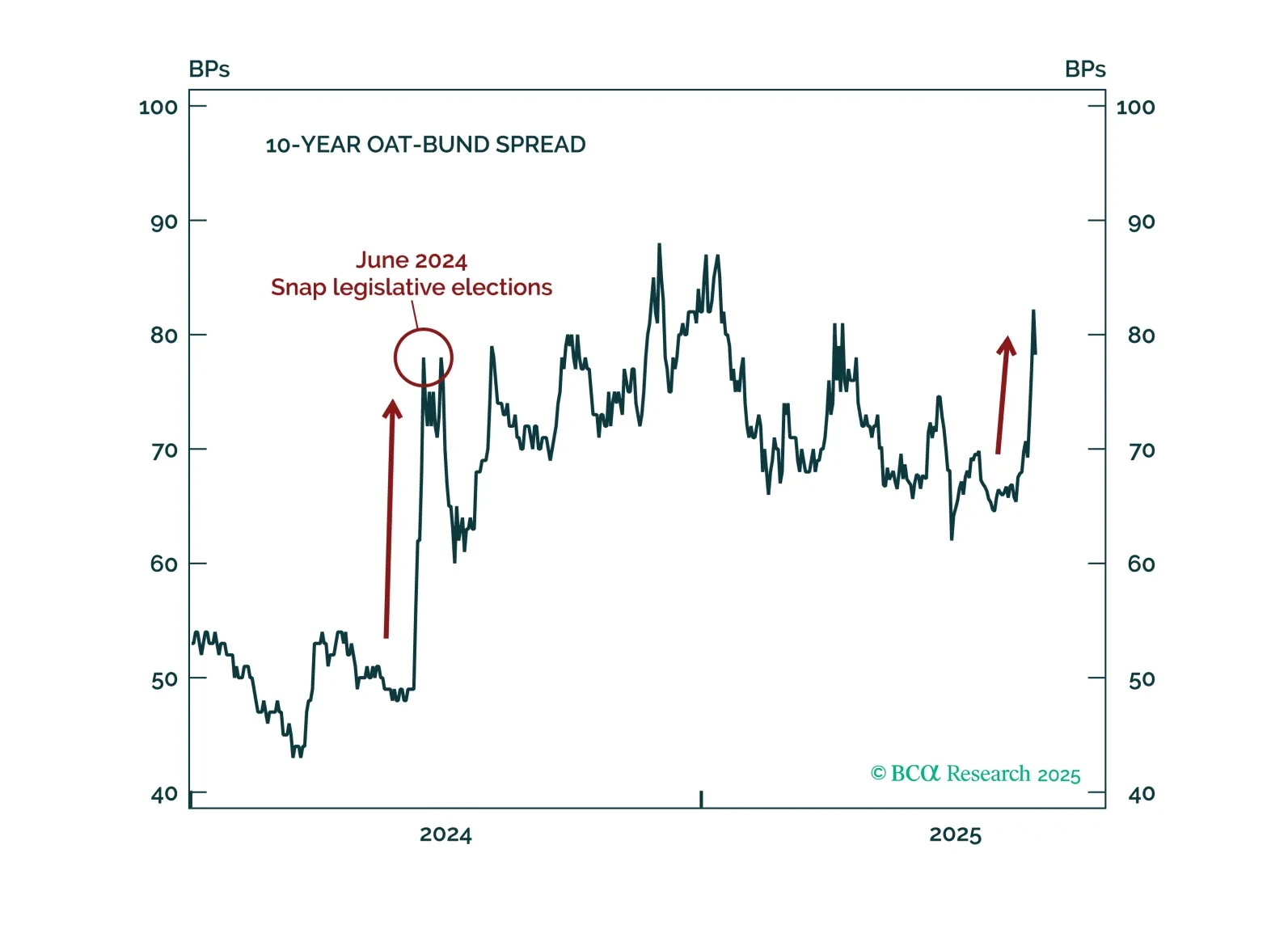
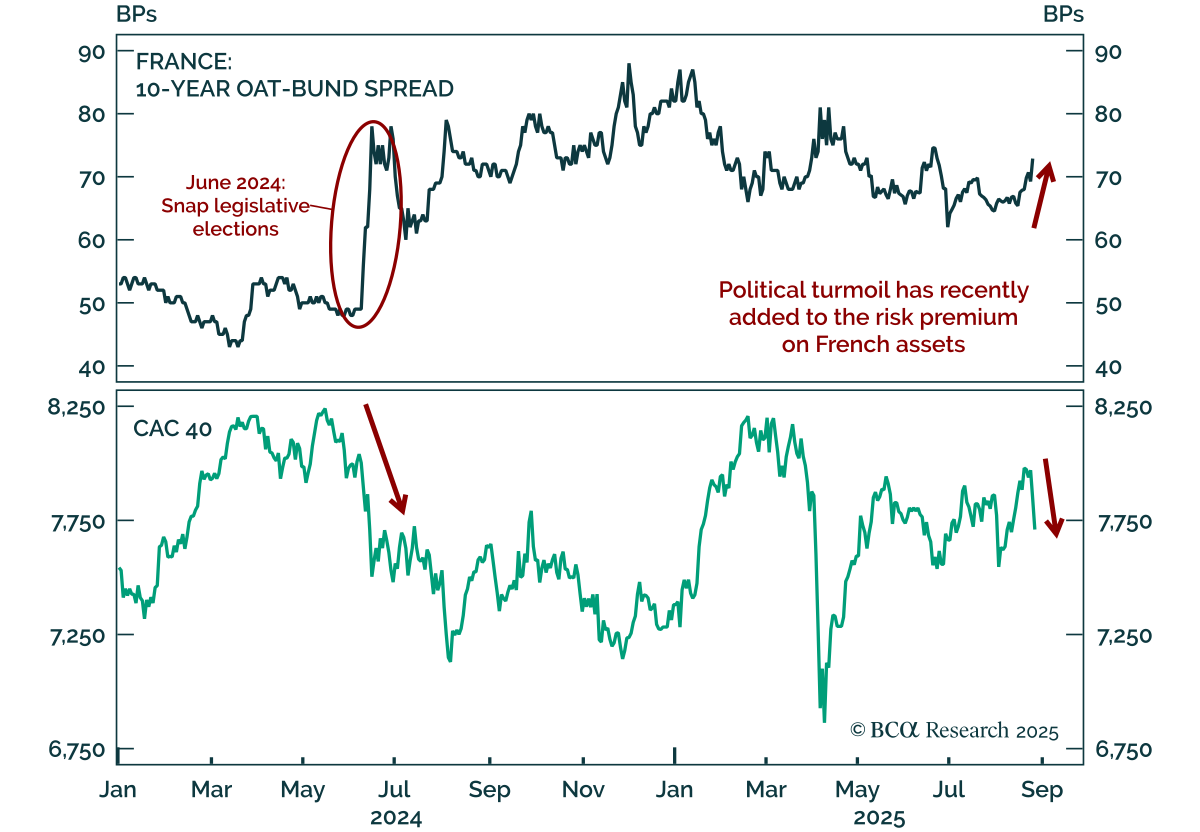
France’s political turmoil is far from over, and fiscal fears are growing. This is not a bond-friendly environment. In contrast, it is a good time to upgrade French equities. As the 2027 presidential race is about to begin in earnest, we make an early call on its outcome.
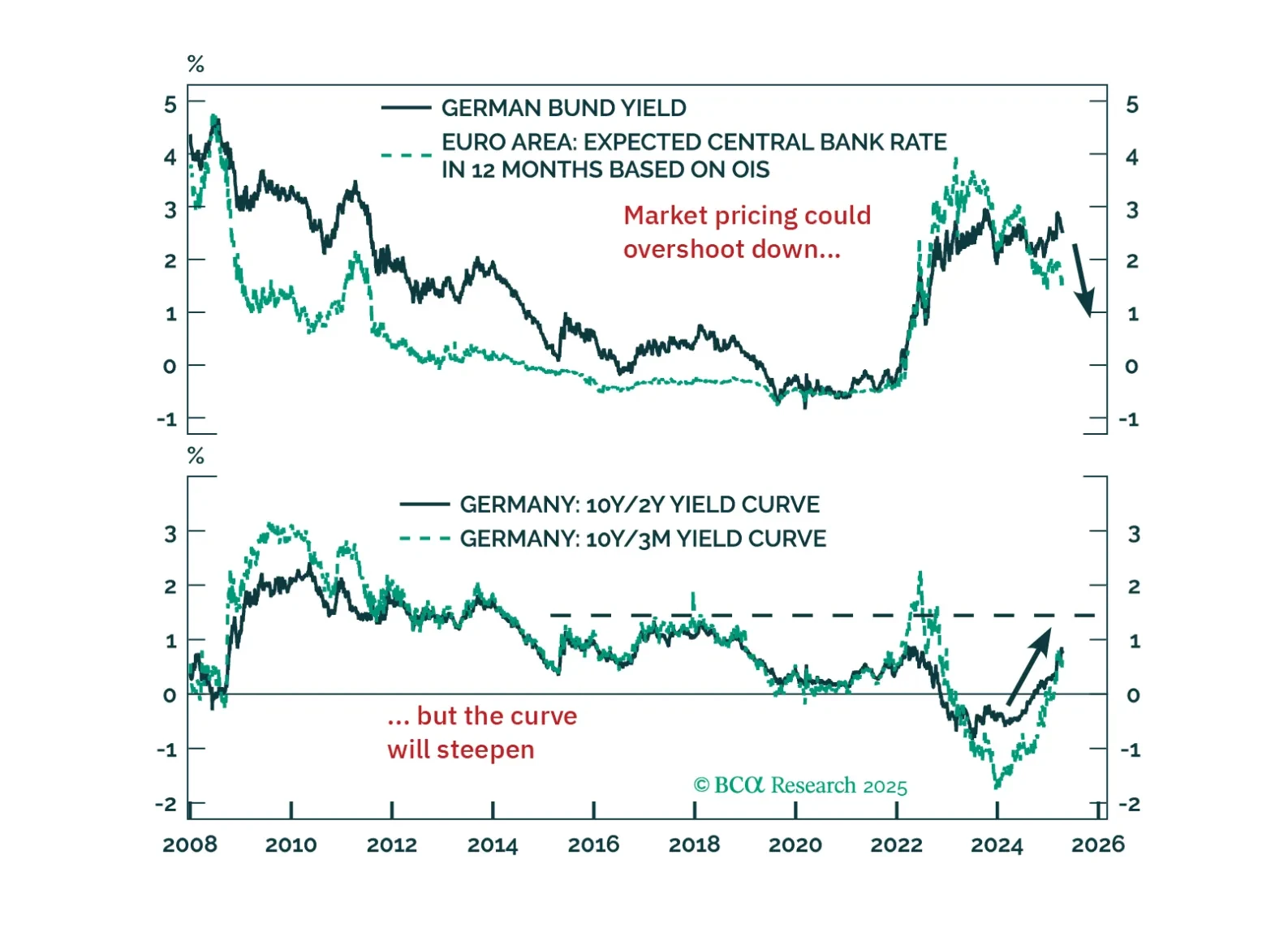
Europe’s deflation problem is getting harder to ignore. This week’s ECB cut is just the beginning — tariffs, the euro’s rally, and softening demand all point to more easing ahead. We explain what it means for yields, equities, and EUR/USD.
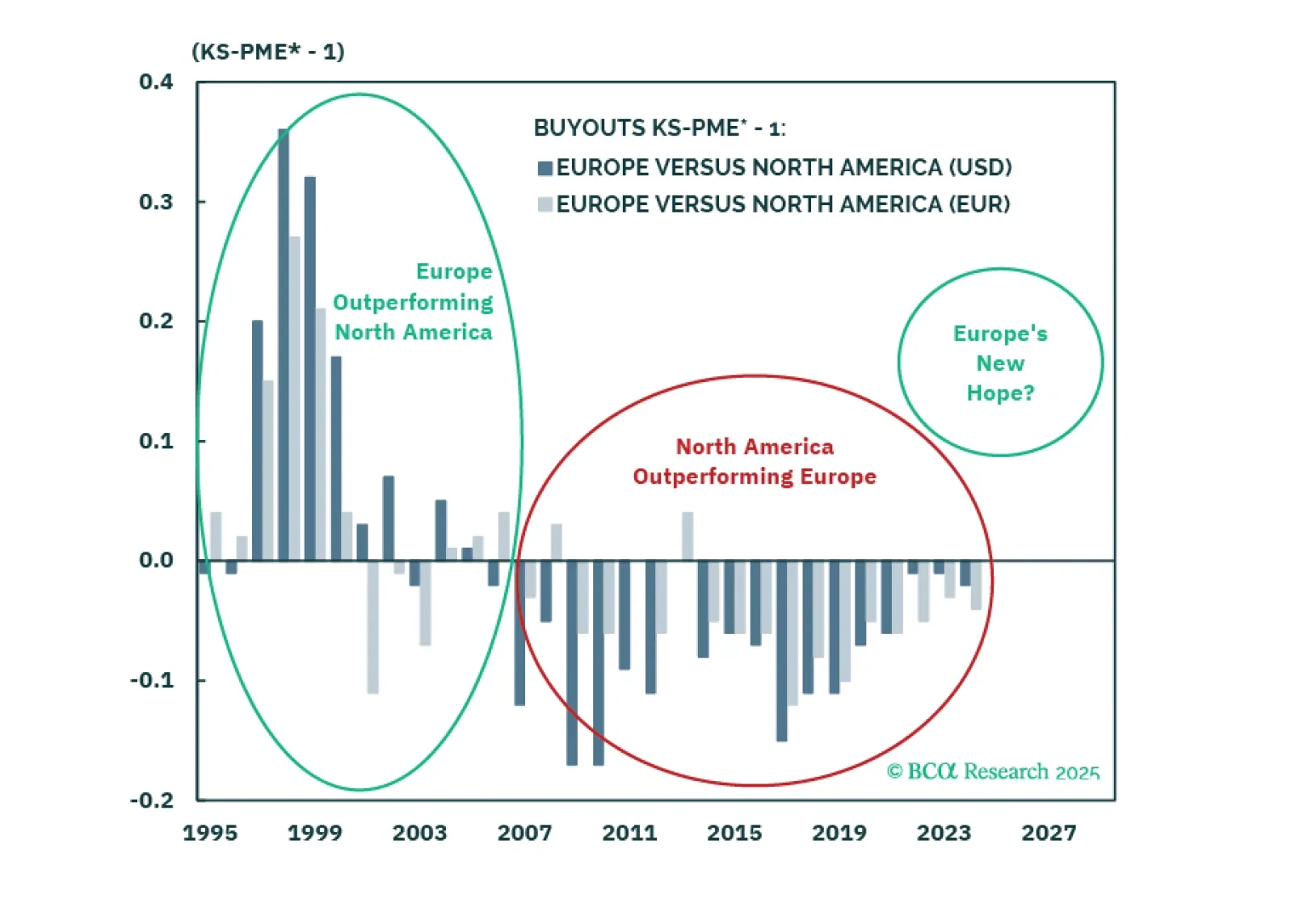
We are at a pivotal moment for Europe, supported by structural reforms and macro catalysts. While expanding credit markets and lower rates favor Private Equity over Private Credit, opportunities vary by segment. Large+ Buyouts are attractive as markets have priced in structural challenges. We downgrade Europe Private Credit, remain neutral on Europe Private Equity broadly but overweight Europe vs. North America in PE portfolios.
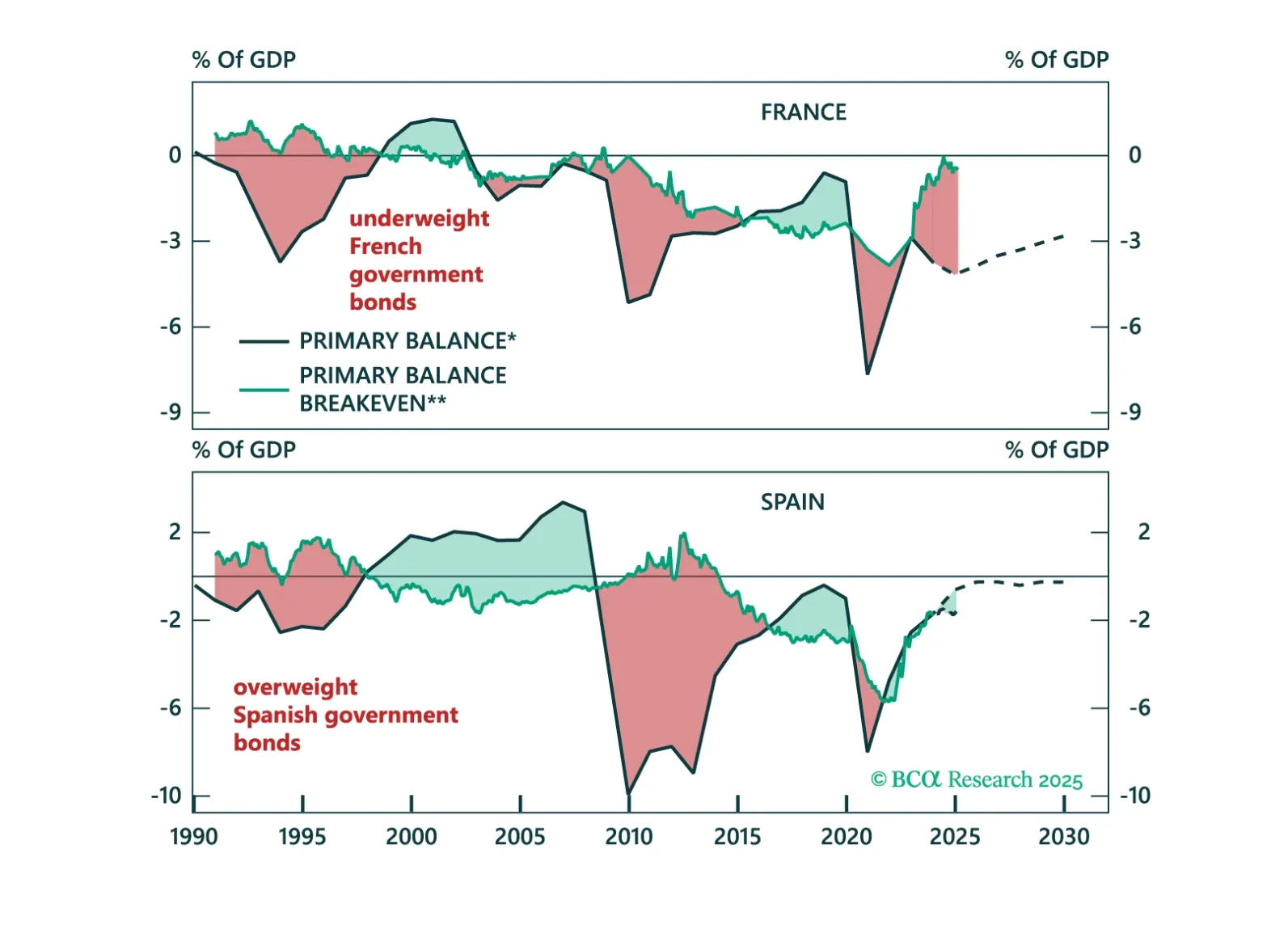
Questions about fiscal risks and their impact on bond markets have become more frequent in client conversations. This Special Report provides a framework to assess a country’s fiscal sustainability and how it affects its bond market outlook. On an individual country basis, Spain has shown a remarkable turnaround in its fiscal sustainability outlook while the fiscal outlook for France continues to deteriorate.
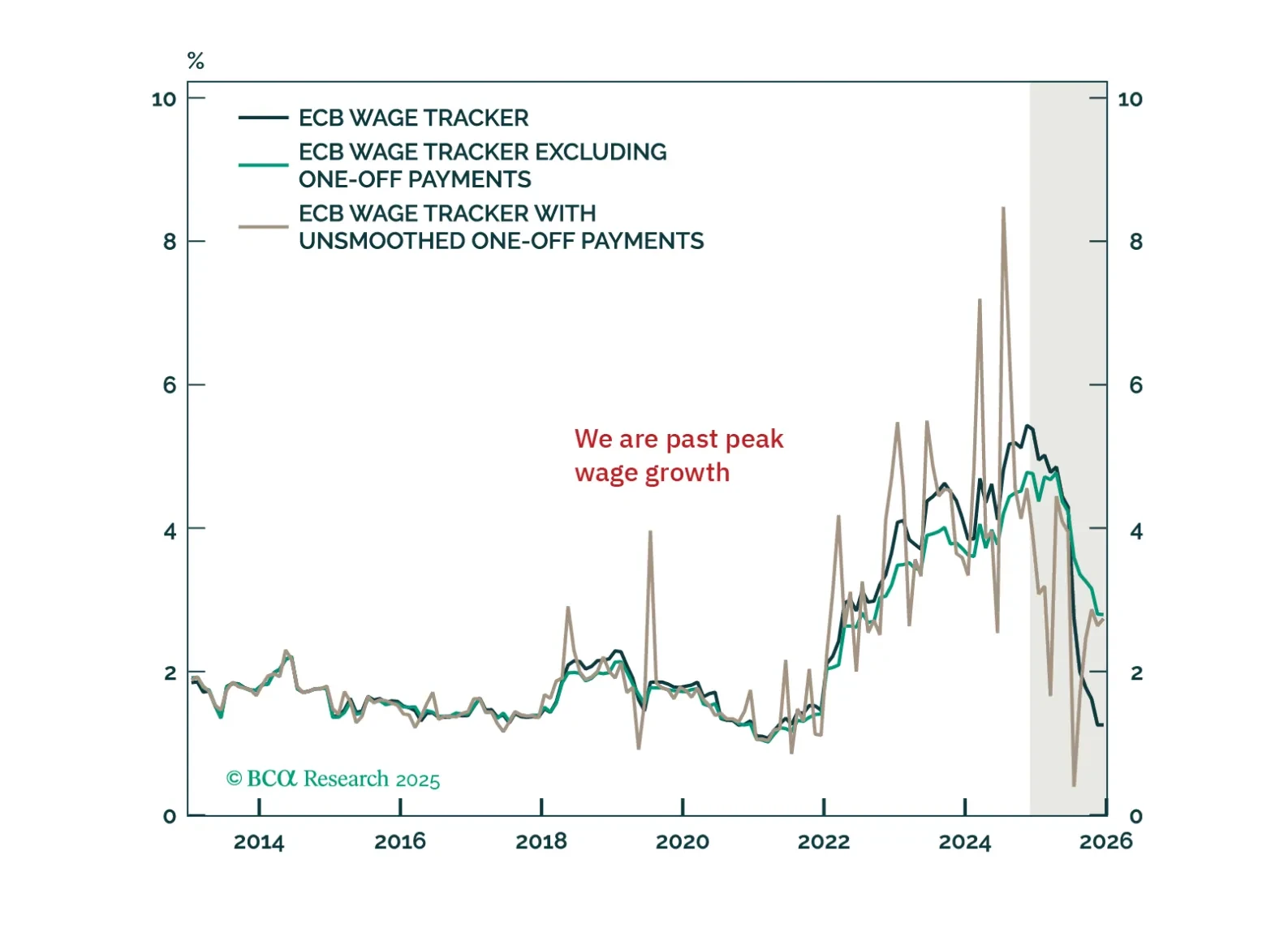
The ECB cut its deposit rate to 2.75%, as was widely anticipated. President Christine Lagarde did not provide any fireworks, but the Governing Council’s message was clear: Policy is restrictive, and inflation will fall further. As a result, if we combine our economic forecasts for the Eurozone with Frankfurt’s data dependency, we continue to expect the ECB’s deposit rate to settle below 2%. Consequently, German bond yields have downside, and the euro has yet to bottomed.