Fixed Income
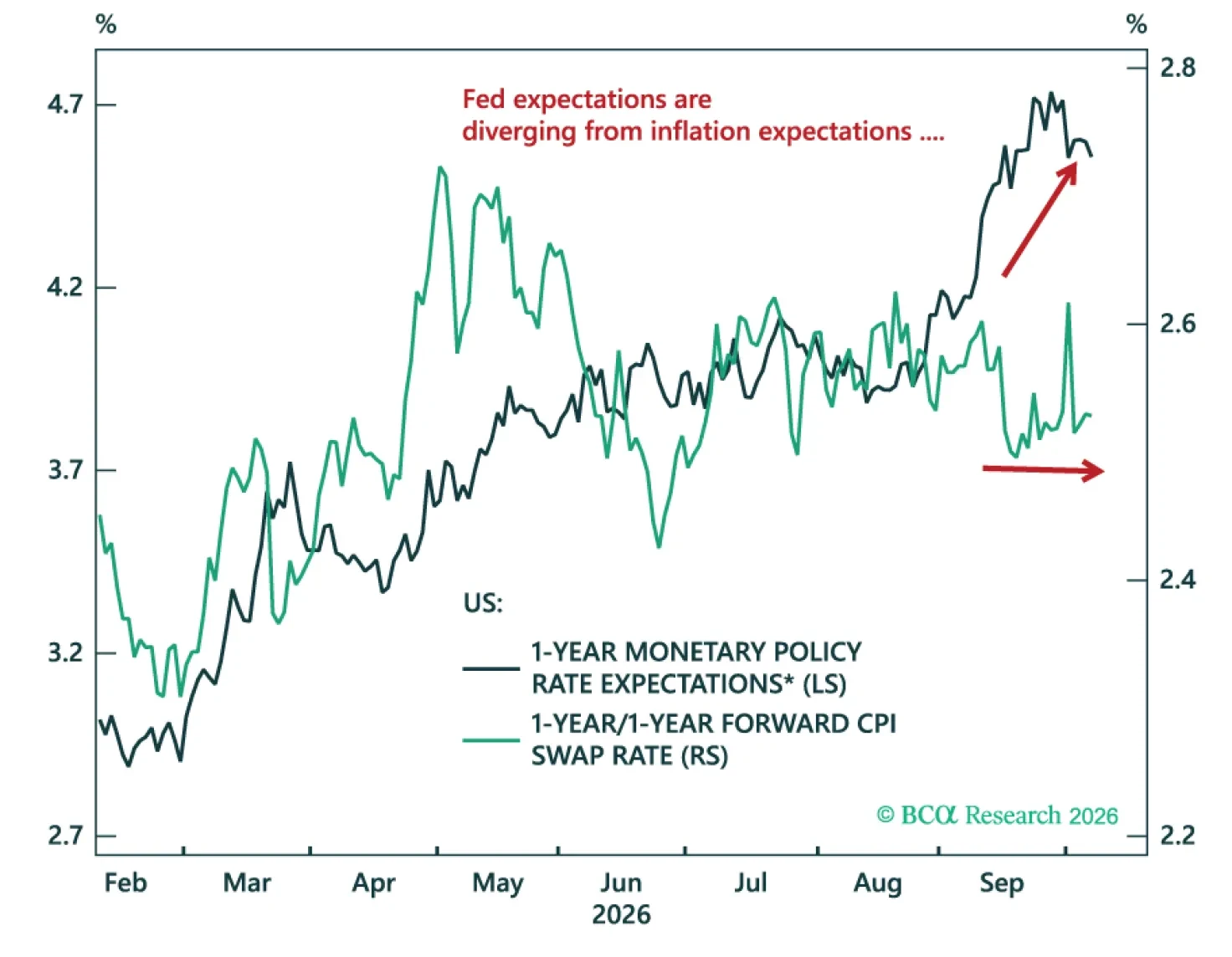
We review our Model Bond Portfolio performance for Q3 and look ahead as energy prices continue to drive fixed income markets. Balanced labor markets point to a mild tightening cycle, creating opportunities in government bonds and credit, while inflation-linked bonds continue offering protection against persistent energy risks.
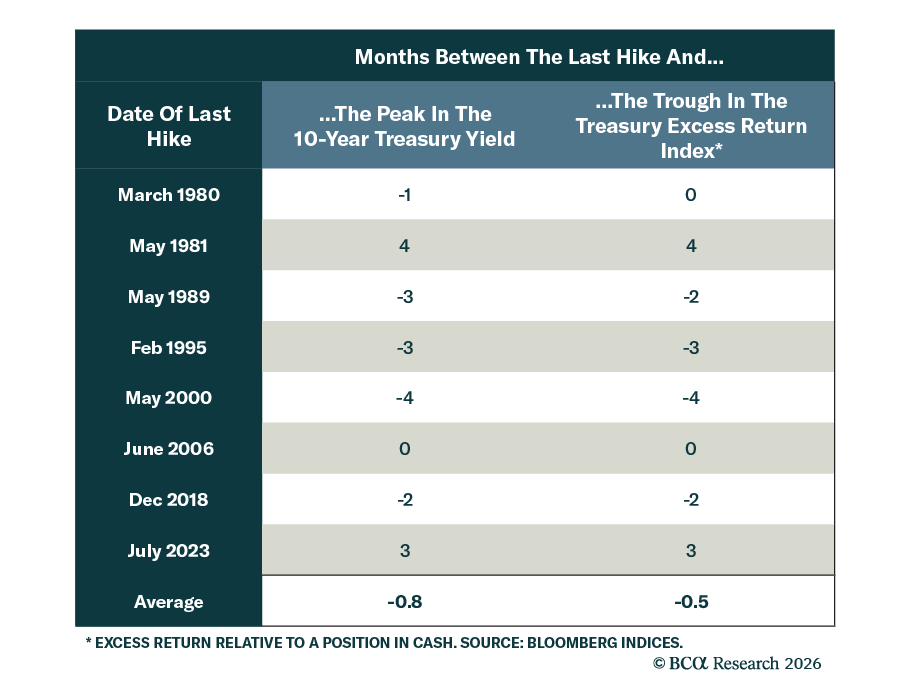
Investors should shift to a long duration stance in response to a further shift lower in inflation and/or a material tightening in financial conditions. Global government bond yields have surged since late August, and many investors are wondering whether a…
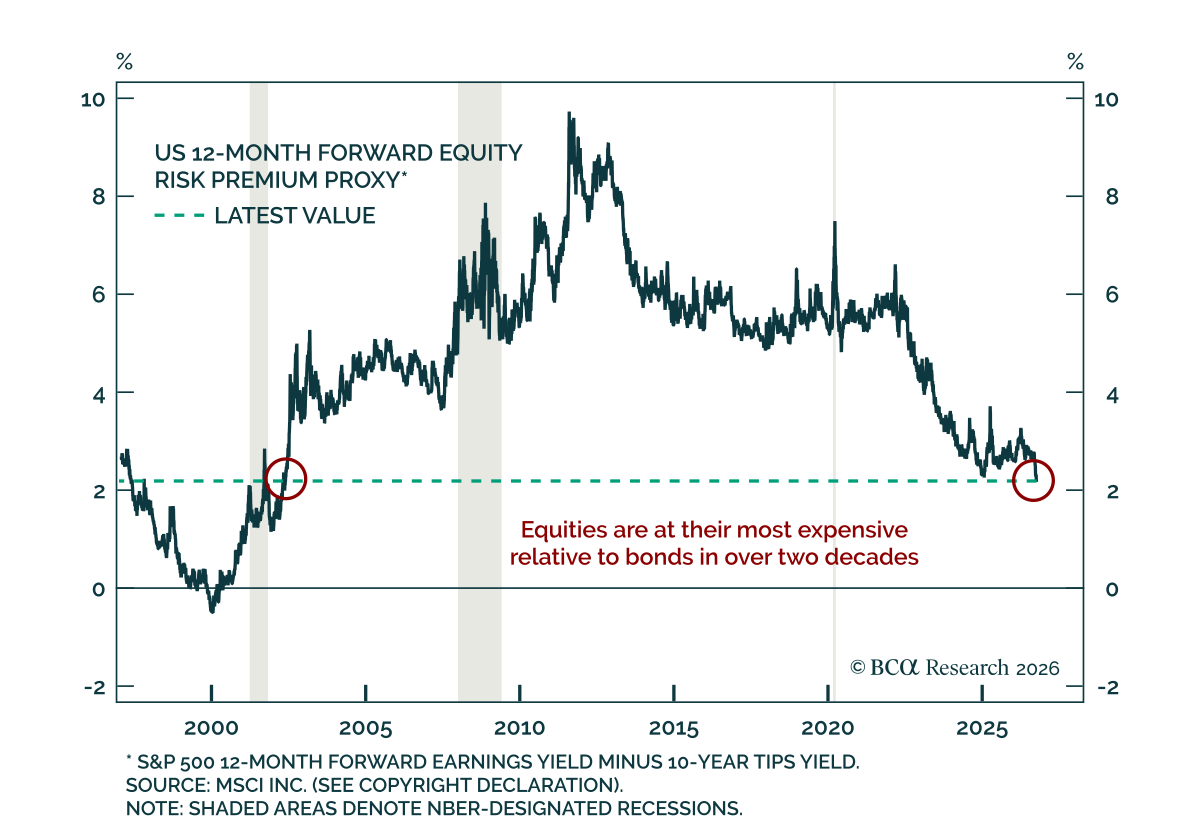
Relative to bonds, equities have become the most expensive in over two decades. Investors often examine P/E ratios in isolation, but equity valuations should take the prevailing level of bond yields into consideration. In a world with low risk-free rates of…
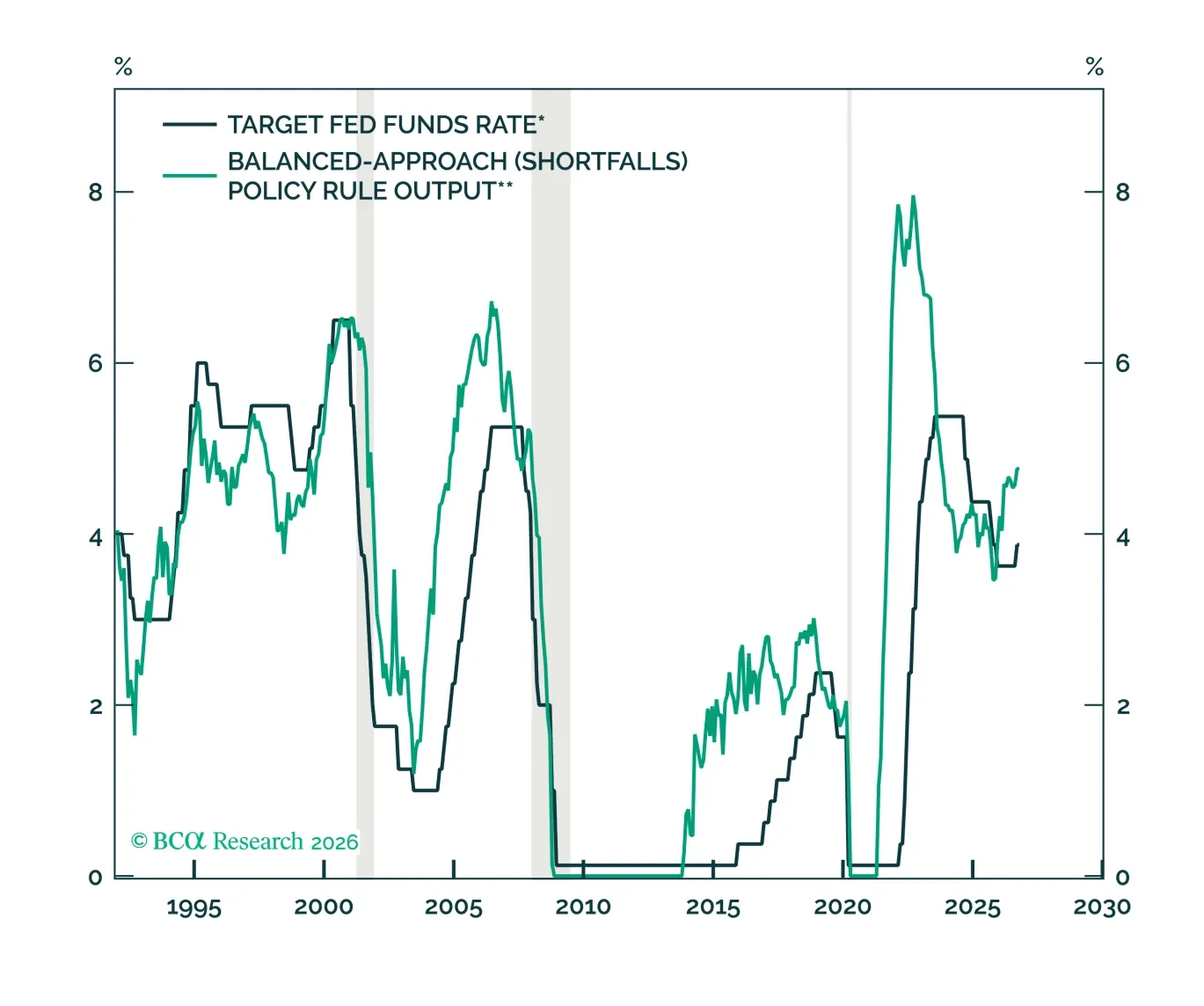
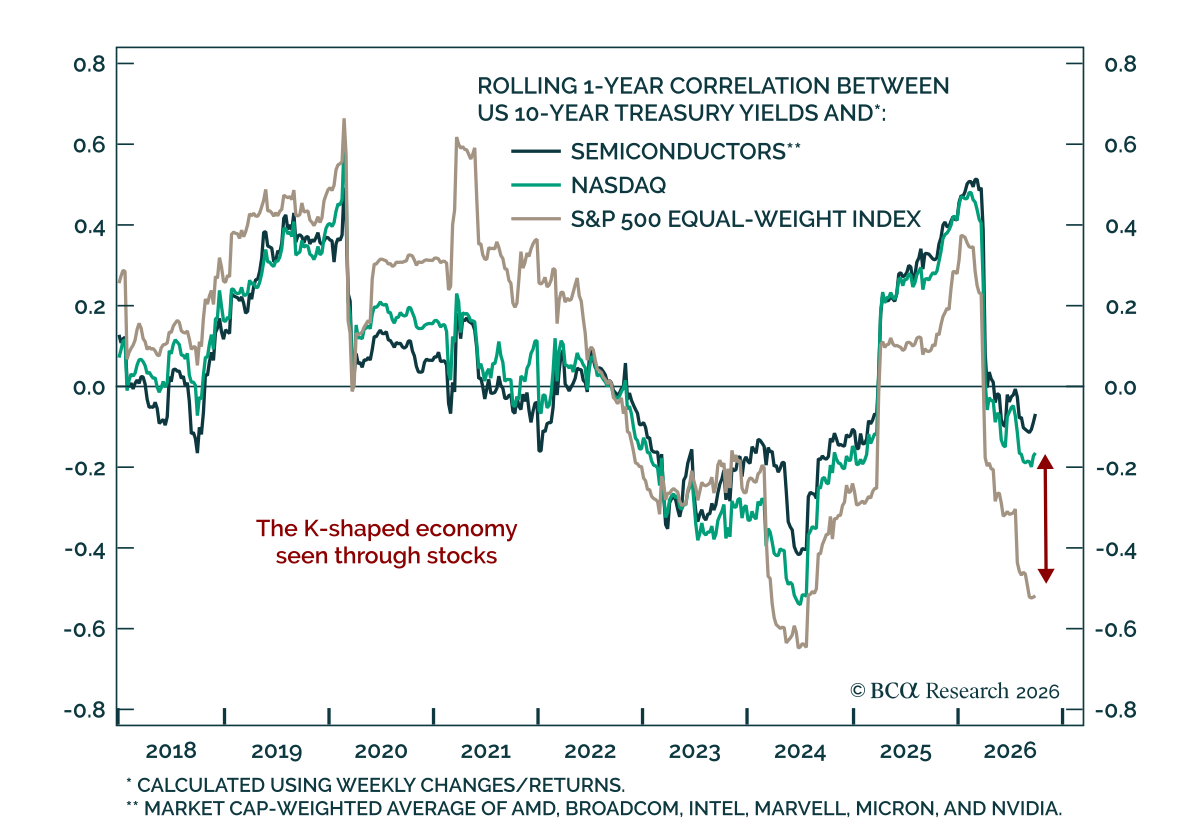
The relative resilience of tech-related stocks to higher rates, in the face of more sensitivity to yields felt by the average stock, reflects the K-shaped dynamics in the real economy. Many investors have noted that US equities have been surprisingly…
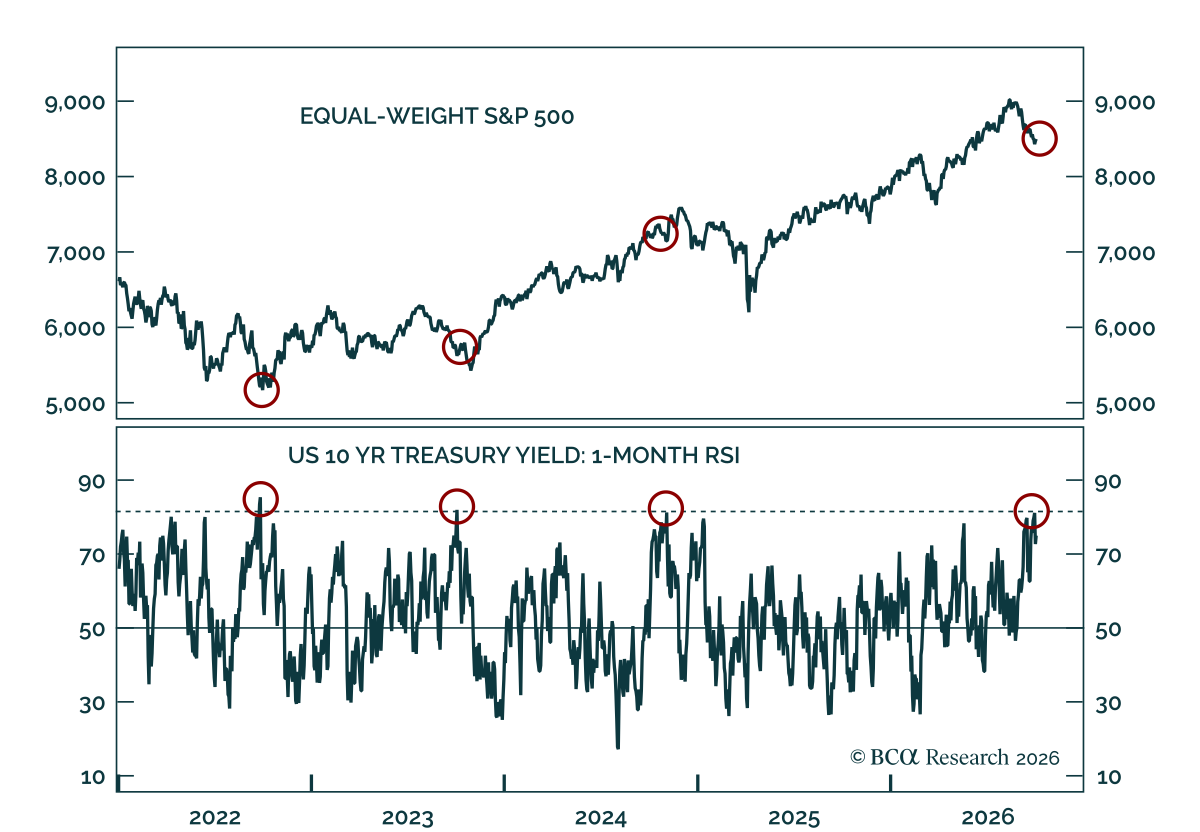
The ongoing bond selloff is becoming long in the tooth. Both stocks and bonds should experience a tactical rally into year’s end, but risks remain heading into next year. Treasury bonds are now deeply oversold, with the monthly relative strength index for the…
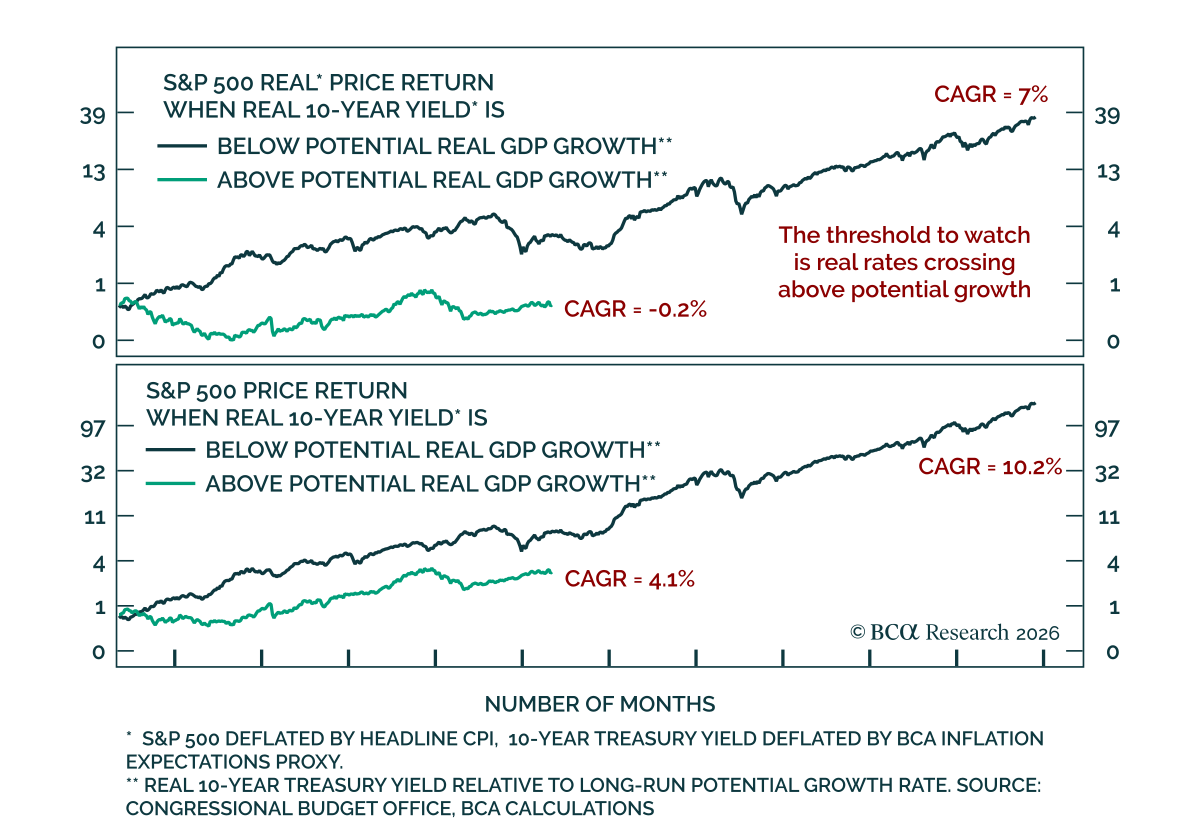
Our US investment strategists argue that the tipping point for equities lies not in the direction or absolute level of bond yields, but in real yields’ relation to the economy's underlying growth rate. Duration is a red herring for equities because the…
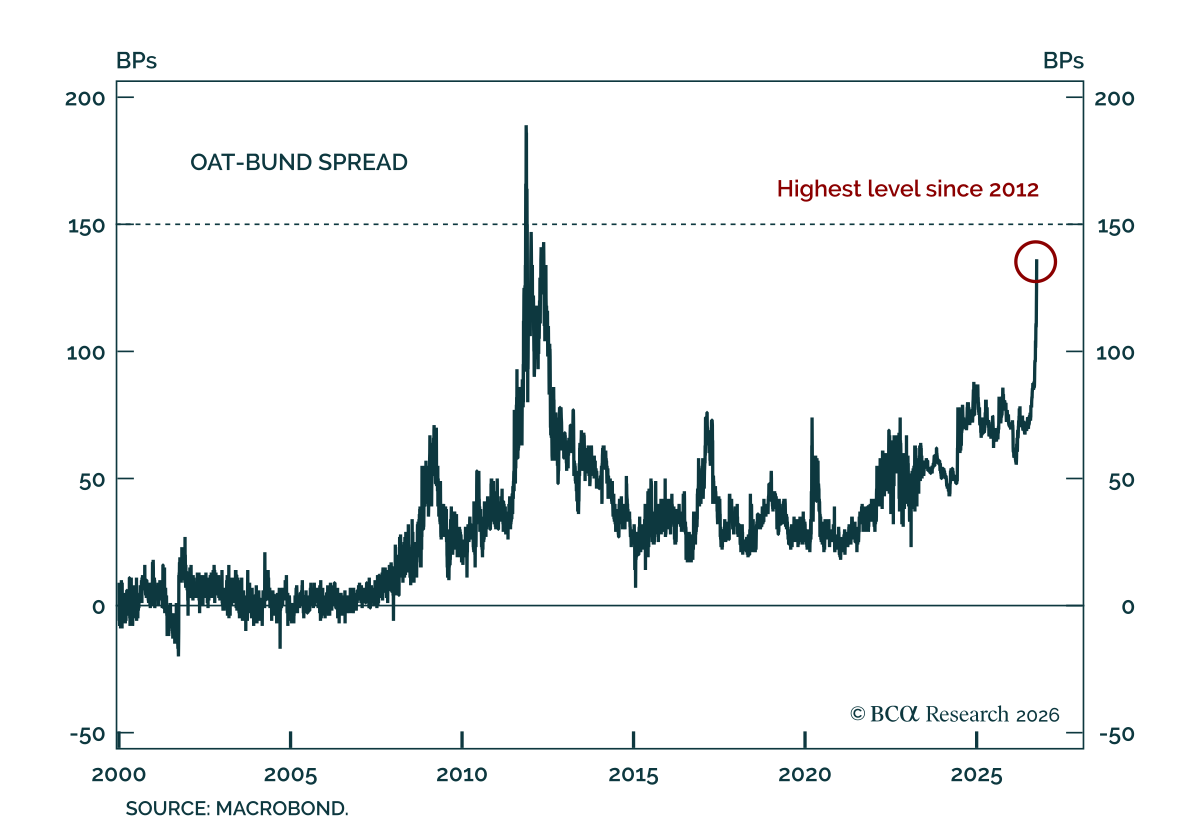
The OAT-Bund spread has widened sharply in recent weeks, reaching 150 bps last Friday, before falling back towards 140 bps. The drivers are homegrown: rising concerns about the fiscal outlook and the political uncertainty surrounding the upcoming presidential…
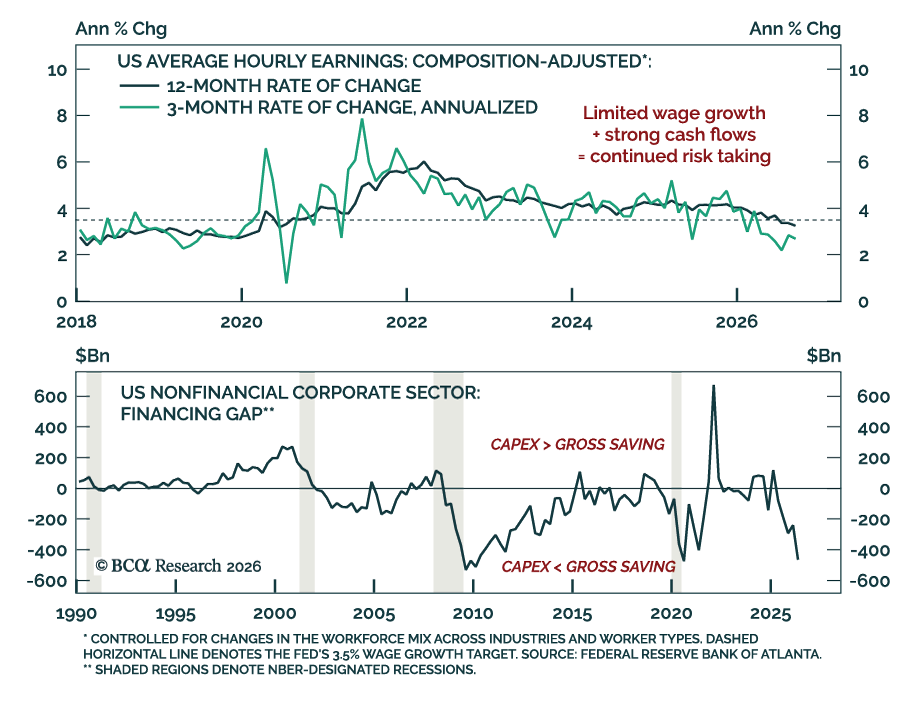
Our FICC strategists recommend staying long risk, holding neutral duration, and fading volatility spikes over the next six to nine months. While worries keep piling up, spanning politics, wars, higher yields, and doubts about AI, our colleagues argue the one…
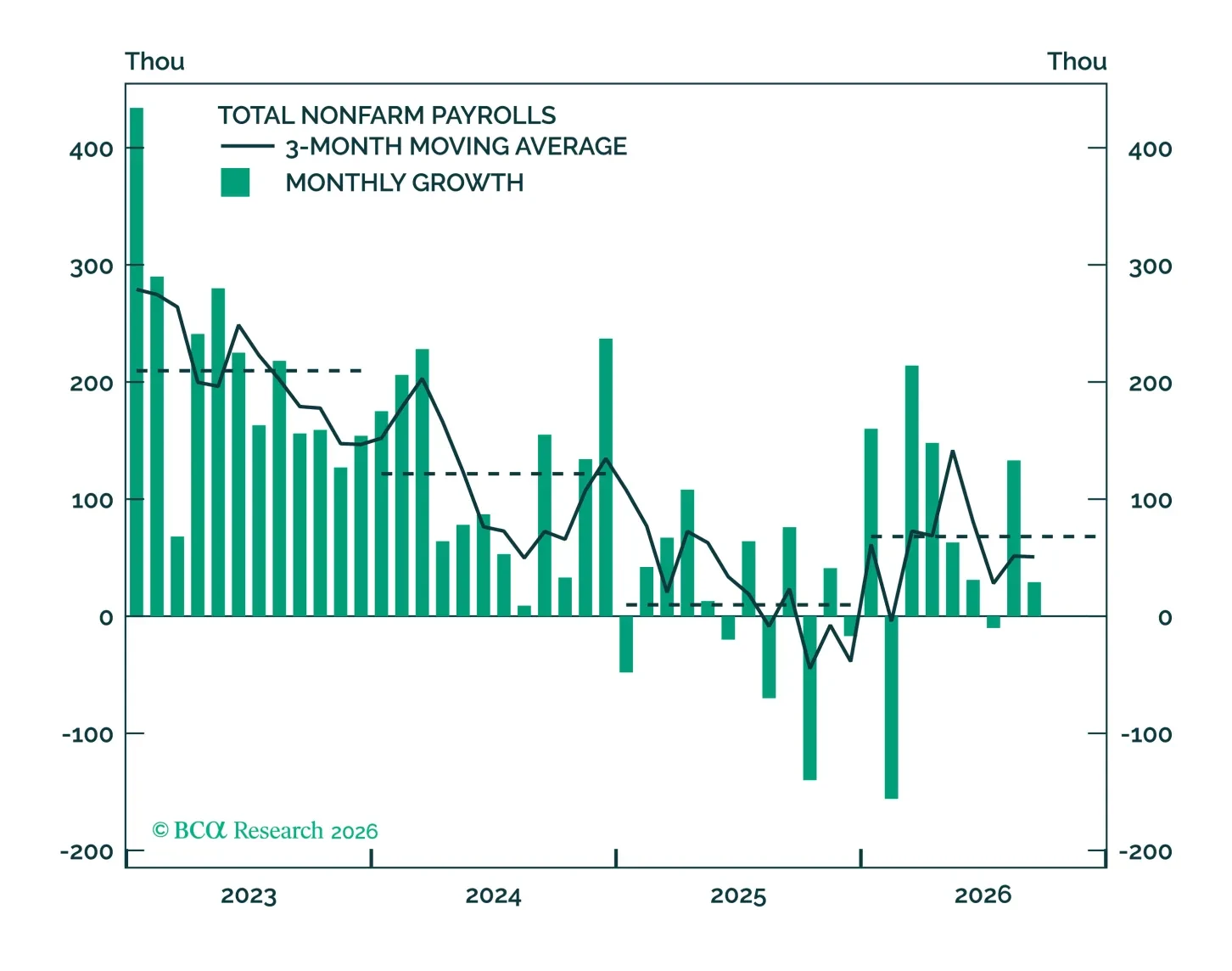
This morning’s jobs report serves to underscore that the labor market is not a source of inflationary pressure and therefore of second-order importance when it comes to the Fed’s near-term decision making.