 CoreMacro
Find out more
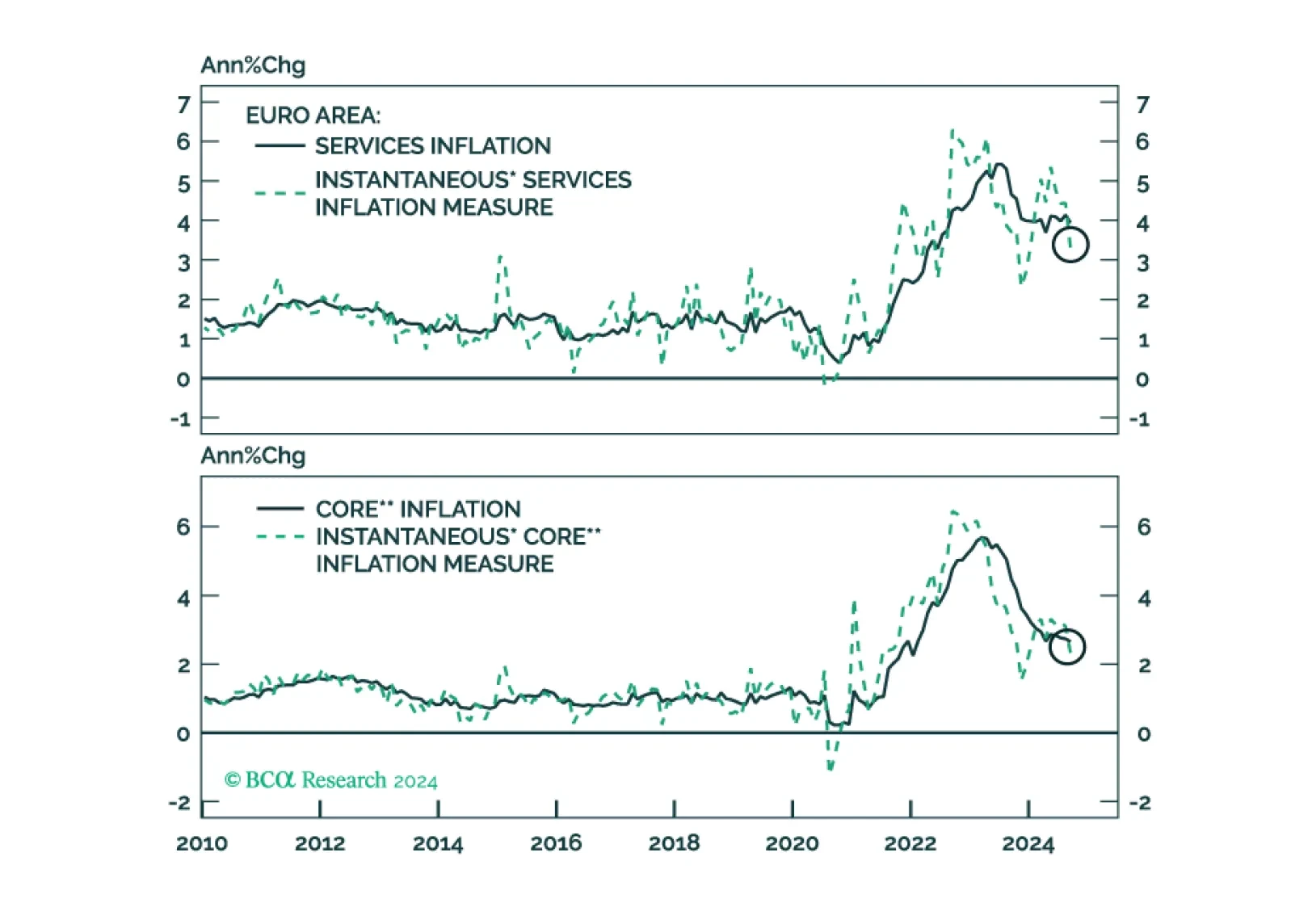
Yesterday, the ECB solidified its recent dovish tilt in response to weaker growth and decreasing inflationary pressures. It is now set to cut rates 25bps each meeting. How low will the ECB deposit rate ultimately go and what does this imply for yields and the euro?
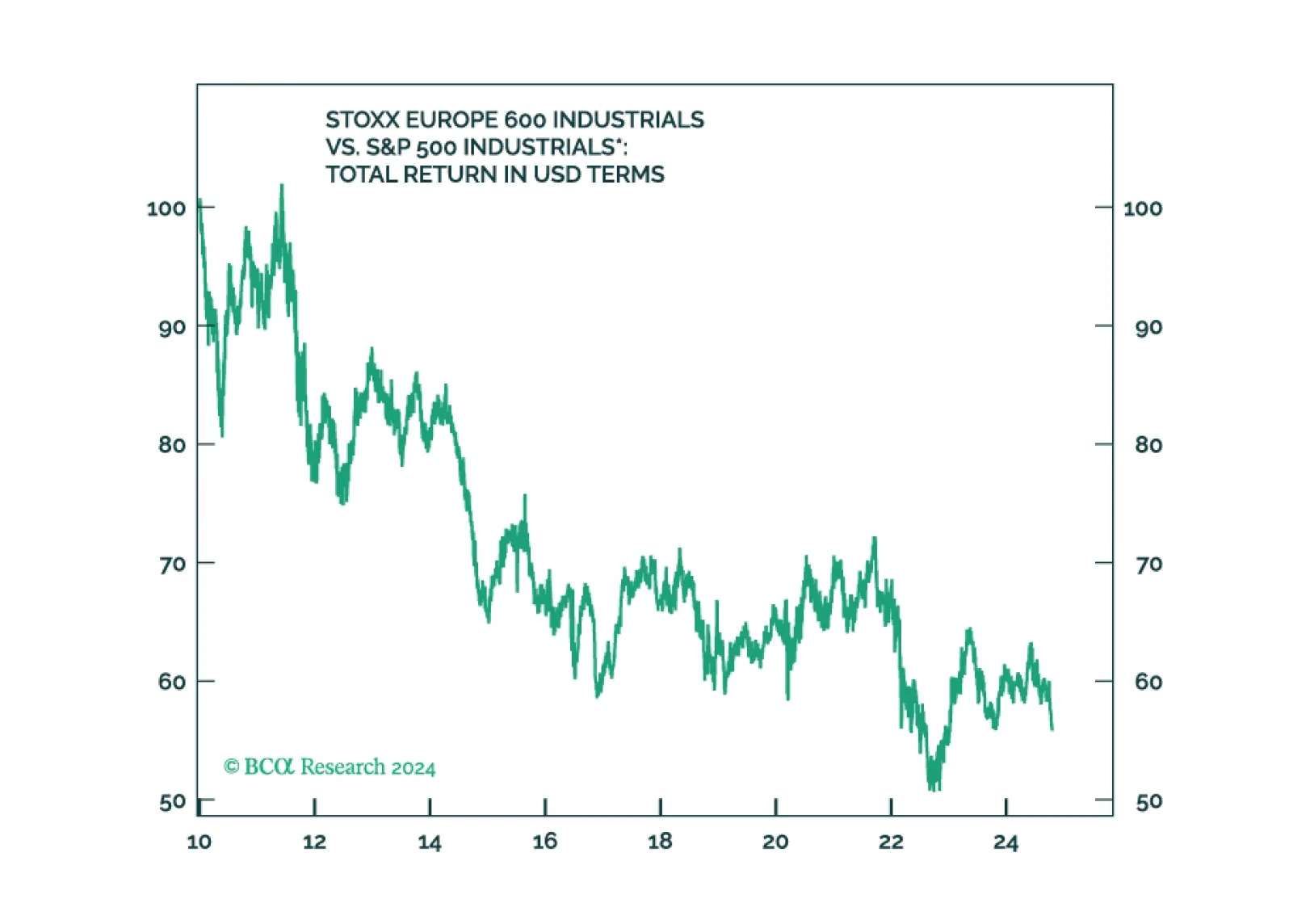
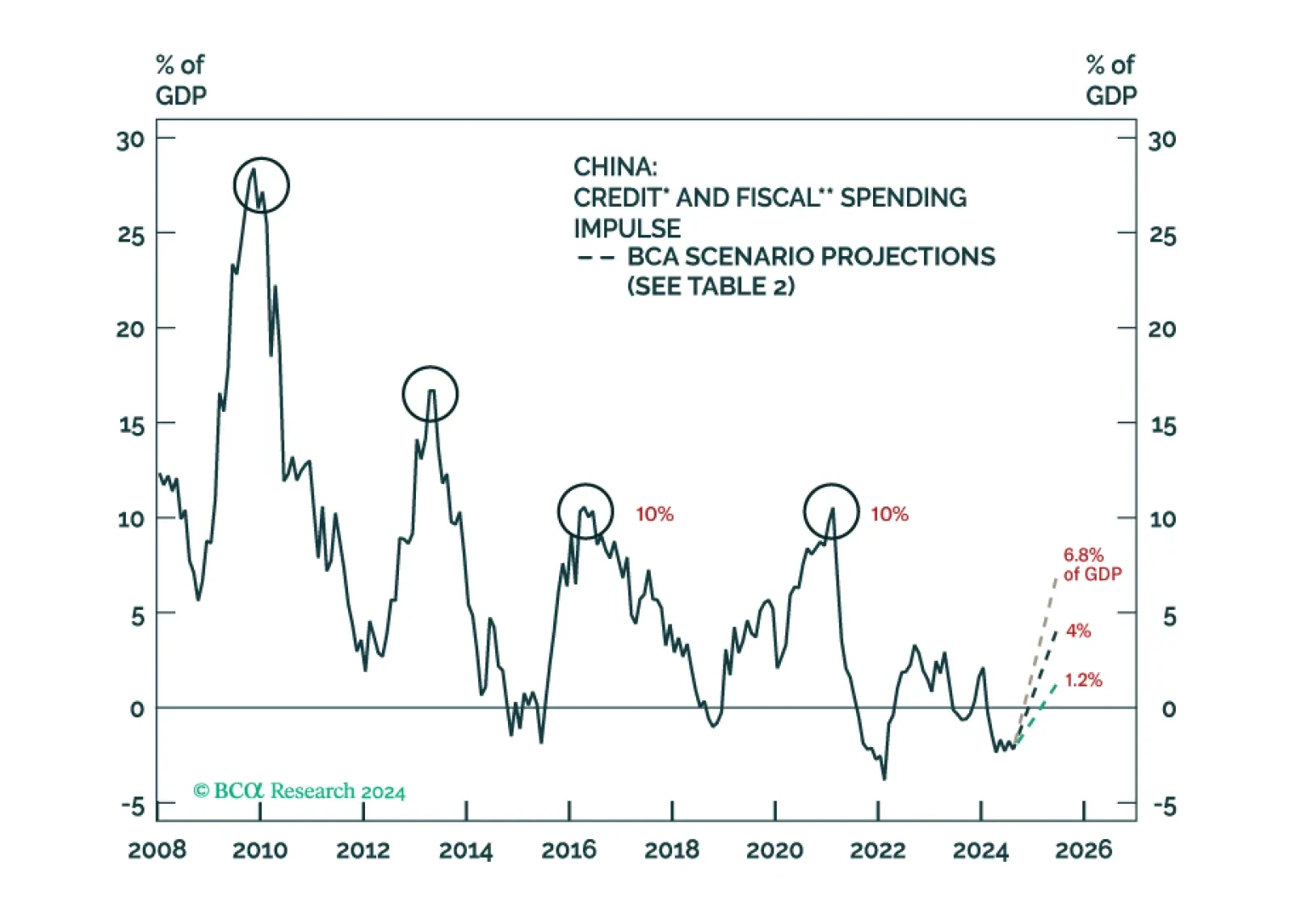
To produce a moderate economic recovery, at least RMB 3 trillion in additional government expenditures is needed in H1 2025. Our bias is that Beijing is not yet ready to launch such a massive fiscal support measure. Hence, volatility-adjusted equity returns in China will be poor.
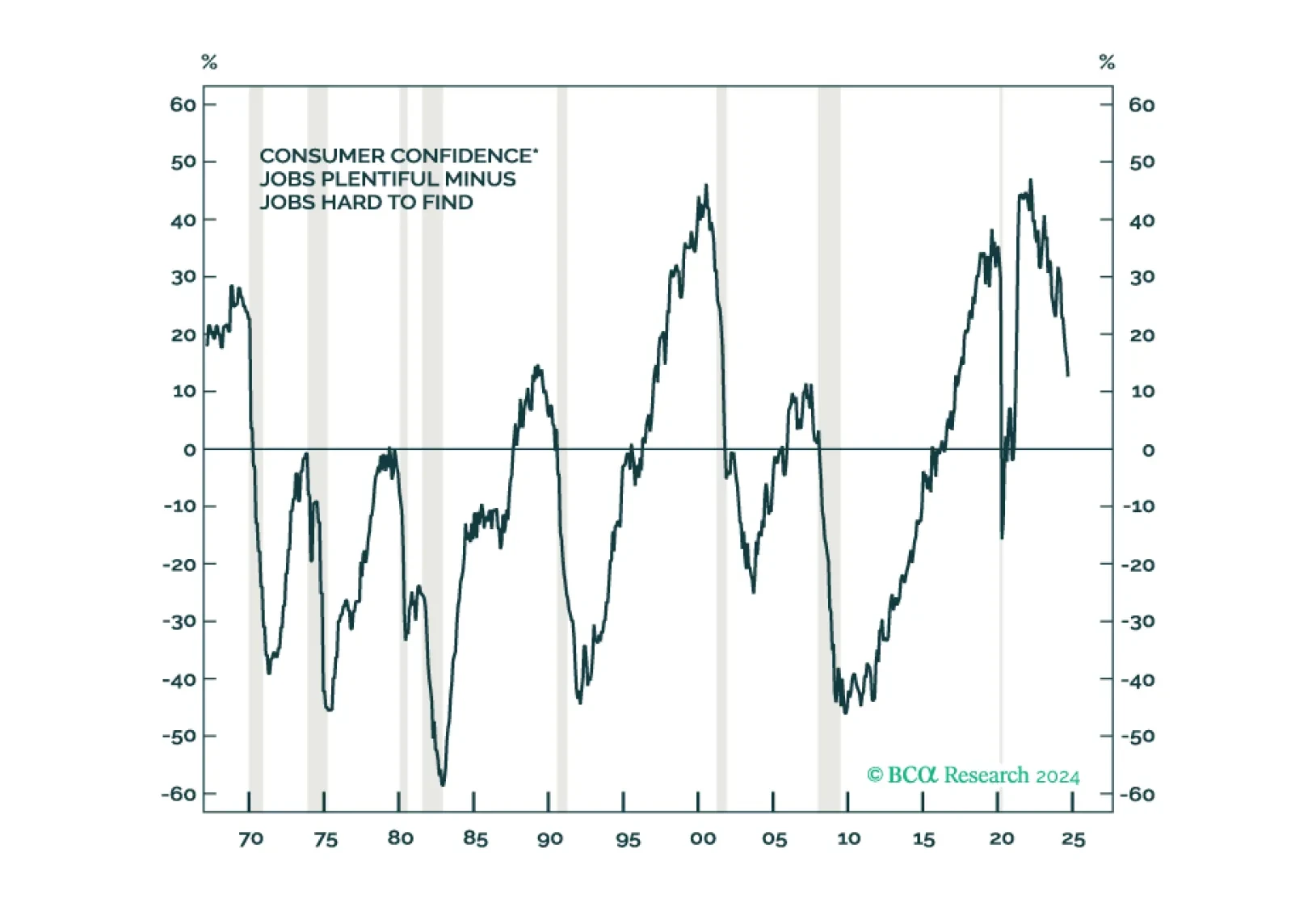
Rising stock prices and improving economic data have us re-examining our bearish thesis, but we still see deterioration in leading labor market indicators and expect it will eventually culminate in a recession. We reiterate our defensive investment recommendations.
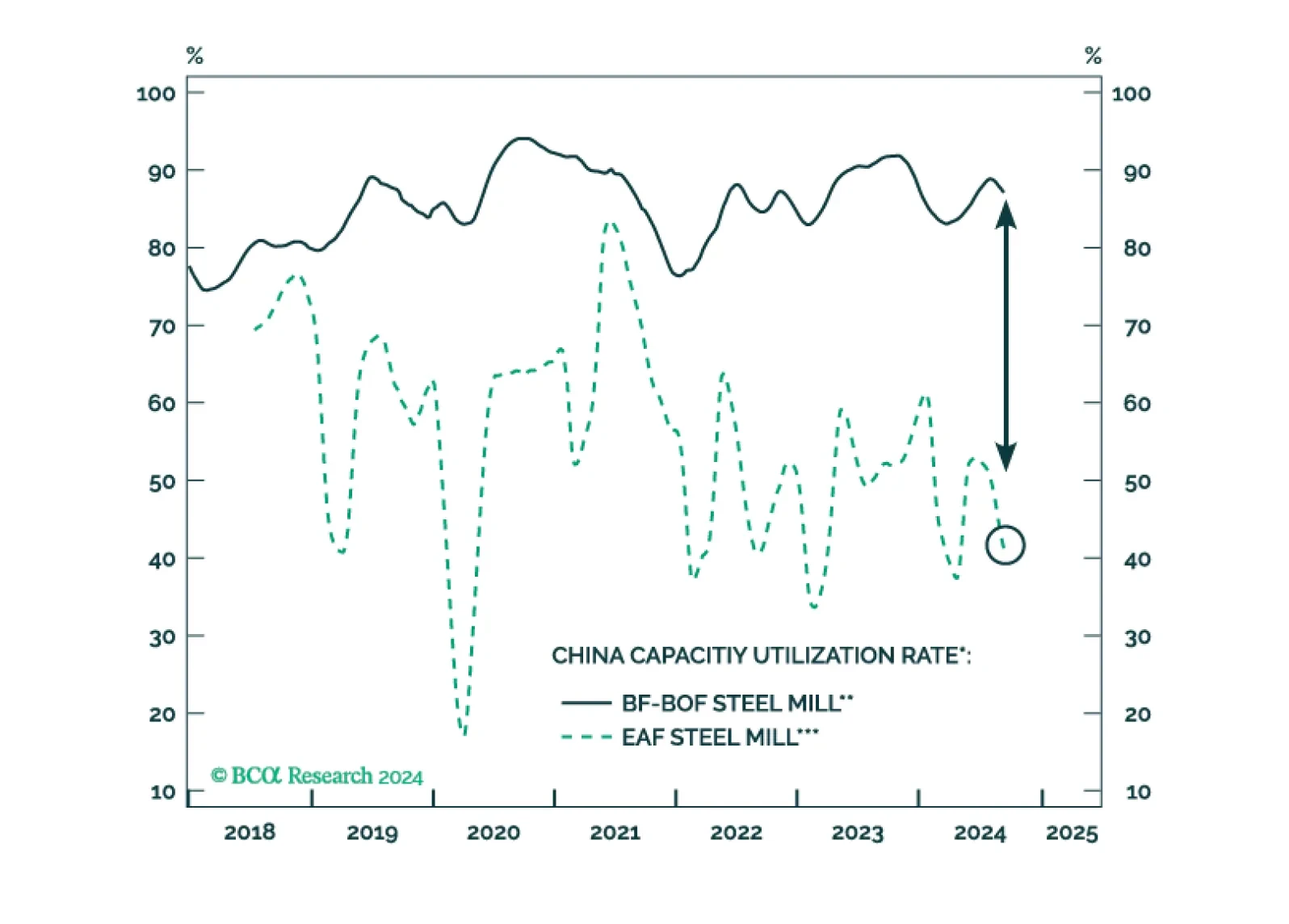

This week, we cover the main questions we fielded during our latest client trip in Europe. Among the many topics broached are Europe’s recession odds, the impact of China’s stimulus, and the outlook for European markets.
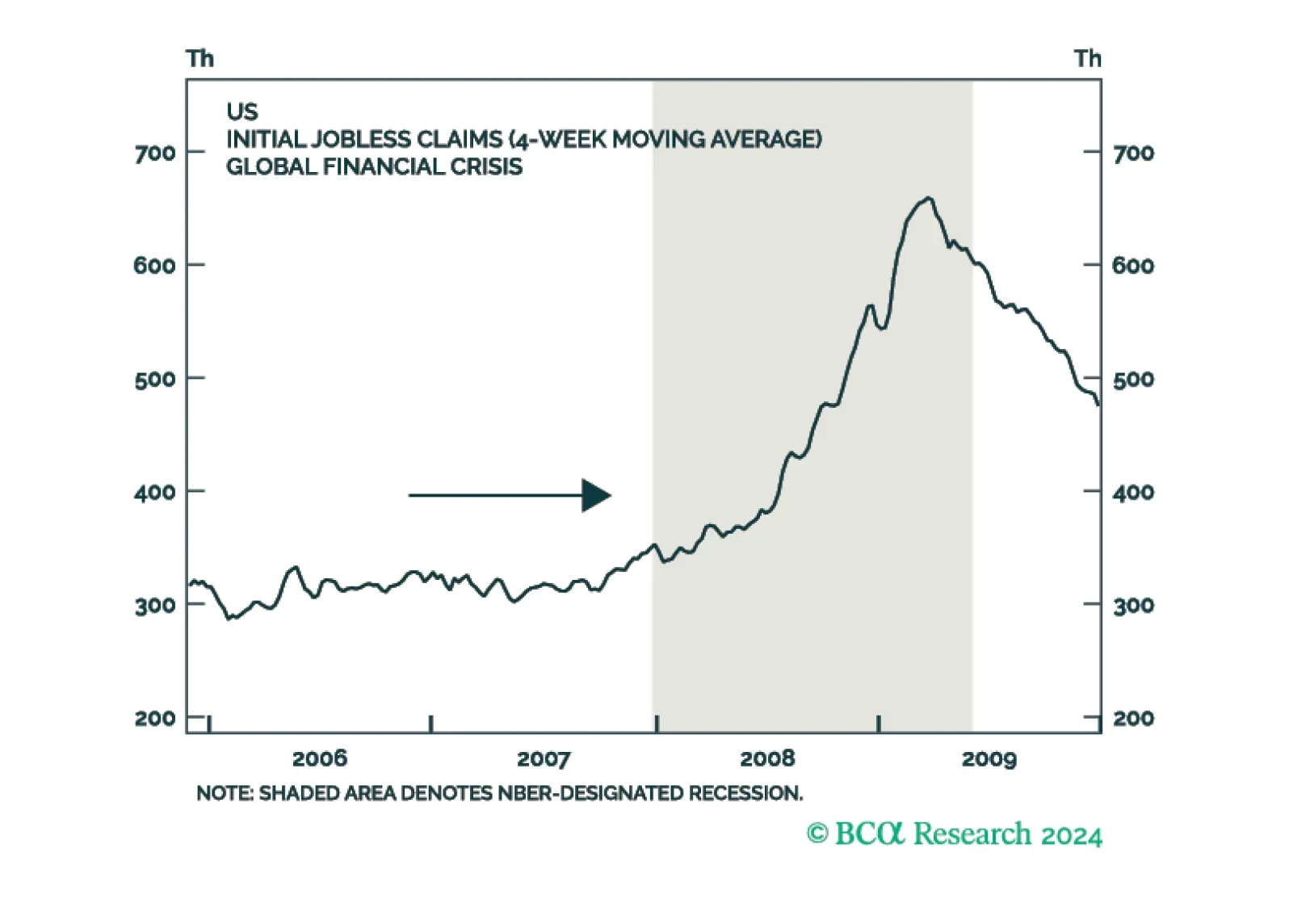
Whenever I present a skeptical view about the strength of the US labor market, I am often reminded that layoffs remain very low.
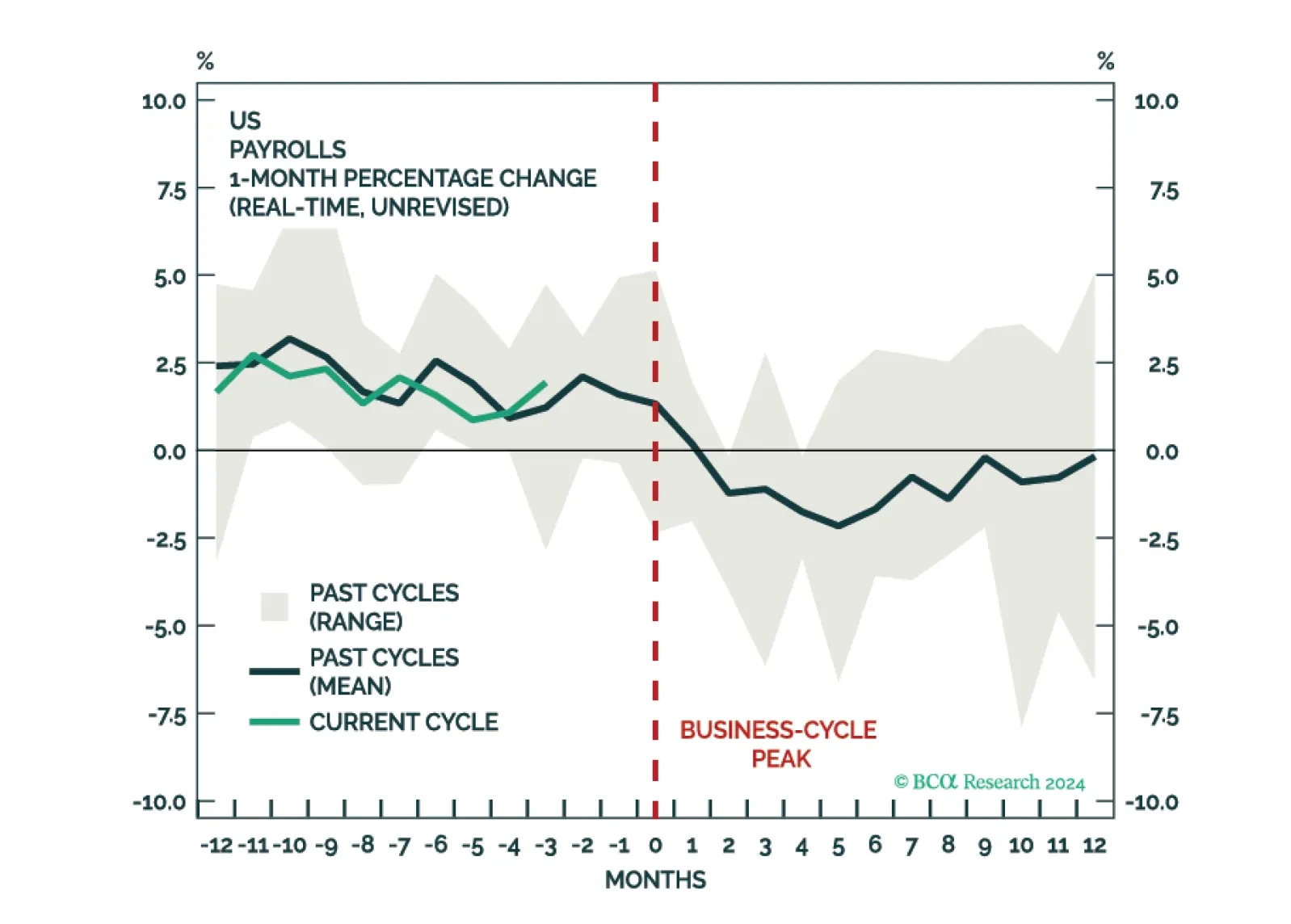
It is too early to say that the US labor market has turned the corner. We assign a 60% chance that the US will enter a recession over the next 12 months, with the downturn likely to begin in the first half of 2025. Accordingly, investors should underweight equities.
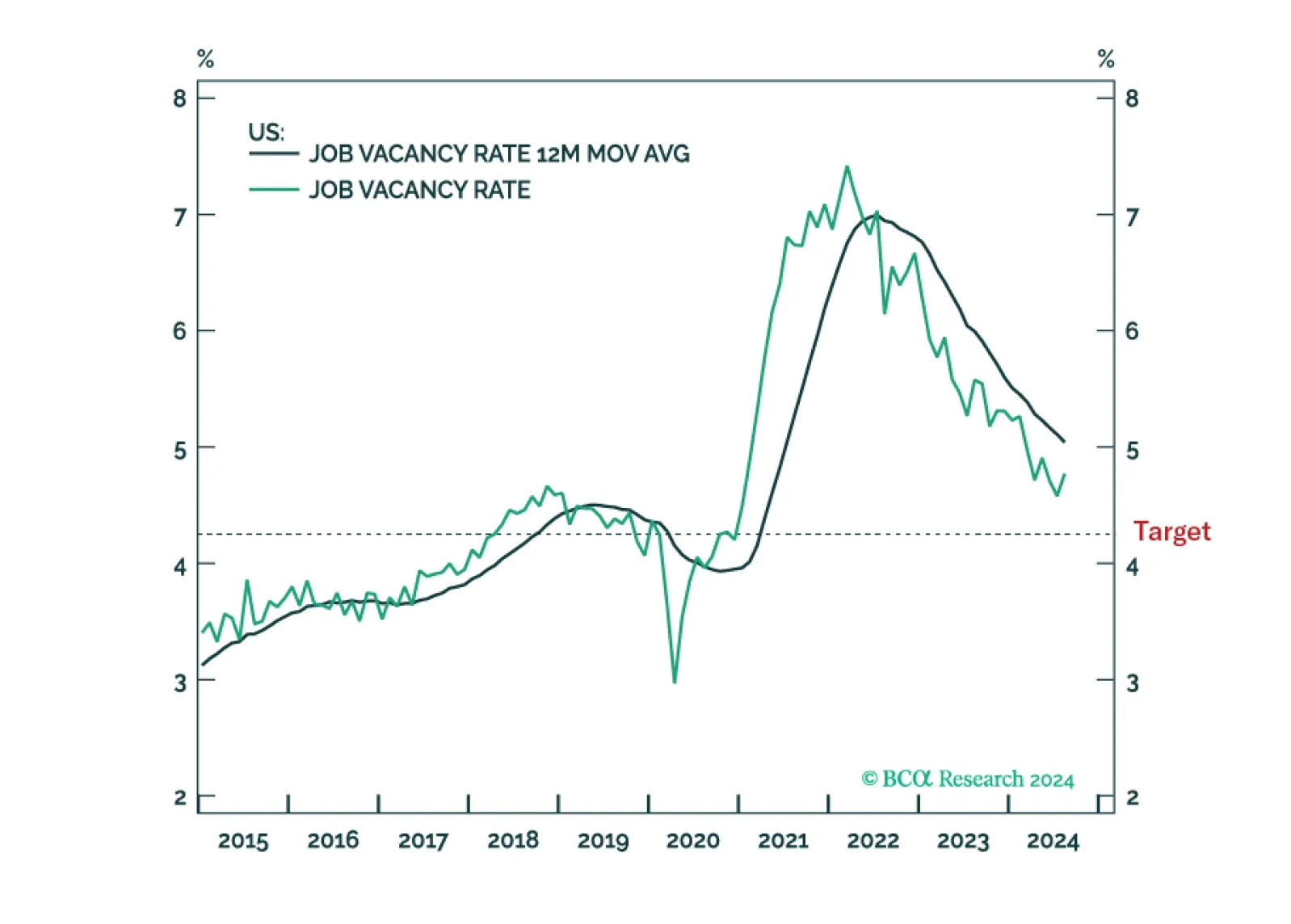
The good news is that we should not fear an imminent US recession. In the absence of a recession though, the Fed cannot cut rates as aggressively as is priced if it wants to keep inflation and inflation expectations anchored at 2 percent. This means that for stock markets the real risk is not a profits recession, the real risk is a valuation recession. We go through the investment implications for stocks, bonds, and currencies. Plus: we explain why, somewhat counterintuitively, gold is a tactical short.
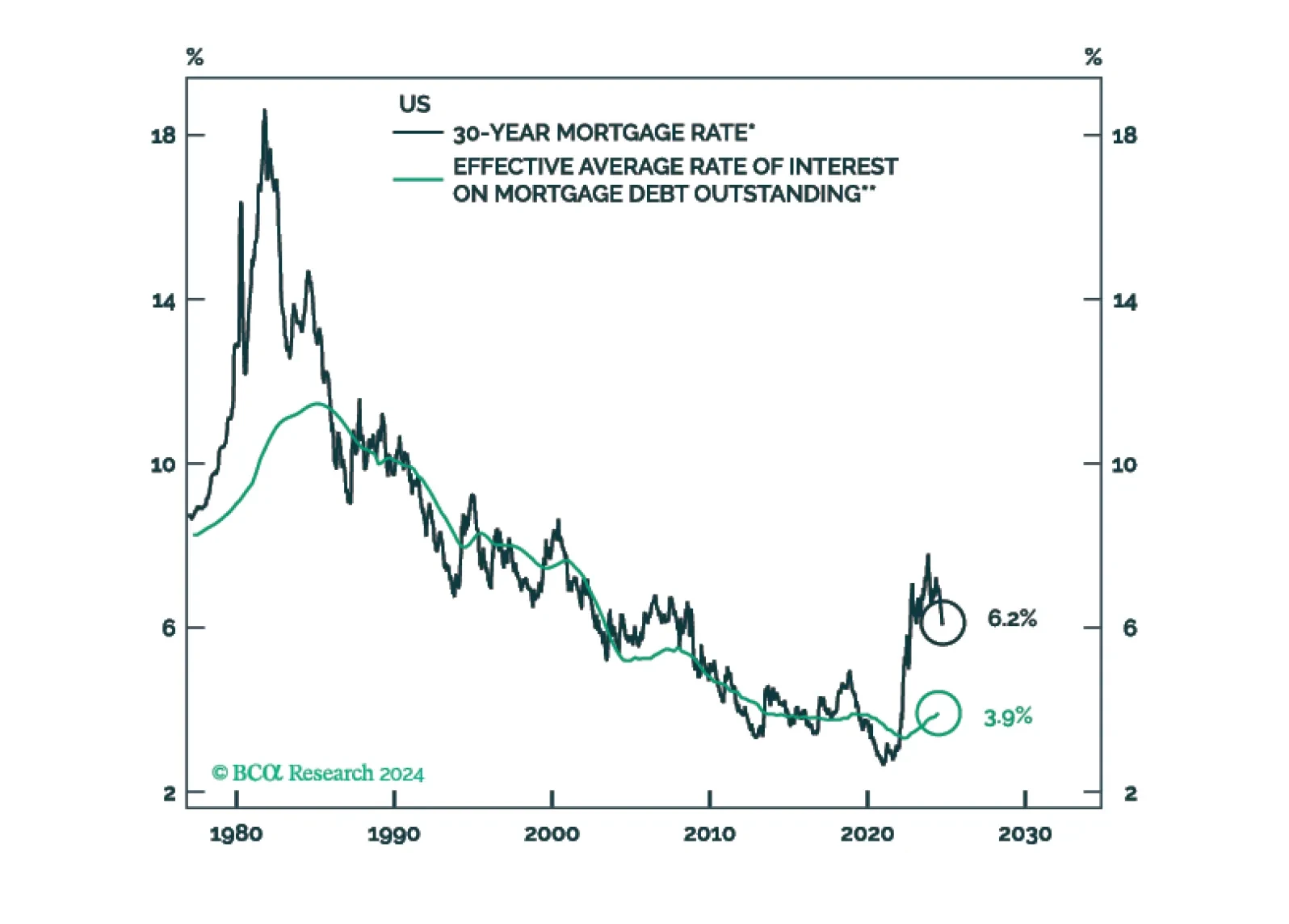
Following last week's strong jobs report, I'm hearing more people argue that a 4% Treasury yield is not that restrictive after all. To see why this view is wrong, suppose that the 10-year Treasury yield stays at 4% and mortgage rates remain roughly where they are.