 CoreMacro
Find out more
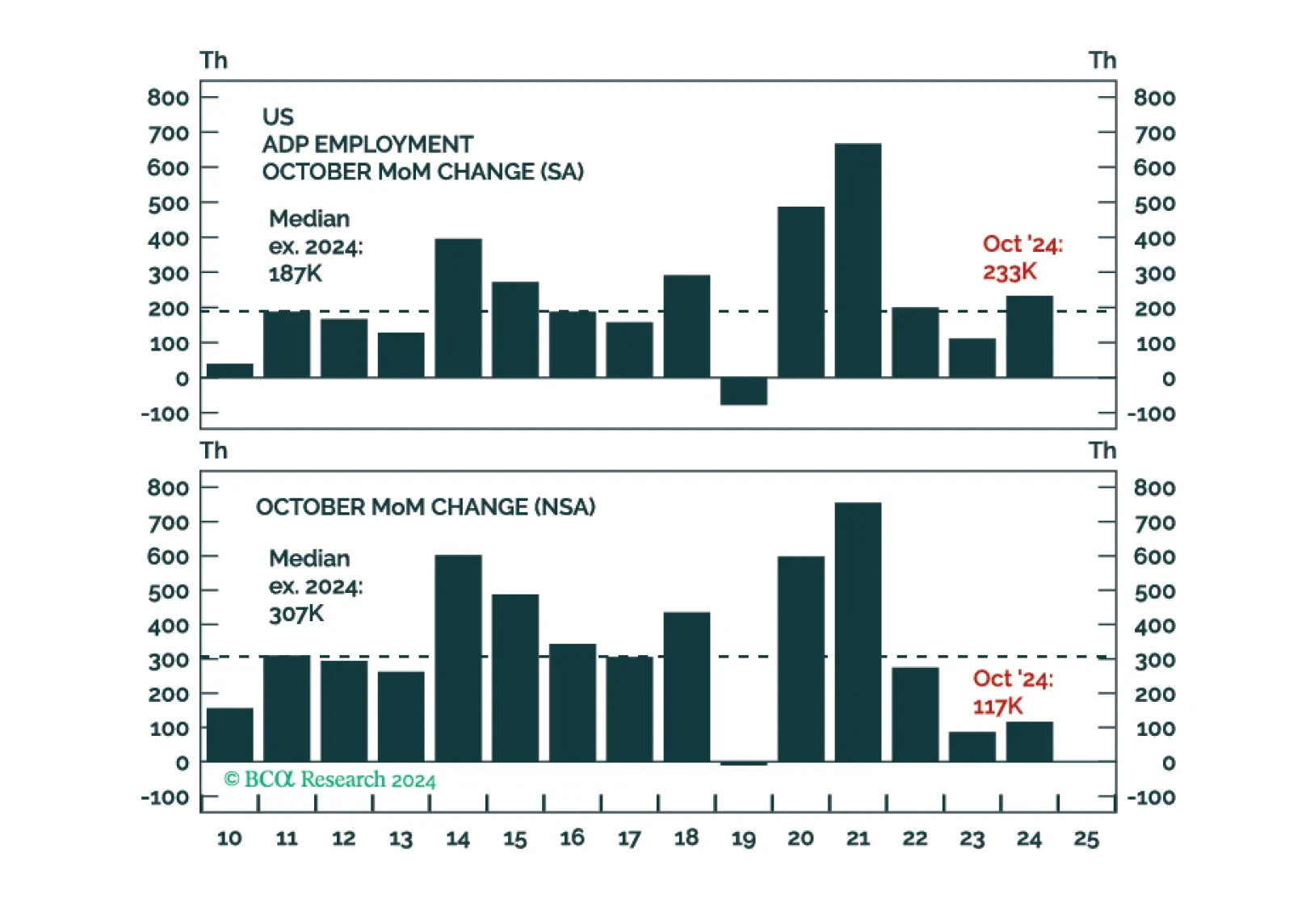
ADP's estimate of private payrolls rose by 233K on a seasonally adjusted basis in October, blowing away the consensus estimate of 111K.
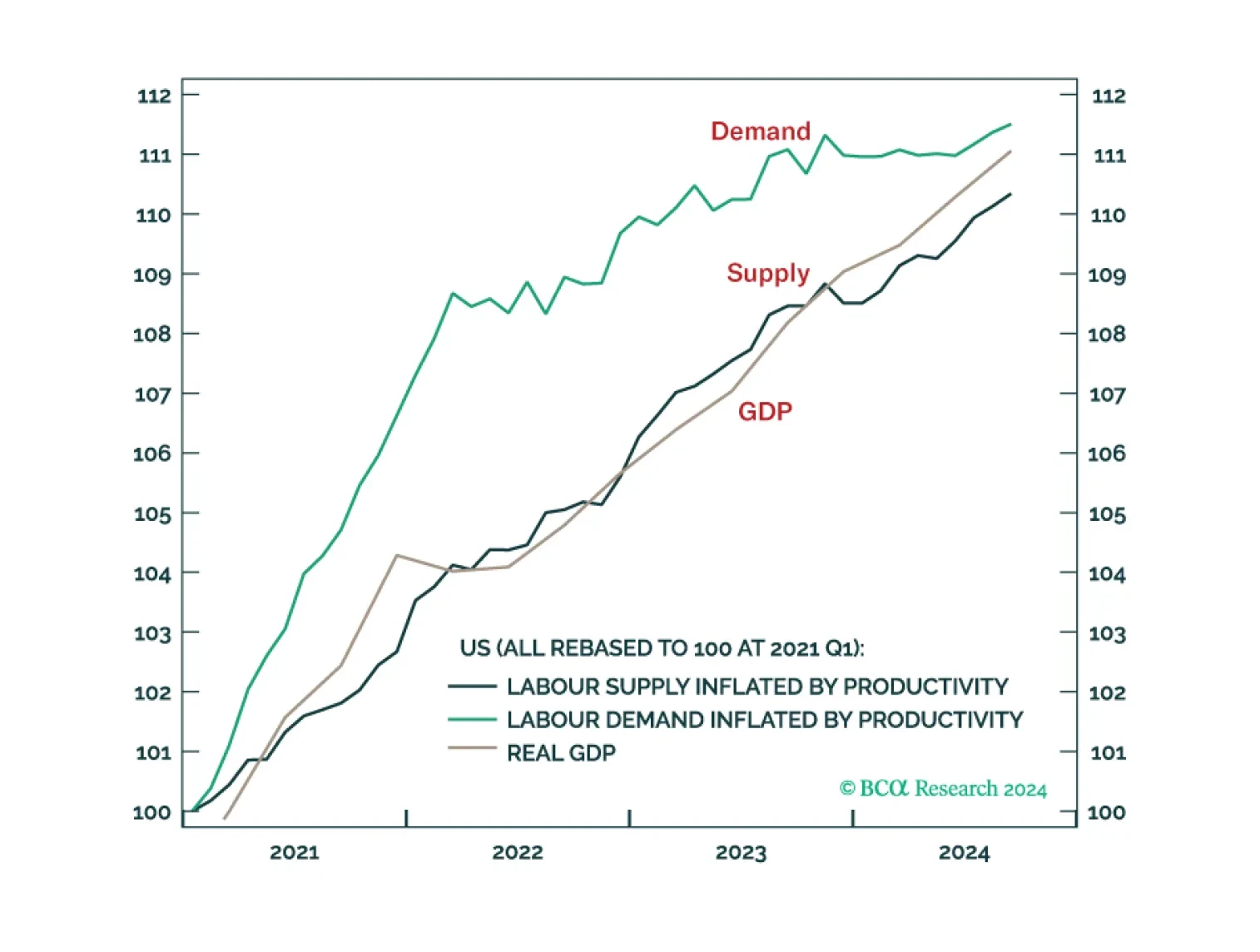
A Trump victory offers a buying opportunity for bonds; a Harris victory offers a selling opportunity for bonds. We explain why.

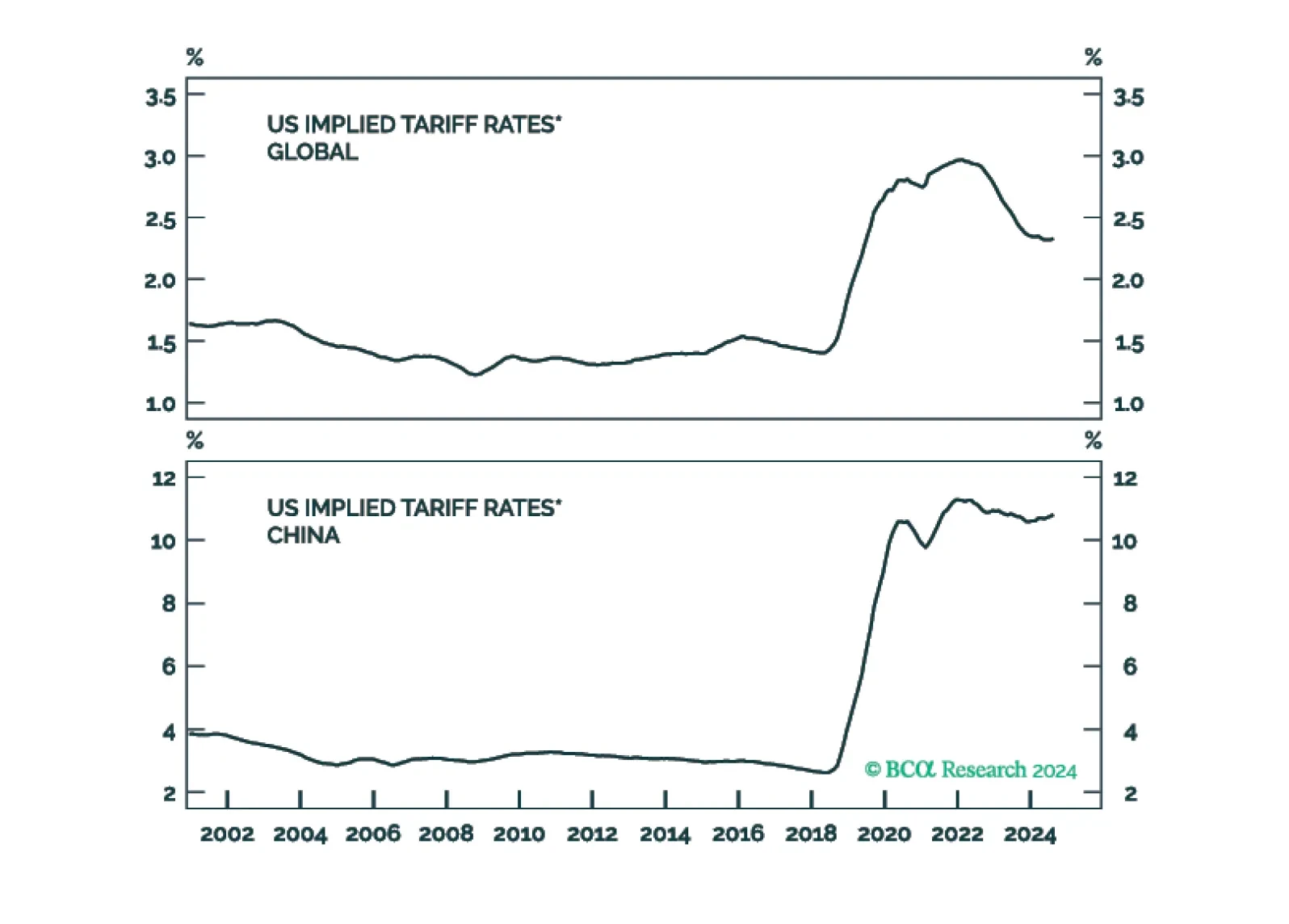
Back in 2016, there was widespread concern that if Donald Trump became president, he would start a trade war. As it turned out, Trump did become president and he did start a trade war, but the US economy continued growing anyway. In a study published in August 2019, the Congressional Budget Office concluded that Trump's tariffs reduced the level of US real GDP by 0.3% - not immaterial but not earth-shattering either.
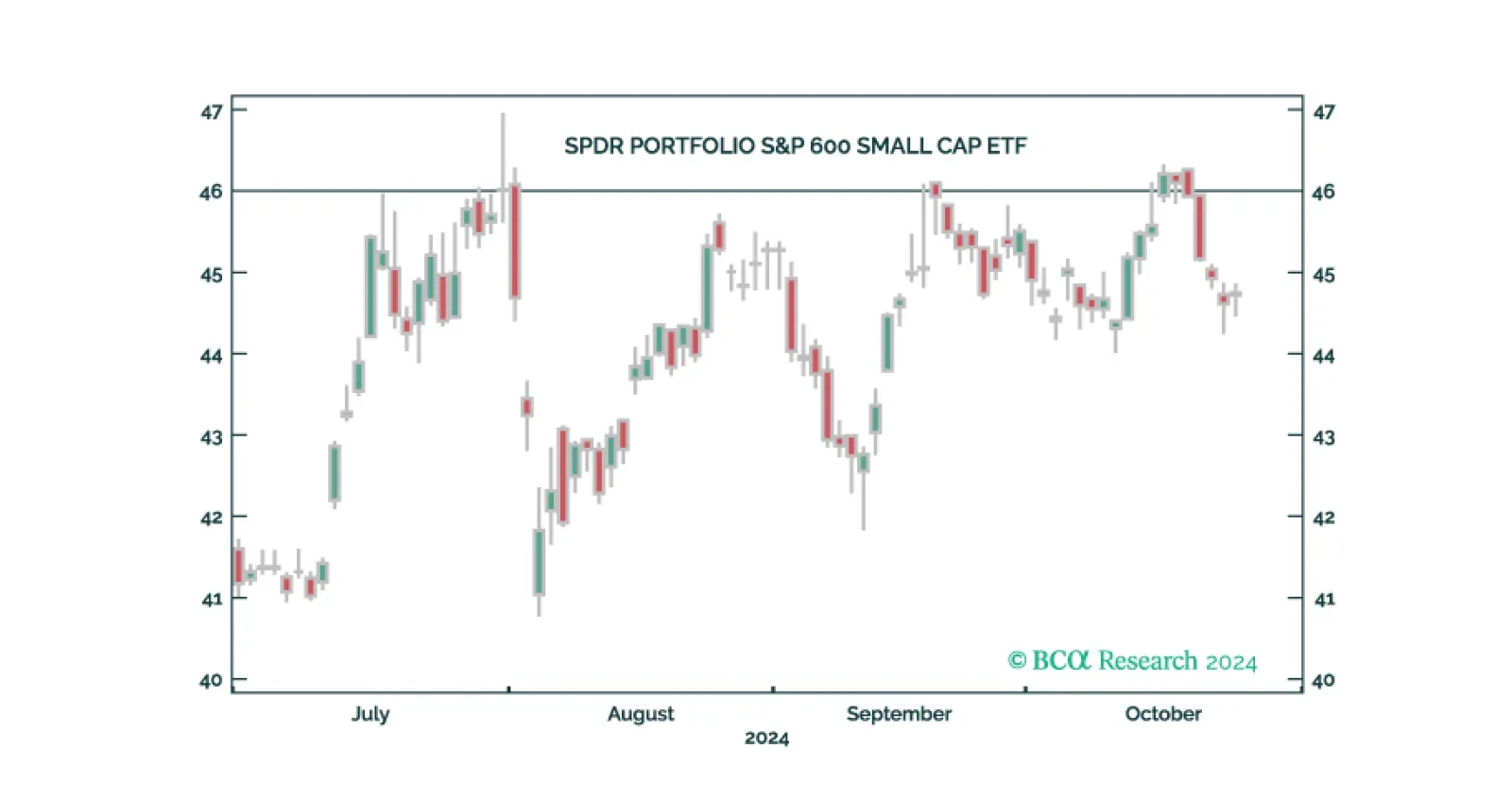
Middle-aged households have lagged youngish and older households since the pandemic and the 40-to-54 cohort is worse off than it was at the end of 2019. The fragmenting of the seemingly monolithic US consumer widens the path to a recession and we reiterate our defensive asset allocation recommendations.
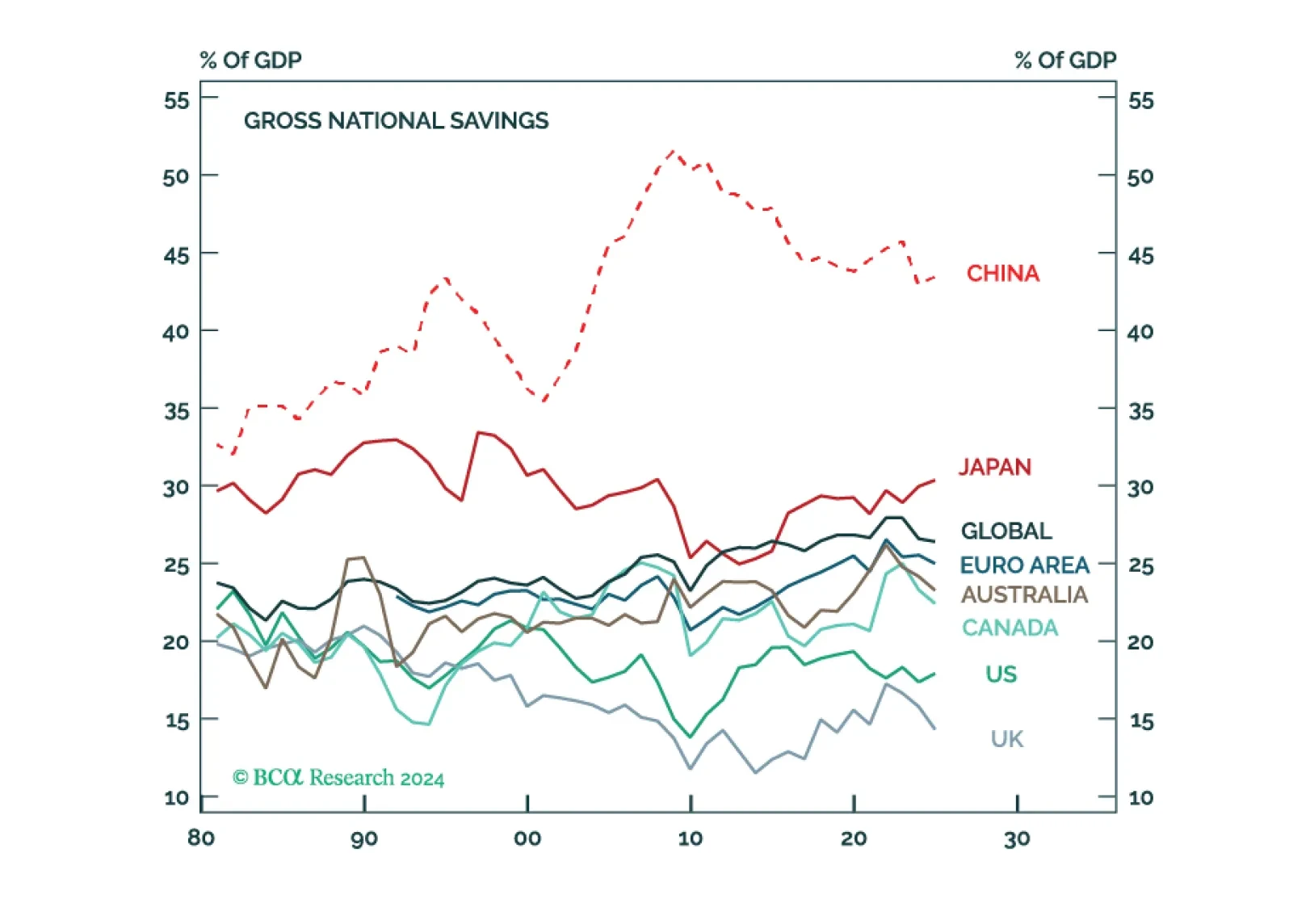
In this report, we discuss why we are lifting our US recession probability from 60% to 65% and explain why China’s latest stimulus announcements are welcome, but probably are “too little, too late.”
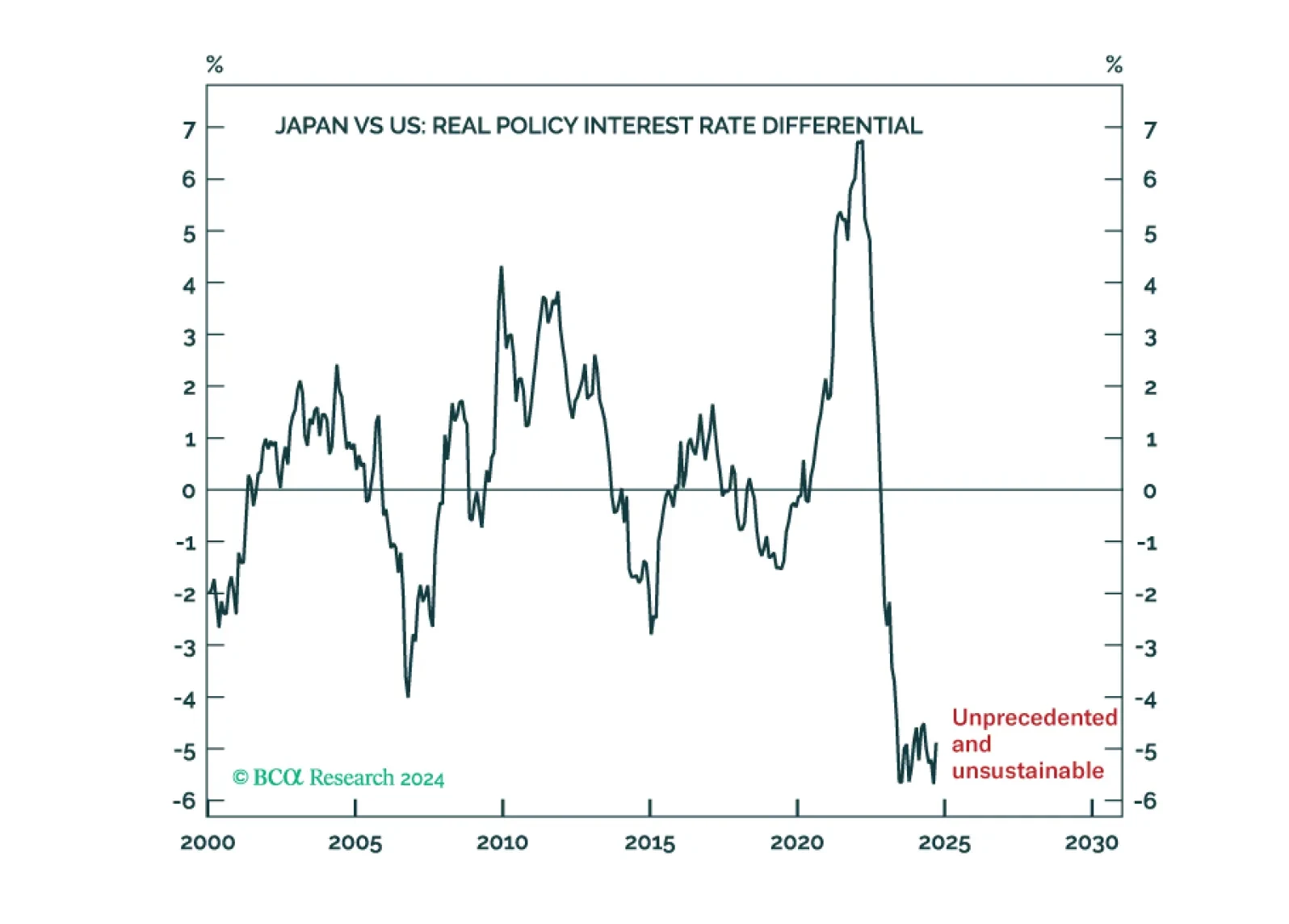
The biggest risk to the equity bull market is not a US recession. The biggest risk is the end of the deeply negative real rates in Japan versus the US that have caused the rampant post-2022 inflation in US tech stock valuations. We go through the investment implications. Plus: bond prices have further tactical downside whoever wins the US election.
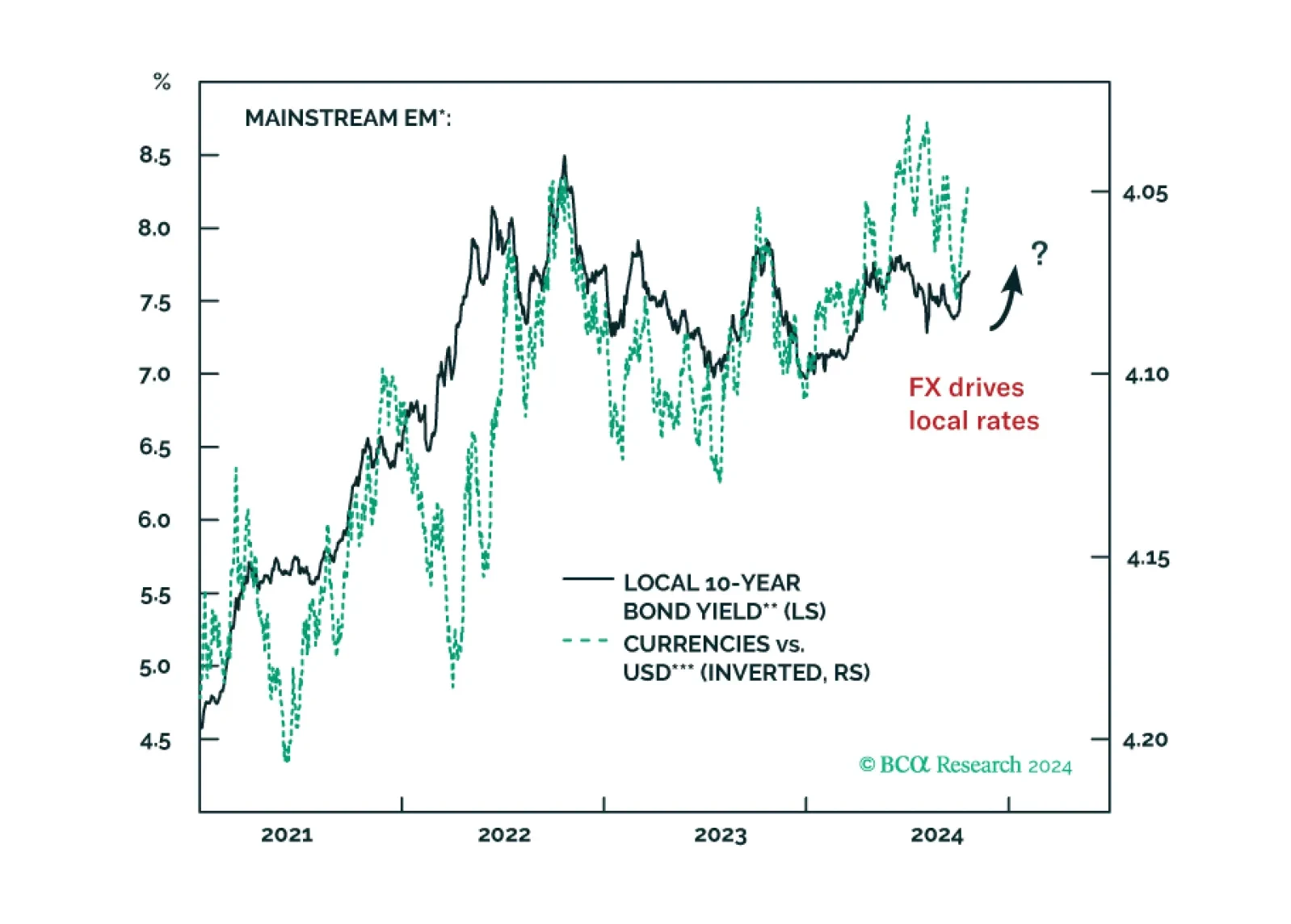
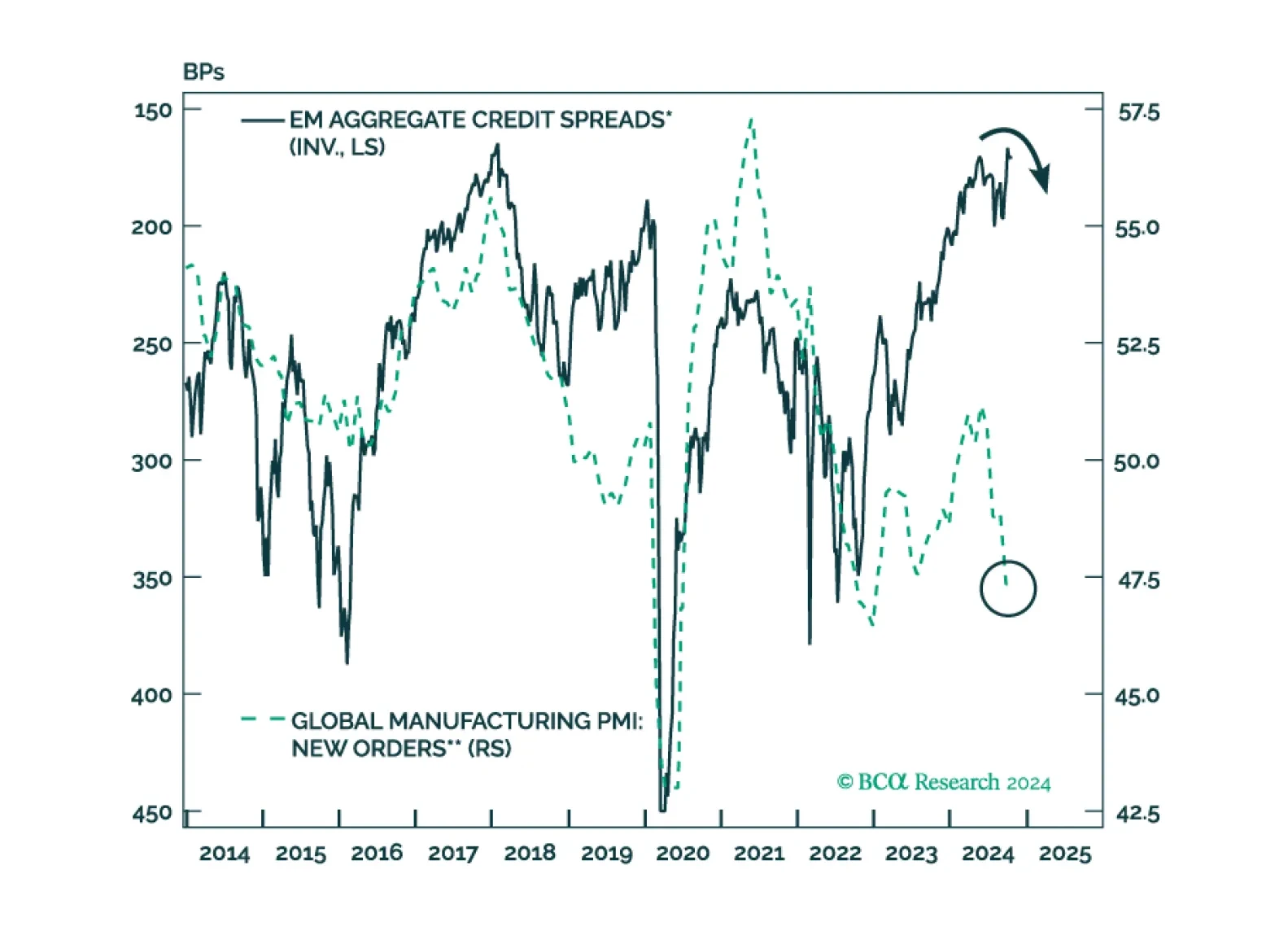
As the odds of a Trump victory increase, there are indications that the “Trump trade” has commenced in global financial markets, with negative short-term implications for EM. In short, the US dollar will strengthen, and US bond yields will rise in the lead-up to and after the election if Trump wins. In response, EM countries’ currencies will depreciate, and their fixed-income and equity markets will suffer over the coming months.
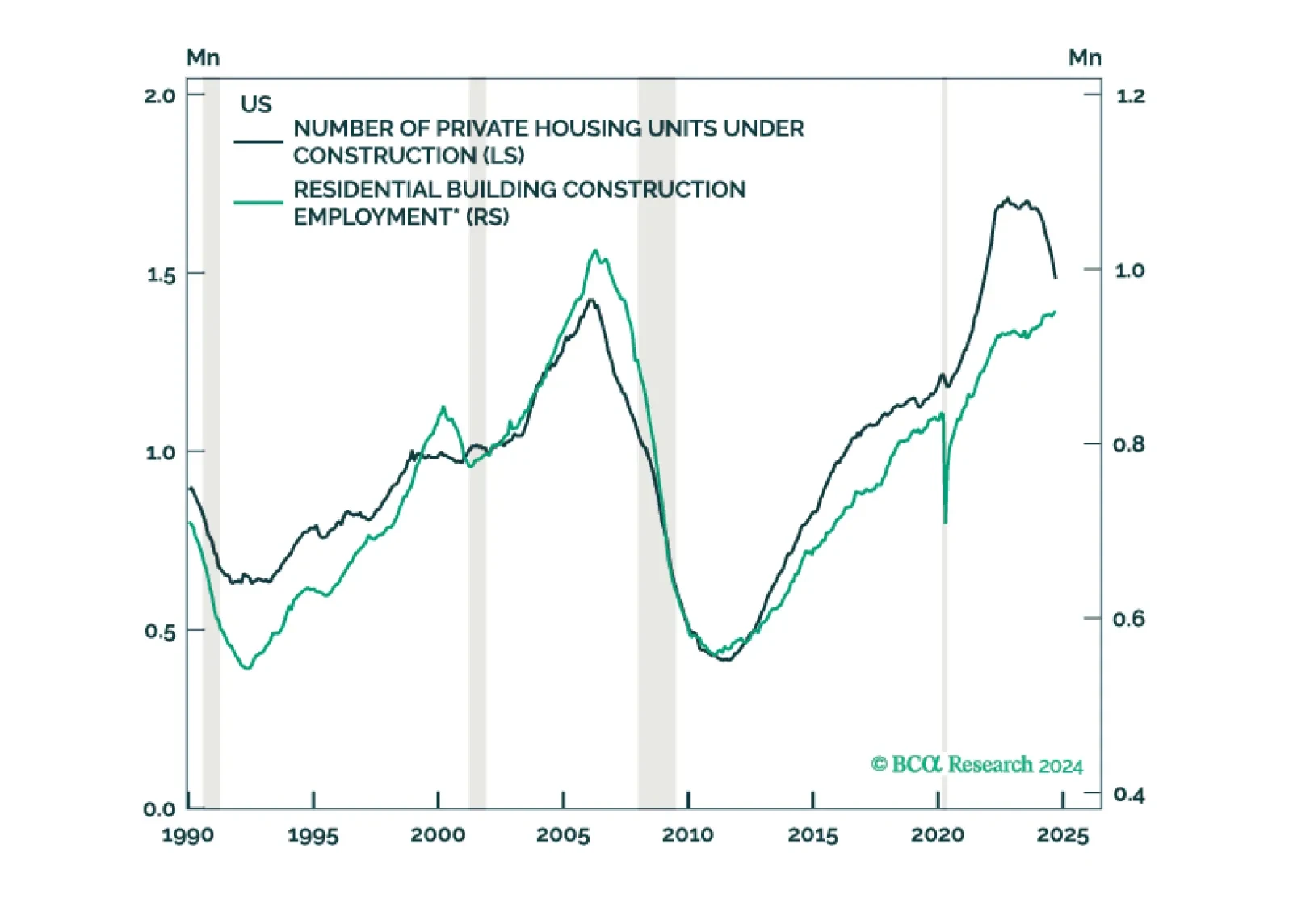
In August 2007, Ed Leamer famously presented a paper entitled Housing IS the Business Cycle at the Jackson Hole symposium. I was reminded of this paper after seeing today's US housing data.