 CoreMacro
Find out more

This week, we update our Central Bank Monitors (CBMs), that help us calibrate how monetary policy should be adjusted in developed-market economies. Our conclusion is that while overall, easier monetary settings are required, there a few trade ideas that arise from the divergences in signals amongst G10 countries.
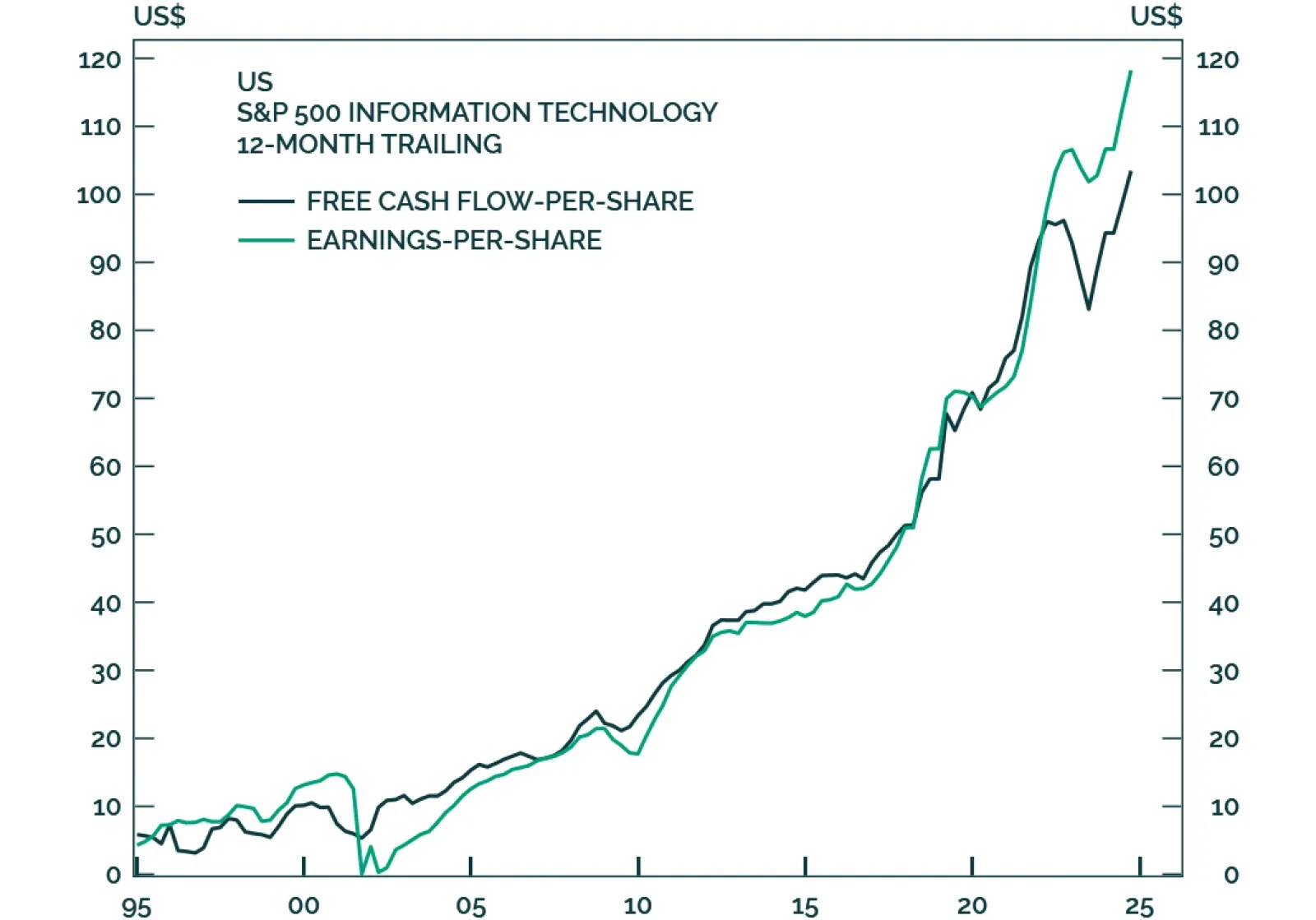
Since the end of 2021, EPS for the S&P 500 Information Technology sector has grown by 29%. In contrast, free cash flow-per-share has grown by only 11%.
The force of the post-election momentum leads us to believe we could be stopped out of our defensive positioning before the week is out, but we still believe in our recession call. If we are eventually stopped out, we will seek a more opportune entry point to bet against risk assets once the election fever runs its course.
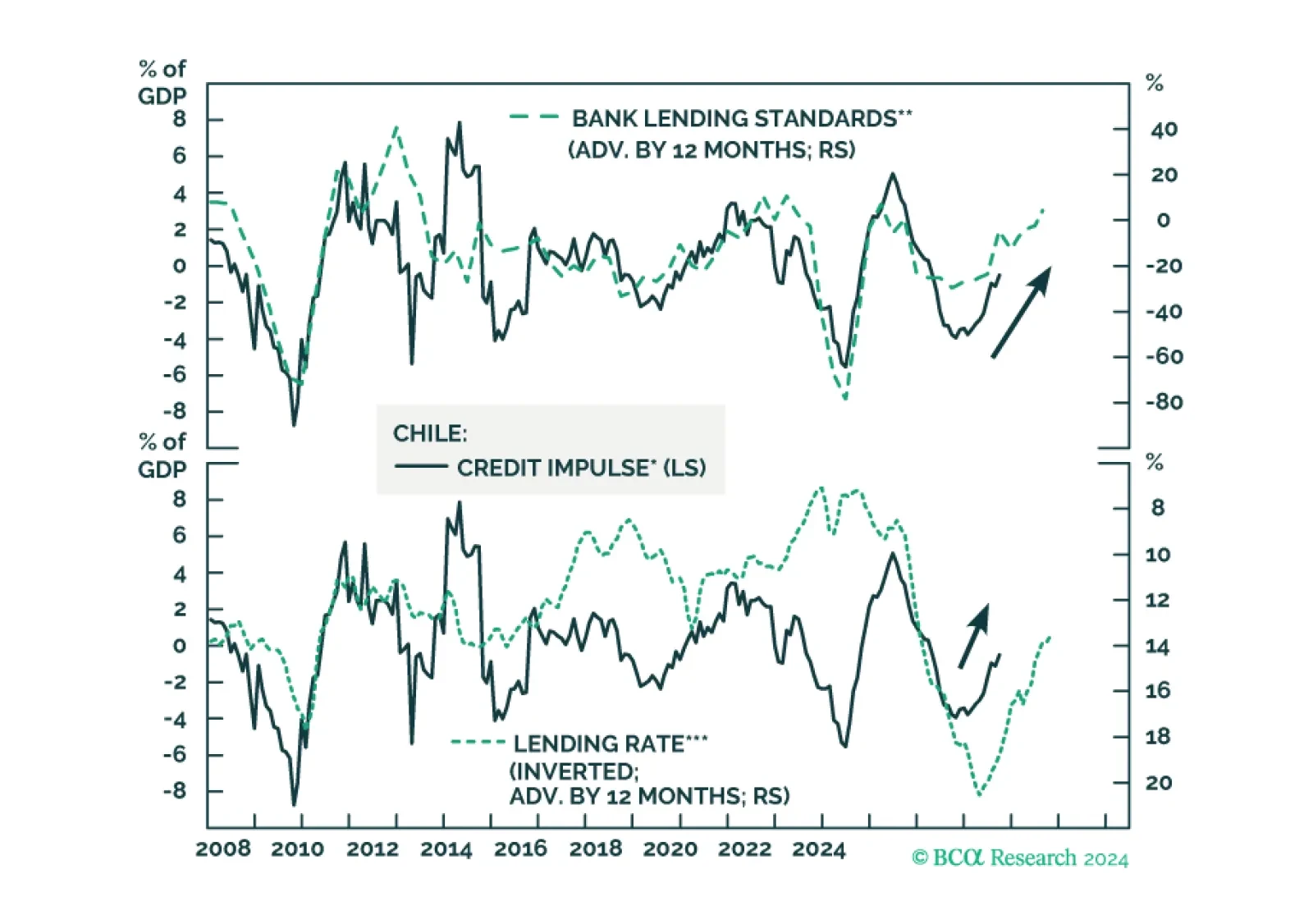
In absolute terms, Chilean markets and the currency will fall given a strengthening trend in the US dollar and weak global trade. However, Chile’s economy can withstand the global trade slump relatively well due to substantial monetary easing at home, which will help Chilean markets outperform EM peers. Moreover, a favorable and improving political backdrop and attractive valuations will benefit Chilean equities and the peso versus their EM counterparts.
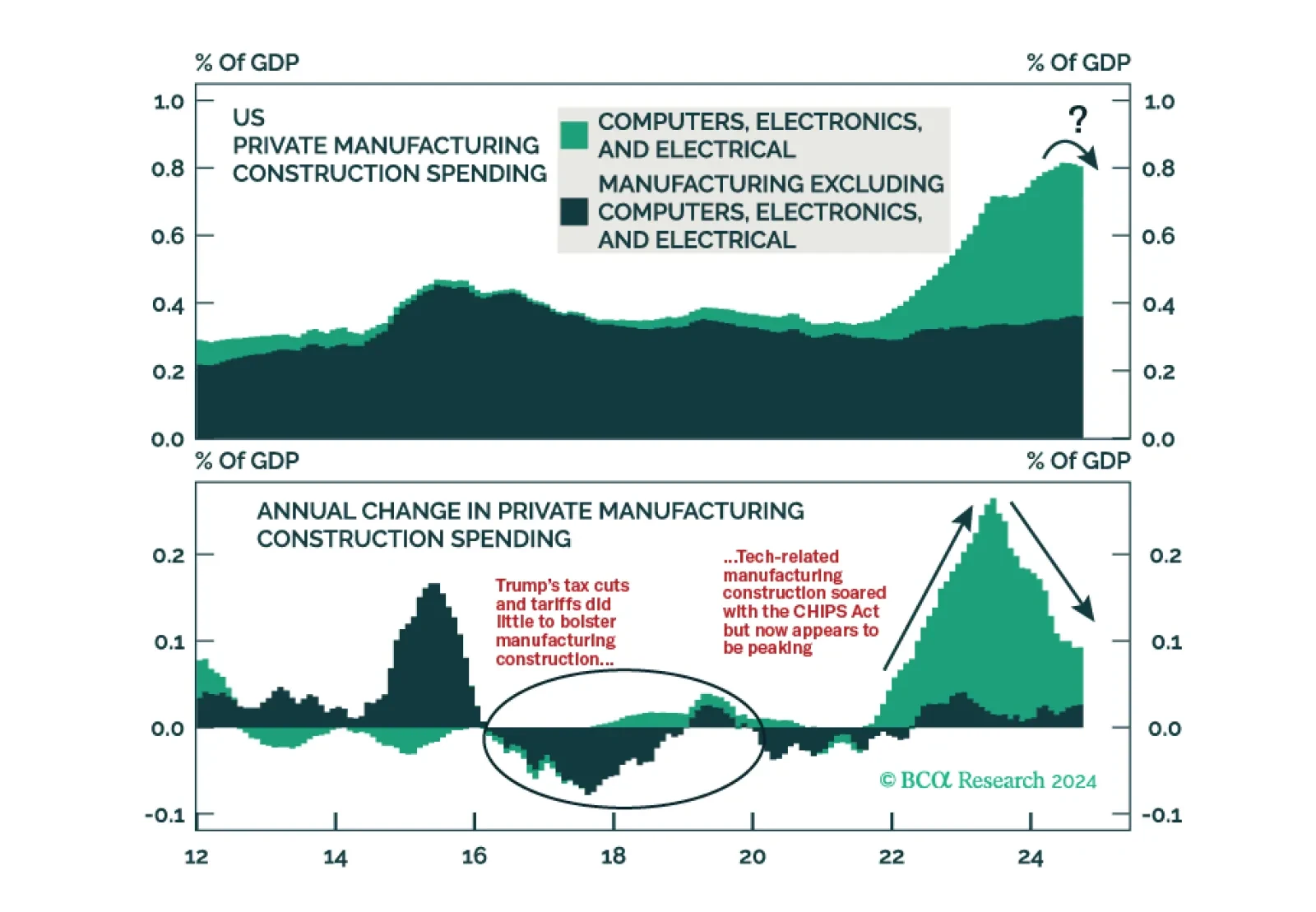
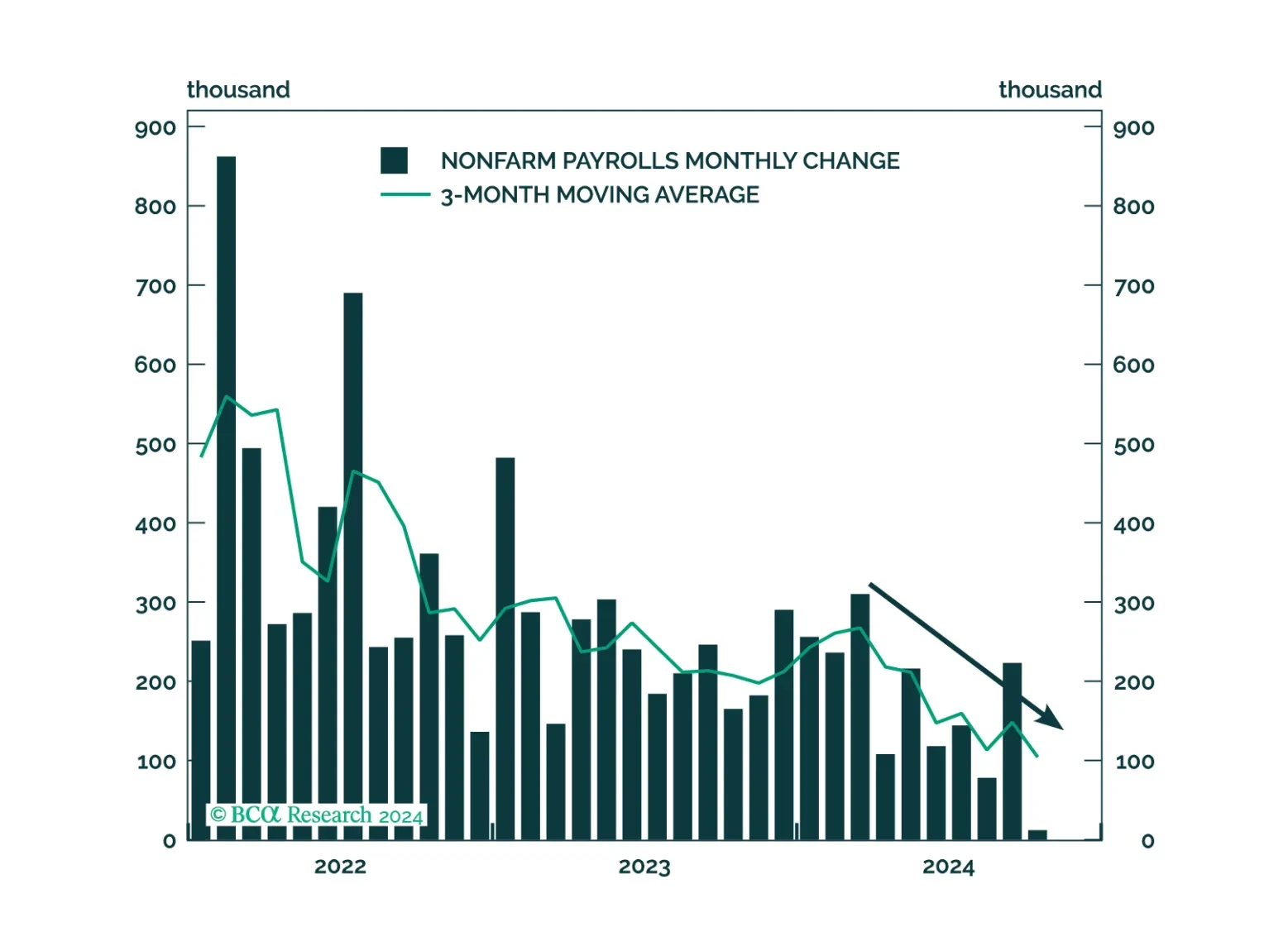
The prospect of a new trade war more than offsets the other pro-business parts of Trump’s agenda. With the labor market already weakening going into the election, we are raising our 12-month US recession probability from 65% to 75%.
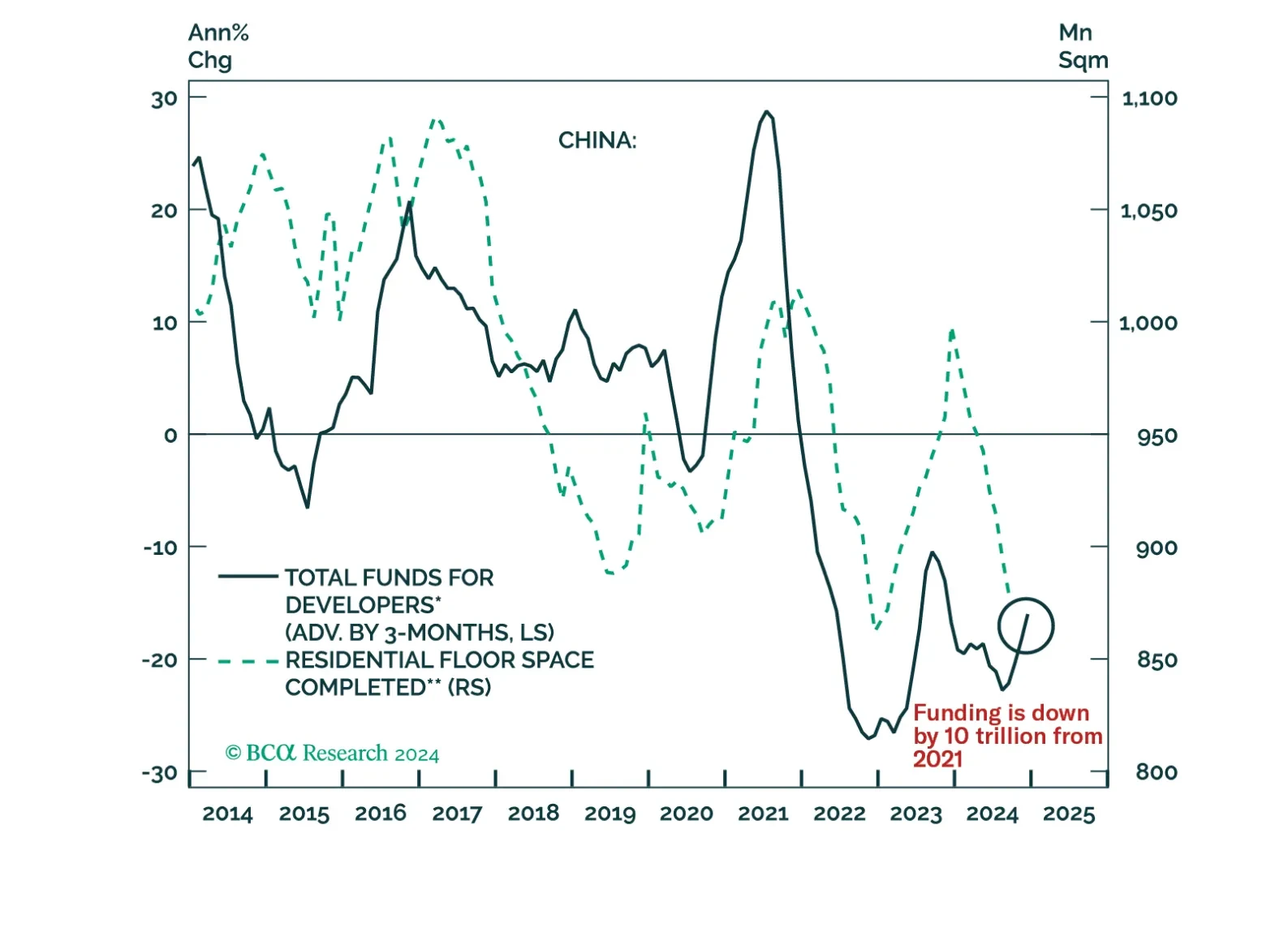
We spent last week visiting our clients in China. In this report, we share some of the key questions from the client meetings as well as our responses.
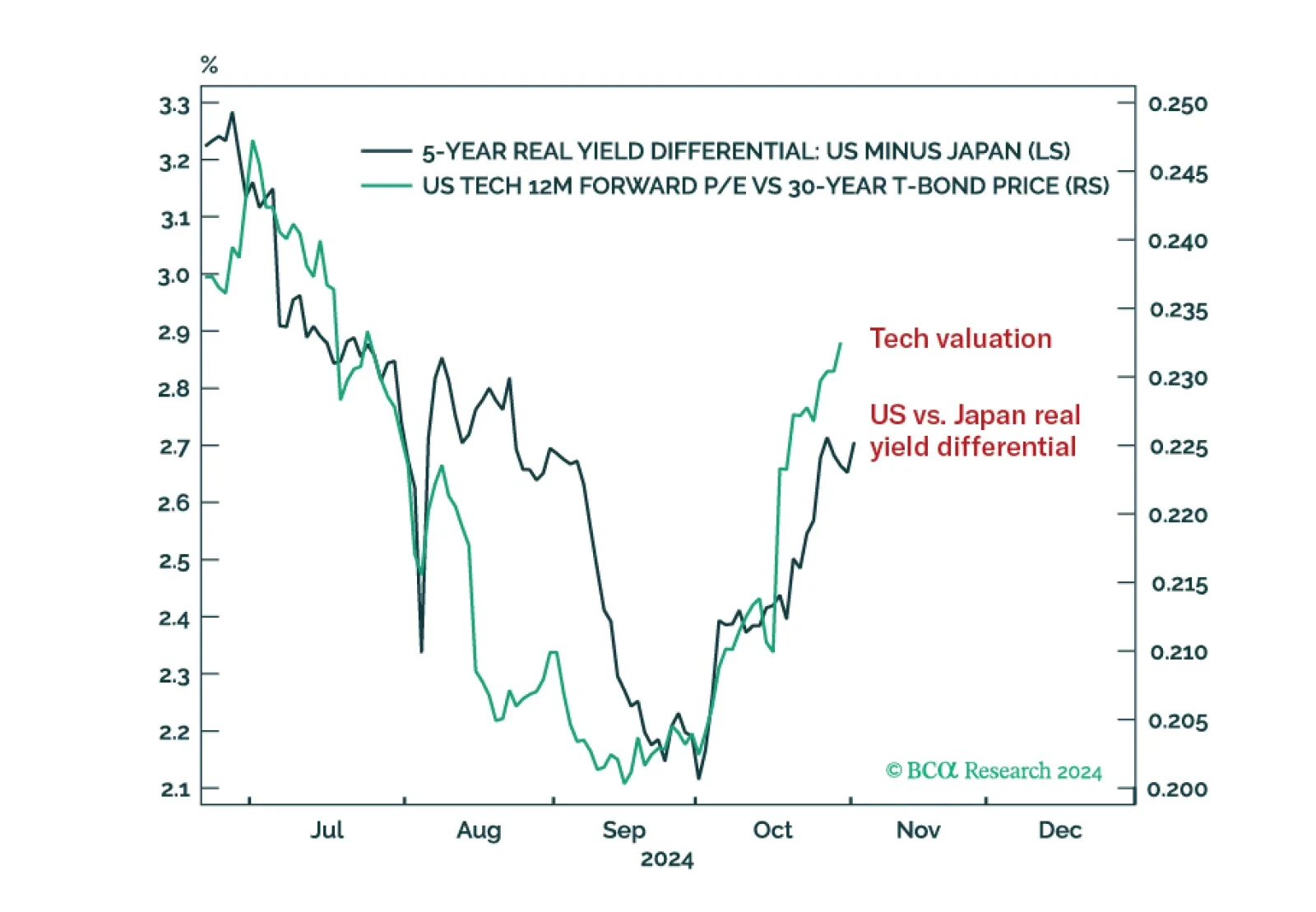
The most important transmission mechanism of a Trump presidency on the stock market will be via its impact on the US-Japan real yield differential. This is because Japan’s extreme negative real yield versus the US is the dominant source of global liquidity right now, and thereby the main driver of stock market valuation. In the short term therefore, higher US bond yields mean higher stock prices. The longer-term implications are more concerning though.
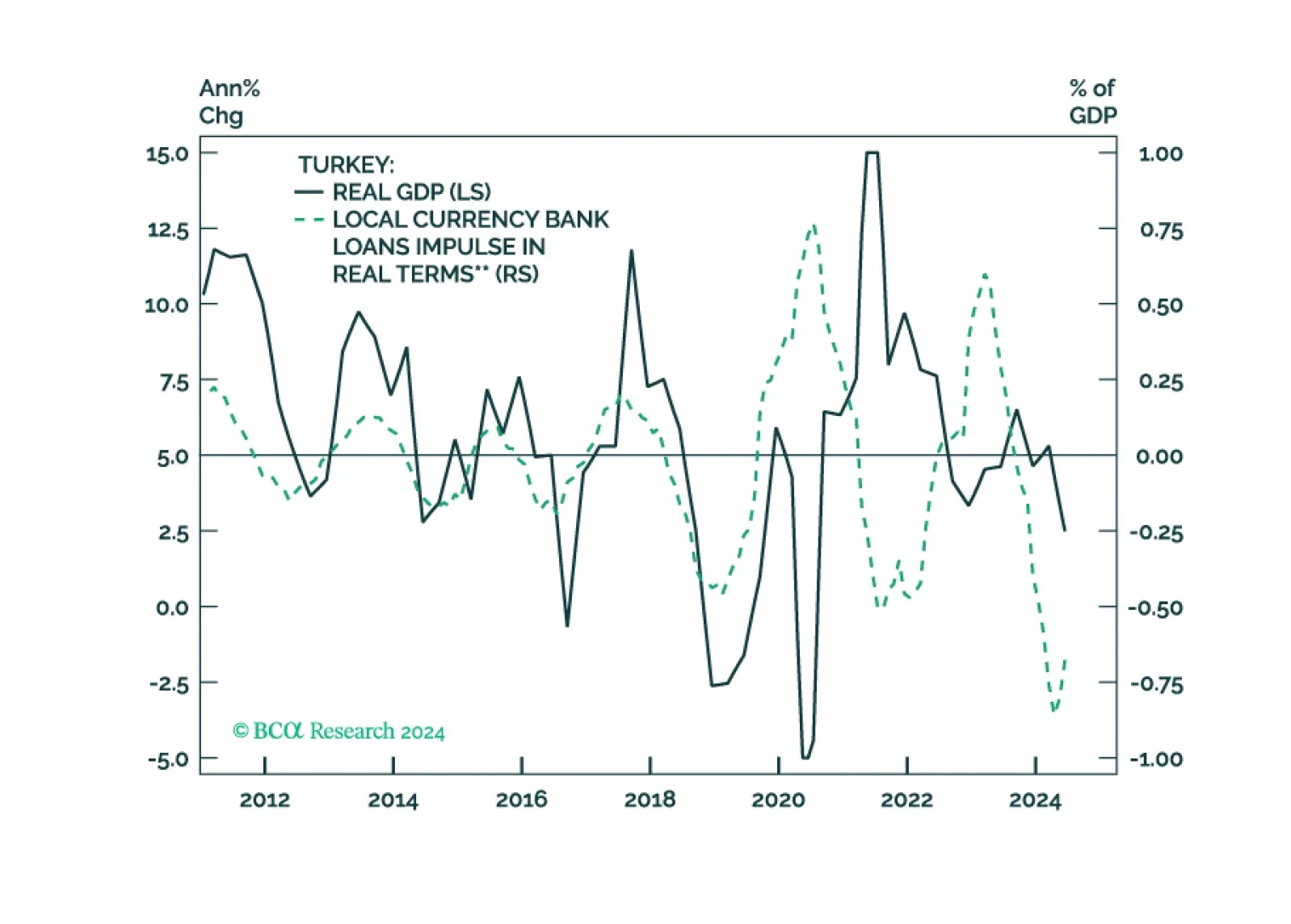
Turkey has a path toward sustained disinflation. But that will require tight macro policies for an extended period. The question is, will the authorities tolerate the consequent growth slowdown, even a recession, and surging unemployment, as the necessary cost to break the back of inflation?
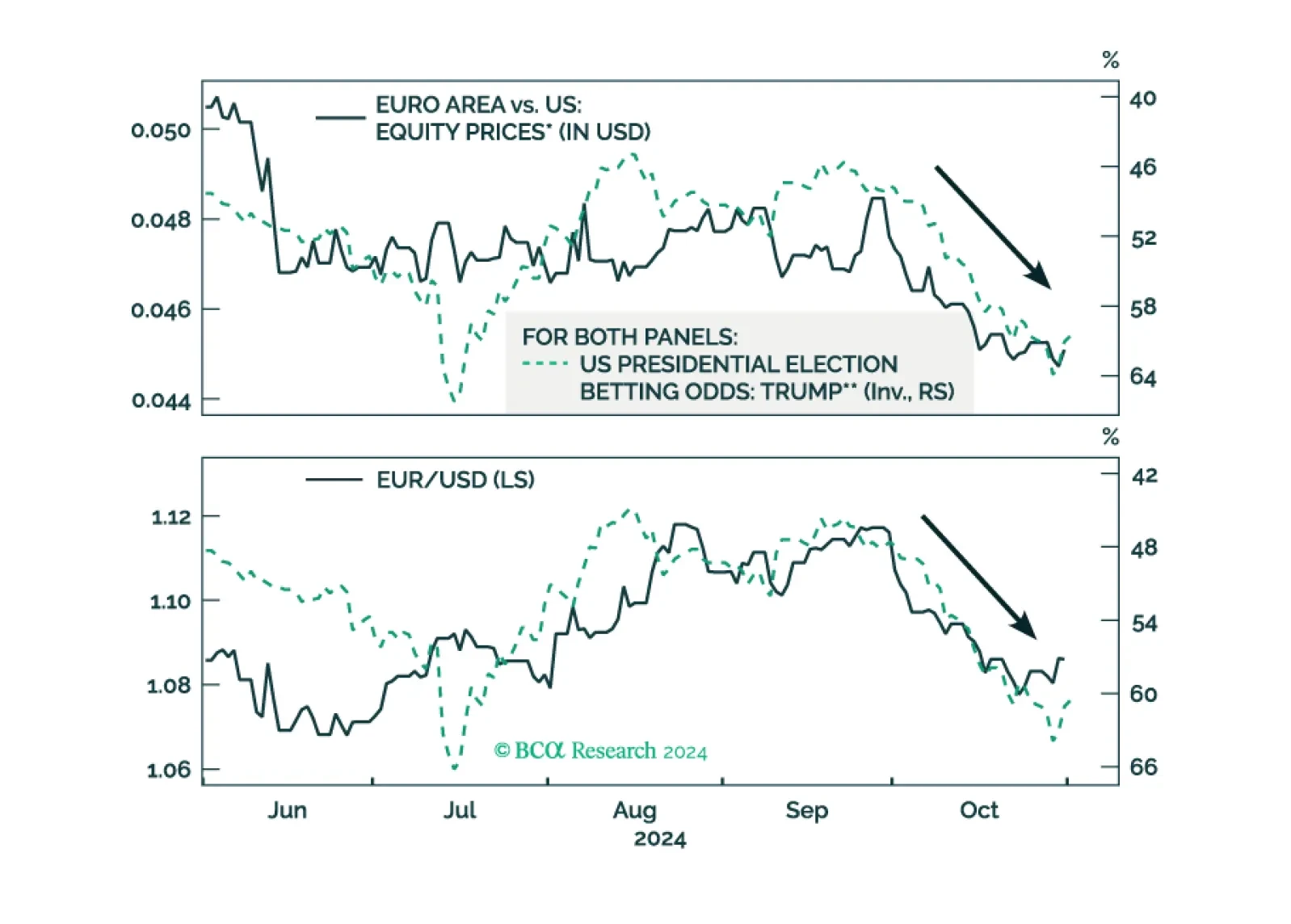
As the odds of a Trump victory rise, European assets underperform US ones. What would be the immediate impact of a Trump victory on European stocks?
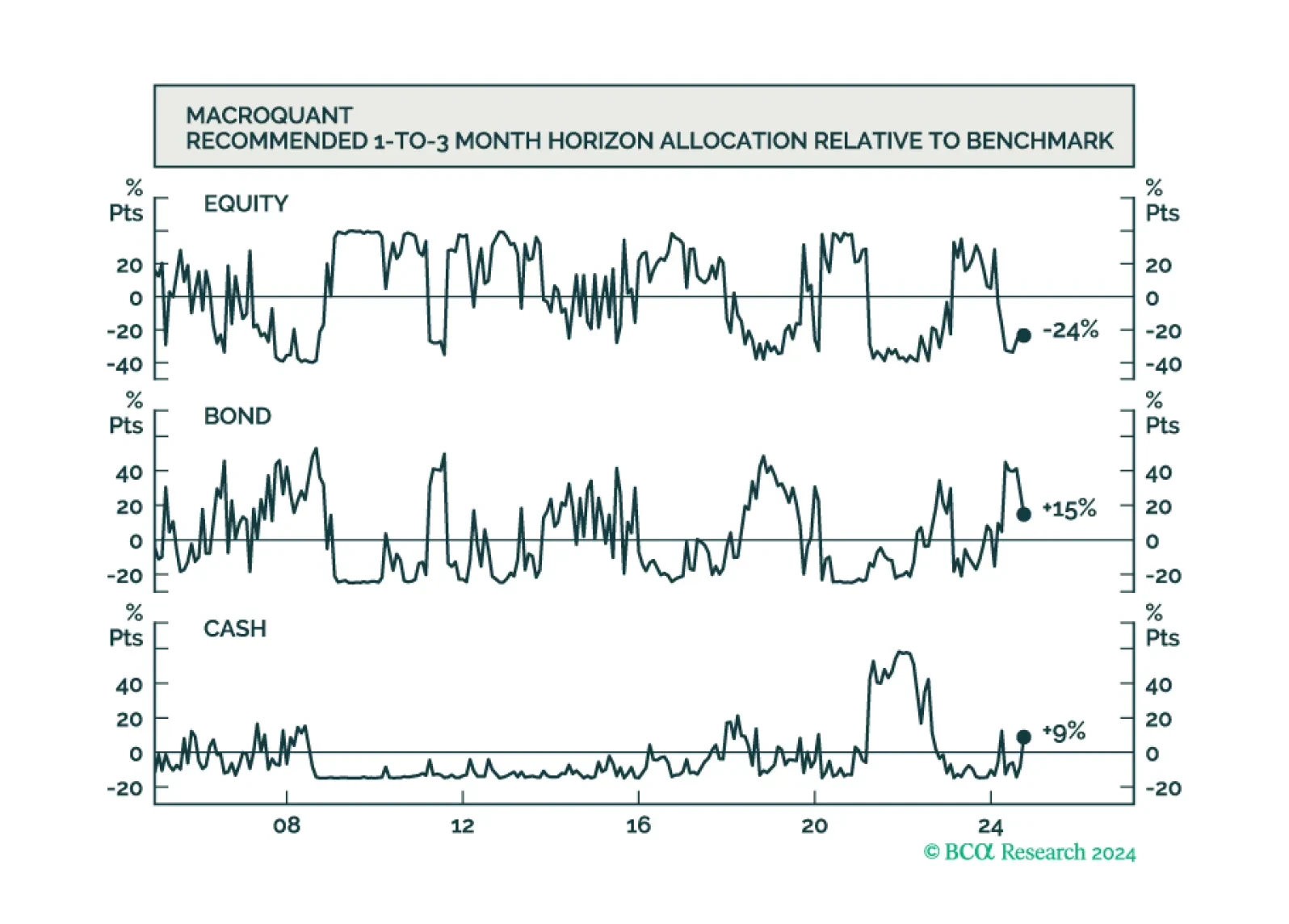
MacroQuant expects global equities to weaken in November. As such, the model recommends underweighting equities and overweighting bonds and cash.