Equities
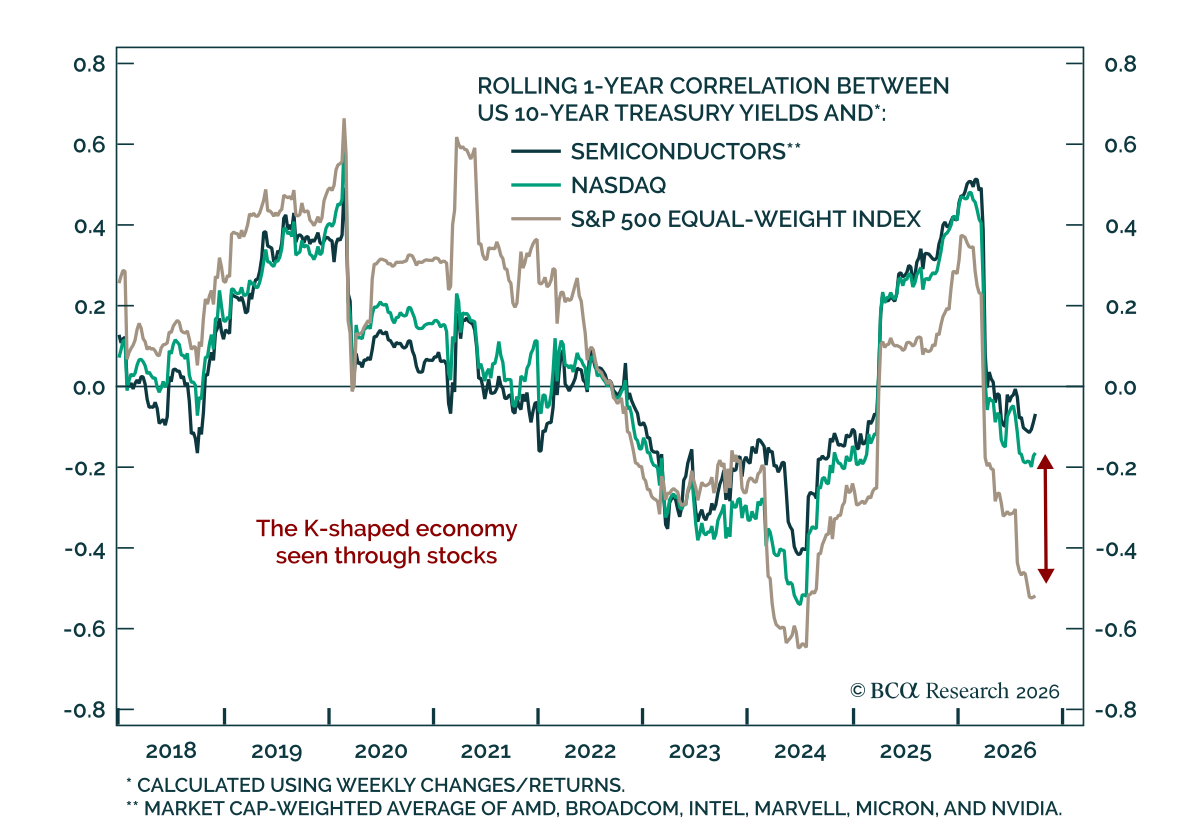
The relative resilience of tech-related stocks to higher rates, in the face of more sensitivity to yields felt by the average stock, reflects the K-shaped dynamics in the real economy. Many investors have noted that US equities have been surprisingly…
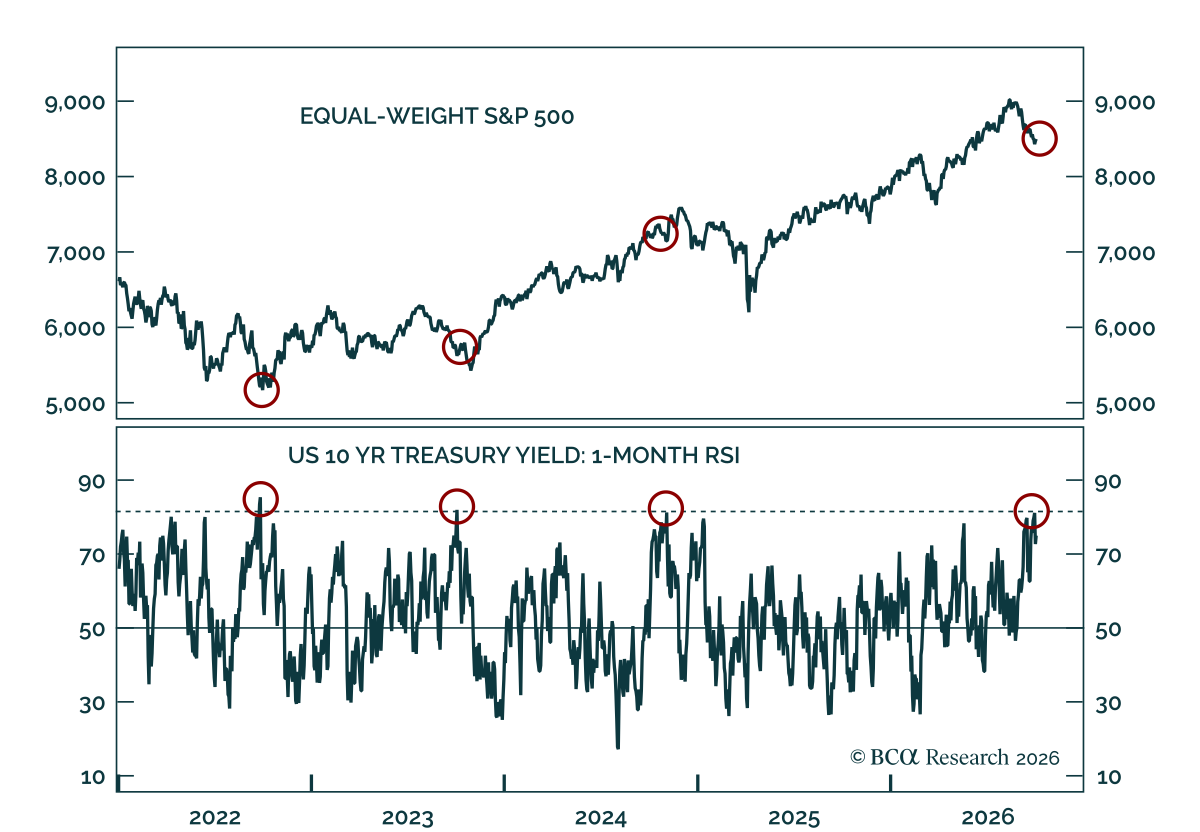
The ongoing bond selloff is becoming long in the tooth. Both stocks and bonds should experience a tactical rally into year’s end, but risks remain heading into next year. Treasury bonds are now deeply oversold, with the monthly relative strength index for the…
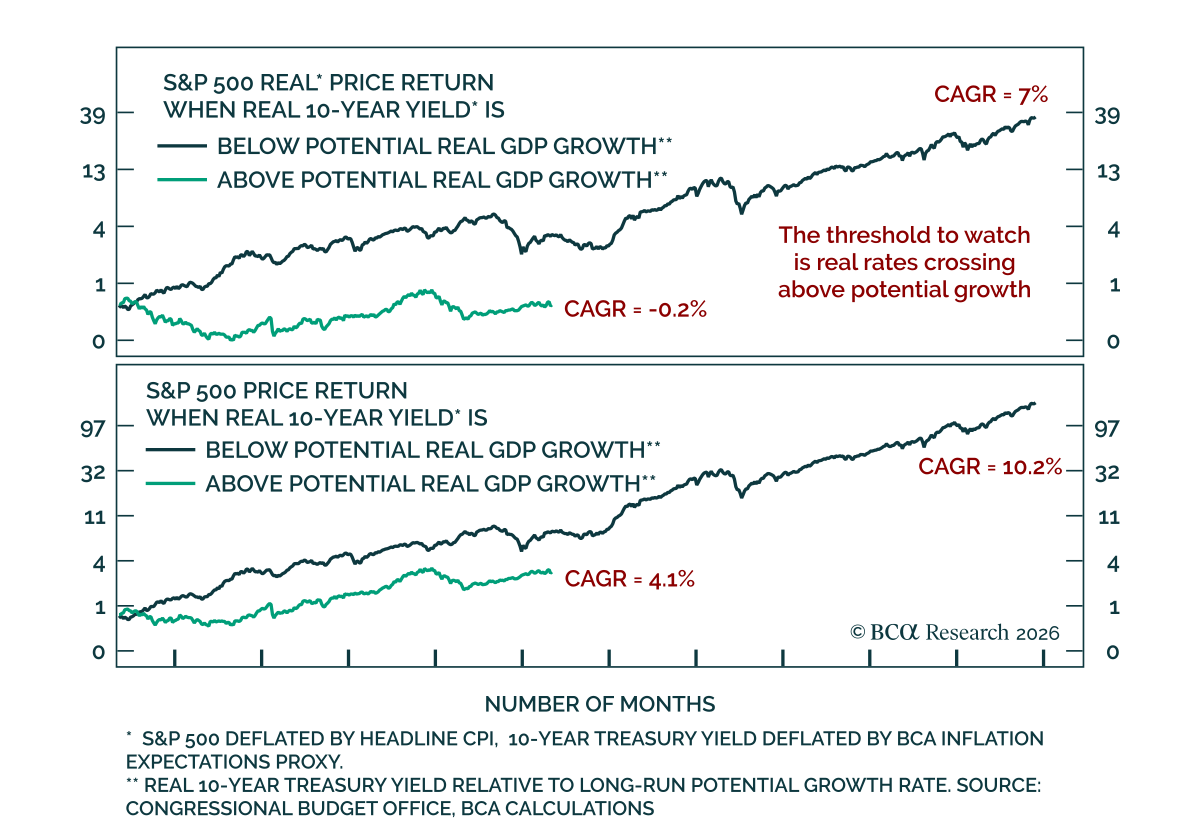
Our US investment strategists argue that the tipping point for equities lies not in the direction or absolute level of bond yields, but in real yields’ relation to the economy's underlying growth rate. Duration is a red herring for equities because the…
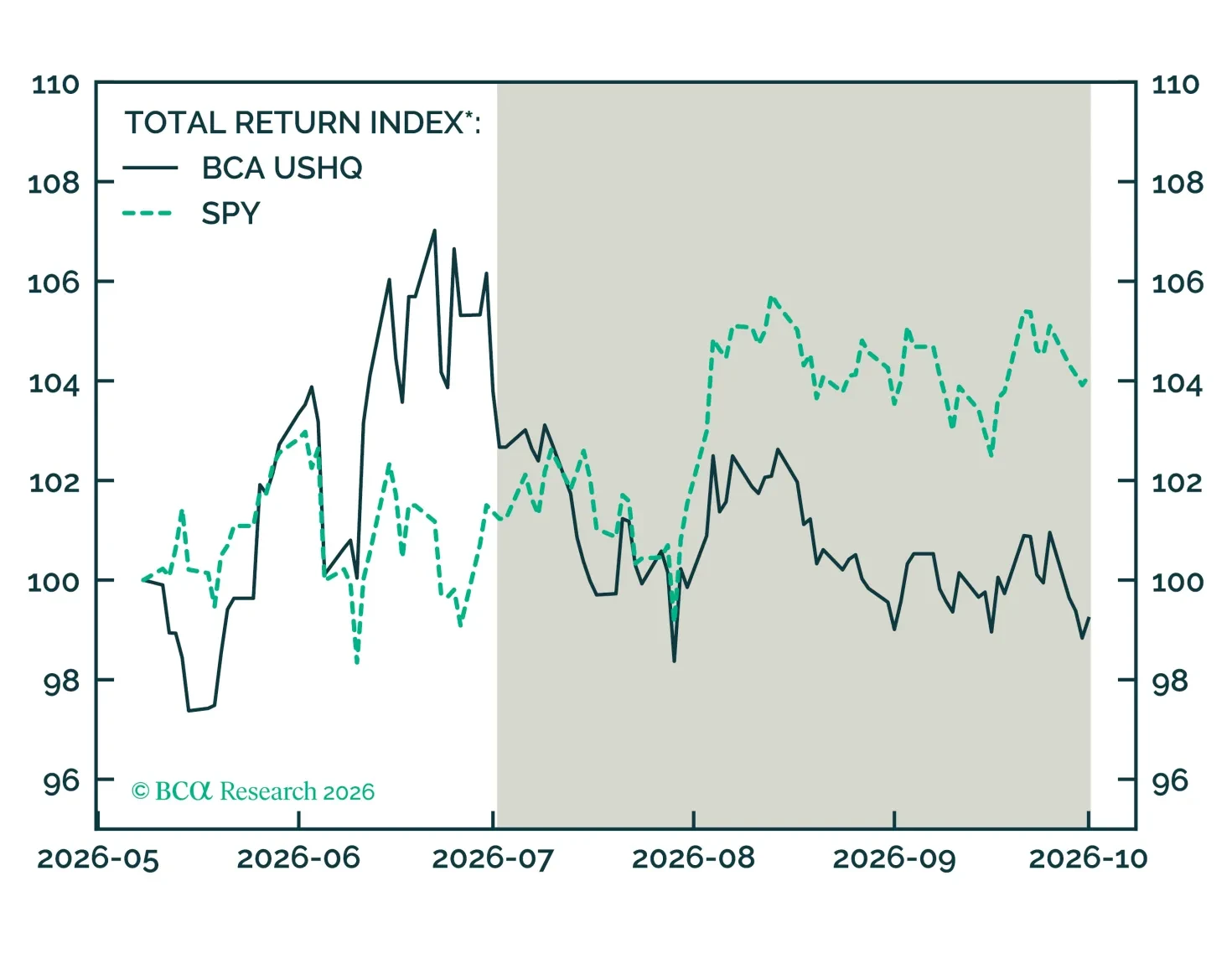
A narrow, tech-led rally left USHQ trailing its benchmark despite positive returns to the BCA Score. USHQ SMID lagged more modestly, with lower risk.
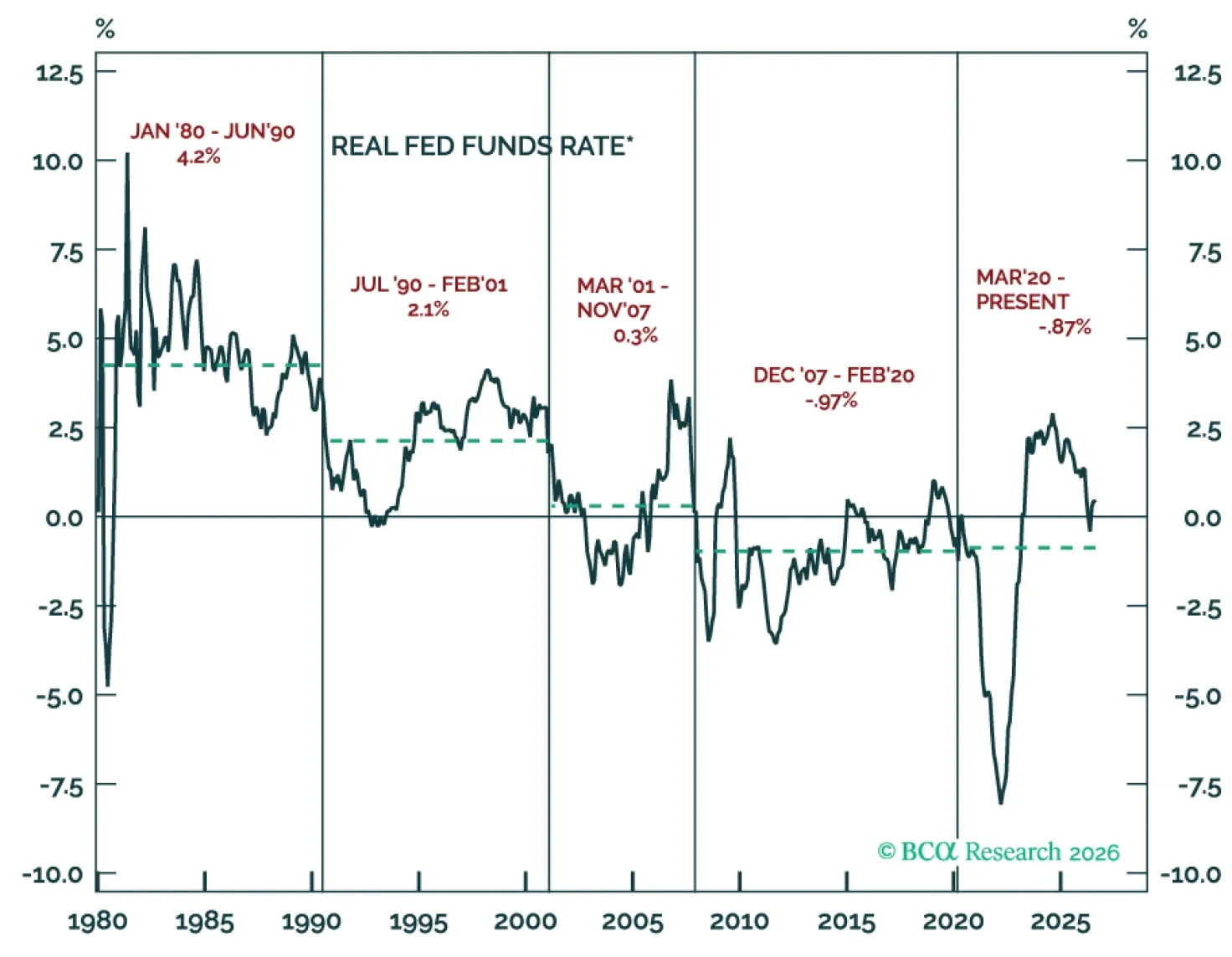
Rising rates don’t halt bull markets but real yields exceeding the economy’s potential long-run growth rate could. That relative level could lead to a stock-bond collision if it persisted long enough to slow the economy.
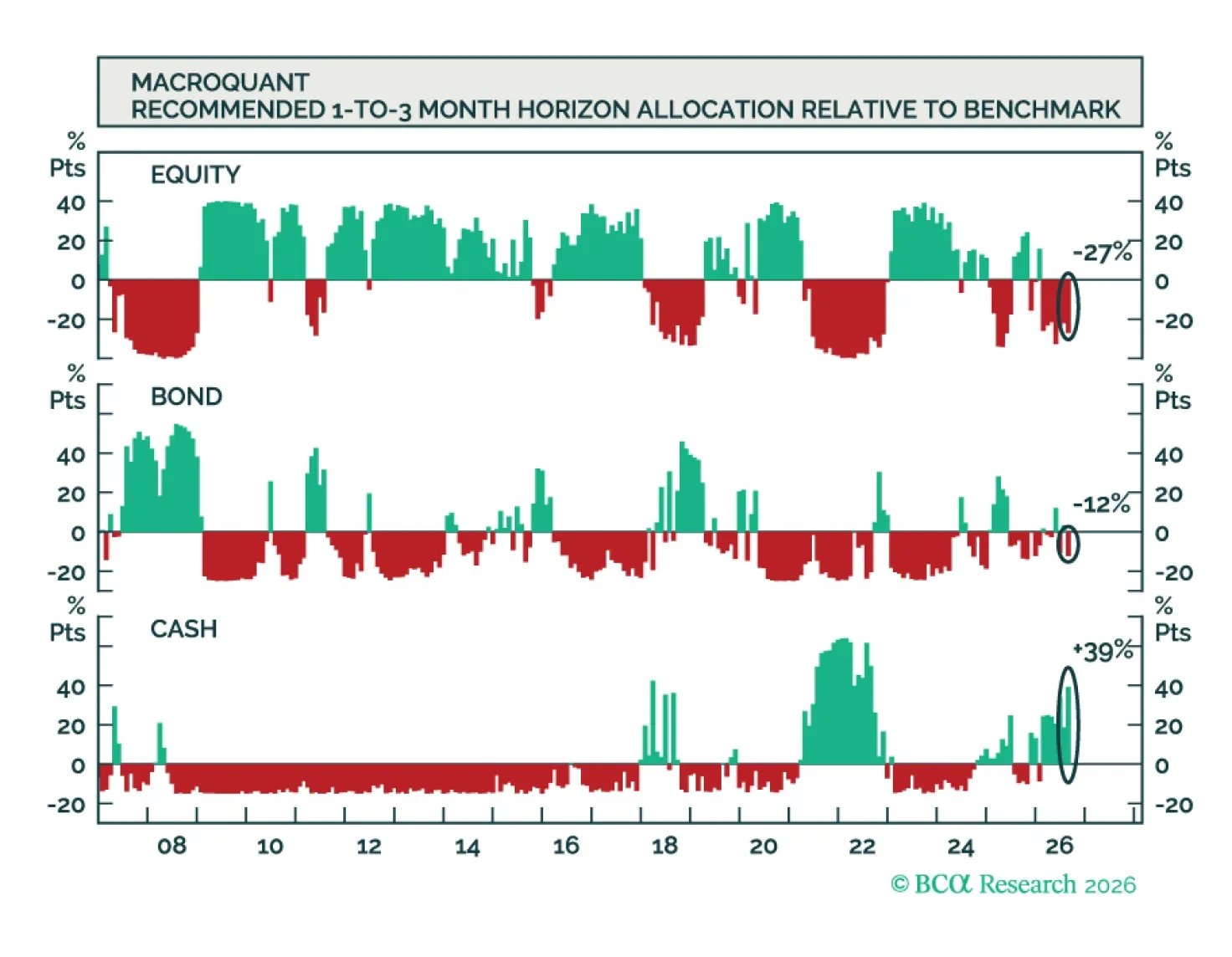
MacroQuant recommends an underweight to equities and bonds, counterbalanced by a significant overweight to cash. The model is very bullish on the US dollar, slightly negative on gold and copper, and positive on oil.
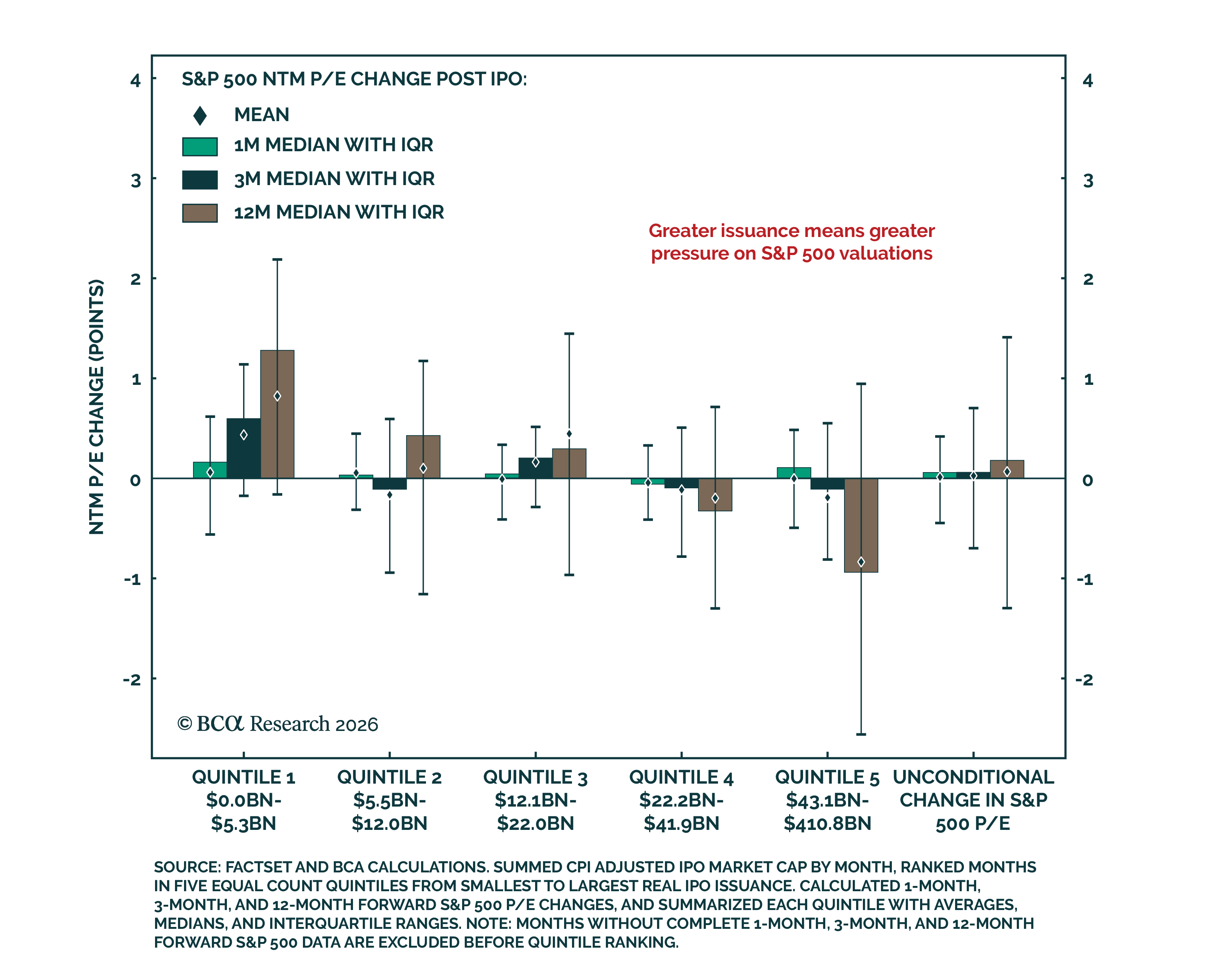
Our US Equity strategists expect the Anthropic and OpenAI listings to open a critical part of the AI story to public scrutiny, while adding to an issuance wave that has already weighed on S&P 500 multiples. IPO issuance is at a real-dollar record, though…
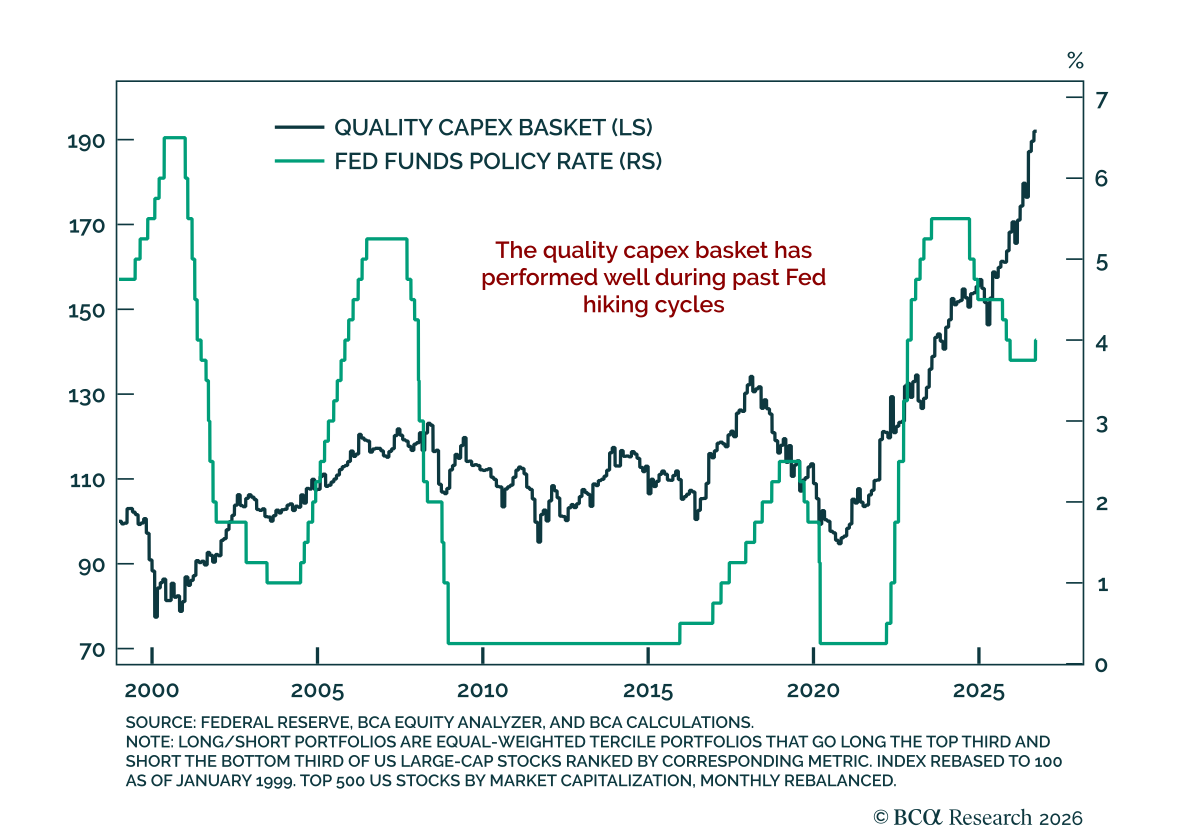
Our US Equity strategists expect stocks to withstand the start of a new tightening cycle. Last week's hike came with a signal of more to follow, but the market has already done much of the adjusting. Valuations compressed ahead of the decision, and the…
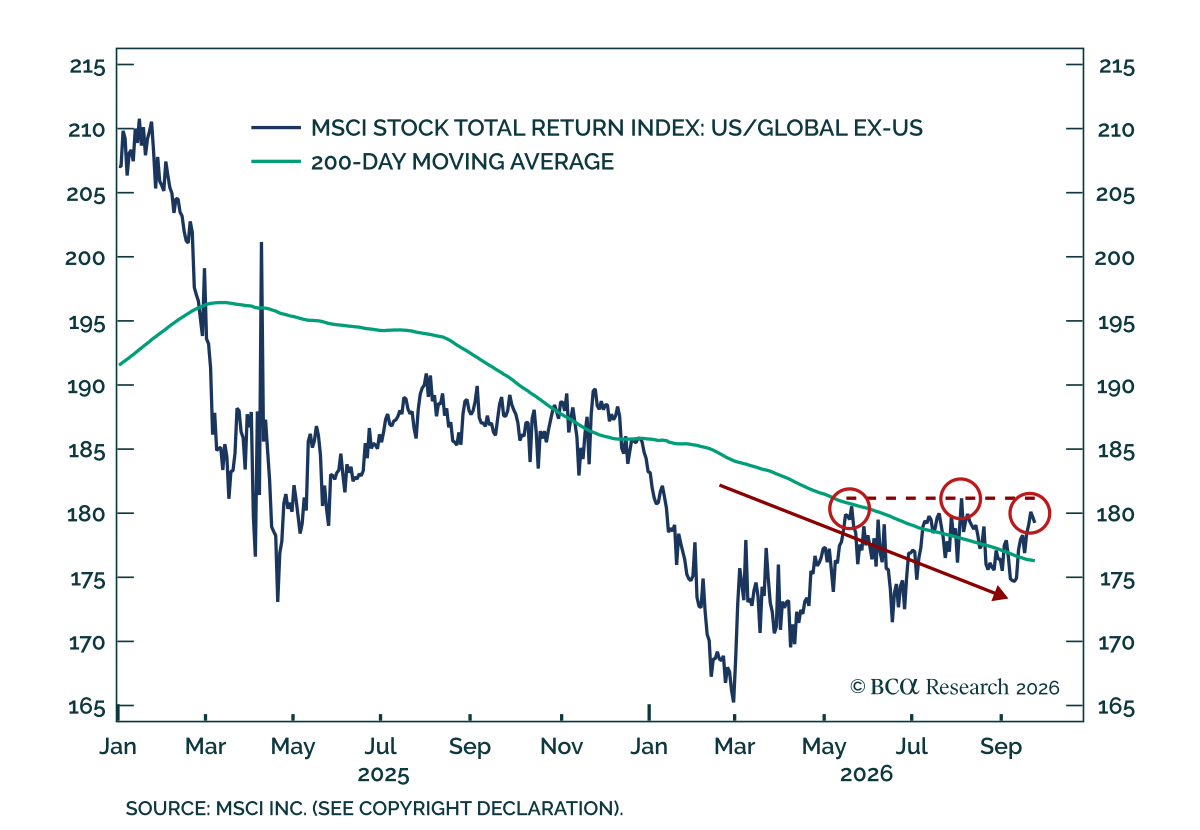
The consensus among BCA's strategists remains overweight equities and neutral across bonds and cash on a 12-month horizon. Within equities, the US moves to underweight relative to MSCI ACWI on a 12-month view; on a 3-month horizon, we remain overweight.…
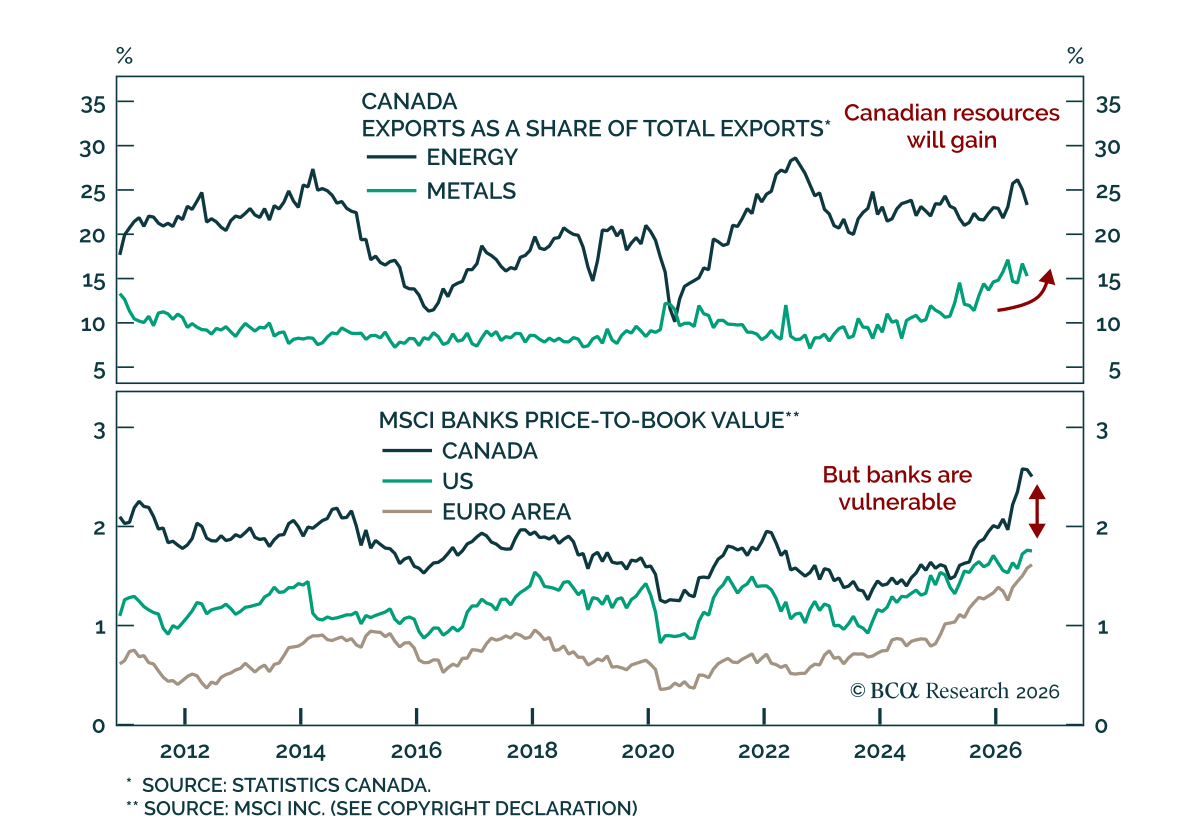
Canadian equities have corrected despite rising commodity prices, as weakness in Energy, Materials and IT has outweighed gains in banks. Energy stocks entered the month with stretched valuations following a strong earnings season, leaving the sector…