Latest from BCA Research
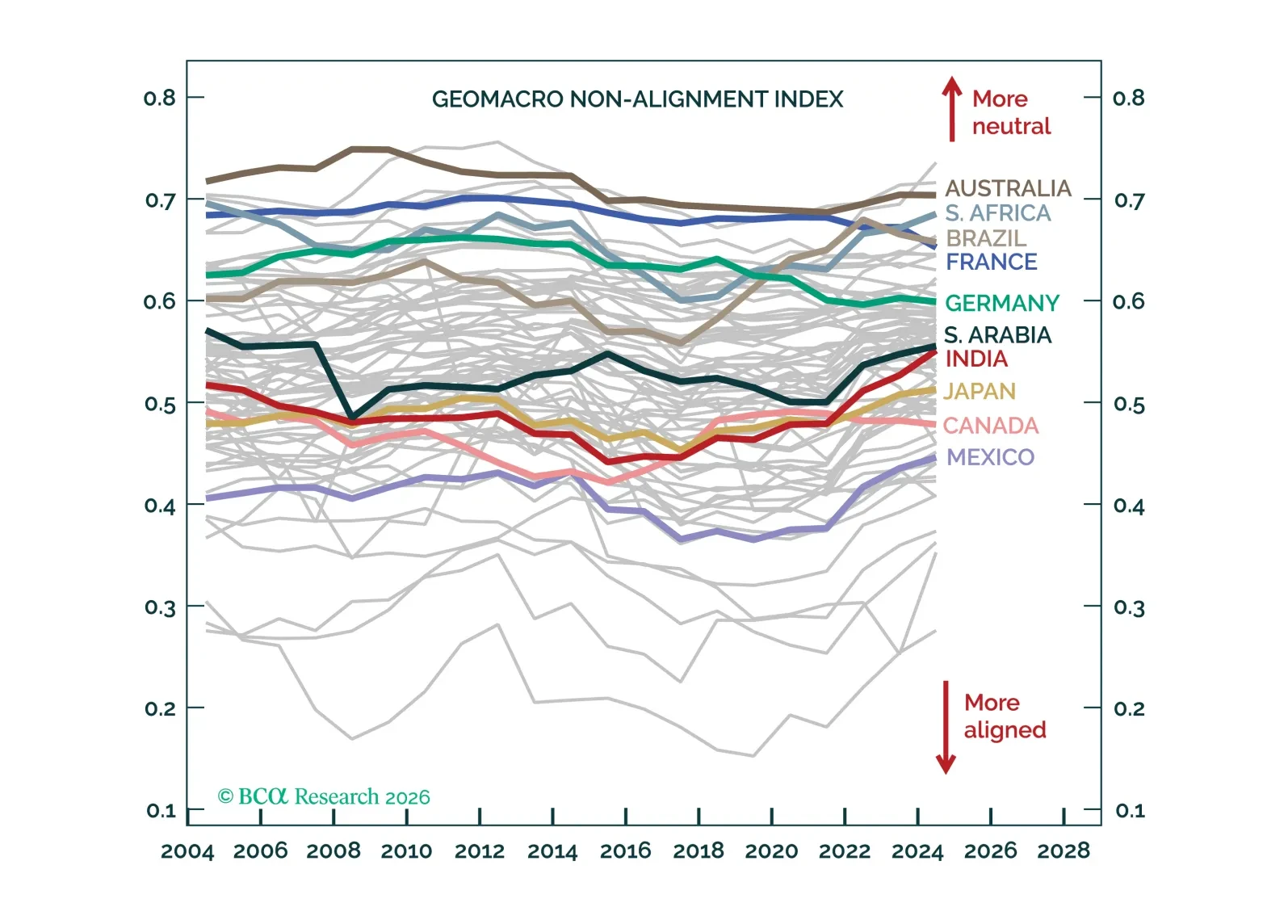
We have long argued, on a case-by-case basis, that countries willing to play the superpowers against each other win in a multipolar world. The logic is intuitive, and in this report, we measure it systematically.
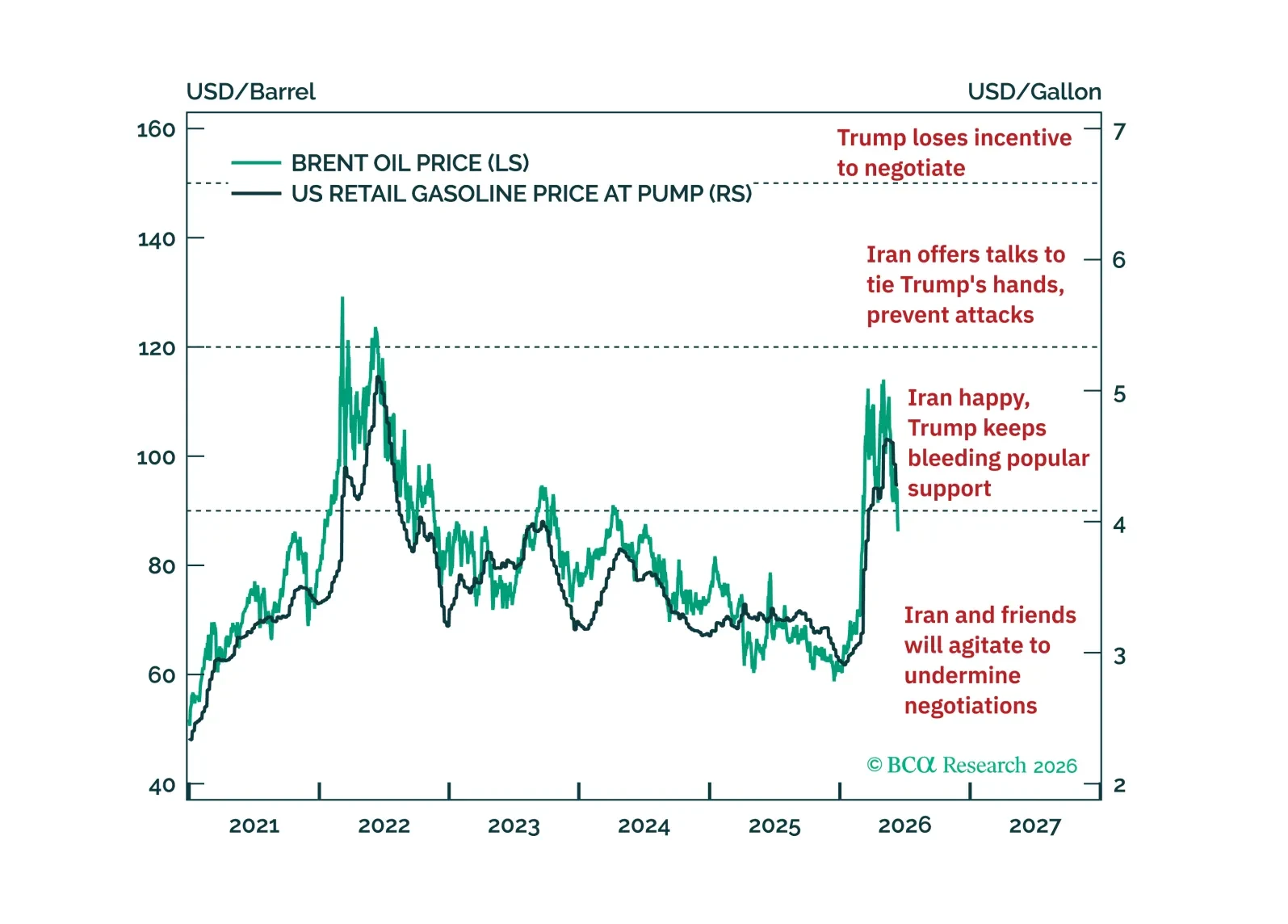
The US-Iran deal is a marginal improvement in global commodity supply risk, but we still give a 60% chance of renewed fighting later this year or in 2027.
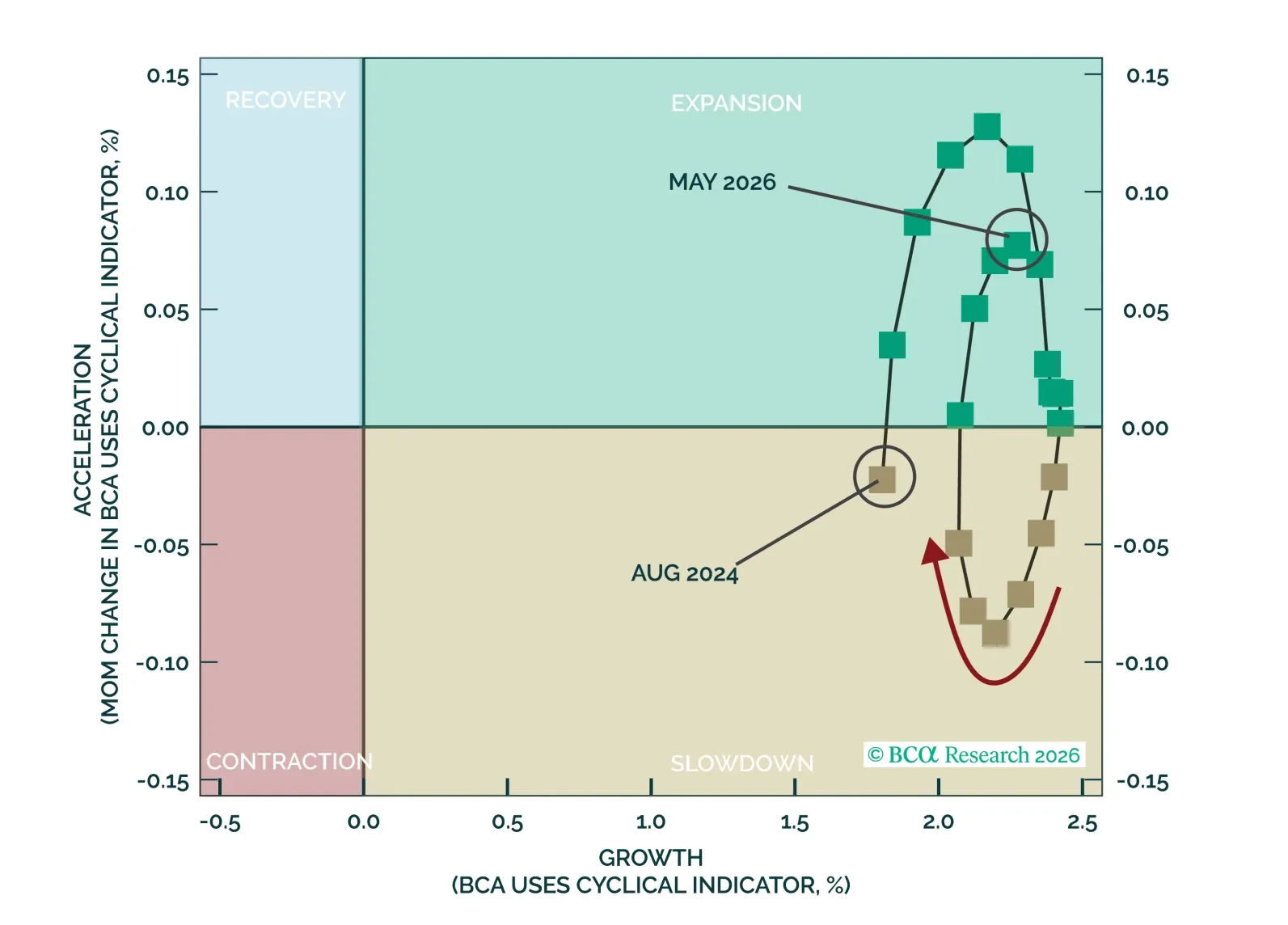
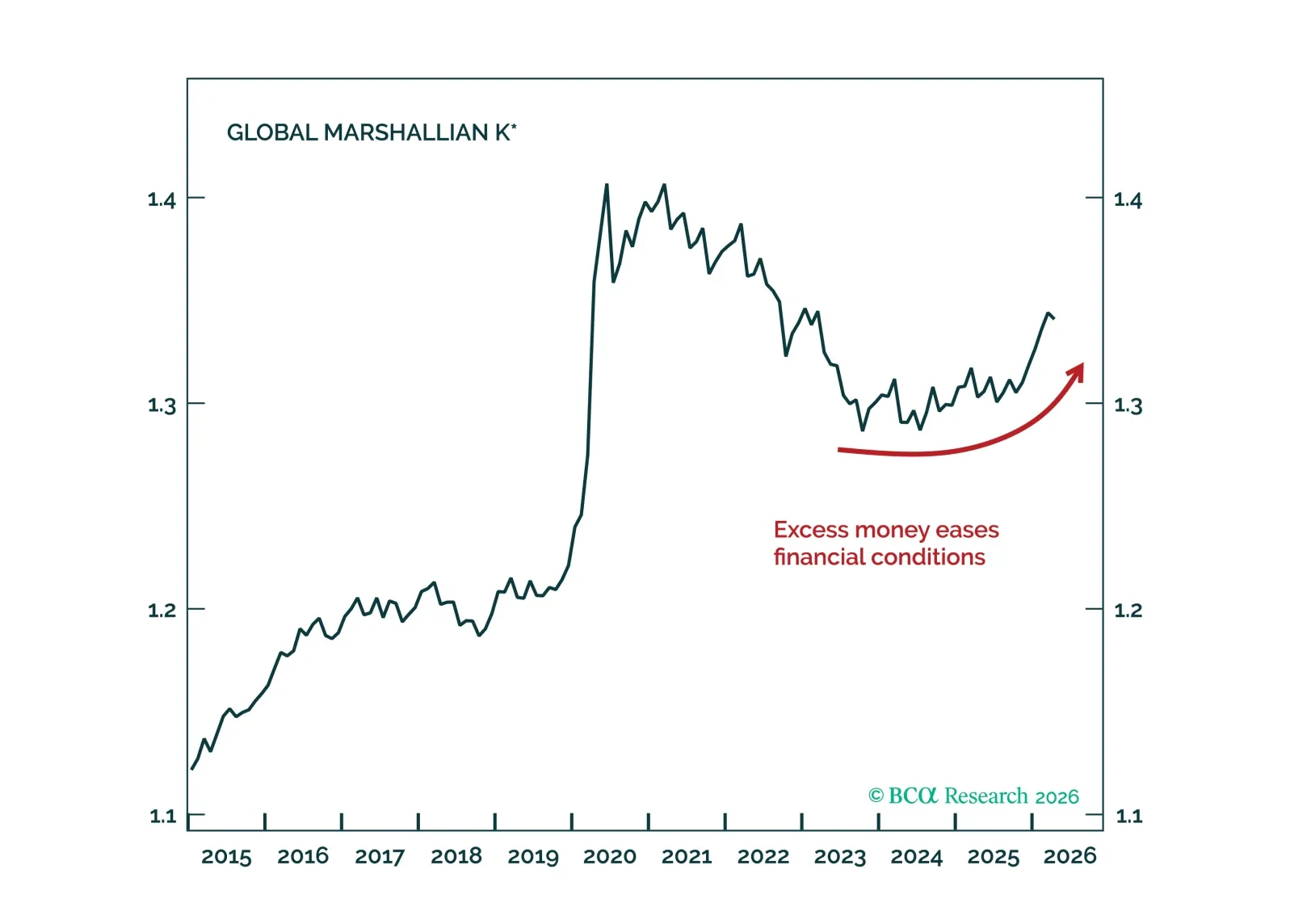
The June swoon looks like a rotation and rebalancing-driven air pocket, not a regime break. Economic growth, earnings revisions, and AI-driven capex demand remain firm, but rising yields, inflation concerns, Fed uncertainty, and a looming IPO wave are likely to constrain further multiple expansion. But progress toward a resolution of mid-east tensions, rallying bonds, and falling oil prices, have motivated us to add a tactical long consumer discretionary trade.

Software has rattled Public Stocks, BDCs, and Asset Managers. Exposure across Private Markets has raised more questions than answers. We size it up. Private Equity is under pressure, Venture Capital is racing ahead, and Credit is pricing in the risk.
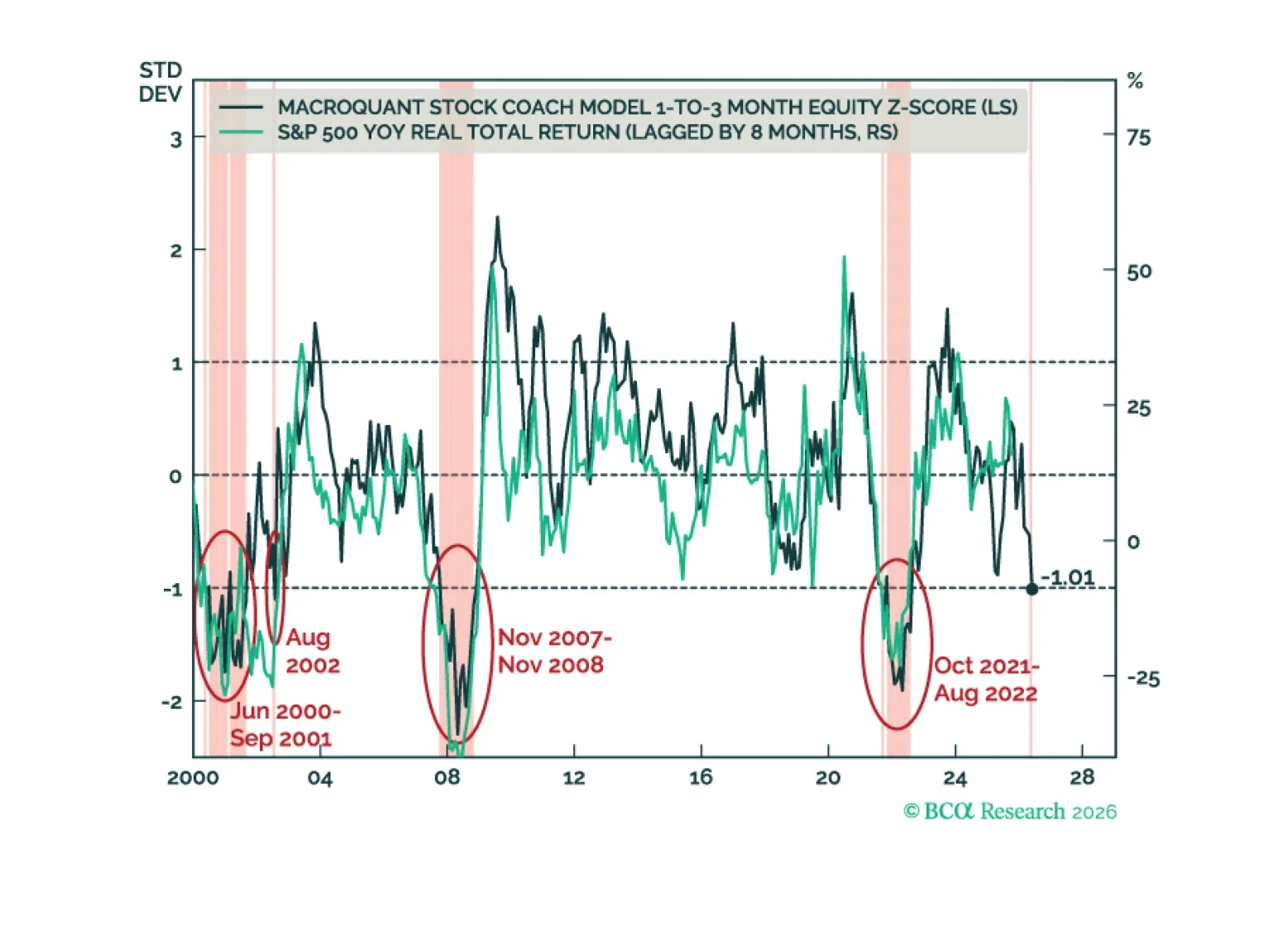
On Friday, the MacroQuant equity z-score fell to -1.01, below the critical -1 threshold that often coincided with bear markets in the past. With that in mind, today, I am downgrading stocks to a slight underweight on both a 3-month and a 12-month horizon.
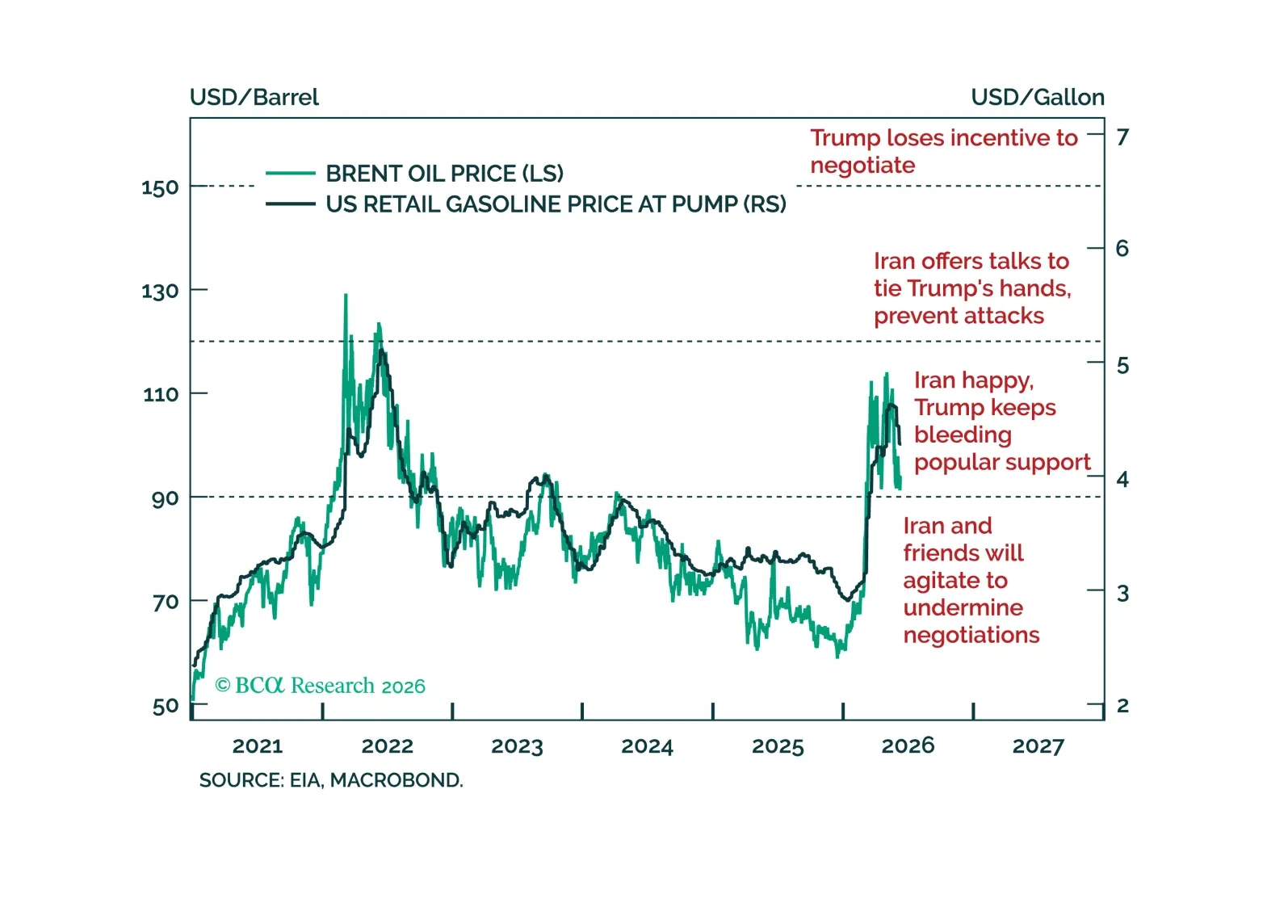
Tensions between Iran, the US, and Israel have reached their highest point since mid-March – or at least since the ceasefire announcement on April 8 – this week. President Trump responded to the downing of an AH-64 Apache helicopter with air strikes on Iran on June 9. Subsequently, Iran and Israel exchanged fire for the first time since the ceasefire. The latest statements from President Trump are increasingly escalatory. Claiming that the US would renew attacks on Iran and that the invasion of Kharg Island – where Iran’s energy infrastructure sits – is back on the menu of options.
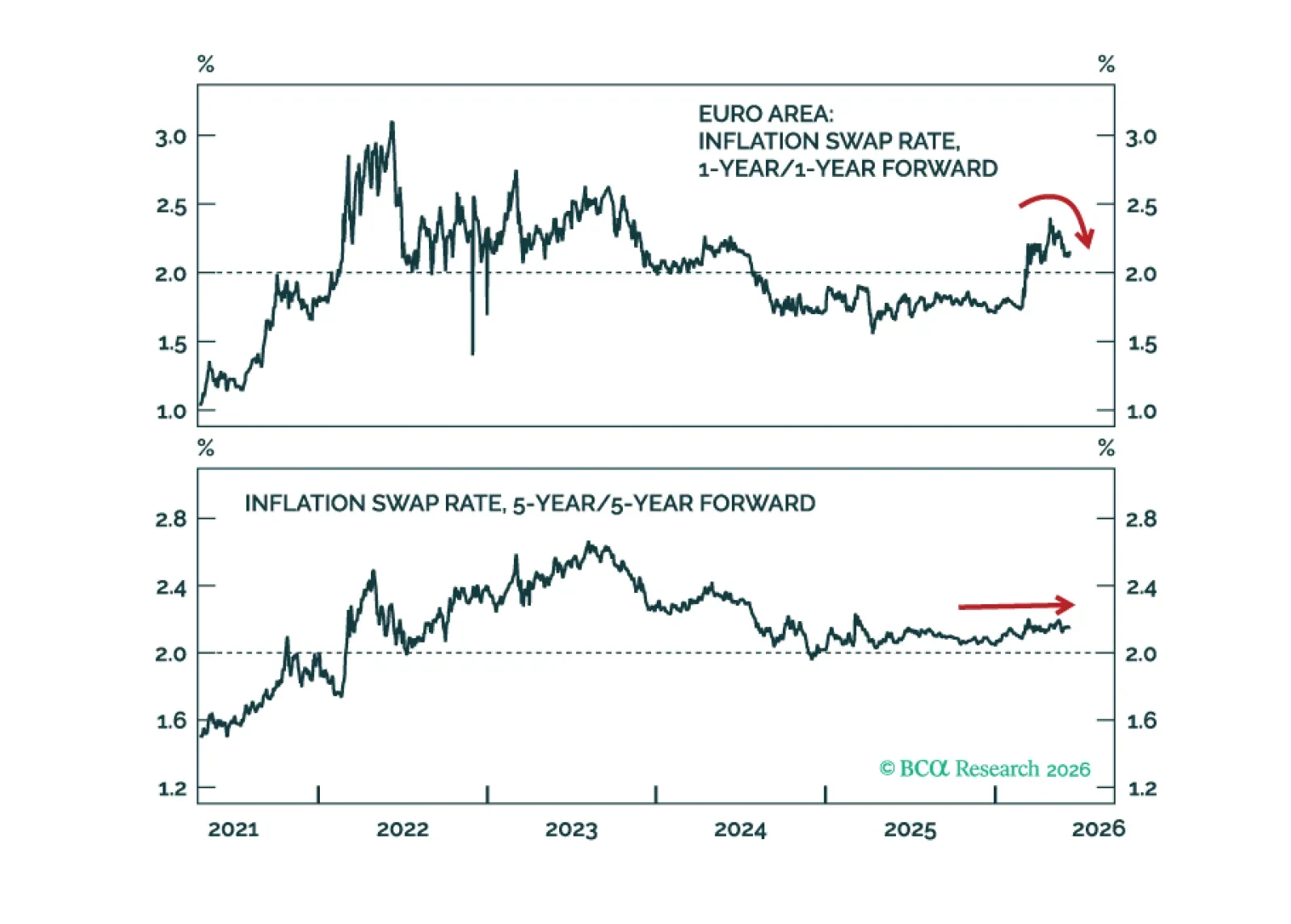
Today’s ECB rate hike is not the beginning of a hiking cycle. Growth concerns will soon move to the forefront of ECB policy decisions, preventing further tightening.
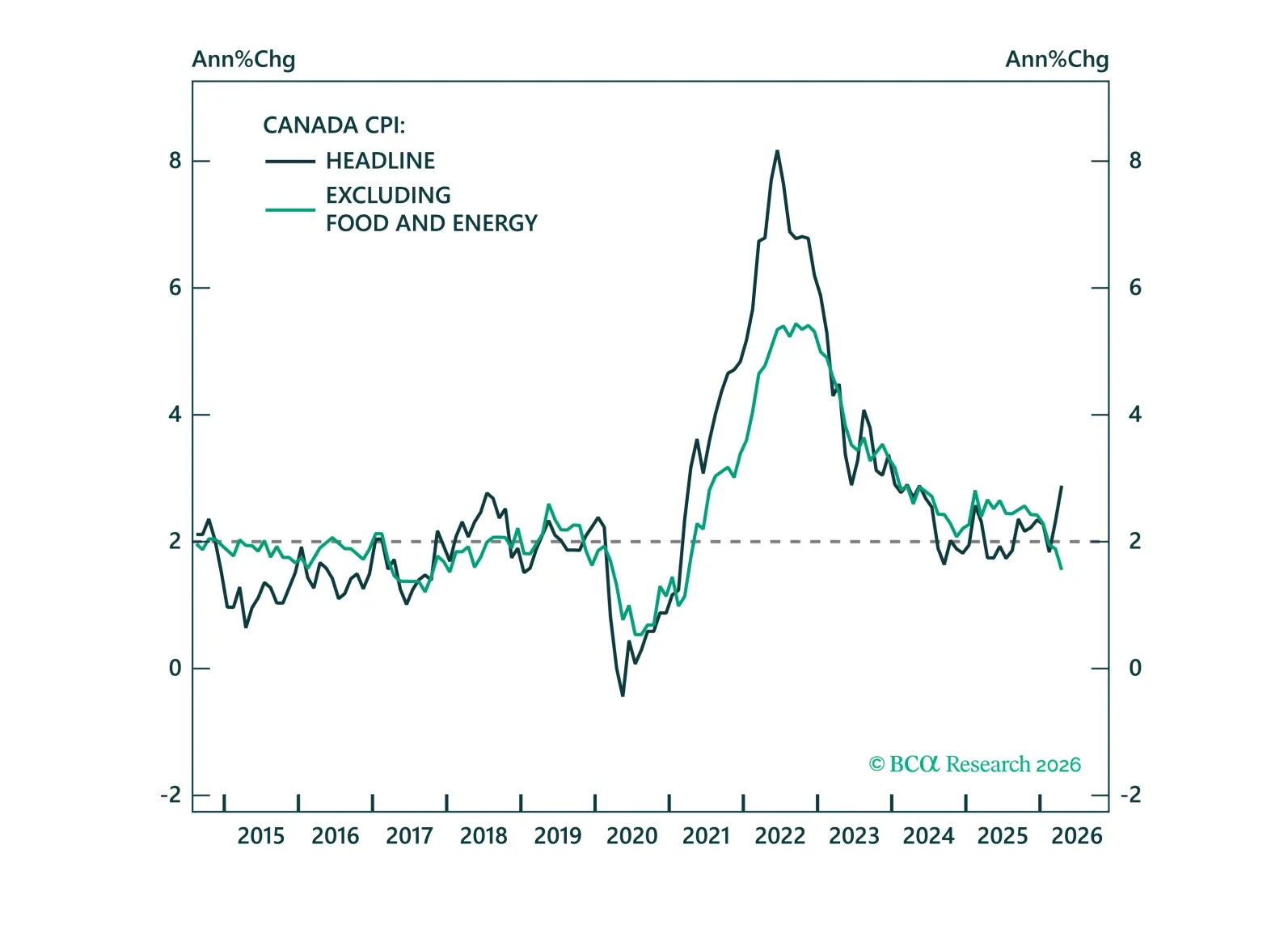
The Bank of Canada left rates unchanged and emphasized inflation risks from higher oil prices. We discuss why inflation and labor market data argue against the tightening currently priced.
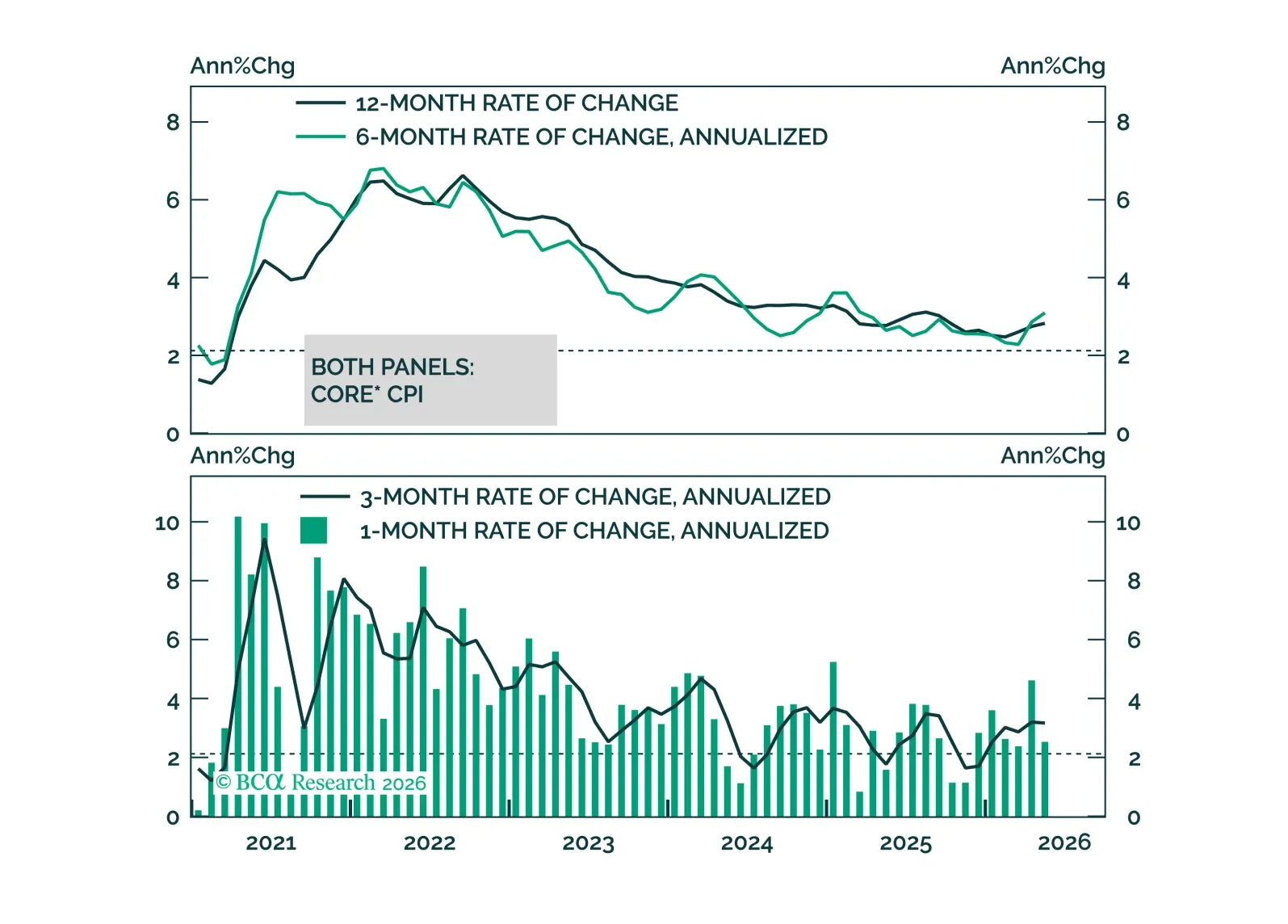
May CPI data show no evidence of passthrough from energy prices to core inflation. This will keep the Fed on hold for the time being.