Sorry, you need to enable JavaScript to visit this website.
Skip to main content

Equities

Our EM strategists warn that South African assets are vulnerable to a stagflationary squeeze. Although reform efforts are ambitious, they are slow to materialize as the country faces rising inflation and slowing growth. Higher energy and food prices as well…

South Africa’s ambitious reform agenda will take time to bear fruit. Meanwhile, the country faces a stagflationary squeeze as inflation rises while growth slows. South African stocks, bonds, and currency are all vulnerable.

Our US Equity strategists see the “June swoon” as a rotation and rebalancing-driven air pocket, not a regime change. They note the economy has been in Expansion mode for three consecutive months, earnings revisions remain positive, and AI-driven capex demand…

We have long argued, on a case-by-case basis, that countries willing to play the superpowers against each other win in a multipolar world. The logic is intuitive, and in this report, we measure it systematically.

Our DM ex-US strategists stay long risk assets through 2026, arguing that ample global liquidity will continue to support markets even as the underlying impulse fades. They note that the sheer stock of liquidity explains why equities shrugged off the energy…

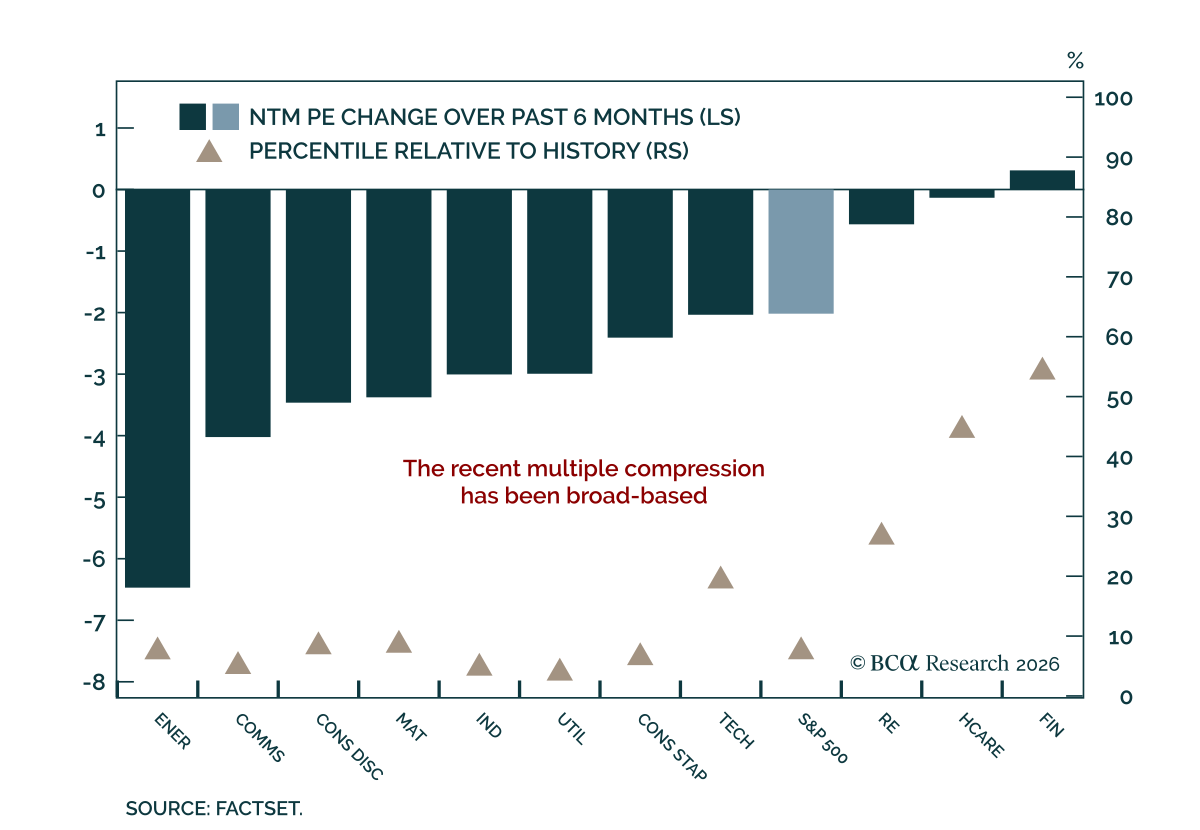
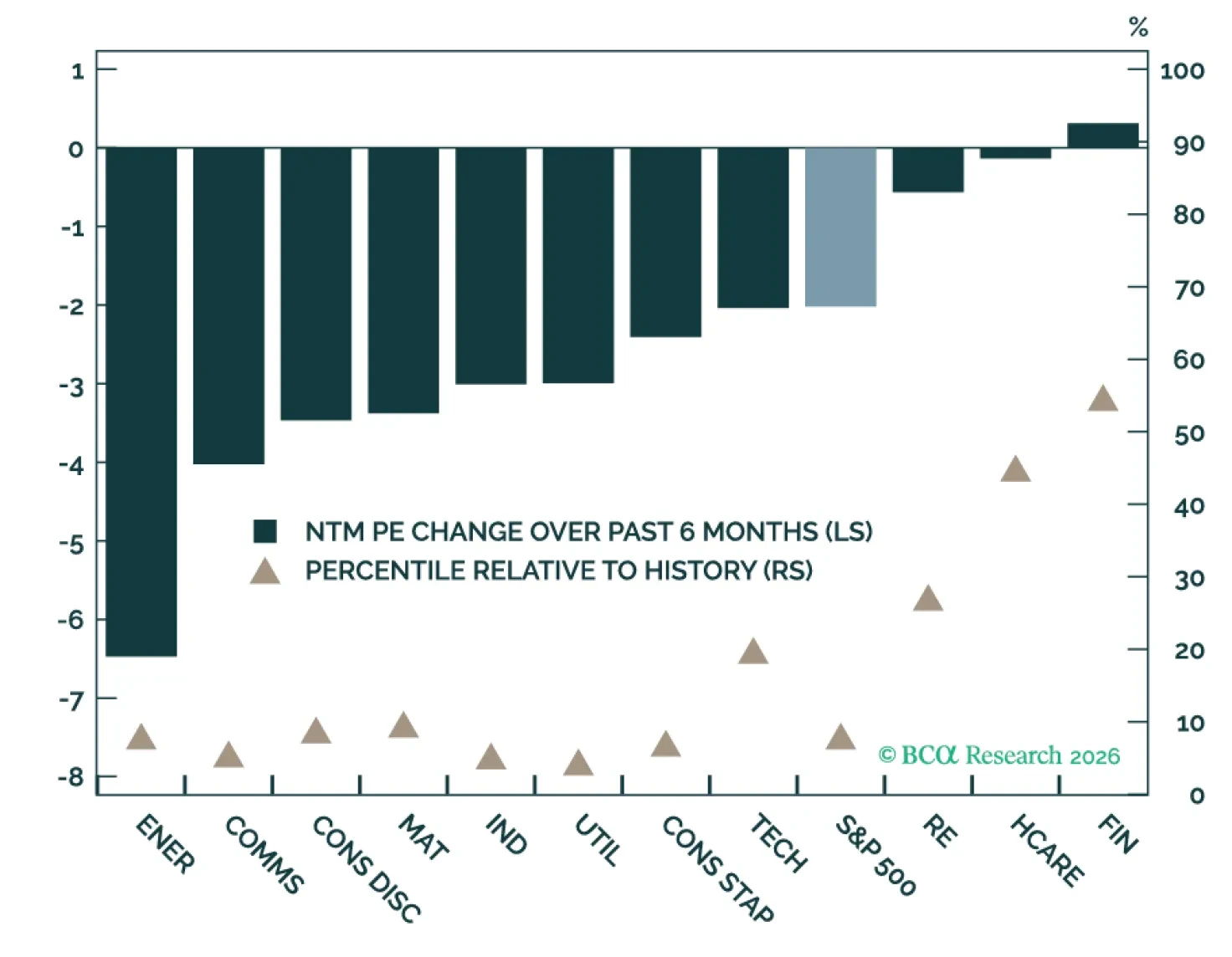
The June swoon looks like a rotation and rebalancing-driven air pocket, not a regime break. Economic growth, earnings revisions, and AI-driven capex demand remain firm, but rising yields, inflation concerns, Fed uncertainty, and a looming IPO wave are likely to constrain further multiple expansion. But progress toward a resolution of mid-east tensions, rallying bonds, and falling oil prices, have motivated us to add a tactical long consumer discretionary trade.

The coming IPO wave is more likely to test the scarcity premium in AI leaders than to mark a broader market top. Our Chart Of The Week comes from Noah Weisberger, Chief US Equity Strategist. In the context of the SpaceX IPO, Noah looked at decades of IPO…
Special Report

Markets keep buying the dip because liquidity remains plentiful. That buffer lasts through 2026; the bigger question is what happens when it thins in 2027.

Rising volatility in Korean markets captures a late-cycle surge in which euphoria and drawdown risk are rising together. While KOSPI momentum remains intact, the bigger opportunity may be emerging in the increasingly mispriced KRW, which could rally meaningfully as portfolio flow headwinds fade.

Our June BCA Views meeting concluded that the near-term case for staying overweight equities remains intact. The discussion centered on whether the Middle East conflict, sticky inflation, and a maturing AI capex cycle are enough to challenge that view. The…