Economy
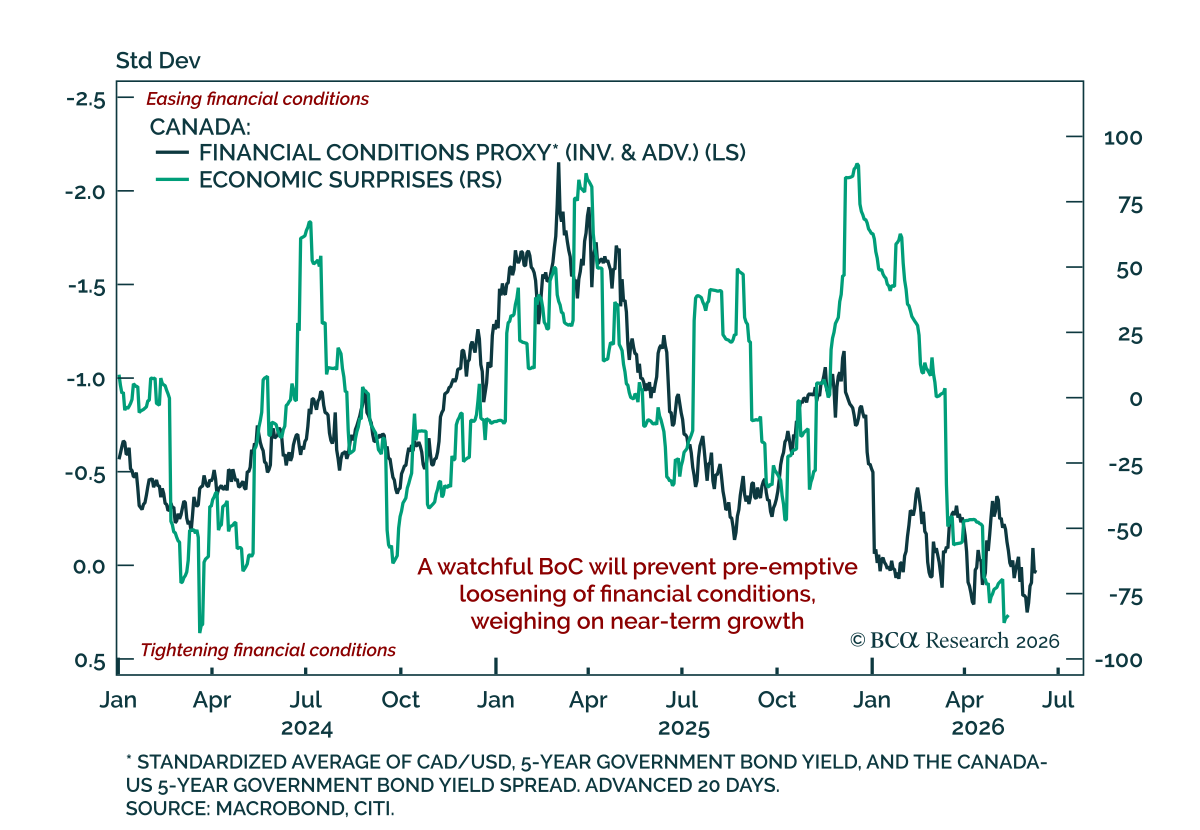
Canada’s data keep disappointing, and stable but still-restrictive financial conditions point to subdued growth ahead. As we recently highlighted, Canadian economic surprises turned negative earlier this year and have kept falling. Canada also faces several…
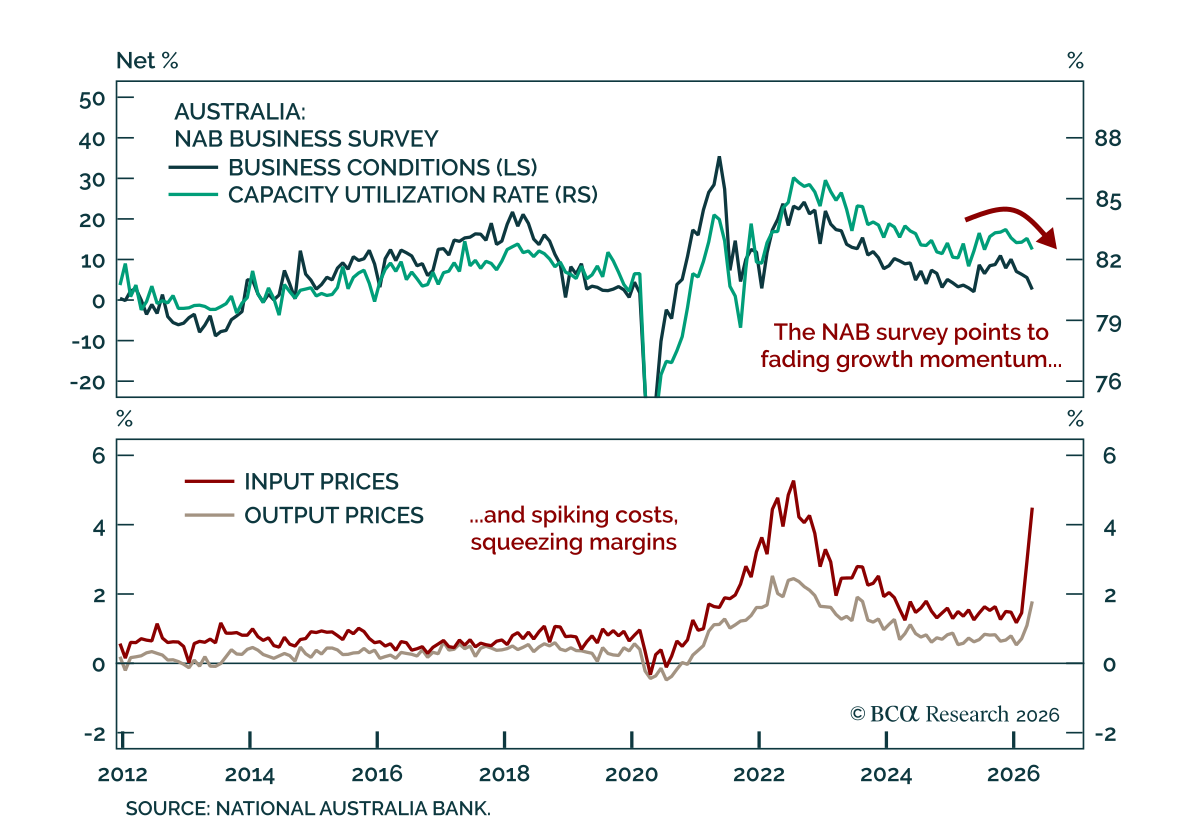
The April NAB survey points to a worsening growth-inflation mix in Australia. Business conditions moderated to +3 from +6, a fourth consecutive decline that left the index firmly below its long-term average. Business confidence, the more forward-looking…
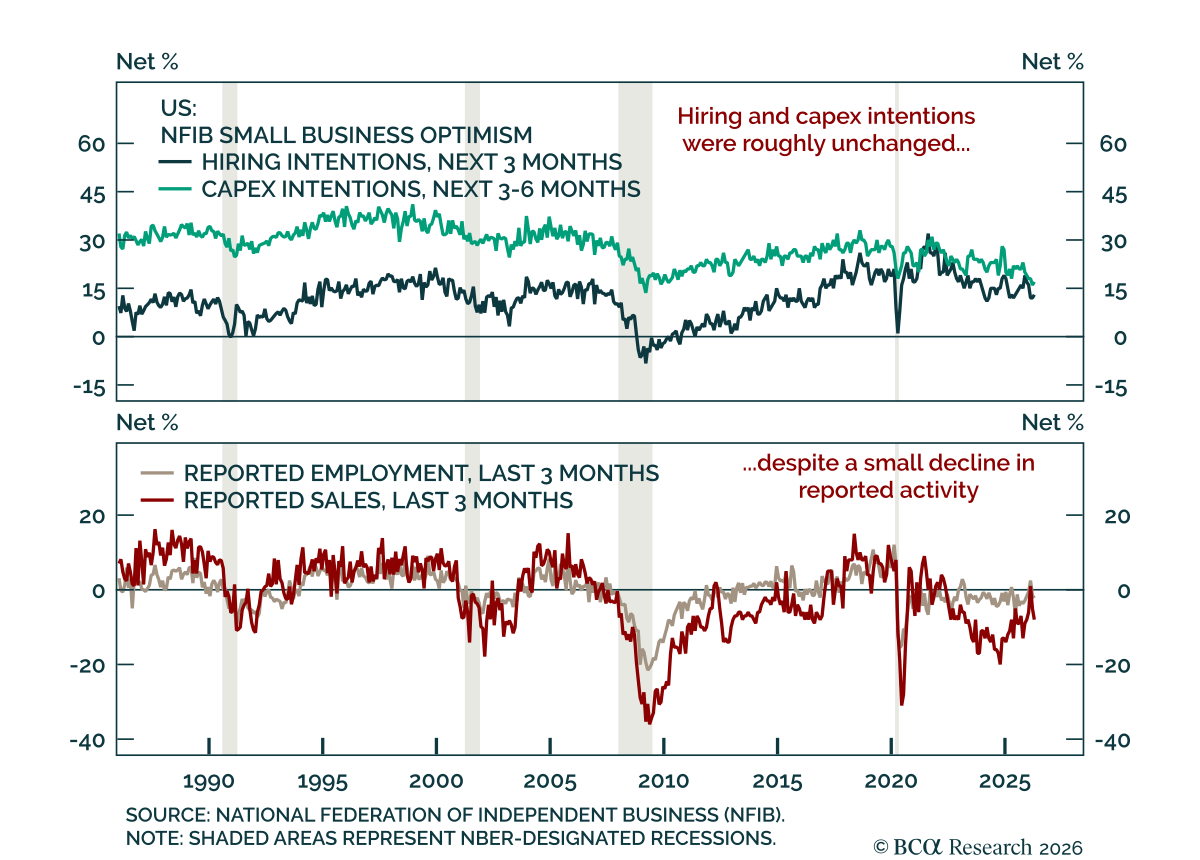
The April NFIB survey pointed to weaker growth, even as labor-market signals firmed at the margin. The index came in at 95.9, up slightly from 95.8 in March, but expectations deteriorated to 4% from 11%. More importantly, firms’ reported sales and employment…
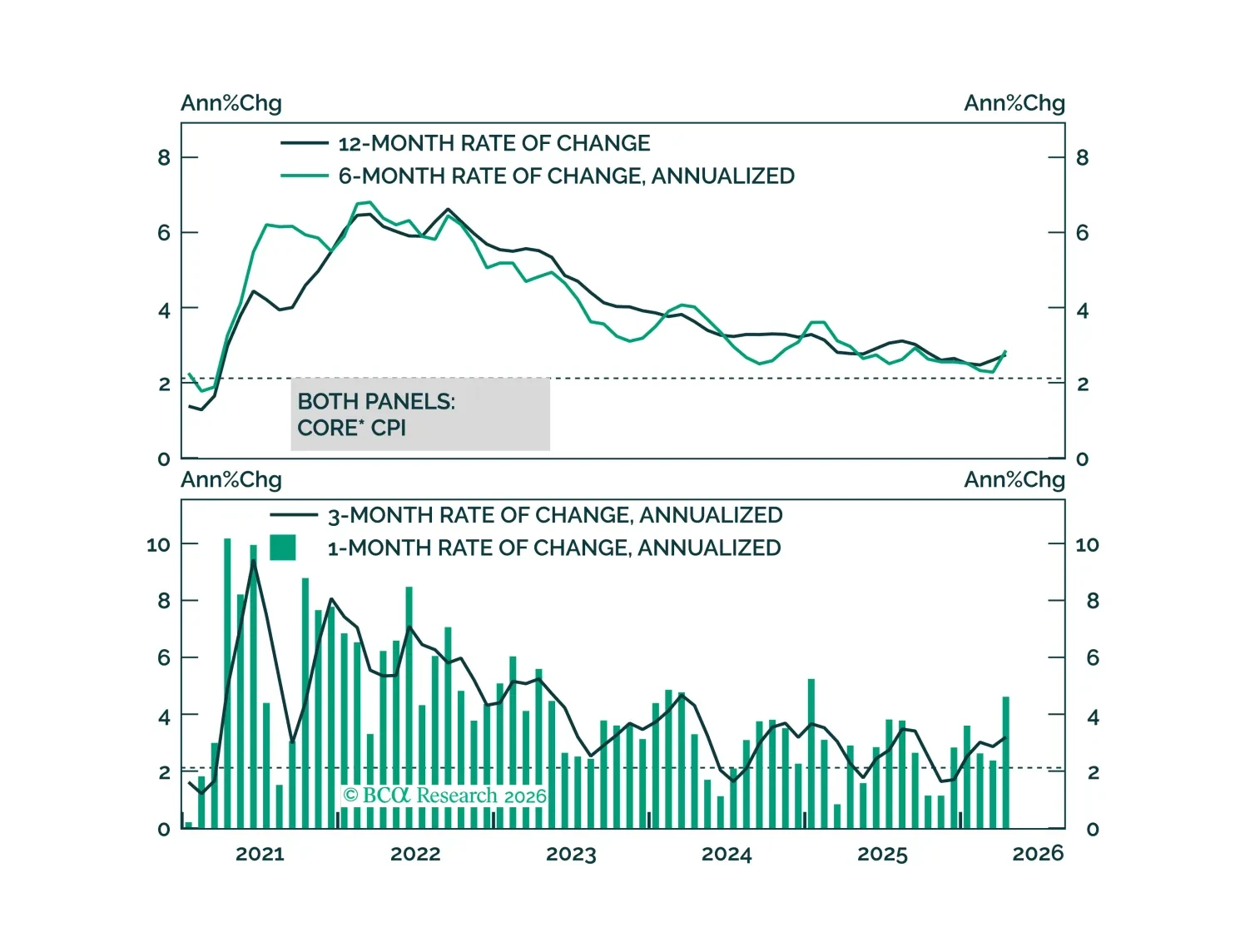
The April CPI report showed clear evidence of the direct effect of higher oil prices on inflation but, so far, limited evidence of passthrough to core.
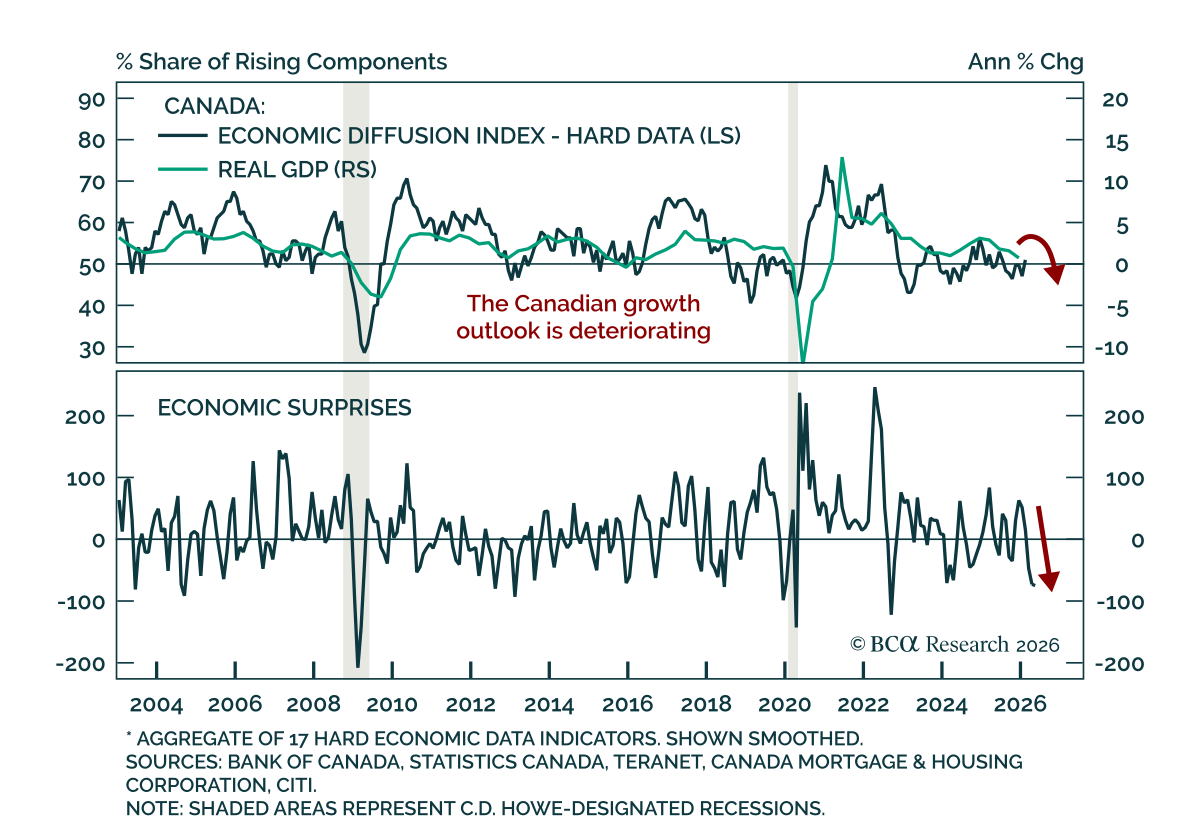
Canada’s growth outlook is deteriorating, with labor-market slack rising and economic surprises turning lower. Canadian economic surprises have turned negative and continue to fall. The April jobs report disappointed, with employment contracting for the third…
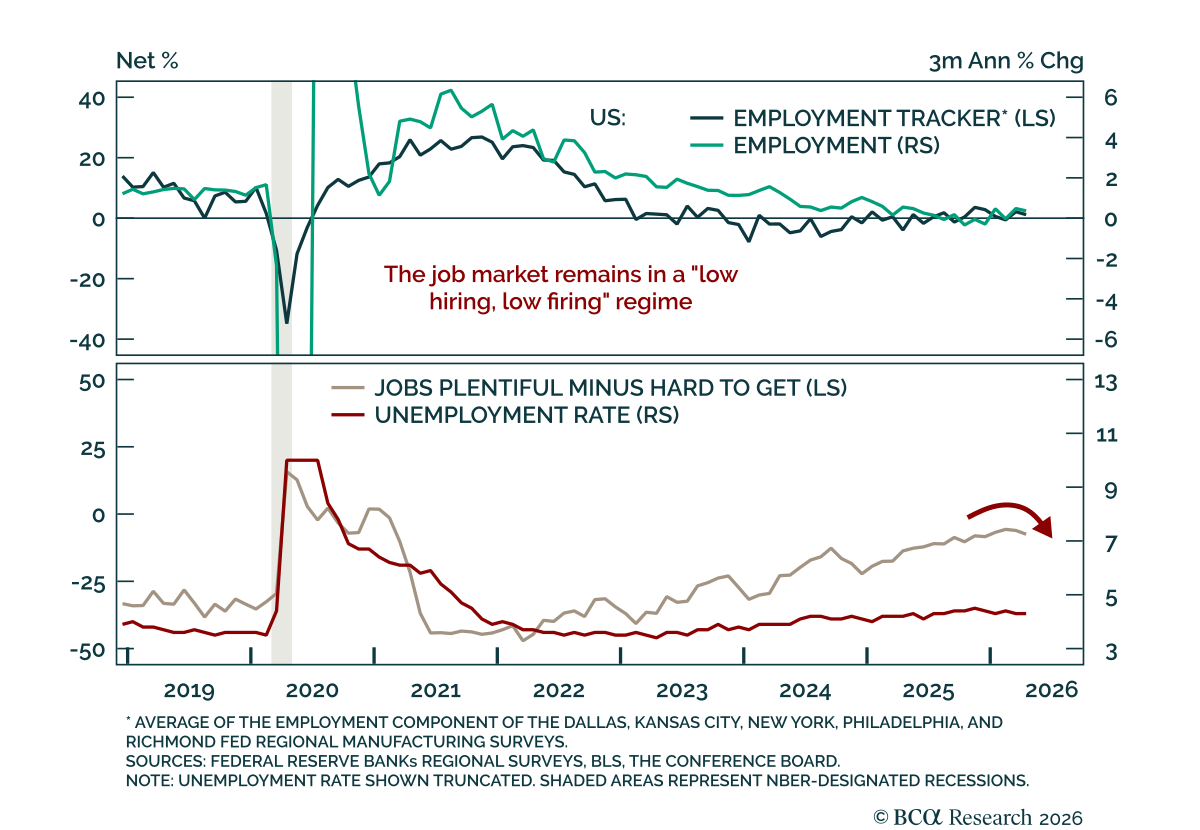
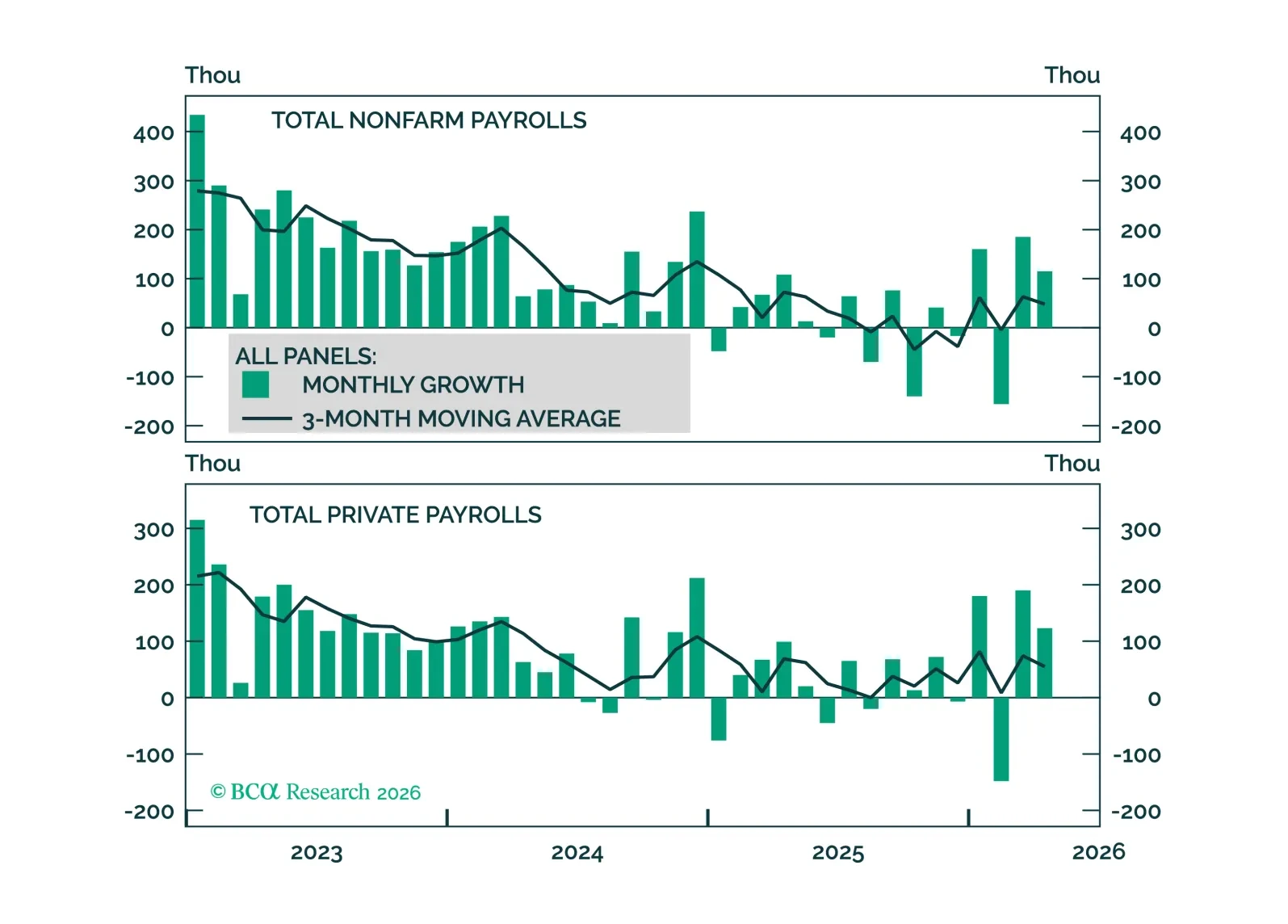
The April US employment report points to a goldilocks labor market. Nonfarm payrolls rose 115k, beating estimates, after a strong upwardly revised 185k in March. Two-month revisions removed 16k jobs, leaving the 3-month moving average at 48k, above our 30k…
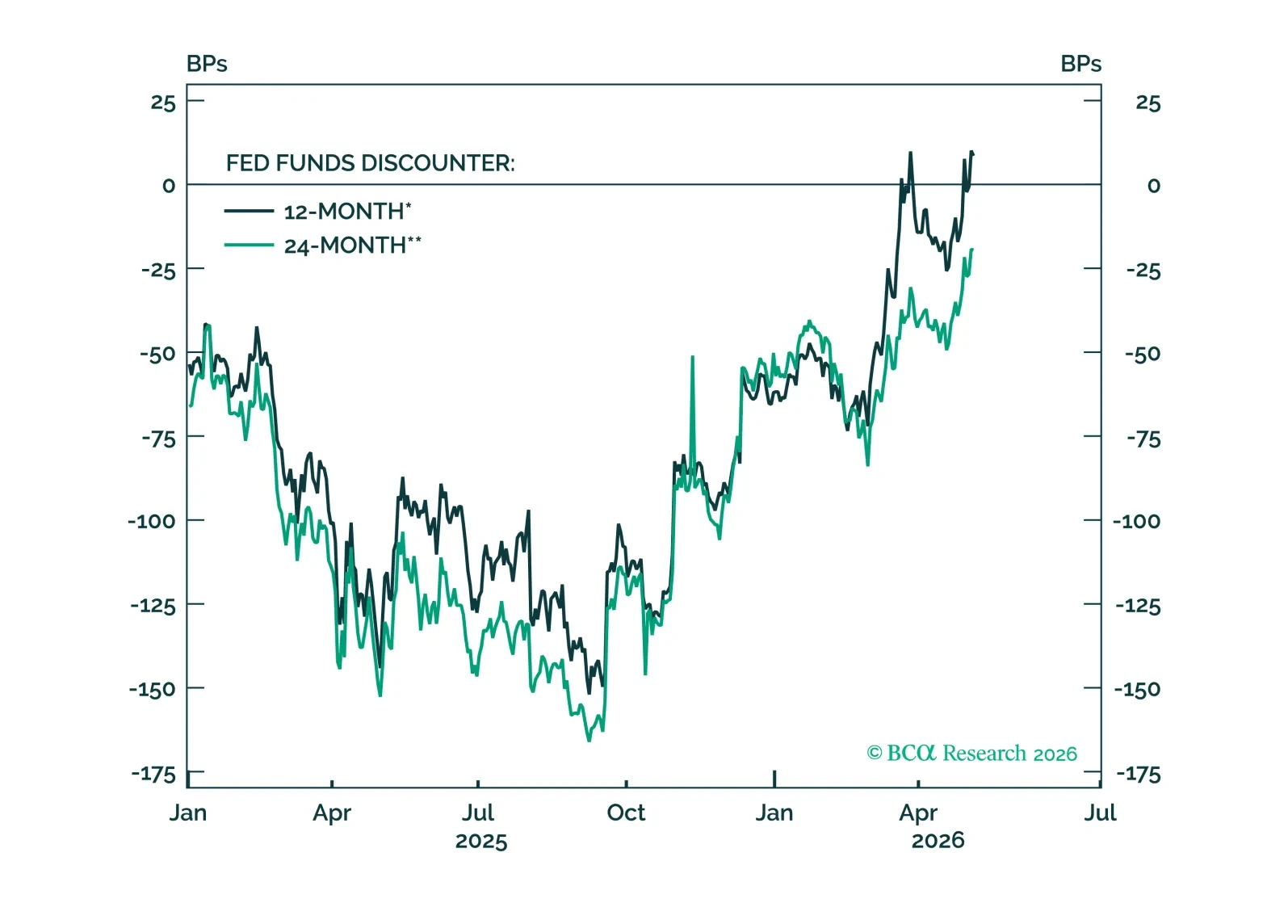
Improving job growth keeps Fed rate cuts off the table, but evidence of labor market tightening will be required before rate hikes become part of the discussion.
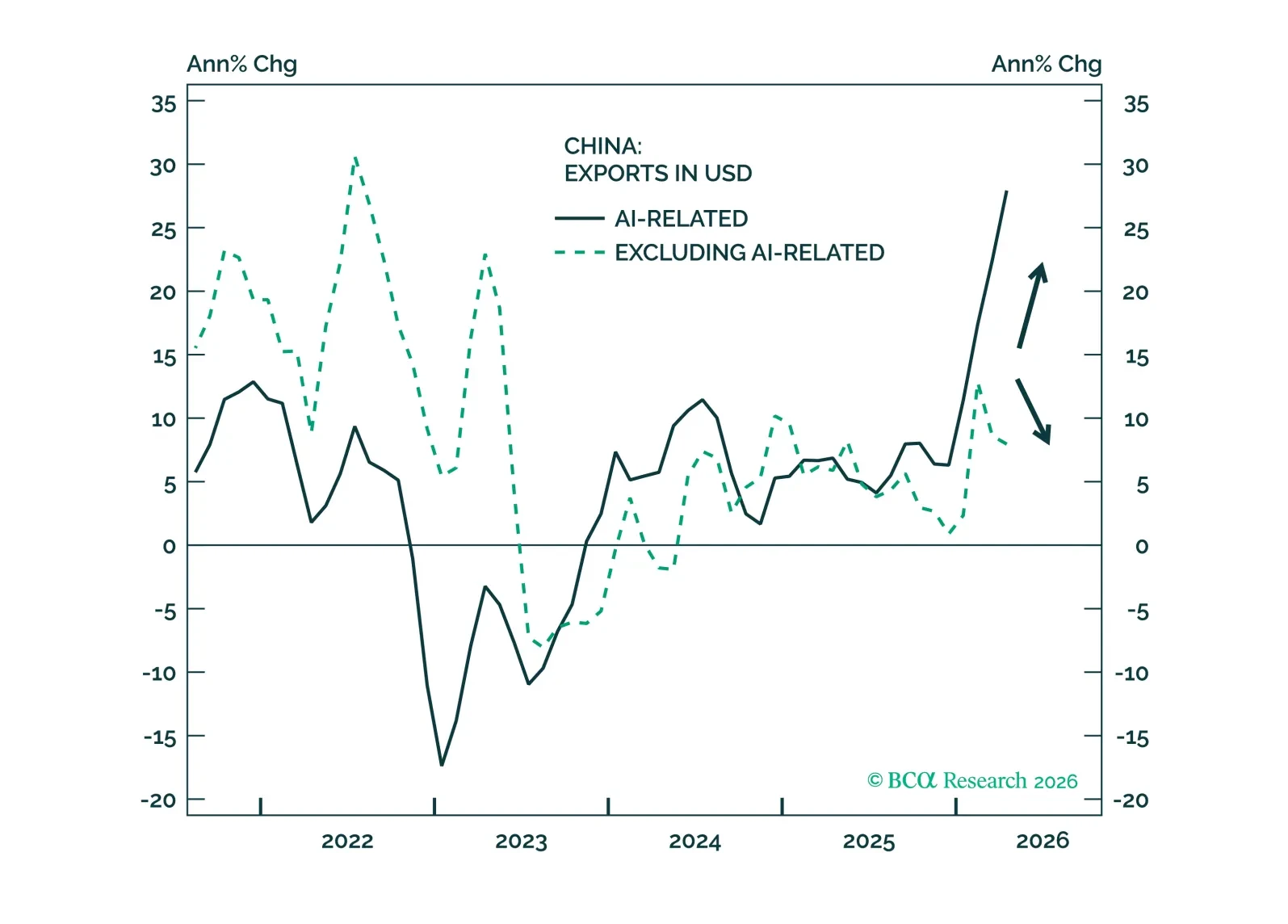
China’s K-shaped economy is widening, with resilient exports and subdued domestic consumption. Over the next 6–12 months, we see a higher probability that global capex momentum persists than China delivers meaningful consumer-focused stimulus.
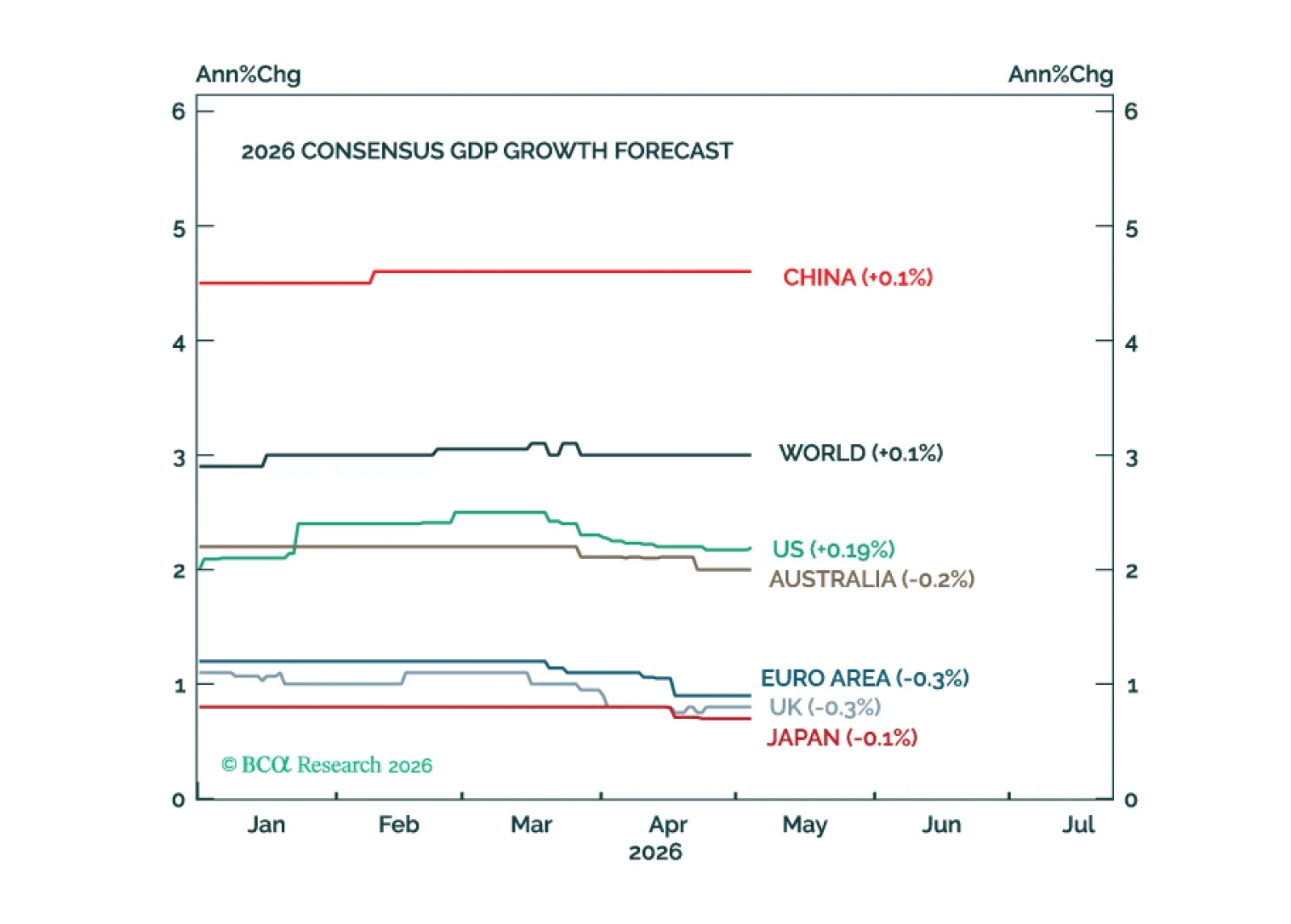
The global economy has weathered the oil shock reasonably well so far. However, the risk of a recession will increase meaningfully if the Strait of Hormuz remains closed into June.