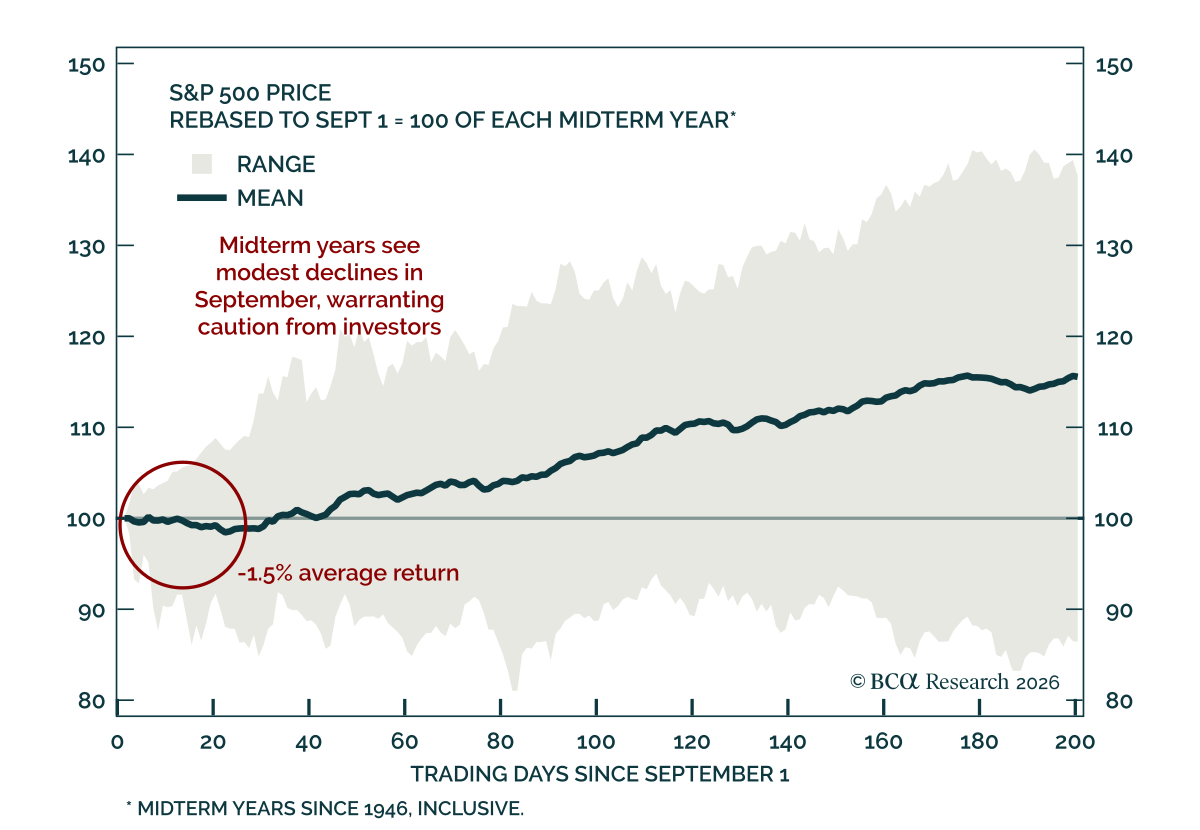
US Election
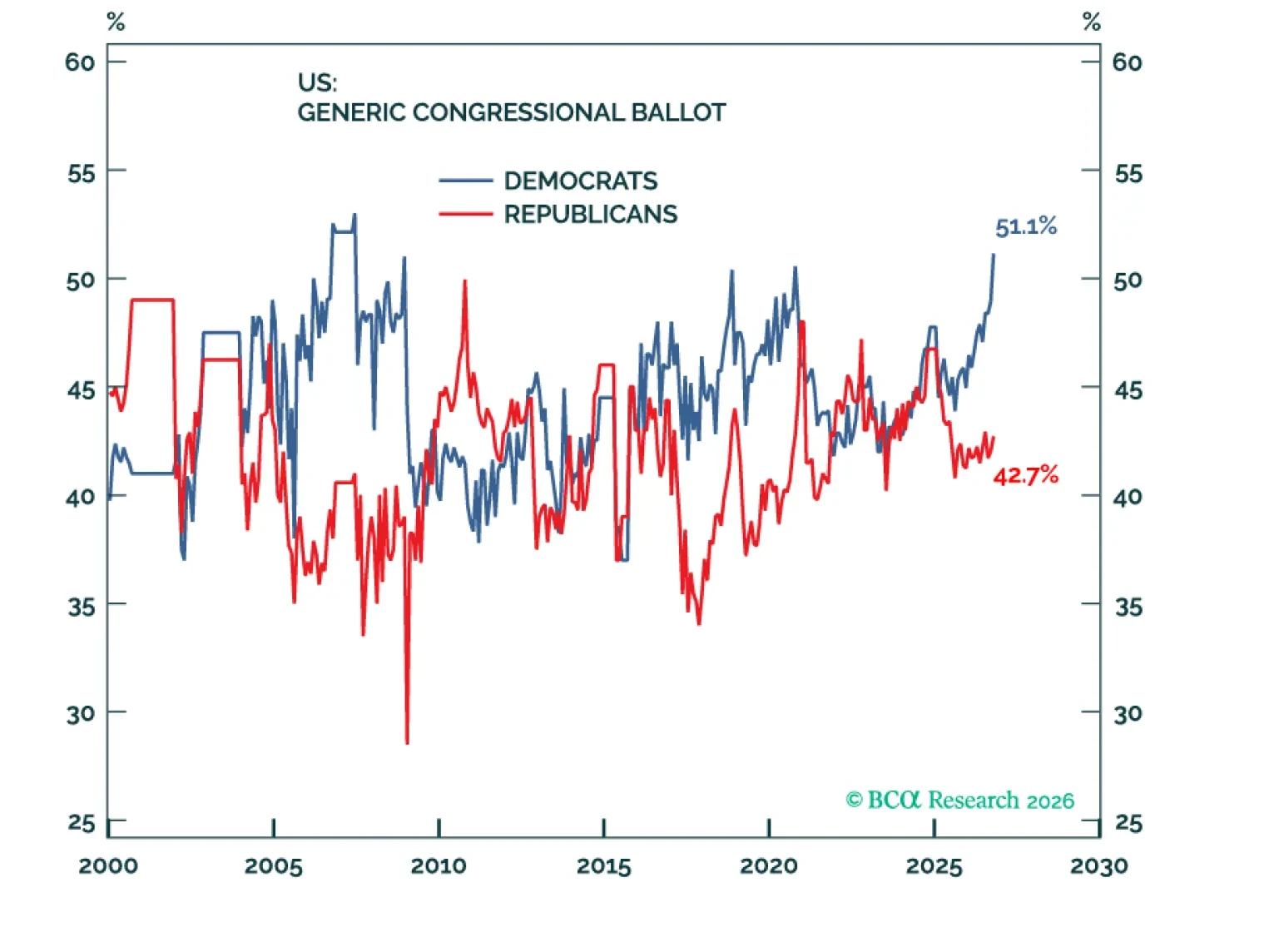
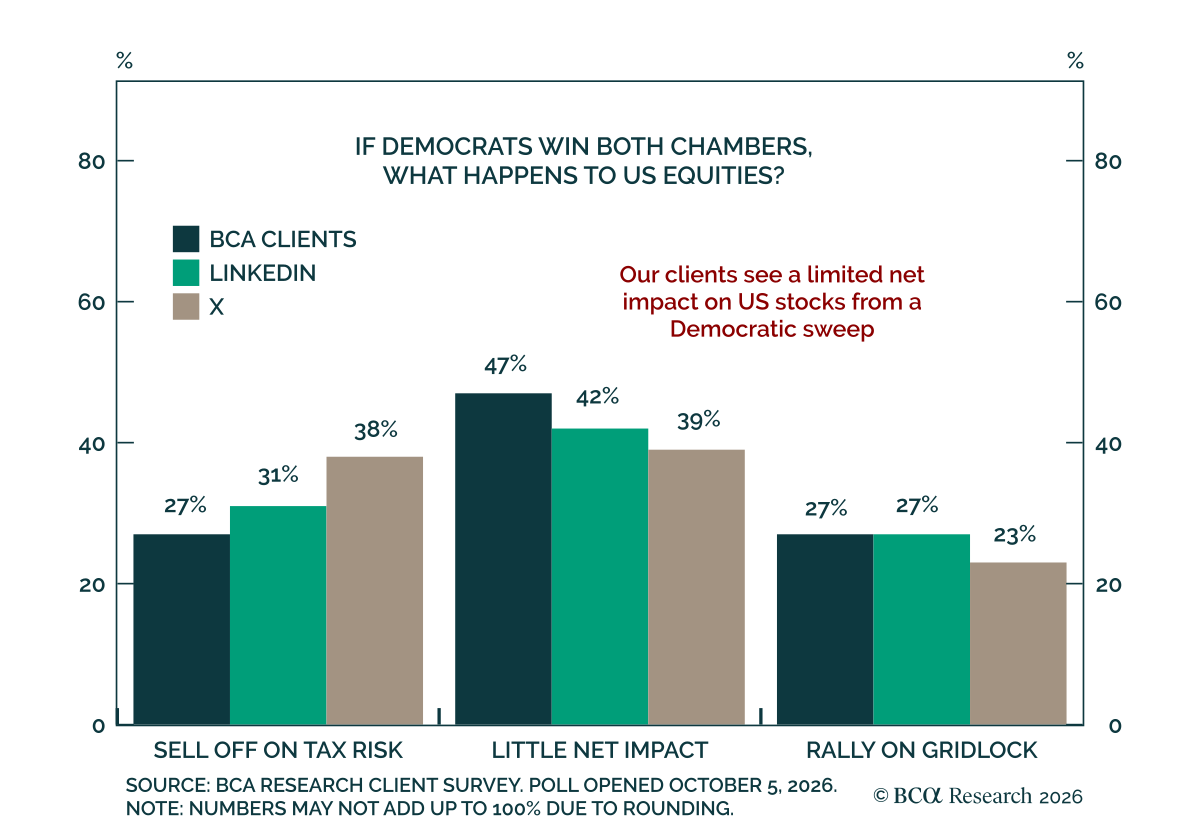
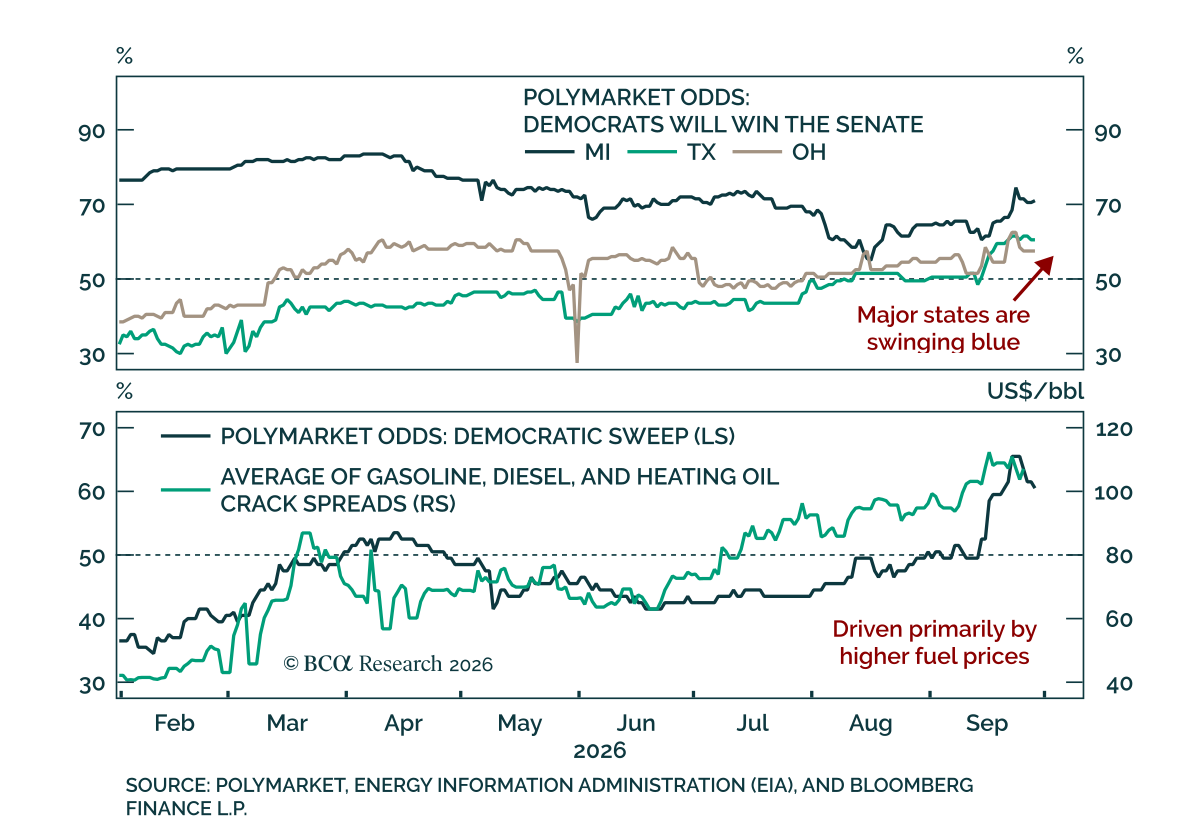
Democrats will win both houses in the midterm, but beyond near-term volatility, none of the outcomes pose a major market risk. The vote is more important as a signal of an anti-business turn in US policy in coming years, which markets could start to price in late 2027 or early 2028.
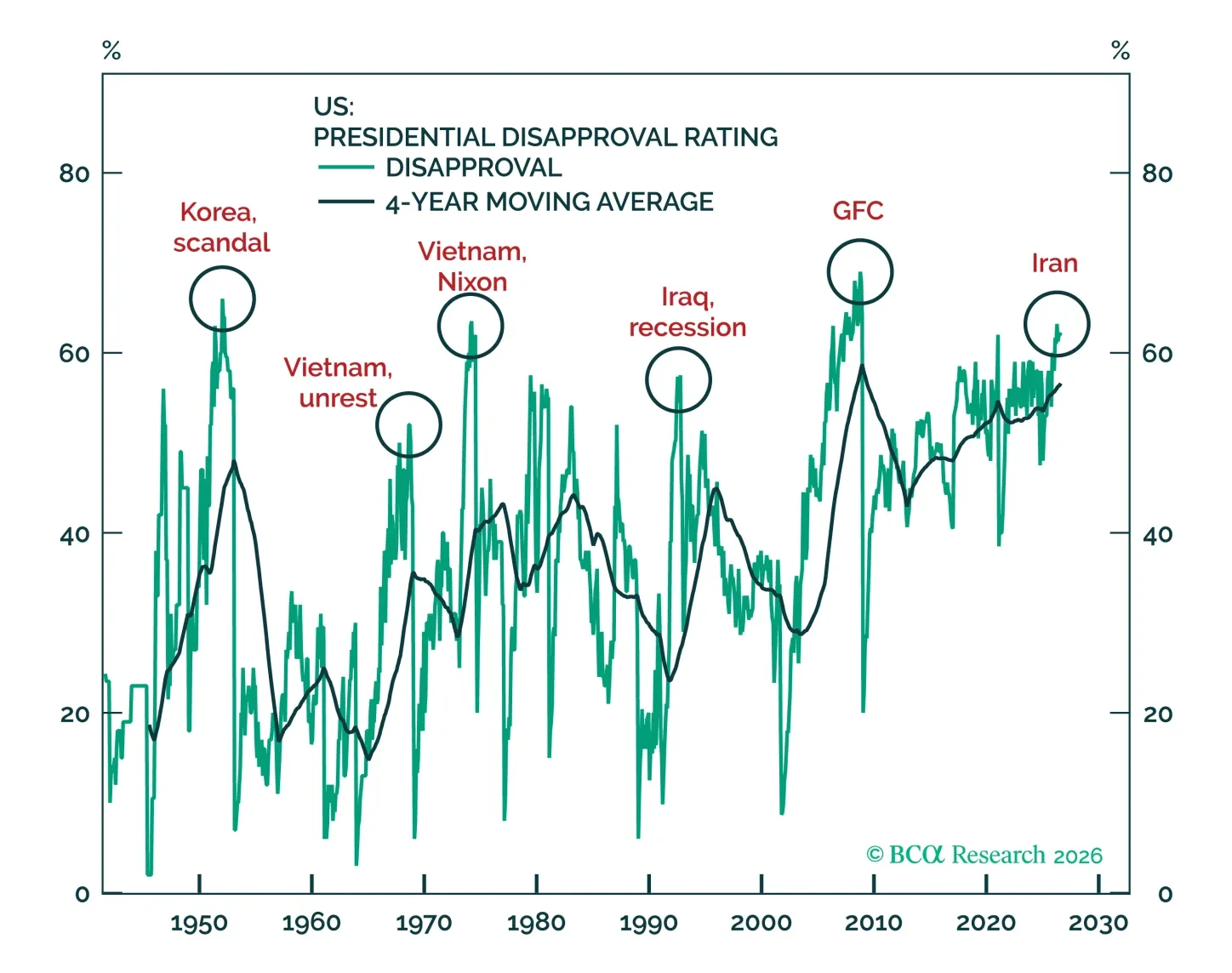
The big risk for the markets remains a flare up in the Middle East conflict. The Fed appears to be targeting geopolitics as much as inflation fundamentals. By the logic of transitive properties, therefore, more war means more hikes. That’s negative. So why are we not bearish on equities and bonds? Because President Trump holds his own faith in his hands. With his unfavourability near all-time highs (Chart of the Month), the conflict in Iran is at its end. Our worry? A Democratic Party sweep that surprises in its intensity and thus forces markets to start pricing in a leftward tilt in 2028.
Democratic candidate for the Texas Senate seat, James Talarico, has been leading his opponent, Republican Ken Paxton, for over a month in the betting markets. At the moment, Talarico’s probability of turning the Texas Senate seat blue is a whopping 65%. This is partly a result of Paxton’s flawed candidacy that builds on his dramatically flawed time as Texas’s attorney general. Remember, the staunchly Republican Texas House of Representatives voted to impeach Paxton in 2023!
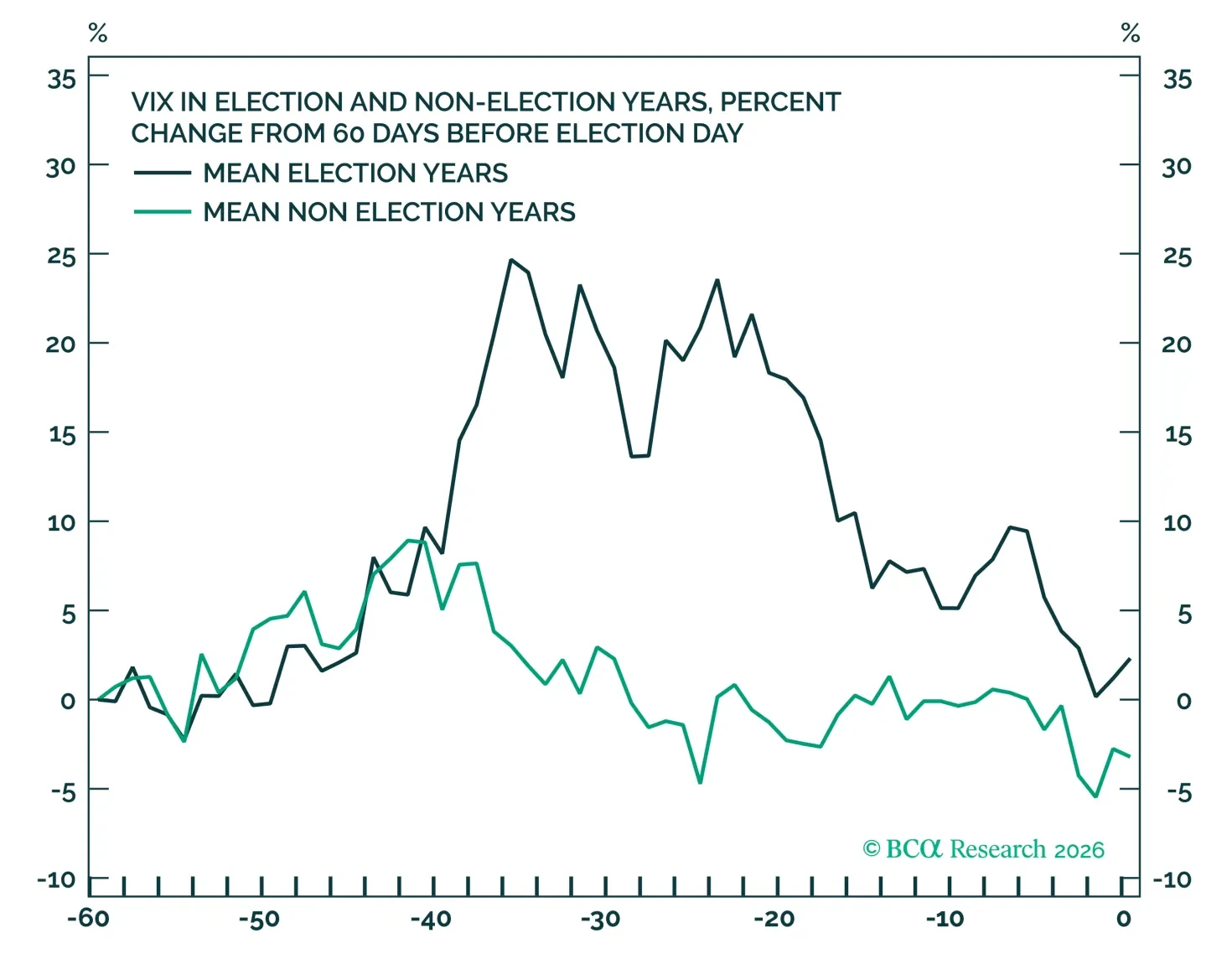
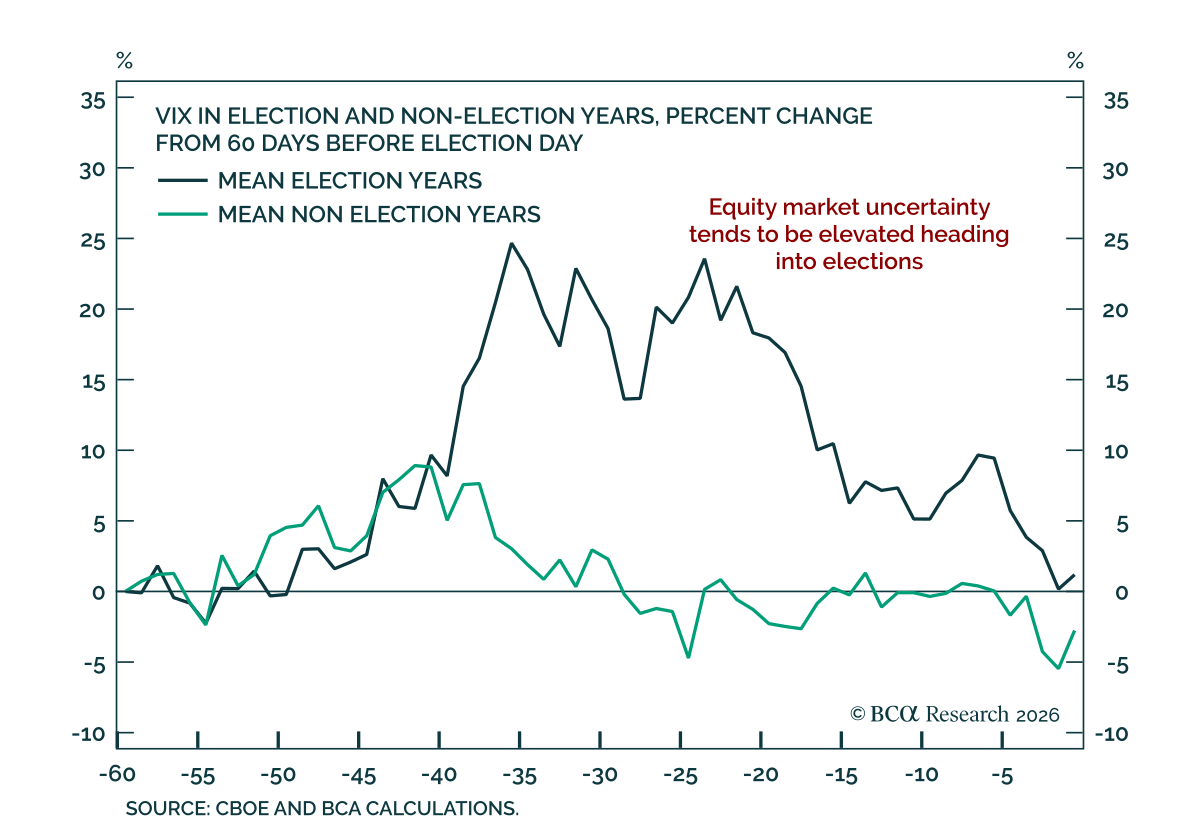
Betting markets give Democrats a 90%-plus chance of flipping the House, but history suggests a midterm flip is business as usual, not a signal for 2028. Volatility measures suggest little of the typical election risk is priced at the index level, but stock-level volatility is elevated, particularly in politically sensitive sectors, and politically exposed stocks are underperforming. Index protection looks inexpensive.

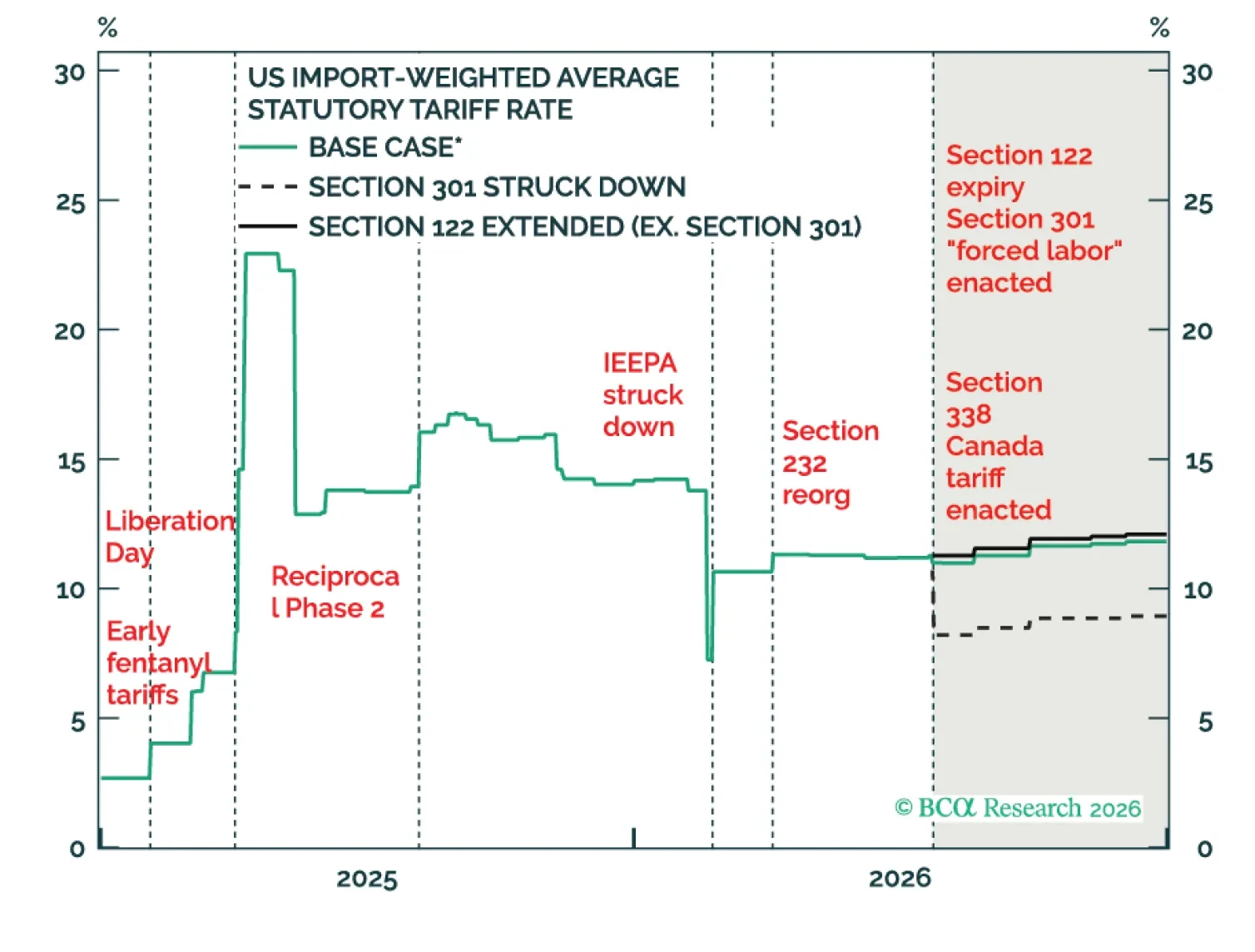
President Trump is raising tariffs again, now through 2027 – and more countries will retaliate this time. While markets can climb over “Liberation Day 2.0,” investors should be wary of today's aggressive policies engendering drastic policy change in 2028.