Tariffs
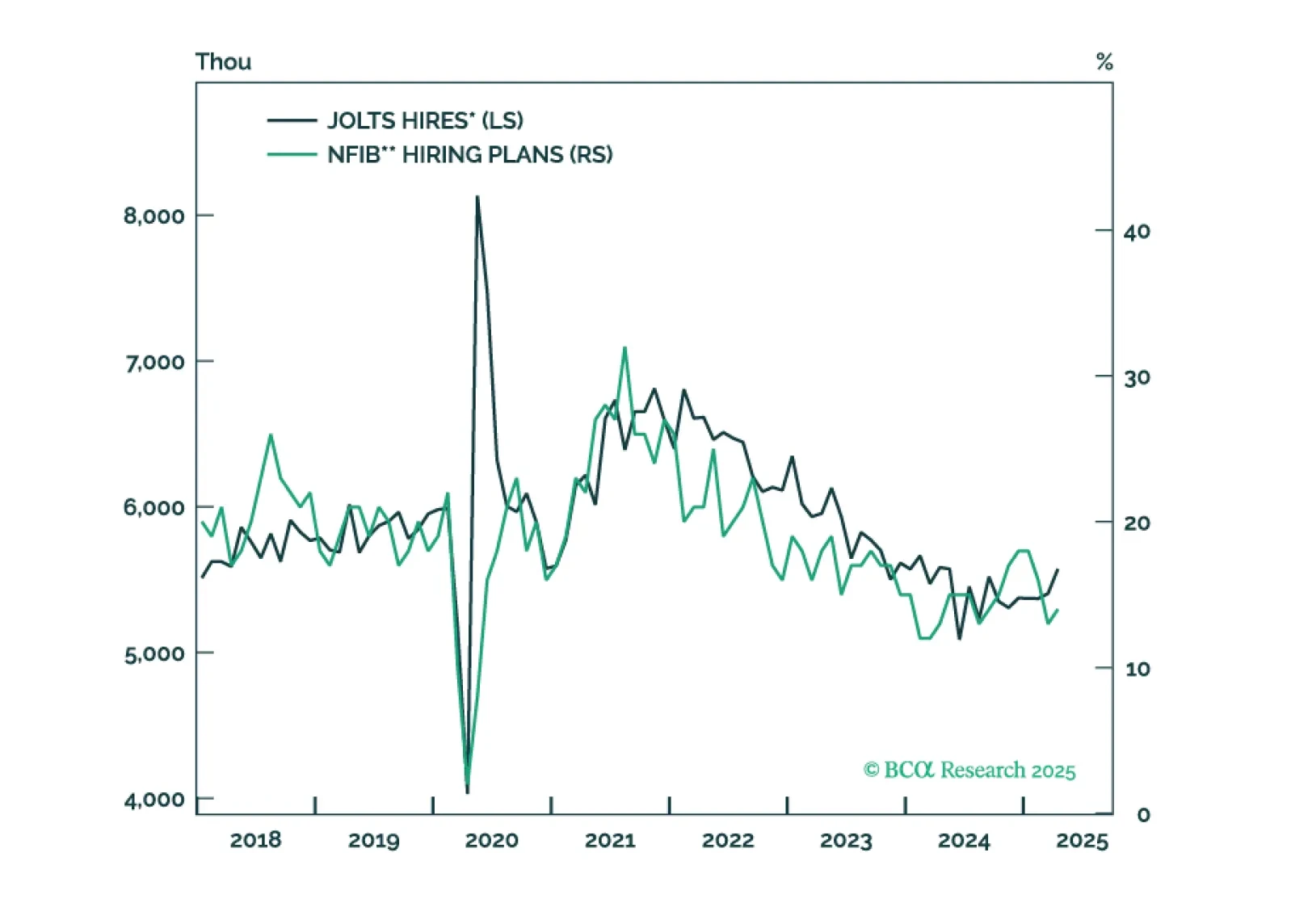
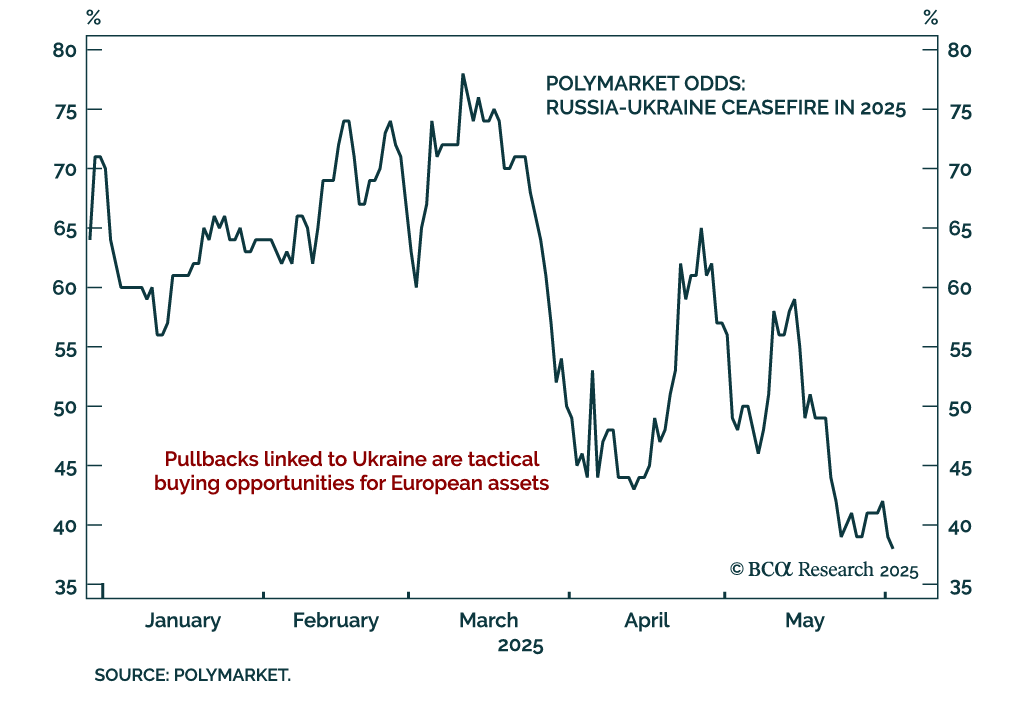

After considering some of the most common bullish arguments, we stand by our recession view and reiterate our defensive asset allocation recommendations.

Private Credit return expectations edge lower. Middle Market Direct Lending remains attractive, rivaling Middle Market Buyouts.
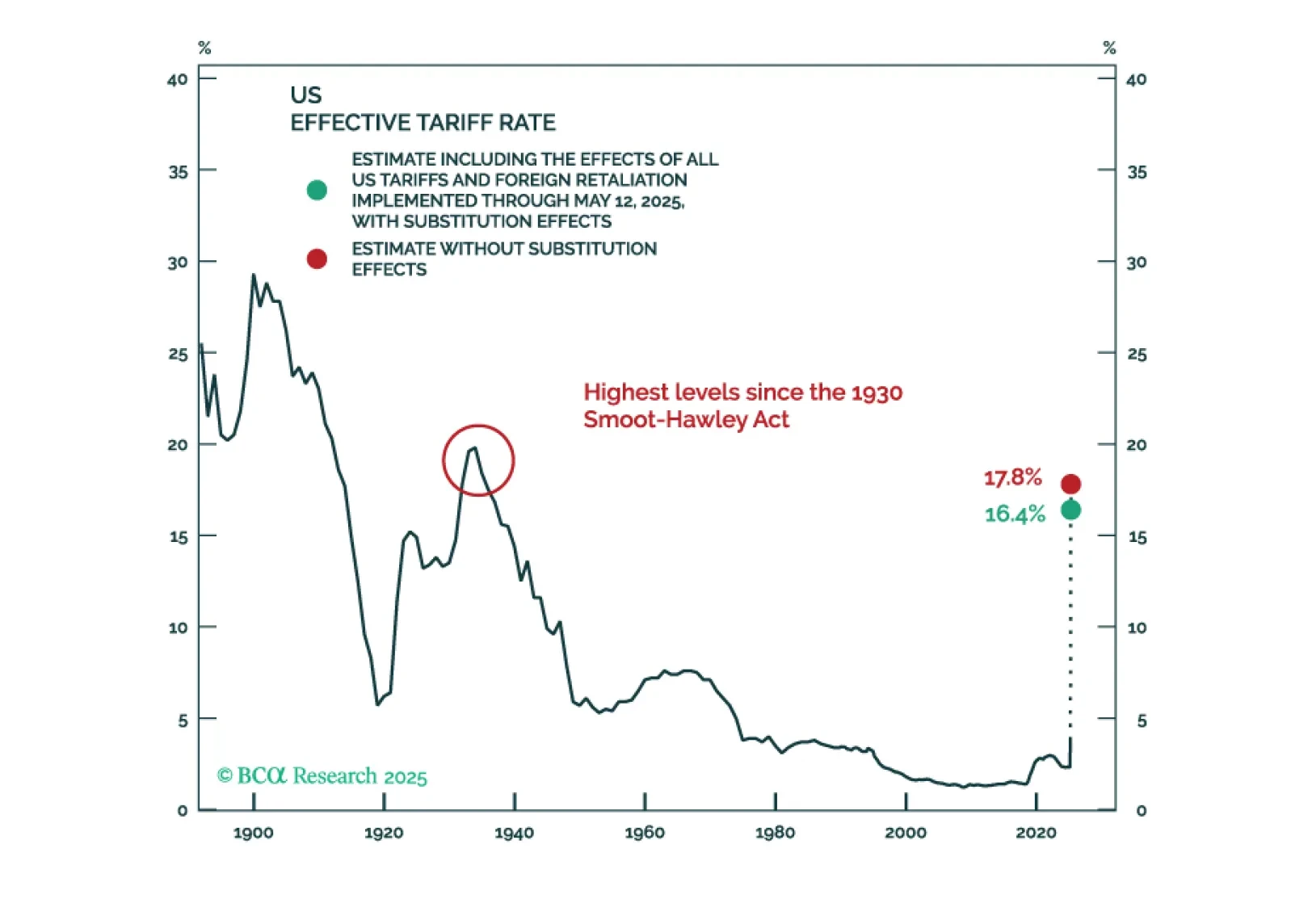
In Section I, Doug warns that US trade policy may produce a considerably worse outcome than investors currently expect. The administration’s apparent 10% tariff baseline is likely to be negative for the US economy and particularly the small business sector. Investors should remain defensively positioned for now, although judicial constraints on the administration’s ability to wage a trade war, if confirmed, would sharply reduce our estimated recession probability. In Section II, Jonathan discusses the arguments in favor and against the view that US inflation will be structurally elevated over the longer term. Our base case view remains that US inflation will not be significantly above 2%, but this view may change if US tariffs are put in place permanently and the US avoids a recession.
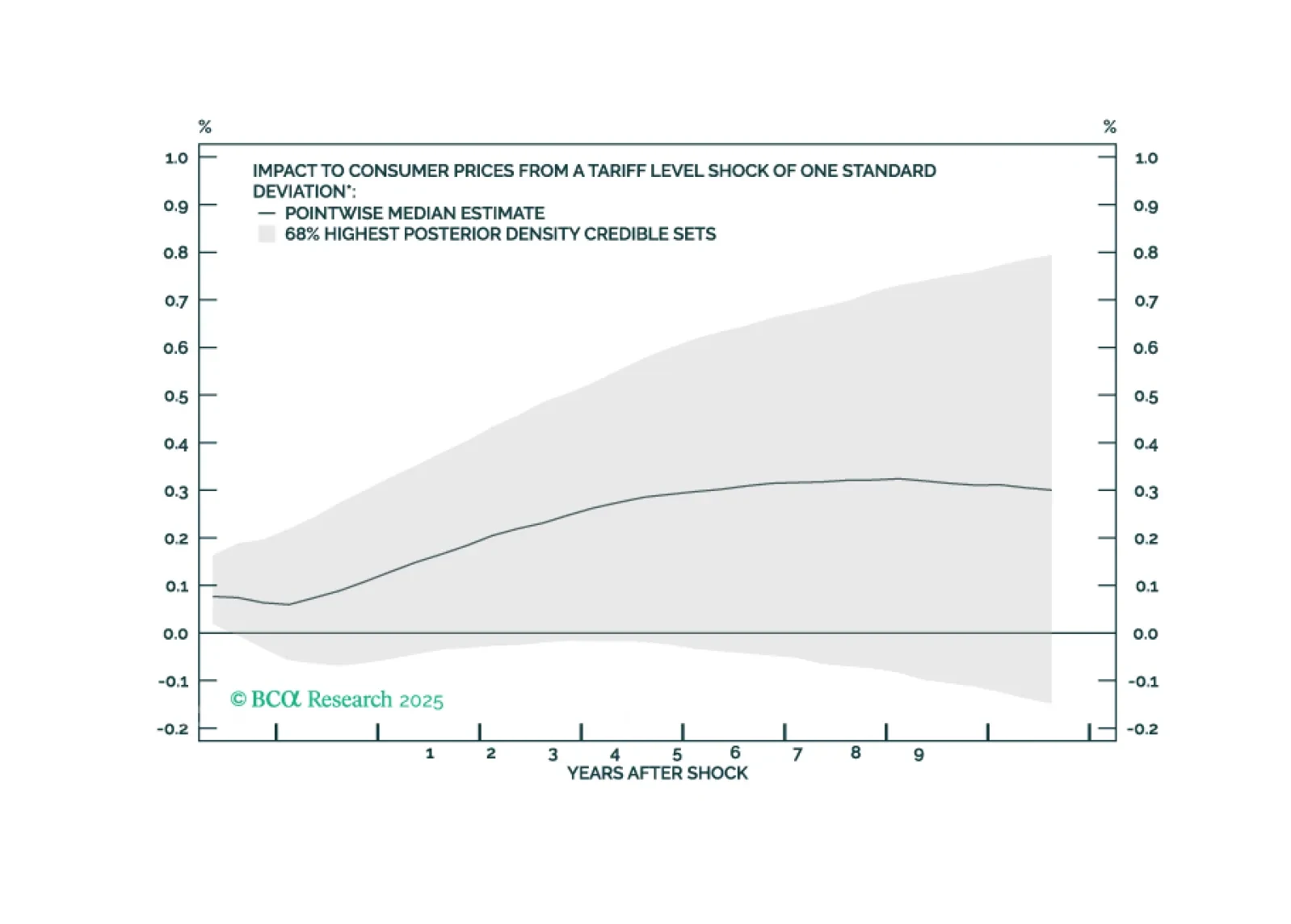
In Section II, Jonathan discusses the arguments in favor and against the view that US inflation will be structurally elevated over the longer term. Our base case view remains that US inflation will not be significantly above 2%, but this view may change if US tariffs are put in place permanently and the US avoids a recession.
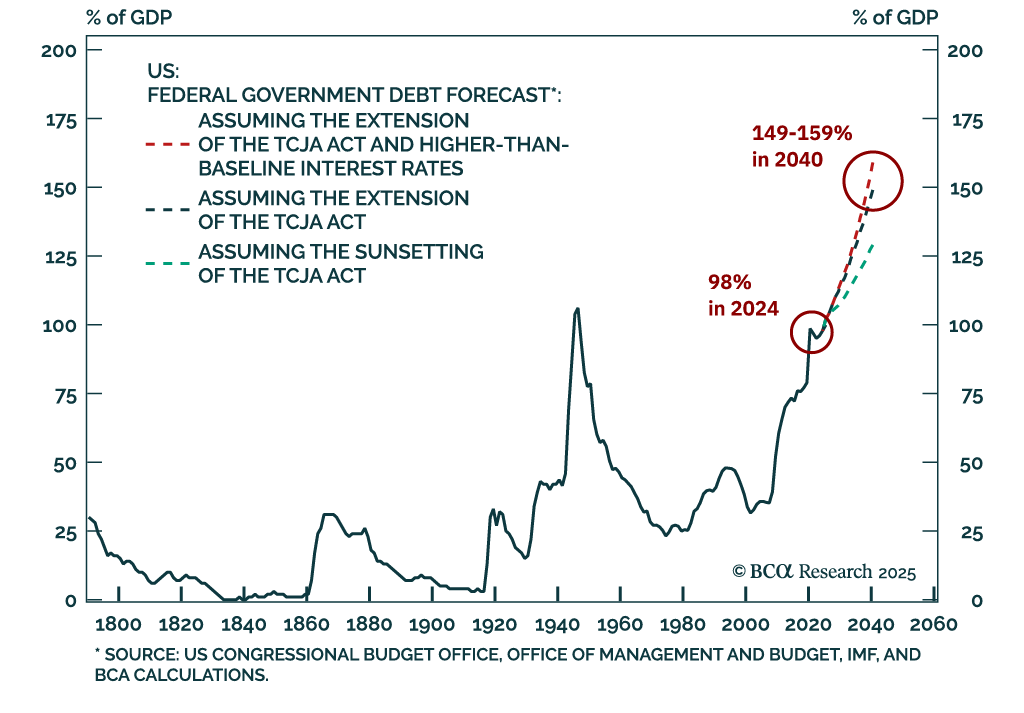
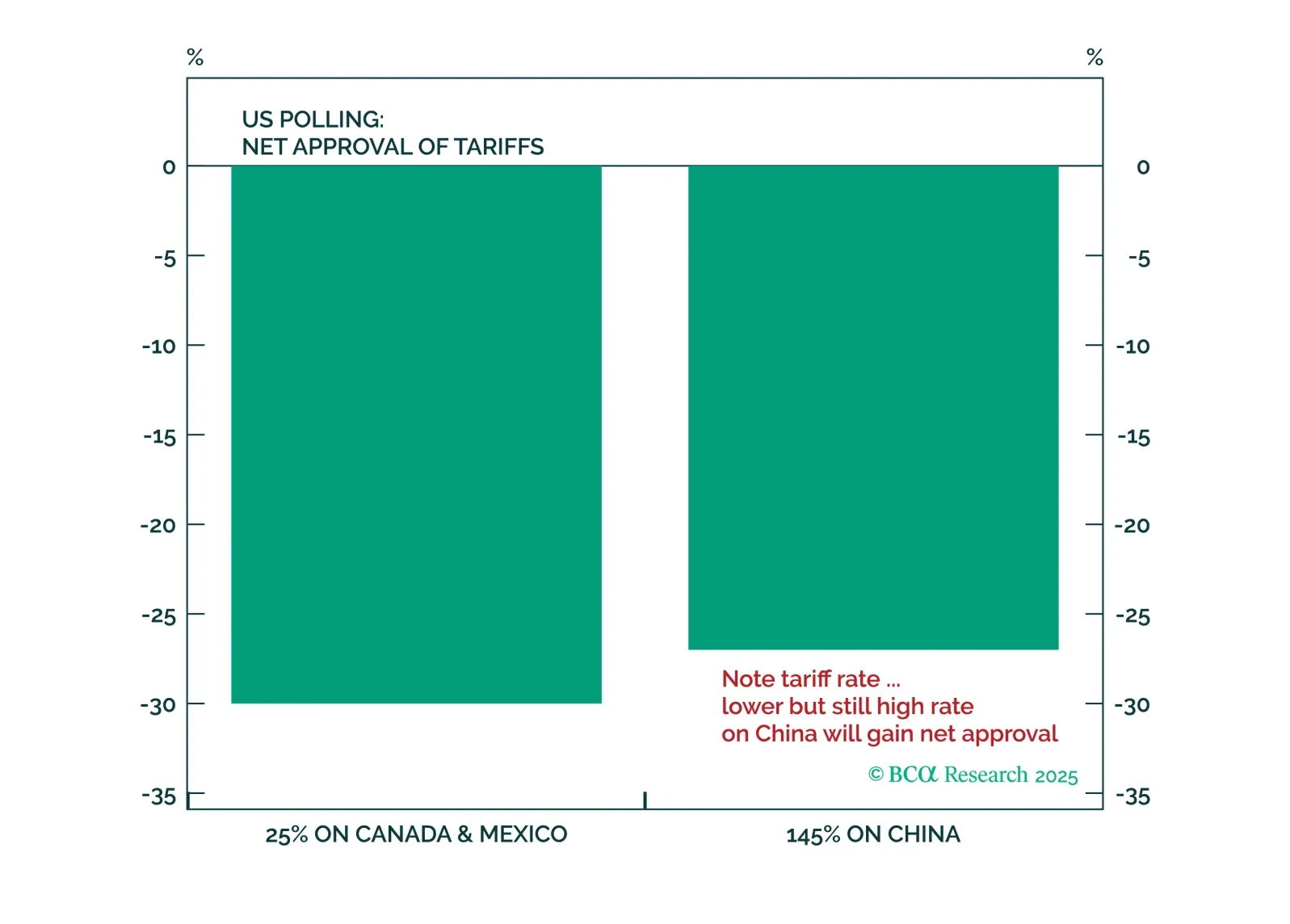
President Trump faces new restrictions on his trade powers coming from the US judicial branch, but they will not prevent him from continuing to restrict trade and investment with China. Rather, they will establish some curbs against entirely arbitrary executive tariffs, especially when wielded against US allies and partners.
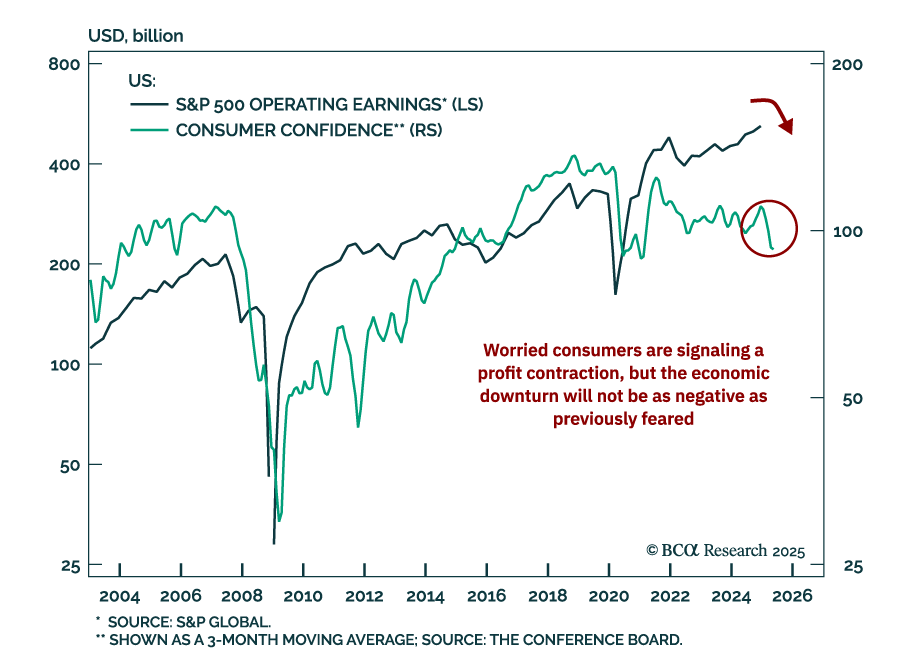
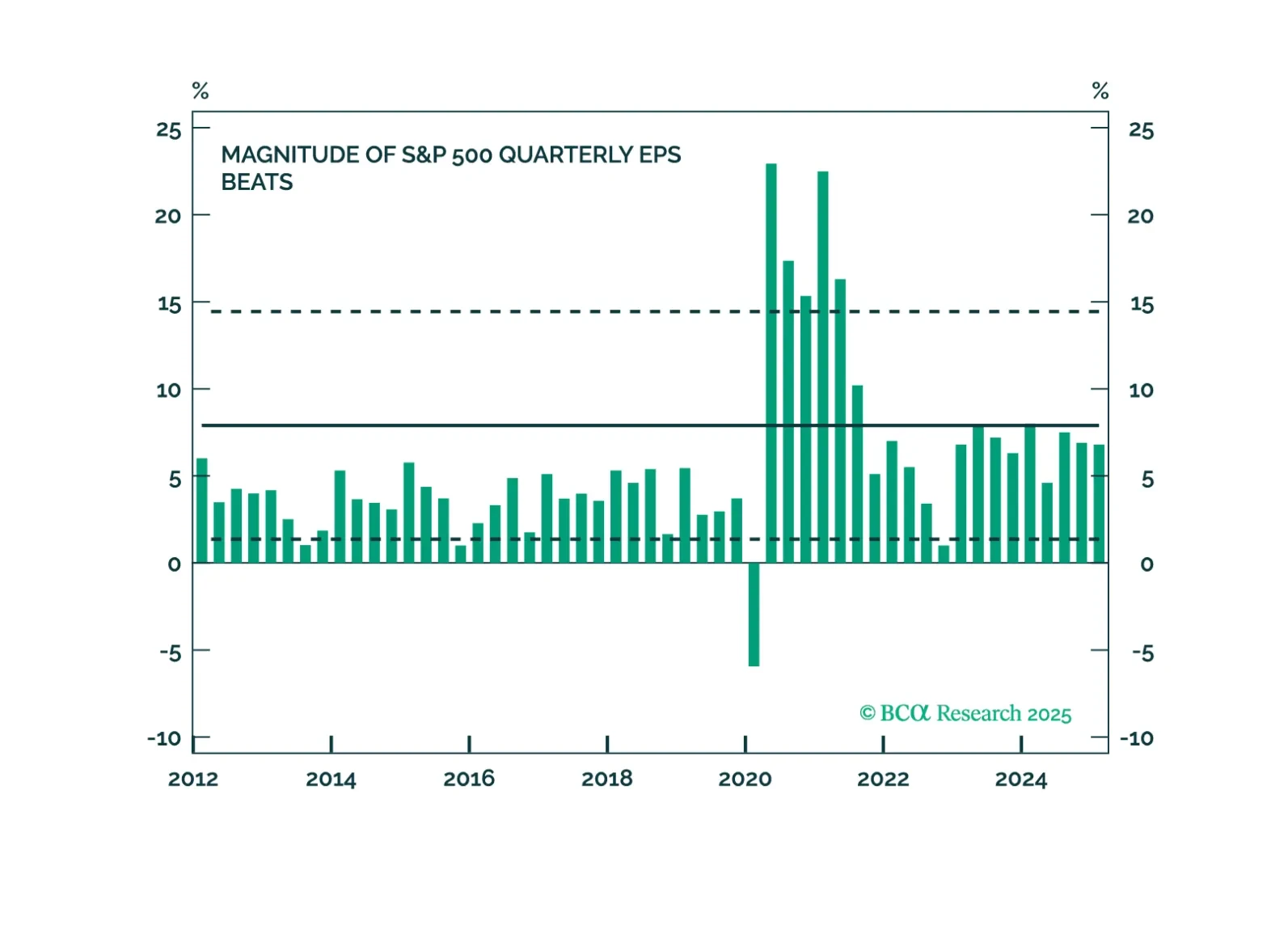
In this report, we take stock of the Q1 2025 earnings season. Corporate commentary and forward guidance provide valuable insights into the state of the economy, tariff mitigation strategies, and consumer spending.