Monetary Policy
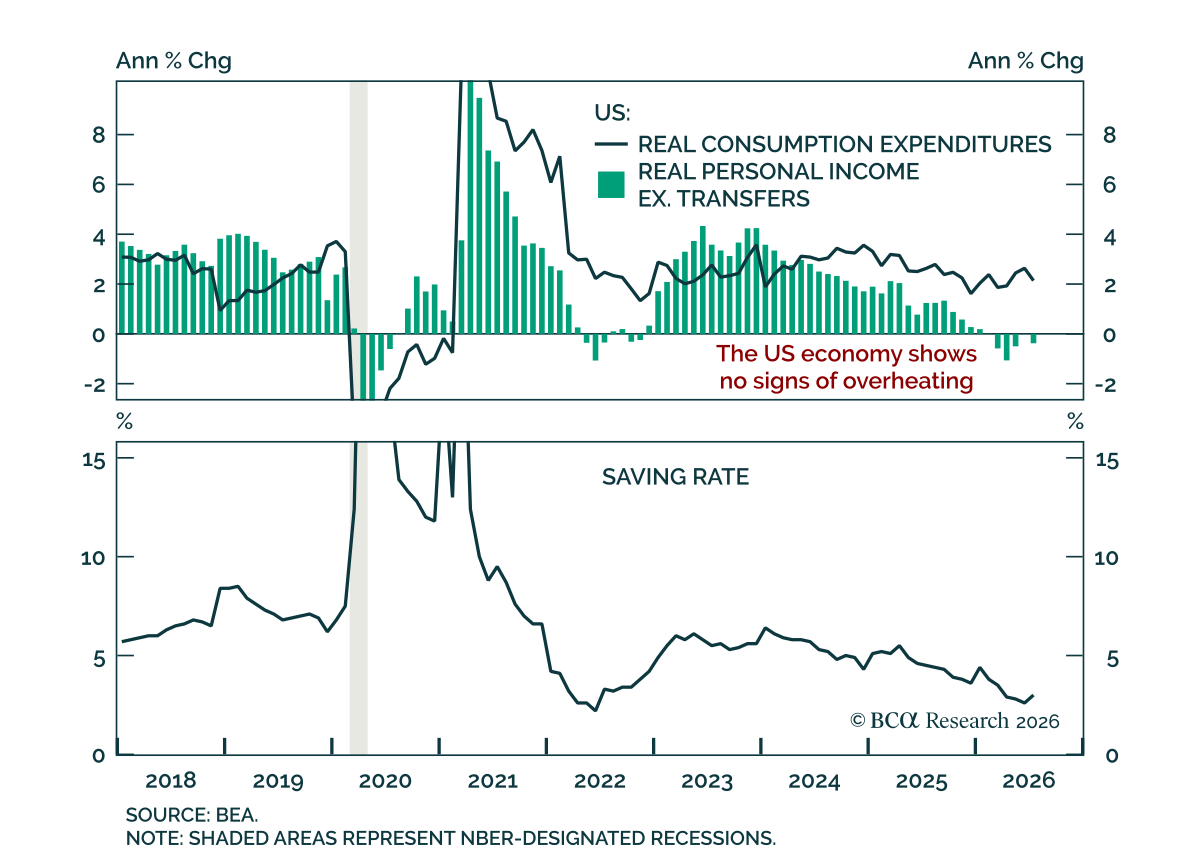
The July Personal Income and Outlays report showed firmer household income, flat real spending, and no renewed acceleration in inflation, giving the Fed little reason to tighten more aggressively. Nominal spending rose 0.2% m/m, slightly above estimates, but…
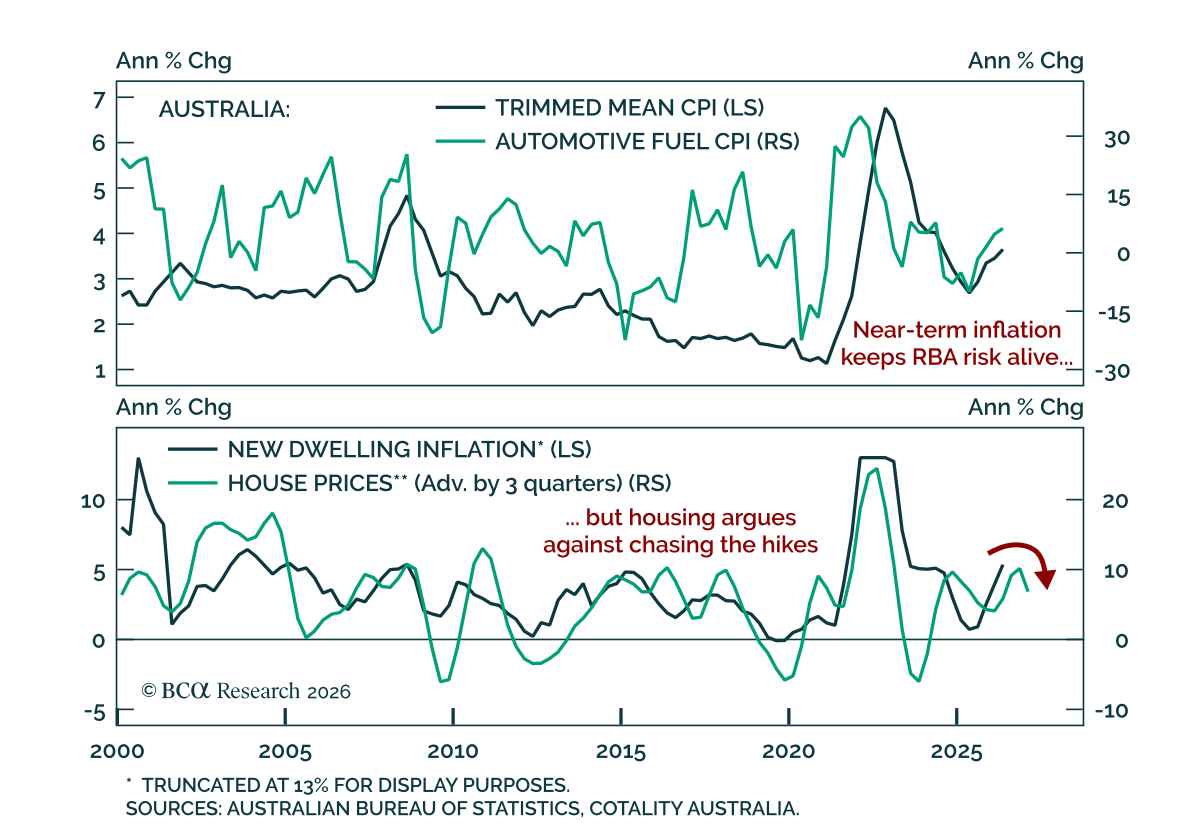
Australia’s latest inflation beat will keep RBA tightening risk alive, but the forces shaping inflation over the next year are becoming more disinflationary. Headline CPI eased to 3.5% y/y in July from 3.8%, but exceeded the 3.3% consensus. While trimmed-mean…
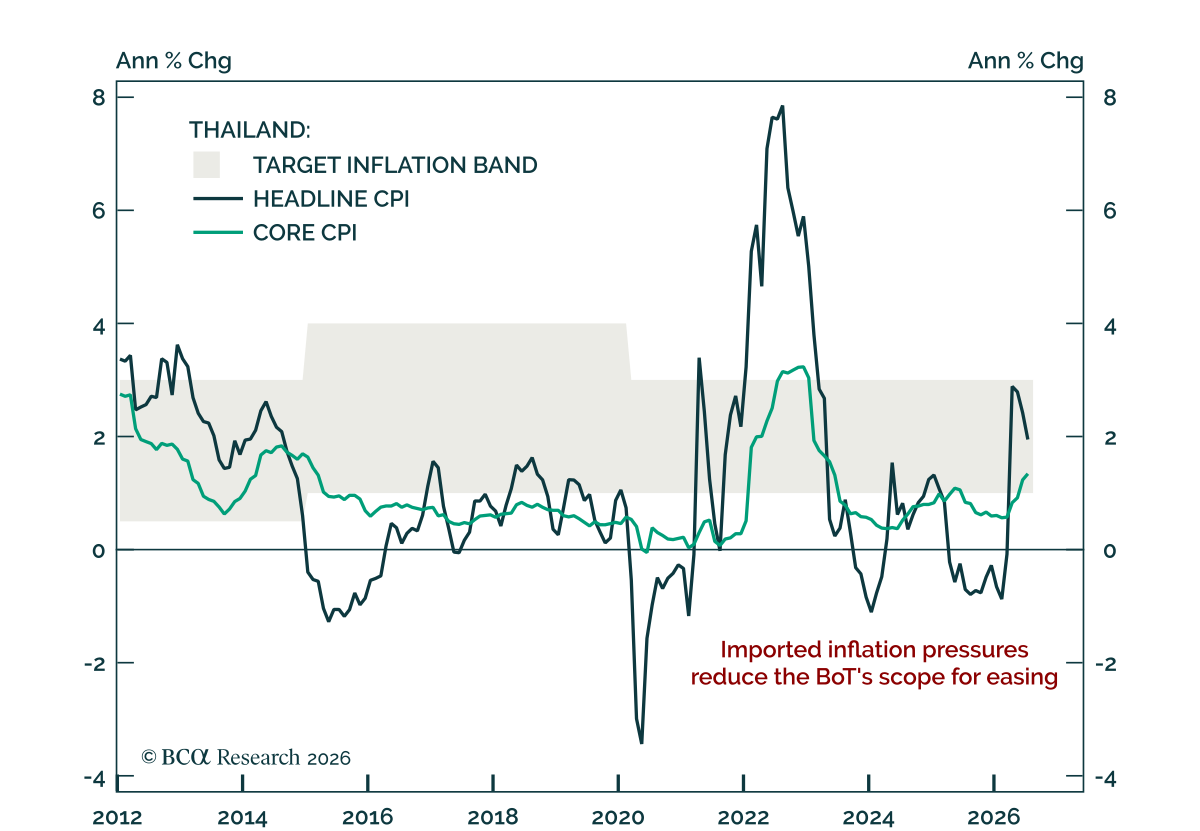
The Bank of Thailand kept its policy rate unchanged at 1%, against a backdrop of weak domestic demand and a still-elevated energy import bill. Although inflation has slowed and domestic demand subdued, the BoT continues to face significant imported inflation…
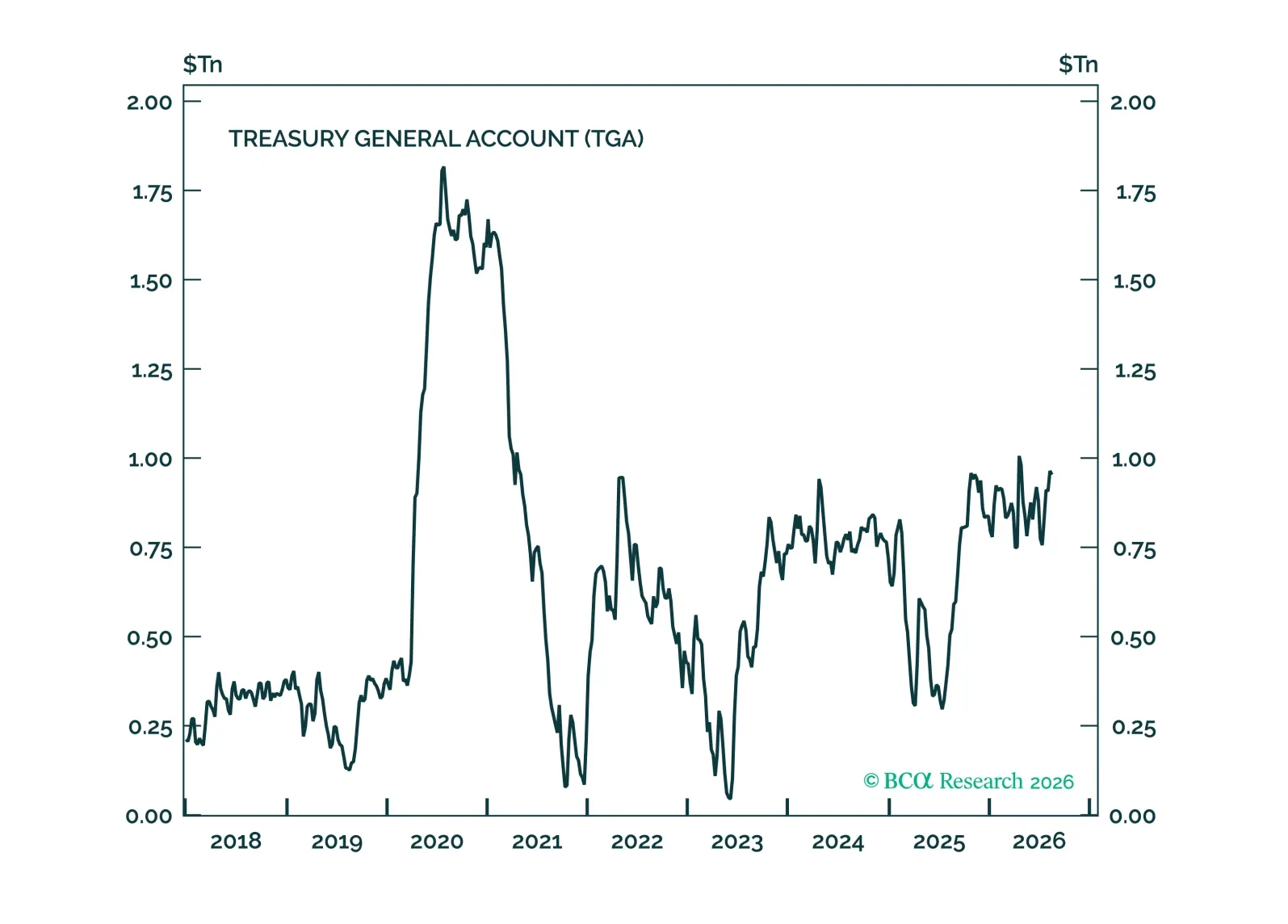
The US Treasury department’s attempts at yield suppression are doomed to fail unless the Federal Reserve gets involved.
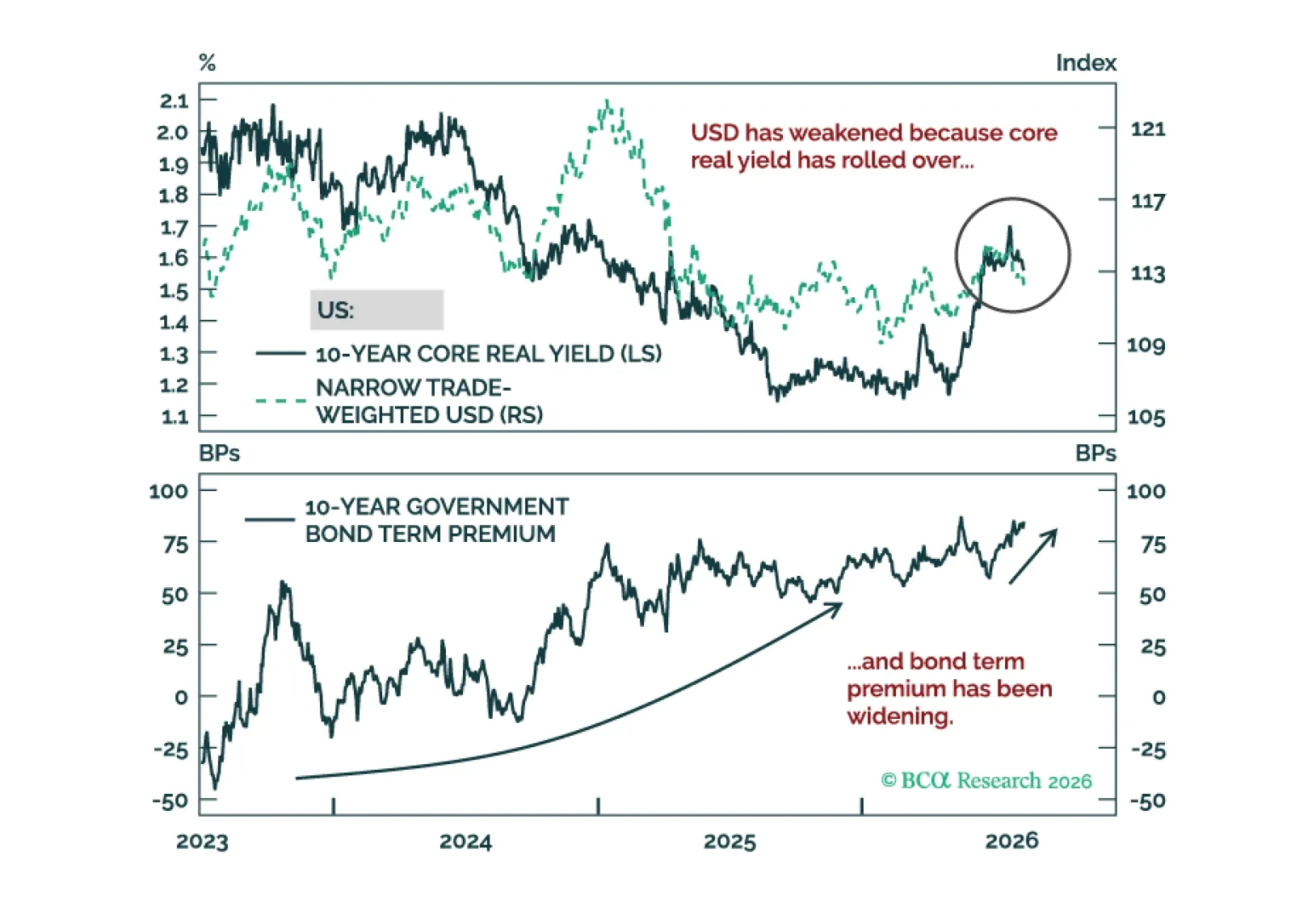
If bond yields rise due to widening bond term premiums or escalating inflation expectations, Bessenomics is unlikely to avert a stock-bond collision. Buy back gold mining stocks.
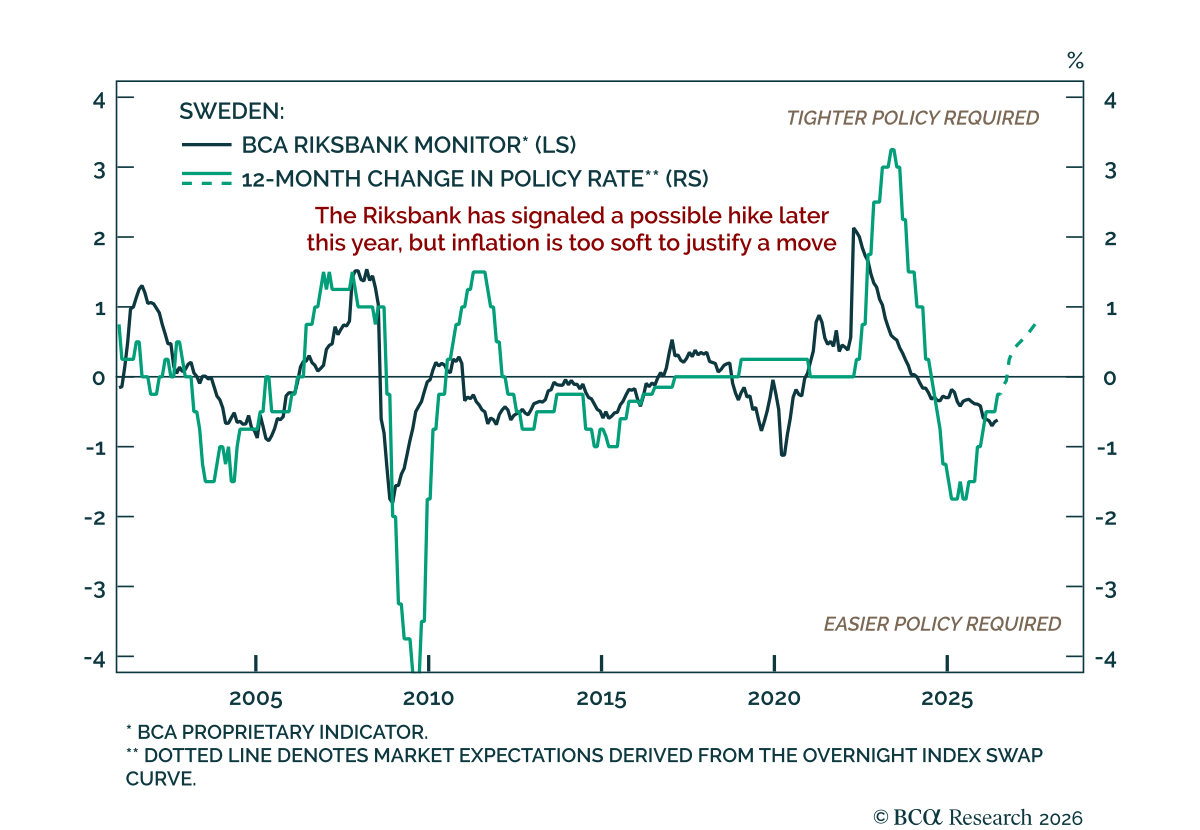
The Riksbank held rates at 1.75%; hikes remain unlikely given soft growth, rising unemployment, and below-target inflation. Policymakers kept the door open to a hike later this year, citing inflation risks from supply disruptions tied to the Middle East…

Bank Indonesia held rates at 5.75%, reinforcing our EM strategists’ view that earlier hikes were temporary measures to support the rupiah rather than a shift away from growth-first policy. Inflationary fiscal policy remains a concern as the government…
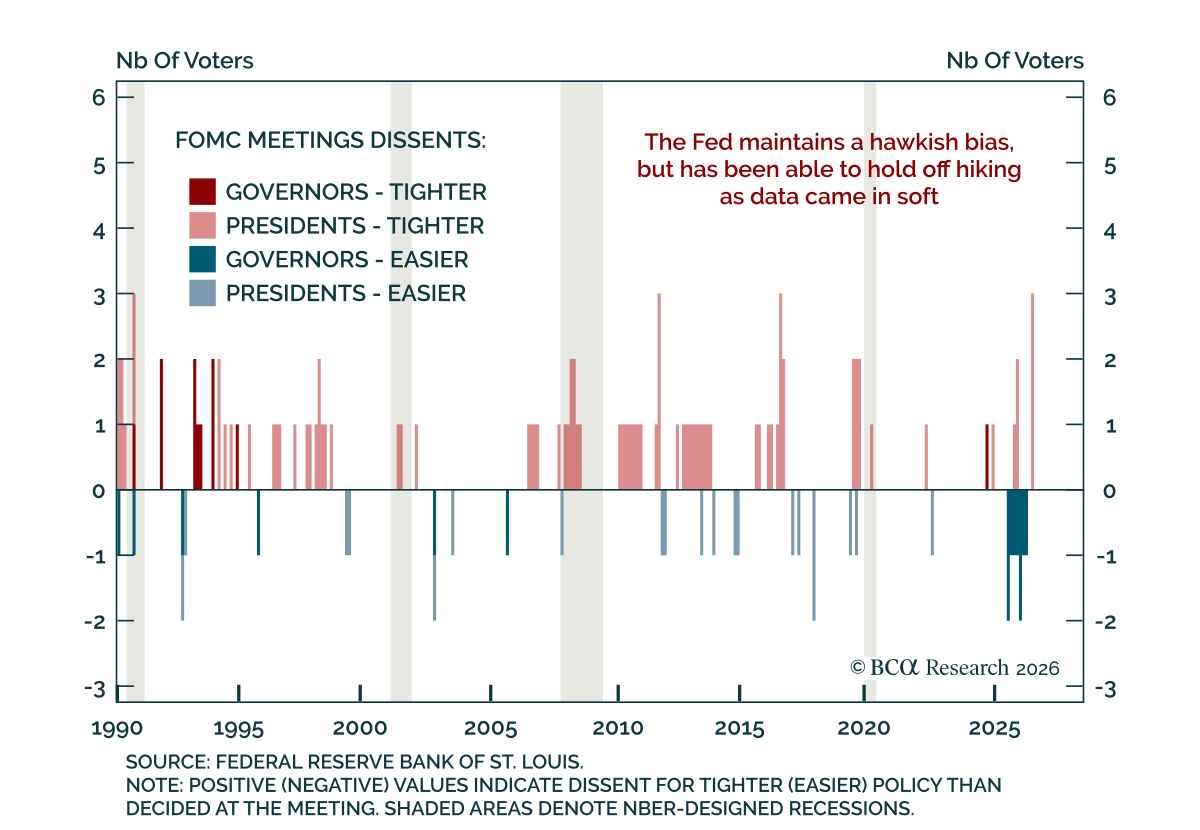
The July Fed minutes showed a broader hawkish bias than the vote suggested, but softer data since the meeting have reduced the urgency to hike. The FOMC held rates at 3.5%-3.75% despite three dissents in favor of a 25 bps hike. The minutes revealed support…
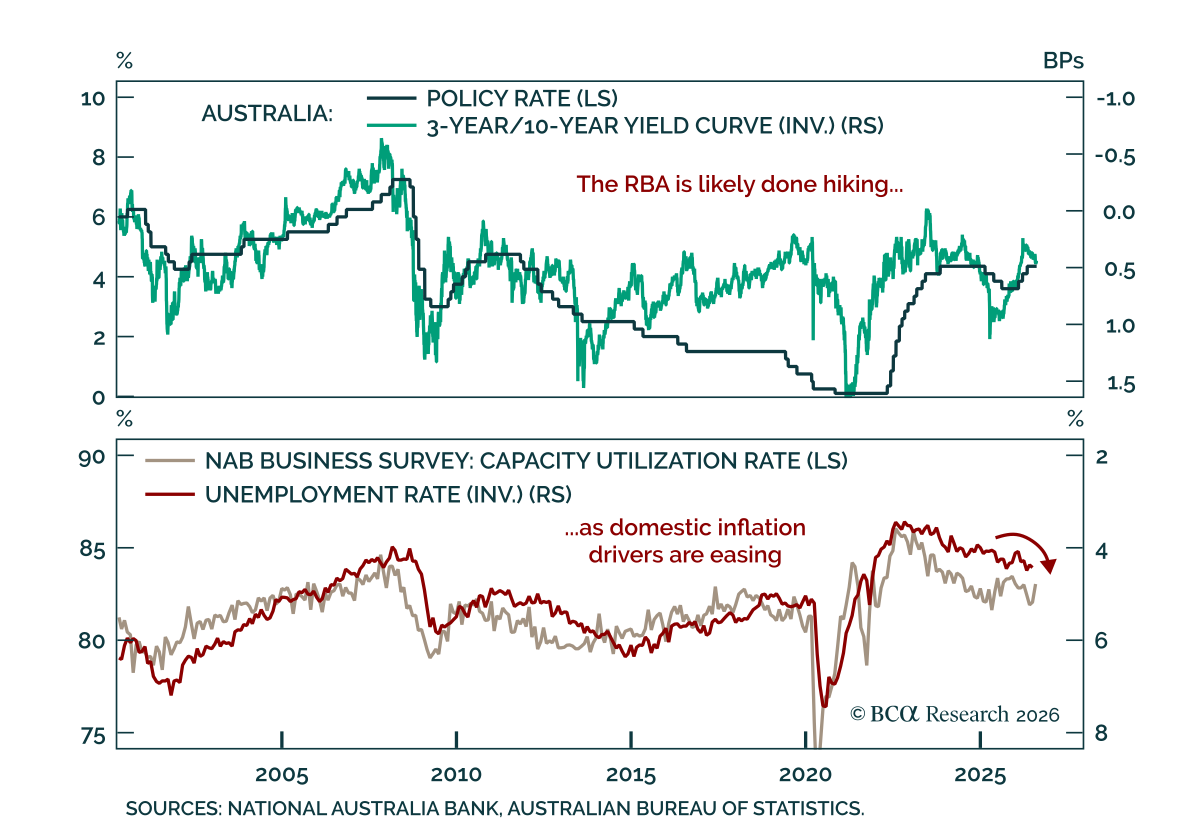
The RBA's tightening cycle is likely over, despite Governor Bullock's hawkish tone. The cash rate was left unchanged at 4.35% for a second consecutive meeting, in line with consensus, after three hikes earlier this year. The decision was unanimous. Updated…
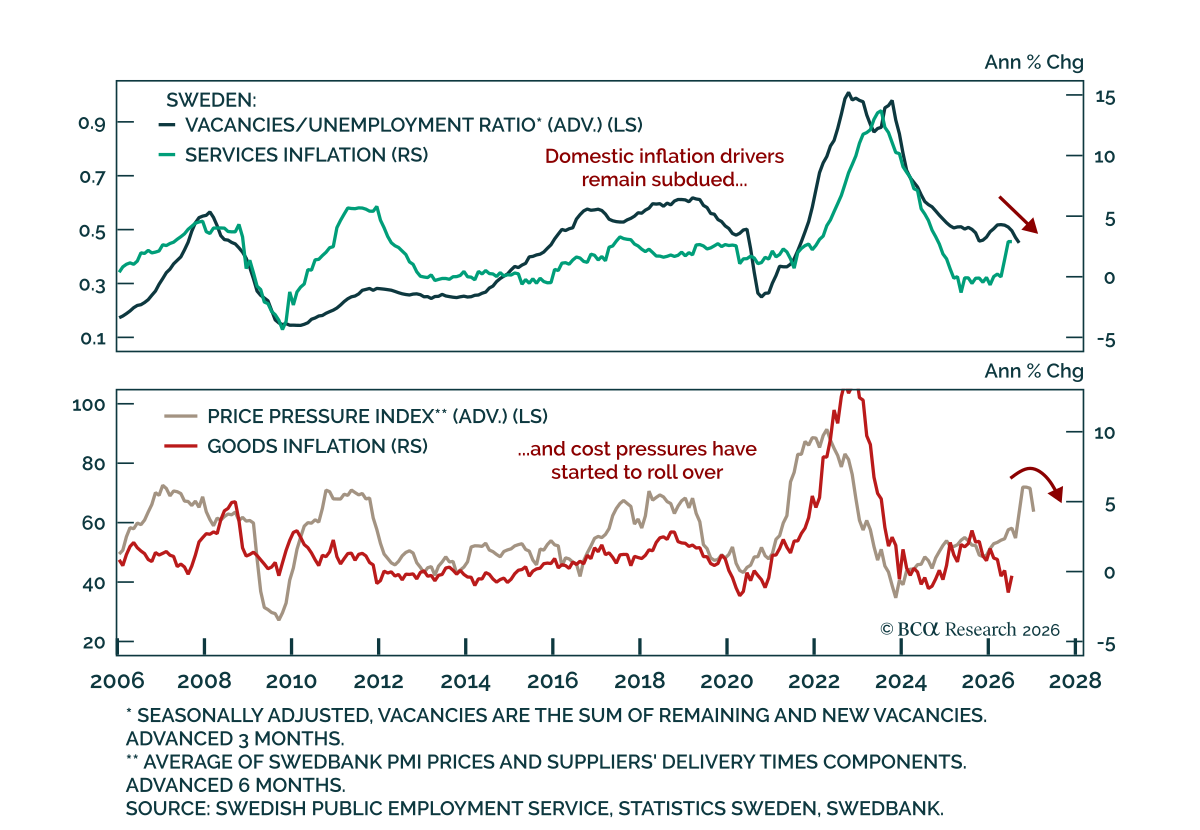
July's upside surprise in Swedish core inflation should not derail an on-hold Riksbank. Headline CPIF eased to 0.7% y/y (-0.3% m/m), broadly in line with estimates. CPIF excluding energy accelerated to 0.6% y/y (0.4% m/m), above both economists’ estimates and…