
Sorry, you need to enable JavaScript to visit this website.
Skip to main content

Monetary

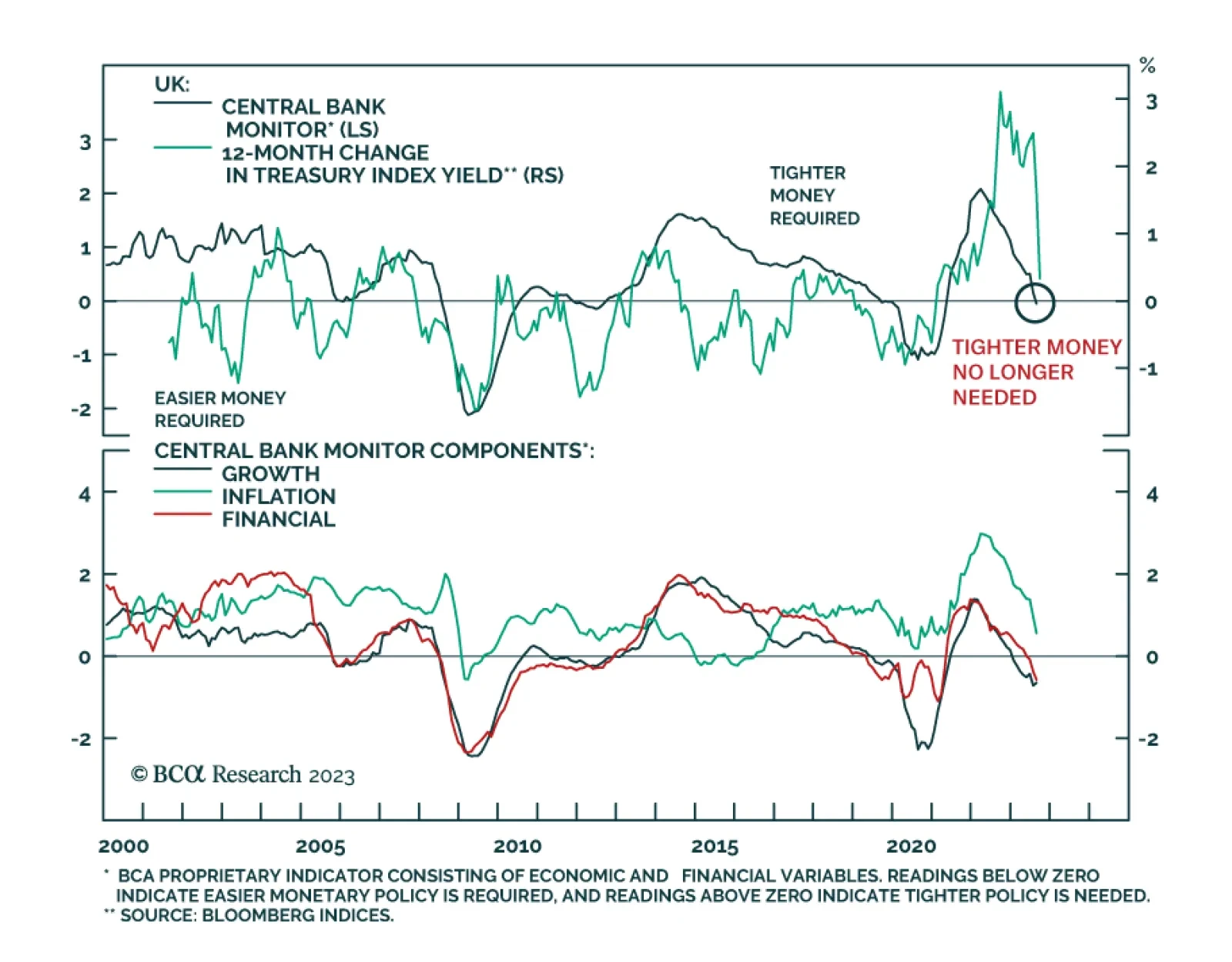
The Bank of England’s Monetary Policy Committee voted 5-4 in favor of maintaining its bank rate at 5.25% on Thursday. The four members that voted against the pause all preferred a 25-basis point rate increase. The tight margin underscores that the decision to…
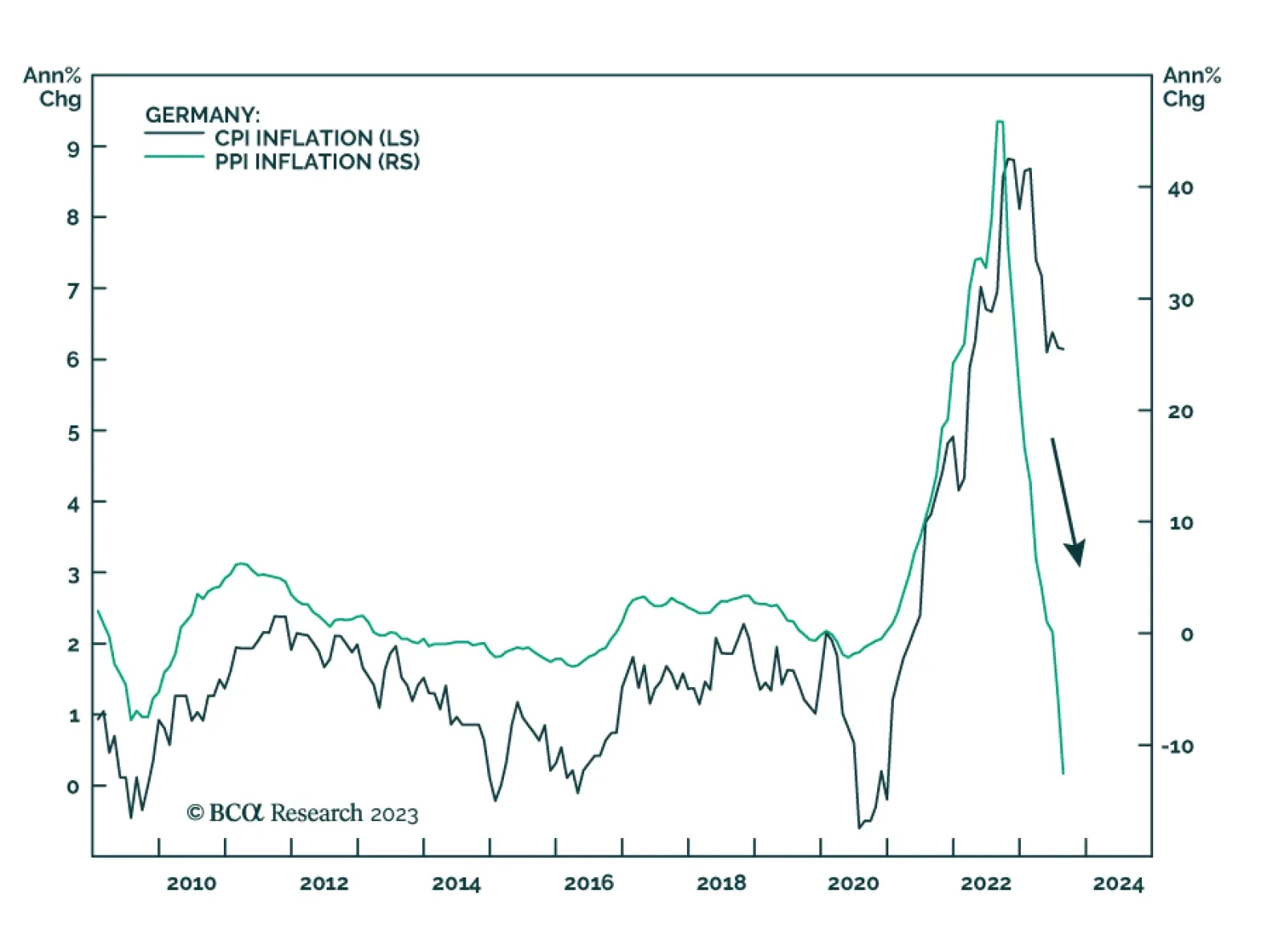
Collapsing German producer prices continue to indicate that inflationary pressures are moderating in the Eurozone. Total PPI declined by a record 12.6% y/y in August following a 6.0% y/y drop in July. While the annual decline mainly reflects the impact of…
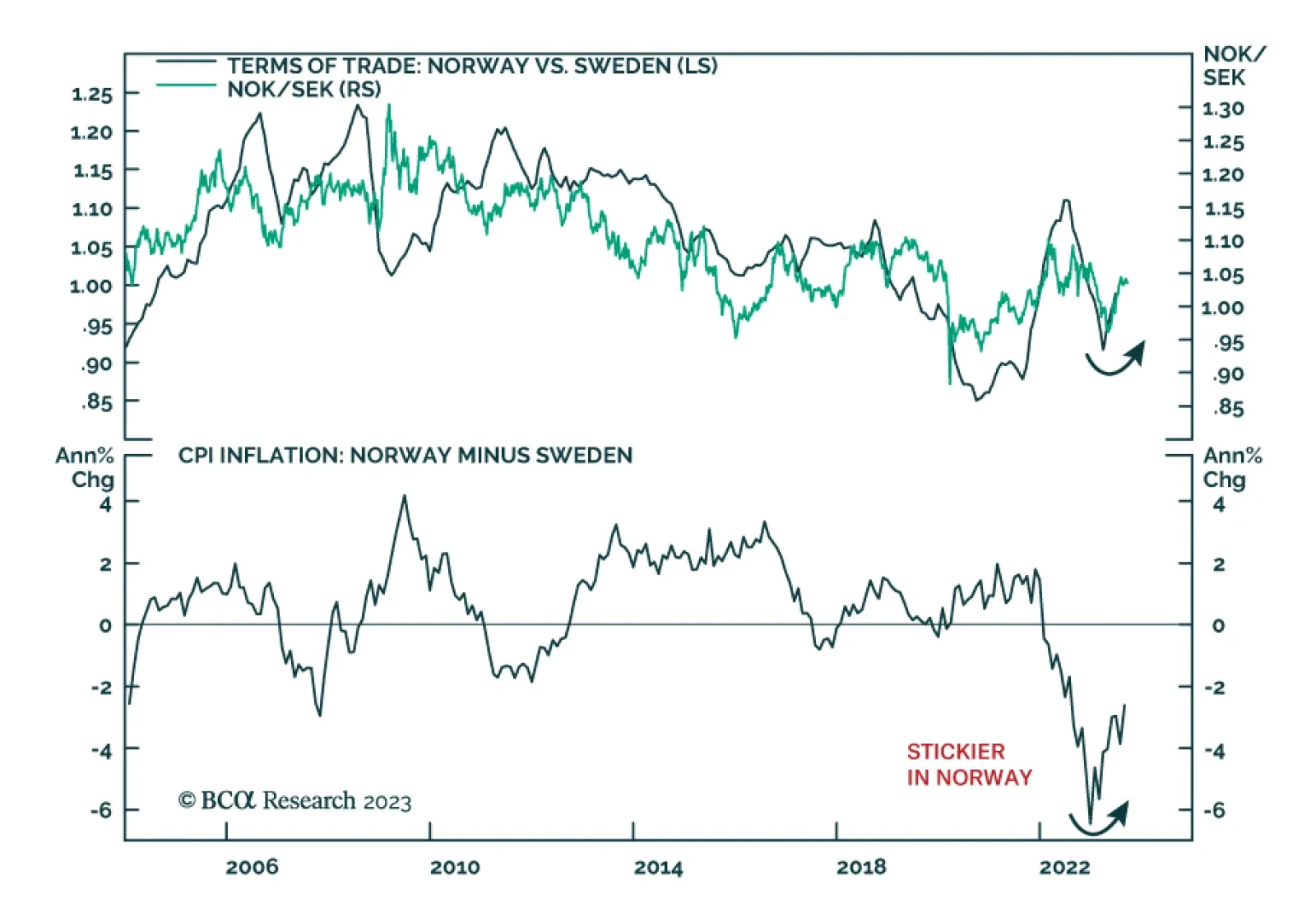
Scandinavian currencies are bearing the brunt of the recent US dollar strength. The Swedish krona and Norwegian krone are the worst performing G10 currencies since the DXY’s mid-July bottom, losing 8.6% and 7.6% of their value vis-à-vis the USD, respectively.…
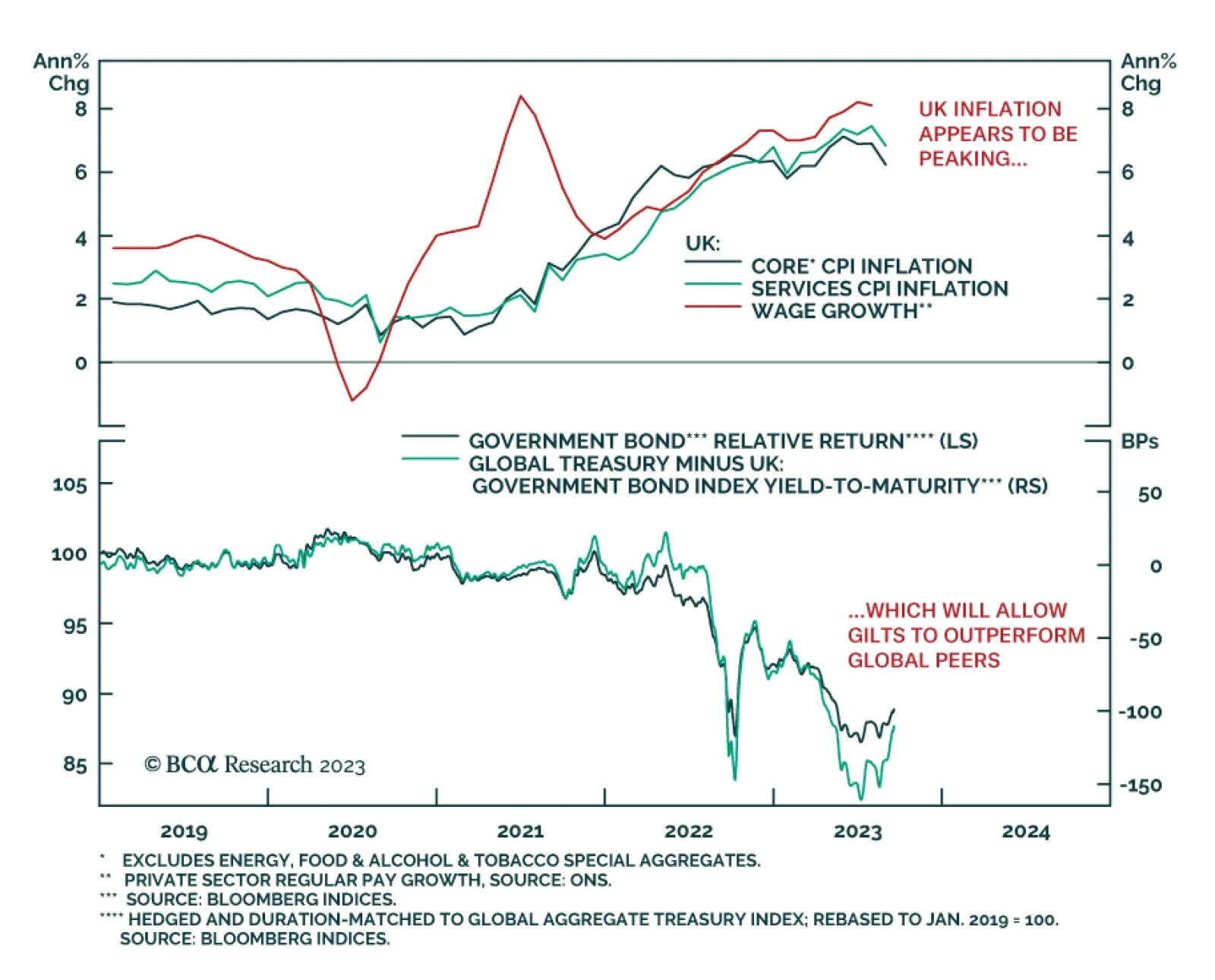
The August UK inflation report produced a large downside surprise. Headline CPI rose +0.3% month-on-month, versus expectations of a +0.7% increase. Year-over-year headline CPI inflation slowed to 6.7% from 6.8%, a sizeable miss versus the consensus forecast…
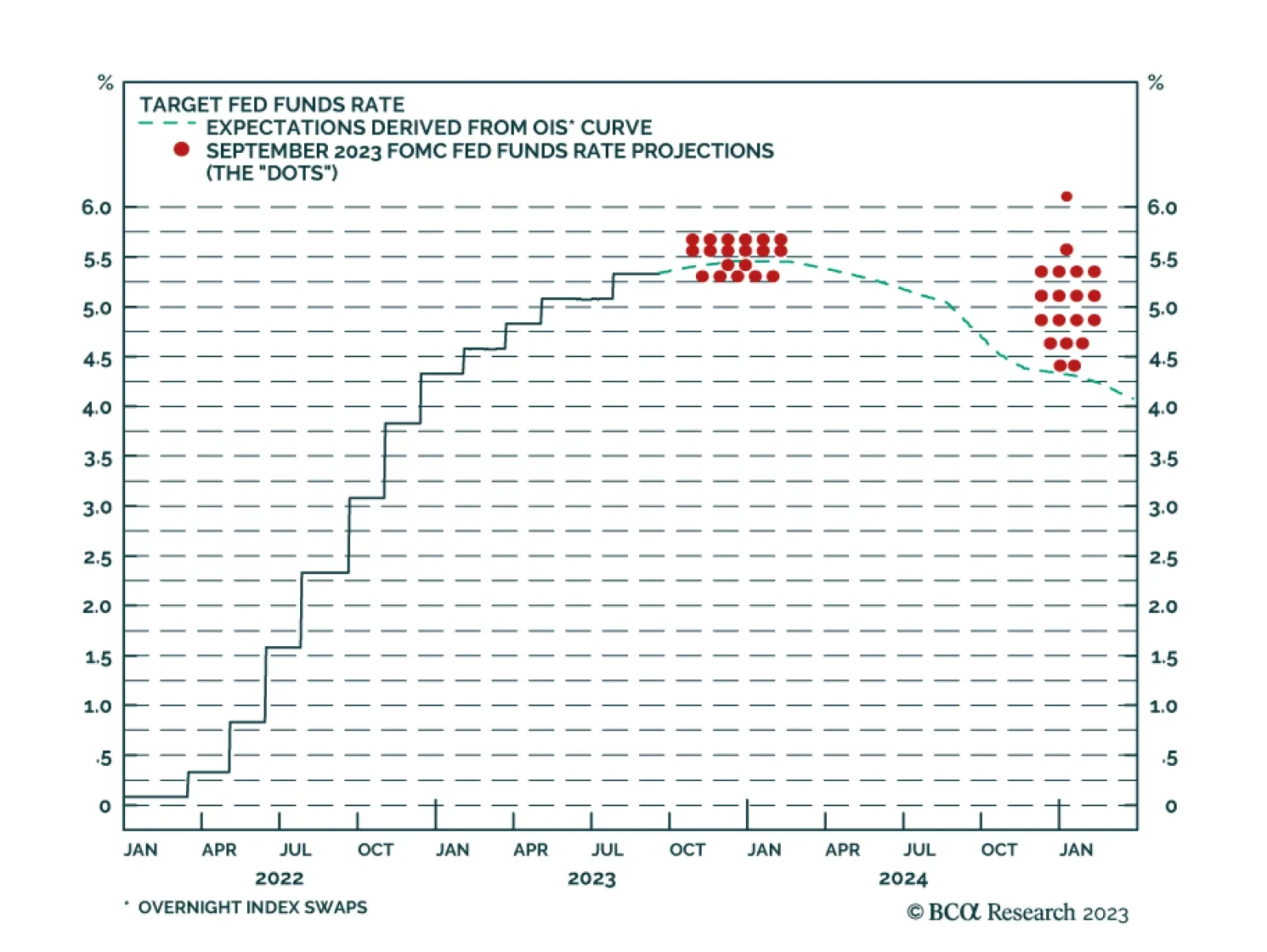
According to BCA Research’s US Bond Strategy service, the 2006/07 roadmap remains a good one for bond investors. The Fed held the funds rate steady this afternoon and made no material changes to its policy statement. That said, meeting participants did…

A discussion of today’s FOMC meeting and its investment implications.

The biggest misunderstanding in the markets right now is that to keep expected inflation well-anchored at 2 percent, inflation must <i>undershoot</i> 2 percent for some time. This implies that interest rate futures curves are mispriced, and that the probability of a ‘soft landing’ is lower than assumed. Plus: we show that the rally in oil has become fractally fragile, and recommend a tactical underweight.
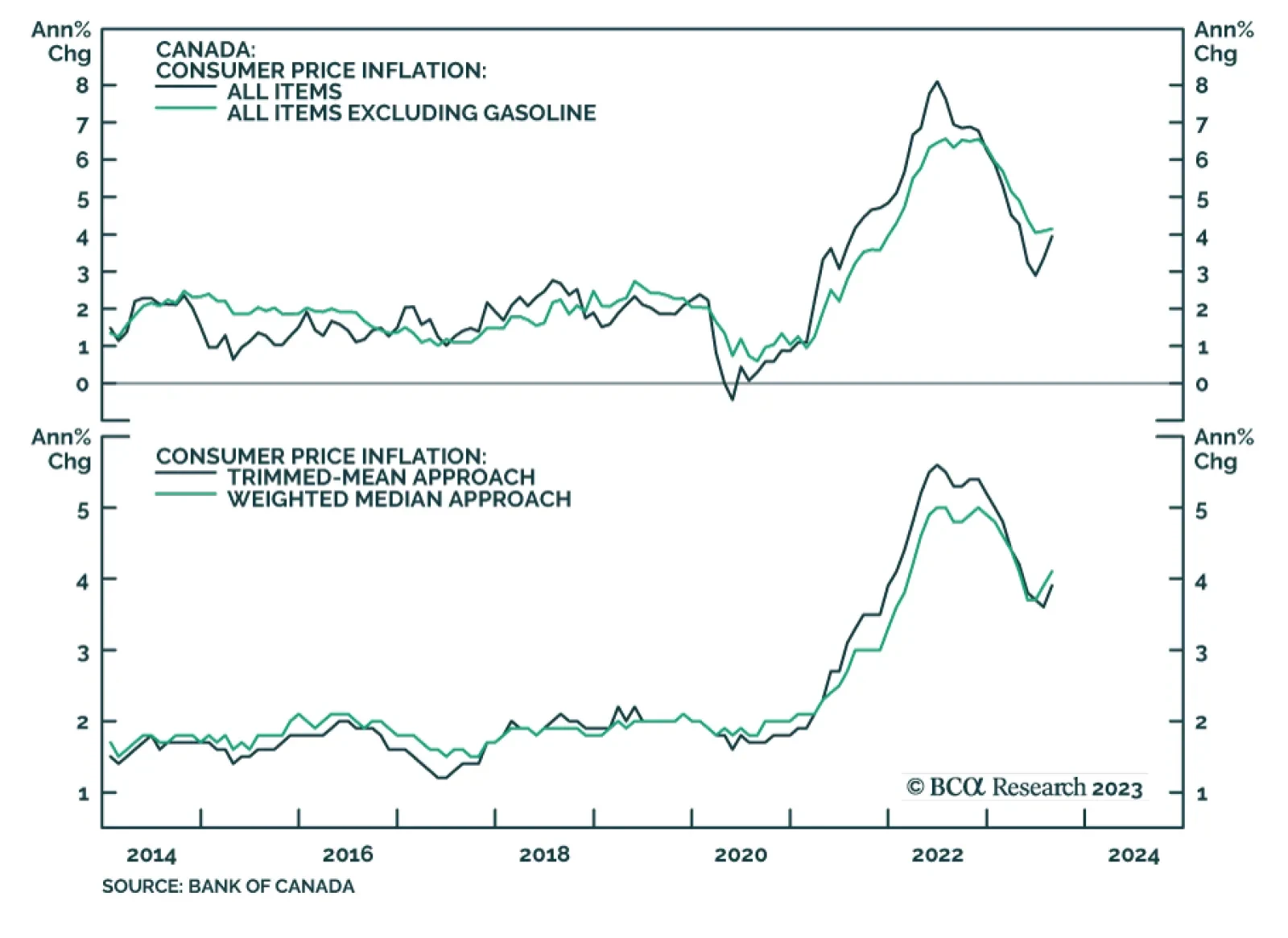
Tuesday’s release of Canadian CPI in August raised concerns that inflationary pressures are picking up again. Headline CPI inflation rose from 3.3% y/y to 4.0% y/y – above expectations of 3.8% y/y and marking the second consecutive increase after it fell to…
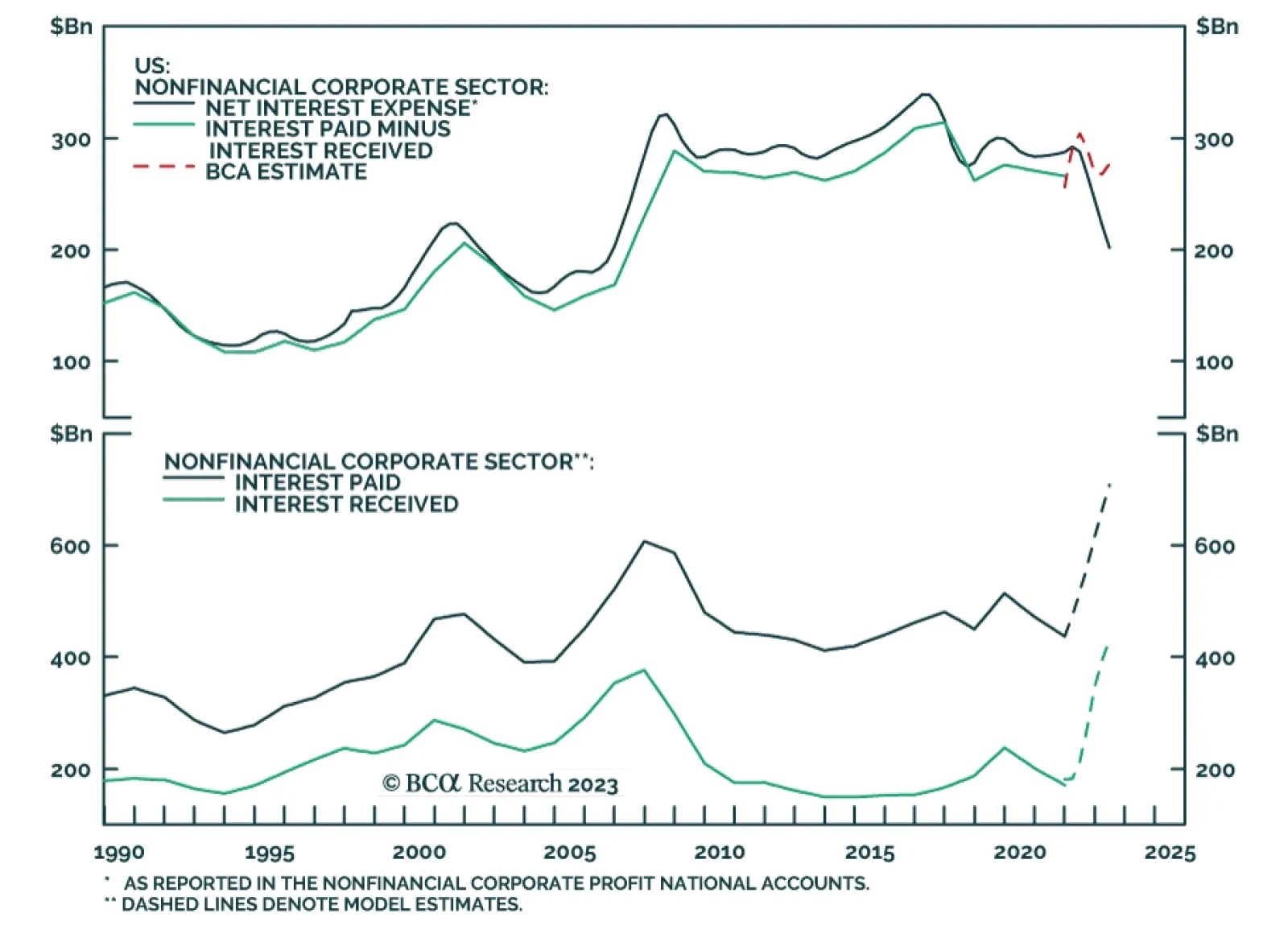
BCA Research’s US Bond Strategy service concludes that recent BEA data are understating corporate net interest expense by a significant amount. Given the recent climb in interest rates, it would be reasonable to expect that corporate interest expense would…

Top-down measures of nonfinancial corporate sector balance sheet health have been flattered in recent quarters by inaccurate data on interest expense. After correcting for the inaccurate data, we see that our best measures of corporate balance sheet health show a persistent steady deterioration.