Sorry, you need to enable JavaScript to visit this website.
Skip to main content

Monetary

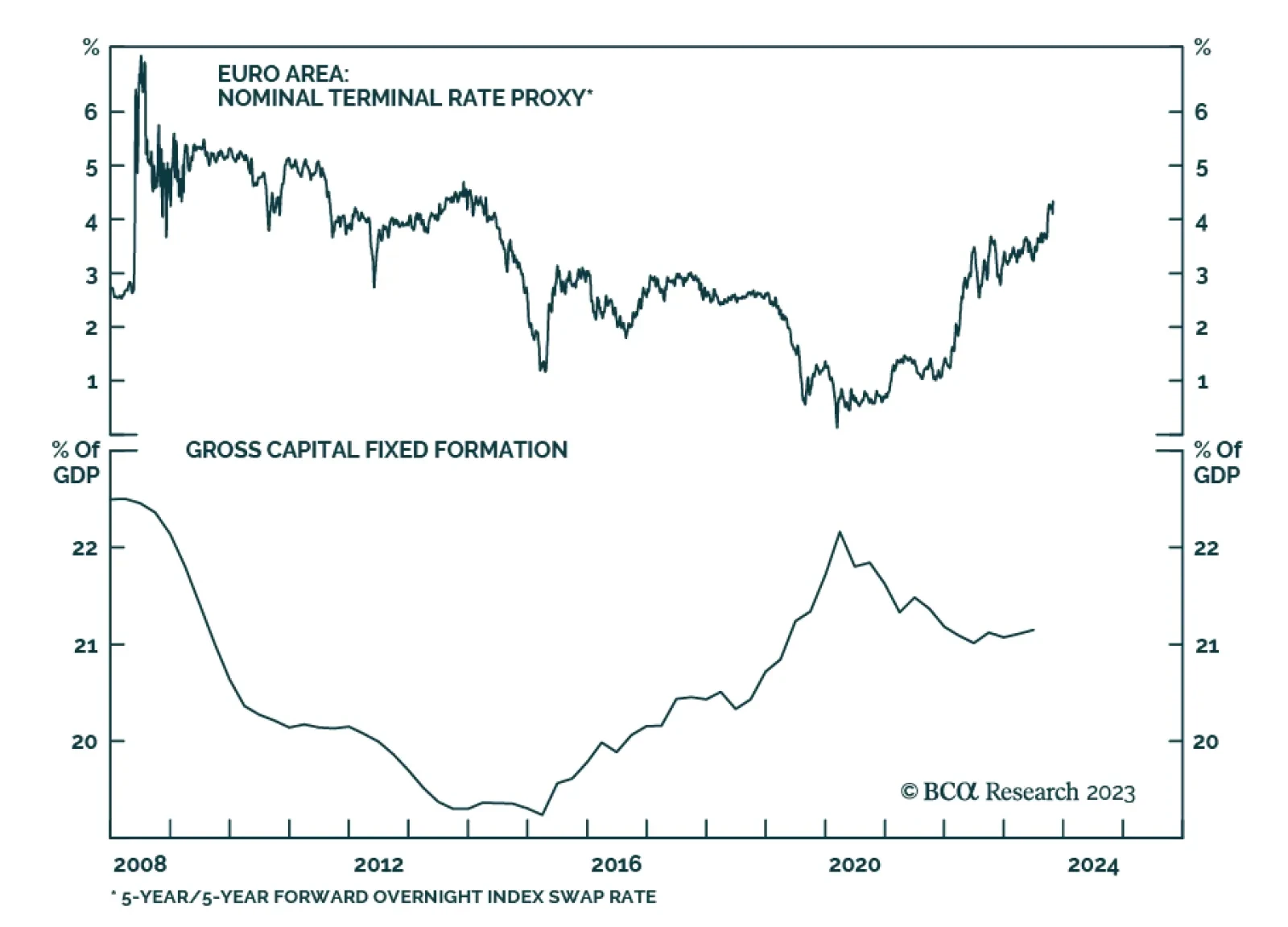
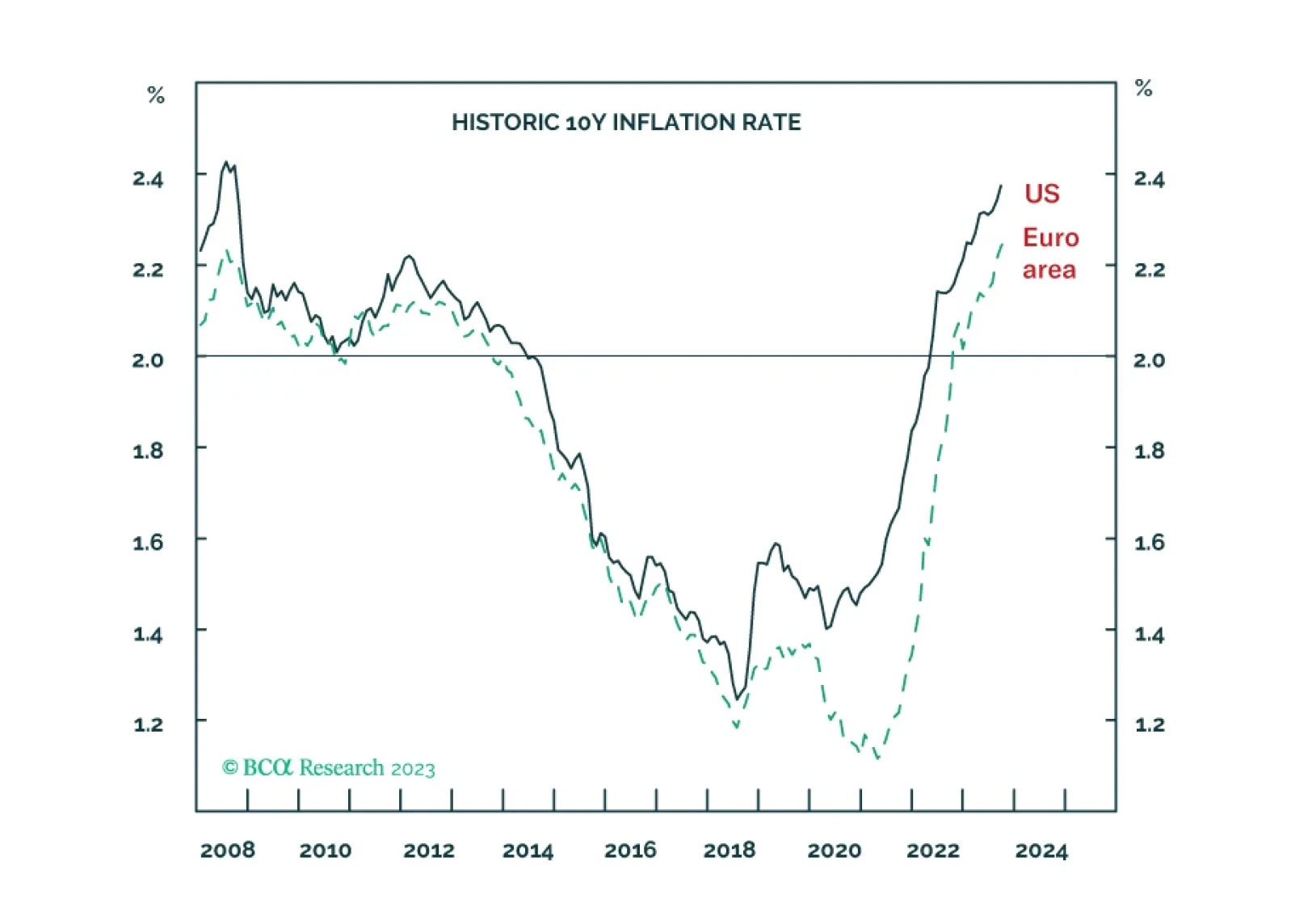
The fundamental component of long-term inflation expectations has climbed to its highest level since 2008 in both the US and the euro area. This means that both the Fed and the ECB will need to engineer inflation to undershoot 2 percent for an extended period if they are to maintain their 2 percent inflation targets. We explain what this means for investment strategy over the coming 6-12 months. Plus, we pinpoint what to focus on in this Friday’s US jobs report. And we identify food and beverages (PBJ) and the Indonesian rupiah (IDR/USD) as excellent rebound candidates.
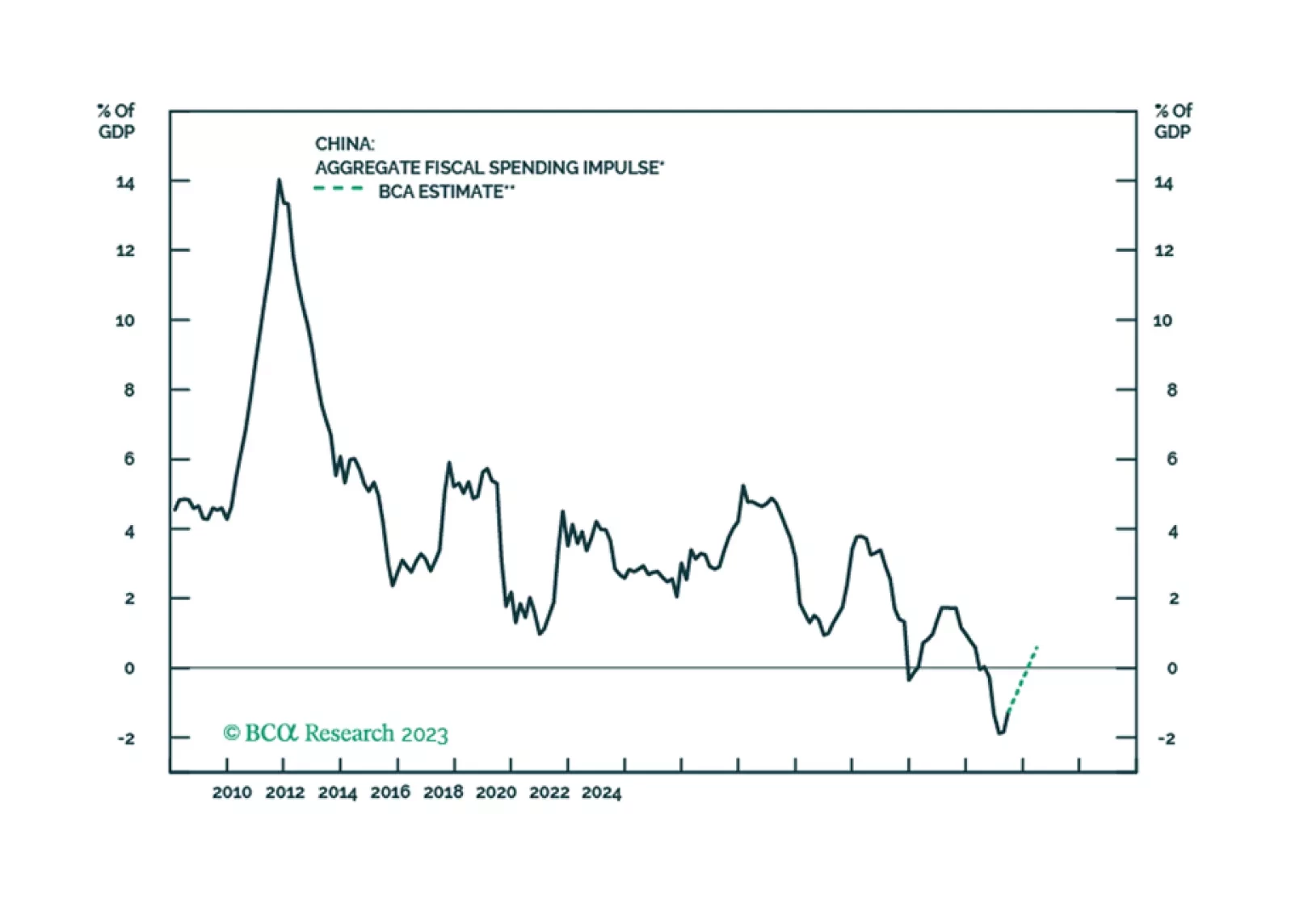
We maintain our view that China’s economic growth in the coming months will remain lackluster. Beijing's recent measures to provide additional financing may help to bridge the gap in government spending in the rest of 2023 and into 2024, but the impact on growth will be very limited.
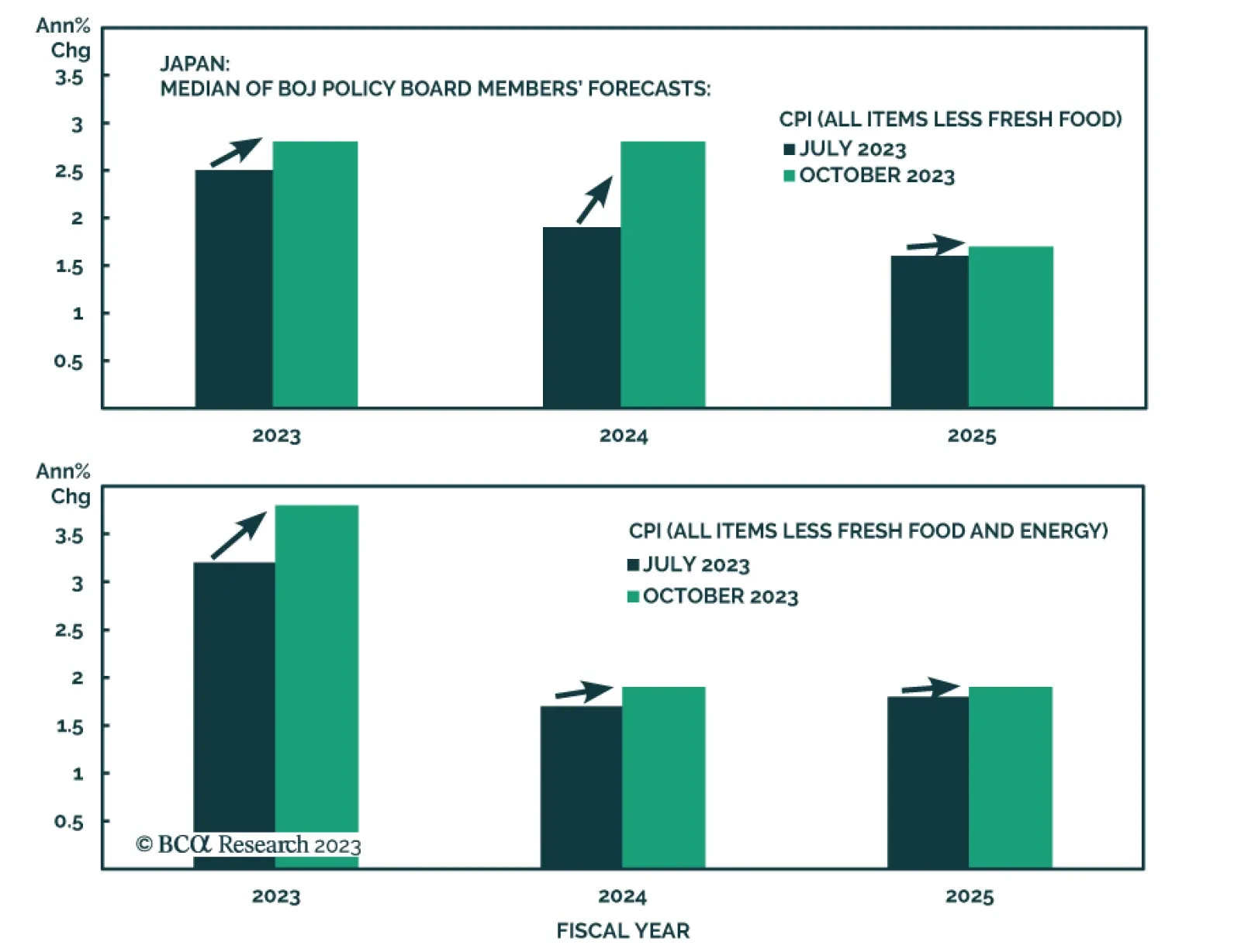
The Bank of Japan adjusted the language of its Monetary Policy Statement on Tuesday to indicate that it will allow greater flexibility it its yield curve control policy (YCC). It indicated that although the target level of 10-year JGB yields remains unchanged…
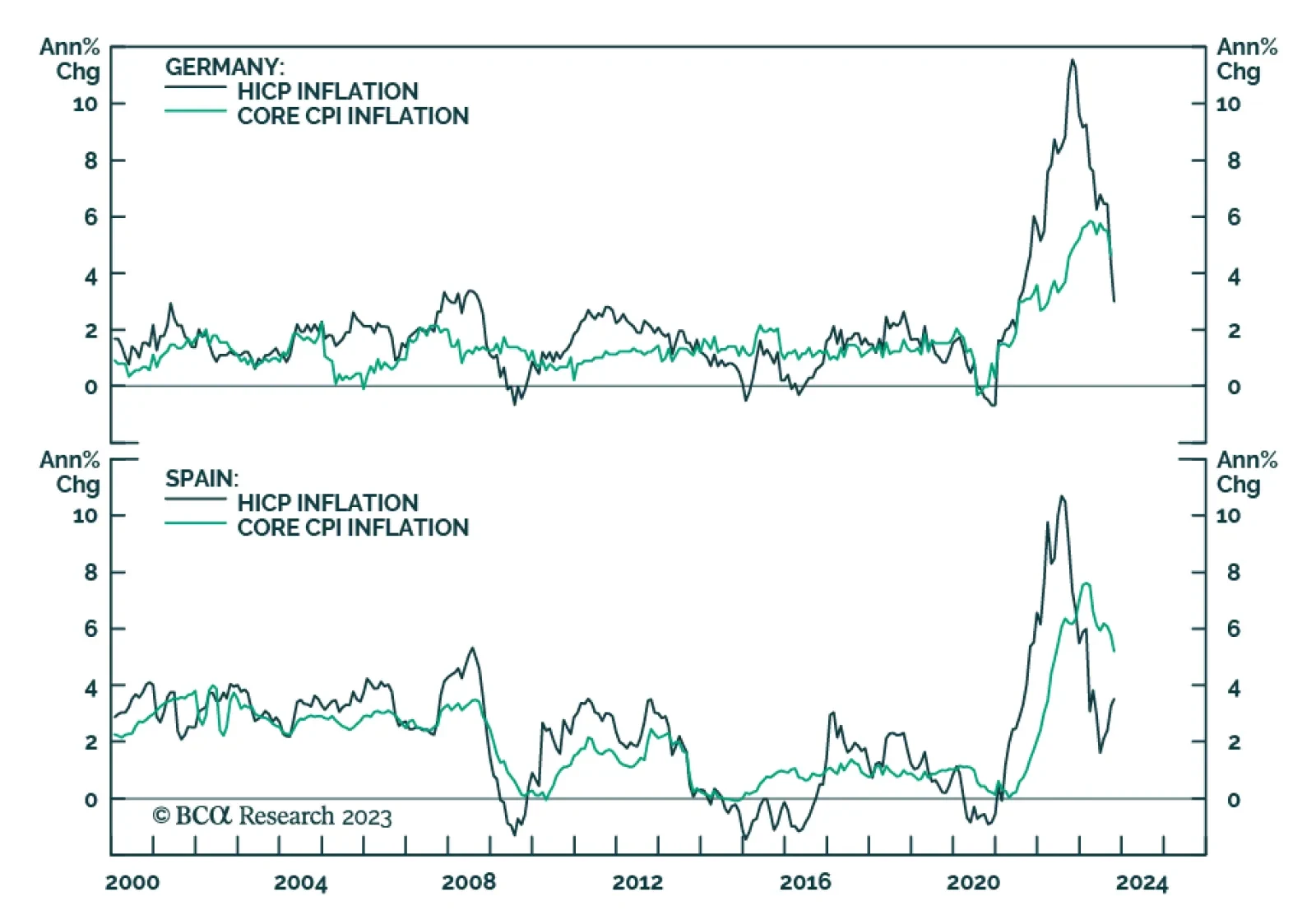
Eurozone economic data sent a positive signal on Monday. Preliminary CPI releases from Germany and Spain show price pressures continue to moderate. In Germany, the harmonized index declined by 0.2% m/m while the annual rate of change eased from 4.3% y/y to…
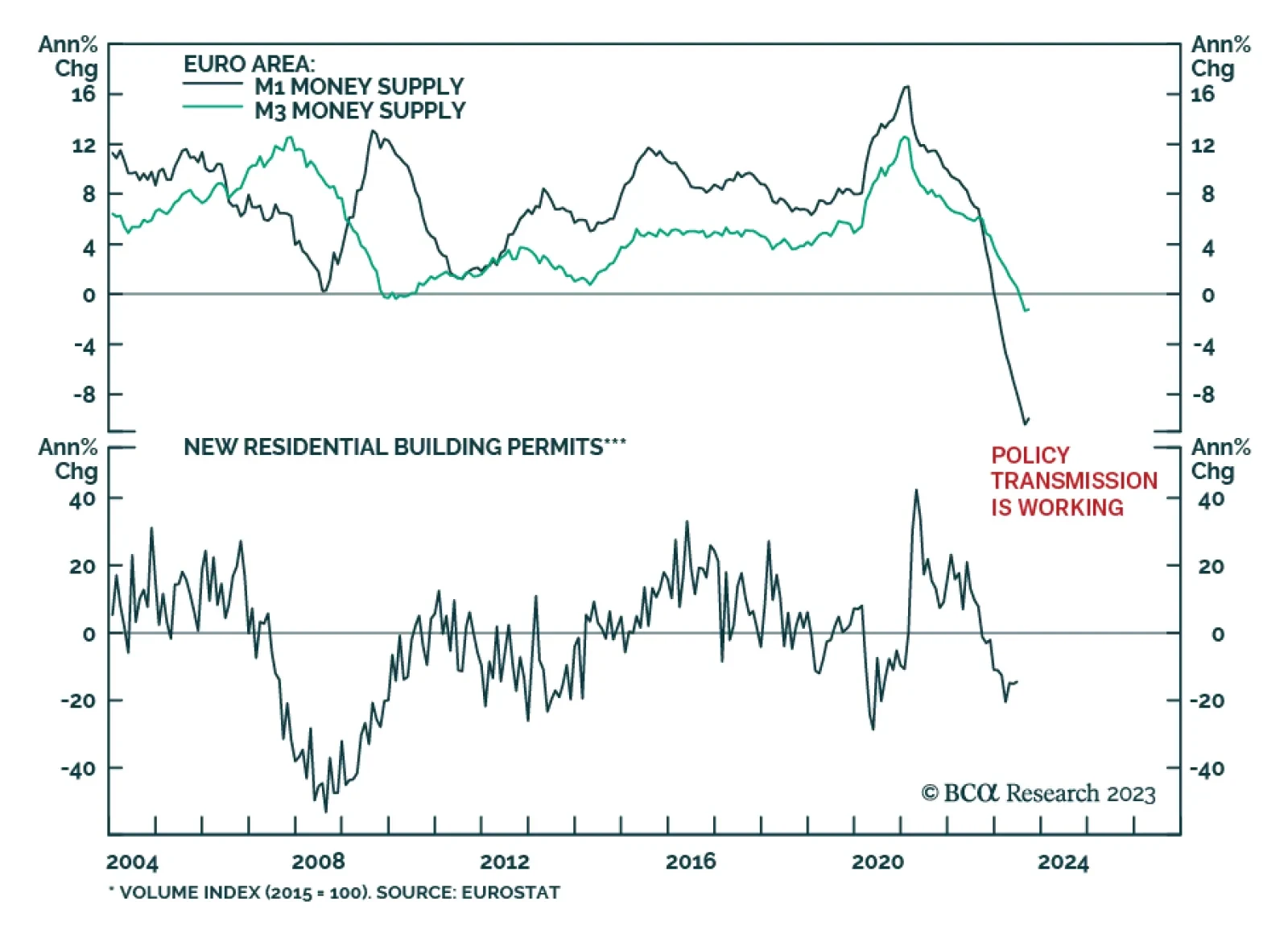
The European money market curve anticipates three rate cuts by October 2024. This pricing is appropriate considering the outlook for European growth next year. BCA’s Europe strategist expect a recession in the second half of the year, which will force the ECB…
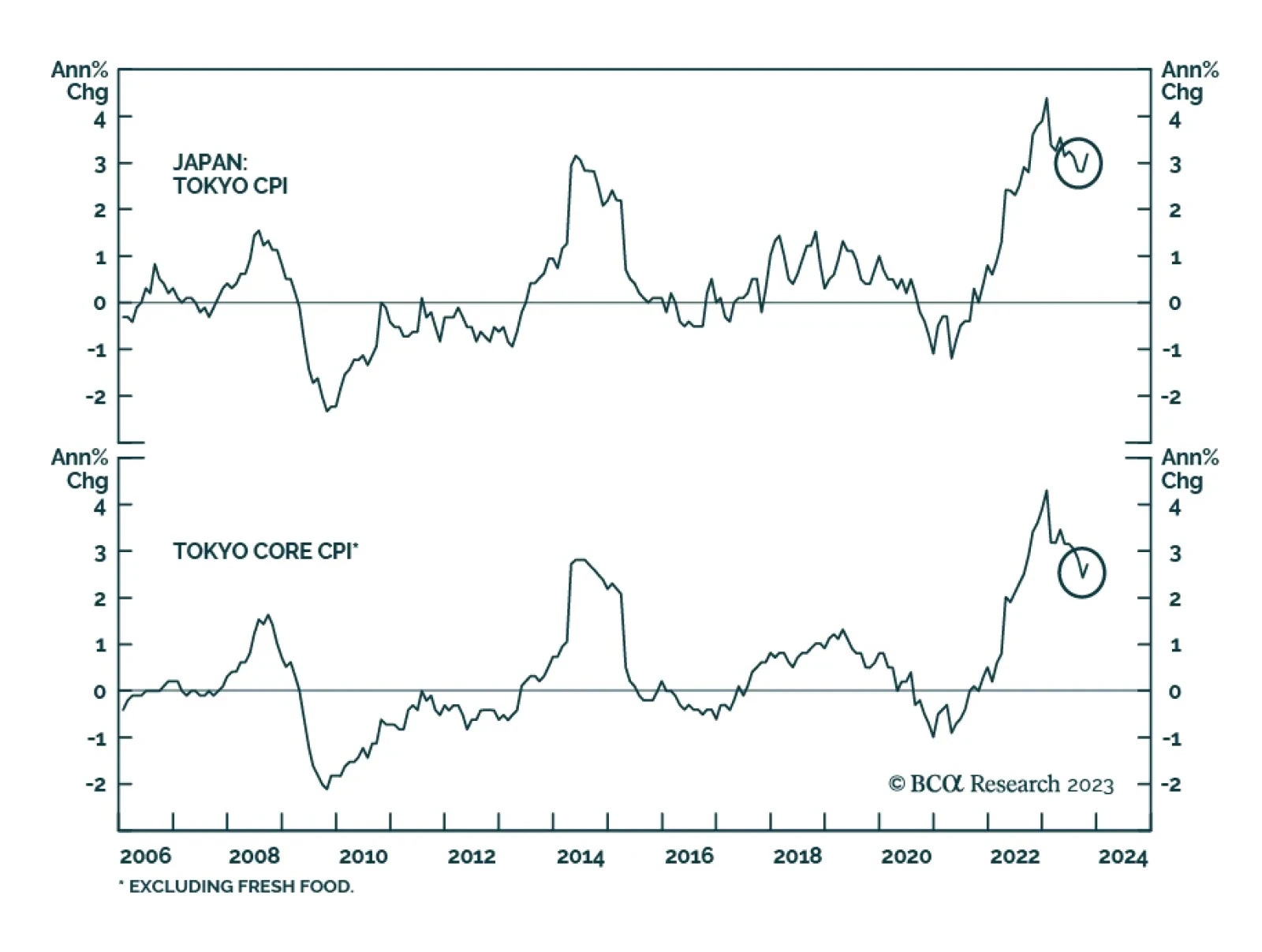
Friday's Tokyo CPI release suggests that inflationary pressures are picking back up again in Japan. Headline inflation accelerated to 3.3% y/y – surprising expectations it would remain unchanged at 2.8% y/y. The ex-fresh food component also unexpectedly rose…

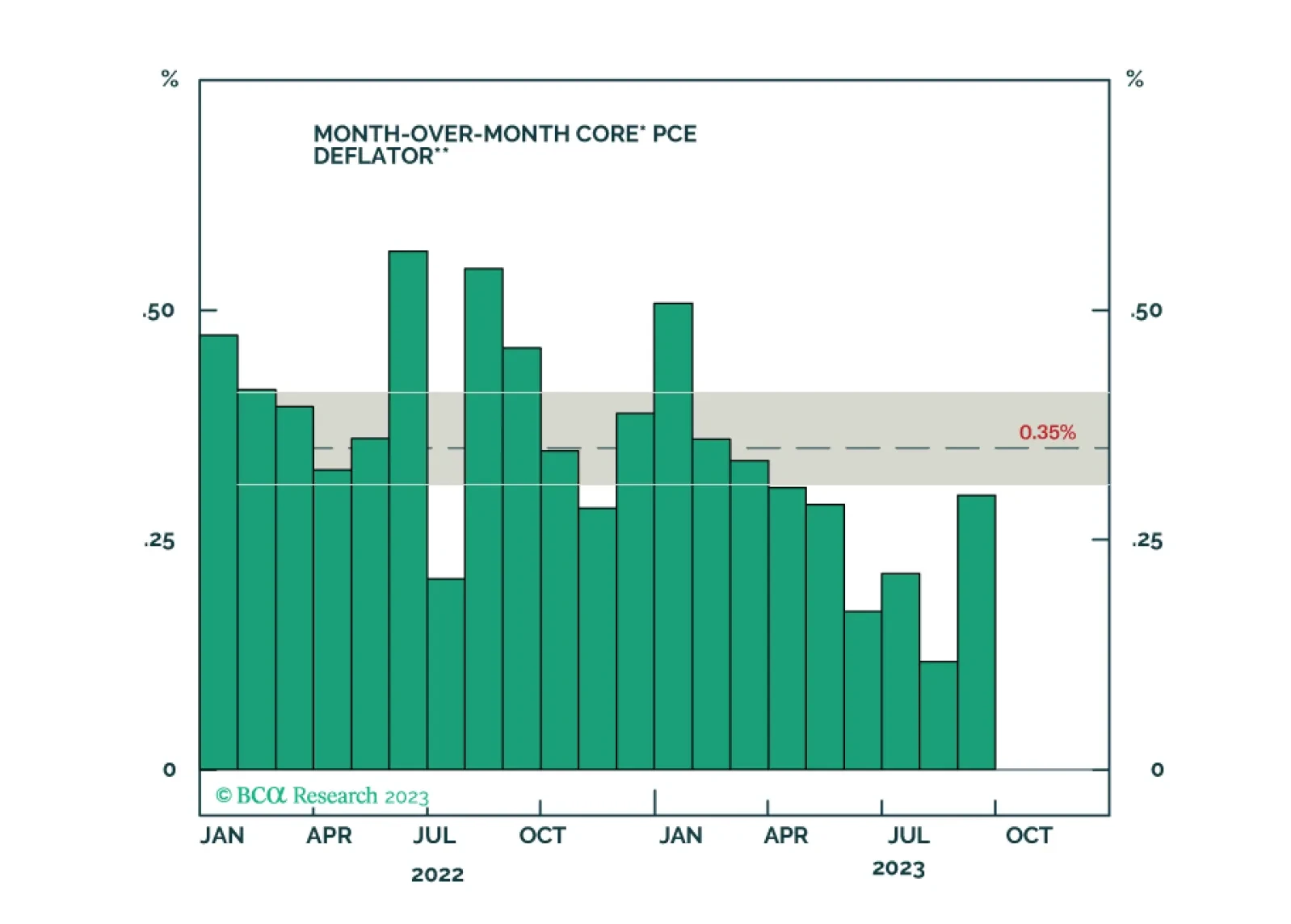
A look at recent data on economic growth, inflation and the labor market, and a discussion of the implications for Fed policy and bond strategy.
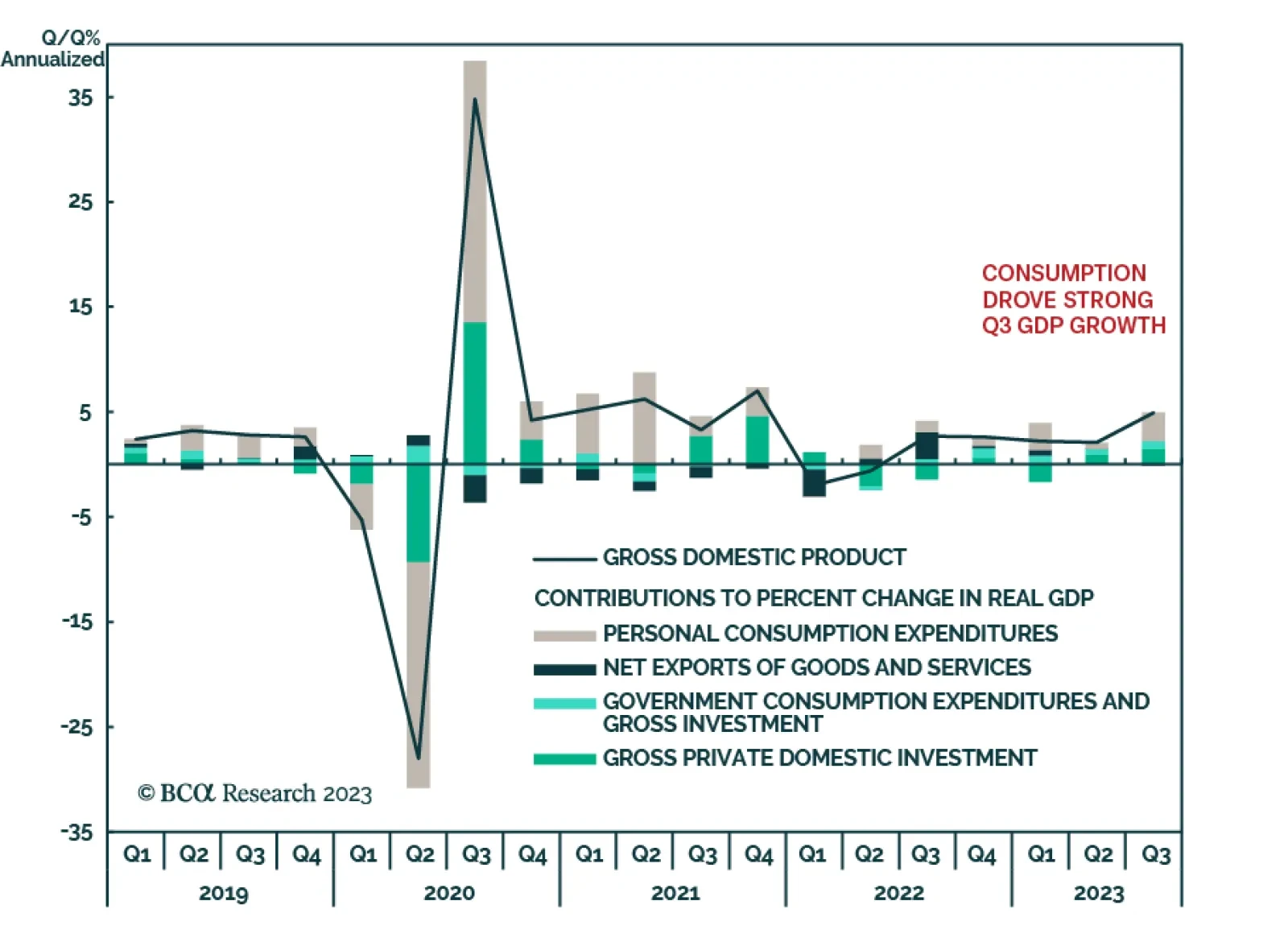
The US Q3 GDP release delivered a positive signal about the US economy. Economic growth accelerated from 2.1% q/q to 4.9% q/q on an annualized basis – beating expectations of 4.5%. A significant acceleration in consumption growth (from 0.8% to 4.0%) accounted…
As expected, the ECB kept policy on hold on Thursday. In a unanimous decision, it maintained the deposit rate at an all-time high of 4% following 10 consecutive increases. Ultimately, the tone of the communication was on the dovish side. True, the ECB…
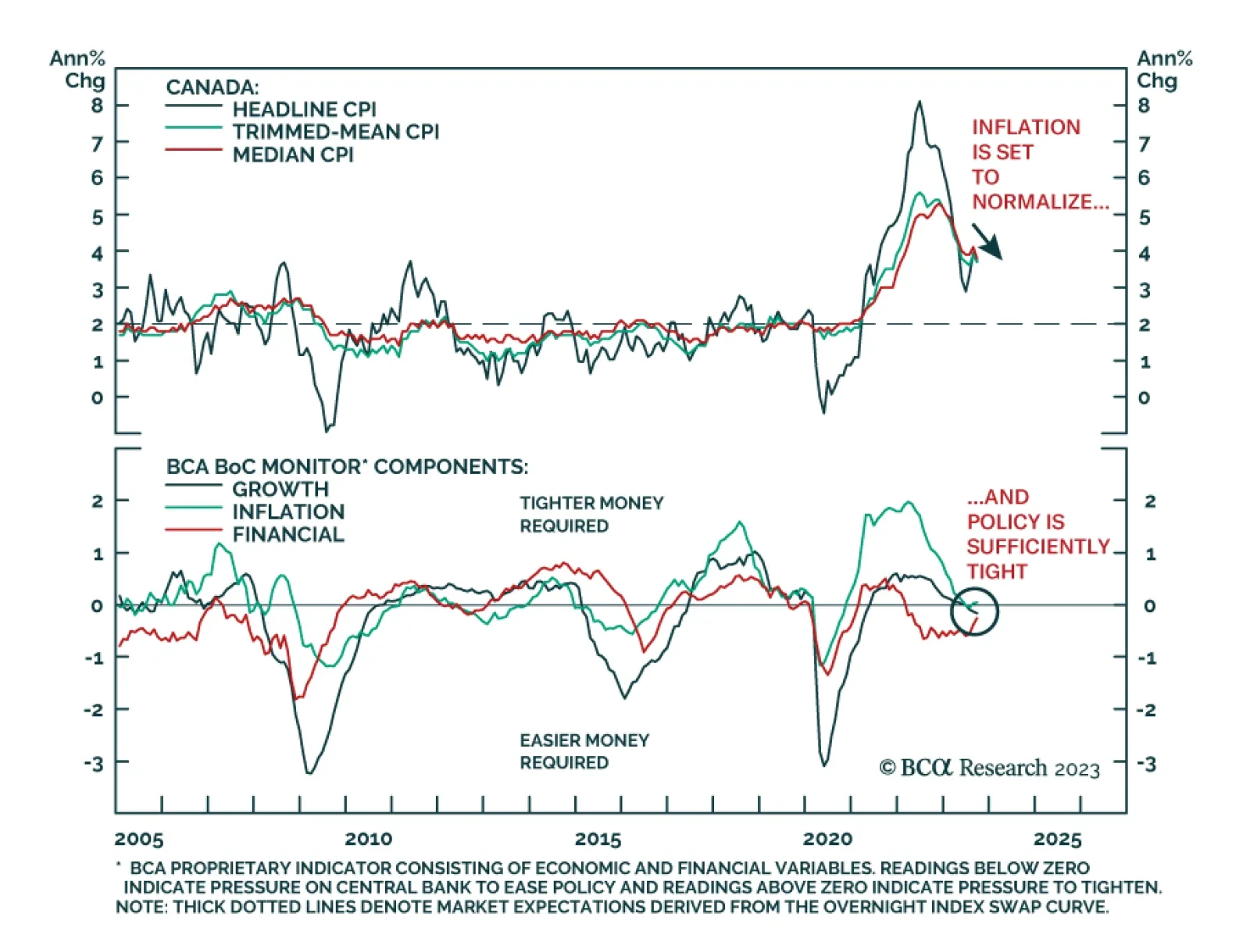
As expected, the Bank of Canada kept its target for the overnight rate unchanged at 5% for the second meeting in a row on Wednesday. The Bank cited clear evidence of the impact of elevated interest rates on demand — especially in durable and semi-durable…