Sorry, you need to enable JavaScript to visit this website.
Skip to main content

Gov Sovereigns/Treasurys
Despite elevated mortgage rates, UK home prices remain resilient. Average new seller asking prices were roughly flat in October, even as evidence of selling pressures are emerging.  According to Rightmove, total home prices were up 0.3% in October and…
Since the August selloff in risk assets, the main cross-asset driver was the shift from inflation worries to growth worries. Some of that price action has reversed, as TIPS breakeven inflation rates swiftly rebounded since early September. The 2-year…
US housing starts and building permits eased below expectations in September. Permits, a proxy for future construction, dropped 2.9% after rising 4.6% in August. New construction fell 0.5% after rising 7.8% a month prior. These disappointing numbers extend…

Yesterday, the ECB solidified its recent dovish tilt in response to weaker growth and decreasing inflationary pressures. It is now set to cut rates 25bps each meeting. How low will the ECB deposit rate ultimately go and what does this imply for yields and the euro?

The ECB cut interest rates by 25 bps for the third time this year, lowering the deposit facility rate from 3.5% to 3.25%. While the ECB is avoiding explicitly committing to a path for policy, President Lagarde’s repeated statement that the disinflationary…
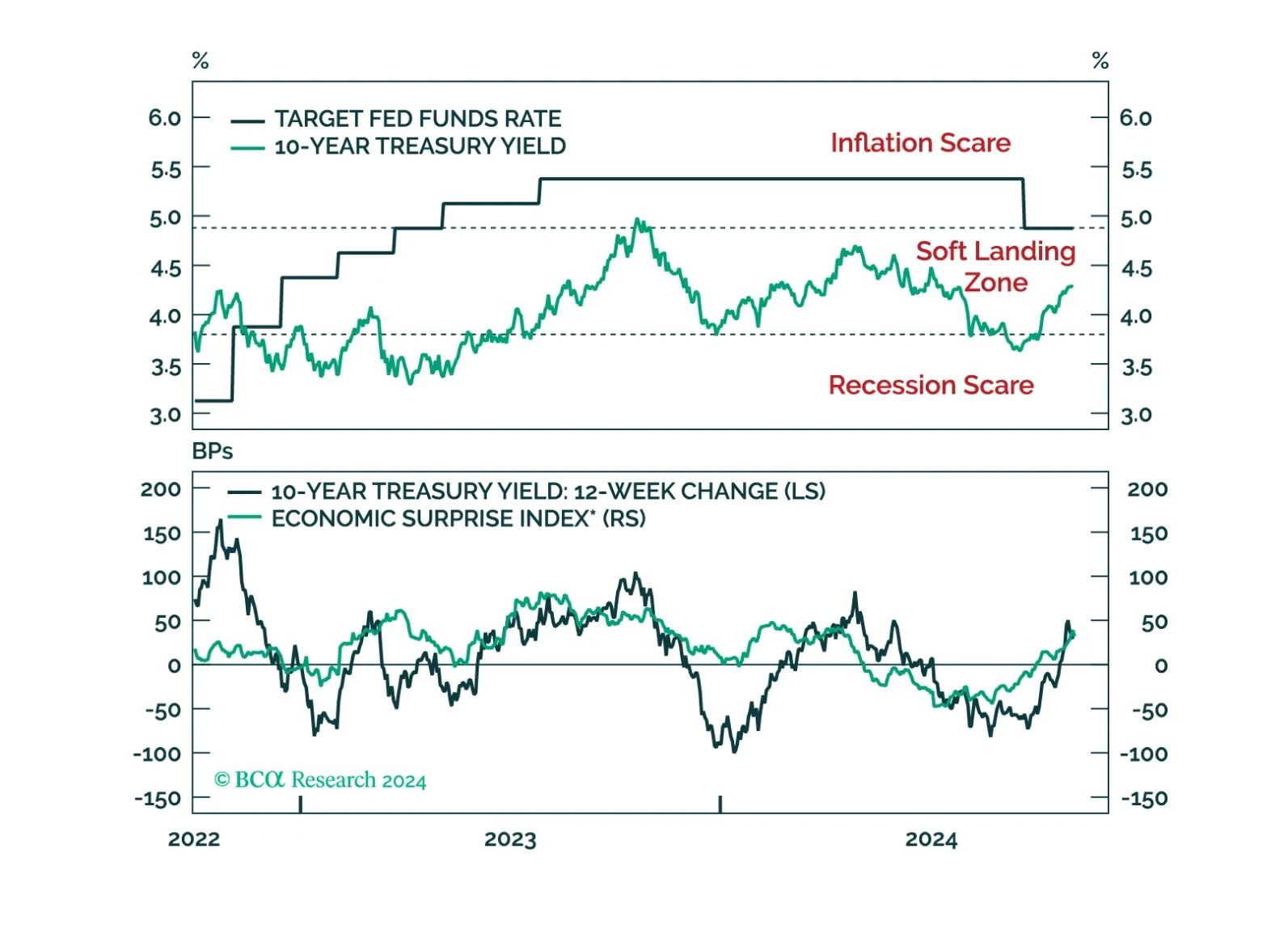
Recent economic data surprises drove equities and bond yields higher, putting our US Investment Strategy team’s bearish views to the test. They recently published a piece assessing their views considering these bullish developments. First, there is more to…

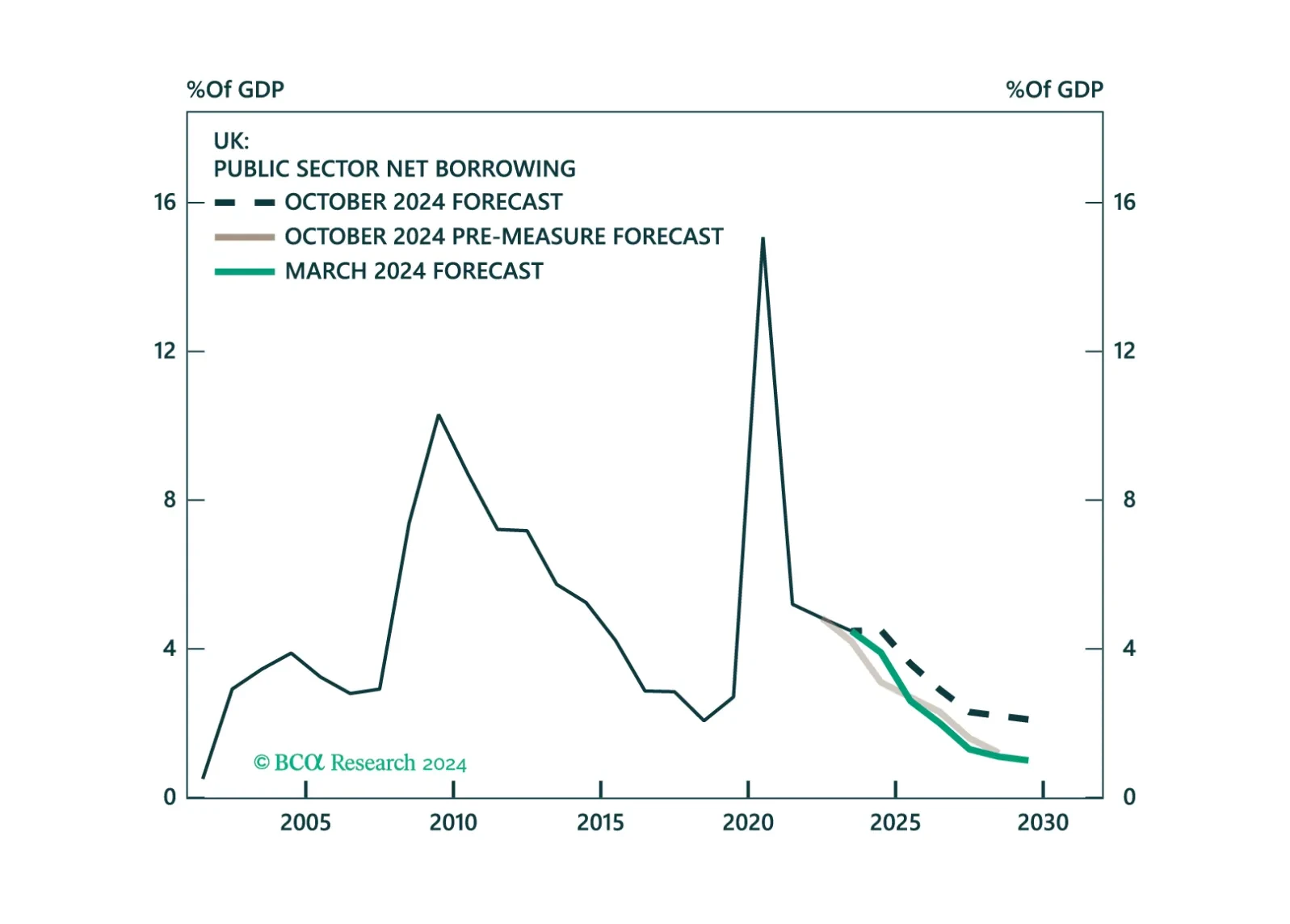
In this Insight, we assess whether investors should expect fiscal turbulence in the UK, that will drive UK yields higher and the pound lower.

We give our thoughts on this morning’s CPI release and (lack of) market reaction. We also close our short position in January 2025 fed funds futures.

Our Q3 portfolio was defensive, which we believe will be the appropriate stance in the next six-to-twelve months. Data coming out of the US has remained robust which could cause US bond yields to temporarily overshoot. An overshoot in US bond yields will be an opportunity to dial up the portfolio’s defensive tilt. The average decline in 10-year Treasury yields 12 months after the first Fed rate cut is 100 bps. This time should be no different. There are not many changes to this quarter’s portfolio allocation. We have upgraded UK gilts to overweight and downgraded European credit to underweight. Portfolio duration remains the same. In terms of future changes, we are generally watching the trend in inflation given many central banks are delivering jumbo rate cuts. Any pause in the disinflationary trend we have seen will send bond yields soaring. This is a risk to our view. Otherwise, a recession in the first half of 2025 will cement our long duration stance.

This report looks at the likely path for the dollar and bond yields over the next 6-to-12 months.