Global
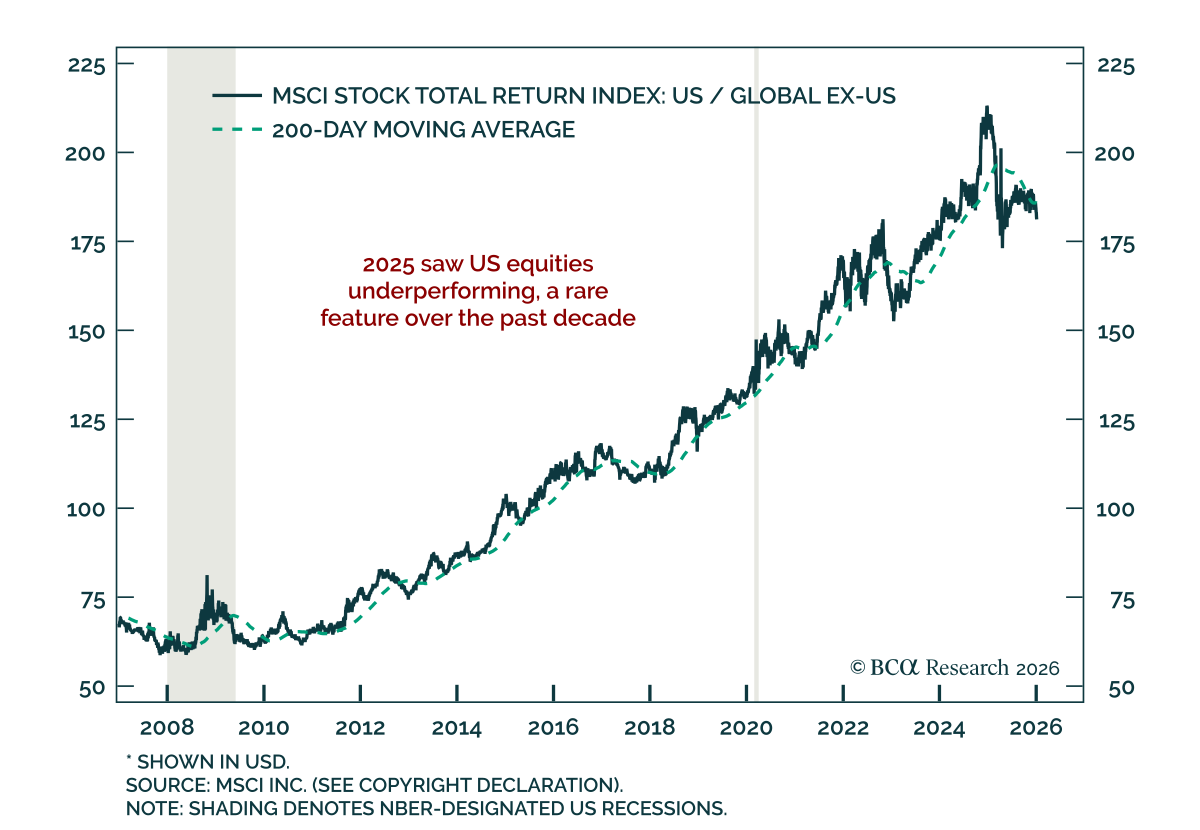
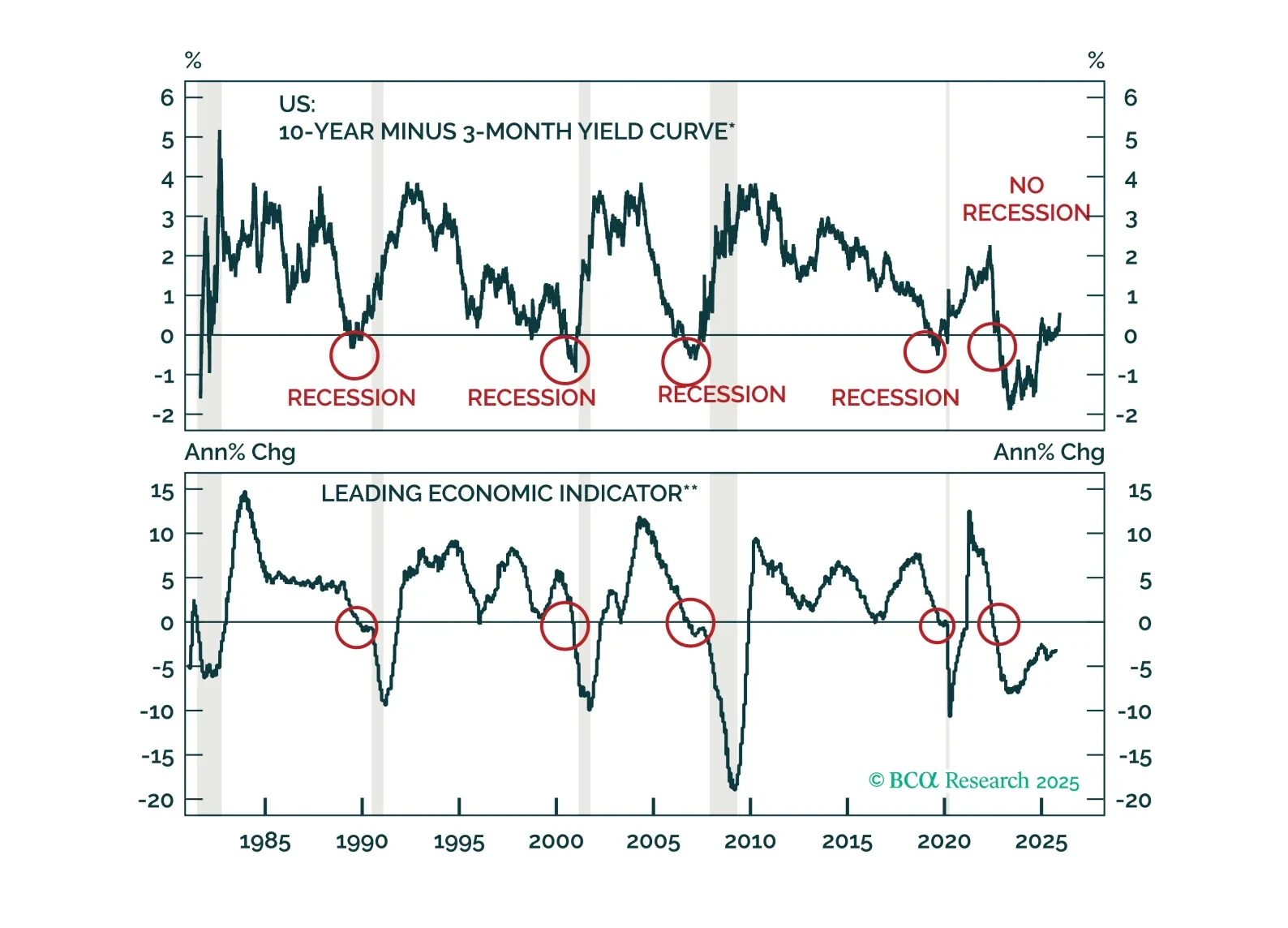
Every year, the Global Asset Allocation team compiles a list of our favorite books, essays, and articles from our strategists ahead of the holiday season. This year, we focus on writings by practitioners in the world of finance, business, and beyond. While diverse in their backgrounds, one theme stands out: Adaptation.
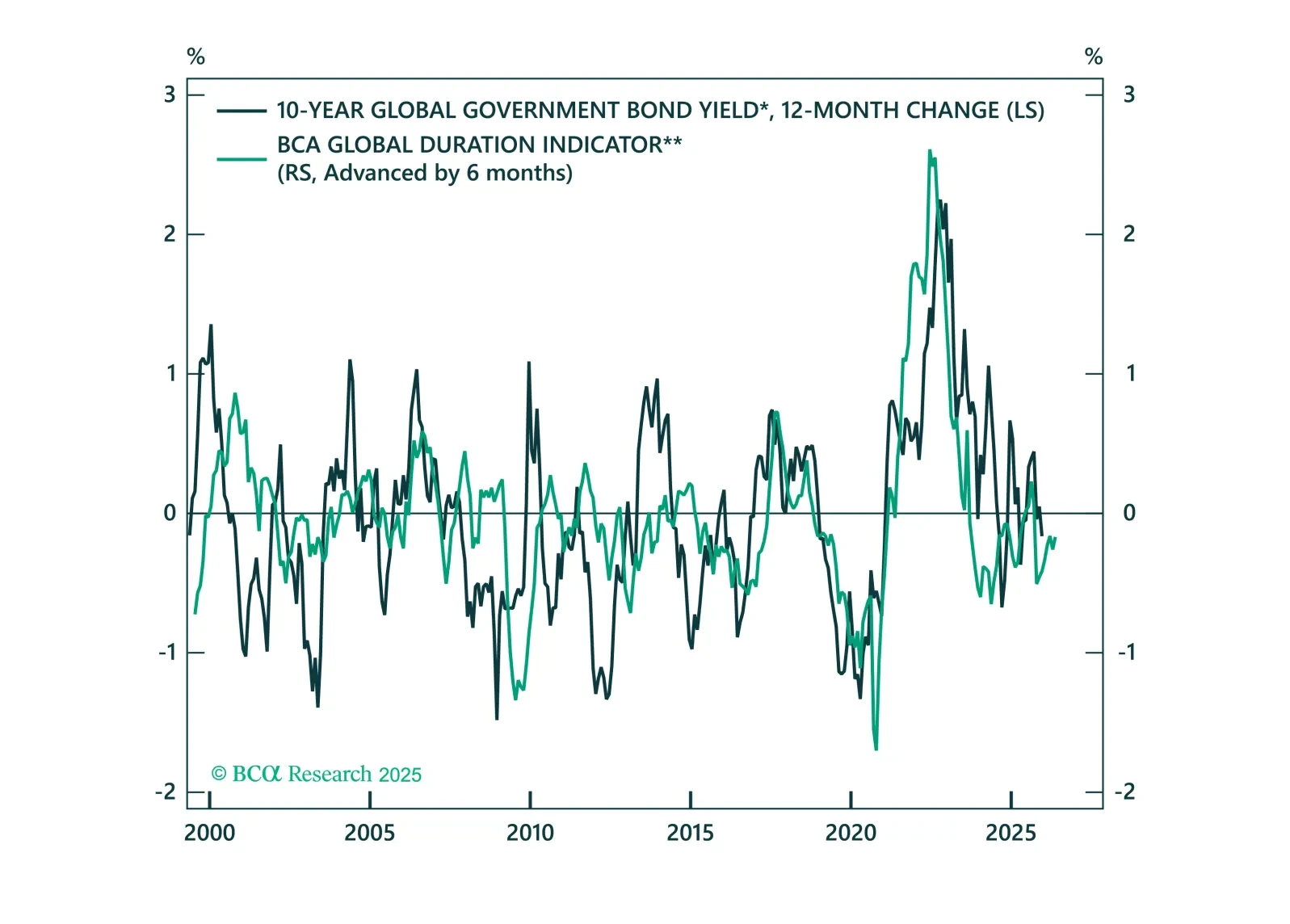
We present our five key views for global fixed income markets in 2026. A year that will see the global easing cycle come to an end.
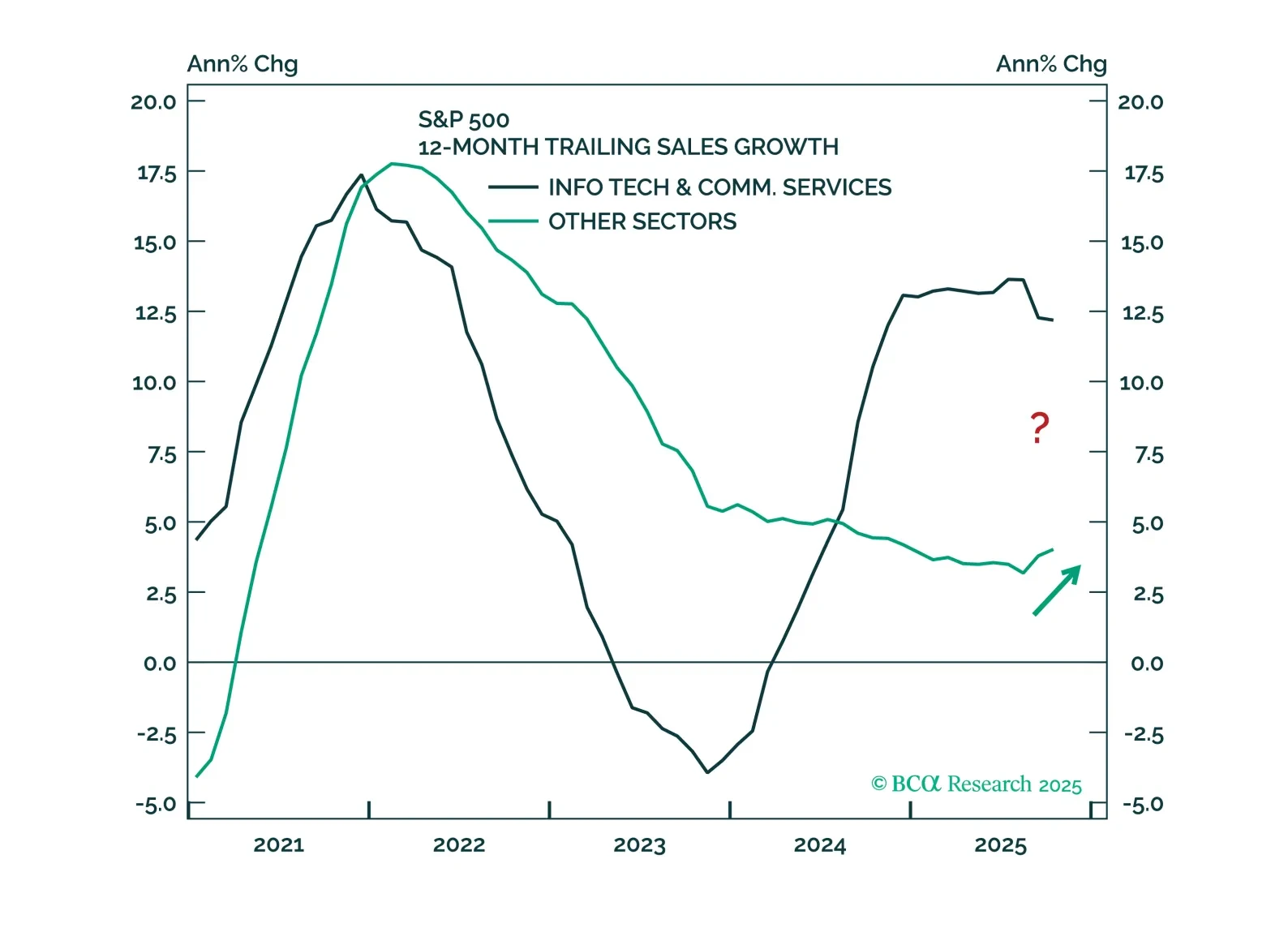
The K-shaped economy will likely reverse in 2026, with the cyclical parts of the economy doing better. Upgrade Financials and Materials from neutral to overweight. Downgrade Communication Services and Utilities from overweight to neutral. Favor value stocks. Upgrade Bitcoin from neutral to overweight.
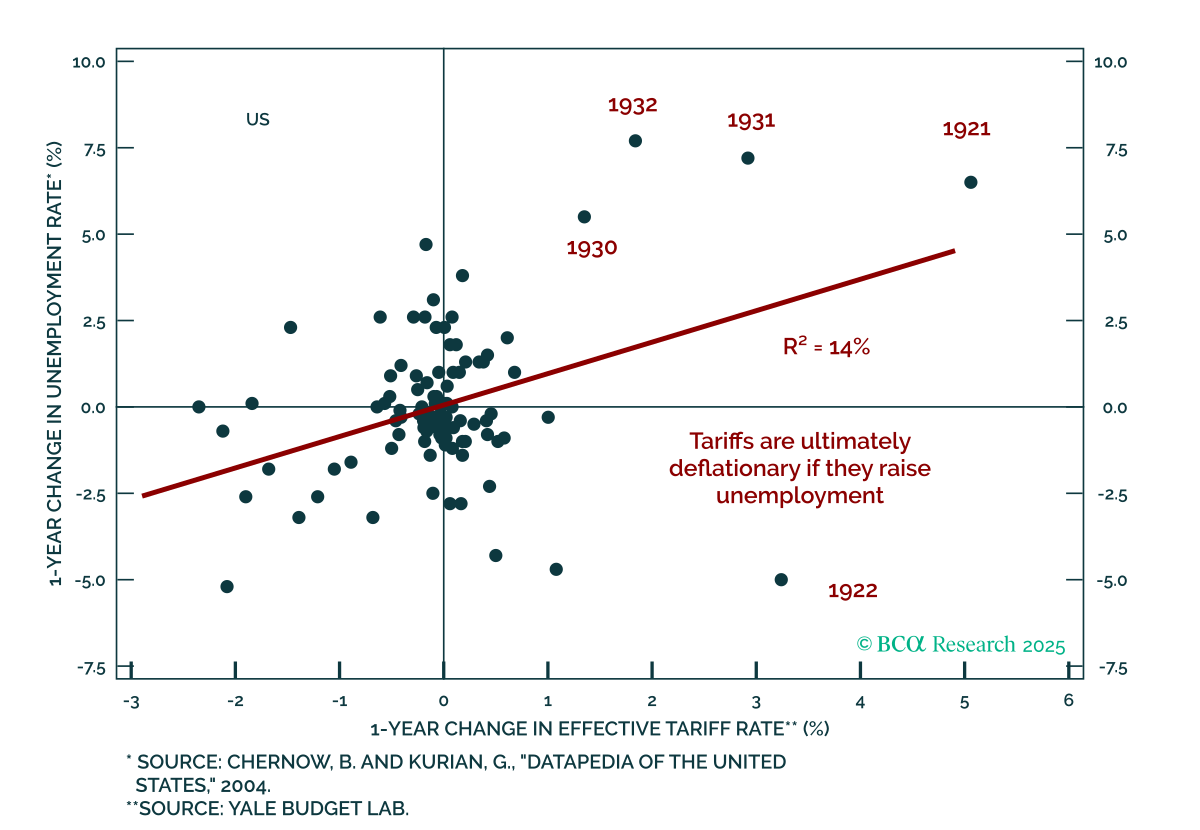
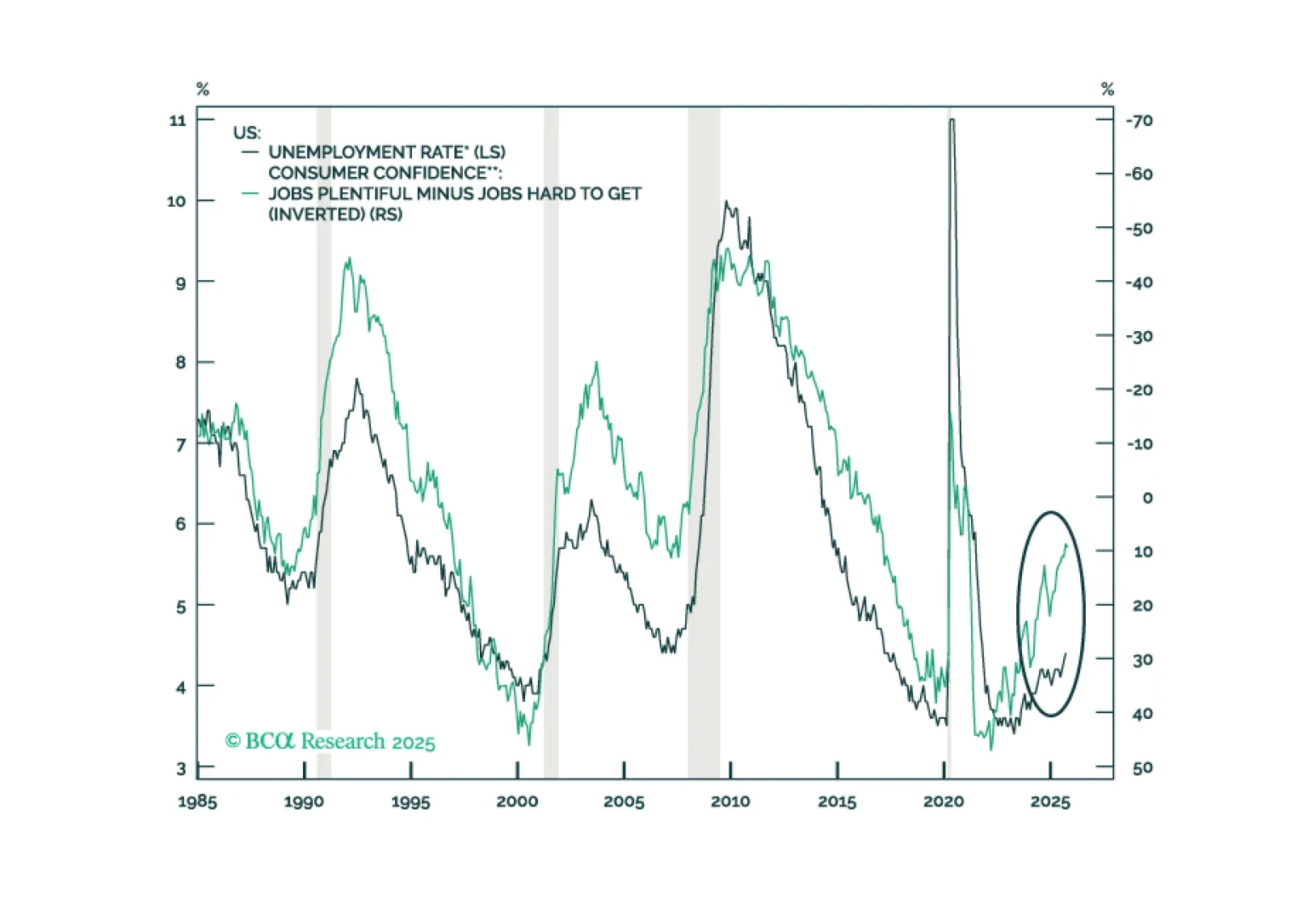
Today, we are sending you the BCA annual outlook for 2026. The report is an edited transcript of our recent conversation with Mr. X and his daughter Ms. X, who are long-time BCA clients. Our discussion featured BCA’s economic and financial market outlook for the year ahead.