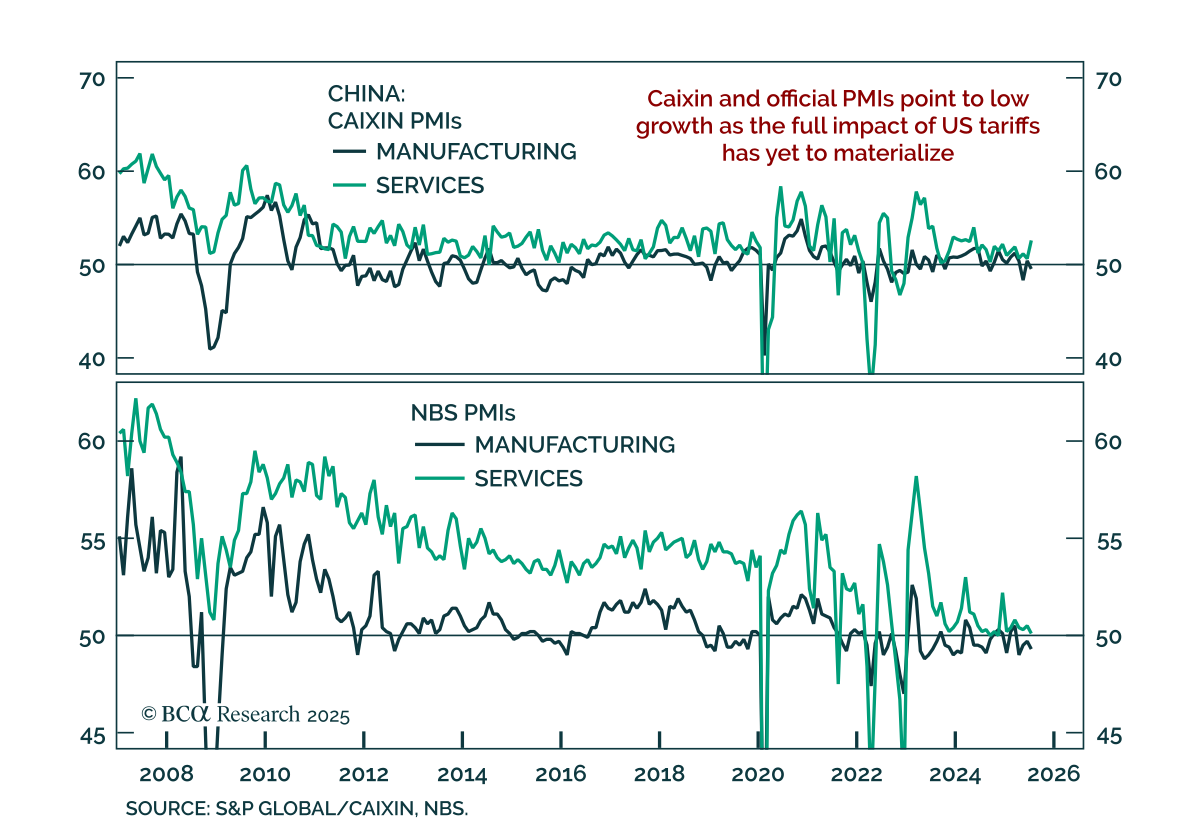
China
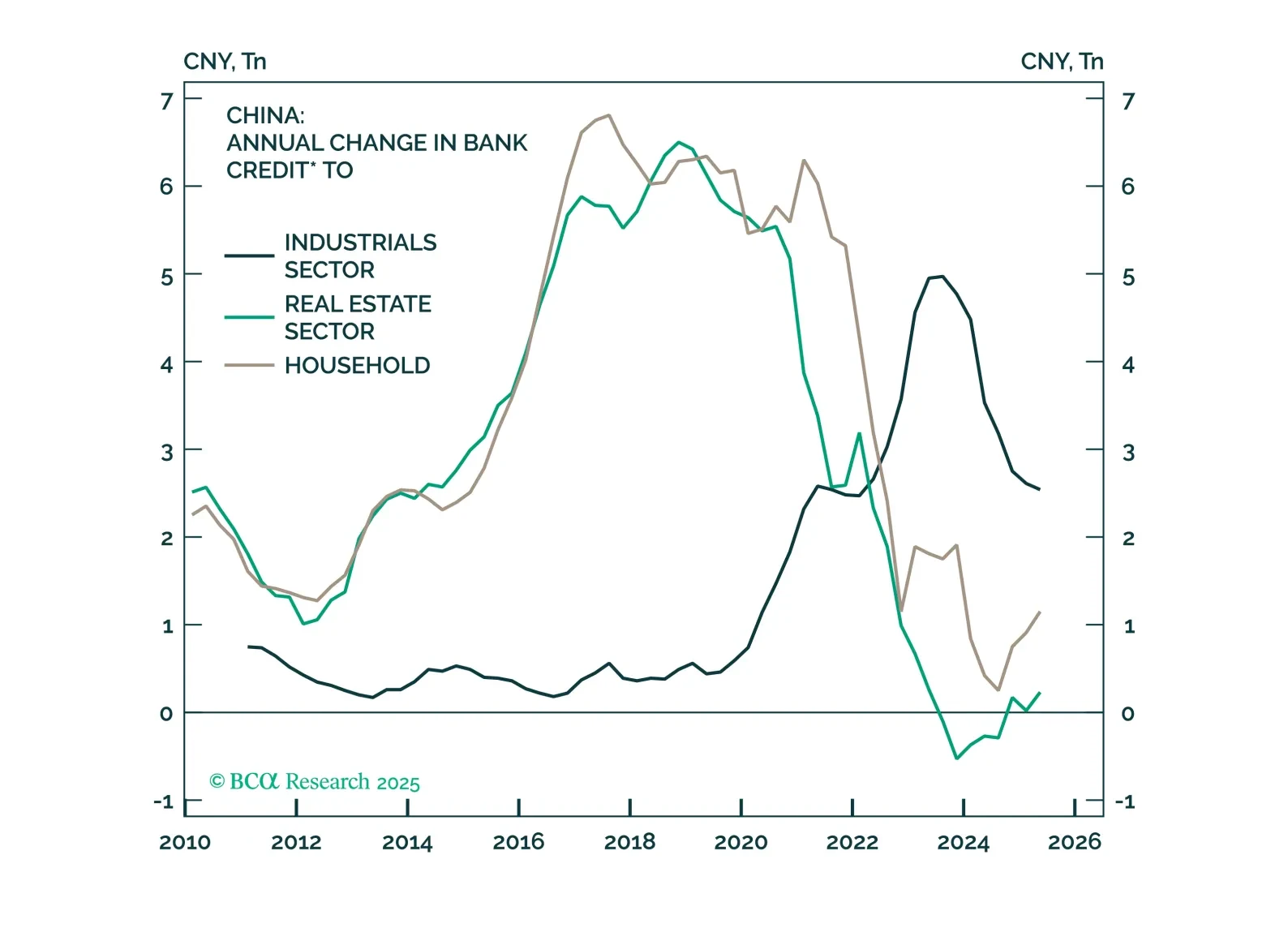
The US overconsumes and underproduces. China overproduces and underconsumes. There are early signs that this decades-old imbalance has peaked and is beginning to reverse. Upgrade the CNY to overweight.
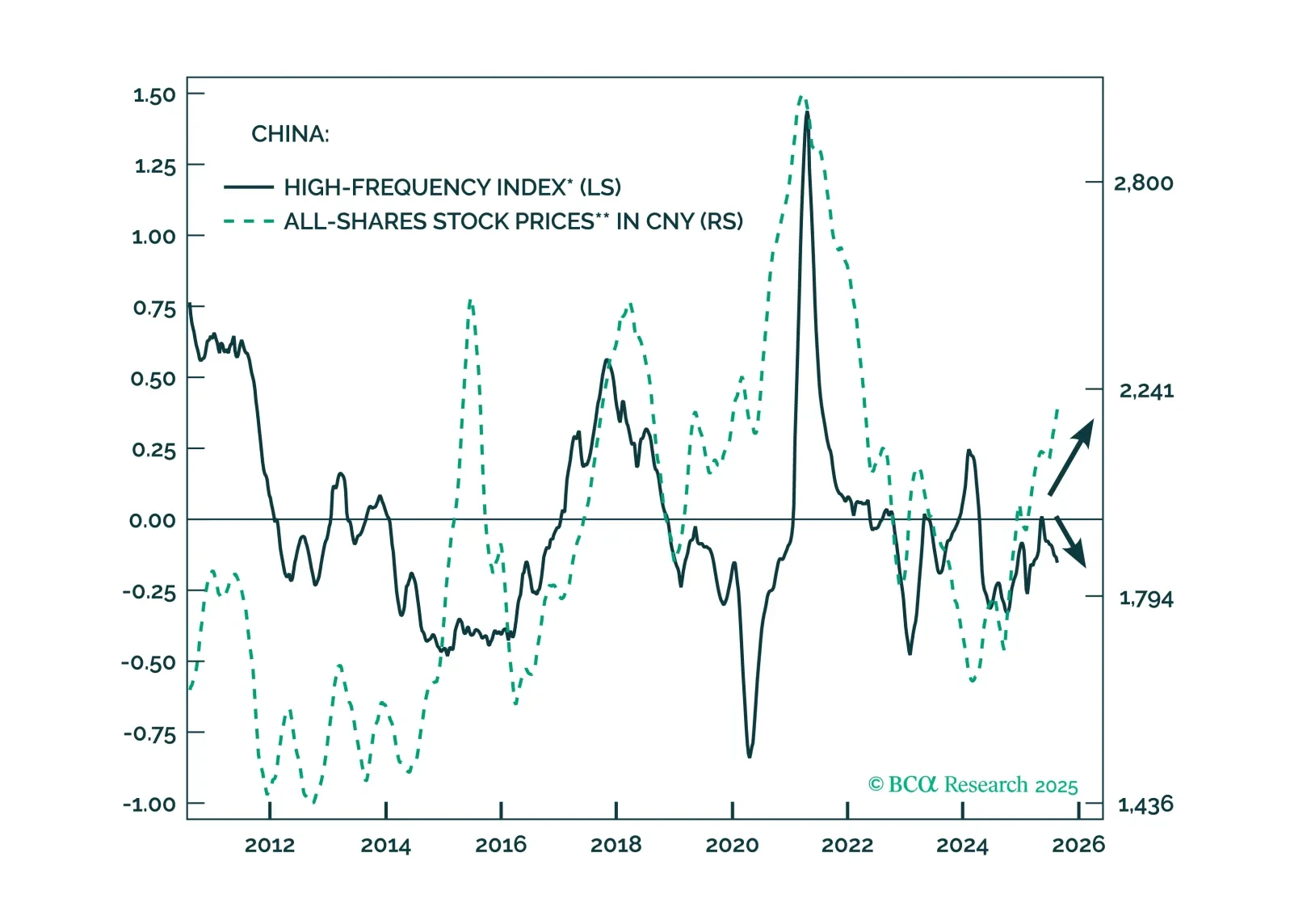
In this week’s Special Report, we introduce our newly constructed China High-Frequency Index (HFI). The HFI provides a timely measurement of China’s current economic conditions, helping investors to gauge cyclical turning points in the economy earlier and identify mini swings within a business cycle.
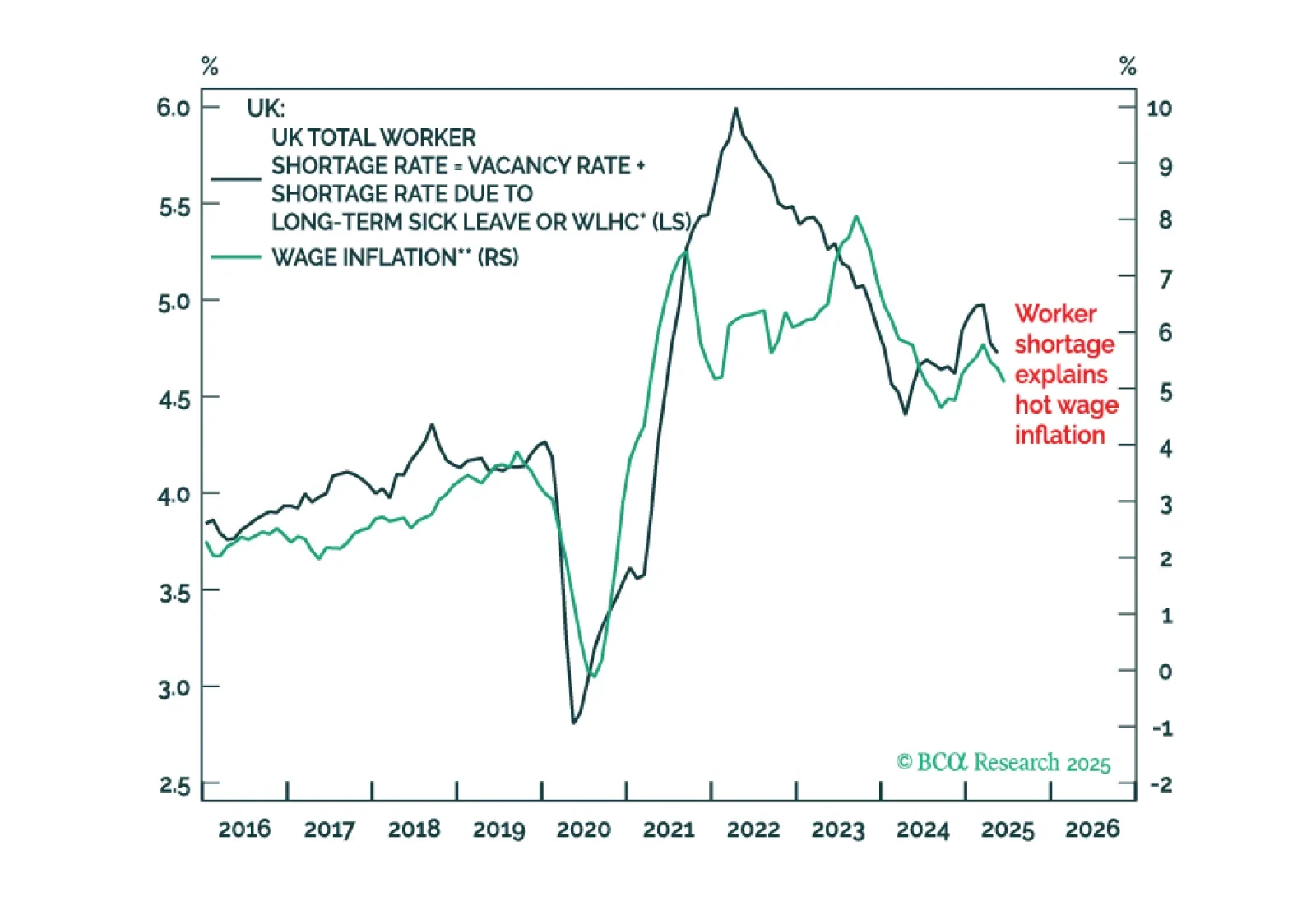
A surge in UK employees on long-term sick leave or with a work limiting health condition explains stubbornly high UK wage inflation. This leaves the Bank of England and the UK government with some tough choices to make in the months ahead. Plus, a new tactical trade is short CSI 300.
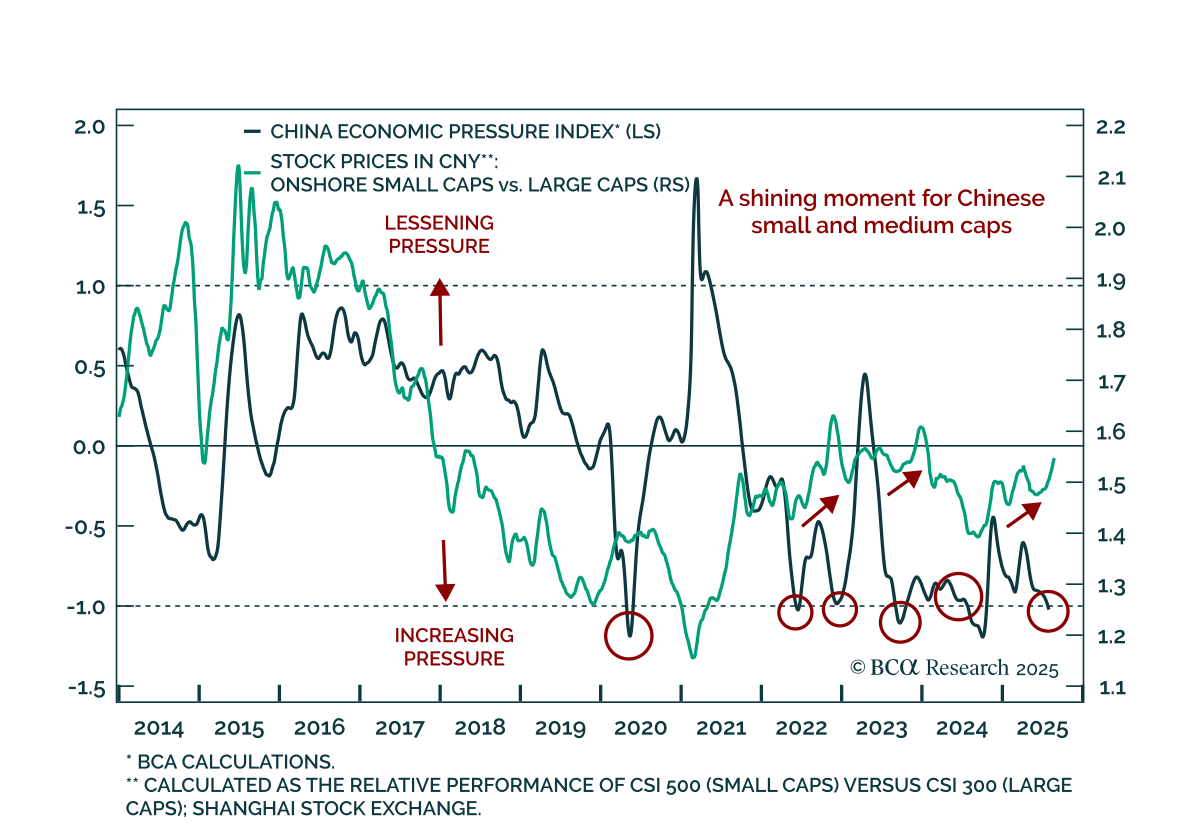
Our newly constructed China Economic Pressure Indicator shows intensifying household stress, raising the likelihood of new policy support in the coming months. We recommend a tactical trade as a stimulus hedge.
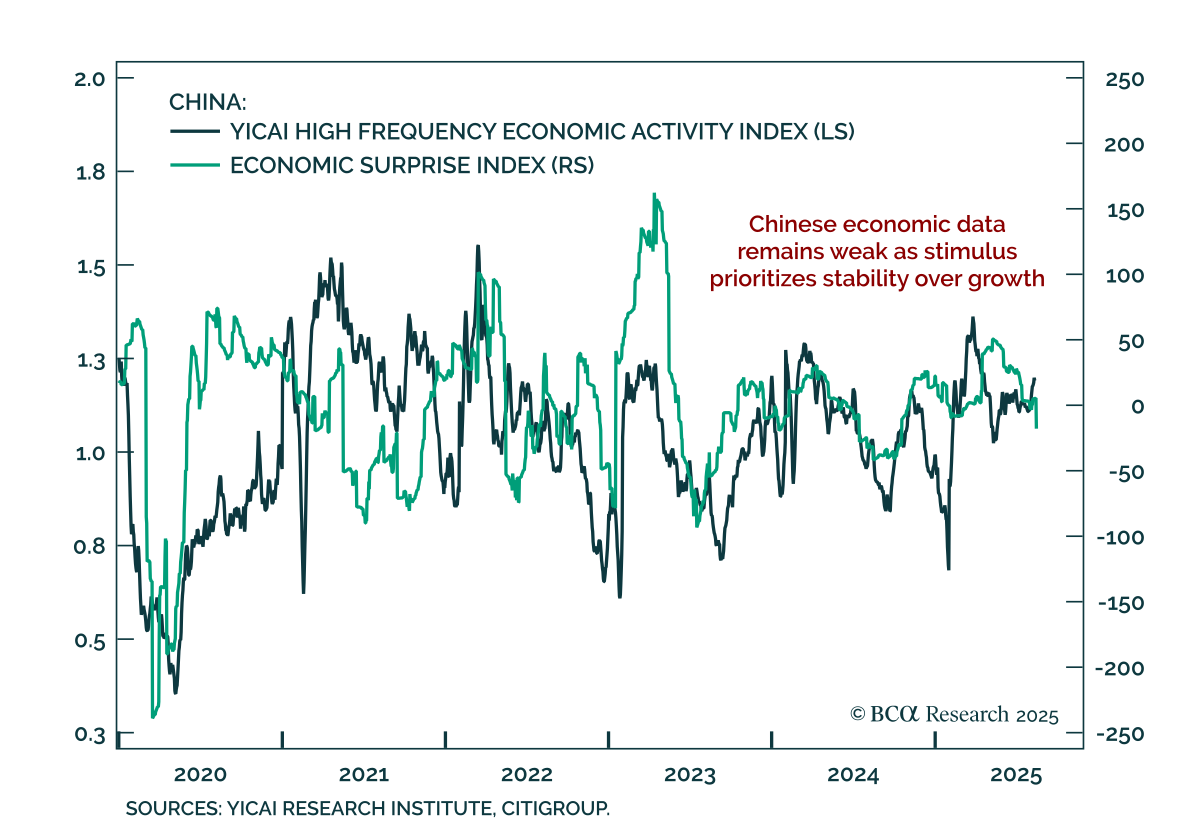
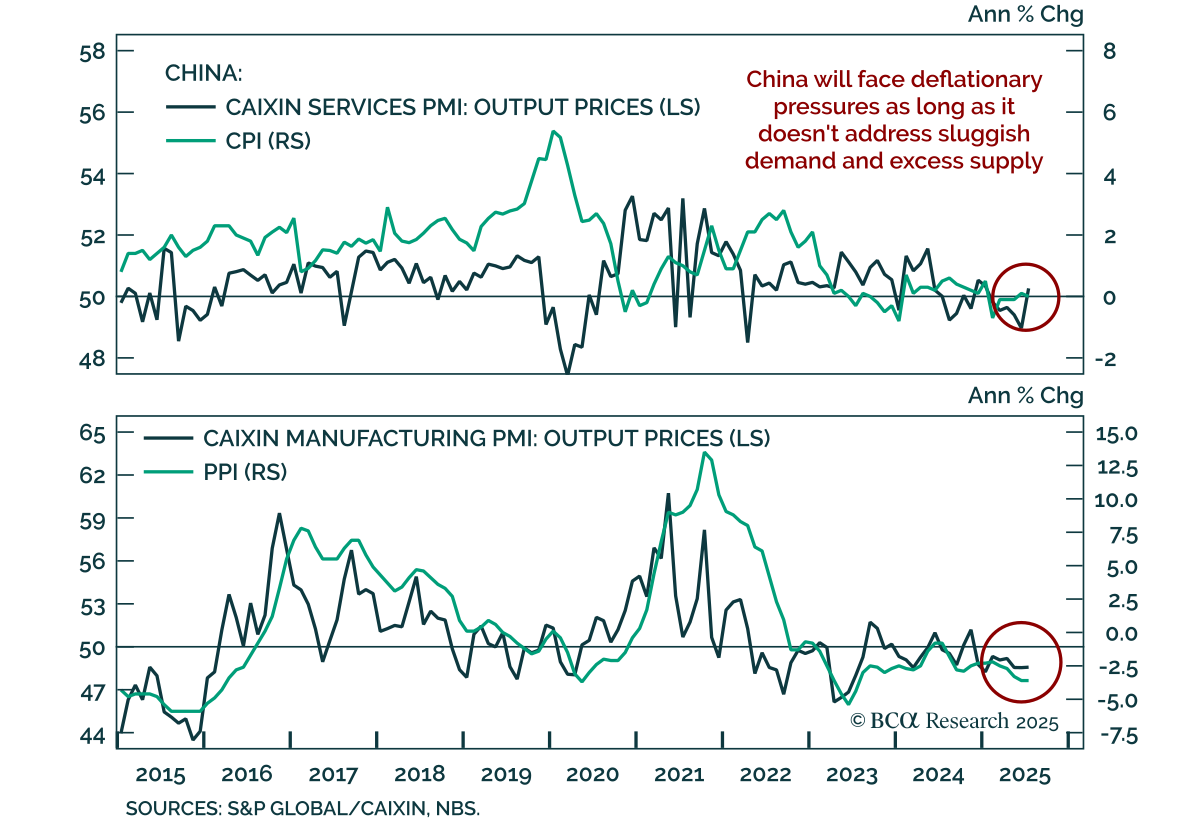
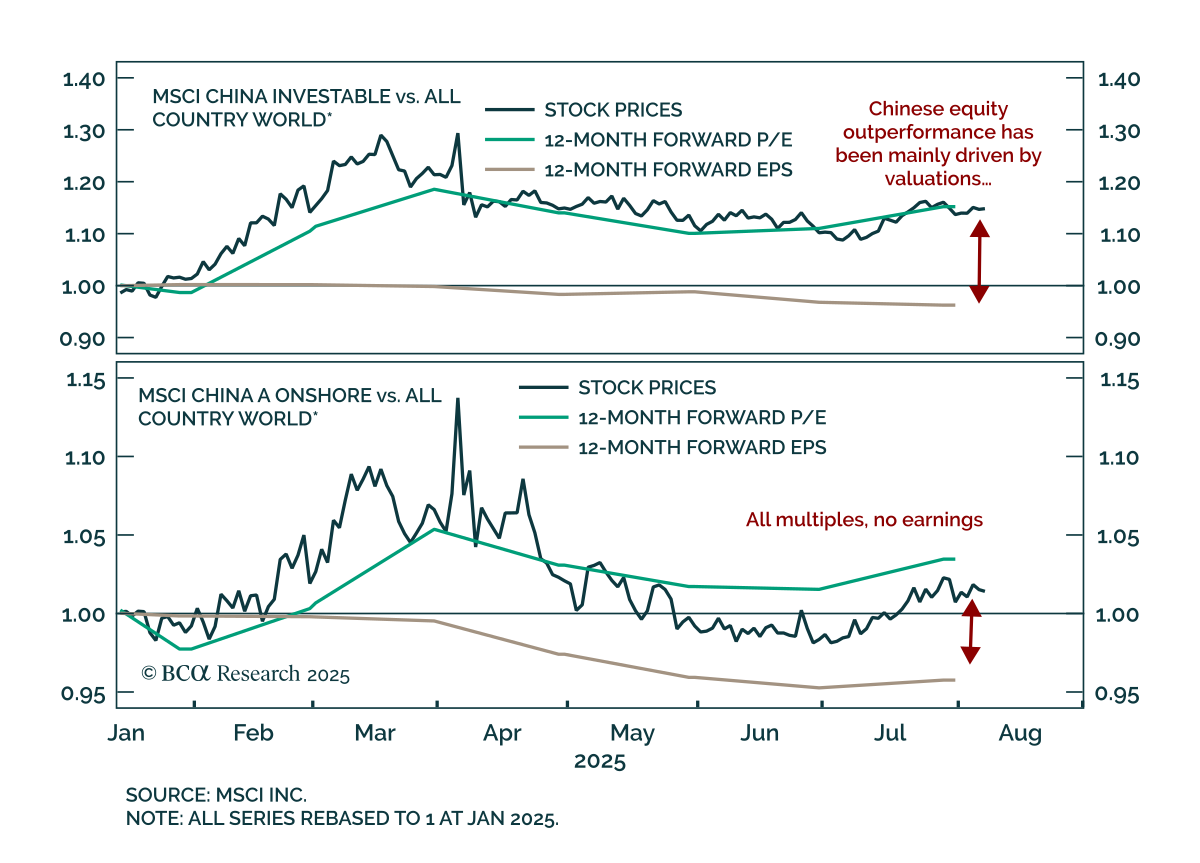
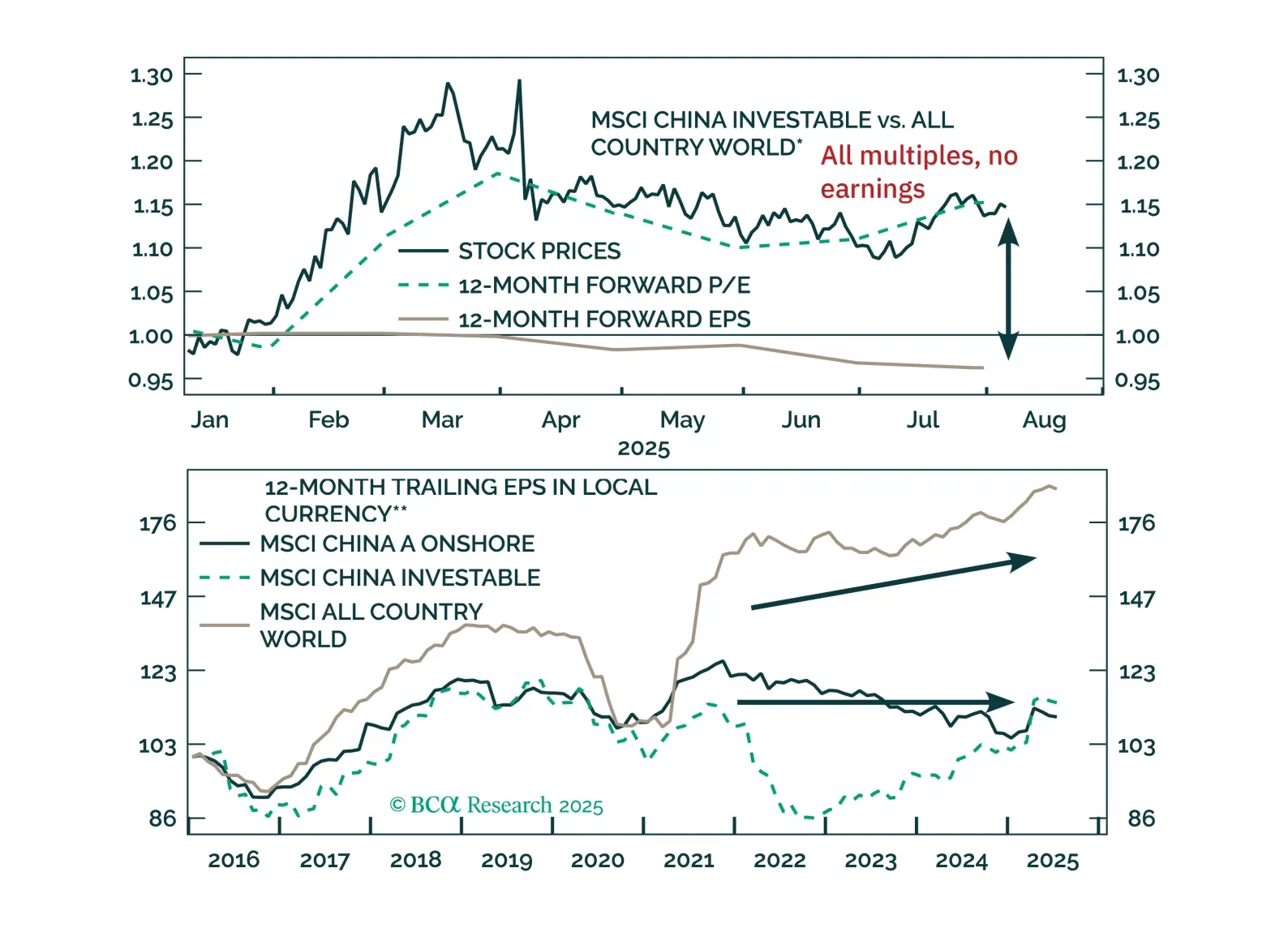
Chinese stock prices have significantly decoupled from the country’s business cycle, with the full impact of US tariffs yet to be realized. The valuation-driven equity gains without a cyclical economic recovery will be vulnerable to a reversal.