China
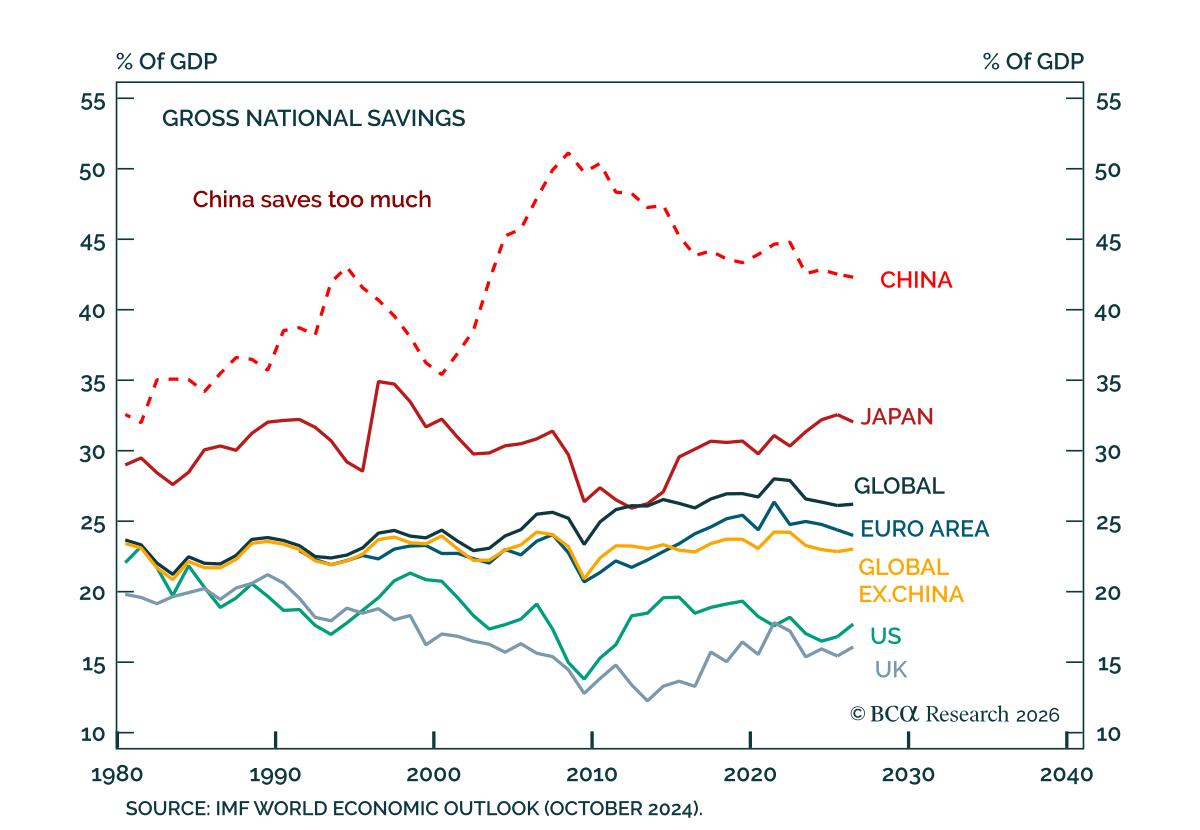
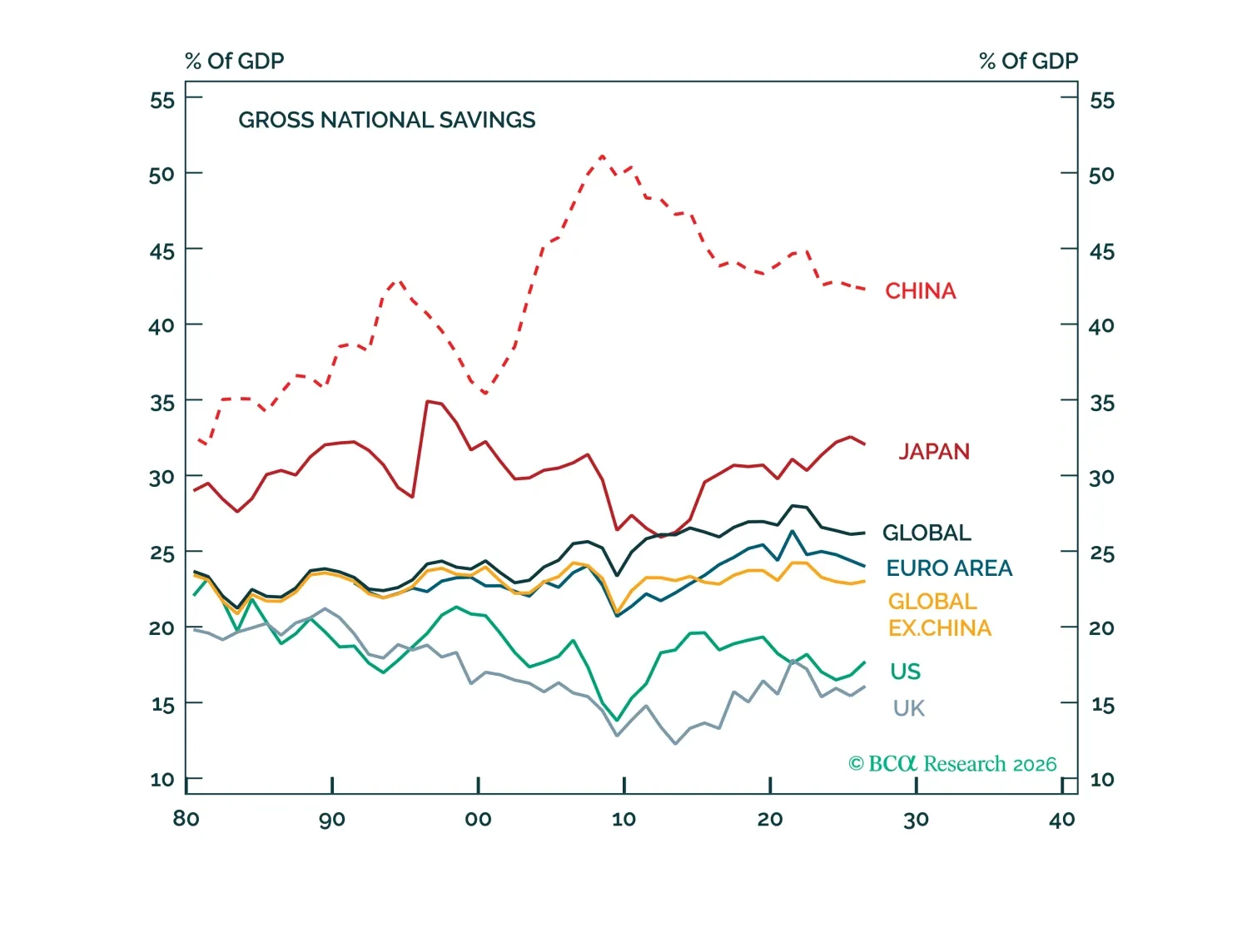
China does not produce too much. It spends too little. The only viable way for China to reduce investment without raising unemployment is by lowering national savings. Doing so is likely to be politically challenging, however. This suggests that China will suffer from subpar growth and deflationary pressures for the foreseeable future.
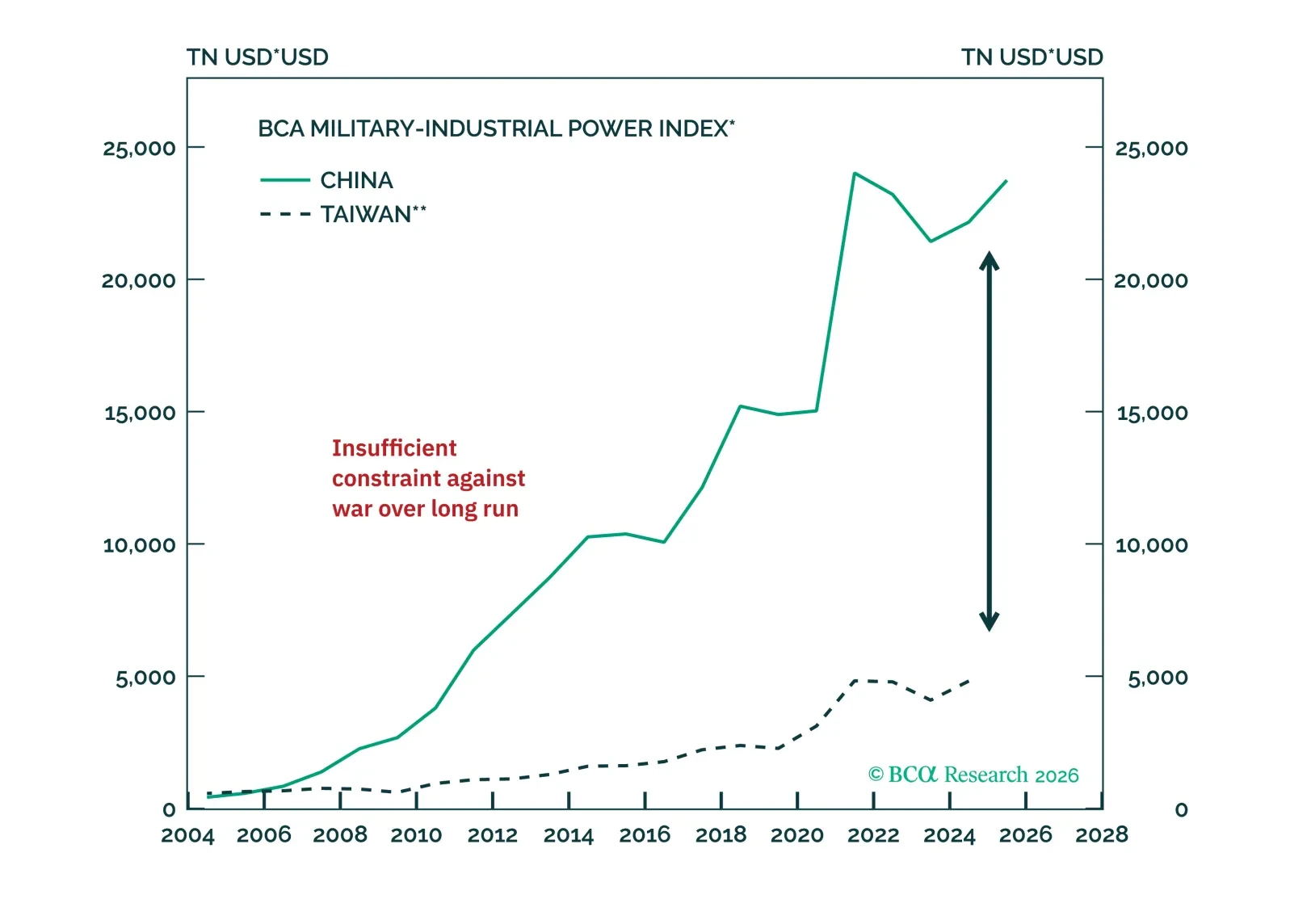
Taiwan will not be invaded soon but focus on external constraints, not internal. Strongmen or “visionary” leaders can override geopolitical constraints at critical junctures, at least initially.
As long as the AI boom keeps booming, all other investment considerations will remain on the back burner. However, if the AI trade fizzles, this would expose deep-seated problems within the global economy, which could very well lead to an economic downturn as early as next year.
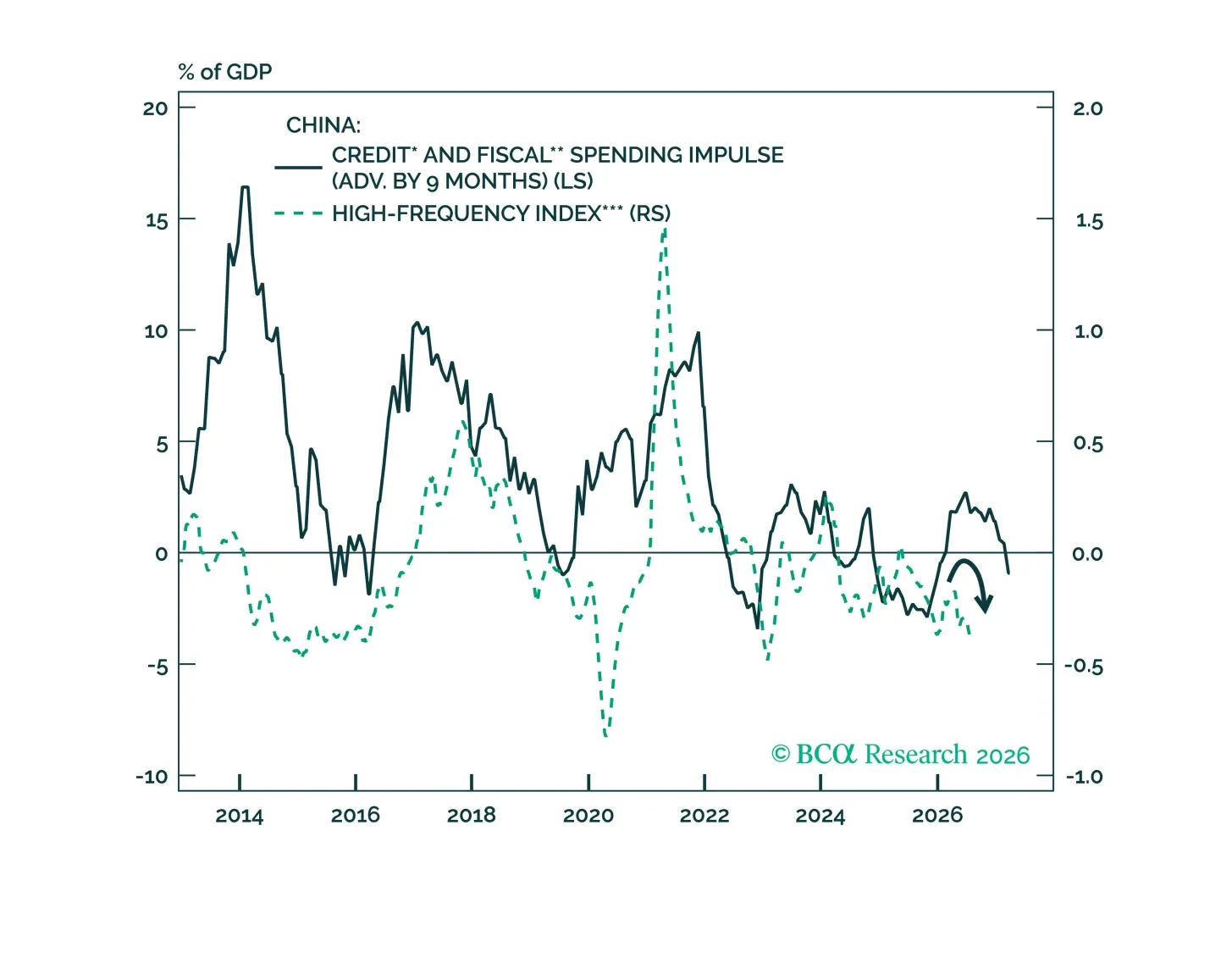
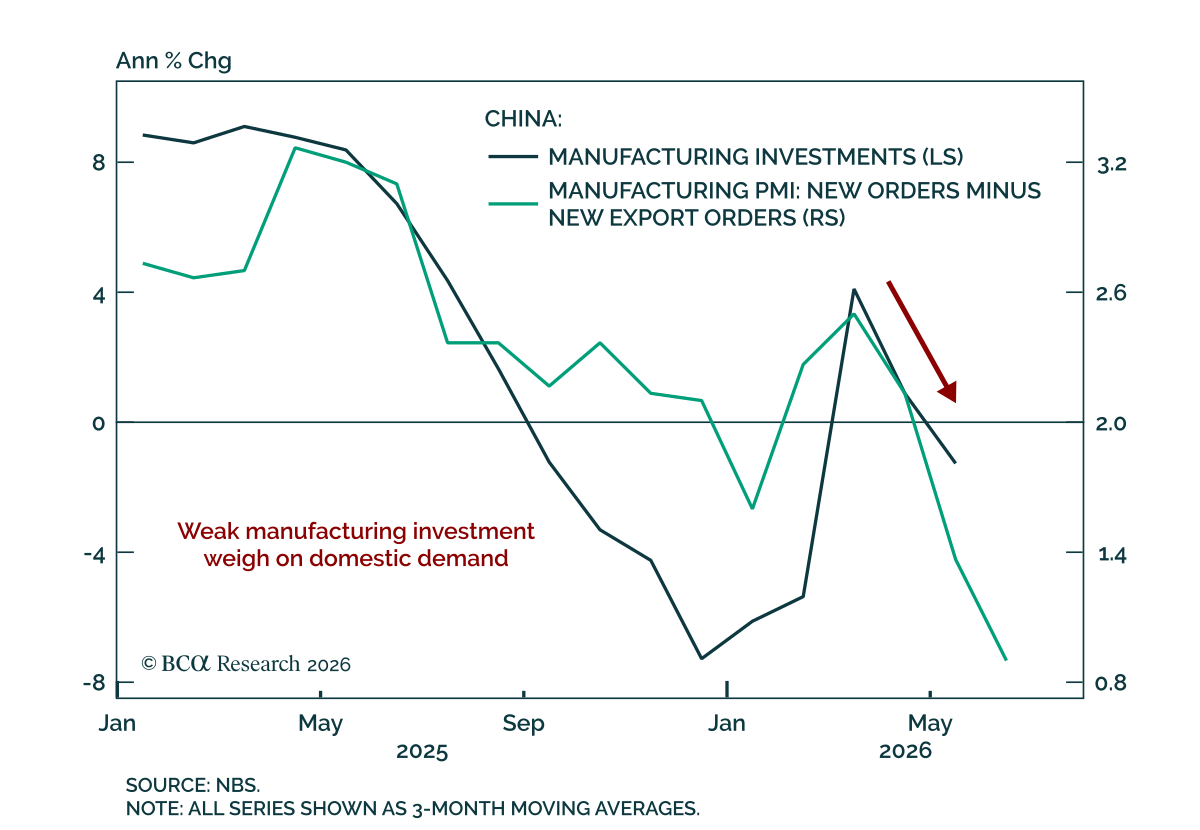
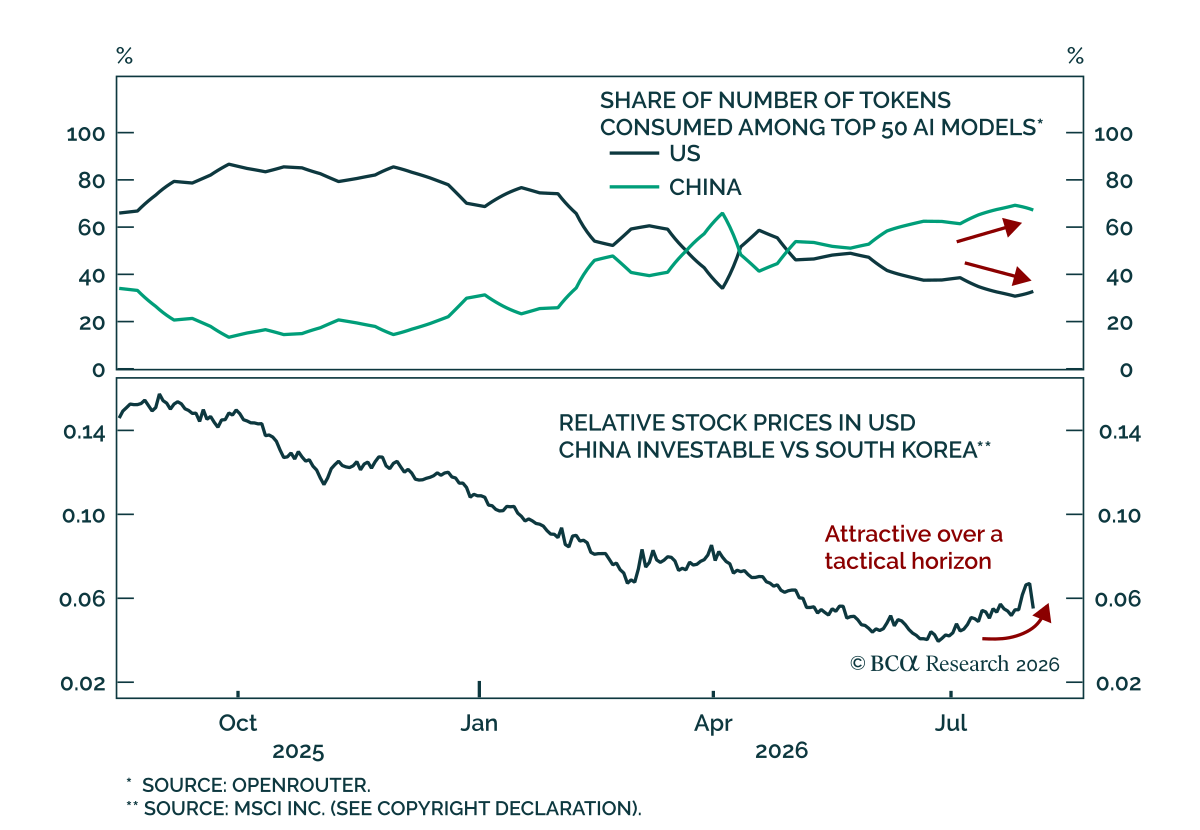
China's economy is slowing, but policymakers are unlikely to launch broad-based stimulus in H2. Meanwhile, the emergence of China's "Kimi moment" underscores Beijing's commitment to technological upgrading and the country's rapidly advancing AI capabilities.
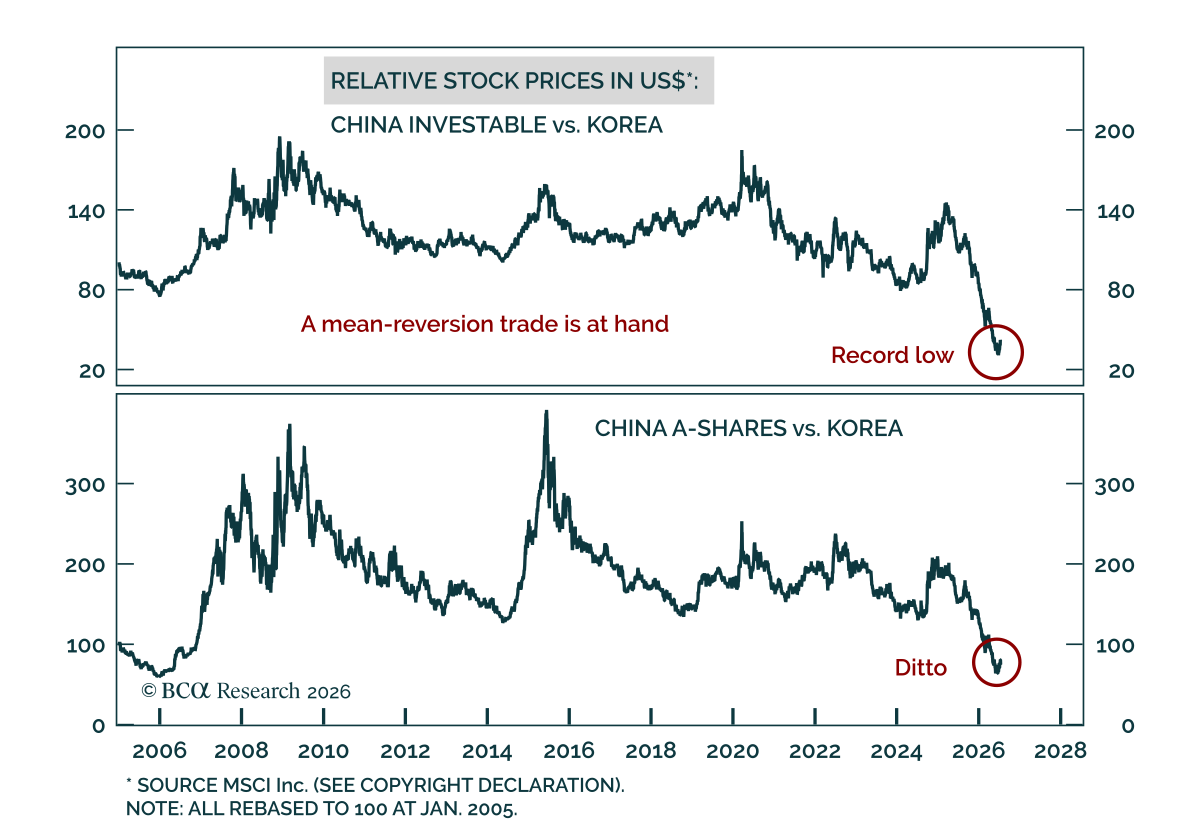
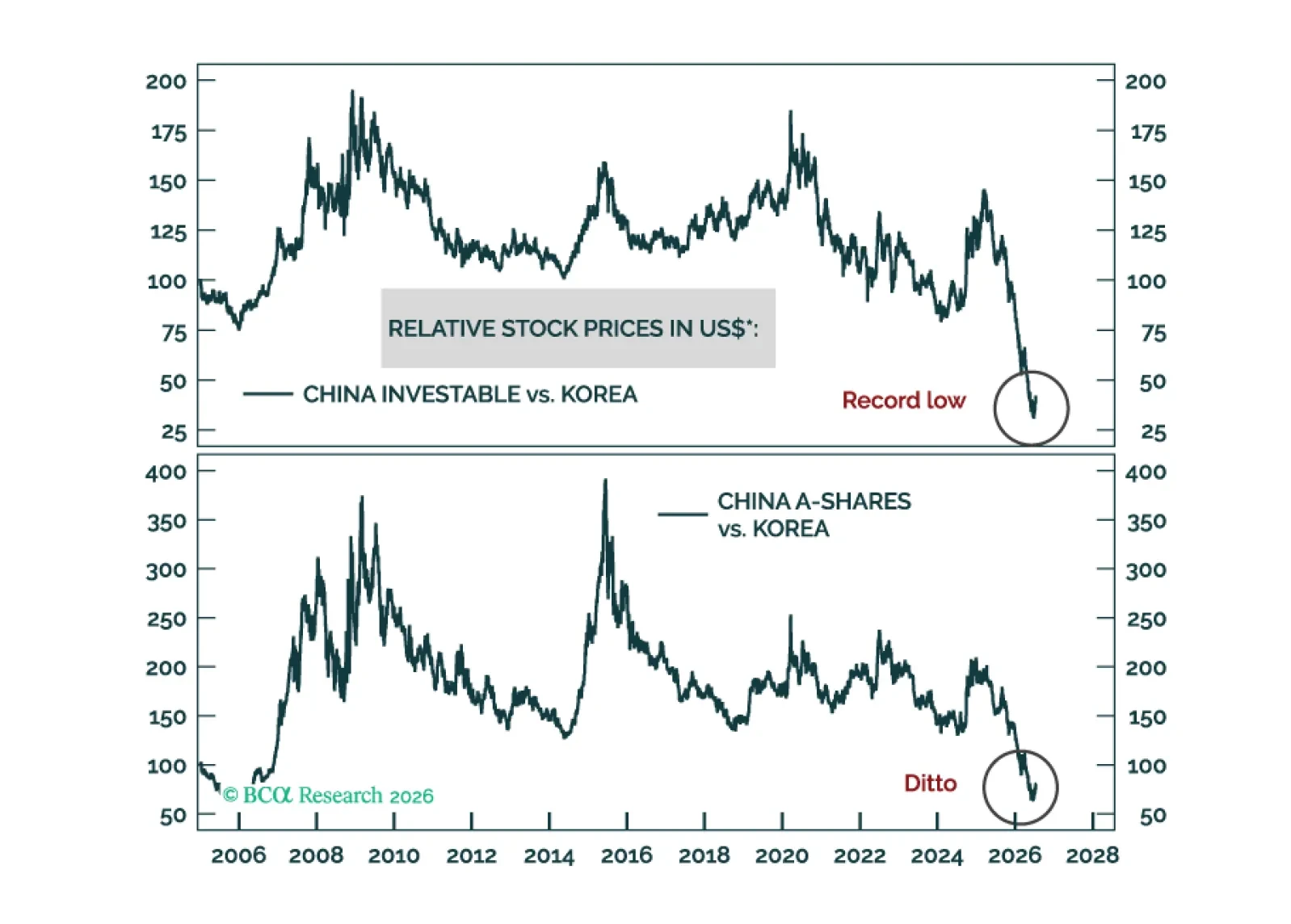
As a short-term (0-3 months) trade, go long an equal-weighted basket of Chinese Investable and A-shares / short the KOSPI. This is a bet on mean reversion. We do not recommend that medium- and long-term investors implement this strategy.