Australian Dollar
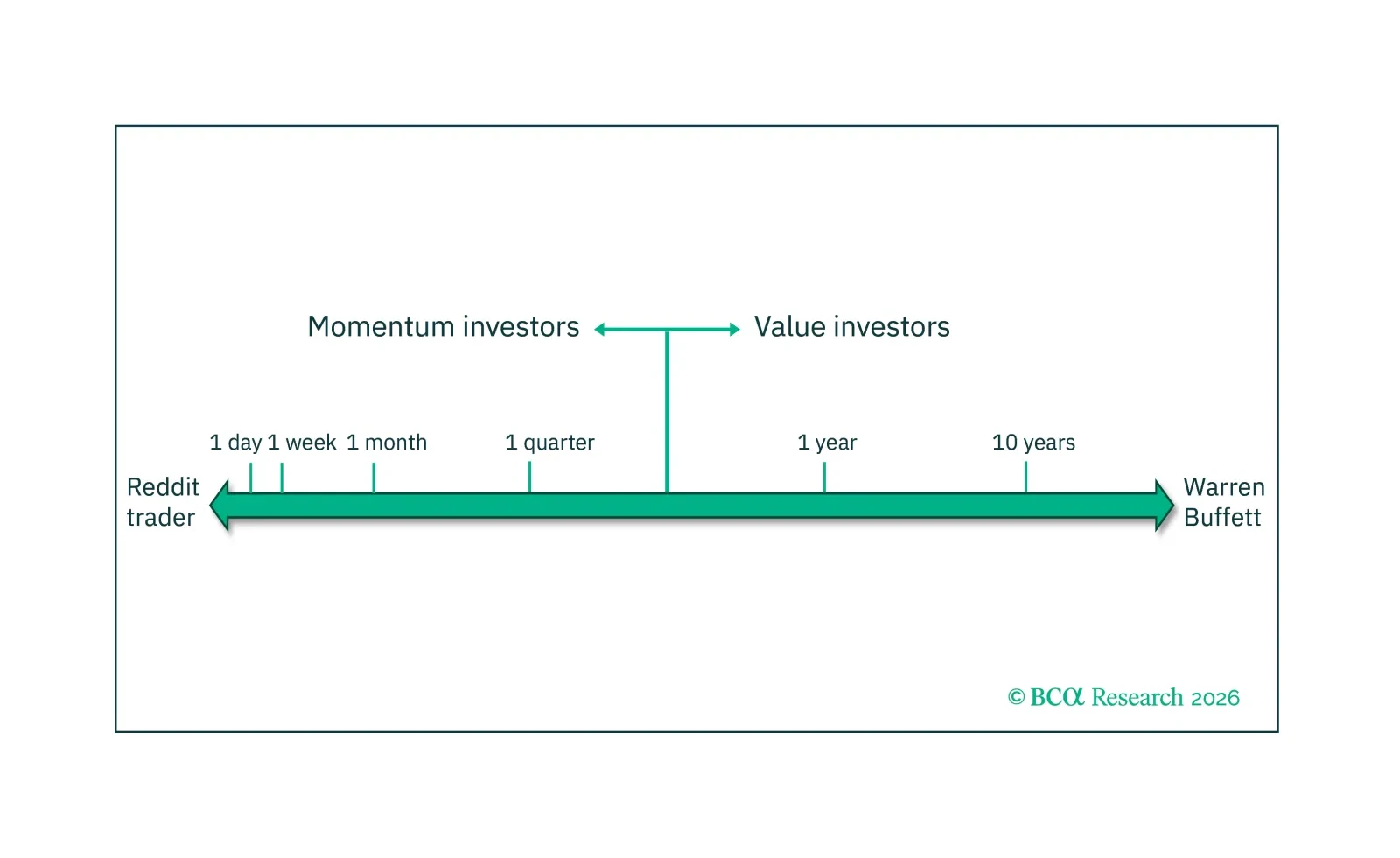
A market becomes inefficient, illiquid, and vulnerable to a phase transition when the ‘wisdom of crowds’ switches to the ‘madness of crowds.’ This switch from market wisdom to market madness may be the most significant recurring behavioural opportunity in active fund management and can be exploited in real-time by measuring the market’s complexity.
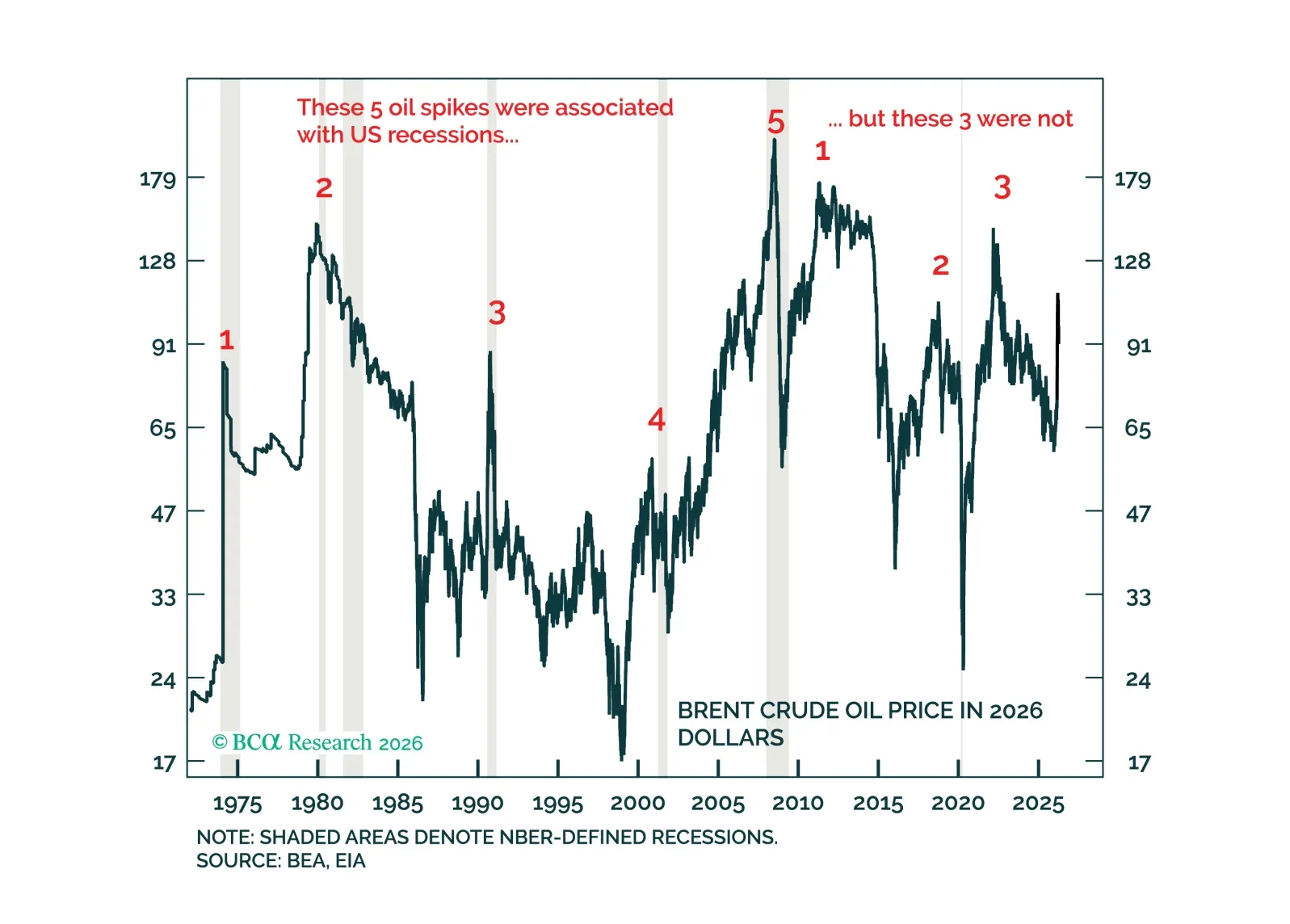
In the US, the oil shock’s impact is more inflationary than recessionary but in the other economies, like the UK, the impact is both inflationary and recessionary. This creates relative value opportunities for bond investors. Plus, we reiterate short AUD/JPY as a trade.
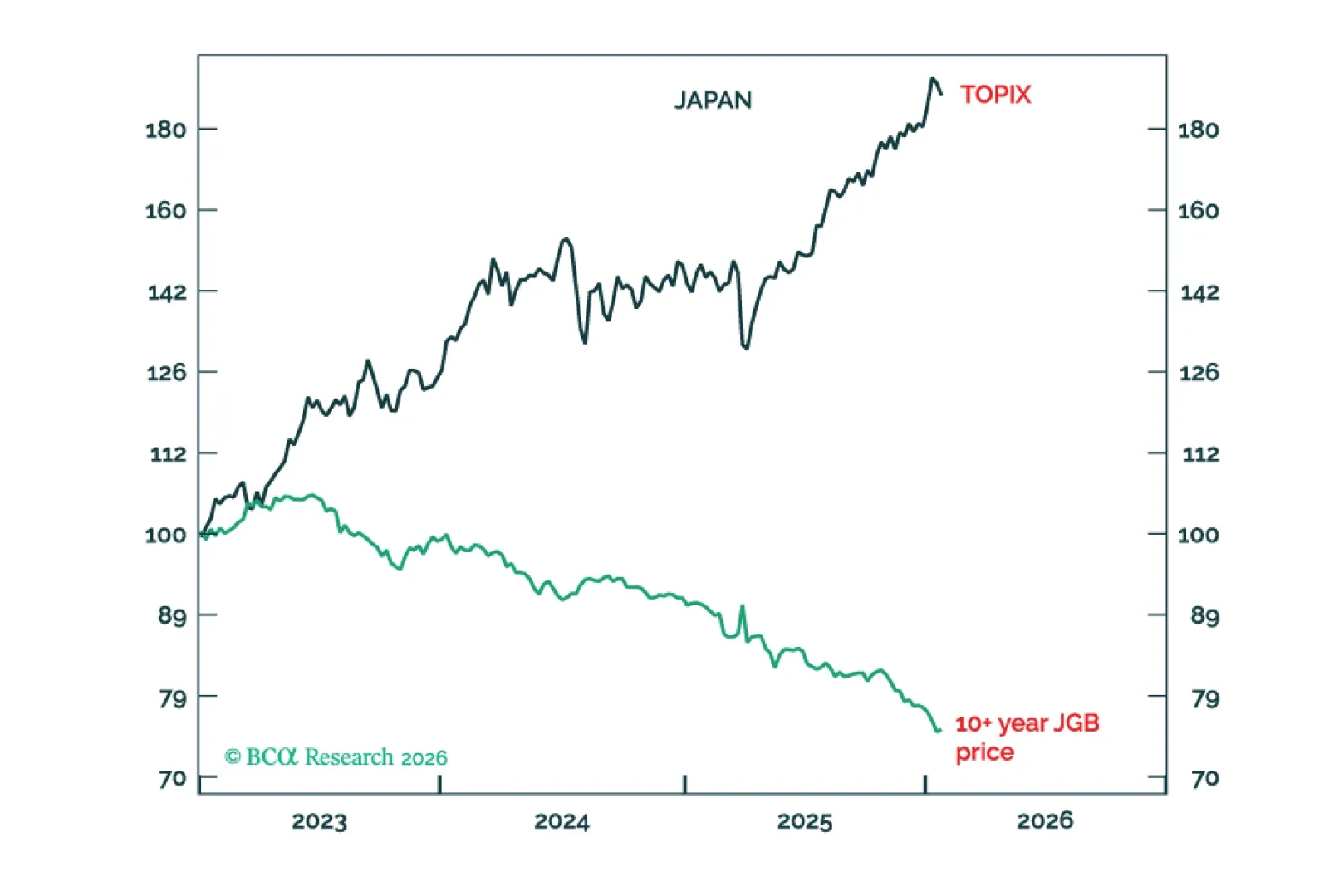
The US and Japan are in the same predicament: save the bond market or save the stock market? How this predicament will be resolved is the biggest global macro call of 2026-27. Plus: a new tactical trade is to go short AUD/JPY.
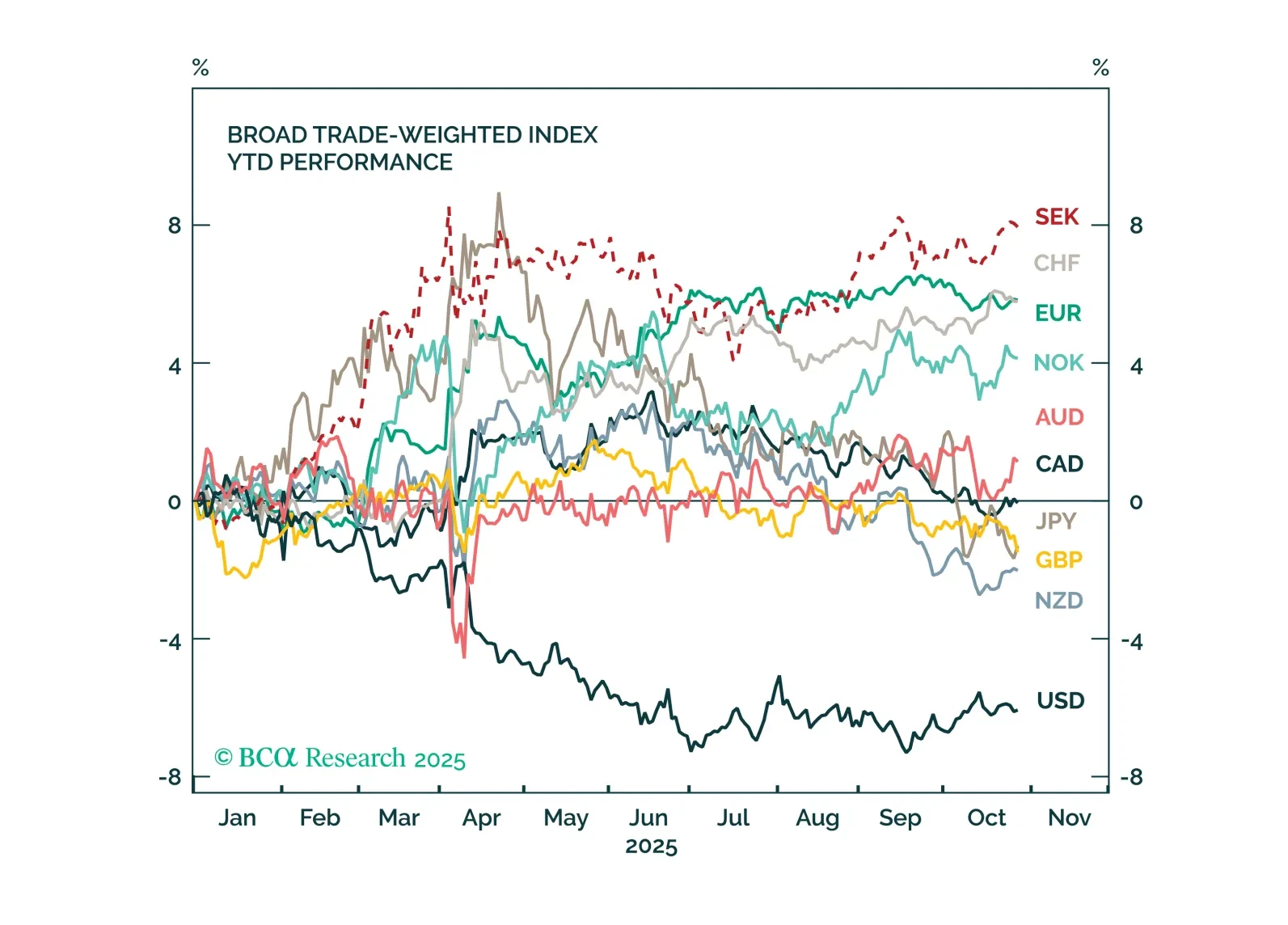
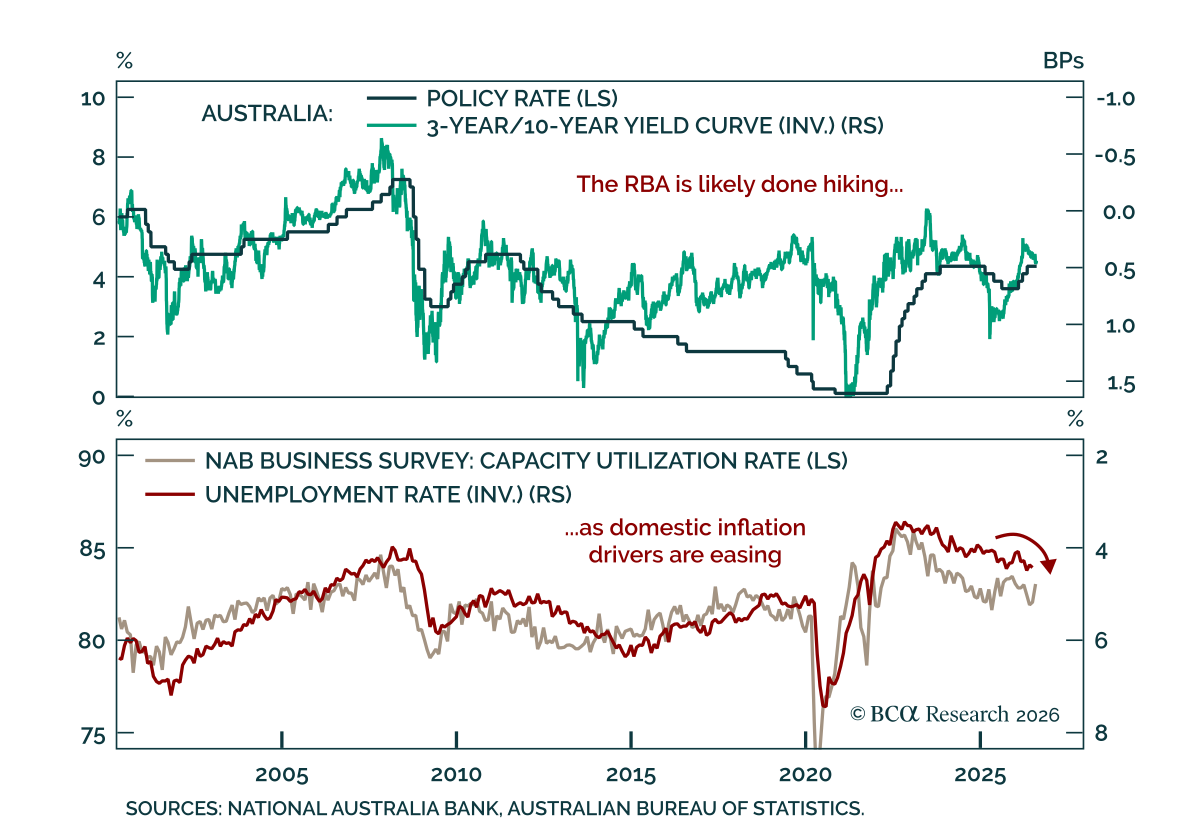
Markets are increasingly pricing an end to the global easing cycle, with many central banks expected to remain on hold. But uncertainty remains high, and policy surprises are likely going into 2026. This Strategy Report breaks down the current drivers behind G10 central bank policies, and how to position for the next moves across FX and fixed income.
Markets are increasingly pricing an end to the global easing cycle, with many central banks expected to remain on hold. But uncertainty remains high, and policy surprises are likely going into 2026. This Strategy Report breaks down the current drivers behind G10 central bank policies, and how to position for the next moves across FX and fixed income.
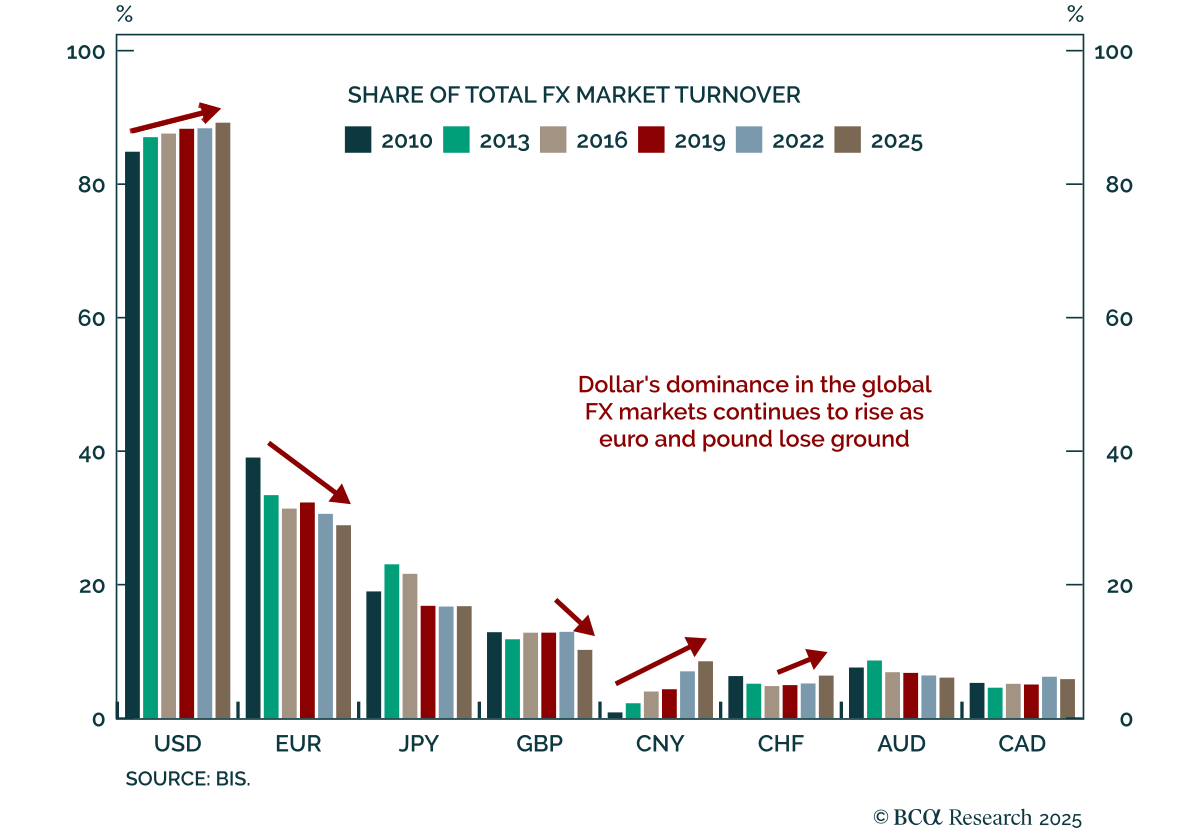
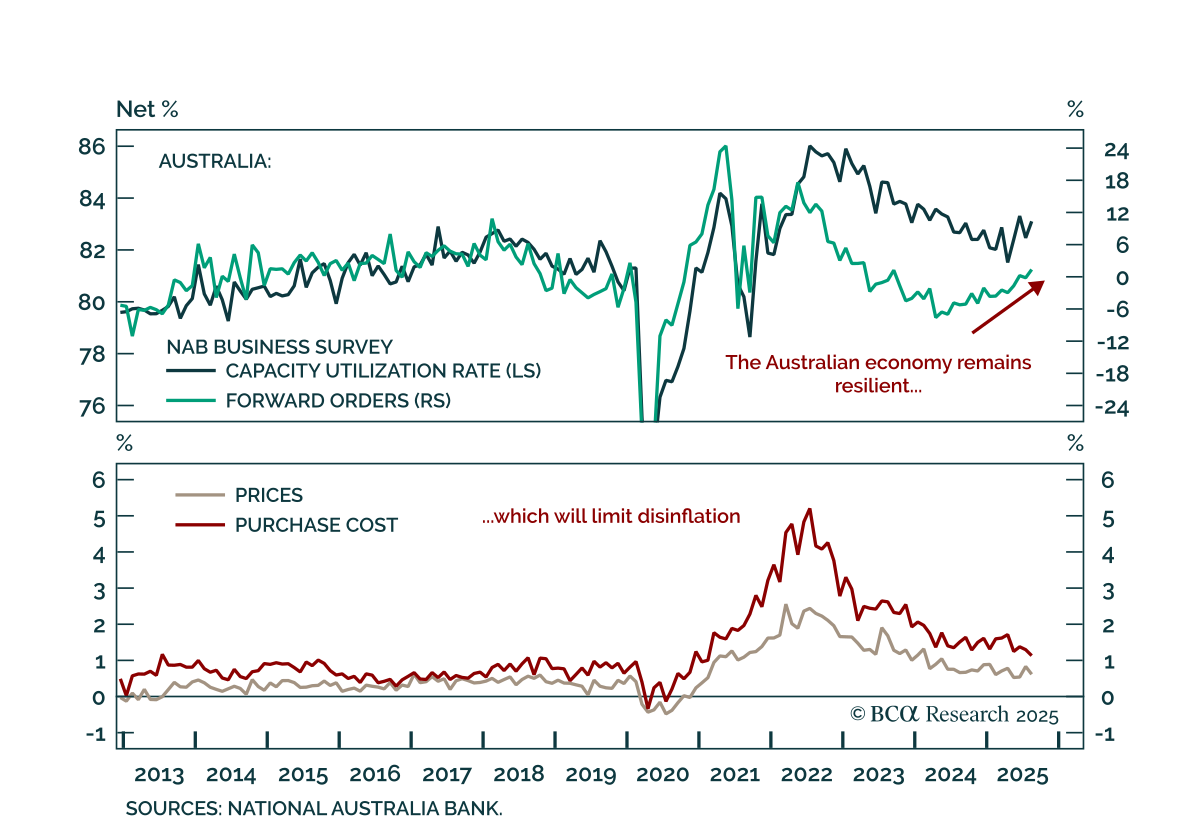
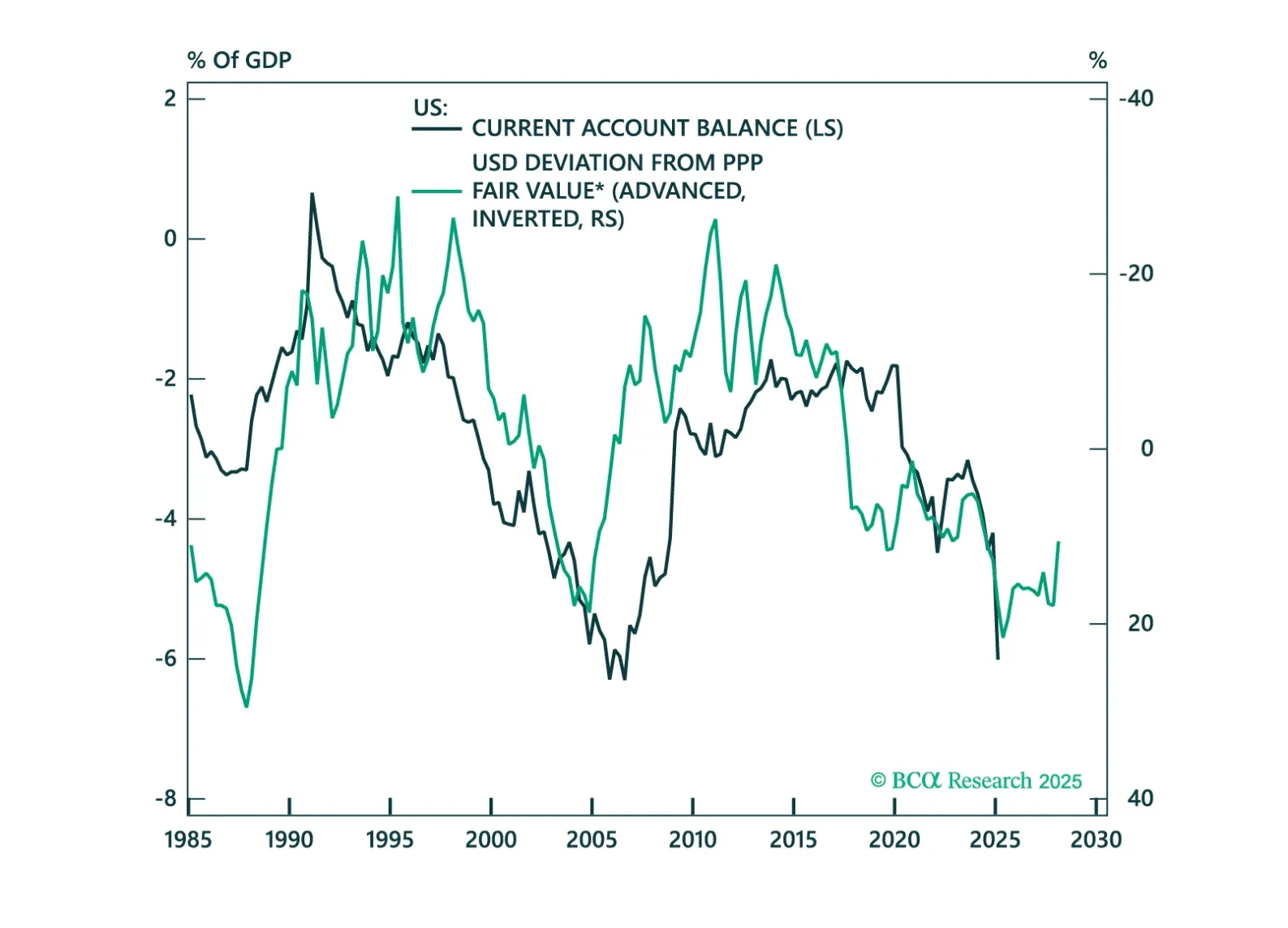
In this chartbook, we look at the balance of payments across DM and EM countries. The US does not fare well, but neither do a few other countries.

In this FX note, we provide a rationale for why it is important to pay attention to technical indicators, while still keeping your eyeball on the structural factors that drive currencies. This report answers the following questions: 1. Should you buy or sell the USD over a three-to-six month period from the pure lens of our proven technical indicators and 2. What are the best tactical cross trades among currencies.