Asset Allocation
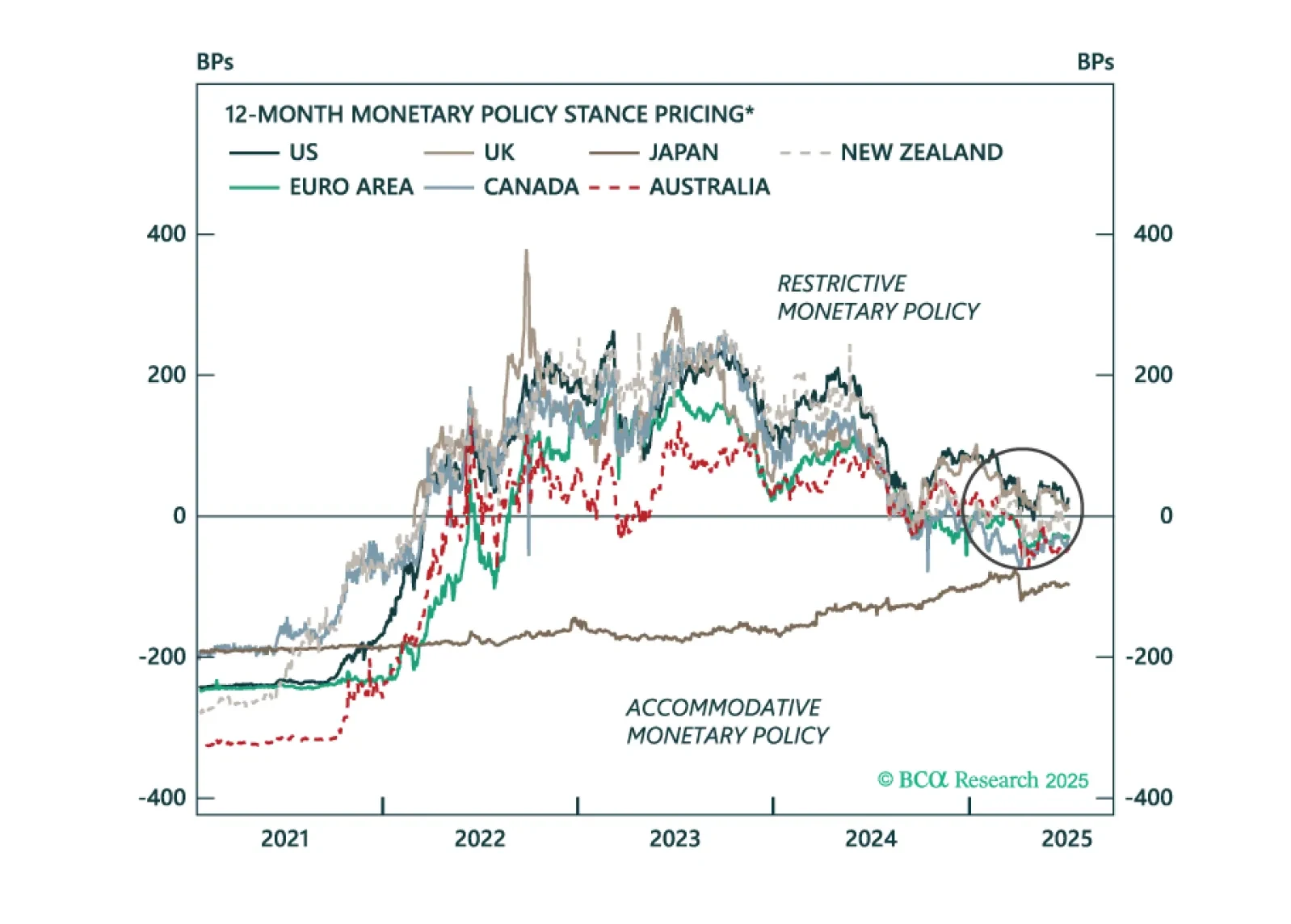
市場は、主要な中央銀行が今後12か月以内に中立的な政策スタンスに戻ることを織り込んでいます。しかし、成長の減速の中で依然として景気後退リスクが存在します。私たちは、景気後退リスクが過小評価されている領域と、それが債券ポジショニングに何を意味するのかを解説します。
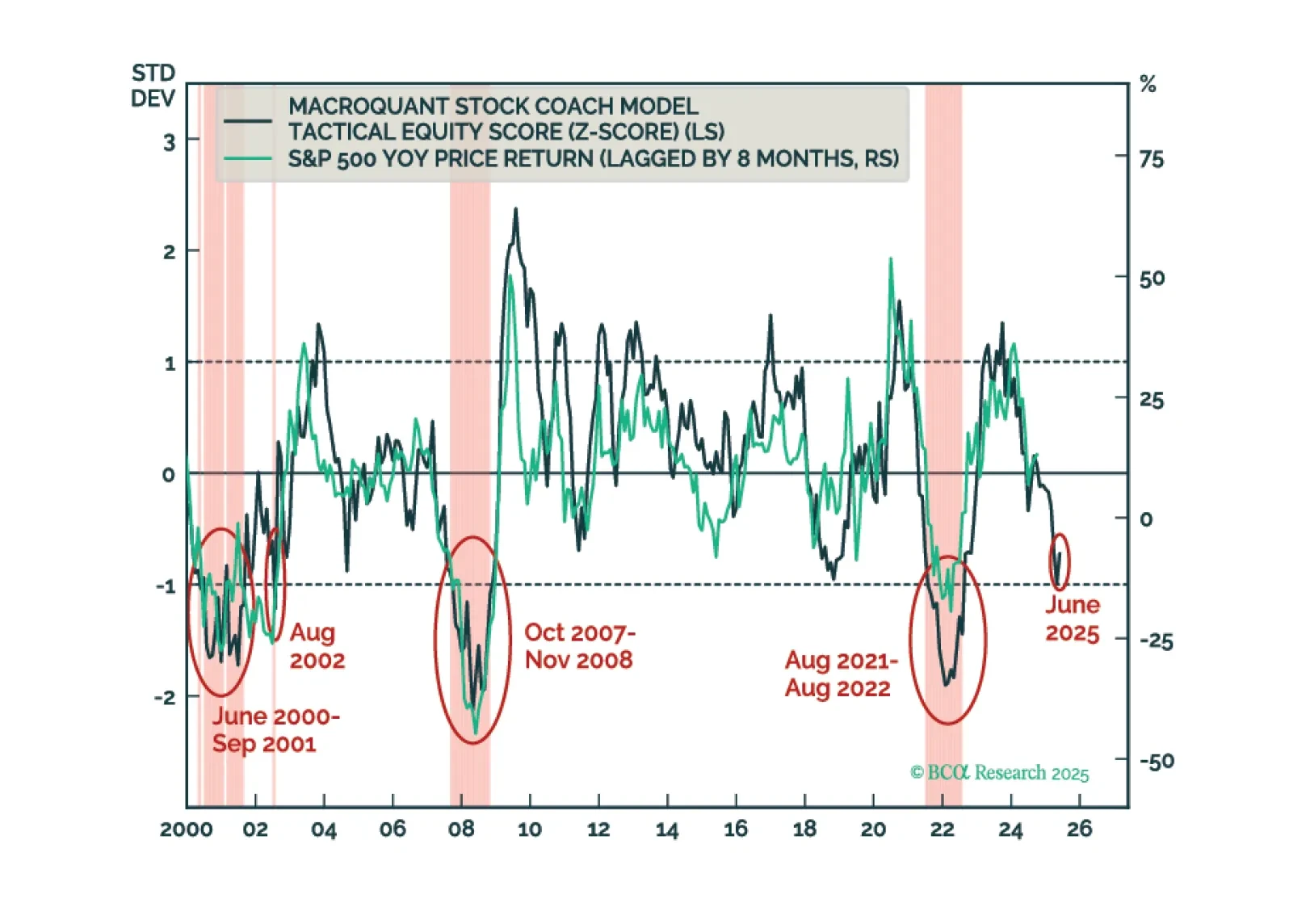
MacroQuantの米国株式zスコアは危険なほど-1の閾値に近づいています。この閾値を下回る動きは、過去に株式の弱気市場と確実に一致してきました。そのため、MacroQuantは株式をアンダーウェイトにし、債券と現金をオーバーウェイトにすることを推奨します。
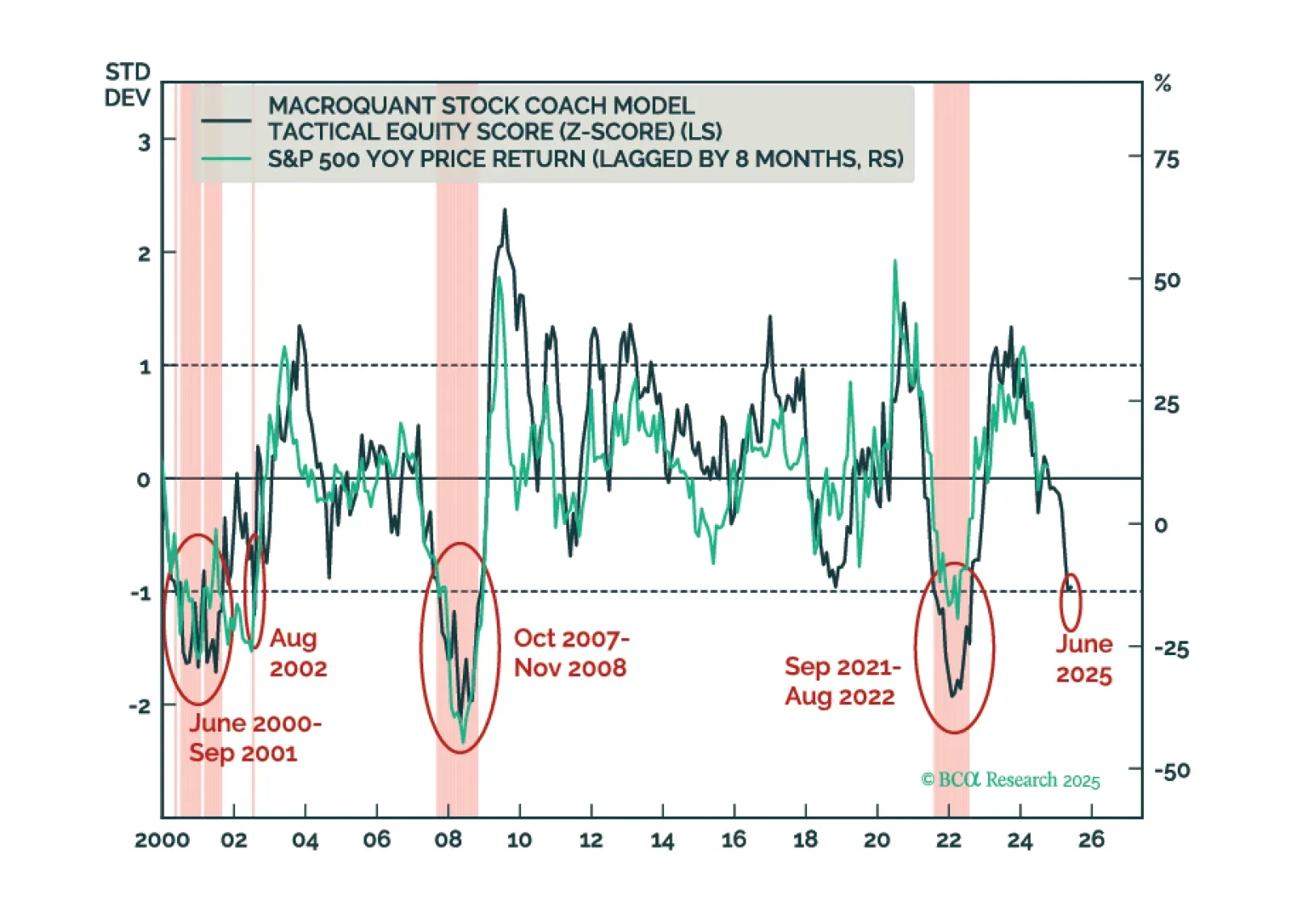
投資家はポートフォリオにおいて株式を控えめにアンダーウェイトにし、不況の具体的な兆しが見え次第、より積極的にディフェンシブな姿勢に転じるべきです。私たちはこれが数ヶ月以内に起こると考えています。
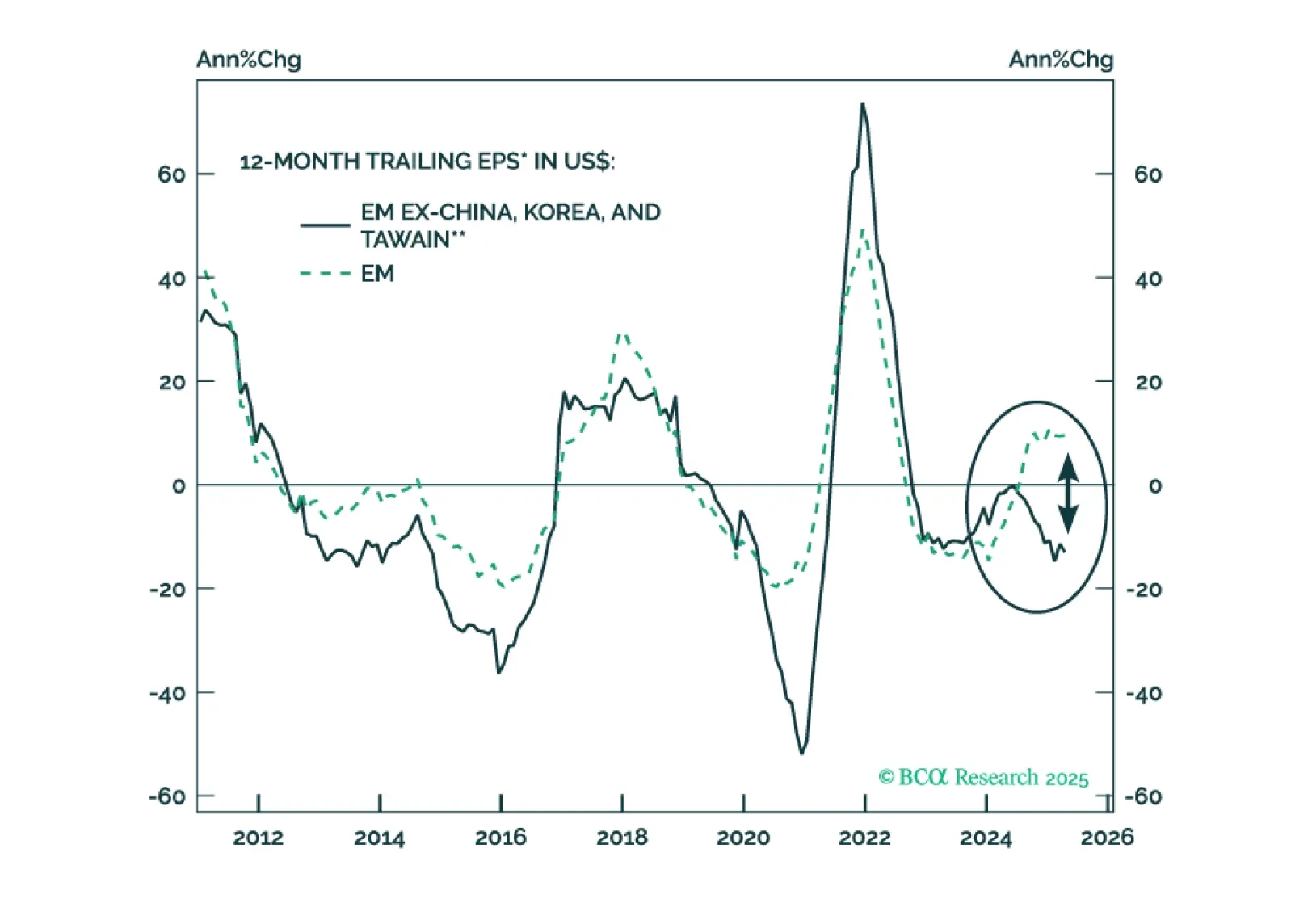
新興市場のEPS回復は、中国、韓国、台湾のTMT株によってのみ牽引され、範囲が狭い状況です。新興市場の企業利益は、今後6〜9ヶ月で減少する見込みです。これまでとは異なり、米ドルの弱含みは、新興市場の株価に対してリフレーションではなくデフレーションの要因となるでしょう。
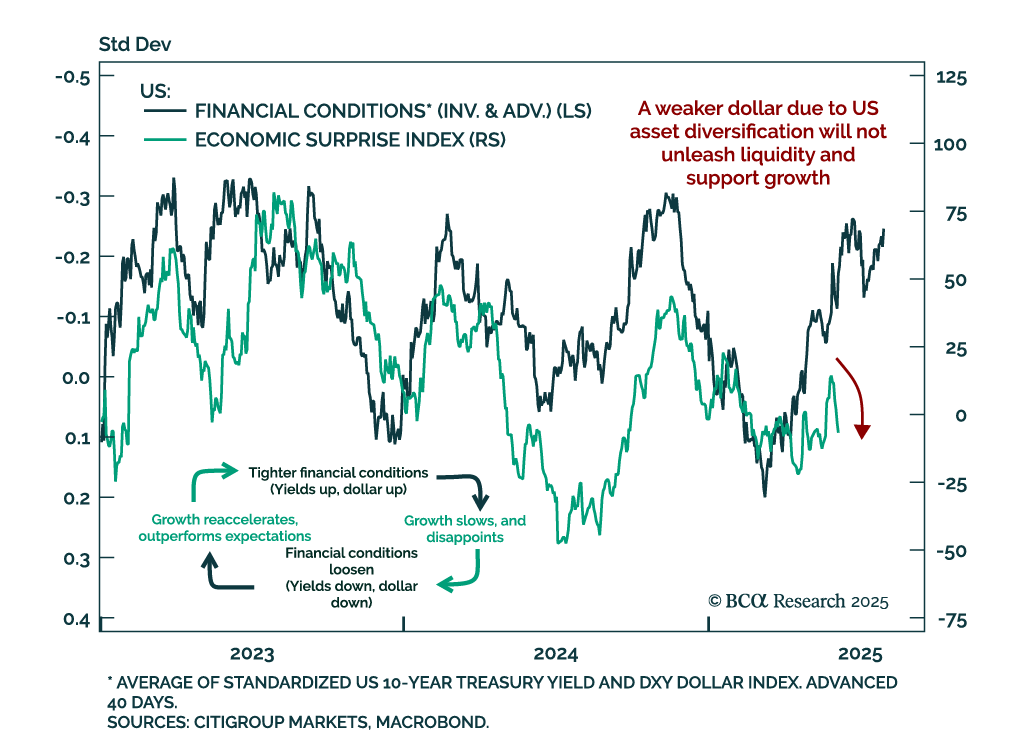
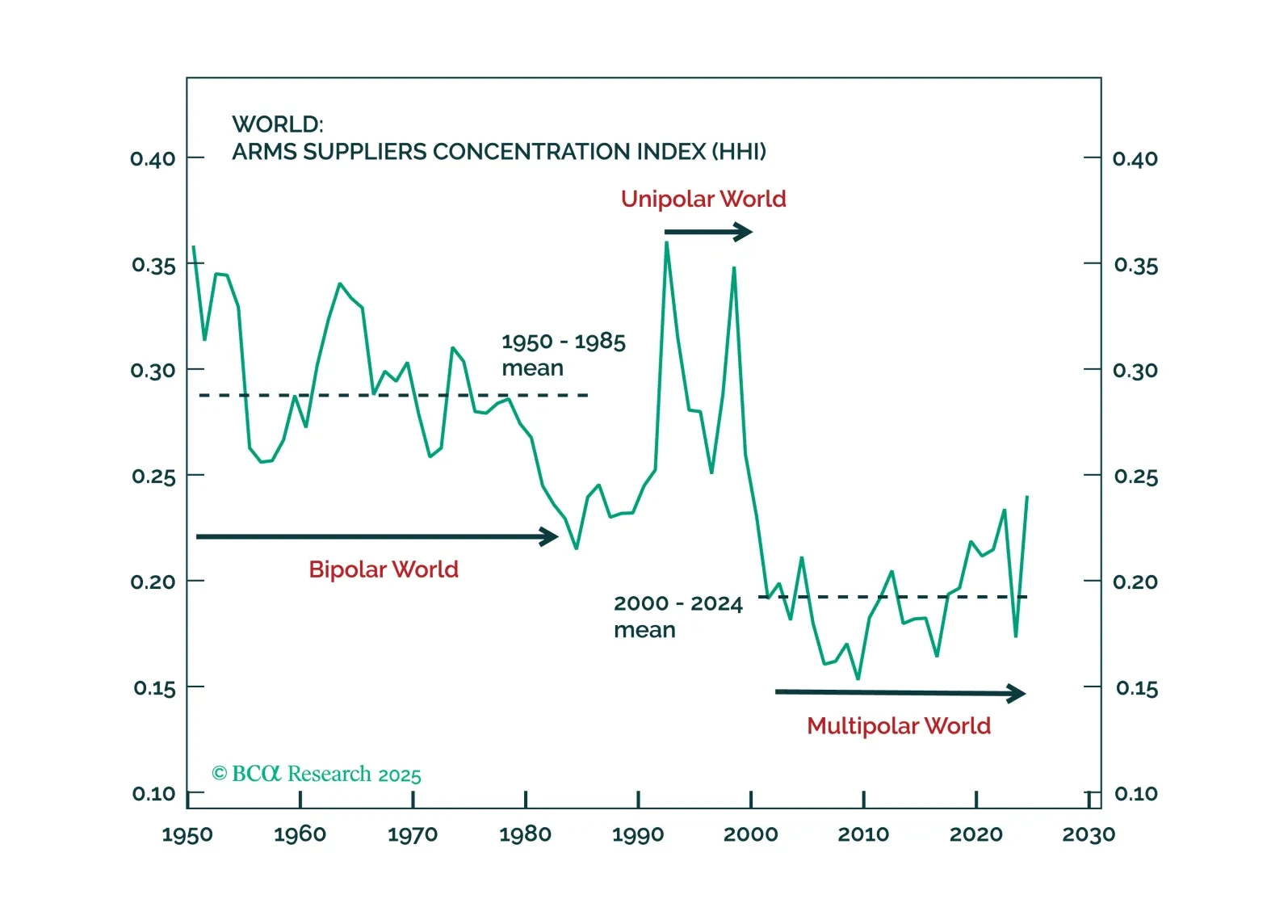
In our Beta report, we focus on our decade view. Many of our global allocator clients are scrambling to incorporate geopolitics into their strategic asset allocation. For most, this means thinking about war… or about future end-states. This is a mistake. We consider the next five years (maybe a decade) as the transition to the new era, a transition away from American unipolarity. And the transition itself is investment relevant. A transition to a multipolar world – which we think is occurring – will crush the USD and favor non-US assets. A transition to a bipolar world – not our base case, but still possible – would do the opposite.