Defensive/Risk
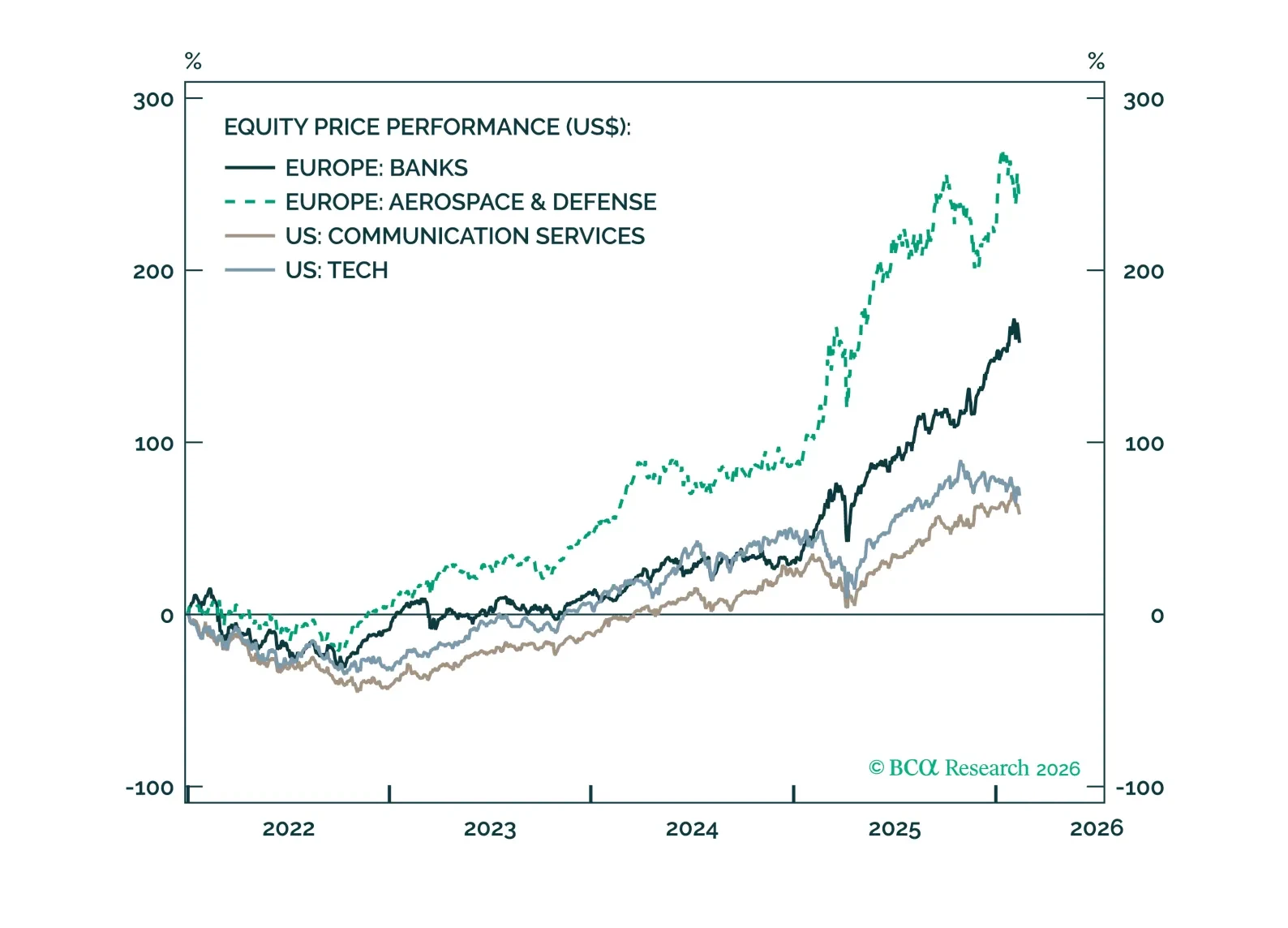
El panorama a corto plazo es menos favorable para los bancos europeos y las acciones del sector de defensa. Rebajamos la calificación de los bancos a neutral y seguimos esperando que las acciones de defensa se negocien en un patrón de “vender por el rumor, comprar por la noticia”.
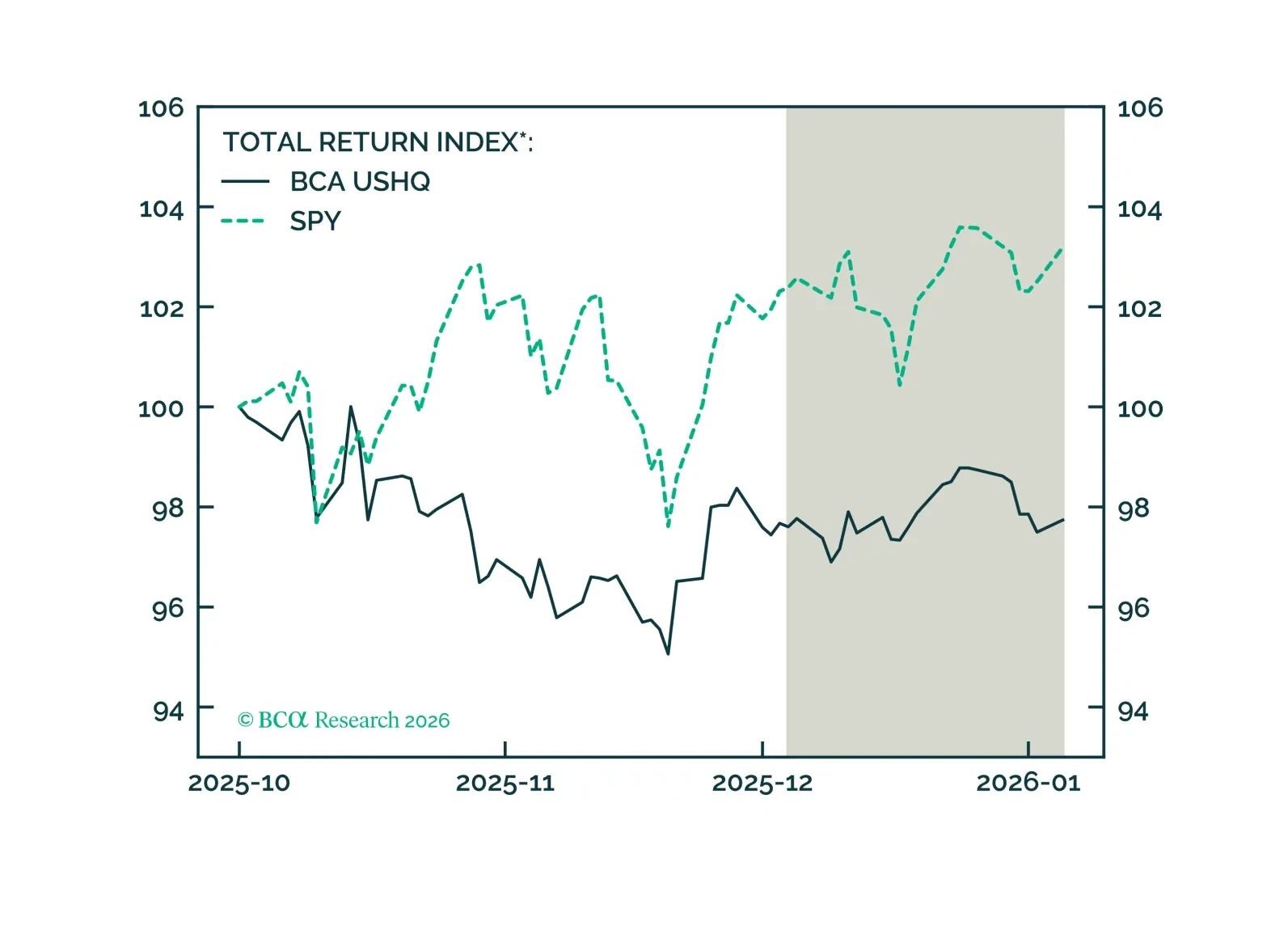
El portafolio de Alta Calidad de EE. UU. tuvo un rendimiento inferior a su índice de referencia hasta diciembre, con un retorno de 0,14%, mientras que su índice de referencia SPY tuvo un retorno de 0,78%. En términos de los últimos tres meses, el rendimiento del portafolio USHQ fue más débil que el índice de referencia, con USHQ teniendo un rendimiento inferior de aproximadamente 545bps.
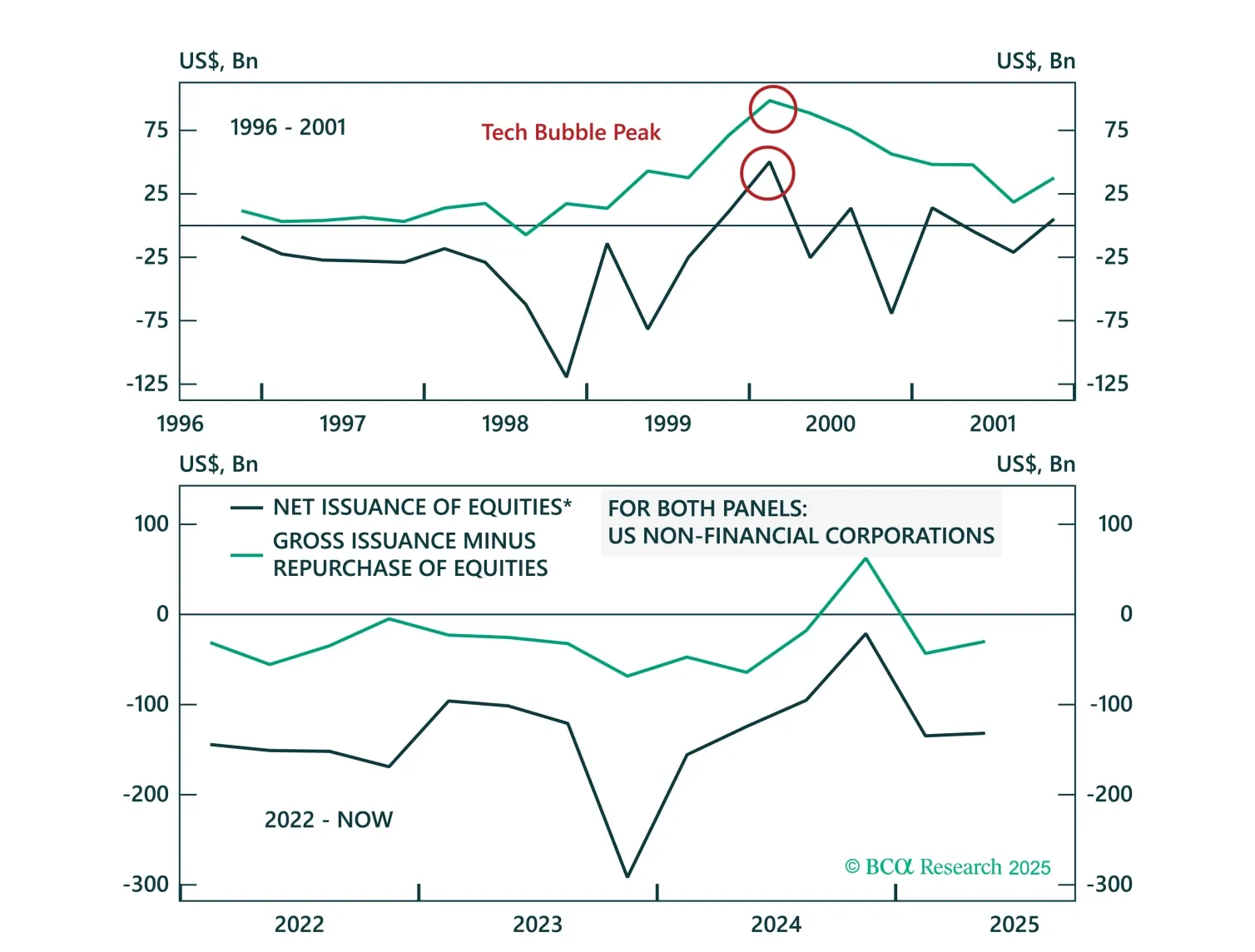
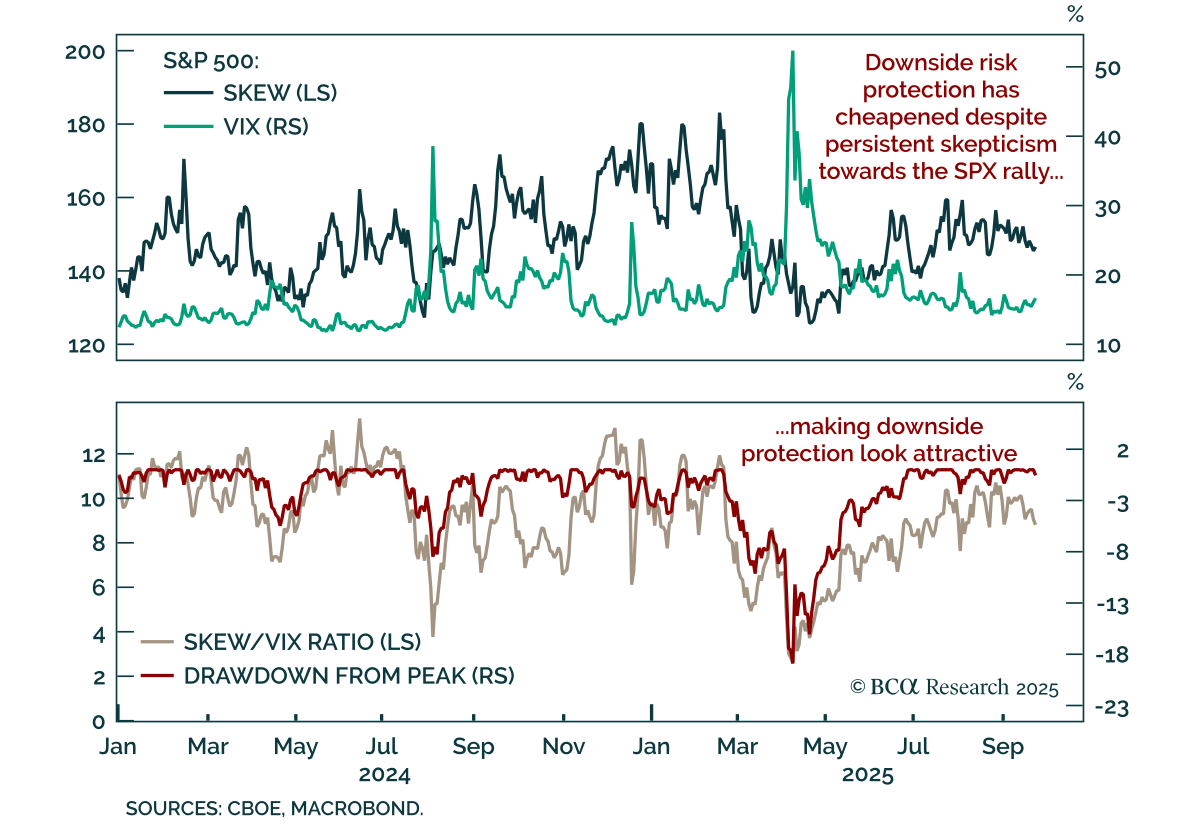
Five questions, five answers from the road. We unpack what Europe’s biggest investors are worried about right now, from trade‑war whiplash to bund‑versus‑Treasury positioning; and where the real opportunities still lie.
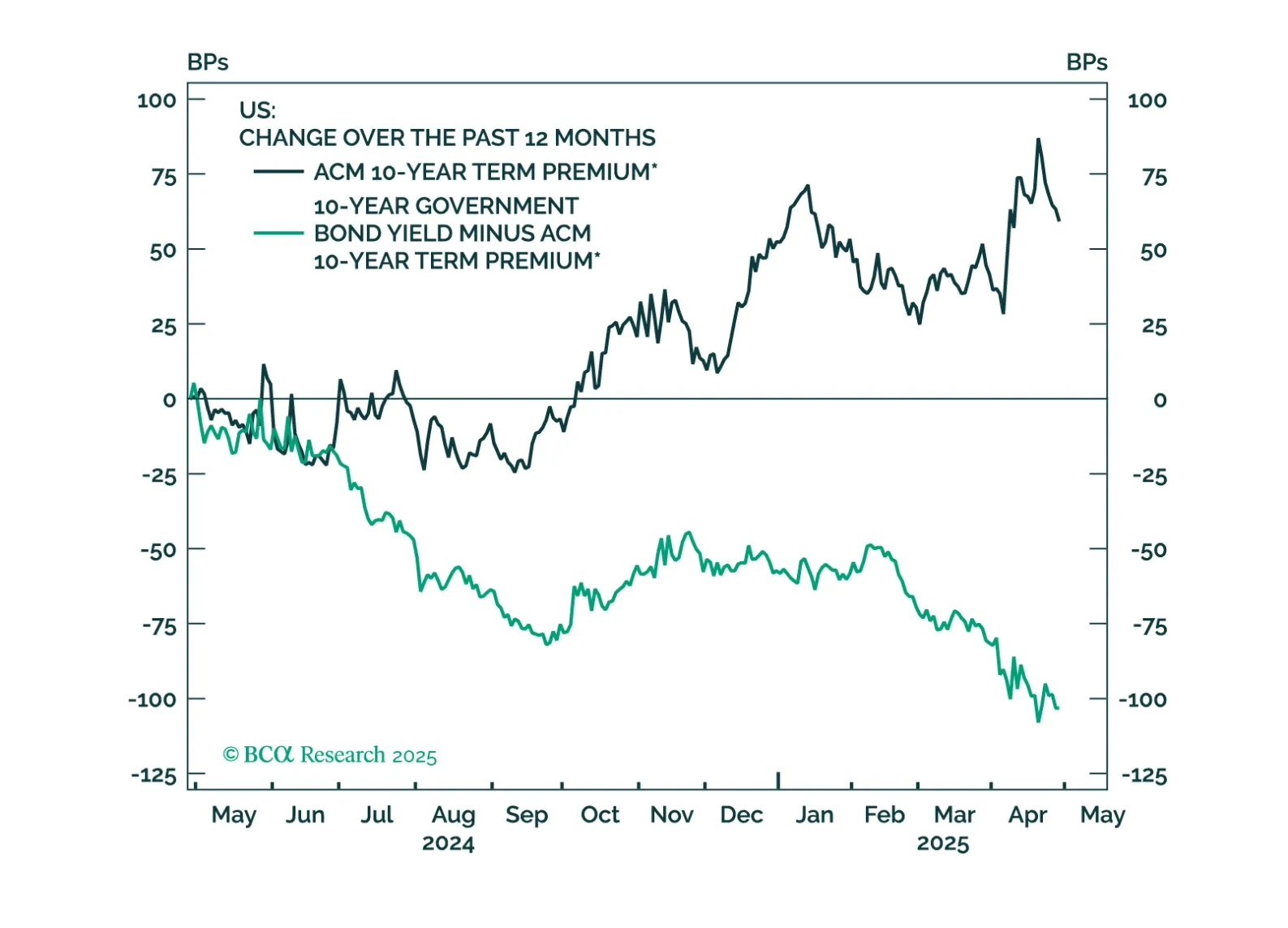
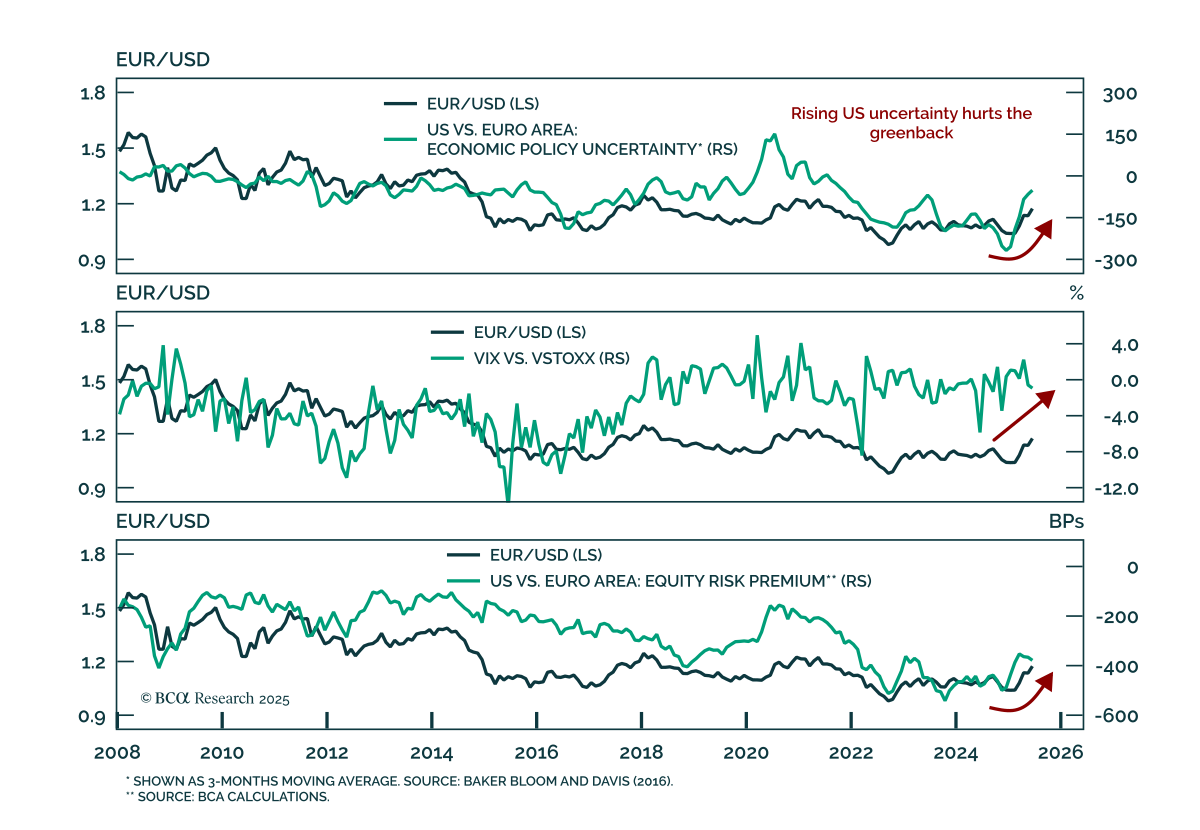
While most investors spent the month of April frantically refreshing their Twitter feeds for the next tariff announcement, we reiterate our stance that details on tariffs should be left to day traders. Long-term investors should be focused on the bigger story: the triple selloff in US stocks, bonds and the dollar. Foreign investors perceive that there has been a deterioration in governance in the US, and are requiring a higher risk premium from America. While Trump has walked back some of his most aggressive rhetoric, business investment will not resume unless we get clarity in policy. We continue to recommend a defensive stance, but downgrade duration from overweight to neutral to protect ourselves against shocks to the term premium. We also introduce Bitcoin to ours asset coverage. We upgrade it from underweight to neutral.
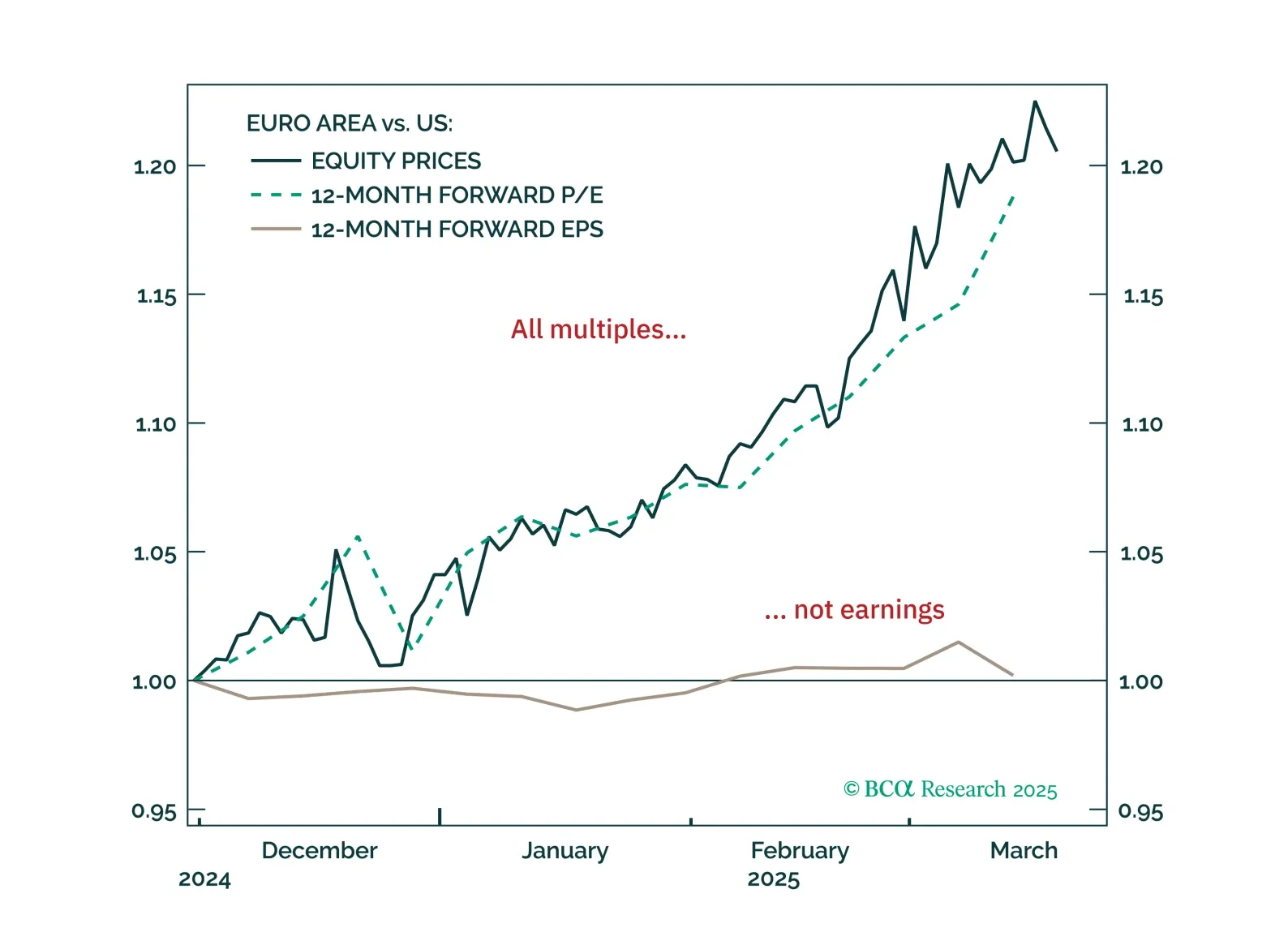
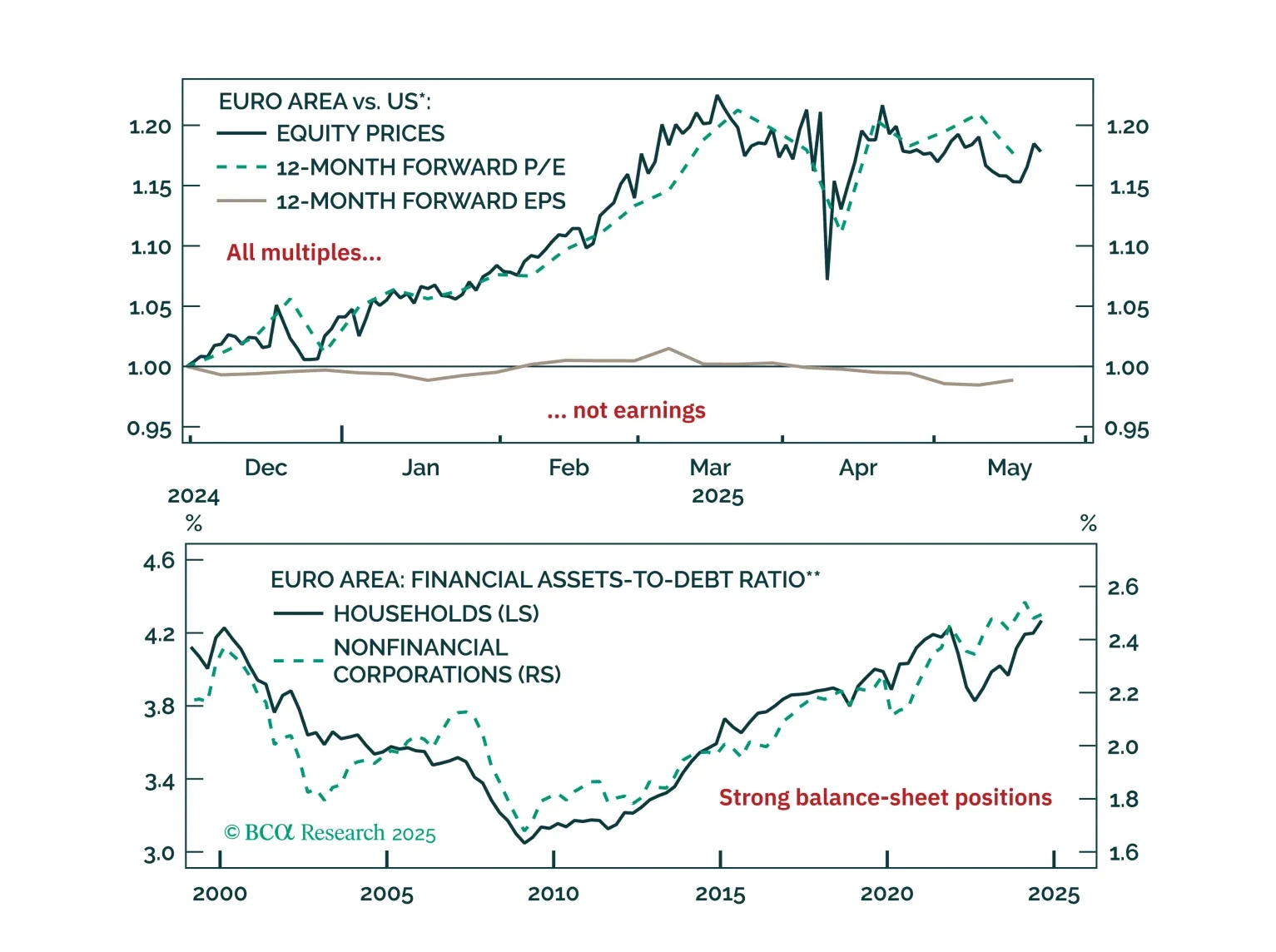
European equities have surged on hopes of a low-inflation boom—but the rally has likely gone too far, too fast. With a pullback now likely, how should investors position themselves over the next 3–6 months?
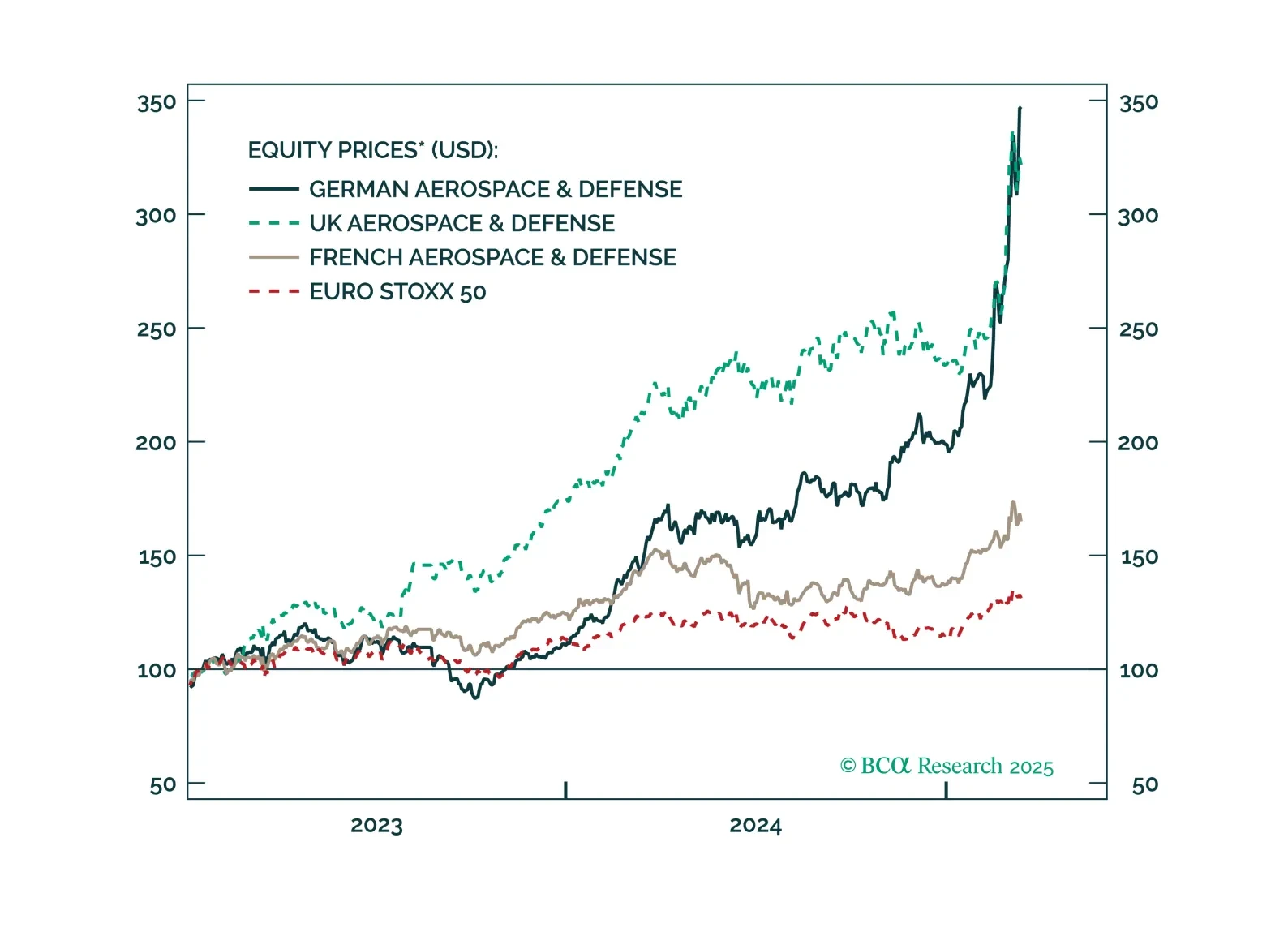
Investors should not chase the rally in European defense names any further. Too much good news has been priced in too quickly.
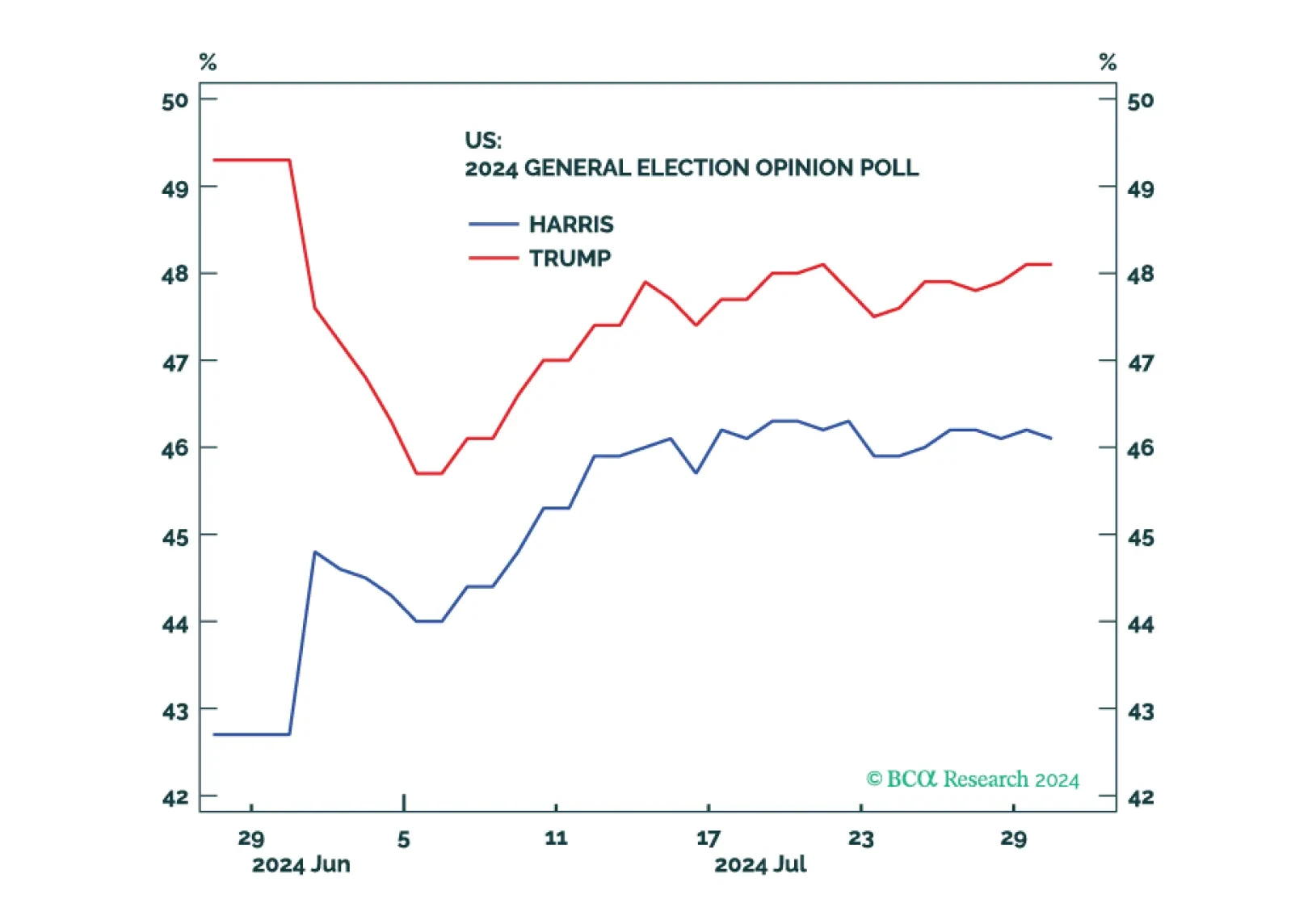
Republicans are favored but the election is still competitive. Equities, corporate credit, and cyclical sectors will fall until policy uncertainty is reduced.