Sorry, you need to enable JavaScript to visit this website.
Skip to main content

United States

We recommend increasing exposure to spread product as the US economy transitions back into a low rate vol regime.

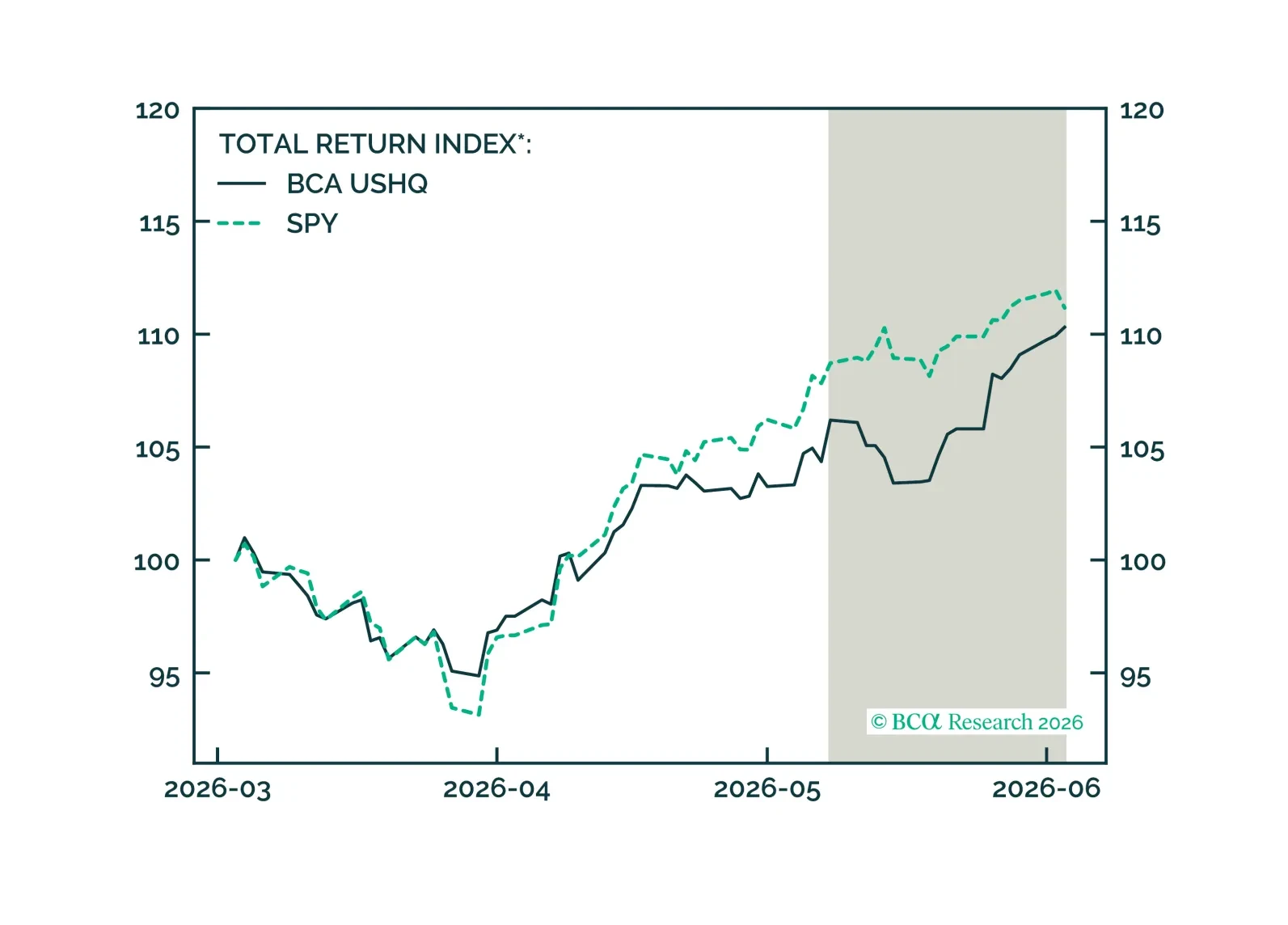
The S&P 500 rally is likely more than just risk-relief. Market internals reflect strengthening economic growth and higher inflation, with support coming from robust earnings. Tight financial conditions have compressed valuations, particularly within the Tech sector. We are initiating a long Software trade ahead of earnings season, given that multiples have declined and earnings growth is strong.

The rates market is moving back into a low vol regime, but with yields at a higher level. This argues for maximizing carry across the Treasury curve.

Volatility is high, but the path for yields is clearer than it looks. Across three oil scenarios, we show how policy responses shape fixed income markets and why the balance of risks still points to lower yields.

The long-run rise in S&P 500 margins reflects more than a shift toward higher-margin sectors. Most of the increase has come from higher profitability within sectors, supported by favorable mix of macro forces. Looking ahead, many of those tailwinds are likely to fade, with AI-driven productivity gains as a potential offsetting upside driver of margins.

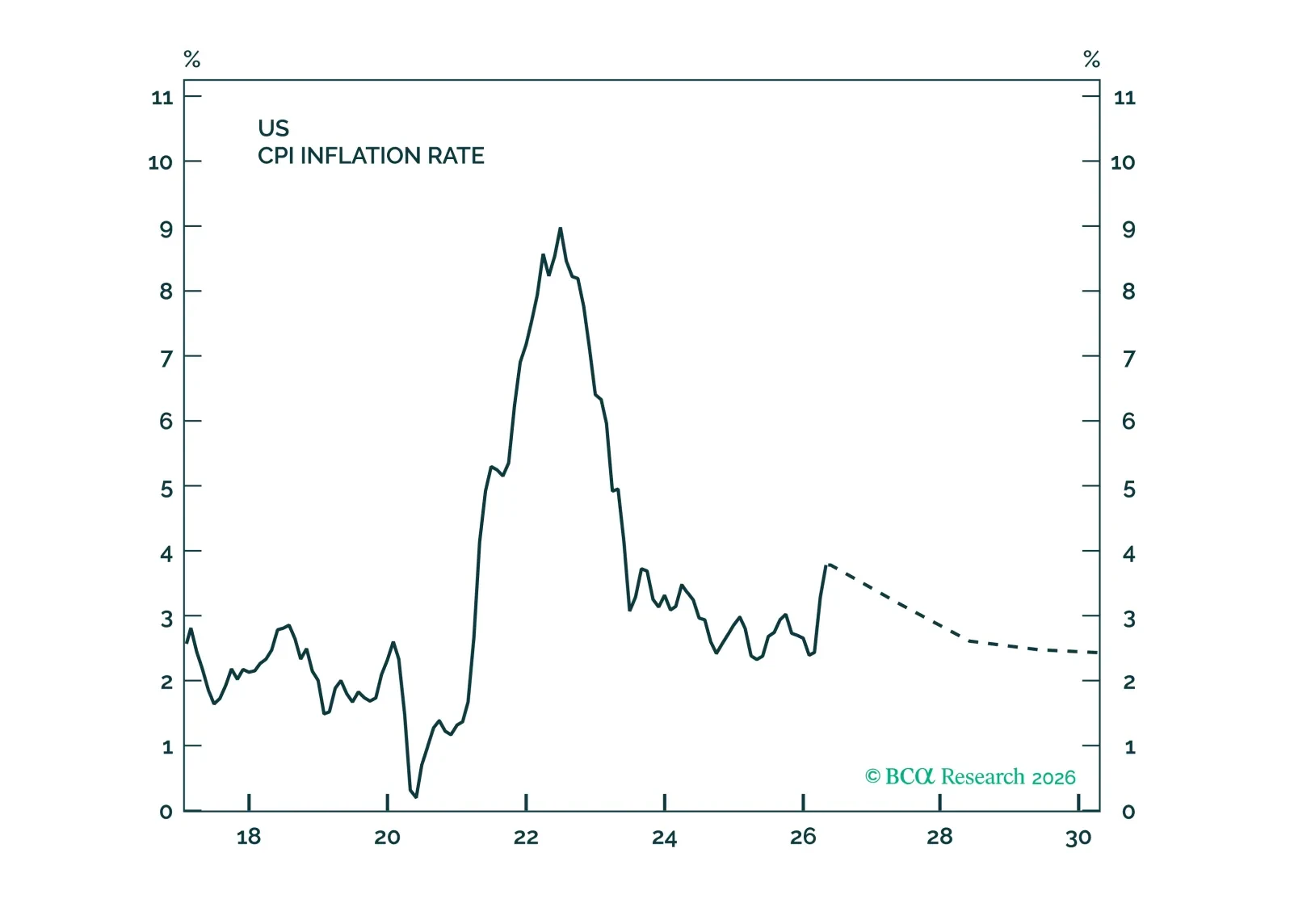
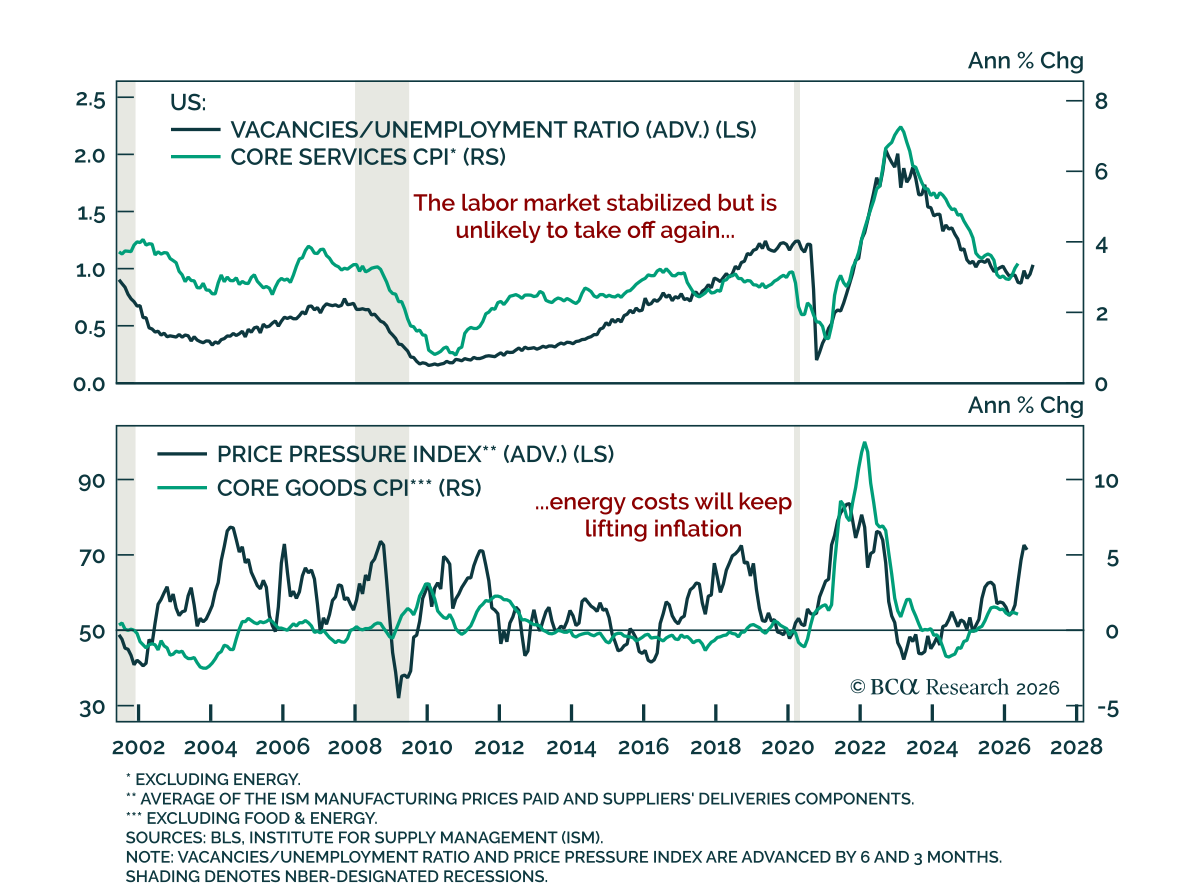
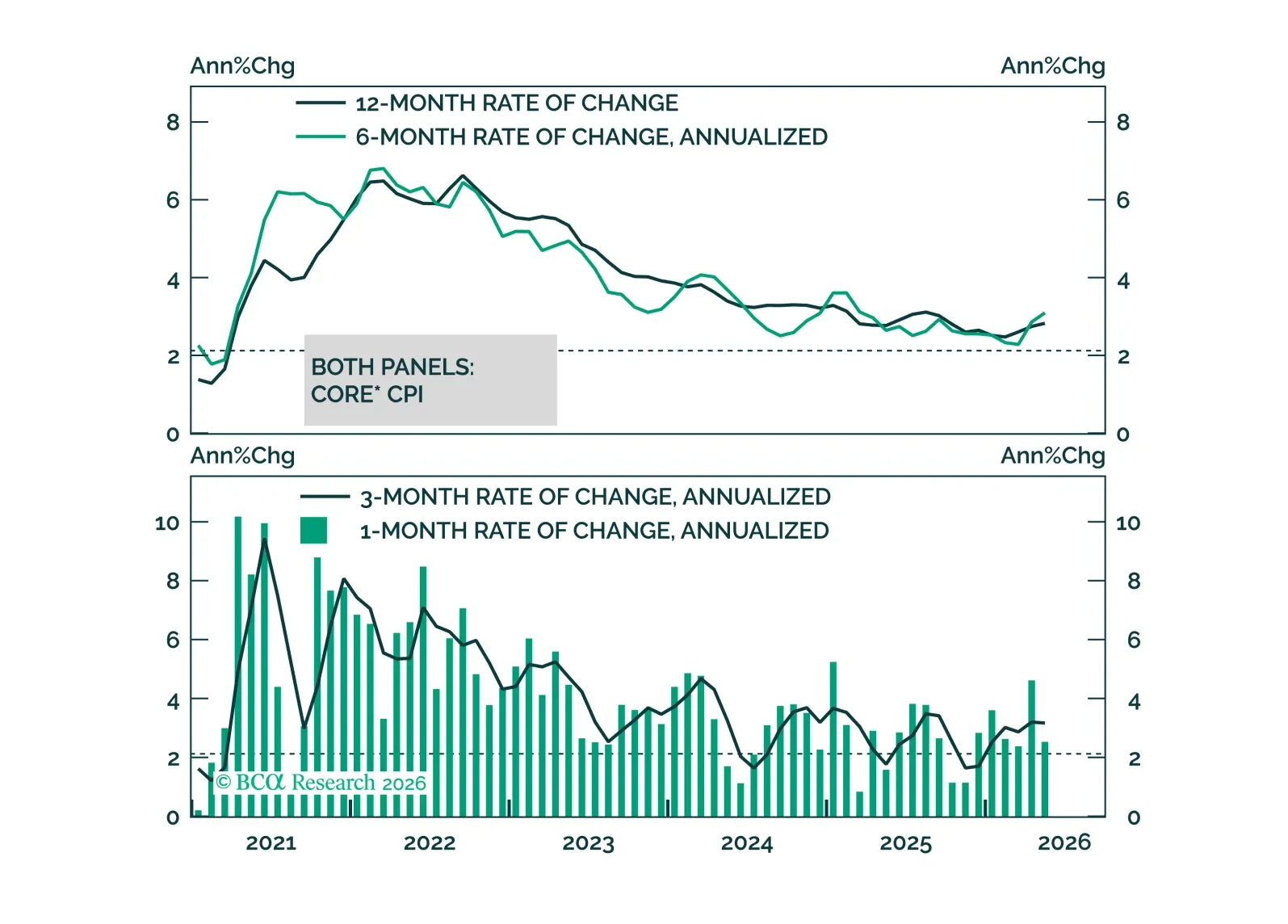
Inflation’s underlying trend was headed lower prior to the Iran war. This makes the recent back-up in bond yields look like an attractive buying opportunity.

Long-term inflation expectations remain the key swing factor for central banks as they assess the energy shock. The single most important indicator for gauging second-round effects is inflation expectations. One reason the 2022 post-Ukraine invasion energy…

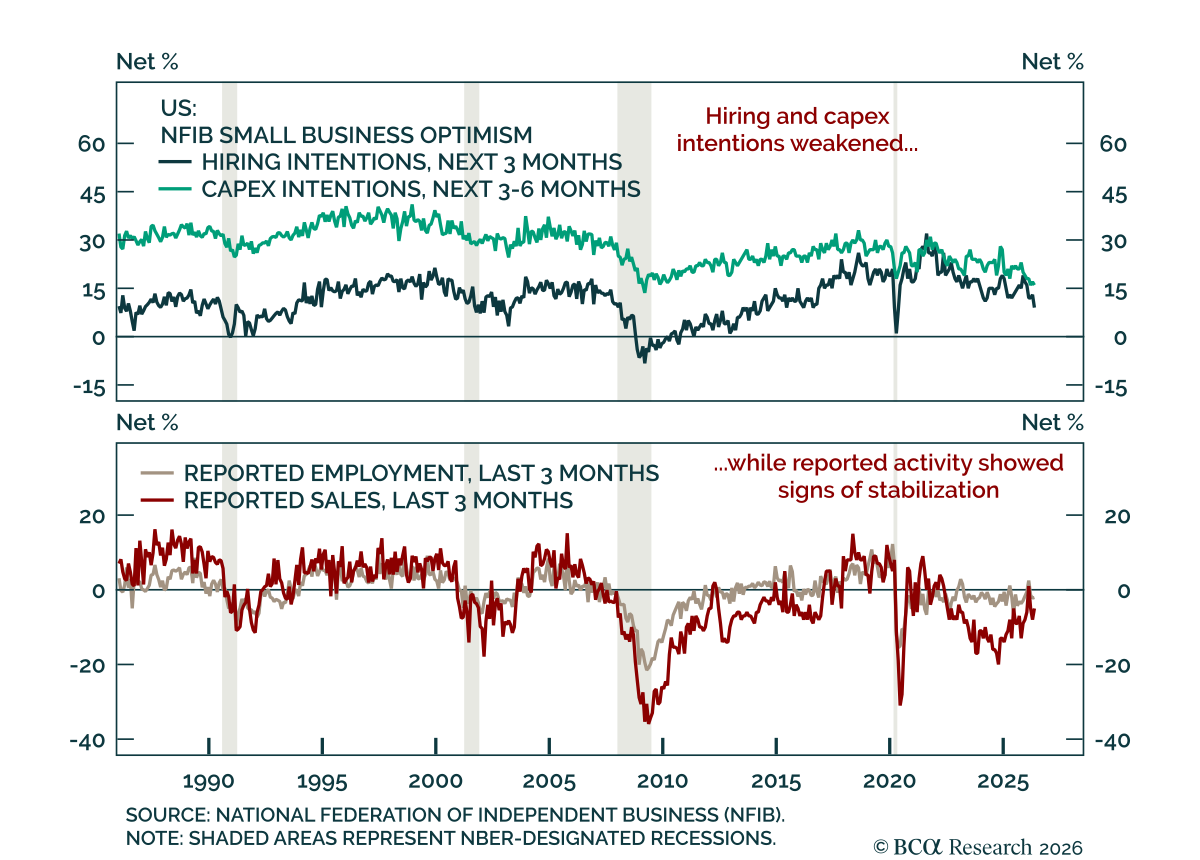
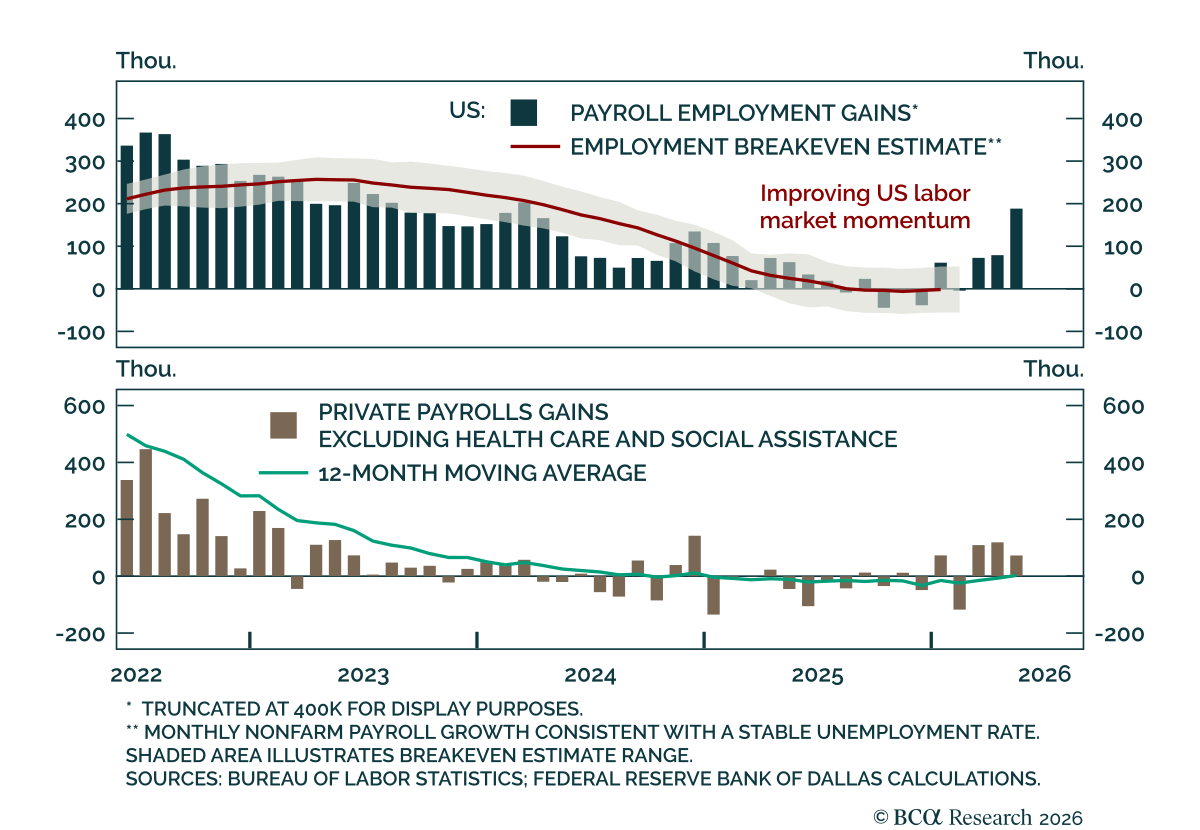
US employment data show some tentative signs of job growth acceleration and stable utilization. We see breakeven monthly job growth as closer to +30k per month than zero.

We expect the S&P 500 to deliver $308 of EPS in 2026, with a year-end target of 7700. Revenue growth drives upside, with little margin or multiple expansion. With economic growth tilted toward investment, we are overweight Technology, Industrials, and Materials, market-weight Financials, Energy, Health Care, Communication Services, and Real Estate, and underweight Consumer Staples, Consumer Discretionary, and Utilities.

Our "miniature stagflation" episode is coming together on the back of the Iran shock, China slowdown, and American political division.