Oil
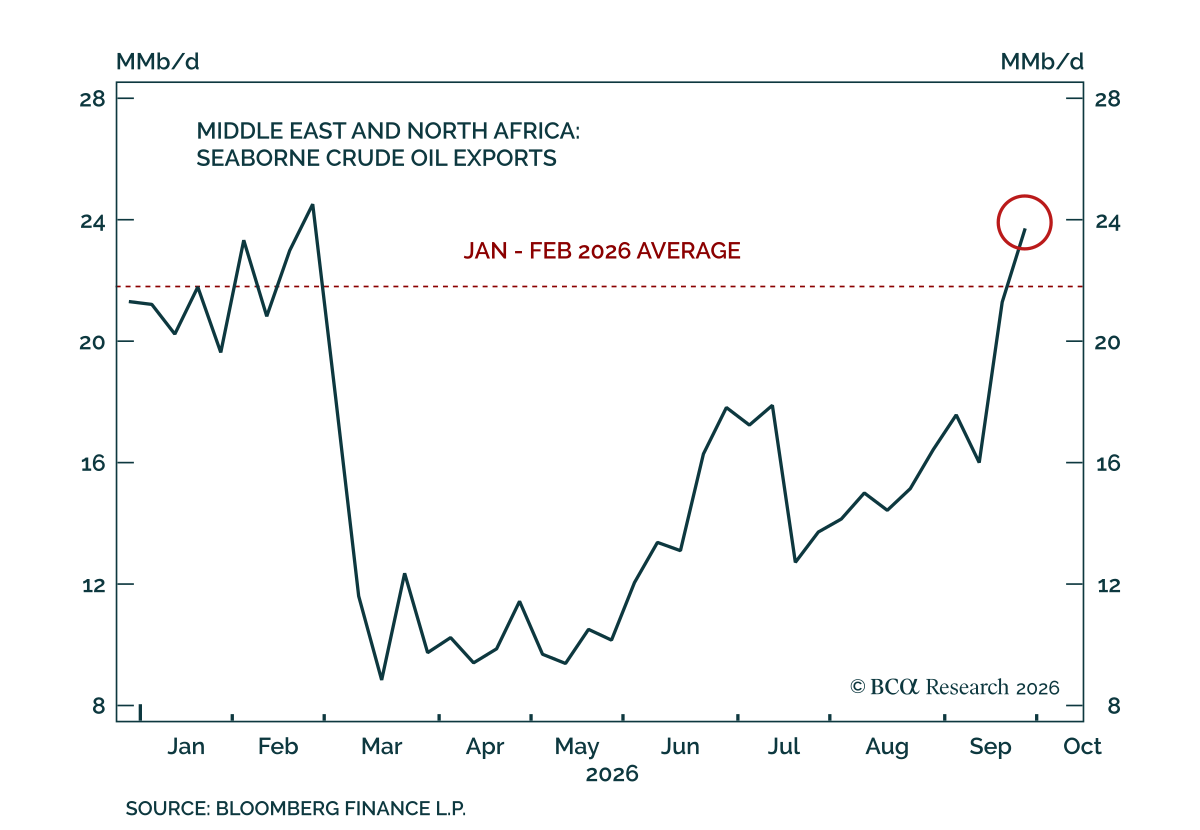
Recovering middle east oil exports should ease prices in the near term, but meaningful relief likely awaits a post-midterm ceasefire. We noted yesterday that investors should pay more attention to global oil inventories, as they will illustrate whether global…
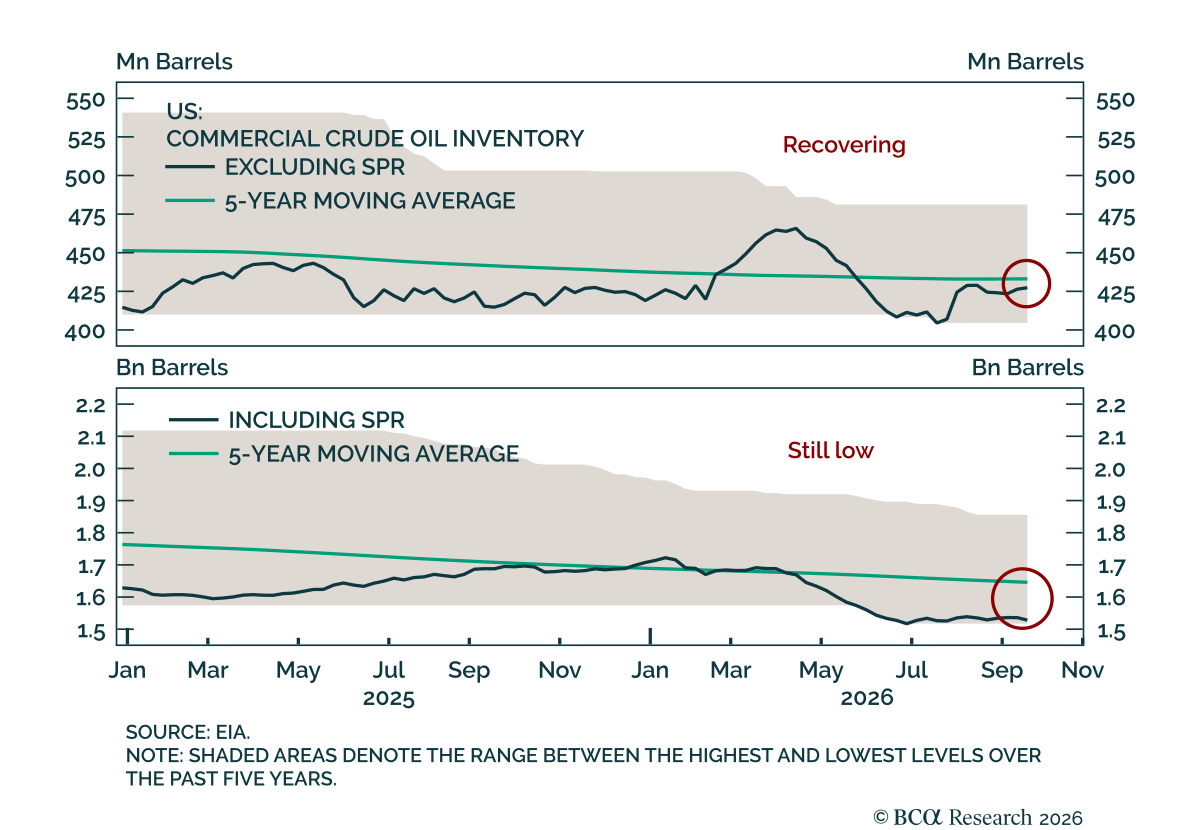
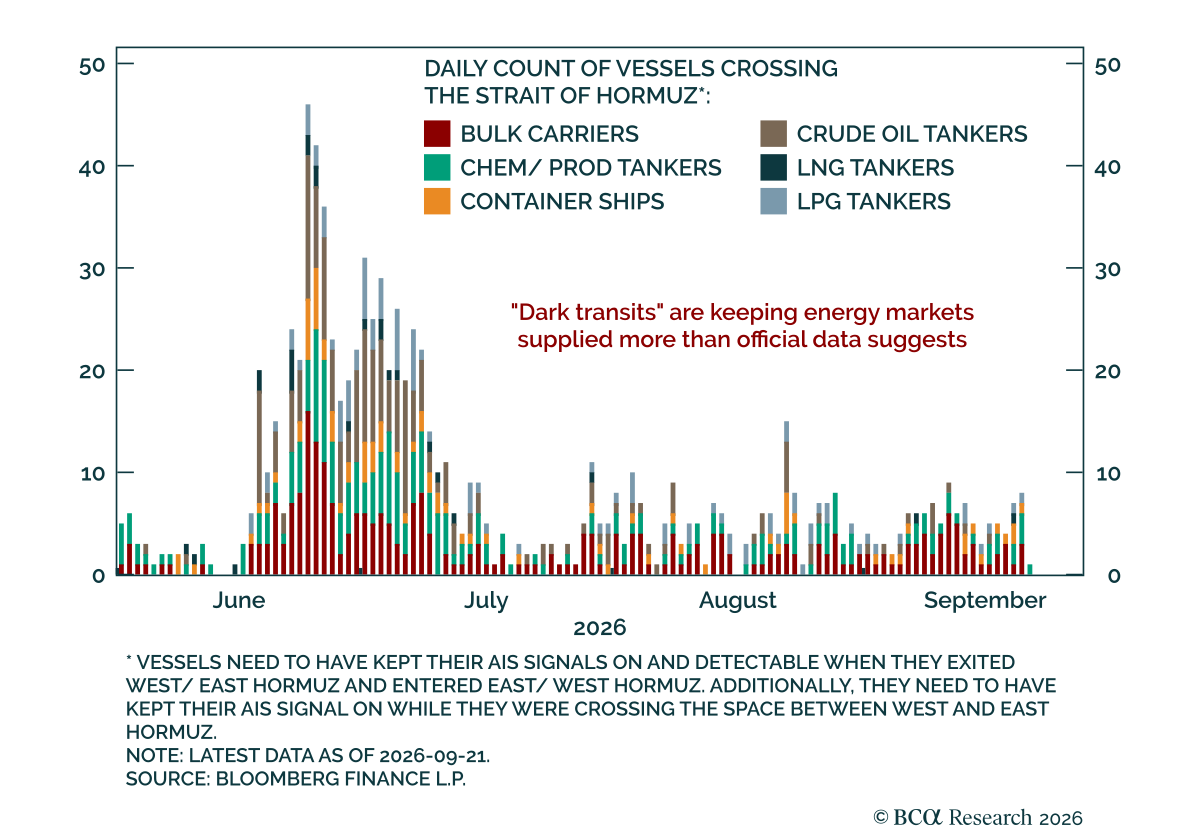
Energy inventories will determine whether global energy supply is improving enough to warrant lower prices. “Dark transits” of crude oil through the Strait of Hormuz have increased thanks to a major US military effort to protect tankers. Our commodity…
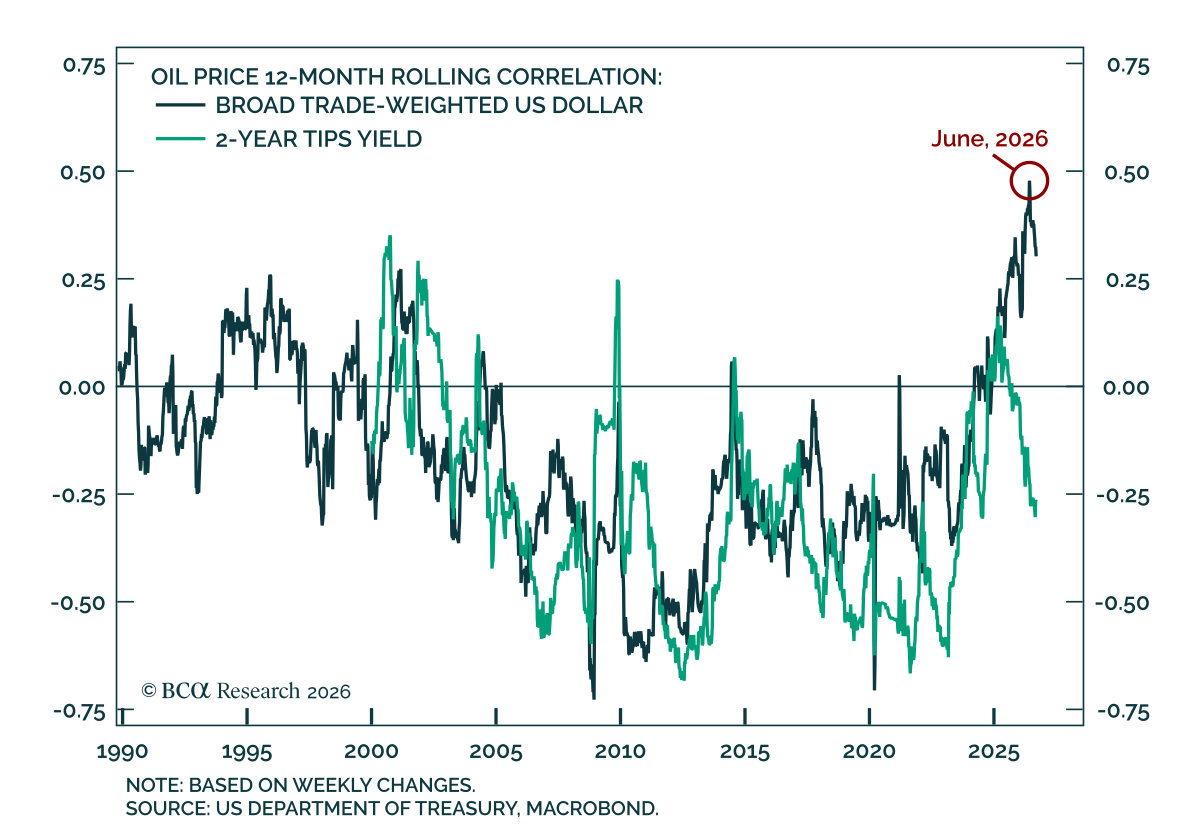
The USD-oil correlation reached a record high this year, confirming that energy shocks now reinforce dollar strength rather than weigh on it, arguing for overweighing USD against energy-importing currencies into further supply disruptions. This positive…
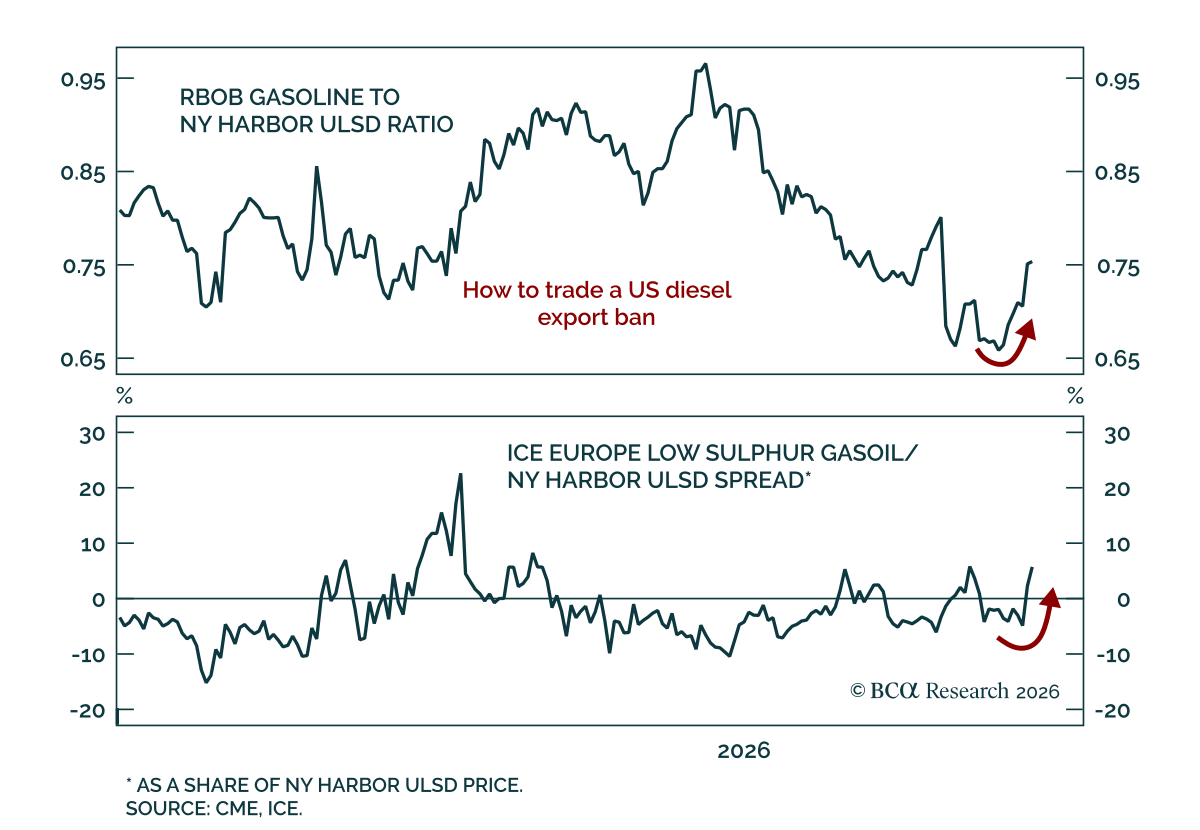
Our Commodity strategists expect a wider US-to-global diesel discount and weaker diesel prices versus other US refined products as export restrictions become increasingly likely. Record retail diesel prices above $6.50 a gallon and mounting political pressure…
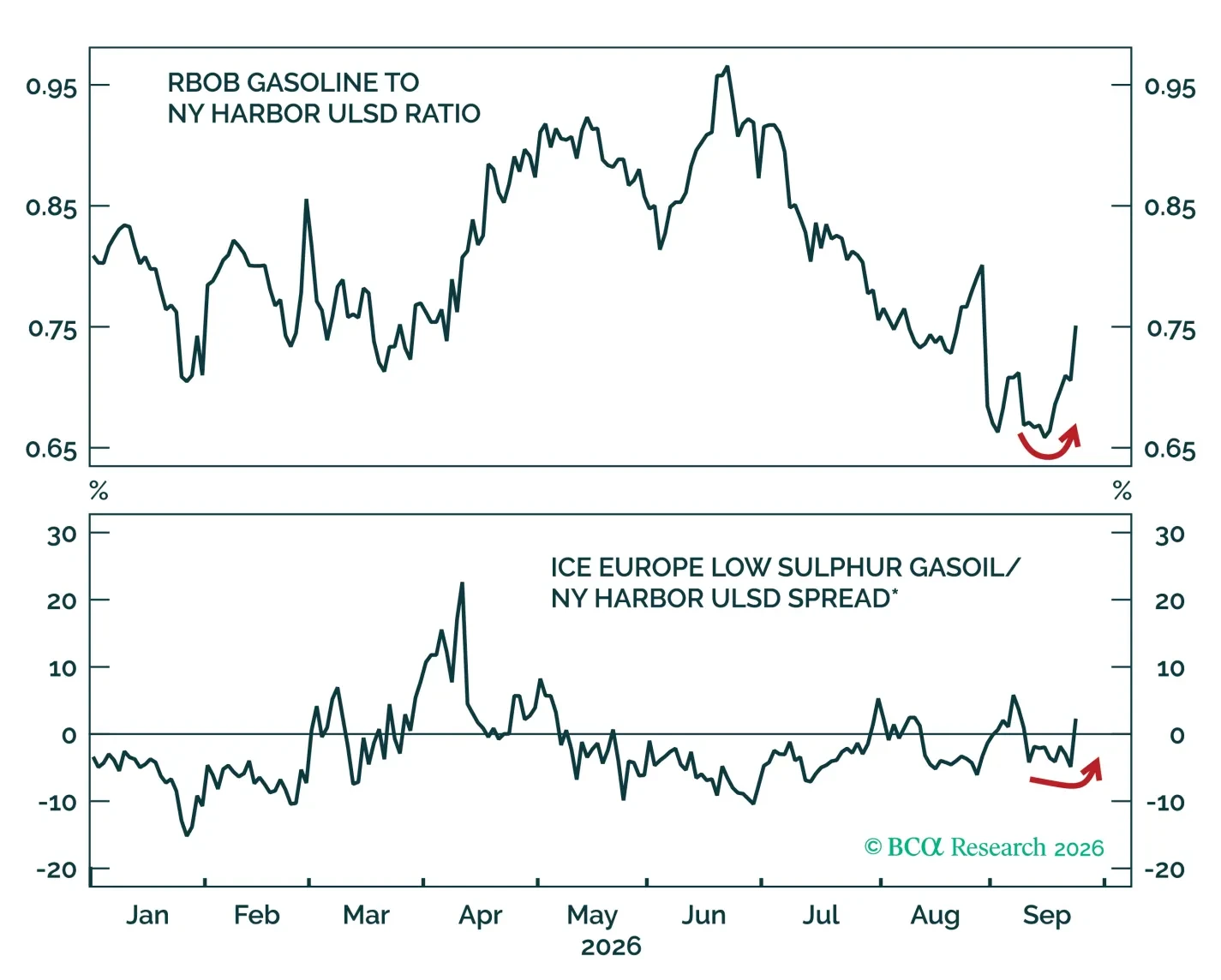
Record diesel prices and mounting political pressure make some form of US export restriction likely. But it wouldn't be a clean solution. We reveal why relief would be fleeting, who would pay the price, and how to trade it.
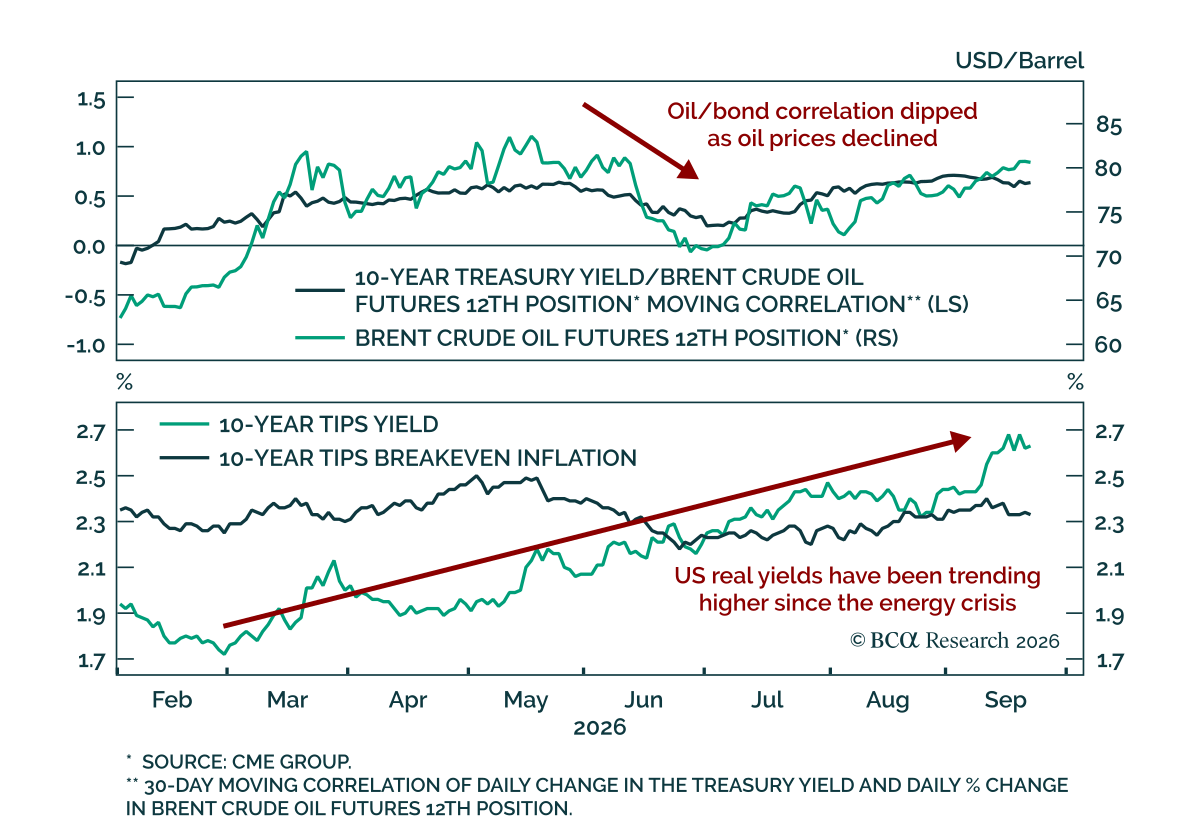
Oil prices and US Treasury yields have moved in lockstep this year, but oil matters less for US yields than the correlation suggests. The joint rise is not purely a coincidence. Higher oil prices play a role in the hawkish repricing of the Fed's policy path,…
A busy geopolitical weekend reinforced that both Russia and Iran are still calibrating escalation to avoid triggering a broader conflict. Our Monday BCA Live & Unfiltered meeting focused on the weekend’s geopolitical developments. Russian and Ukrainian…
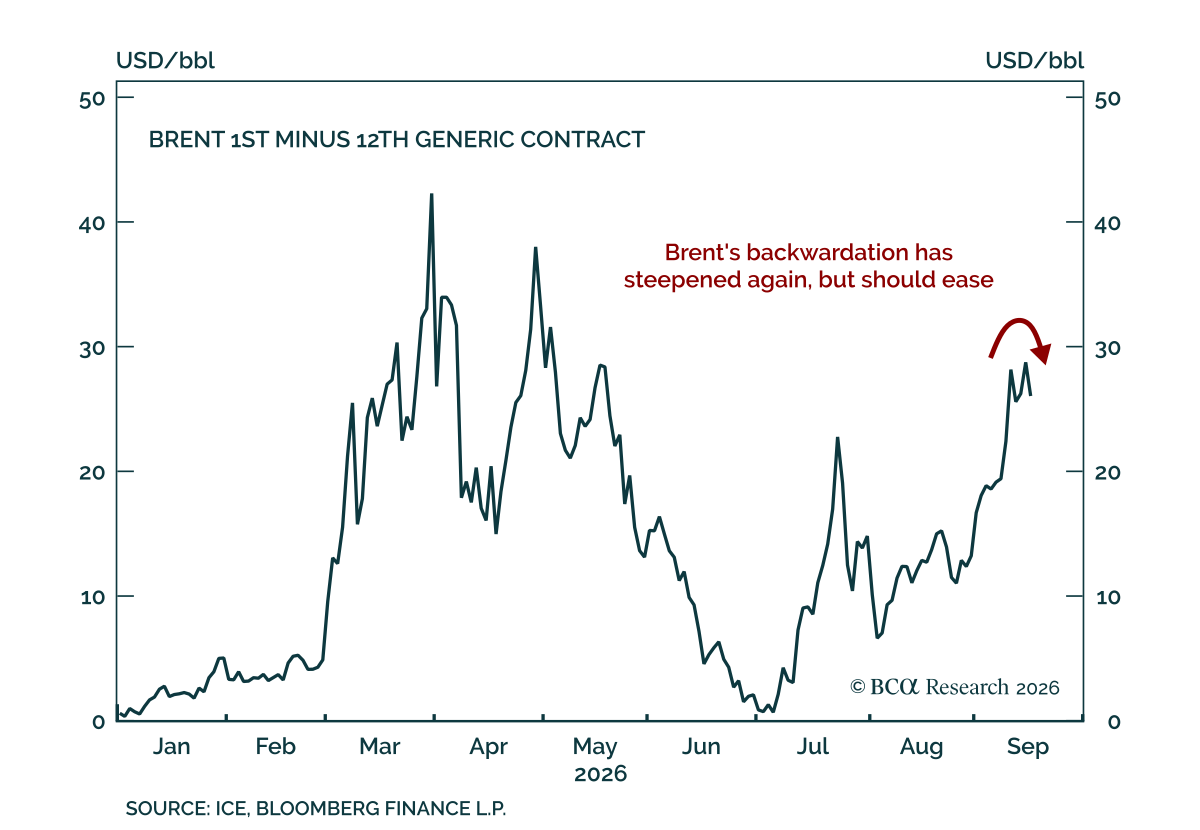
Our Commodity strategists expect rising dark transits through the Strait of Hormuz to keep cushioning the blow to global crude supplies. Middle Eastern seaborne exports have continued to climb through September despite the latest escalation in hostilities, a…
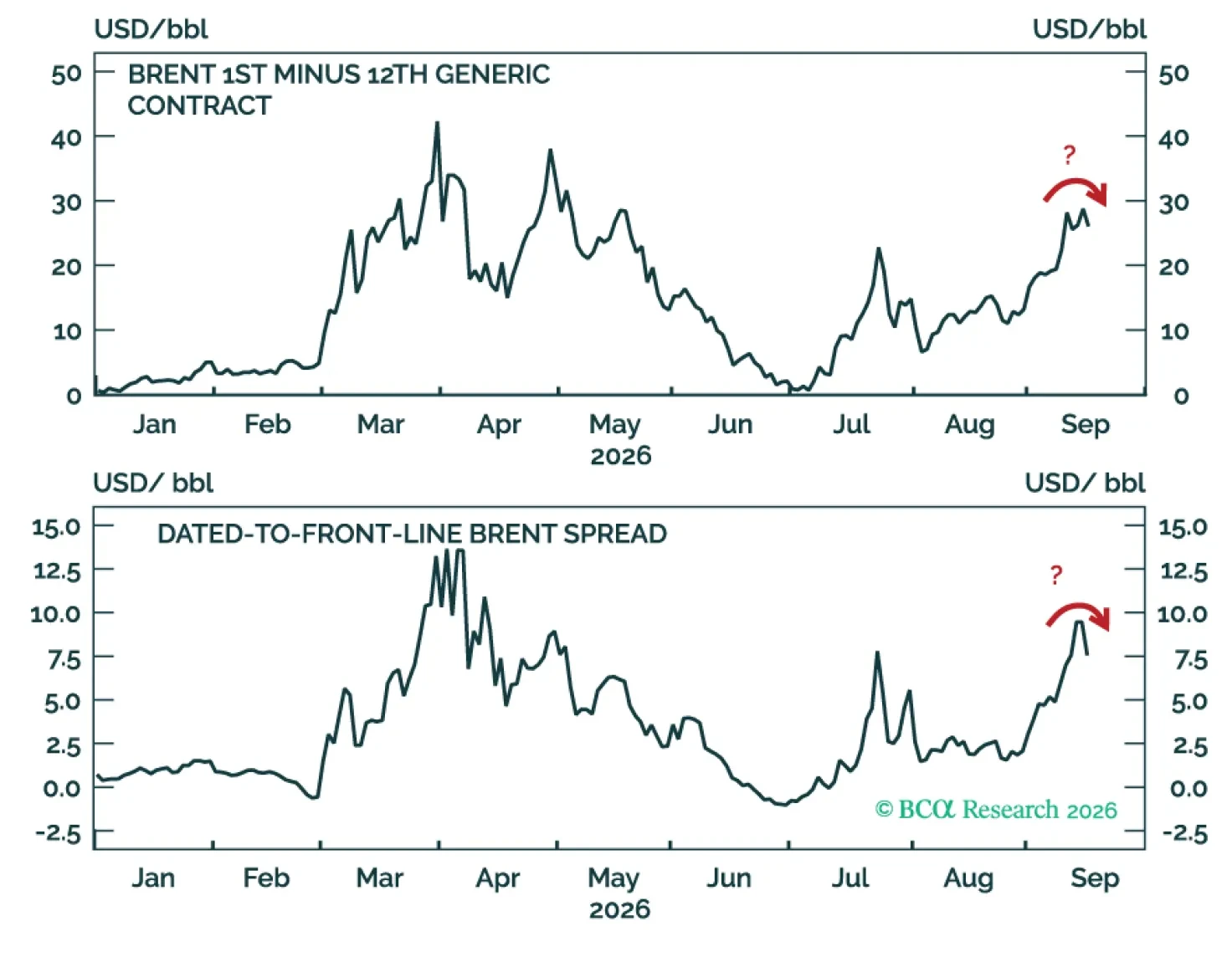
Recent oil market developments expose the limits of the adjustment mechanisms that have cushioned the global market since the Hormuz closure began. Fortunately, Hormuz dark transits have become the dominant shock absorber in recent months, and rising flows should help mitigate the latest supply disruption going forward.

The latest Middle East escalation fits Iran’s existing strategy of keeping oil prices elevated ahead of the US midterms, but attacks on energy infrastructure and tankers now threaten the recovery in regional crude exports. Our GeoMacro strategists see…