Sorry, you need to enable JavaScript to visit this website.
Skip to main content

Manufacturing

China's CSI 300 equity index fell below its March 2020 pandemic low on Monday, bringing its loss since the February 2021 peak to -40%. Similarly, BCA Research's market-based China growth indicator – a broader measure of the performance of Chinese financial…
This year's rally in US equities has for the most part been narrow in breadth. The 19.5% increase in the S&P 500's price index in the first seven months of the year exceeds the equal weighted index's 9.5% gain over the same period. Since then, the S&P…
German producer prices declined by a new record 14.7% y/y in September, broadly in line with expectations of -14.1% y/y and a steeper pace of contraction than August's -12.6% y/y. Meanwhile, the monthly rate of change returned to contraction (-0.2% m/m)…
Earlier this year we highlighted that China's property market dynamics pose a greater risk to the price of steel vis-à-vis copper. This view was based on the expectation that Chinese policymakers will direct financing towards the completion of unfinished and…
According to BCA Research's Global Investment Strategy service, the global economy will stay buoyant over the next few quarters but will then sour as the lagged effects of higher interest rates and tighter bank lending standards work their way through the…
Chinese economic data surprised to the upside on Wednesday. GDP expanded by 4.9% y/y in Q3 – beating expectations of a 4.5% y/y rise. On a quarterly basis, economic activity accelerated from 0.5% q/q to 1.3% q/q – also ahead of anticipations of 0.9% q/q.…
US equities have somewhat stabilized since the beginning of October. After falling by 6.6% in the prior two months, the S&P 500 ended the day on Wednesday 0.6% above where it was at the end of September. Indeed, recent hard data have been on the firm…
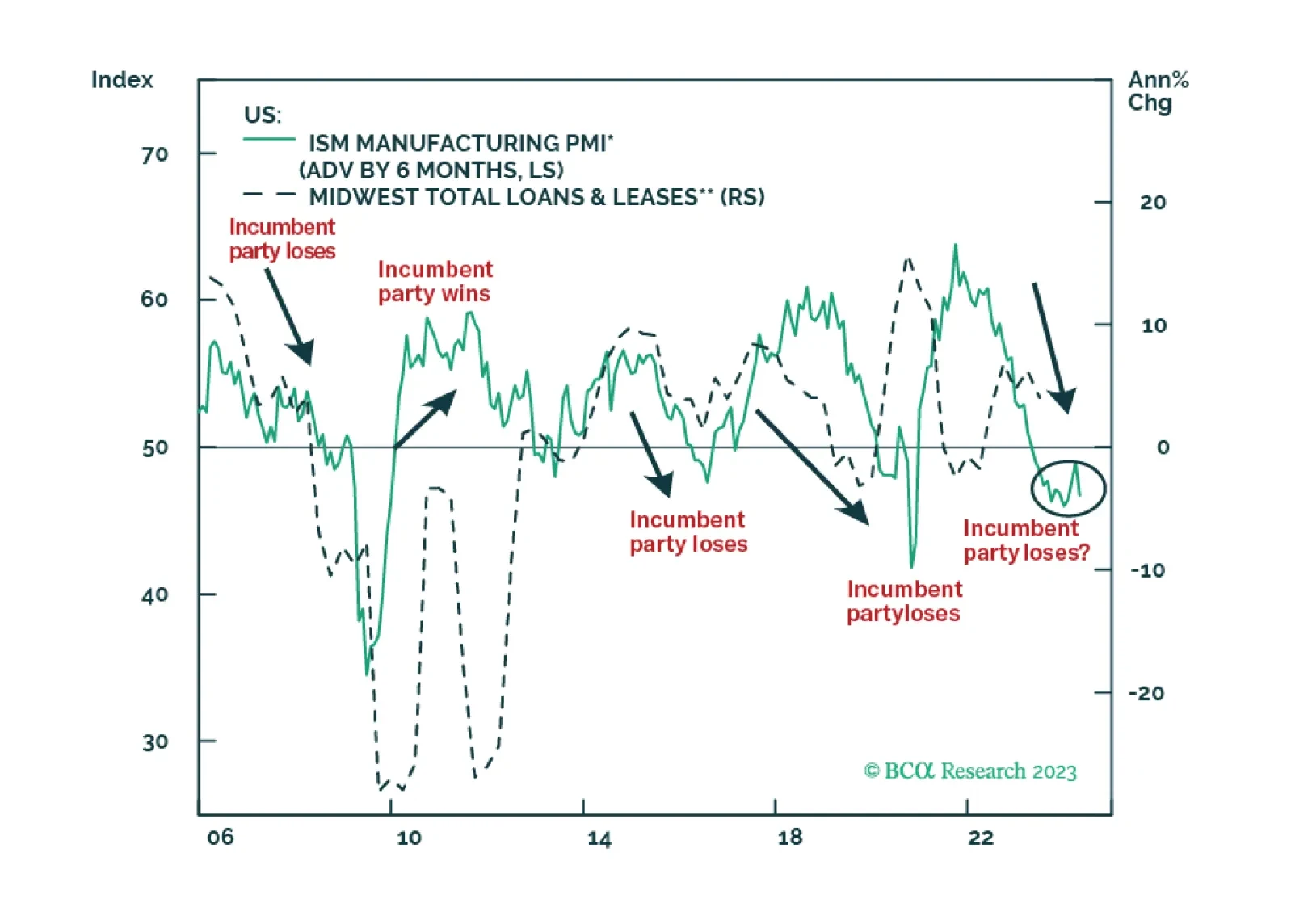
As expected, the New York Fed’s Empire State Survey sent a pessimistic signal about manufacturing conditions in October. The general business conditions index weakened from 1.9 to -4.6, albeit better than expectations of a more pronounced decline to -6.0.…
On the surface, the slower pace of contraction in Chinese exports in September is a positive signal for global trade. The 6.2% y/y drop in the dollar value of Chinese exports was not as bad as the 8% y/y decline anticipated or the 8.8% y/y decline in August. …

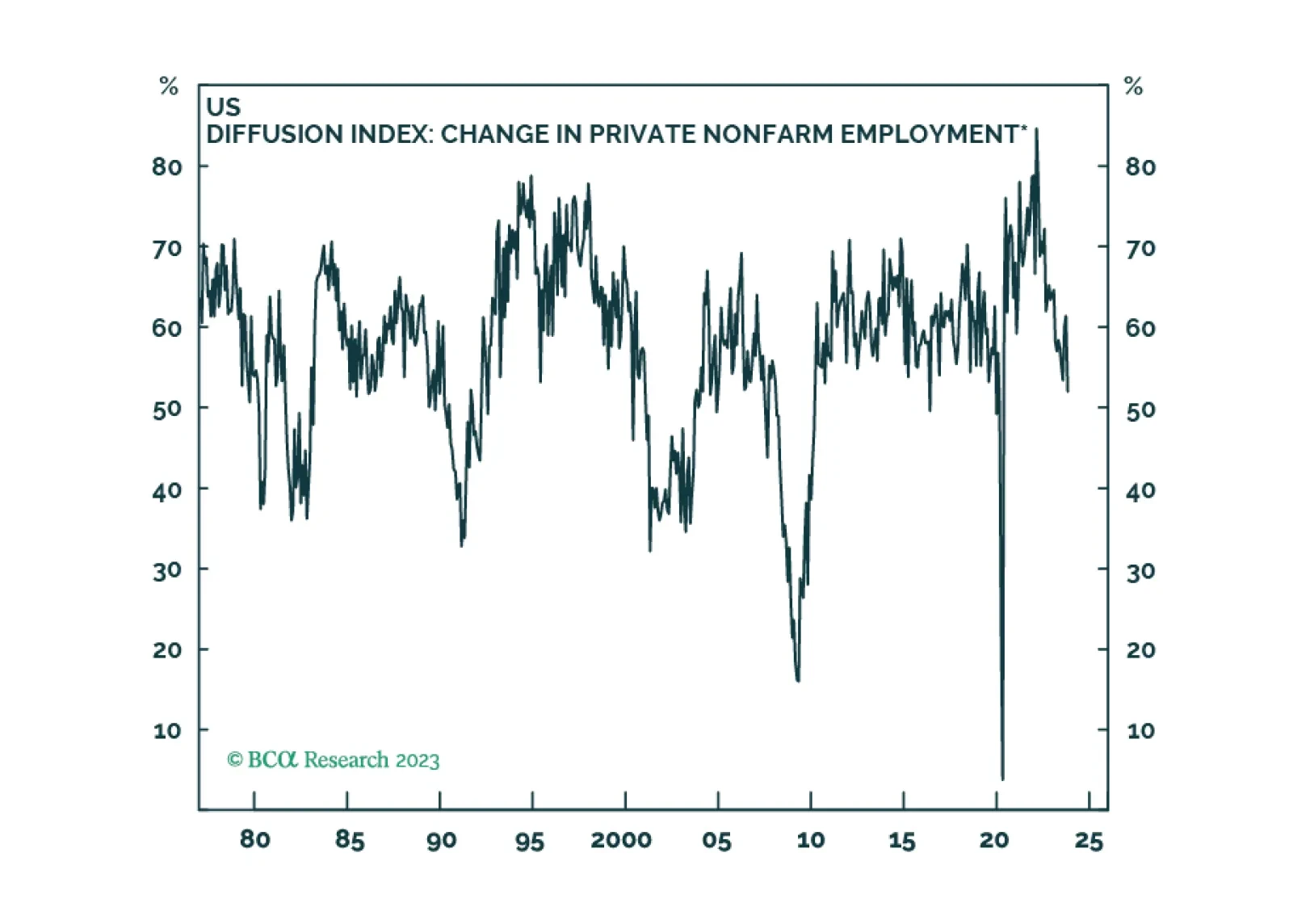
US monetary policy is restrictive, as evidenced by a falling jobs-workers gap. The reason that unemployment has not risen is because labor demand still exceeds supply. That will change in the second half of 2024 when the US economy succumbs to recession. Investors should increasingly favor bonds over stocks.