Sorry, you need to enable JavaScript to visit this website.
Skip to main content

Labor Market

The AUD was the worst performing currency on Tuesday after the Reserve Bank of Australia kept its cash rate target unchanged at 4.1% for the third consecutive month. In particular, outgoing Governor Philip Lowe underscored that the uncertain economic outlook…

The resiliency of consumers through 2023 has surprised investors. However, consumer strength will fade into yearend as factors supporting growth in income and spending are waning. i.e., job gains are slowing, wage growth is decelerating, and excess savings are running out. Consumers are starting to feel the pressure from tighter monetary policy as financial obligations rise. Hence, as consumer spending decelerates, economic growth will slow into yearend. We confirm our underweight of the Consumer Discretionary sector.

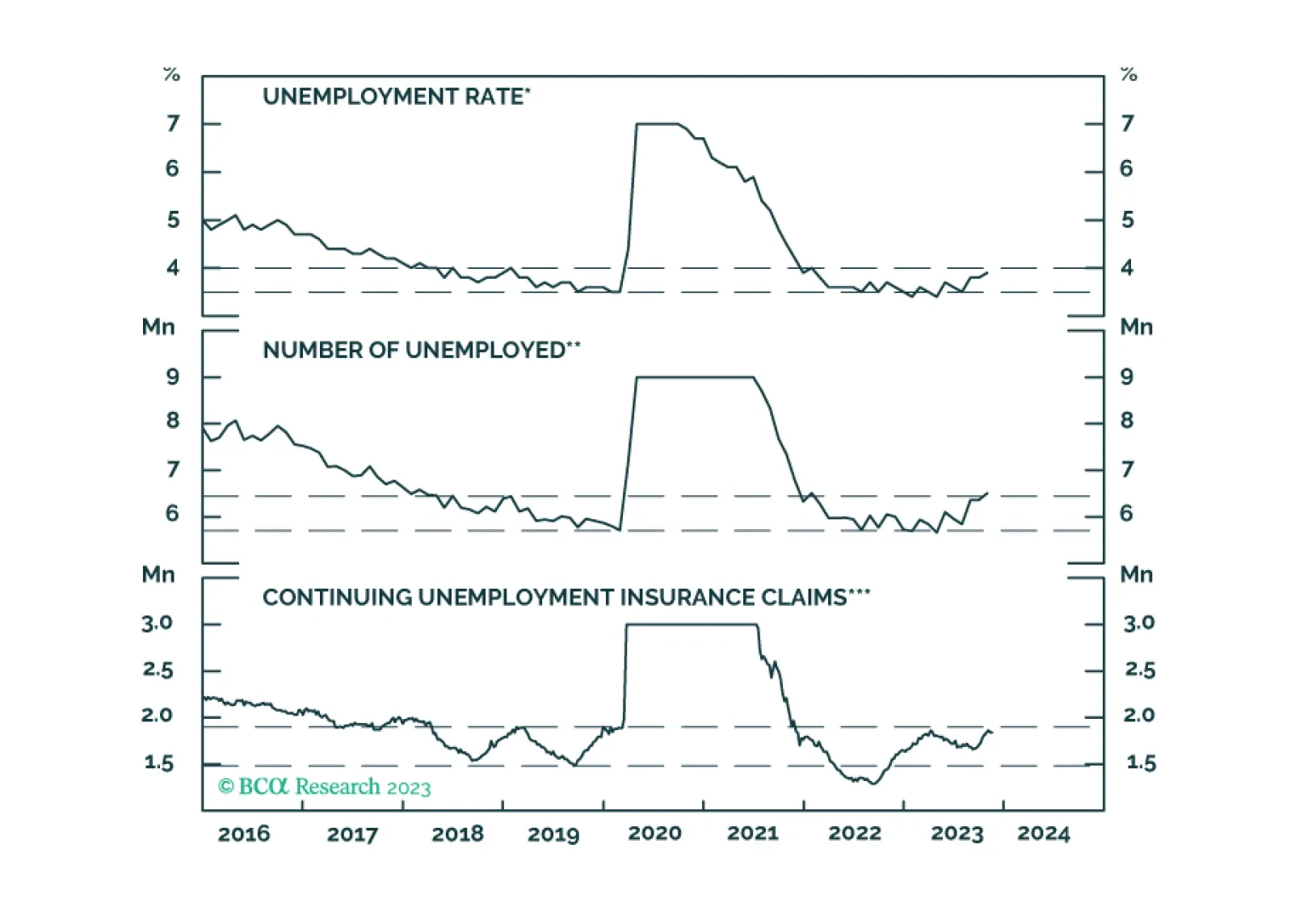
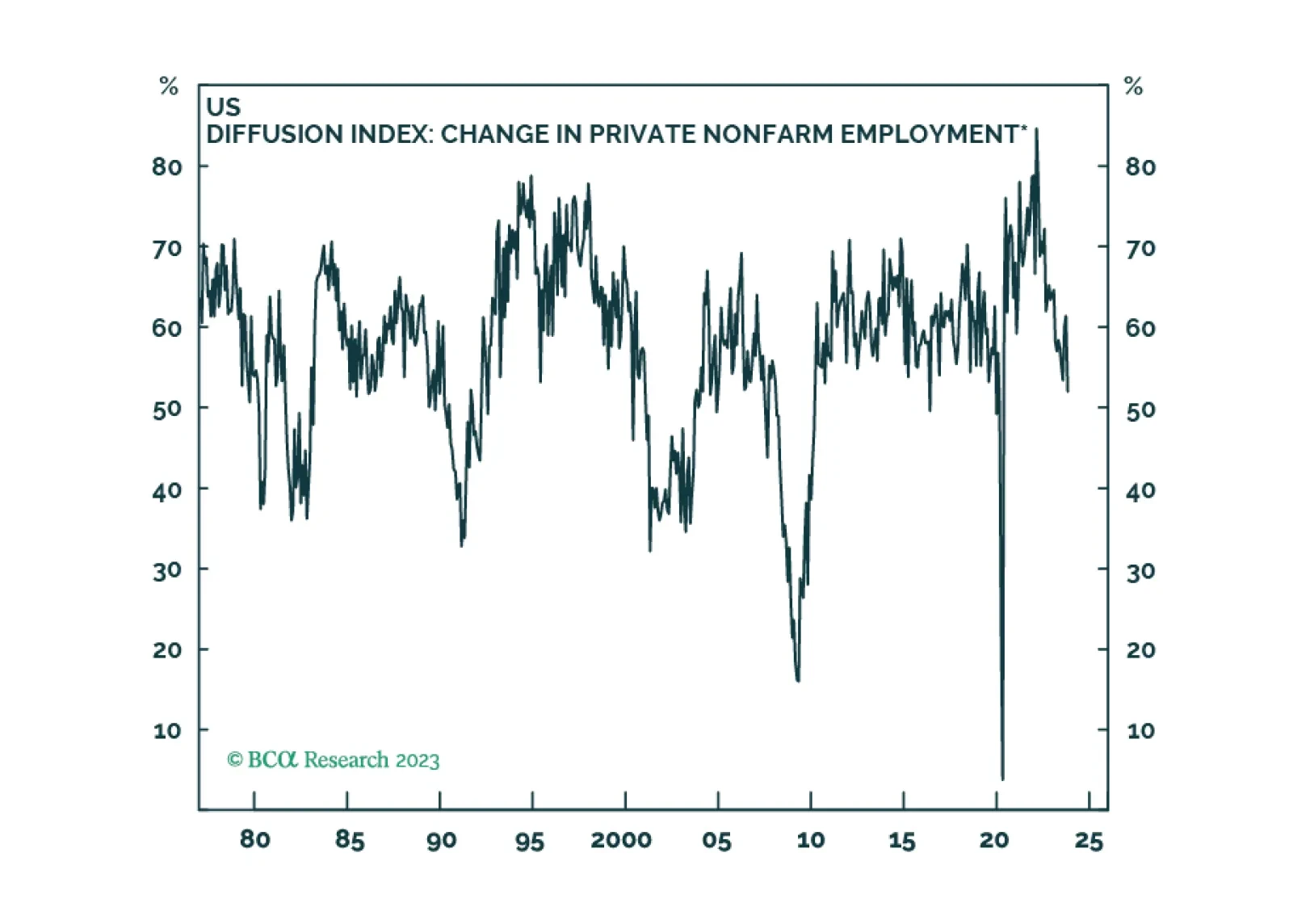
Friday’s US employment report suggests that the softening of the labor market is continuing at a steady pace. Although nonfarm payroll employment in June and July was revised down by 110 thousand, the 187 thousand increase in August came in above expectations…

US bond investment takeaways from this week’s PCE and employment releases.

A global recession continues to be likely over the next 12 months. The impact of tighter monetary policy is slowly being felt. Government bonds look increasingly attractive as a safe haven.

Remedying China’s Economic Malaise (Part 2)

In Part 2 of this series, we prescribe the treatment needed to produce a recovery for the ailing Chinese economy. Authorities will only panic and unleash “irrigation-style” stimulus if the unemployment rate rises sharply, or a financial crisis unravels in onshore markets. This is not yet the case.

Eurozone headline inflation surprised to the upside in August, confirming the signal from the preliminary German and Spanish releases. The year-on-year gauge was unchanged at 5.3% – surprising expectations of a deceleration to 5.1%. Similarly, the 0.6%…

Stocks should continue to rally in the near term, but investors should prepare to turn more defensive towards the end of the year in advance of a recession in 2024.

US Q2 GDP growth was revised down from 2.4% to 2.1% on a quarterly annualized basis, only slightly above Q1 growth of 2.0%. Although consumption was revised up by 0.1 percentage points to 1.7%, business spending grew at a slower pace than initially reported…
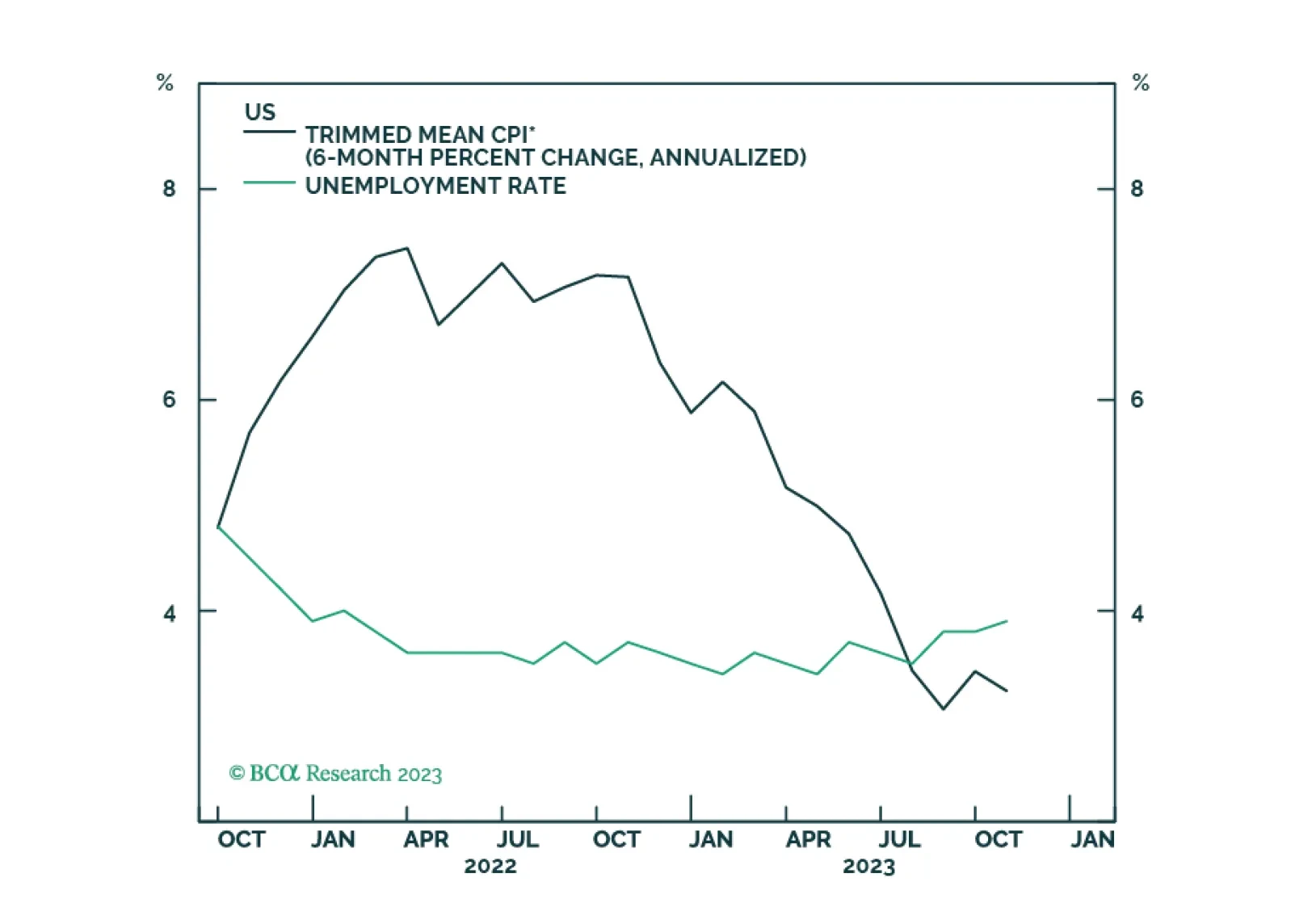
BCA Research’s US Bond Strategy service’s base case outlook calls for a modest curve steepening as wage growth and inflation fall. Odds are that the next big yield curve move will be a bull-steepening that coincides with the onset of the next recession and…