Inflation
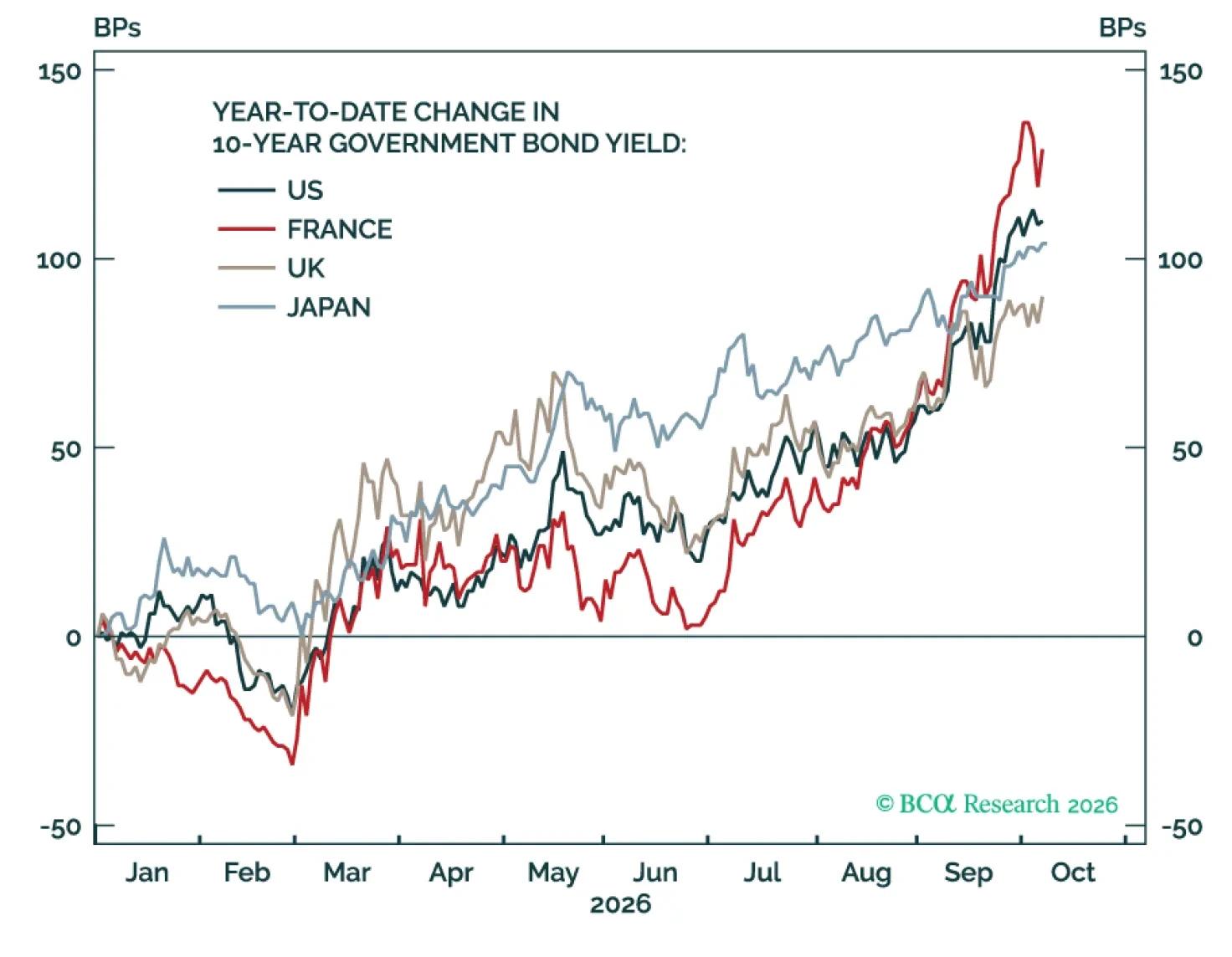
The global bond selloff is not over, but opportunities are emerging. US Treasuries and French OATs remain vulnerable to further selling, while other European government bonds look increasingly attractive. Investors should favor German Bunds and peripheral bonds, particularly on a currency-hedged basis.
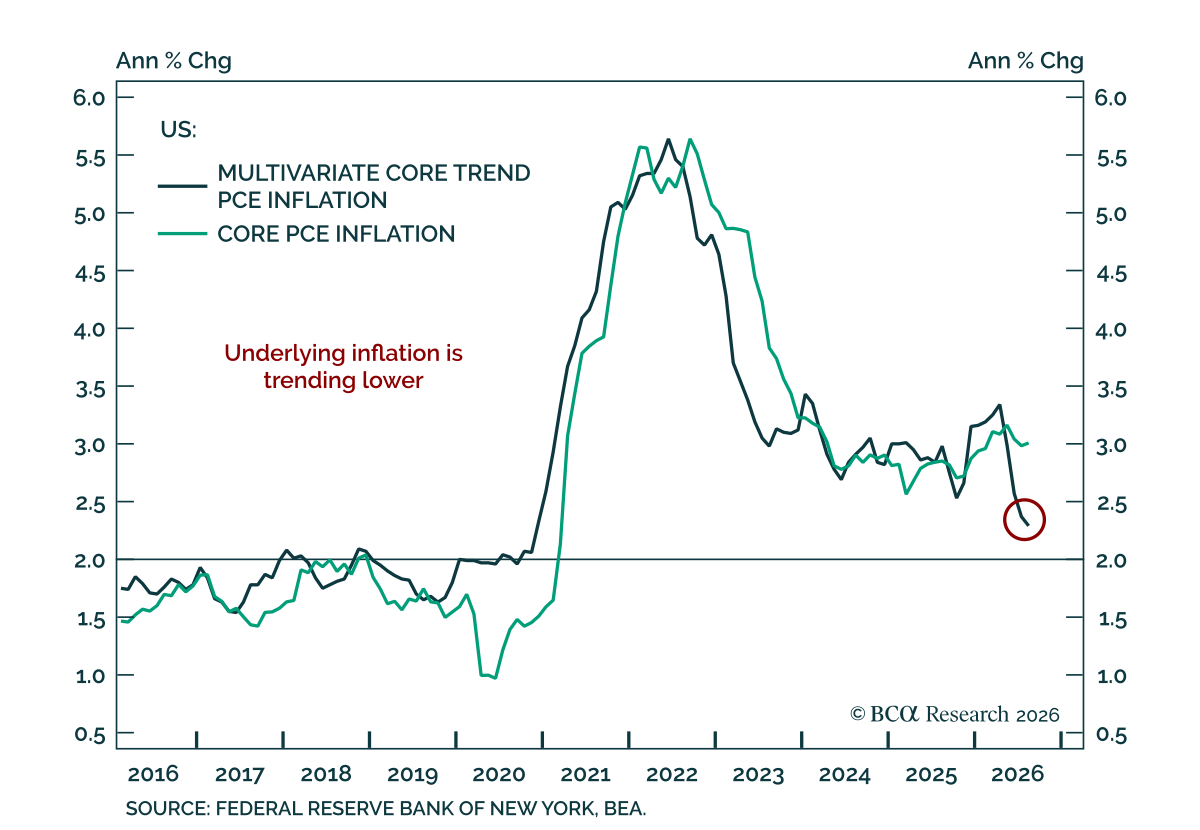
Underlying US inflation is easing, raising the odds of a dovish Fed surprise. The NY Fed's Multivariate Core Trend (MCT) inflation series fell in August to its lowest level since 2020. Our US Bond strategists flagged this measure, which is constructed with a…
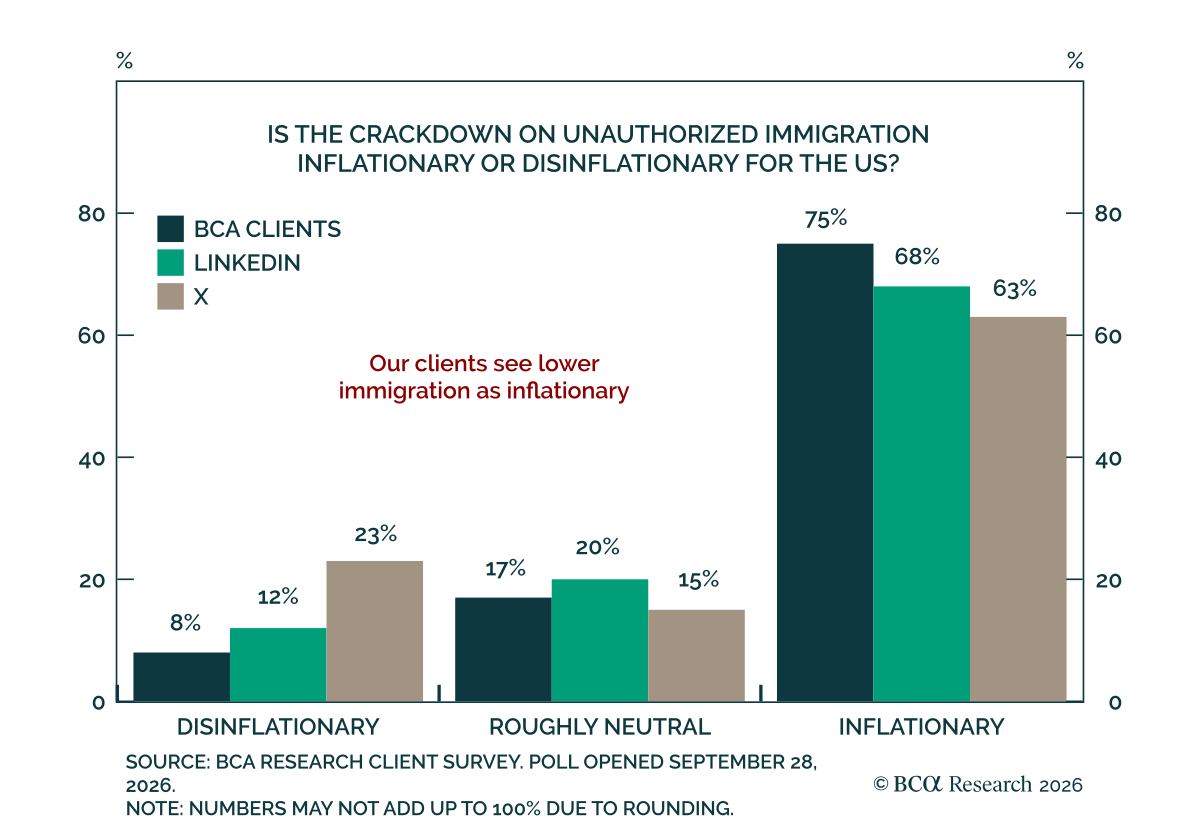
Our clients strongly expect the crackdown on unauthorized immigration to be inflationary. Three-quarters of BCA clients hold this view, while 17% see it as roughly neutral and only 8% as disinflationary. Social media respondents on LinkedIn and X leaned the…
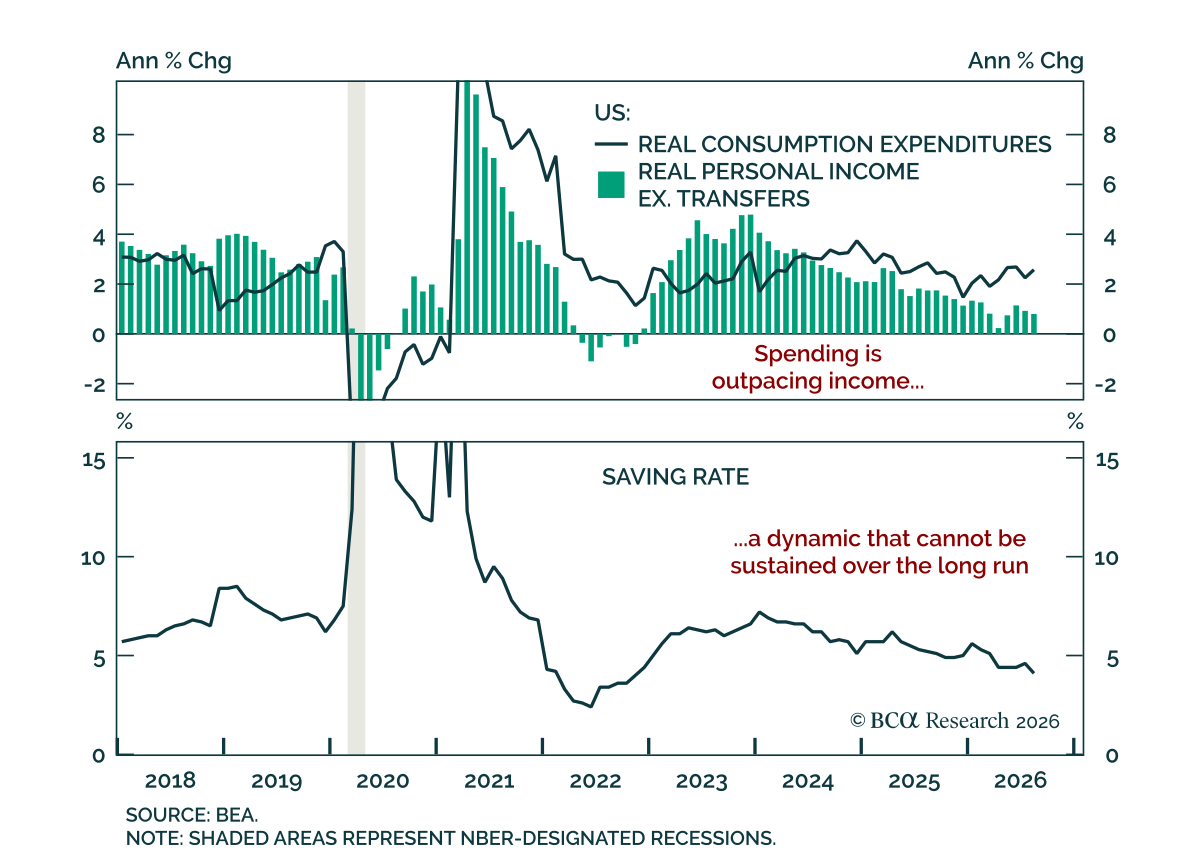
The August Personal Income and Outlays report was soft, with weaker income growth and cooler inflation reinforcing the case for the Fed to remain patient. Nominal spending rose 0.9% m/m, in line with estimates, while real spending increased 0.6%. Personal…
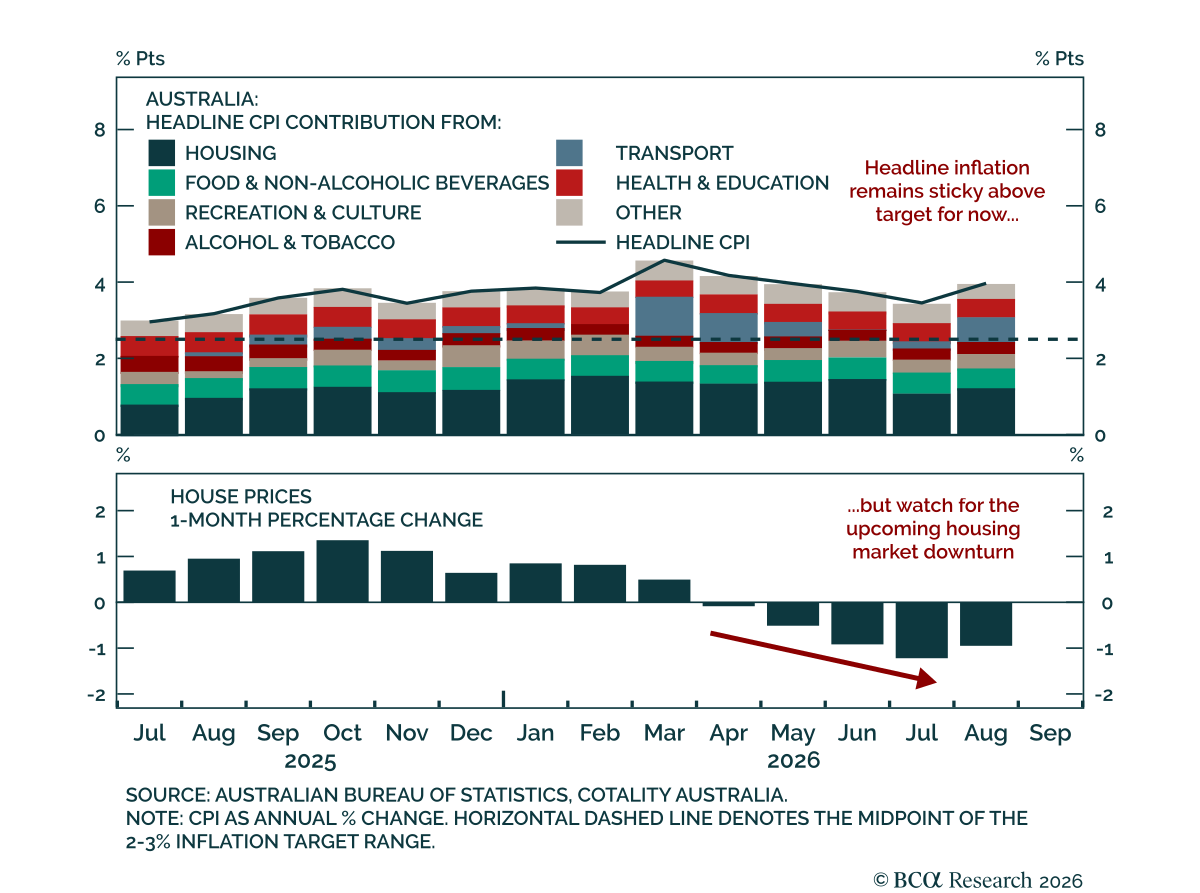
Australia's August CPI shows no sign of re-accelerating core inflation, suggesting a less aggressive RBA tightening than currently priced. Headline CPI rose less than expected in August, to 4.0% y/y from 3.5%, lifted by higher fuel prices in the transport…
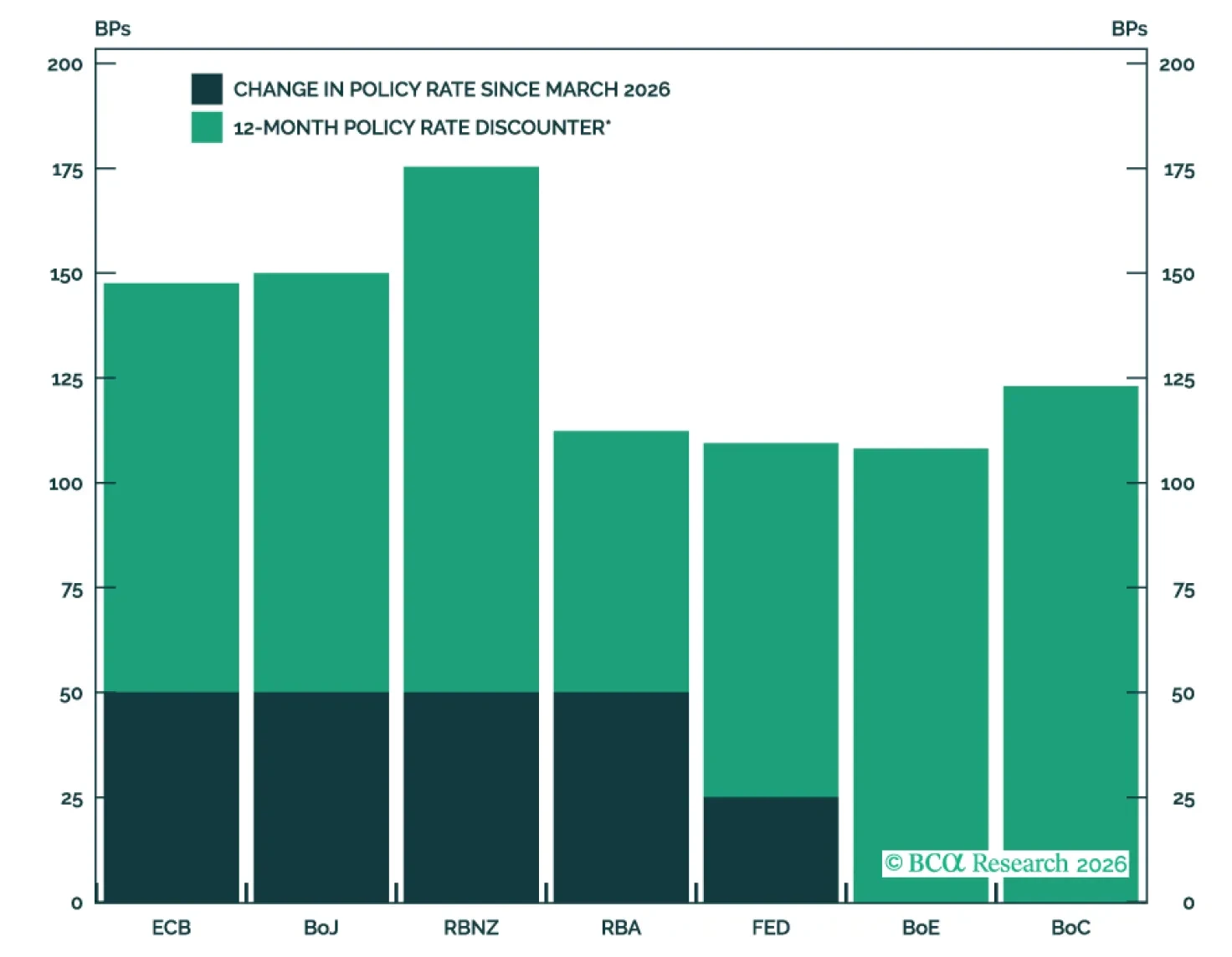
Policy rates are poised to rise across the developed world as central banks are no longer willing to wait out the Iran-US standoff before taking action to combat the inflationary effects of higher oil prices. Outside of Japan, however, we do not think central banks will hike as much as markets expect.
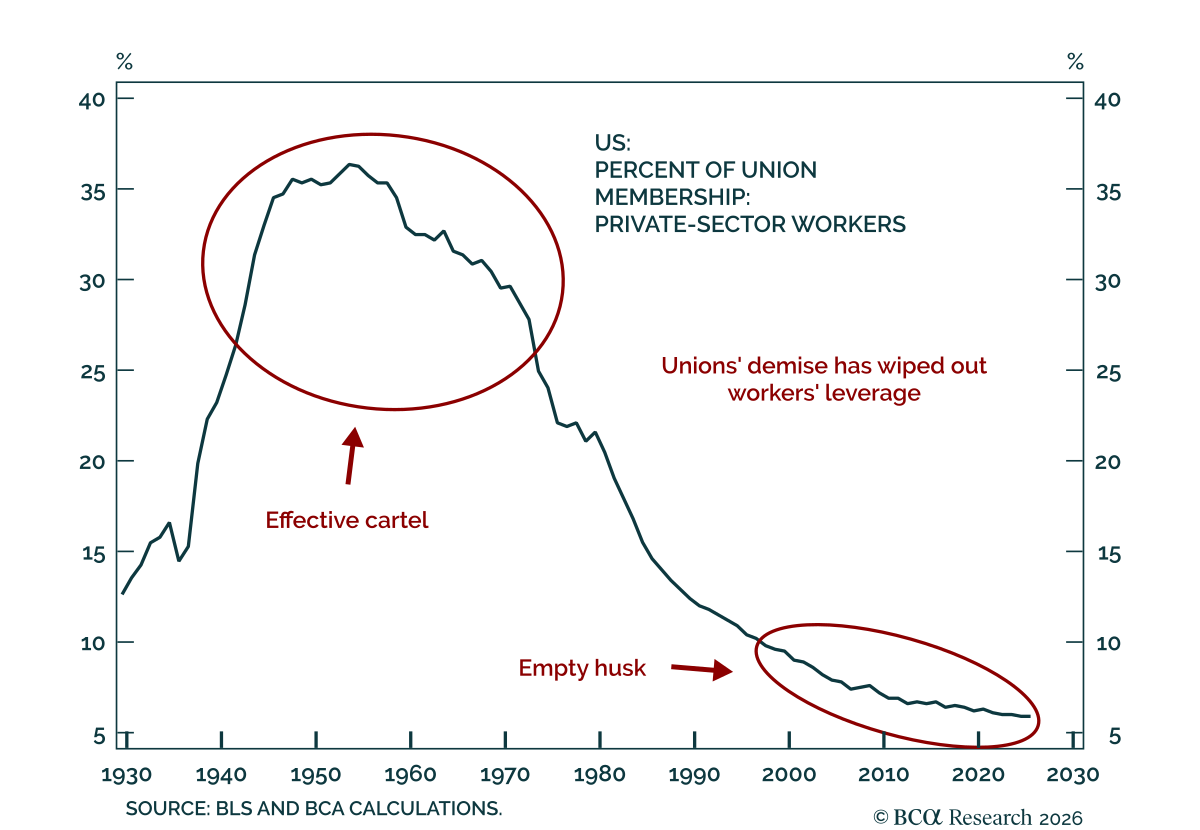
Our US Investment strategists see fears of a significant wage growth breakout as overdone. Entrenched misperceptions die hard, but the structural balance of power between workers and employers has shifted too far to permit a repeat of the 1970s. The…
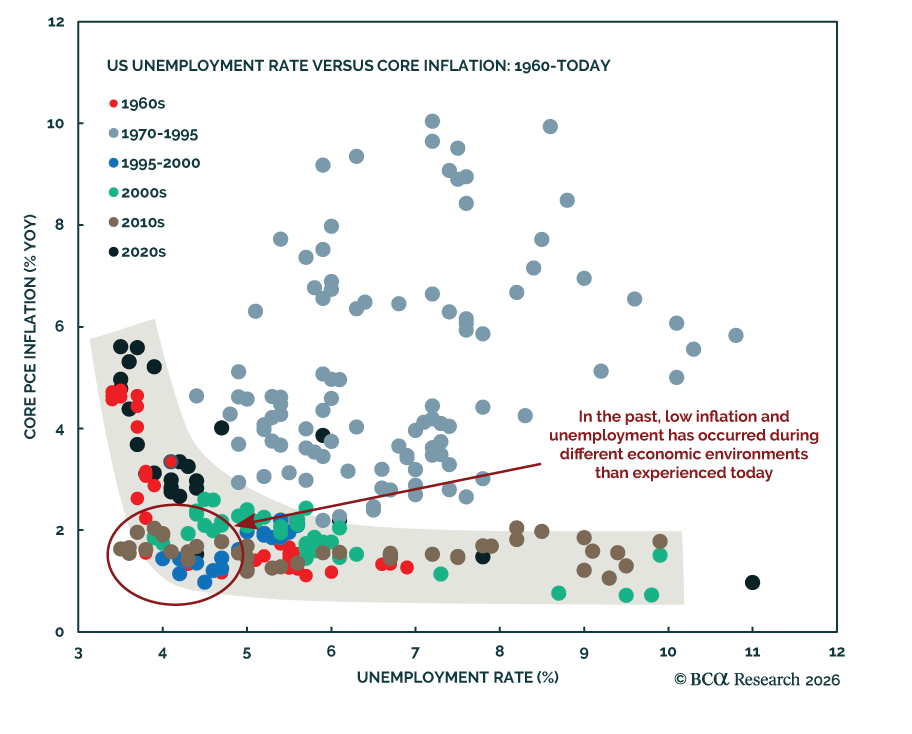
A tighter labor market over the coming year could cause inflation to stay elevated even if tariff and energy shocks dissipate. The US labor force has contracted over the past year, driven by the departure of unauthorized immigrants and a decline in the labor…
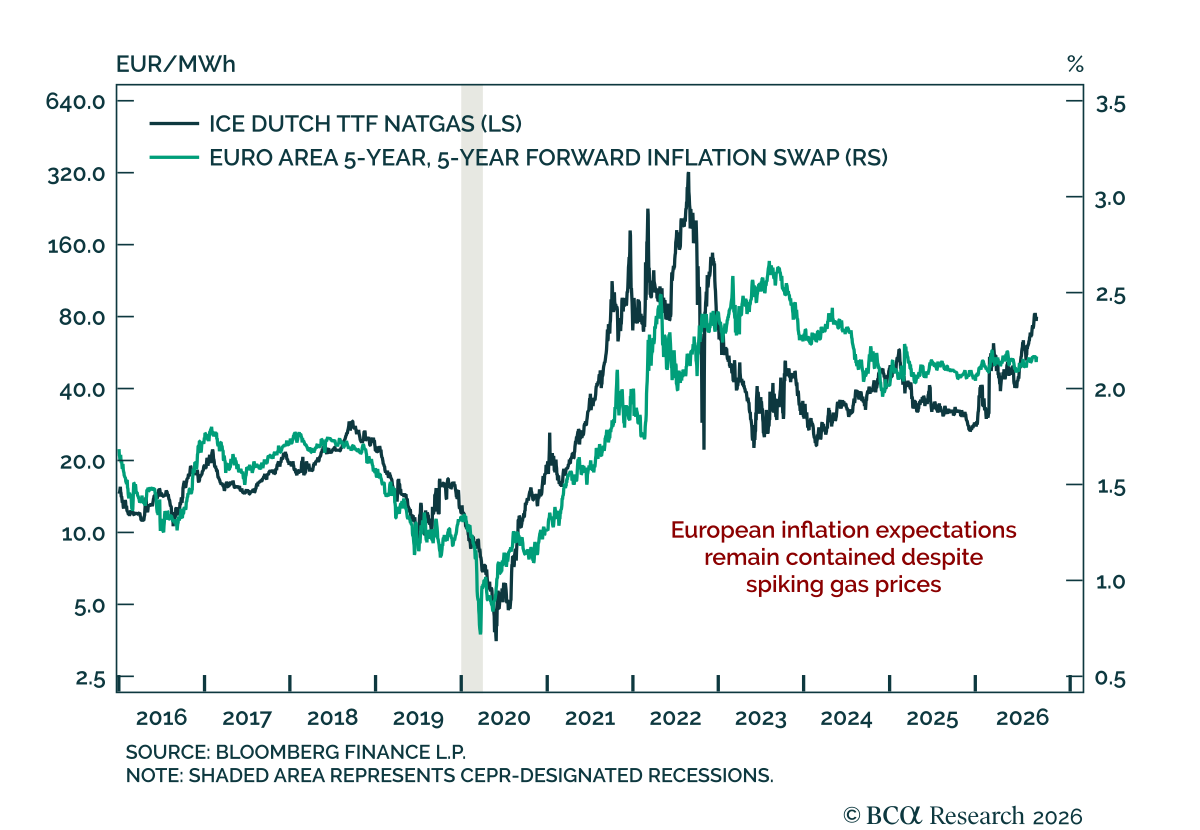
European natural gas prices have surged above recent highs, but the absence of a corresponding rise in longer-term inflation expectations argues against the ECB hiking deeply into restrictive territory. ICE Dutch TTF prices, the European benchmark, have moved…
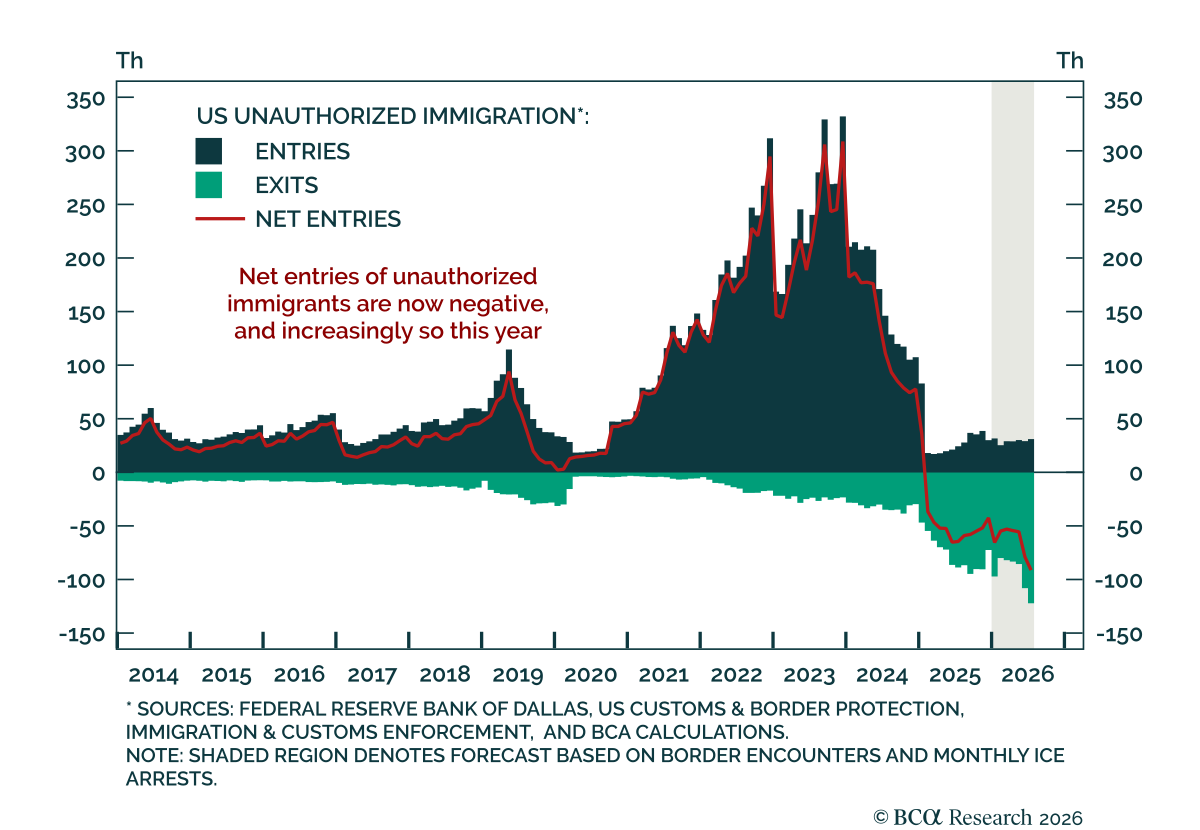
Our Essentials and CoreMacro strategists find little evidence that tighter labor supply from the US immigration crackdown is boosting inflation today. The net exit of unauthorized immigrants has nonetheless lowered the bar for stronger labor demand to turn…