Equities

Right after the pandemic, many US homeowners locked in mortgages at extremely low rates. When interest rates rose, these homeowners refused to sell, as moving to a new home would result in an interest rate reset. In turn this resulted in a severe housing…
Several pieces of data were released for the US on Thursday. US durable goods orders growth slowed from 0.2% to 0.1% in May, beating expectations of a 0.5% contraction. However other components of the report disappointed consensus estimates. Durable goods…
Mexico has gone from investor darling to massive underperformer within the EM space in the past month. In the eyes of our Emerging Markets Strategy team, the near-term outlook for Mexican risk assets remains poor in absolute terms, but the long-term view is…
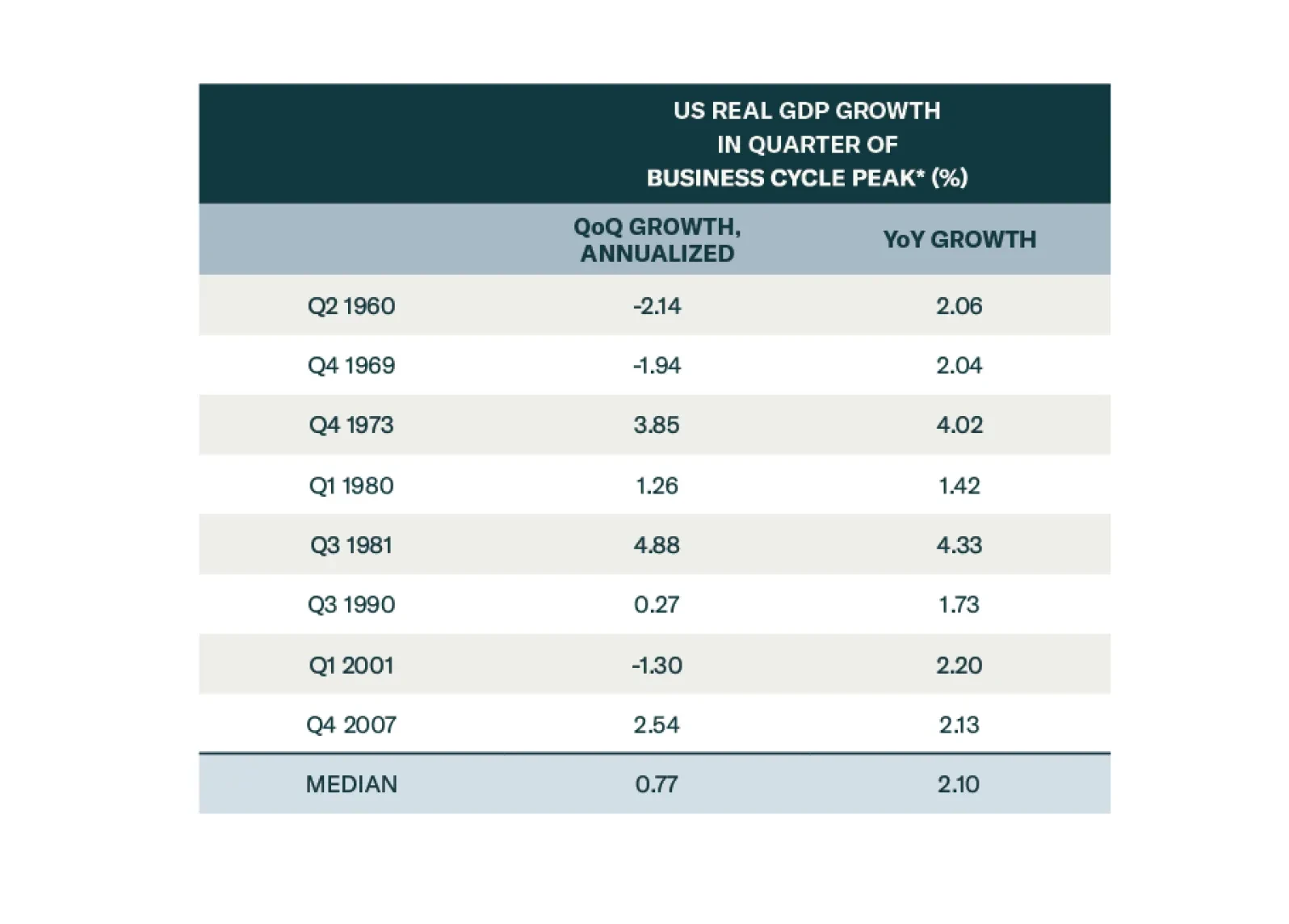
The consensus soft-landing narrative is wrong. The US will fall into a recession in late 2024 or early 2025. We were tactically bullish on stocks most of last year, turned neutral earlier this year, and are going underweight today. We conservatively expect the S&P 500 to drop to 3750 during the coming recession.
BCA Research’s Emerging Markets Strategy team posits that the BJP's loss of majority in India’s parliament could be a blessing in disguise for India. The new BJP-led coalition with the National Democratic Alliance (NDA) will largely continue the structural…
Volatility is usually a poor predictor of stock returns. It has no leading properties on the overall equity market. High volatility is contemporaneous with big drawdowns, while low volatility is contemporaneous with bull markets. Despite this observation,…

The end of China’s exponential credit growth will impede structural rallies in Chinese stocks and commodities, but US superstar stocks’ bubble-like valuations will impede them too. Leaving European stocks as the likely structural outperformer. Plus: copper is correcting, NVDA is consolidating.
According to the results of the latest German IFO survey, overall sentiment deteriorated slightly in June. The IFO Business Climate index declined from 89.3 in May to 88.6 in June, disappointing expectations of a modest amelioration to 89.6. The IFO current…
BCA Research’s US Investment Strategy service remains tactically neutral with a defensive cyclical bias. The team is resisting the impulse to turn prematurely defensive ahead of the coming recession. Our colleagues believe that fleeing for the hills at the…

Is the BoE making a mistake moving toward rate cuts before the end of the summer? What would such a move mean for UK asset prices?