Developed Countries

The 303-thousand increase in nonfarm payrolls in March came in well above consensus expectations of a moderation from 270 thousand to 214 thousand. Healthcare, the public sector and construction were the top contributors to employment growth. Moreover, the…
The past week brought a slew of positive US economic data, all suggesting that conditions remain robust and a recession is not imminent. The ISM Manufacturing PMI crossed into expansion for the first time since September 2022, the number of job openings…
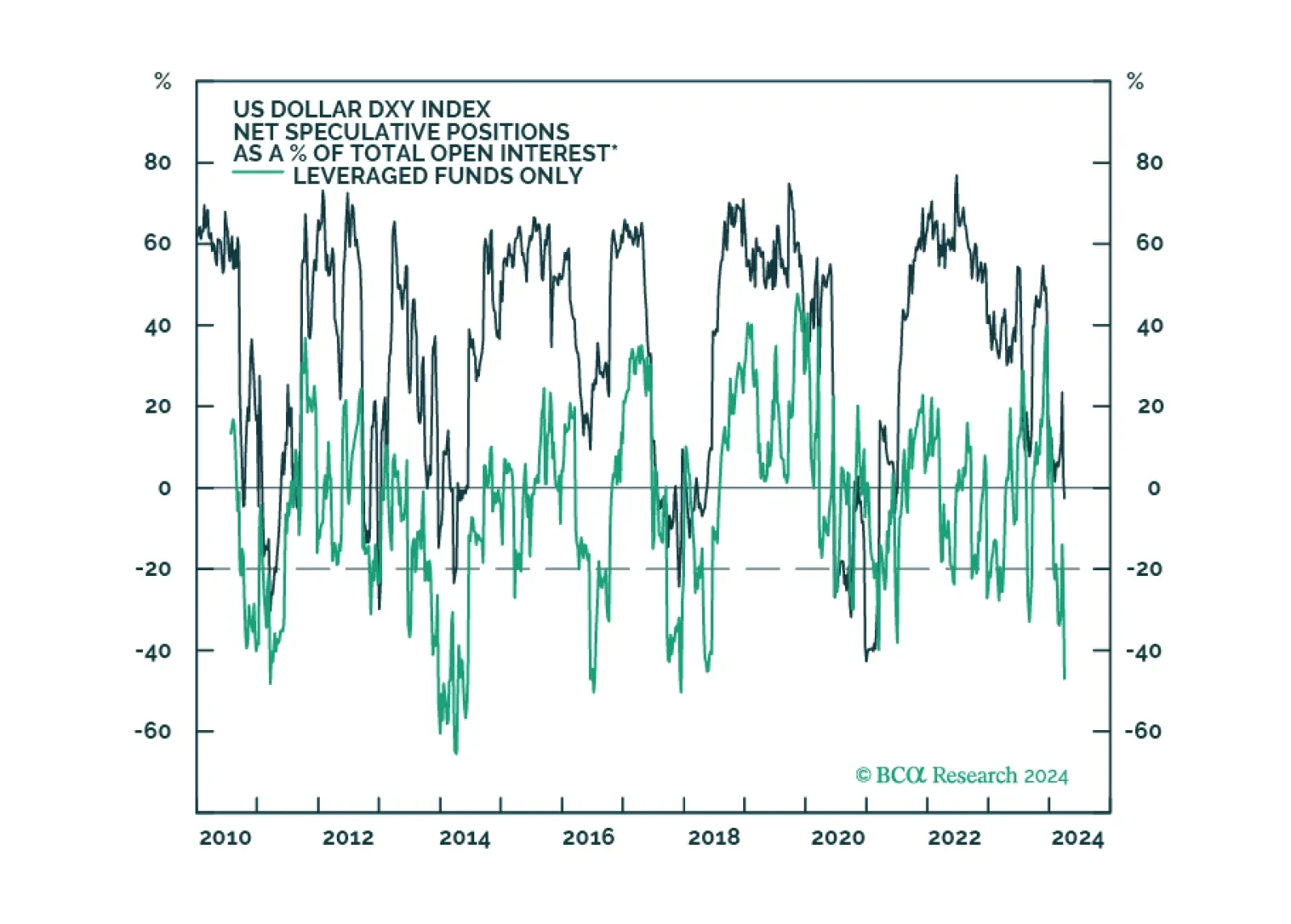
BCA Research’s Foreign Exchange Strategy service maintains a neutral view on the dollar for the next three months. The team continues to believe that the dollar is due for a long-term bear market, but momentum is in favor of the DXY in the near term. The DXY…
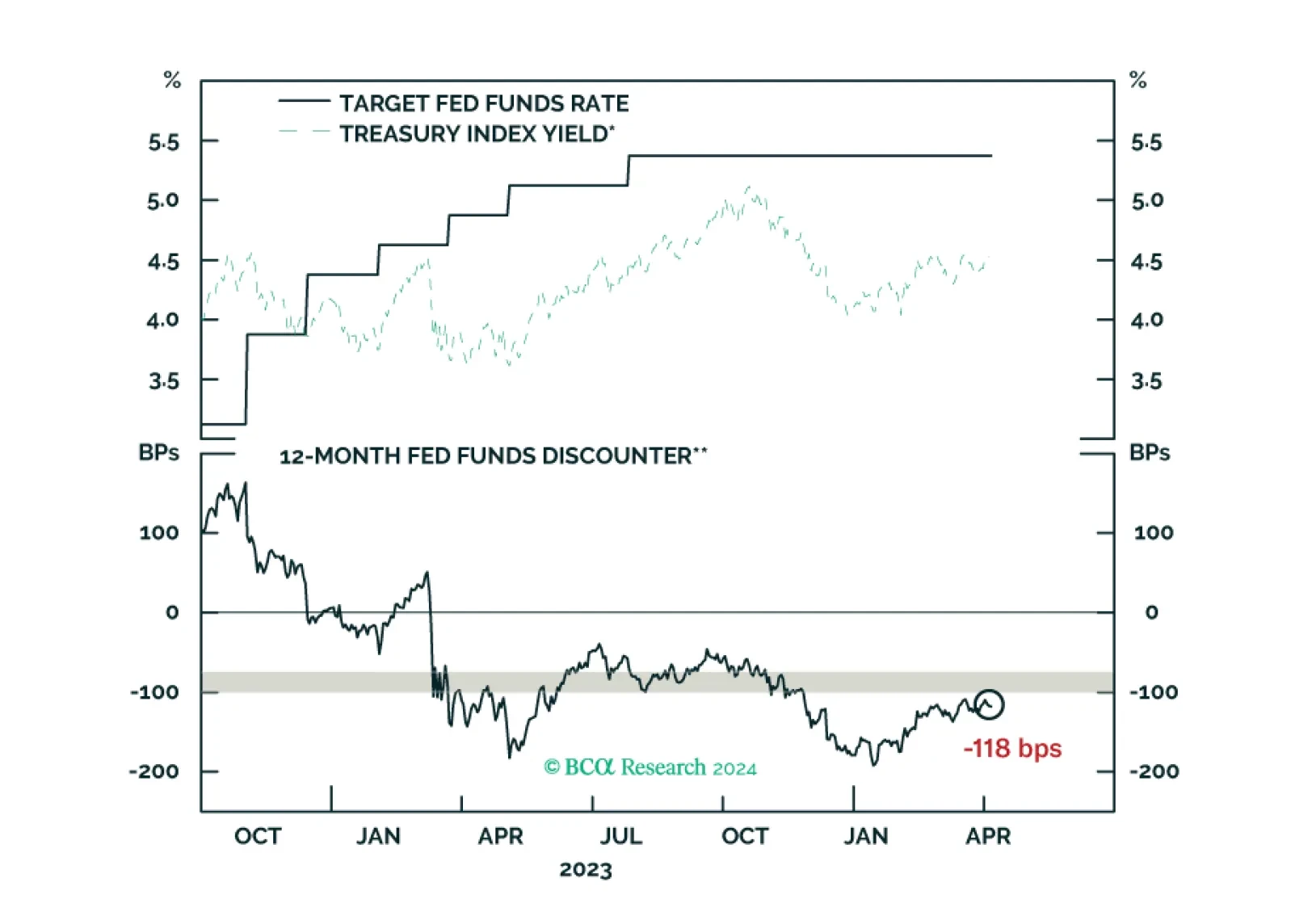
Our reaction to this morning’s employment report and bond market moves.
In this report, we review our trade recommendations based on incoming data in the last month.
The final UK S&P Global Services and Composite PMIs for March were both revised down slightly from their flash estimates. While the report indicates that activity is still expanding, there has been a clear loss in momentum since February. The Composite PMI…
It is too early for the RBA to begin cutting rates. Inflation remains above target, with core CPI currently standing at 3.4%, one of the highest numbers amongst major economies. The labor market is also fundamentally strong. Australia’s unemployment rate…
As a small open economy, Sweden’s economic performance is a good barometer of global growth developments. Swedish PMIs for March were overall positive. The Manufacturing PMI rose to the 50 boom-bust line following 19 consecutive months of contraction and…
Flash estimates for Euro Area inflation in March surprised to the downside. Headline inflation slowed from 2.6% to 2.4% versus expectations of 2.5% and core inflation eased from 3.1% to 2.9% versus expectations of 3%. While the stickiness of services…
The US manufacturing sector appears to be enjoying a revival. As we highlighted yesterday, the ISM manufacturing PMI unexpectedly returned to growth in March and the S&P Global US manufacturing PMI remains in expansion territory. Yet, service sector activity…