Sorry, you need to enable JavaScript to visit this website.
Skip to main content

AI

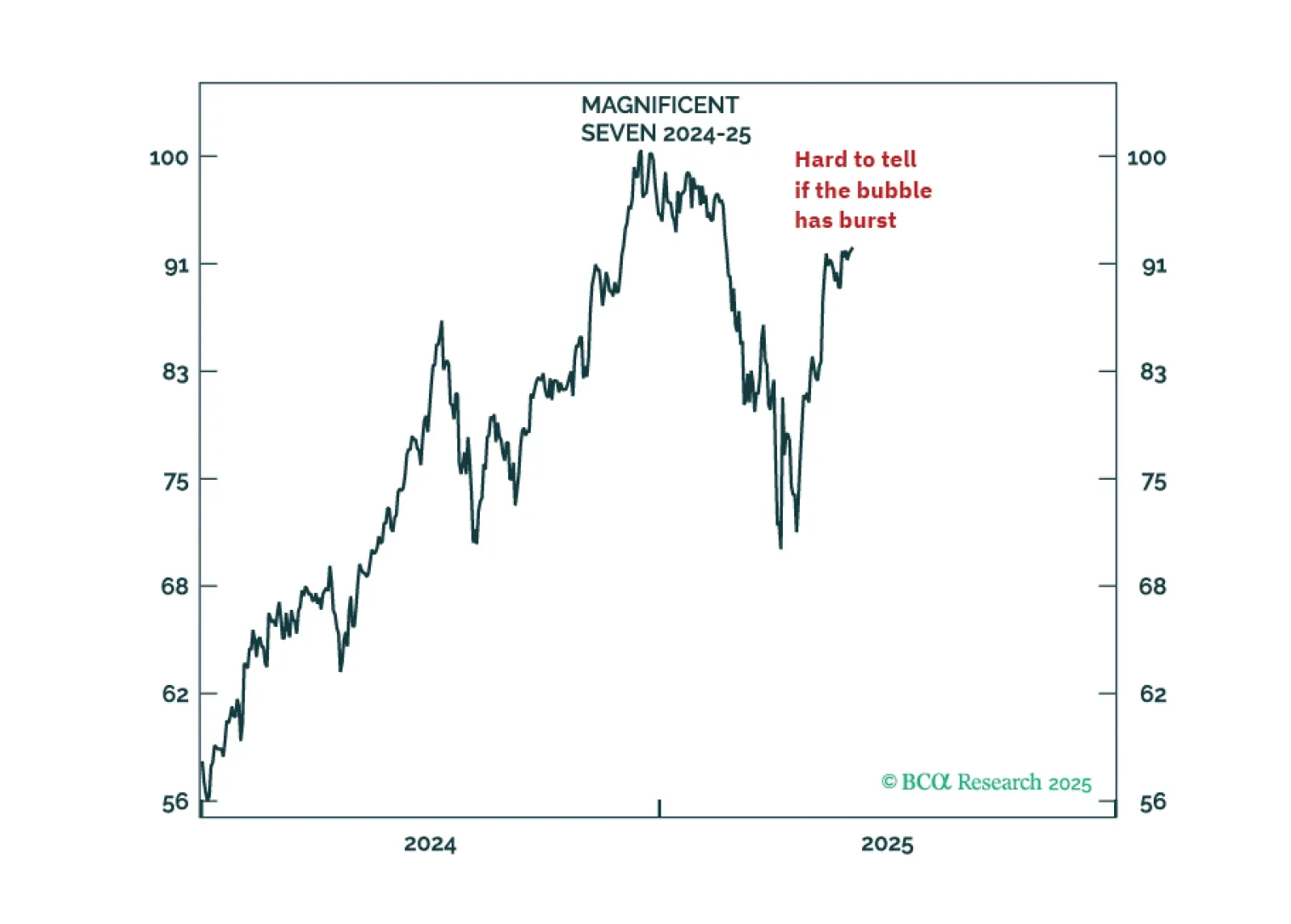
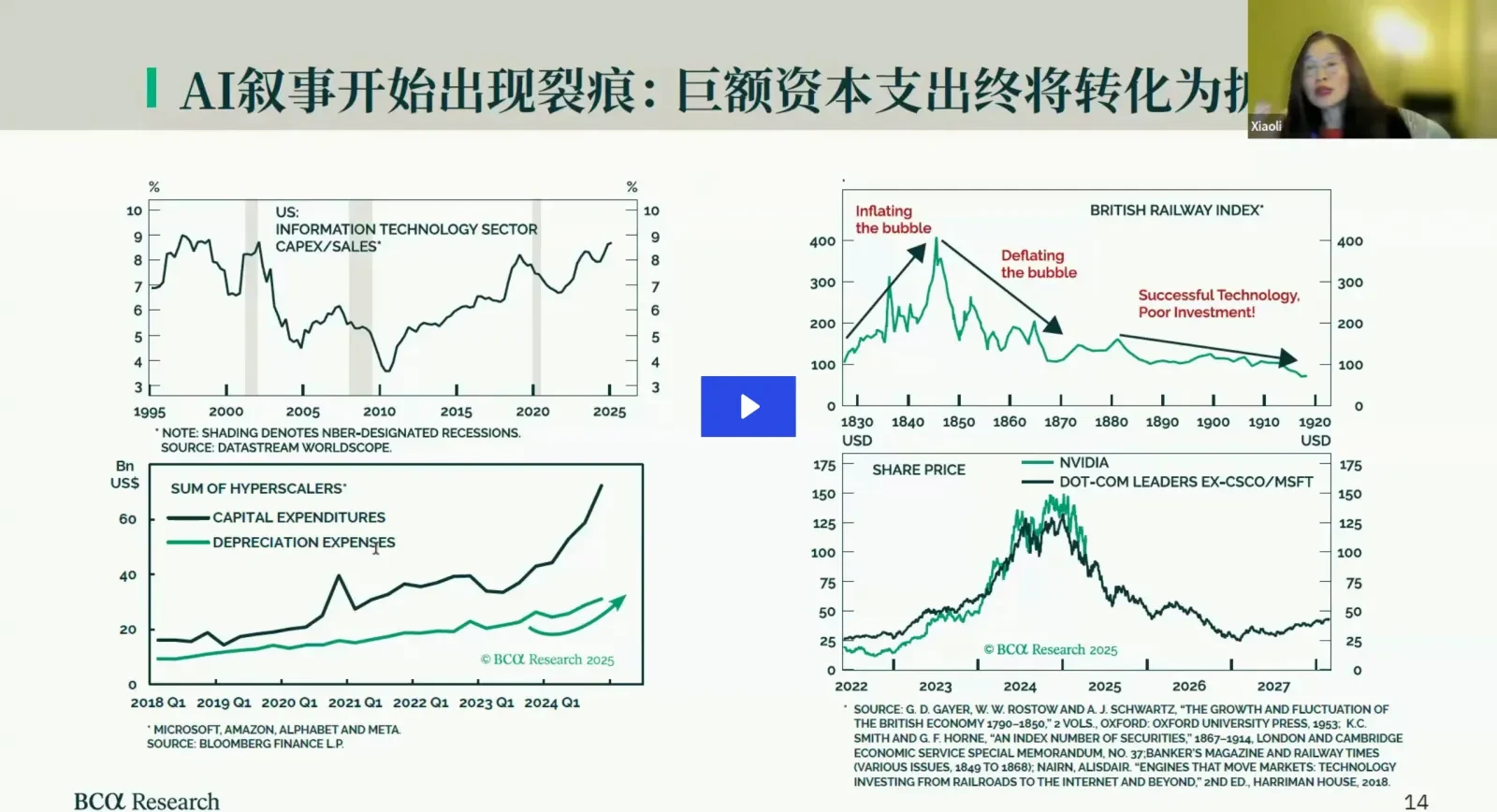
The AI craze could further lift stock prices, boost capex, and delay the onset of the next recession. Looking further out, reaping the profit windfall from AI may take longer than many investors expect.

Once the debt ceiling soap opera ends, investors will likely turn their attention to some of the tailwinds supporting stocks. These include stronger earnings growth, diminished bank stresses, better housing data, early signs of an upleg in the manufacturing cycle, the prospects of an AI-driven productivity boom, and the fact that labor slack has managed to increase without rising unemployment. Investors should resist turning bearish on stocks for now but look to become more defensive later this year.

The Q1-2023 earnings season has surprised as companies’ results point to the end of the earnings recession. However, the good news is already priced in – the market has barely budged over the past six weeks. Earnings rebound may continue as long as the economy avoids a recession. However, inevitably, tighter monetary policy will weigh on demand, and recovery will come to a halt.

The conventional economic thinking about the likely impact of AI is misguided because it extrapolates linearly from what AI can do today to what it can do tomorrow. Just as the investment community and the broader public were blindsided by the exponential rise in Covid cases during the early days of the pandemic, they will be blindsided by how quickly AI transforms society and the economy.

According to BCA Research’s Global Investment Strategy service, AI’s progression is following an exponential curve, not a linear one, meaning that advances could come much faster than expected. If humanity survives the transition to superintelligent AI,…

The conventional economic thinking about the likely impact of AI is misguided because it extrapolates linearly from what AI can do today to what it can do tomorrow. Just as the investment community and the broader public were blindsided by the exponential rise in Covid cases during the early days of the pandemic, they will be blindsided by how quickly AI transforms society and the economy.

Innovative Tech will face macroeconomic headwinds in a new “higher for longer” interest regime. Yet, the long-term opportunity of the cohort is tremendous. Investors need to be judicious with the timing of adding new capital to these themes to bolster long-term returns.

Generative AI is a major technological breakthrough that holds tremendous economic and investment promise and will have sweeping effects on wide swaths of the economy. We are bullish on generative AI as a long-term investment theme. However, at the moment we observe hallmarks of an investment frenzy. We believe that there will be a more attractive entry point for patient investors.

Executive Summary Robotization Is Gaining Pace The Robot Revolution The Robot Revolution ​​​​In today’s publication, we will zero in on one of the most exciting areas of technological innovation that also presents substantial long-term investment potential – robotics. The robotics industry is expected to grow steadily both in the US and abroad thanks to a confluence of favorable long-term trends such as deteriorating global demographics, and a shift of manufacturing toward onshoring and customization. Thanks to technological breakthroughs in the areas of AI, machine learning, lidars, and machine vision, robots are becoming more intelligent and dexterous, thus suitable for an increasing list of tasks and applications. Robots are also becoming more affordable, which is a catalyst for ubiquitous adoption. Increased connectivity and broad-based automation and robotization, are ushering in Industrial Revolution 4.0, improving productivity manyfold. Over time, robotics will change our world beyond recognition, improving not only manufacturing and service industries but also our daily lives. Bottom Line: Robotics is an exciting story of technological innovation, which also presents substantial long-term investment potential. And while the US equity market is likely to remain volatile for months to come, the recent correction in robotics stocks presents an attractive entry point for patient investors with longer investment horizons.     Chart 1US Manufacturers Cannot Fill In Vacant Positions, Wages Are Surging US Manufacturers Cannot Fill In Vacant Positions, Wages Are Surging US Manufacturers Cannot Fill In Vacant Positions, Wages Are Surging Last month we published a report: “Industrials: A Trifecta Of Positives” in which we noted that the US is entering a period of industrial boom prompted by favorable government policy and generous spending, and strong new trends in onshoring and automation (Chart 1). This trifecta of positives helps the sector defy the gravity of the slowing economy.   In this week’s publication, we will zero in on automation and robotization. This is one of the most exciting areas of technological innovation, which presents substantial long-term investment potential. And while the US equity market is likely to remain volatile for months to come, robotics ETFs such as BOTZ, ROBO, IRBO, and ROBT are off some 40%-50% from their recent post-pandemic peaks (Table 1) and present an attractive entry point for patient investors with longer investment horizons. Table 1An Attractive Entry Point for Long-term Investors The Robot Revolution The Robot Revolution What Is A Robot? Recent breakthroughs in AI and robotics technology are awe-inspiring and unsettling. The "robot revolution" could be as transformative as previous General Purpose Technologies (GPT), including the steam engine, electricity, and the microchip. GPTs are technologies that radically alter the economy's production process and make a major contribution to living standards over time The most basic definition is "a device that automatically performs complicated and often repetitive tasks". Interestingly, according to the definition of the International Standards Organization (ISO), software (bots, AI, process automation), remotely controlled drones, voice assistants, autonomous cars, ATMs, smart washing machines, etc. are not robots. Broadly speaking, there are three types of robots: Industrial, service, and collaborative (cobots). Industrial robots work on assembly lines in manufacturing, service robots perform necessary as well as potentially harmful tasks for humans, while collaborative robots (or “cobots”) work next to human workers. We will discuss different types of robots in more depth in later sections. Robotics Industry Is Growing Steadily Global Adoption Chart 2Robotization Is Gaining Pace The Robot Revolution The Robot Revolution According to the International Federation of Robotics, as of 2020, industrial robot stock has constituted 3 million units and between 2015 and 2020 has been growing at 13% per year. A total of 383,000 units of industrial robots were installed in 2020. Industrial robots reported record preliminary sales in 2021, with 486,800 units shipped globally, a 27% increase from 2020. The pace of installations is forecasted to stay robust well into 2024 (Chart 2). Service robot adoption has also clearly been crossing the chasm: In 2020, nearly 132,000 service robots were installed, a 41% increase over 2019, and 19 million consumer service robots were installed, a 6% increase over 2019. Together, the service robot turnover was approximately $12 billion in 2020. The US Is Lagging But The Pace Is Accelerating Chart 3Industrial Robots Across The Globe The Robot Revolution The Robot Revolution The US has been lagging other developed countries in terms of automation and robotization (Chart 3). However, labor shortages brought about by the pandemic appear to have “moved the needle.” According to the Association for Advancing Automation (A3), the number of robots sold in the US in 2021 rose by 27% over 2020 with 49,900 units installed. 2022 is on pace to exceed previous records, with North American companies ordering a record 11,595 robots in Q1, a 28% increase over Q1-2021. Multiple Tailwinds Promote Ubiquitous Robotization The robotics industry is expected to grow steadily both in the US and abroad thanks to a confluence of forces, such as deteriorating global demographics, manufacturing shifts toward onshoring and customization, and technological breakthroughs that make robots more capable and affordable.  Aging Population Leads To Labor Shortages Populations in both developed and emerging markets is aging: More people both in high and upper-middle-income countries will retire in the next decade than will enter the workforce, making labor shortages inevitable. In the US, the problem is particularly acute. Since 2020, labor force participation has declined from 63.4% to 62.4%, most likely due to early retirements, while the unemployment rate stands at a historically low 3.7%. There are two job openings per job seeker, and many businesses report difficulty finding qualified staff. As companies are struggling to fill existing openings, they are increasingly turning towards robots: Replacing labor with automation/robots allows them to produce more and avoid a profit margin squeeze. IFR reports that an increasing number of small- and medium-sized businesses are deploying robots.  Related Report  US Equity StrategyIndustrials: A Trifecta Of Positives Onshoring And Reshoring As we pointed out in the recent report on Industrials, the onset of the pandemic and geopolitical tensions have accelerated the pace of reshoring. Supply chain disruptions have highlighted corporate vulnerabilities and made companies realize that “just-in-case” trumps “just-in-time.” However, companies that bring their businesses back home do realize that finding workers is a challenge, while labor costs are many times higher. Hence, one of the solutions they pursue is automation and robotization.   Mass Customization The “new normal” in many industries is mass customization, i.e., variations for a growing number of products, dubbed a “batch of one.” The shift towards high mix, low volume production raises the importance of manufacturing flexibility and agility – and that is when the industrial robot, capable of working in high to low-volume productions on simple to complex processes, comes to the rescue. The Lower Total Cost Of Ownership Technological advances have made robots both more sophisticated and more affordable. In addition, to a growing supply of low-cost robots, there are also novel pricing models, such as “Robots-as-a-Service” and pay-as-you-use, which support the ubiquitous adoption of robots even by smaller enterprises. Technological Breakthroughs Recent advances in artificial intelligence (AI), computer vision, radars, and networks have expanded the range of tasks that robots can do. Effectively, new technology gives the robot the ability to see, hear, and pick up objects, acting differently according to the data the robot receives, offering it a certain level of autonomous decision-making. Now that robots can “see” and “hear,”, they are being taught how to “feel,” and some of the recent technological advances are truly mind-boggling. Glasgow University researchers have developed ultra-sensitive electronic skin that learns from sensations it experiences. A robotic hand covered with the new e-skin recoiled from what it recognized as “painful” stimuli. This new technology will allow robots to interact with the world in a whole new way, an invention that can be leveraged in a wide range of applications, from prosthetic limbs to the “internet-of-things”.1 And this is just one of many recent inventions. Virtuous Cycle Of Innovation The Robotics industry is going through a perpetual and ever-accelerating cycle of innovation (Chart 4). Improvements to one domain of robotic applications can be transferred to others, benefitting from “adjacent” technologies. In other words, innovations in vacuum cleaners or transport trucks can be easily applied to other areas of robotics, as despite differences in prices and value-add, all the robotic applications are trying to solve the same problems. Advances in different fields in robotics create opportunities for ever more applications, creating a virtuous cycle. Chart 4Robotics Will Enter Into A Virtuous Cycle The Robot Revolution The Robot Revolution Furthermore, robotics is a poster child for Moore’s Law, which refers to the phenomenon whereby transistors on a microchip double every two years, eventually leading to exponential improvements in computing power. Automation and robotics take advantage of these improvements as they are challenged with more complex tasks. We predict the virtuous cycle for robots will span several decades. As the cost of automation drops, better solutions will be developed, resulting in the ‘early retirement’ of dated but otherwise fully functional robotic systems. The following is a brief synopsis of advances in technology and their applications to robotics. Technologies That Help Robots Act Like Humans AI And Machine Learning (ML) AI and ML not only teach robots to perform certain tasks but also makes machines more intelligent by training them to act in different scenarios. To do this, vast amounts of data are consumed. For example, to “teach” a robot to recognize an object and act accordingly, a massive number of images are used to train the computer vision model. Dexterity And Deep Imitation Learning One of the major challenges of roboticists is improving the dexterity of robots and empowering them to manipulate objects gripped by the hand, akin to humans. Some researchers are using machine learning to empower robots to independently identify and work out how to grab objects. Deep Imitation Learning, neural-network-based algorithms, allow the robot to “learn” from humans. For example, in a robotics study led by researchers from the University of Tokyo, the machine learning embedded in the robot practiced a method observed by a human demonstrator. After watching one of the researchers peel a banana periodically for thirteen hours, a robot successfully learned how to peel a banana without crushing the fruit.2 There are also major improvements in hardware, with grippers ranging from pincer-like appendages to human-like hands. Lidar Lidar (Light Detection and Ranging) technology uses sophisticated laser radars that allow robots to navigate their surroundings through object perception, identification, and collision avoidance. Lidar sensors provide information in real-time about the robot’s surroundings such as walls, doors, people, and various objects. While originally expensive, Lidar costs are starting to fall thanks to a more effective chip design and more economical mechanical implementation. Lidars are crucial for advances in industrial automation and warehouse robots. Machine Vision Deep Learning has brought about a groundbreaking advancement in machine vision. One of the early hurdles in machine vision may be described with a simple question: “Am I looking at a large object that’s far away or a tiny object that’s up close?”  The modern approach to answering this question is to use both 3-D cameras and the context. 3-D is simulated by using two or more overlapping cameras, correlating the information on camera movements with changing images from the cameras. Deep Learning algorithms help formulate the context of these changing images.3 Machine vision provides higher quality mapping at a more affordable cost than Lidar, especially when it comes to indoor robotics and automation. Industrial Internet Of Things In Robotics The implementation of the “Industrial Internet of Things” (IIoT) is vital for manufacturing automation and robotics. Its main goal is to create a constant tracking of inputs and outputs, enabling communication along the entire supply chain, passing data between enterprise level and plant floor systems, and improving productivity through the use of big data.  Robots working at different stages of the manufacturing process are interconnected, ensuring flawless production. IIoT technology aims to improve productivity by reducing human-to-human and human-to-computer interactions, reducing costs, and minimizing the probability of mistakes. Similar to smart homes, IIoT factories are smart factories.4 Industrial Revolution 4.0 Early industrial robots performed very specific operations under carefully controlled conditions – an assembly robot that encountered a misaligned component would simply install it that way, resulting in a defective product. However, thanks to improvements in vision systems, computing, AI, and mechanics, the ability of robots to perform increasingly complex tasks that involve some limited decision-making has improved. Increased connectivity, brought about by IIoT, and ubiquitous automation and robotization, are ushering in a new Industrial Revolution, dubbed 4.0. As in previous industrial revolutions, innovation improves productivity manifold. Chart 5Robots Are Proficient In Many Tasks The Robot Revolution The Robot Revolution Industrial robots are deployed to carry out a wide variety of tasks (Chart 5). Arc welding, spot welding, assembly, palletizing, material removal, inspection, material handling, and packaging are some of the most popular applications for robots, but the list does not stop with just those. Industrial robots limit the need for human interaction while being able to complete tasks accurately with a high level of repeatability. Proficiency with these many tasks allows robots to add value to a multitude of industries, such as automotive, electronics, aerospace, food, and medical. While in the past the automotive sector was the key end-demand market for global robotics sales, non-automotive sales now represent 58% of the total, demonstrating a broadening reach of automation. Metals, Auto, and Food and Consumer Goods have the highest growth in terms of the purchase of robots (Charts 6 & 7). Chart 6Robots Are Gaining Traction In Multiple Industries The Robot Revolution The Robot Revolution Chart 7In The US, Robotization Is Broad-Based The Robot Revolution The Robot Revolution We expect the rising digitalization of the manufacturing sector to lead to a new wave of automation investment in developed countries. Key Players In Industrial Robots Space The global industrial robotics market is largely dominated by established Japanese and European companies: ABB, Yaskawa, KUKA, and Fanuc. However, the sizzling demand for robots demonstrates that technological breakthroughs are no longer just about the established players, as many industrial companies, such as Rockwell Automation, Eaton, and Caterpillar, are becoming leaders in this new space. These companies also reach across the aisle to software companies to leverage their expertise in data storage, computing, and artificial intelligence. Rockwell has recently partnered with Microsoft, while others are acquiring software companies. Deere has acquired GUSS Automation, a pioneer in semi-autonomous spring for high-value crops. These companies will benefit from strong demand for their products and should exhibit strong sales and profit growth. Service Robots Are Here To Help Service robots can significantly benefit humans in a variety of fields, including healthcare, automation, construction, household, and entertainment. These robots are managed by internal control systems, with the option of modifying the operation manually. These service robots remove the possibility of human error, manage time, and increase production by lowering the workload of staff and labor. Chart 8Service Robots Across Industries The Robot Revolution The Robot Revolution Service robots are quickly becoming an essential part of business for service-focused companies in healthcare, logistics, and retail (Chart 8). Developments in edge artificial intelligence processors and the arrival of 5G telecom services are likely to propel the market for service robots to new heights. The usage of service robots is extremely broad and range from cleaning to preparing meals to delivering goods. The following are some of the key areas that benefit from service robots. Healthcare Common duties assigned to service robots include setting up patient rooms, tracking inventory and placing orders, and transporting supplies, medication, and linens. Cleaning and disinfection robots can also help create a safe and sanitized facility for everyone. Further, robots assist in performing difficult surgeries and medical procedures.  Robots also help the elderly and disabled. For example, ReWalk has developed a wearable robotic exoskeleton that provides powered hip and knee motion to enable individuals with spinal cord injury (SCI) to stand upright, walk, turn, and climb and descend stairs. The system allows independent, controlled walking while mimicking the natural gait pattern of the legs. Military Defense Autonomous Mobile Robots (AMR) are helpful for combating fires, disarming bombs, and traversing through dangerous areas. Fully automated drone robots are indispensable for military intelligence and combat operations. Logistics As e-commerce sales continue to surge, logistics businesses are using service robots to help overcome current labor shortages, assist current workers to avoid workforce burnout, and enable warehouse automation. Robotic arms are often assigned tasks like picking, placing, and sorting objects, and because these cobots can navigate warehouses independently, they are used to deliver materials to human workers for accurate and efficient order fulfillment. Some logistics companies, such as FedEx, are experimenting with using AMR for last-mile delivery of goods, which is often the most expensive and least productive part of the entire delivery chain. AMR can navigate sidewalks, unpaved surfaces, and steps while carrying cargo. Key Players In Service Robots Space Many US companies are active in this space. Amazon (AMZN) developed robots to support its fulfillment center operation: Robots help automate storage and retrieval mechanisms throughout vast warehouses. IRobot (IRBT) has developed a series of AI-enabled robot vacuums, mops, and pool cleaners – friendly pet-like bots you may see in many American homes. There are also highly sophisticated surgical robots, developed by Stryker (SYK) and Intelligent Surgical (ISRG).  Collaboration Between Humans And Robots Collaboration between humans and robots is still in its infancy but it is one of the fastest-growing fields within robotics. Cobots work alongside humans, allowing humans to be more productive and avoid tedious or strenuous tasks. Cobots can be installed directly in the current production system, with less space than conventional robots. Equipped with intelligent features such as vision and force sensors, the flexibility of cobots means they can perform tasks like parts handling, assembly, and bin picking. Manufacturers adopting cobots, particularly those featuring vision and inspection systems, are seeing an increase in quality and efficiency. Investment Characteristics I hope we have convinced our readers that Robotics is a promising long-term investment theme. We also noted that the robotics ETFs are currently down substantially from their peaks. However, this report would not have been complete without a closer look at the investment characteristics of the robotics ETFs. A few salient points: Table 2Price Sensitivity The Robot Revolution The Robot Revolution Robotics ETFs have betas to the S&P 500 ranging from 1.2 to 1.4 (Table 2), which signals that the robotics sector is a high octane play on the US equity market. The recent pullback in the S&P 500 was particularly punishing for the stocks exposed to robotics. In terms of market capitalization, companies in this space tend to be smaller than the median company in the S&P 500, as they constitute the robotics ecosystem and supply chain (AI, Lidar), and tend to be younger and smaller. Robotics ETFs have always traded at a premium to the market given their superb growth potential. However, currently, ROBO ETF, which is a proxy for the rest of the cohort on a relative basis, is trading just under a half standard deviation above the historical mean (Chart 9). In terms of macroeconomic exposure, all of the robotics ETFs have a pronounced negative exposure to the US dollar – after all, robotics and automation are a global phenomenon. A stronger dollar makes American multinational sales from abroad lower both because of the translation effect and higher prices. The robotics theme doesn’t have much exposure to interest rates, inflation, or commodities, but is somewhat positively exposed to bitcoin (Table 3). Chart 9Valuations And Technicals Are Attractive Valuations And Technicals Are Attractive Valuations And Technicals Are Attractive Table 3Robotics Is A High Octane Equities Theme With A Significant Sensitivity To USD The Robot Revolution The Robot Revolution Investment Implications Robotics is a compelling long-term investment theme as Industrial Revolution 4.0 is taking place in front of our eyes. And while over the short term, monetary tightening and slowing economic growth, both at home and abroad, will be a headwind; over time a new Google or Facebook may emerge in this space. We have already watched the success of Nvidia, a supplier of sophisticated chips for the industry. Table 4Comparing ETFs The Robot Revolution The Robot Revolution There are four ETFs that focus on Robotics and Automation (Table 4). BOTZ Is the largest ETF with $2.1 billion AUM, followed by ROBO at $1.7 billion, which is also the most expensive (Table A1 in the Appendix) Which one is the best? To answer this question, we have turned to the quant wizards at the BCA Equity Analyzer team. To compare the ETFs, they have assigned a BCA stock selection and Owl Analytics ESG scores to stocks in each of the robotics ETFs, to calculate composites.  We note the BCA composite score is low across the board, as robotics as a nascent investment theme scores low on valuations. We note that while ESG scores are comparable across the portfolios, there is some variation in BCA scores. Overall, ROBO is marginally better than the other options: It has the highest BCA score and is the most liquid. It also has a lower beta to the S&P 500 than BOTZ and IRBO, making it slightly less risky. Unfortunately, it is also the most expensive.  Bottom Line Robotics is an exciting long-term theme that benefits from multiple tailwinds, such as demographic trends, continuous technological innovation, reshoring, and customization. Robots are also becoming more intelligent and dexterous, and have better “senses,” making them suitable for an increasing list of tasks and applications. Robots are also becoming more affordable, which is a catalyst for ubiquitous adoption. Over time, robotics will change our world beyond recognition, improving not only manufacturing and service industries but also our daily lives. And that is a future from which investors should certainly profit.    Irene Tunkel Chief Strategist, US Equity Strategy irene.tunkel@bcaresearch.com   Appendix Table A1ETF Universe The Robot Revolution The Robot Revolution Footnotes 1     Clive Cookson in London, "Ouch! Robotic hand with smart skin recoils when jabbed in the palm,”  Financial Times, June 1, 2022, ft.com 2     Ron Jefferson, "Deep Learning Robot with Fine Motor Skills Peel Bananas Without Crushing the Fruit,”  Science Times, March 29, 2022, sciencetimes.com 3     "Is Lidar Going to be Replaced by Machine Vision?”  LiDAR News, January 12, 2022, blog.lidarnews.com 4     Jennifer Stowe, "Automation‌ ‌and‌ ‌IoT‌‌: ‌Transforming‌ ‌How‌ ‌Industries‌ ‌Function‌‌,”  IoT For All, October 12, 2020, iotforall.com Recommended Allocation Recommended Allocation: Addendum The Robot Revolution The Robot Revolution
Highlights Investors should view social media as a technological innovation with negative productivity growth. Social media has contributed to policy mistakes – such as fiscal austerity and protectionism – that have acted as shocks to aggregate demand over the past 15 years. The cyclical component of productivity was long lasting in nature during the last economic expansion. Forces that negatively impact economic growth but do not change the factors of production necessarily reduce measured productivity, and repeated policy mistakes strongly contributed to the slow growth profile of the last economic cycle. Political polarization in a rapidly changing world is the root cause of these policy shocks, but social media likely facilitated and magnified them. The risks of additional mistakes from populism remain present, even before considering other risks to society from social media: a reduction in mental health among young social media users, and the role that social media has played in spreading misinformation. A potential revival in protectionist sentiment is a risk to a constructive cyclical view that we will be closely monitoring over the coming 12-24 months. Investors with concentrated positions in social media stocks should be aware of the potential idiosyncratic risks facing these companies from the public’s impression of the impact of social media on society – especially if social media companies come to be widely associated with political gridlock, the polarization of society, and failed economic policies (as already appears to be the case). Feature Investors should view social media as a technological innovation with negative productivity growth. Social media has contributed to policy mistakes – such as fiscal austerity and protectionism – that have acted as shocks to aggregate demand over the past 15 years. Political polarization in a rapidly changing world is the root cause of these policy shocks, but social media likely facilitated and magnified them. While the risk of premature fiscal consolidation appears low today compared to the 2010-14 period, the pandemic and its aftermath could force the Biden administration or Congressional Democrats toward protectionist or otherwise populist actions over the coming year in the lead up to the 2022 mid-term elections. The midterms, for their part, are expected to bring gridlock back into US politics, which could remove fiscal options should the economy backslide. Frequent shocks during the last economic expansion reinforced the narrative of secular stagnation. In the coming years, any additional policy shocks following a return to economic normality will again be seen by both investors and the Fed as strong justification for low interest rates – despite the case for cyclically and structurally higher bond yields. In addition, investors with concentrated positions in social media companies should take seriously the long-term idiosyncratic risks facing these stocks. These risks stem from the public’s impression of the impact of social media on society, particularly if social media comes to be widely associated with political gridlock, the polarization of society, and failed economic policies. A Brief History Of Social Media The earliest social networking websites date back to the late 1990s, but the most influential social media platforms, such as Facebook and Twitter, originated in the mid-2000s. Prior to the advent of modern-day smartphones, user access to platforms such as Facebook and Twitter was limited to the websites of these platforms (desktop access). Following the release of the first iPhone in June 2007, however, mobile social media applications became available, allowing users much more convenient access to these platforms. Charts II-1 and II-2 highlight the impact that smartphones have had on the spread of social media, especially since the release of the iPhone 3G in 2008. In 2006, Facebook had roughly 12 million monthly active users; by 2009, this number had climbed to 360 million, growing to over 600 million the year after. Twitter, by contrast, grew somewhat later, reaching 100 million monthly active users in Q3 2011. Chart II-1Facebook: Monthly Active Users August 2021 August 2021 Chart II-2Twitter: Monthly Active Users Worldwide August 2021 August 2021   Social media usage is more common among those who are younger, but Chart II-3 highlights that usage has risen over time for all age groups. As of Q1 2021, 81% of Americans aged 30-49 reported using at least one social media website, compared to 73% of those aged 50-64 and 45% of those aged 65 and over. Chart II-4 highlights that the usage of Twitter skews in particular toward the young, and that, by contrast, Facebook and YouTube are the social media platforms of choice among older Americans. Chart II-3A Sizeable Majority Of US Adults Regularly Use Social Media A Sizeable Majority Of US Adults Regularly Use Social Media A Sizeable Majority Of US Adults Regularly Use Social Media Chart II-4Older Americans Use Facebook Far More Than Twitter August 2021 August 2021 Chart II-5Social Media Has Changed The Way People Consume News August 2021 August 2021 As a final point documenting the development and significance of social media, Chart II-5 highlights that more Americans now report consuming news often (roughly once per day) from a smartphone, computer, or tablet other than from television. Radio and print have been completely eclipsed as sources of frequent news. The major news publications themselves are often promoted through social media, but the rise of the Internet has weighed heavily on the journalism industry. Social media has, for better and for worse, enabled the rapid proliferation of alternative news, citizen journalism, rumor, conspiracy theories, and foreign disinformation. The Link Between Social Media And Post-GFC Austerity Following the 2008-2009 global financial crisis (GFC), there have been at least five deeply impactful non-monetary shocks to the US and global economies that have contributed to the disconnection between growth and interest rates: A prolonged period of US household deleveraging from 2008-2014 The Euro Area sovereign debt crisis Fiscal austerity in the US, UK, and Euro Area from 2010 – 2012/2014 The US dollar / oil price shock of 2014 The rise of populist economic policies, such as the UK decision to leave the European Union, and the US-initiated trade war of 2018-2019. Among these shocks to growth, social media has had a clear impact on two of them. In the case of austerity in the aftermath of the Great Recession, a sharp rise in fiscal conservatism in 2009 and 2010, emblematized by the rise of the US Tea Party, profoundly affected the 2010 US midterm elections. It is not surprising that there was a fiscally conservative backlash following the crisis: the US budget deficit and debt-to-GDP ratio soared after the economy collapsed and the government enacted fiscal stimulus to bail out the banking system. And midterm elections in the US often lead to significant gains for the opposition party However, Tea Party supporters rapidly took up a new means of communicating to mobilize politically, and there is evidence that this contributed to their electoral success. Chart II-6 illustrates that the number of tweets with the Tea Party hashtag rose significantly in 2010 in the lead-up to the election, which saw the Republican Party take control of the House of Representatives as well as the victory of several Tea Party-endorsed politicians. Table II-1 highlights that Tea Party candidates, who rode the wave of fiscal conservatism, significantly outperformed Democrats and non-Tea Party Republicans in the use of Twitter during the 2010 campaign, underscoring that social media use was a factor aiding outreach to voters. Chart II-6Tea Party Supporters Rapidly Adopted Social Media To Mobilize Politically Tea Party Supporters Rapidly Adopted Social Media To Mobilize Politically Tea Party Supporters Rapidly Adopted Social Media To Mobilize Politically Table II-1Tea Party Candidates Significantly Outperformed In Their Use Of Social Media August 2021 August 2021   And while it is more difficult to analyze the use and impact of Facebook by Tea Party candidates and supporters owing to inherent differences in the structure of the Facebook platform, interviews with core organizers of both the Tea Party and Occupy Wall Street movements have noted that activists in these ideologically opposed groups viewed Facebook as the most important social networking service for their political activities.1 Under normal circumstances, we agree that fiscal policy should be symmetric, with reduced fiscal support during economic expansions following fiscal easing during recessions. But in the context of multi-year household deleveraging, the fiscal drag that occurred in following the 2010 midterm elections was clearly a policy mistake. This mistake occurred partially under full Democratic control of government and especially under a gridlocked Congress after 2010. Chart II-7 highlights that the contribution to growth from government spending turned sharpy negative in 2010 and continued to subtract from growth for some time thereafter. In addition, panel of Chart II-7 highlights that the US economic policy uncertainty index rose in 2010 after falling during the first year of the recovery, reaching a new high in 2011 during the Tea Party-inspired debt ceiling crisis. Chart II-7The Fiscal Drag That Followed The 2010 Midterm Elections Was A Clear Policy Mistake The Fiscal Drag That Followed The 2010 Midterm Elections Was A Clear Policy Mistake The Fiscal Drag That Followed The 2010 Midterm Elections Was A Clear Policy Mistake Chart II-8Policy Mistakes Significantly Contributed To Last Cycle's Subpar Growth Profile Policy Mistakes Significantly Contributed To Last Cycle's Subpar Growth Profile Policy Mistakes Significantly Contributed To Last Cycle's Subpar Growth Profile In addition to the negative impact of government spending on economic growth, this extreme uncertainty very likely damaged confidence in the economic recovery, contributing to the subpar pace of growth in the first half of the last economic expansion. Chart II-8 highlights the weak evolution in real per capita GDP from 2009-2019 compared with previous economic cycles, which was caused by a prolonged household balance sheet recovery process that was made worse by policy mistakes. To be sure, the UK and the EU did not have a Tea Party, and yet political elites imposed fiscal austerity. It is also the case that President Obama was the first president to embrace social media as a political and public relations tool. So it cannot be said that either social media or the Republican Party are uniquely to blame for the policy mistakes of that era. But US fiscal policy would have been considerably looser in the 2010s if not for the Tea Party backlash, which was partly enabled by social media. Too tight of fiscal policy in turn fed populism and produced additional policy mistakes down the road. From Fiscal Drag To Populism While social media is clearly not the root cause of the recent rise of populist policies, it has had a hand in bringing them about – in both a direct and indirect manner. The indirect link between social media use and the rise in populist policies has mainly occurred through the highly successful use of social media by international terrorist organizations (chiefly ISIL) and its impact on sentiment toward immigration in several developed market economies. Chart II-9Terrorism And Immigration Likely Contributed To Brexit Terrorism And Immigration Likely Contributed To Brexit Terrorism And Immigration Likely Contributed To Brexit Chart II-9 highlights that public concerns about immigration and race in the UK began to rise sharply in 2012, in lockstep with both the rise in UK immigrants from EU accession countries and a series of events: the Syrian refugee crisis, the establishment and reign of the Islamic State, and three major terrorist attacks in European countries for which ISIL claimed responsibility. Given that the main argument for “Brexit” was for the UK to regain control over its immigration policies, these events almost certainly increased UK public support for withdrawing from the EU. In other words, it is not clear that Brexit would have occurred (at least at that moment in time) without these events given the narrow margin of victory for the “leave” campaign. The absence of social media would not have prevented the rise of ISIL, as that occurred in response to the US’s precipitous withdrawal from Iraq. The inevitable rise of ISIL would still have generated a backlash against immigration. Moreover, fiscal austerity in the UK and EU also fed other grievances that supported the Brexit movement. But social media accelerated and amplified the entire process.  Chart II-10Brexit Weakened UK Economic Performance Prior To The Pandemic Brexit Weakened UK Economic Performance Prior To The Pandemic Brexit Weakened UK Economic Performance Prior To The Pandemic Chart II-10 presents fairly strong evidence that Brexit weakened UK economic performance relative to the Euro Area prior to the pandemic, with the exception of the 2018-2019 period. In this period Euro Area manufacturing underperformed during the Trump administration’s trade war as a result of its comparatively higher exposure to automobile production and its stronger ties to China. Panel 2 highlights that GBP-EUR fell sharply in advance of the referendum, and remains comparatively weak today. Turning to the US, Donald Trump’s election as US President in 2016 was aided by both the direct and indirect effects of social media. In terms of indirect effects, Trump benefited from similar concerns over immigration and terrorism that caused the UK to leave the EU: Chart II-11 highlights that terrorism and foreign policy were second and third on the list of concerns of registered voters in mid-2016, and Chart II-12 highlights that voters regarded Trump as the better candidate to defend the US against future terrorist attacks. Chart II-11Terrorism Ranked Highly As An Issue In The 2016 US Election August 2021 August 2021 Chart II-12Voters Regarded Trump As Better Equipped To Defend Against Terrorism August 2021 August 2021 Trump’s election; and the enactment of populist policies under his administration, were directly aided by Trump’s active use of social media (mainly Twitter) to boost his candidacy. Chart II-13 highlights that there were an average of 15-20 tweets per day from Trump’s Twitter account from 2013-2015, and 80% of those tweets occurred before he announced his candidacy for president in June 2015. This strongly underscores that Trump mainly used Twitter to lay the groundwork for his candidacy as an unconventional political outsider rather than as a campaign tool itself, which distinguishes his use of social media from that of other politicians. In other words, new technology disrupted the “good old boys’ club” of traditional media and elite politics. Some policies of the Trump administration were positive for financial markets, and it is fair to say that Trump fired up animal spirits to some extent: Chart II-14 highlights that the Tax Cuts and Jobs Act caused a significant rise in stock market earnings per share. But the Trump tax cuts were a conventional policy pushed mostly by the Congressional leadership of the Republican Party, and they did not meaningfully boost economic growth. Chart II-15 highlights that, while the US ISM manufacturing index rose sharply in the first year of Trump’s administration, an uptrend was already underway prior to the election as a result of a significant improvement in Chinese credit growth and a recovery in oil prices after the devastating collapse that took place in 2014-2015. Chart II-13Trump Used Twitter To Lay The Groundwork For His Candidacy Trump Used Twitter To Lay The Groundwork For His Candidacy Trump Used Twitter To Lay The Groundwork For His Candidacy Chart II-14The Trump Tax Cuts A Huge Rise In Corporate Earnings The Trump Tax Cuts A Huge Rise In Corporate Earnings The Trump Tax Cuts A Huge Rise In Corporate Earnings   Chart II-15But The Tax Cuts Did Not Do Much To Boost Growth But The Tax Cuts Did Not Do Much To Boost Growth But The Tax Cuts Did Not Do Much To Boost Growth Similarly, Chart II-15 highlights that the Trump trade war does not bear the full responsibility of the significant slowdown in growth in 2019, as China’s credit impulse decelerated significantly between the passage of the Tax Cuts and Jobs Act and the onset of the trade war because Chinese policymakers turned to address domestic concerns. Chart II-16The Trade War Caused An Explosion In Global Trade Uncertainty The Trade War Caused An Explosion In Global Trade Uncertainty The Trade War Caused An Explosion In Global Trade Uncertainty But Chart II-16 highlights that the aggressive imposition of tariffs, especially between the US and China, caused an explosion in trade uncertainty even when measured on an equally-weighted basis (i.e., when overweighting trade uncertainty, in countries other than the US and China), which undoubtedly weighed on the global economy and contributed to a very significant slowdown in US jobs growth in 2019 (panel 2). Moreover, Chinese policymakers responded to the trade onslaught by deleveraging, which weighed on the global economy; and consolidating their grip on power at home. In essence, Trump was a political outsider who utilized social media to bypass the traditional media and make his case to the American people. Other factors contributed to his surprising victory, not the least of which was the austerity-induced, slow-growth recovery in key swing states. While US policy was already shifting to be more confrontational toward China, the Trump administration was more belligerent in its use of tariffs than previous administrations. The trade war thus qualifies as another policy shock that was facilitated by the existence of social media. Viewing Social Media As A Negative Productivity-Innovation A rise in fiscal conservatism leading to misguided austerity, the UK’s decision to leave the European Union, and the Trump administration’s trade war have represented significant non-monetary shocks to both the US and global economies over the past 12 years. These shocks strongly contributed to the subpar growth profile of the last economic expansion, as demonstrated above. Chart II-17Policy Mistakes, Partially Enabled By Social Media, Reduced Productivity During The Last Expansion Policy Mistakes, Partially Enabled By Social Media, Reduced Productivity During The Last Expansion Policy Mistakes, Partially Enabled By Social Media, Reduced Productivity During The Last Expansion Given the above, it is reasonable for investors to view social media as a technological innovation with negative productivity growth, given that it has facilitated policy mistakes during the last economic expansion. Chart II-17 underscores this point, by highlighting that multi-factor productivity growth has been extremely weak in the post-GFC environment. While productivity is usually driven by supply-side factors over the longer term, it has a cyclical component to it – and in the case of the last economic expansion, the cyclical component was long lasting in nature. Any forces negatively impacting economic growth that do not change the factors of production necessarily reduce measured productivity; it is for this reason that measured productivity declines during recessions; and policy mistakes negatively impact productivity growth. The Risk Of Aggressive Austerity Seems Low Today… Chart II-18State & Local Government Finances Are In Much Better Shape Today State & Local Government Finances Are In Much Better Shape Today State & Local Government Finances Are In Much Better Shape Today Fiscal austerity in the early phase of the last economic cycle was the first social media-linked shock that we identified, but the risk of aggressive austerity appears low today. Much of the fiscal drag that occurred in the aftermath of the global financial crisis happened because of insufficient financial support to state and local governments – and the subsequent refusal by Congress to authorize more aid. But Chart II-18 highlights that state and local government finances have already meaningfully recovered, on the back of bipartisan stimulus in 2020, while the American Rescue Plan provides significant additional funding. While it is true that US fiscal policy is set to detract from growth over the coming 6-12 months, this will merely reflect the unwinding of fiscal aid that had aimed to support household income temporarily lost, as a result of a drastic reduction in services spending. As we noted in last month’s report,2 goods spending will likely slow as fiscal thrust turns to fiscal drag, but services spending will improve meaningfully – aided not just by a post-pandemic normalization in economic activity, but also by the deployment of some of the sizable excess savings that US households have accumulated over the past year. Fiscal drag will also occur outside of the US next year. For example, the IMF is forecasting a two percentage point increase in the Euro Area’s cyclically-adjusted primary budget balance, which would represent the largest annual increase over the past two decades. But here too the reduction in government spending will reflect the end of pandemic-related income support, and is likely to occur alongside a positive private-sector services impulse. During the worst of the Euro Area sovereign debt crisis, the impact of austerity was especially acute because it was persistent, and it occurred while the output gap was still large in several Euro Area economies. Chart II-19 highlights that Euro Area fiscal consolidation from 2010-2013 was negatively correlated with economic activity during that period, and Chart II-20 highlights that, with the potential exception of Spain, this austerity does not appear to have led to subsequently stronger rates of growth. Chart II-19Euro Area Austerity Lowered Growth During The Consolidation Phase… August 2021 August 2021 Chart II-20…And Did Not Seem To Subsequently Raise Growth August 2021 August 2021   This experiment in austerity led the IMF to conclude that fiscal multipliers are indeed large during periods of substantial economic slack, constrained monetary policy, and synchronized fiscal adjustment across numerous economies.3 Similarly, attitudes about austerity have shifted among policymakers globally in the wake of the populist backlash. Given this, despite the significant increase in government debt levels that has occurred as a result of the pandemic, we strongly doubt that advanced economies will attempt to engage in additional austerity prematurely, i.e., before unemployment rates have returned close-to steady-state levels. …But The Risk Of Protectionism And Other Populist Measures Looms Large The role that social media has played at magnifying populist policies should be concerning for investors, especially given that there has been a rising trend towards populism over the past 20 years. In a recent paper, Funke, Schularick, and Trebesch have compiled a cross-country database on populism dating back to 1900, defining populist leaders as those who employ a political strategy focusing on the conflict between “the people” and “the elites.” Chart II-21 highlights that the number of populist governments worldwide has risen significantly since the 1980s and 1990s, and Chart II-22 highlights that the economic performance of countries with populist leaders is clearly negative. Chart II-21Populism Has Been On The Rise For The Past 30 Years August 2021 August 2021 The authors found that countries’ real GDP growth underperformed by approximately one percentage point per year after a populist leader comes to power, relative to both the country’s own long-term growth rate and relative to the prevailing level of global growth. To control for the potential causal link between economic growth and the rise of populist leaders, Chart II-23 highlights the results of a synthetic control method employed by the authors that generates a similar conclusion to the unconditional averages shown in Chart II-22: populist economic policies are significantly negative for real economic growth. Chart II-22Populist Leaders Are Clearly Growth Killers Even After… August 2021 August 2021 Chart II-23… Controlling For The Odds That Weak Growth Leads To Populism August 2021 August 2021 Chart II-24Inequality: The Most Important Structural Cause Of Populism And Polarization Inequality: The Most Important Structural Cause Of Populism And Polarization Inequality: The Most Important Structural Cause Of Populism And Polarization This is especially concerning given that wealth and income inequality, perhaps the single most important structural cause of rising populism and political polarization, is nearly as elevated as it was in the 1920s and 1930s (Chart II-24). This trend, at least in the US, has been exacerbated by a decline in public trust of mainstream media among independents and Republicans that began in the early 2000s and helped to fuel the public’s adoption of alternative news and social media. The decline in trust clearly accelerated as a result of erroneous reporting on what turned out to be nonexistent weapons of mass destruction in Iraq and other controversies of the Bush administration. Chart II-21 showed that the rise in populism has also yet to abate, suggesting that social media has the potential to continue to amplify policy mistakes for the foreseeable future. It is not yet clear what economic mistakes will occur under the Biden administration, but investors should not rule out the possibility of policies that are harmful for growth. The likely passage of a bipartisan infrastructure bill or a partisan reconciliation bill in the second half of this year will most likely be the final word on fiscal policy until at least 2025,4 underscoring that active fiscal austerity is not likely a major risk to investors. Spending levels will probably freeze after 2022: Republicans will not be able to slash spending, and Democrats will not be able to hike spending or taxes, if Republicans win at least one chamber of Congress in the midterms (as is likely). Biden has preserved the most significant of Trump’s protectionist policies by maintaining US import tariffs against China, and the lesson from the Tea Party’s surge following the global financial crisis is that major political shifts, magnified by social media, can manifest themselves as policy with the potential to impact economic activity within a two-year window. Attitudes toward China have shifted negatively around the world because of deindustrialization and now the pandemic.5 White collar workers in DM countries have clearly fared better during lockdowns than those of lower-income households. This has created extremely fertile ground for a revival in populist sentiment, which could force the Biden administration or Congressional Democrats toward protectionist or otherwise populist actions over the coming year, in the lead up to the 2022 mid-term elections. Investment Conclusions In this report, we have documented the historical link between social media, populism, and policy mistakes during the last economic expansion. It is clear that neither social media nor even populism is solely responsible for all mistakes – the UK’s and EU’s ill-judged foray into austerity was driven by elites. Furthermore, we have not addressed in this report the impact of populism on actions of emerging markets, such as China and Russia, whose own behavior has dealt disinflationary blows to the global economy. Nevertheless, populism is a potent force that clearly has the power to harness new technology and deliver shocks to the global economy and financial markets. The risks of additional mistakes from populism are still present, and that is even before considering other risks to society from social media: a reduction in mental health among young social media users, and the role that social media has played in spreading misinformation – contributing to the vaccine hesitancy in some DM countries that we discussed in Section 1 of our report. Two investment conclusions emerge from our analysis. First, we noted in our April report that there is a chance that investor expectations for the natural rate of interest (“R-star”) will rise once the economy normalizes post-pandemic, but that this will likely not occur as long as investors continue to believe in the narrative of secular stagnation. Despite the fact that the past decade’s shocks occurred against the backdrop of persistent household deleveraging (which has ended in the US), these shocks reinforced that narrative, and any additional policy shocks following a return to economic normality will again be seen by both investors and the Fed as strong justification for low interest rates. Thus, while the rapid closure of output gaps in advanced economies over the coming year argues for both cyclically and structurally higher bond yields, a revival in protectionist sentiment is a risk to this view that we will be closely monitoring over the coming 12-24 months. Chart II-25The Underperformance Of Social Media Would Not Excessively Weigh On The Broad Market The Underperformance Of Social Media Would Not Excessively Weigh On The Broad Market The Underperformance Of Social Media Would Not Excessively Weigh On The Broad Market Second, for tech investors, the bipartisan shift in public sentiment to become more critical of social media companies is gradually becoming a real risk, potentially affecting user growth. Based solely on Facebook, Twitter, Pinterest, and Snapchat, social media companies do not account for a very significant share of the overall equity market (Chart II-25), suggesting that the impact of a negative shift in sentiment toward social media companies would not be an overly significant event for equity investors in general. Chart II-25 highlights that the share of social media companies as a percent of the broad tech sector rises if Google is included; YouTube accounts for less than 15% of Google’s total advertising revenue, however, suggesting modest additional exposure beyond the solid line in Chart II-25. Still, investors with concentrated positions in social media stocks should be aware of the potential idiosyncratic risks facing social media companies as a result of the public’s impression of the impact of social media on society. If social media companies come to be widely associated with political gridlock, the polarization of society, and failed economic policies (as already appears to be the case), then the fundamental performance of these stocks is likely to be quite poor regardless of whether or not tech companies ultimately enjoy a relatively friendly regulatory environment under the Biden administration. Jonathan LaBerge, CFA Vice President The Bank Credit Analyst Footnotes 1 Grassroots Organizing in the Digital Age: Considering Values and Technology in Tea Party and Occupy Wall Street by Agarwal, Barthel, Rost, Borning, Bennett, and Johnson, Information, Communication & Society, 2014. 2 Please see The Bank Credit Analyst “July 2021,” dated June 24, 2021, available at bca.bcaresearch.com 3 “Are We Underestimating Short-Term Fiscal Multipliers?” IMF World Economic Outlook, October 2012 4 Please see US Political Strategy Outlook "Third Quarter Outlook 2021: Game Time," dated June 30, 2021, available at usps.bcaresearch.com 5 “Unfavorable Views of China Reach Historic Highs in Many Countries,” PEW Research Center, October 2020.