Iran
Acute geopolitical risks, like a massive oil shock, may be abating. But structural geopolitical risk remains high and could upset a blithe market. Cyclical economic risks are underrated as the US slows down and China continues to stumble. Investors should book some profits in anticipation of tariff implementation and a downturn in hard economic data.
Since the start of Israel’s military operations against Iran on June 12, we warned clients that there would be an epic opportunity to fade geopolitical risk premium by shorting oil. We did it here, here, and again here. Over the weekend, however, we lost our cool and suggested that there could be more risk premium to fade as Iran and the US danced the dance of re-retaliation following President Trump’s decision to attack Iran’s nuclear sites directly.
President Trump has announced on social media that the US has conducted air strikes against three Iranian nuclear sites, including the hardened (and underground) Fordow that Israel has been unable to penetrate.
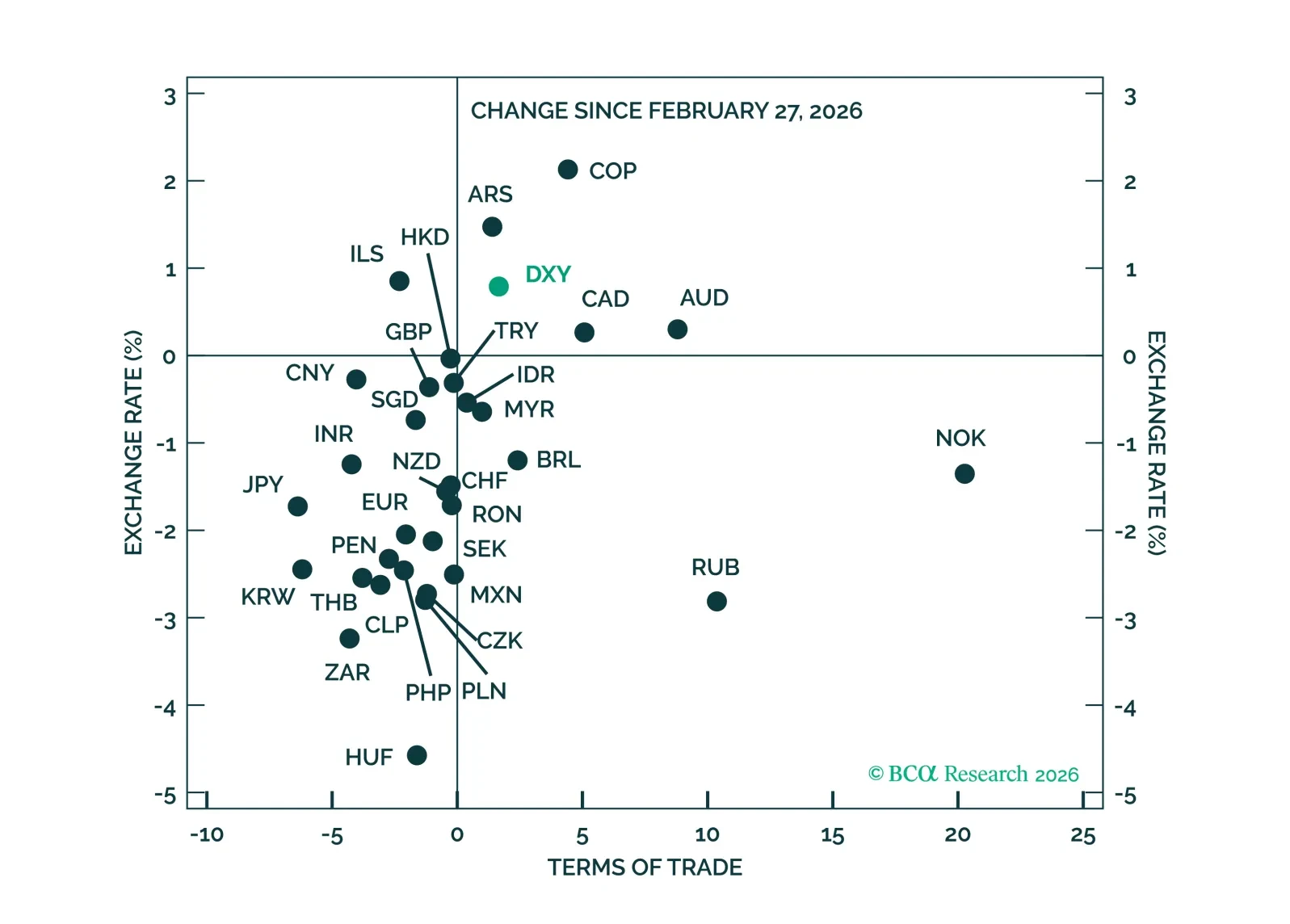
Since our last missive on June 15, three trading days have passed. The S&P 500 is up 0.2%, the US 10-year Treasuries yield has declined by 3 basis points, Brent crude is up 2.7%, gold is down by 2%, the JPY is down 0.7%, and DXY is up 0.7%. Our message prior to the start of these three trading days was that there was some more upside to oil prices in the very near term. However, that this upside would not be that impressive. Second, that the S&P 500 should not be shorted. And that the USD and US Treasuries would not be a great hedge, but that gold and JPY would be.
Even if Iran tries to revive talks, the US has an irresistible opportunity to dismantle its nuclear program. Tactically, investors should favor Treasuries over the S&P, defensive sectors over cyclicals, energy stocks over cyclicals, and US stocks over European stocks in the near term.
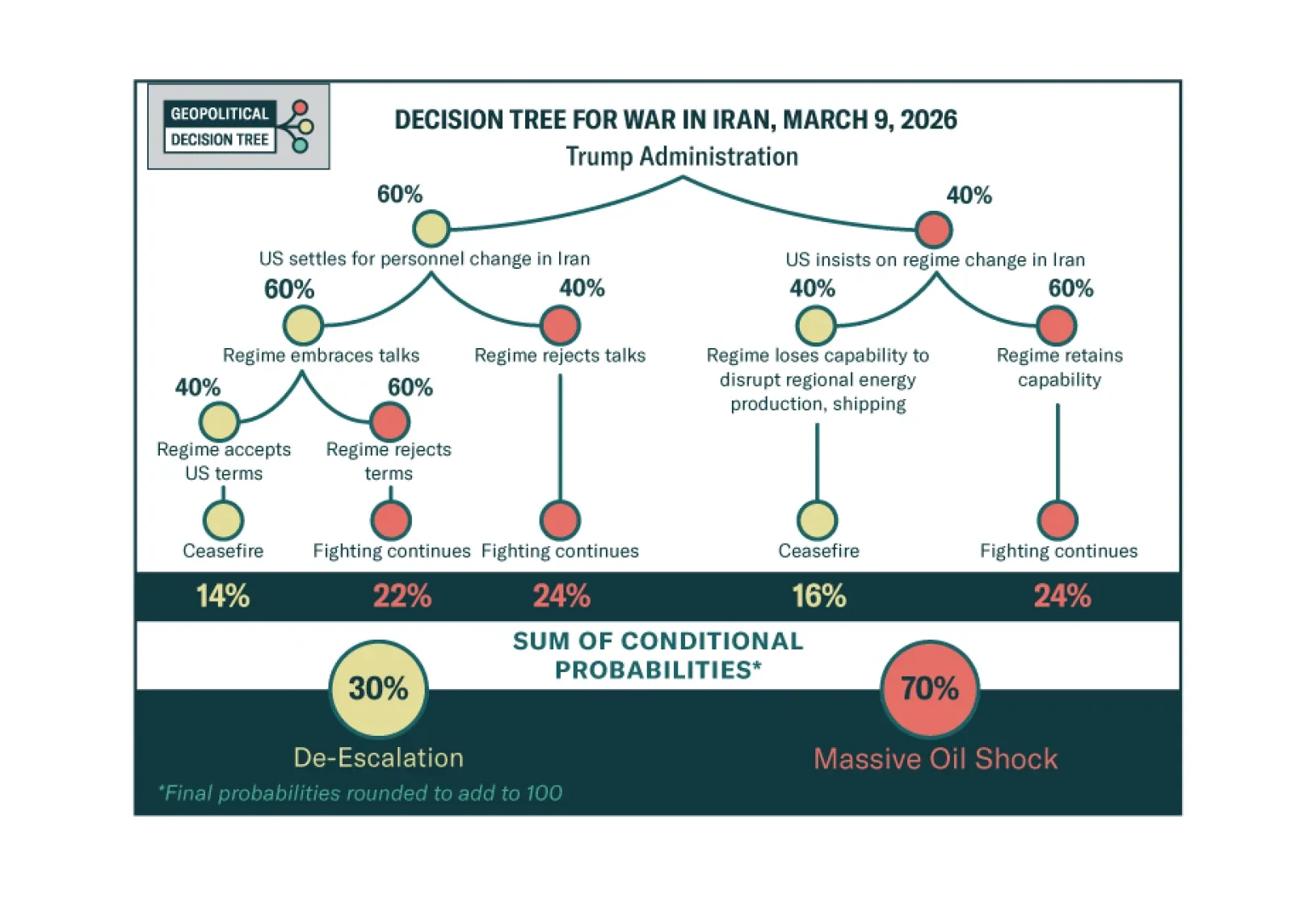
Israel’s attacks on Iran will continue until Iran is forced to strike regional oil supply to get the US to restrain Israel. That may not work. Investors should prepare for a broader economic impact of the conflict.
It has been three days since Israel started its air campaign against Iran. We now have greater visibility into Israel’s targeting, as well as Iran’s retaliation. Israel’s air force has struck almost every single Iranian nuclear program facility, government buildings, research centers, and – most importantly – energy facilities. Most of these targets are expected, but the attacks against Iran’s energy facilities are concerning as they suggest that Tehran may have casus belli to strike back at the energy facilities strewn around the Persian Gulf.
Investors should hold gold, build up some cash, tactically overweight US equities relative to global, and prepare for at least minor oil supply shocks – possibly major shocks – as the Israel-Iran war escalates.
Israel has taken unilateral action against Iran on June 12. According to the media reports, the following are the key developments:
- Israel has attacked multiple targets across Iran, including in the capital Tehran.
- Israeli Prime Minister Benjamin Netanyahu has stated that the Operation Rising Lion would “continue for as many days as it takes to remove” the alleged Iranian nuclear threat.
- The US has stated that it did not participate in the attack, calling Israel’s action unilateral.