Consumer
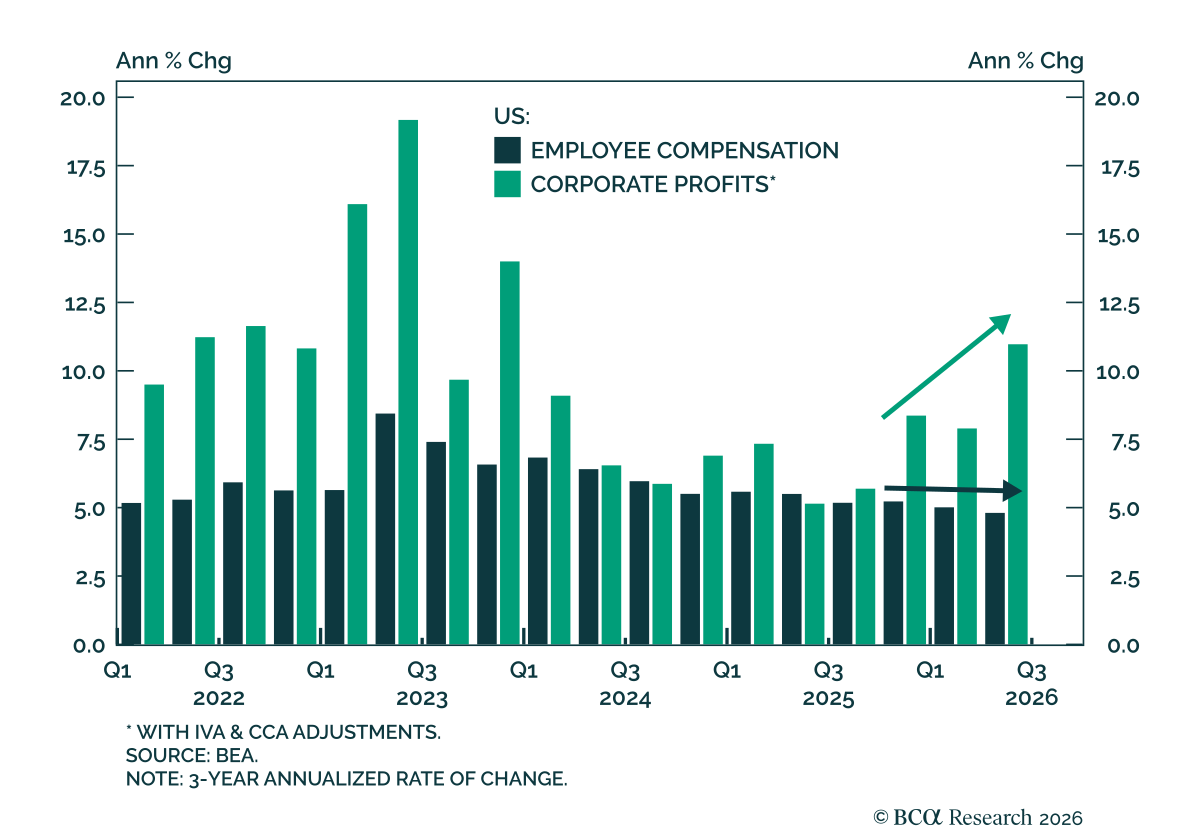
The US consumer is not benefitting from AI-related activity. Over the past 25 years, labor’s share of US national income has been in a structural decline. We have monitored cyclical developments in labor’s income share on BCA’s artificial intelligence…
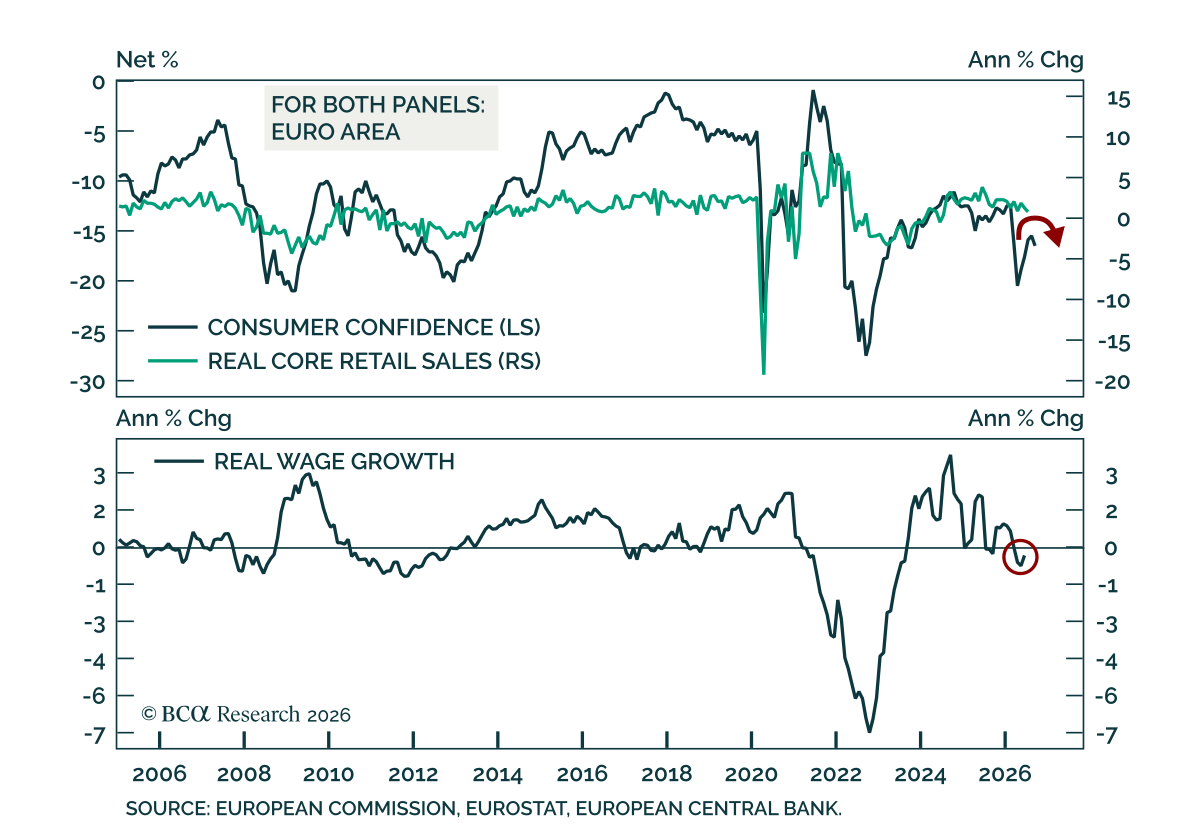
Falling Euro Area consumer confidence and greater energy exposure favor US over European equities near-term. Euro Area consumer confidence fell in September, ending a four-month upswing. The European Commission's flash index dropped 1 percentage point (p.p.)…
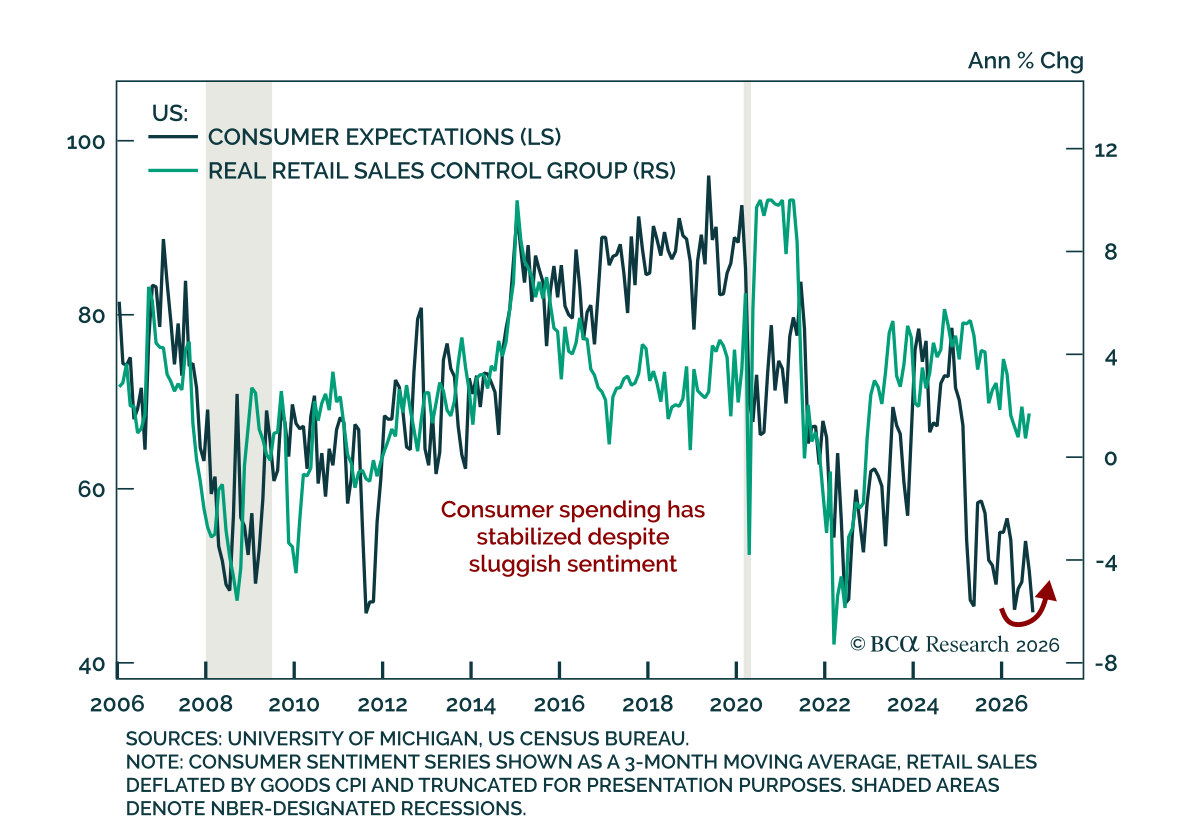
August retail sales were stronger than estimates and showed a clear rebound in consumer spending, but the broader pattern still does not point to an overheating US economy. Headline sales rose 1.2% m/m after falling 0.5% in July. The core measure excluding…

Our Bank Credit Analyst colleagues recommend maintaining benchmark allocations to equities and other risk assets, as the post-pandemic expansion remains intact amid balanced growth. Hiring has revived after a weak 2025, with employers adding an average of 80k…
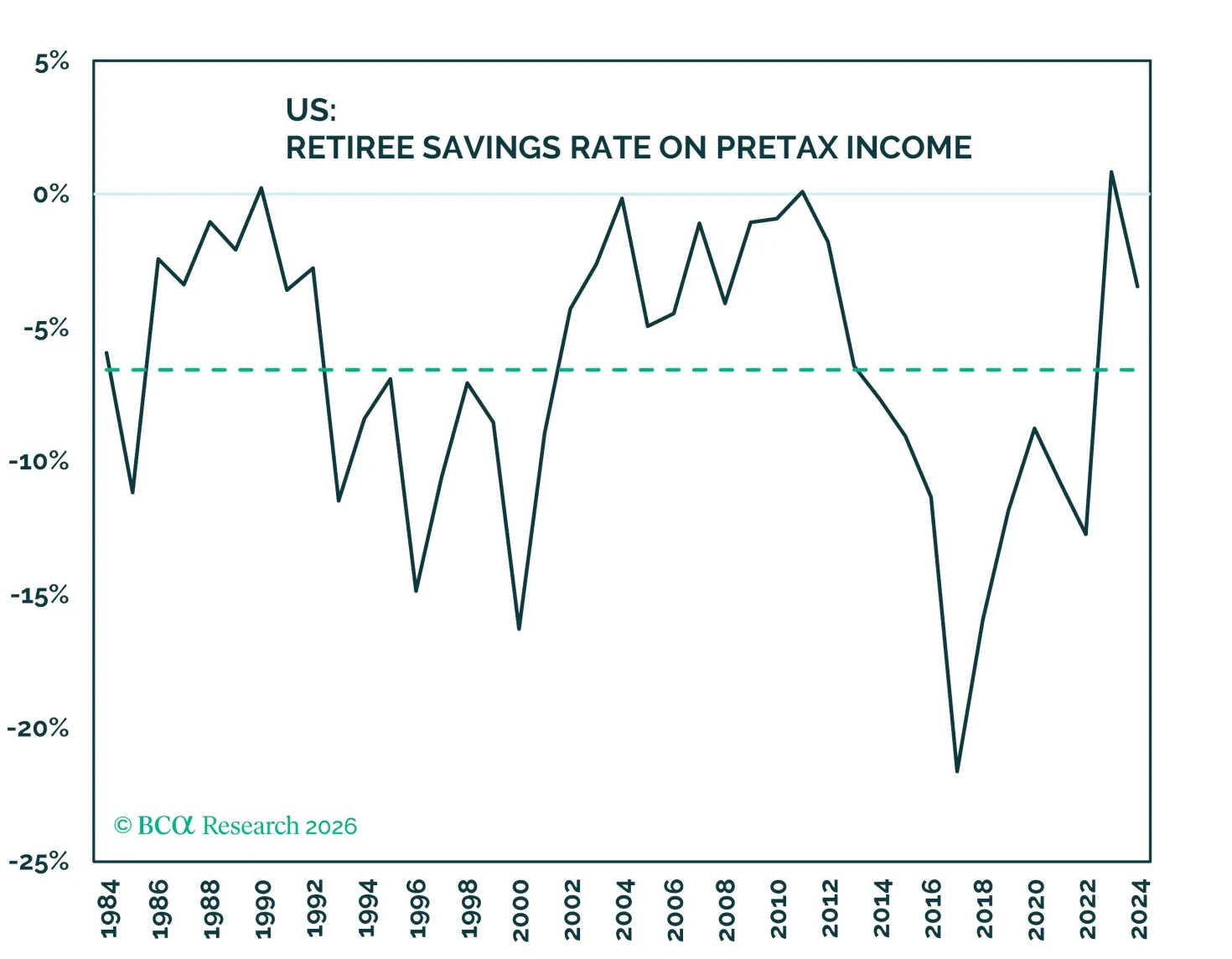
Concerns about the savings rate’s sustainability ease after adjusting for retirements and capital gains. The US economy continues to grow at a pace that is neither too hot nor too cold and investors should remain fully invested in risk assets.
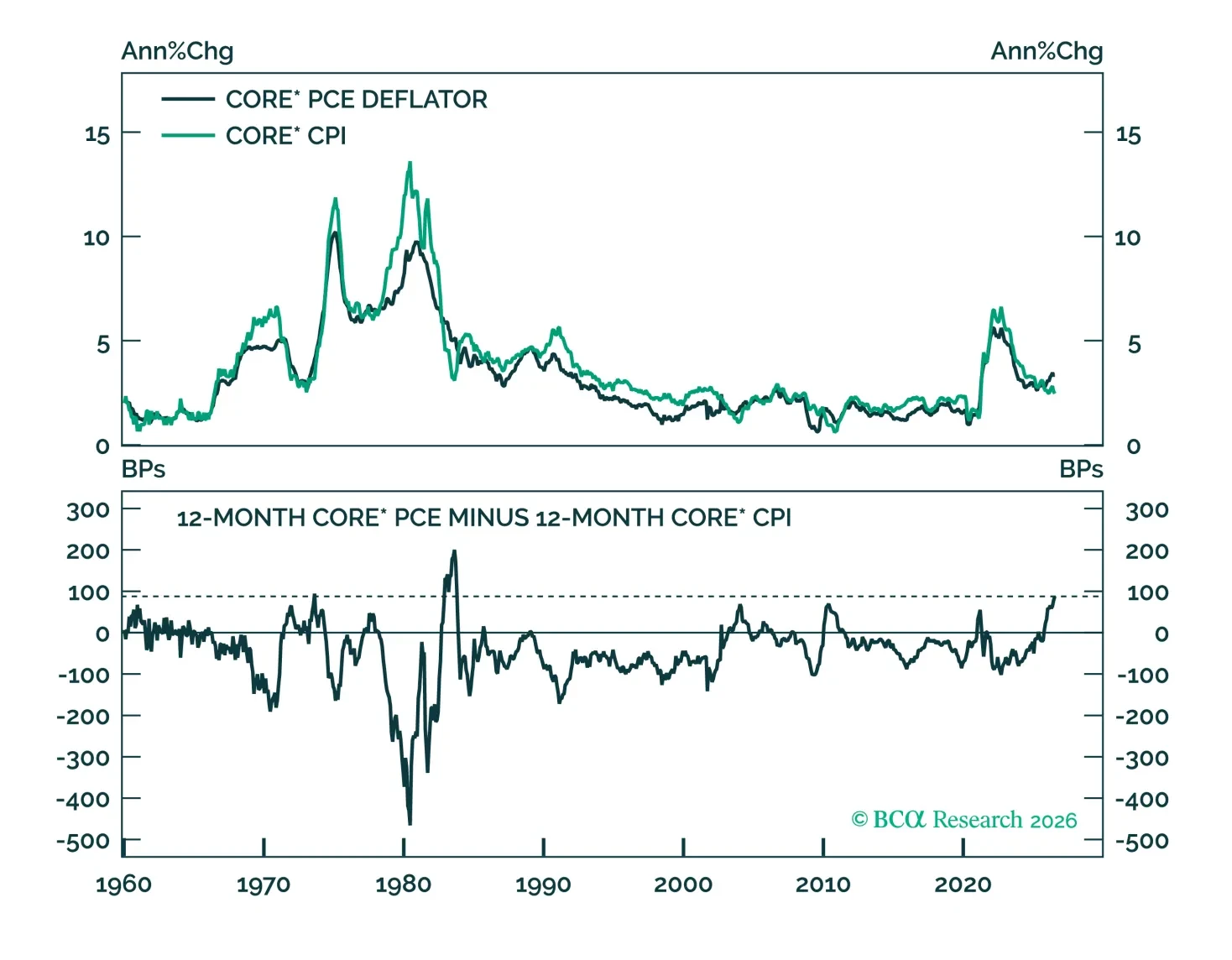
The PCE/CPI gap is an increasingly important factor driving the near-term outlook for Fed policy. We discuss the drivers of that gap and conclude that it’s likely to narrow in the coming months.
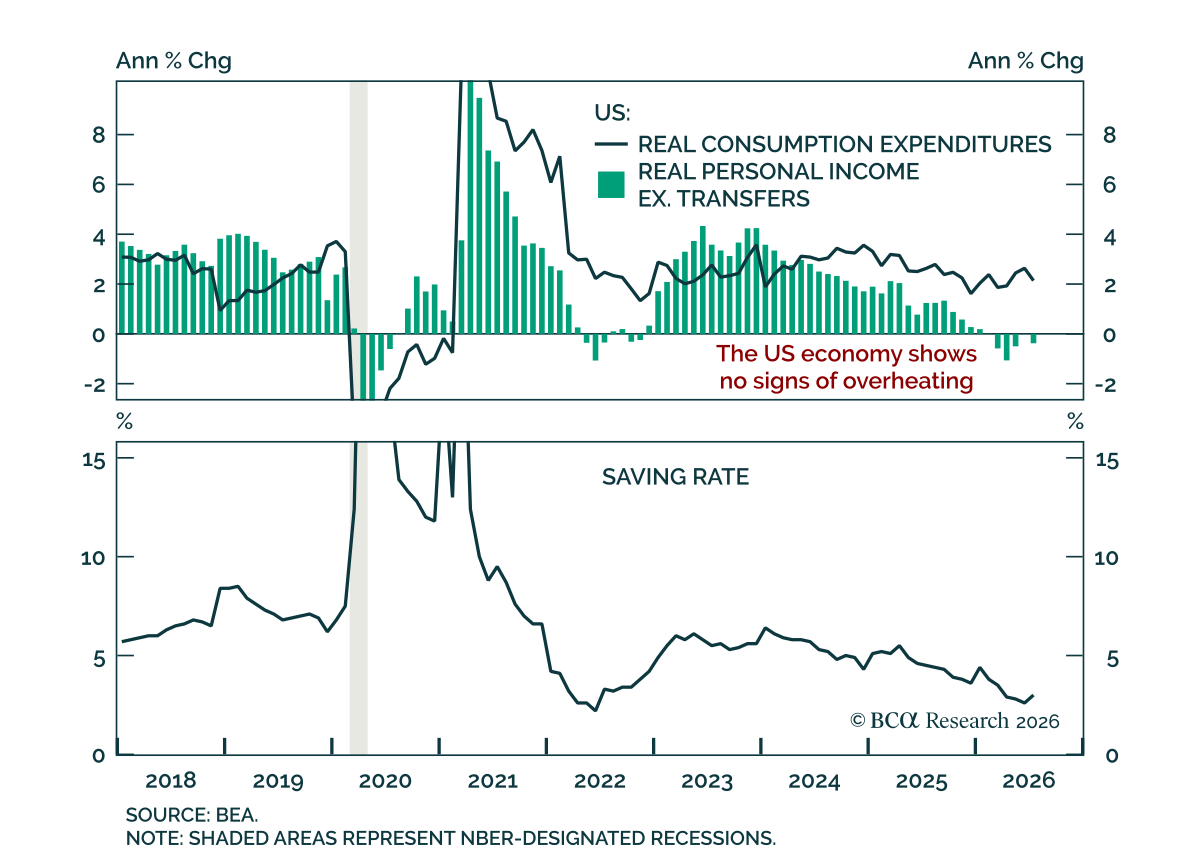
The July Personal Income and Outlays report showed firmer household income, flat real spending, and no renewed acceleration in inflation, giving the Fed little reason to tighten more aggressively. Nominal spending rose 0.2% m/m, slightly above estimates, but…
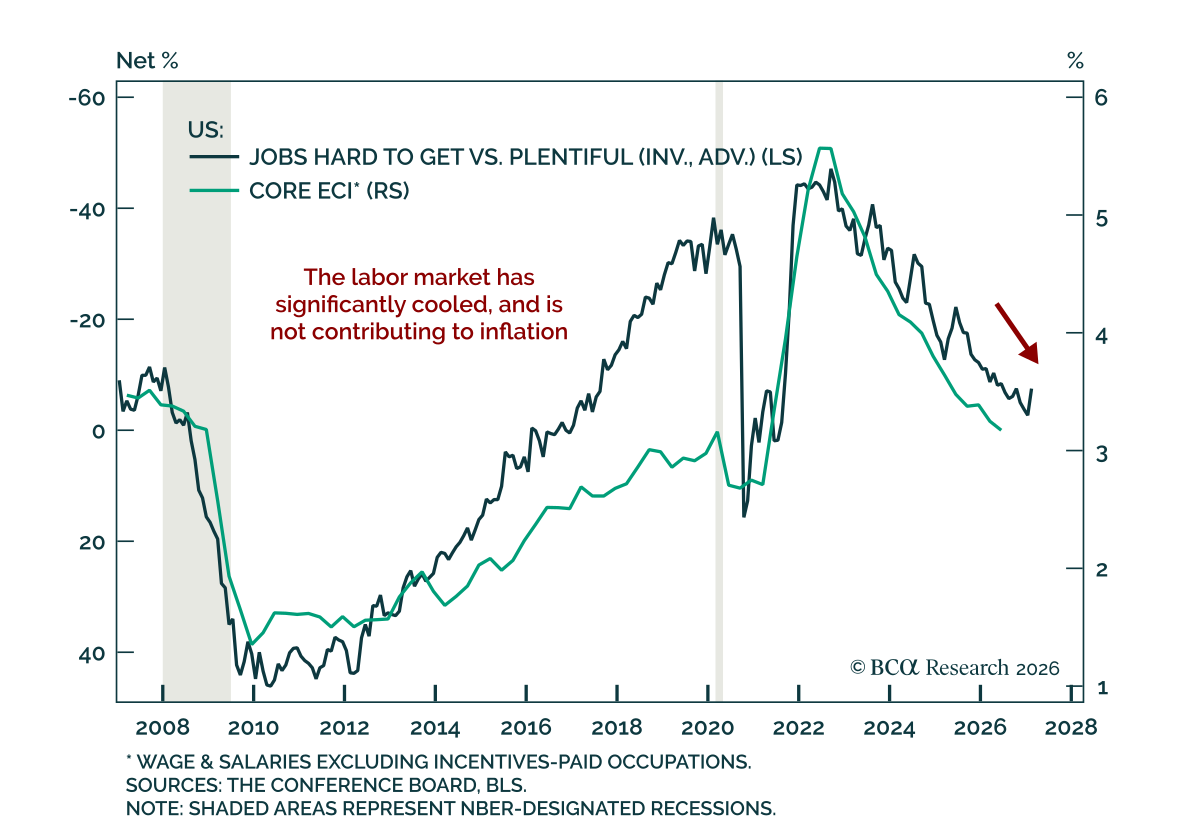
The August Conference Board survey was mixed, but a rebound in labor perceptions and stronger current conditions point to continued consumer resilience. The headline index fell to 89.4 from a downwardly revised 90.2, missing estimates. Consumers’ assessment…
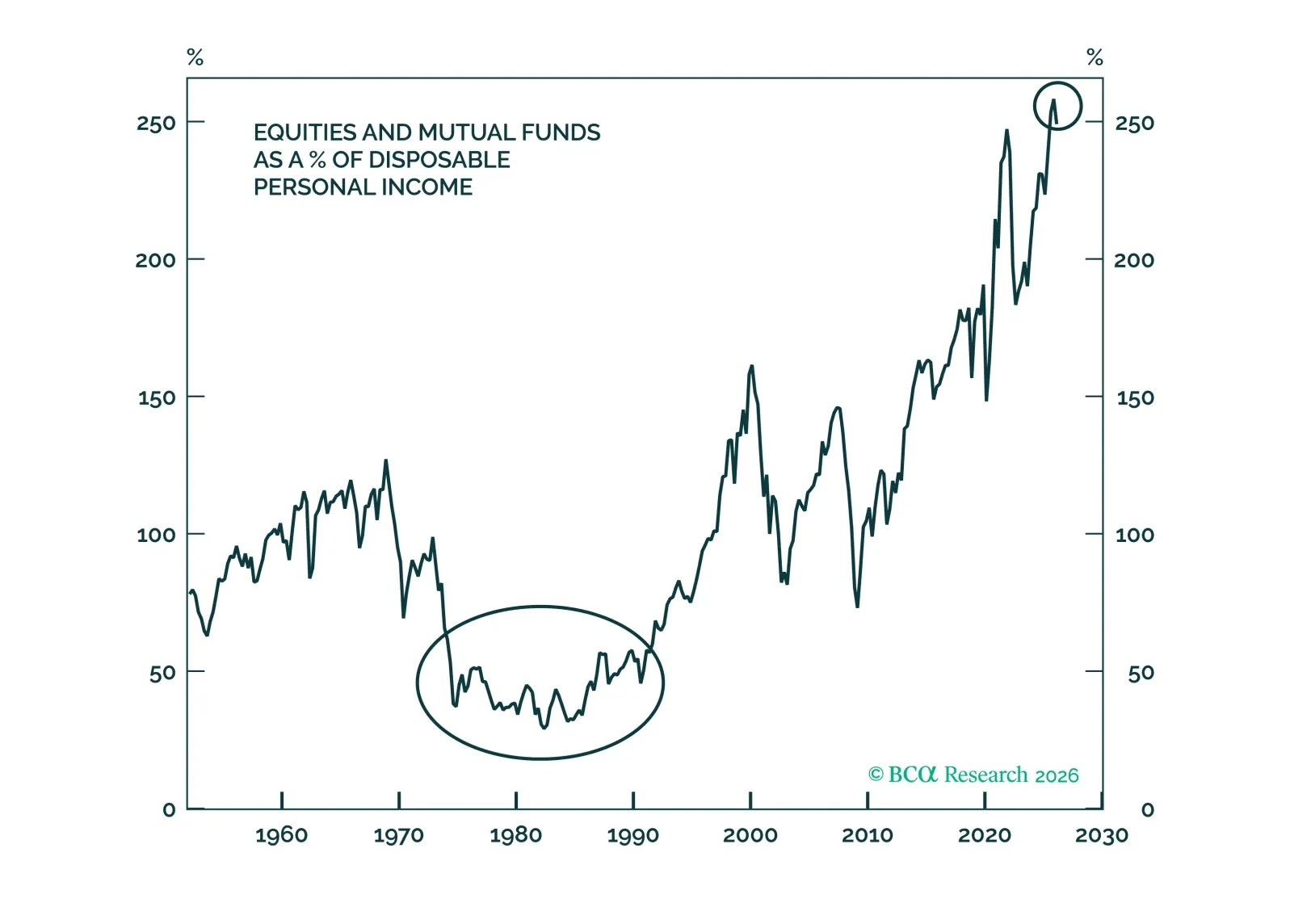
Four decades of robust stock market gains have positioned the equity wealth effect to play a larger role in the business cycle.
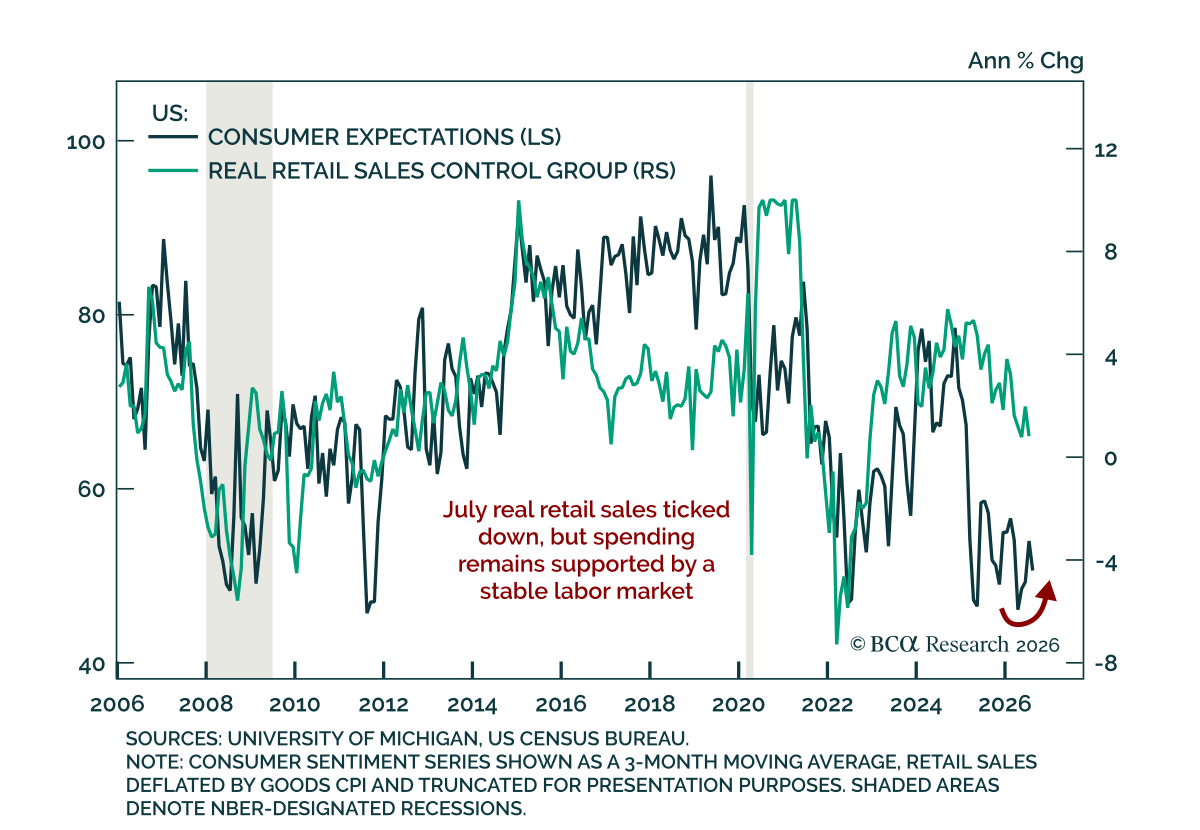
The latest consumer data show cooling momentum, reinforcing that the US economy is not overheating while leaving the broader equity case intact. July retail sales were weaker than estimates across the board. Headline sales fell 0.6% m/m, the core measure…