Sorry, you need to enable JavaScript to visit this website.
Skip to main content

Euro Area

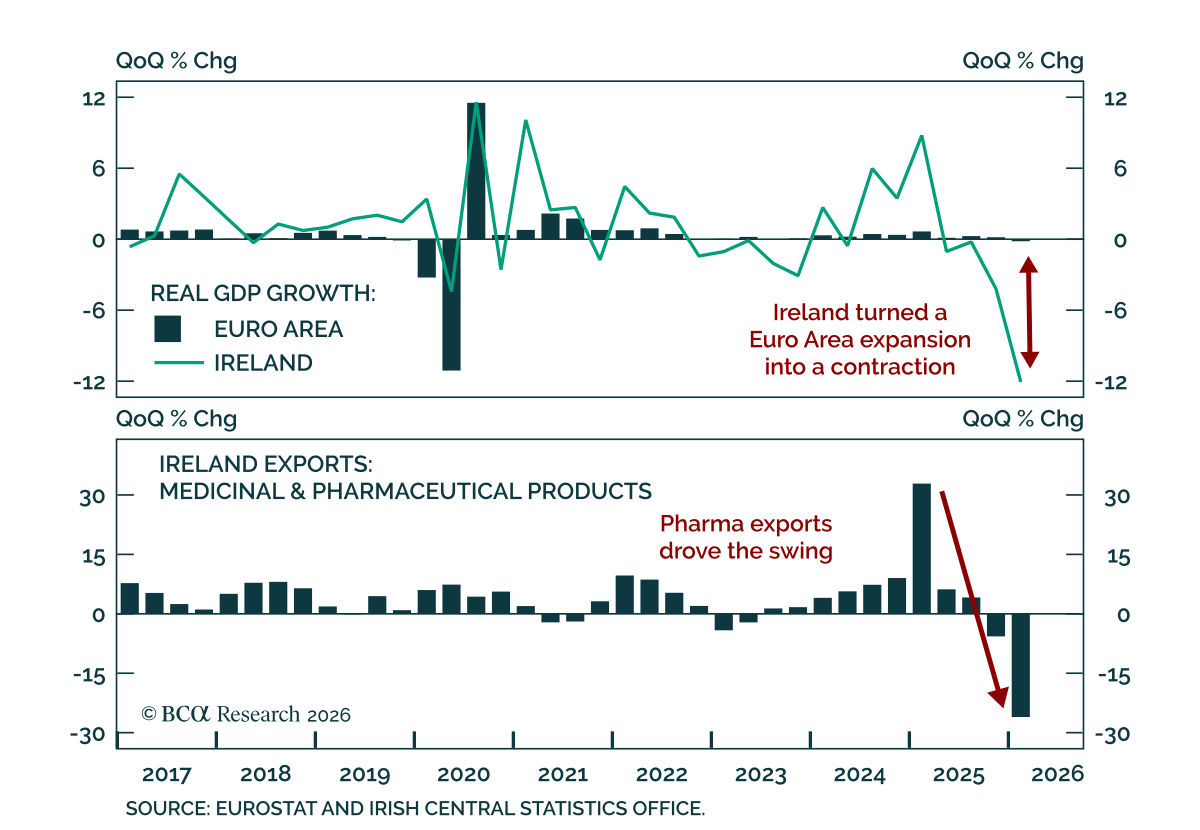
Ireland is making the Euro Area look weaker than it is. The bloc reportedly contracted 0.2% in Q1 2026, but stripping out Ireland would have shown a 0.3% expansion. That reversal can be traced back to a dramatic downward revision in Irish GDP, from -2% to…
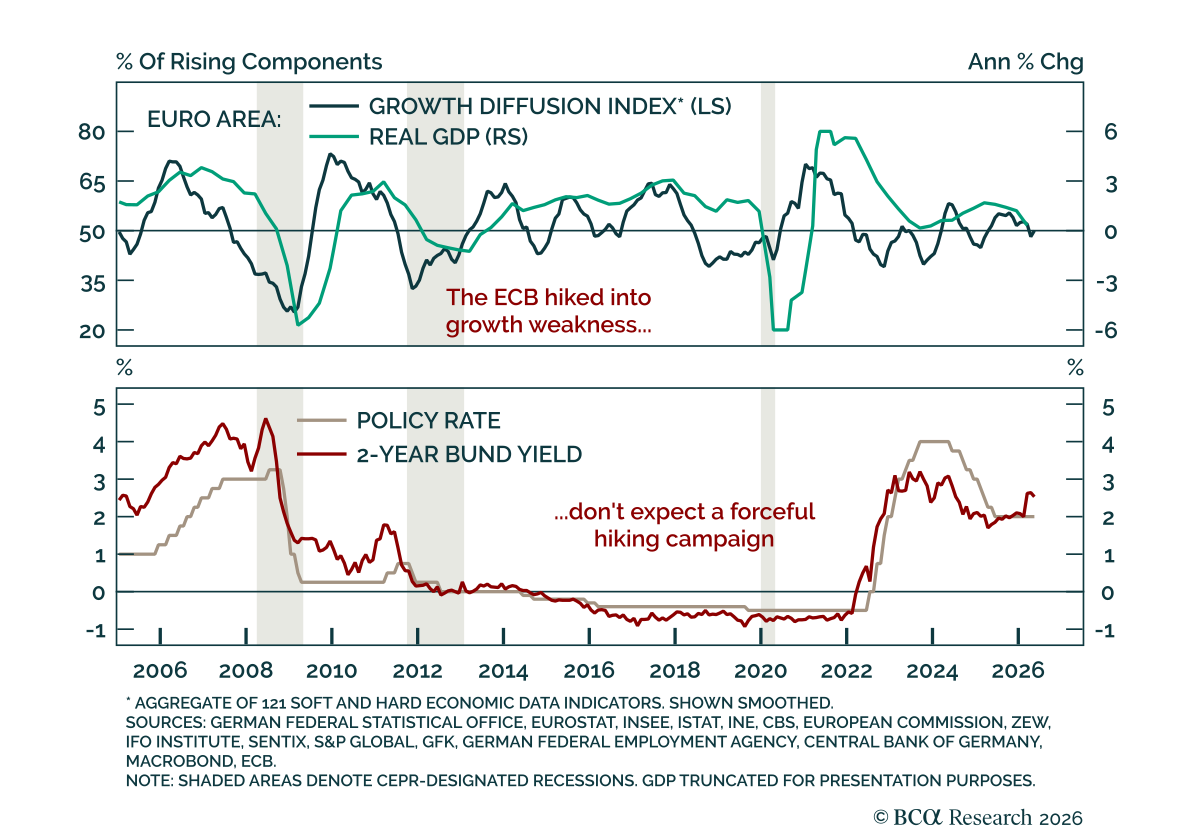
The ECB hiked as expected, but further tightening would be a mistake that ultimately supports European bonds. The policy rate was raised by 25 bps to 2.25%, as expected. The ECB also revised its inflation forecasts higher and its growth forecasts lower. It…
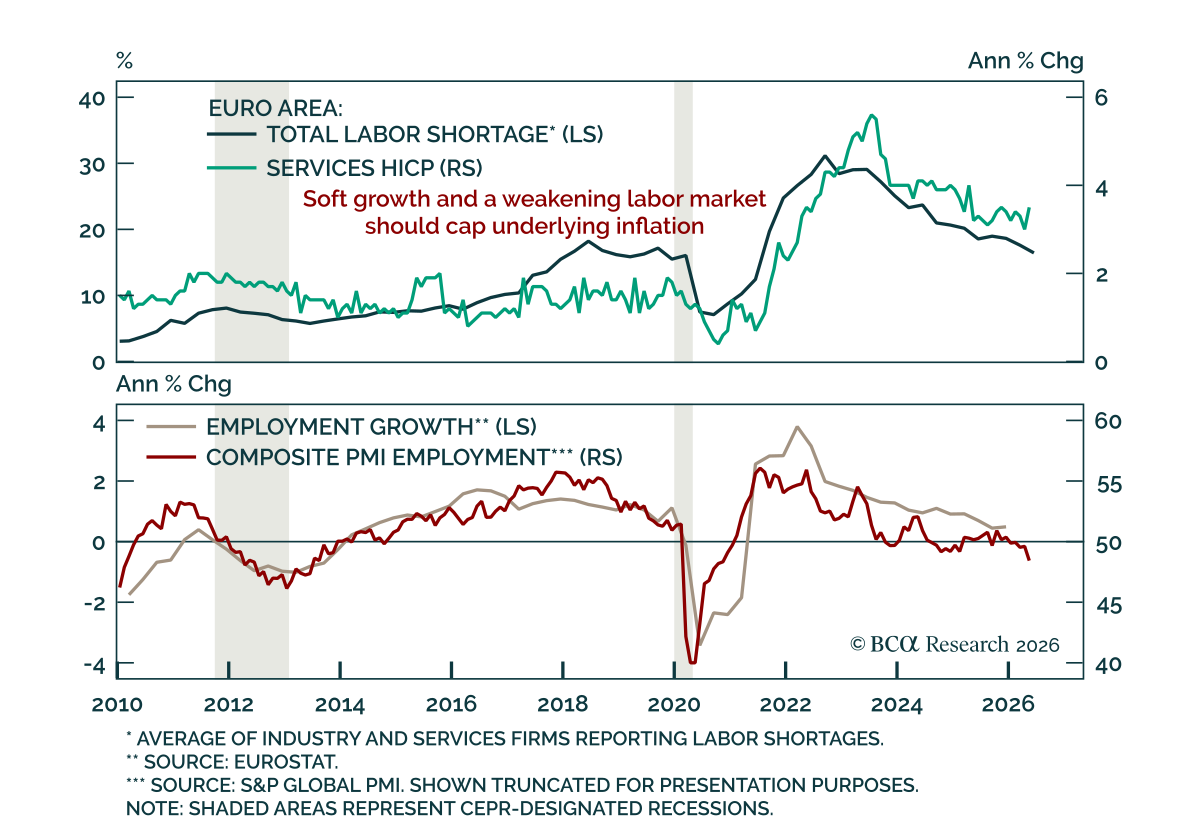
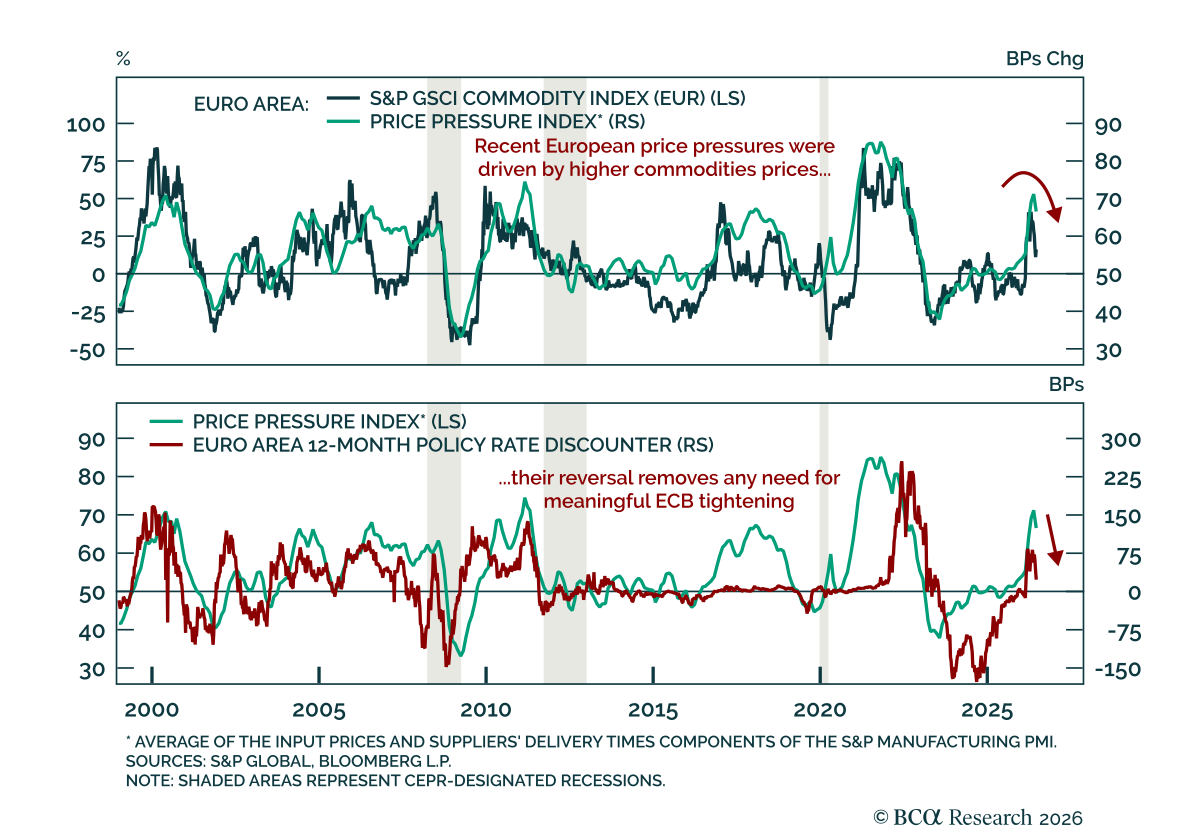
Euro area core inflation jump to 2.5% strengthens the case for a near-term ECB insurance hike, but investors should not extrapolate hawkish policy over the next 12 months. The move from 2.2% to 2.5% in May exceeded expectations of 2.4%, but core HICP remains…

In Section I, Doug revisits the situation in the Strait of Hormuz and its implications for growth in Europe and the US. In Section II, Jonathan explores whether Kevin Warsh's appointment as Fed Chair signals a return to Greenspan-era, rules-based monetary policy.
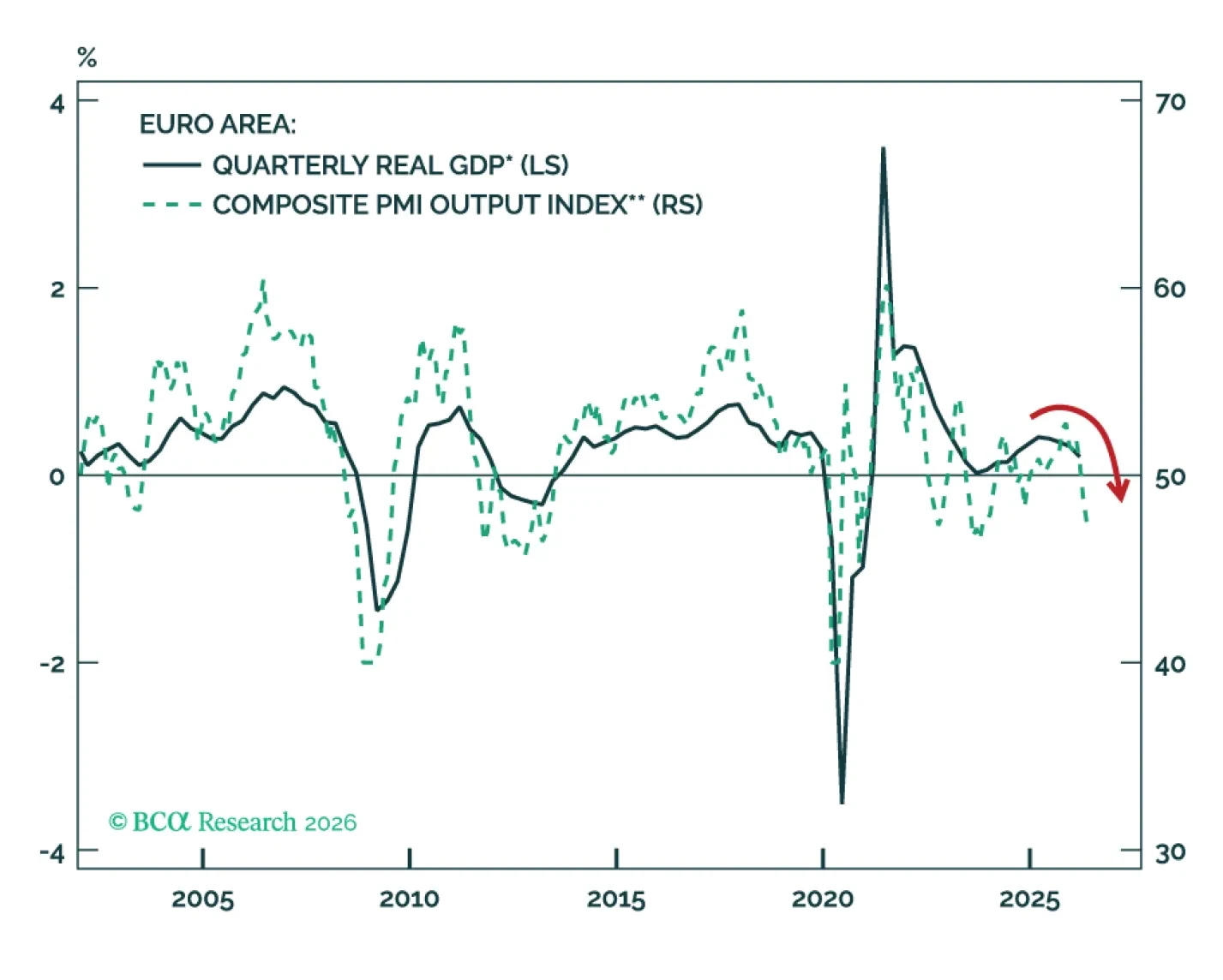
Europe is sliding from stagflation toward recession as prolonged disruptions in the Strait of Hormuz weaken growth, labor markets, and supply chains while keeping inflation elevated. Even if a US-Iran deal is reached, limited fiscal support and rising food inflation leave the Euro Area increasingly vulnerable to a deeper economic downturn.
Special Report

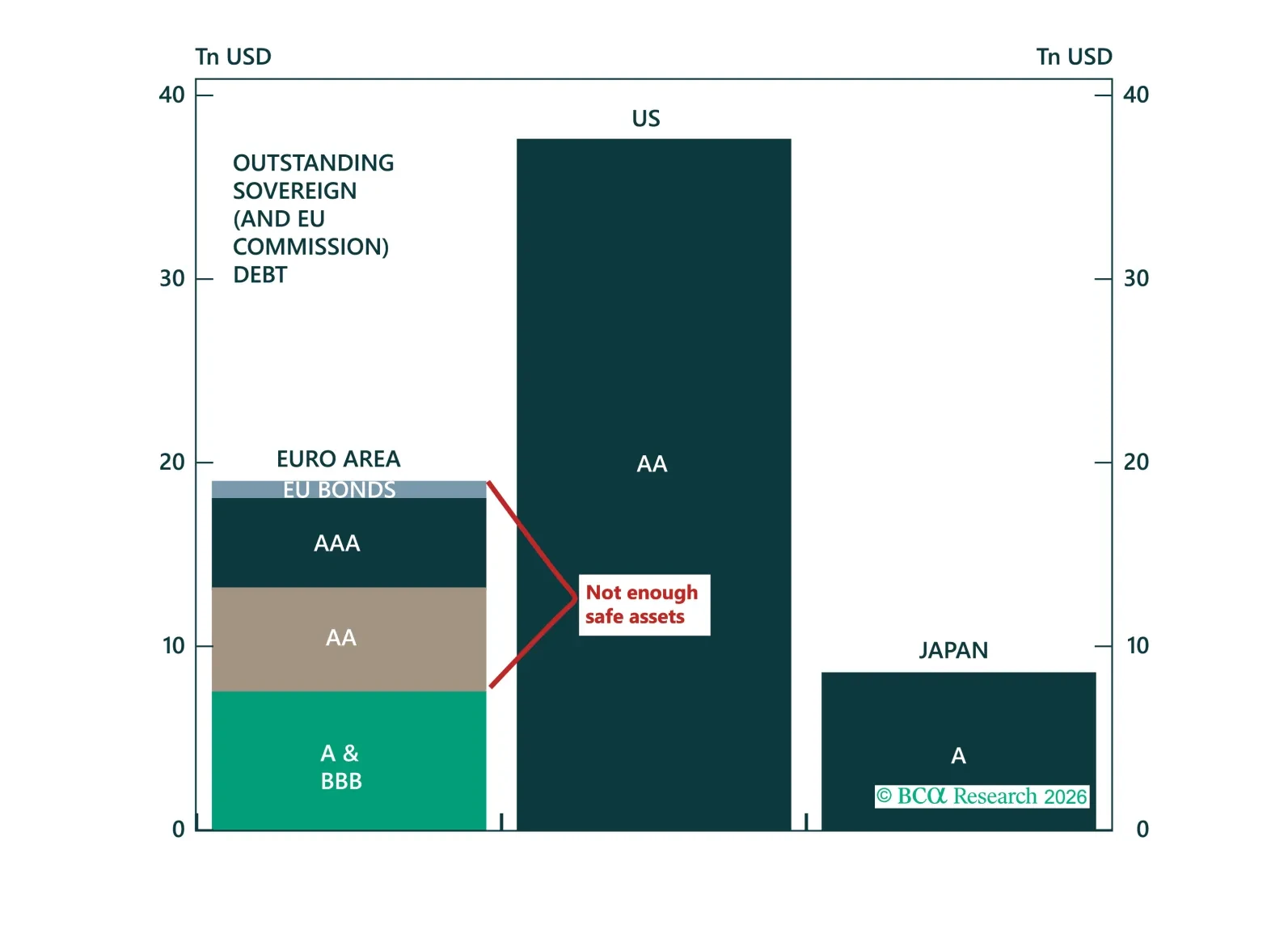
The dollar's retreat is creating the most compelling window for euro internationalisation since Maastricht, but Europe is missing the one instrument that would make it real. In this report, we make the case for the Eurobond, assess which model is most likely to prevail, and explain why the trade is long euro on dips and overweight Central and Eastern European sovereign spreads.

German data continue to deteriorate, reinforcing Europe’s vulnerability to a prolonged energy shock. The May GfK German Consumer Climate indicator fell to -33.3 from -28.1, a level not seen since the 2022 energy shock and near all-time lows for the series.…
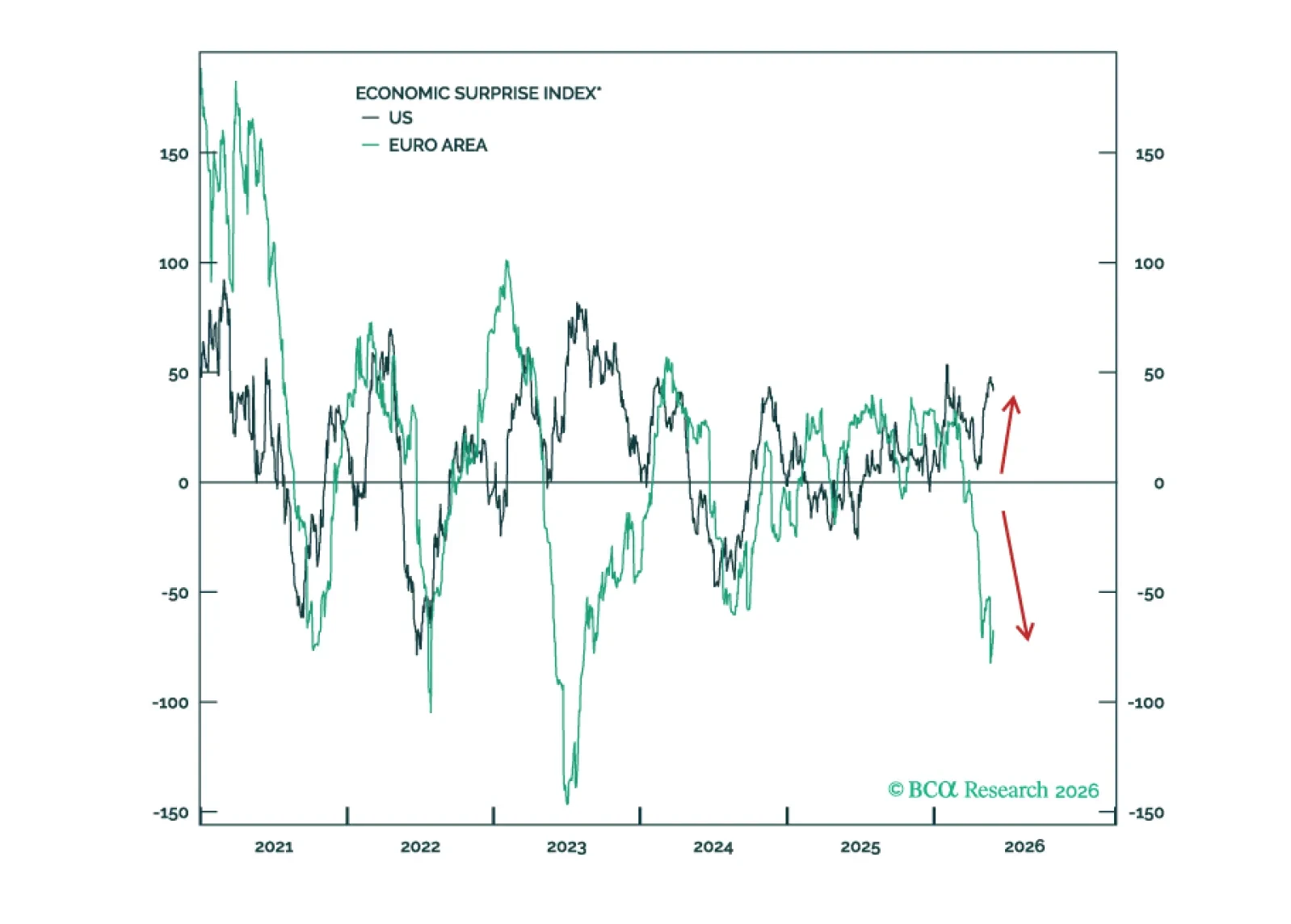
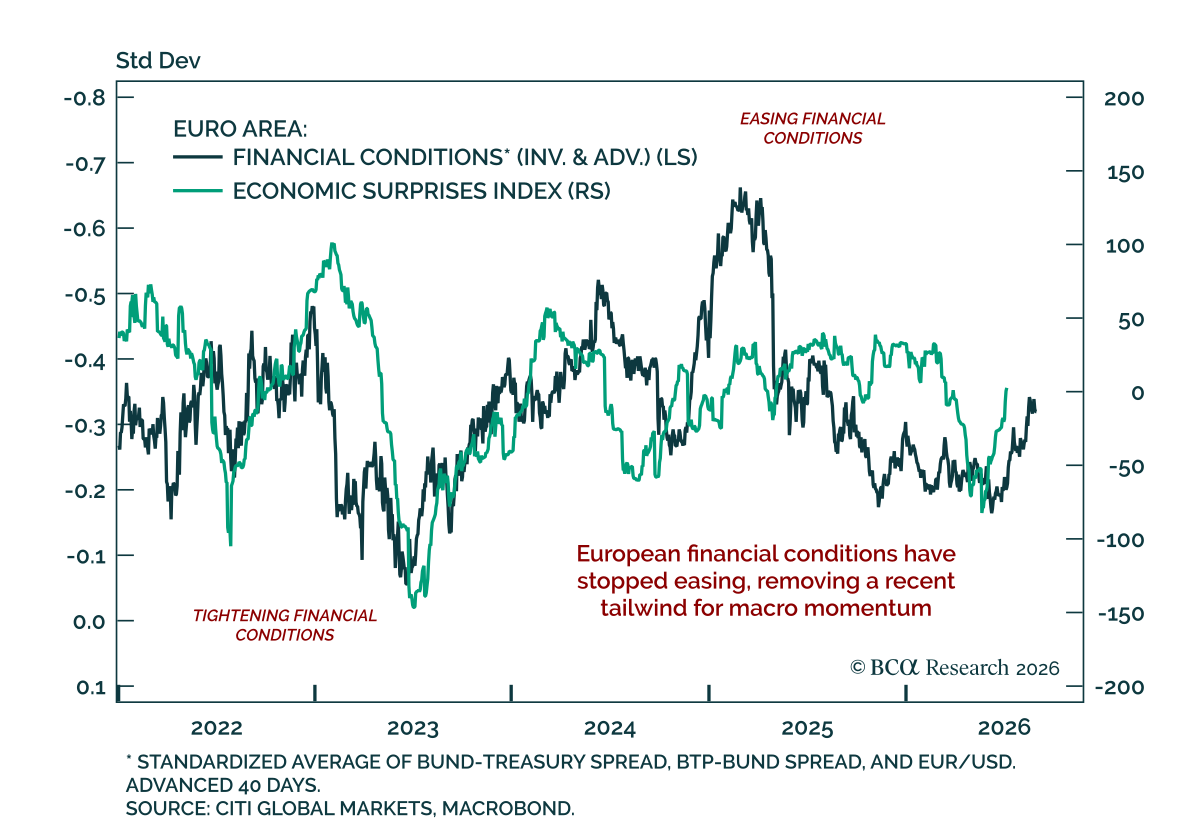
Relative momentum still favors the US over Europe despite the Hormuz shock. Our tactical framework rests on two ideas: The feedback loop between financial conditions and economic surprises, and macro momentum’s role in cross-asset returns. The Hormuz…
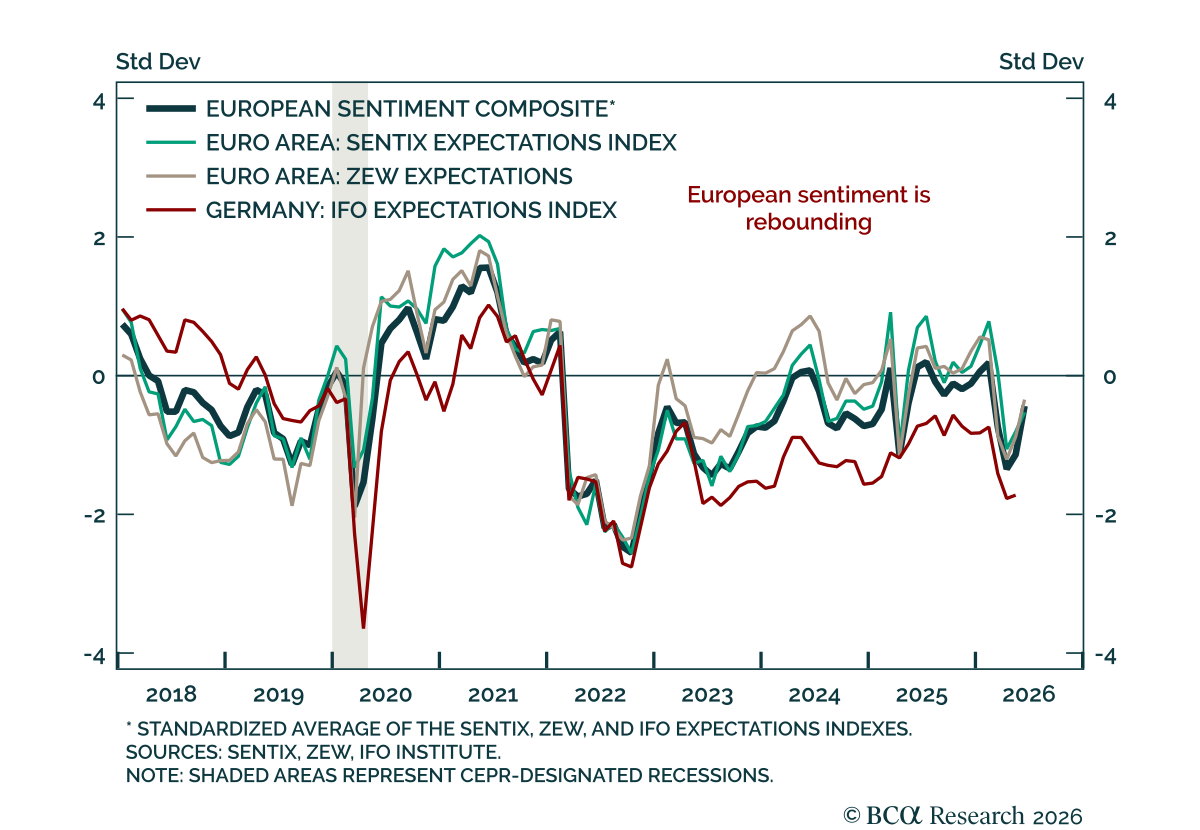
The April ZEW showed continued deterioration in European sentiment, with no sign yet of a rebound. Germany’s expectations component missed estimates and fell to -17.2 from -0.5, while the eurozone measure fell to -20.4 from -8.5. Current conditions in Germany…
Special Report

In this Special Report, we describe how inflation expectations are formed. We then demonstrate that steady state inflation expectations have un-anchored in the UK, are un-anchoring in Japan, and are at high risk of un-anchoring in the US. And we conclude with some implications for bond markets.