Economy
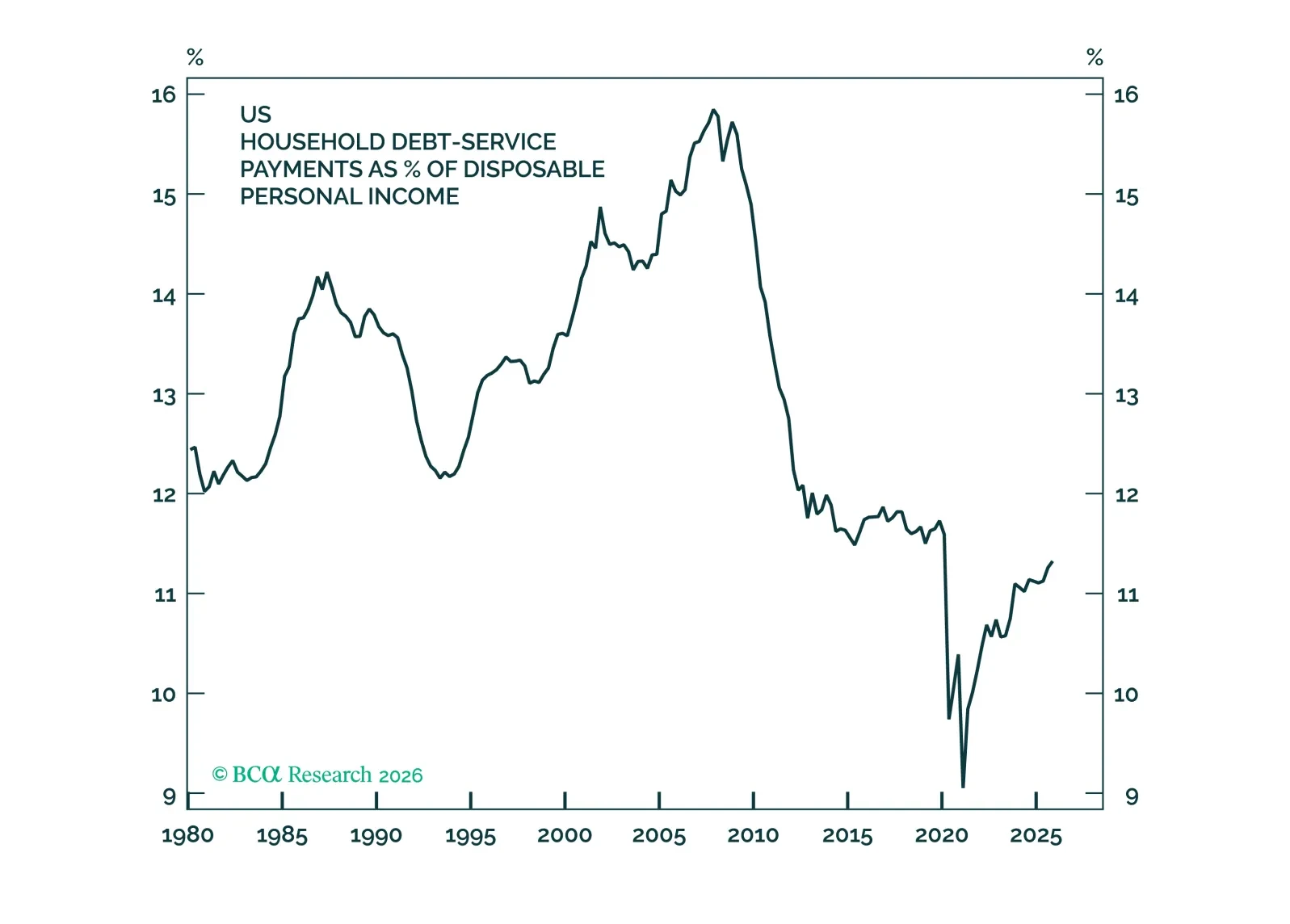
The most vulnerable households have whittled down their real debt balances while achieving significant real wealth gains. The combination has made consumption more resilient to income hiccups than in past cycles.
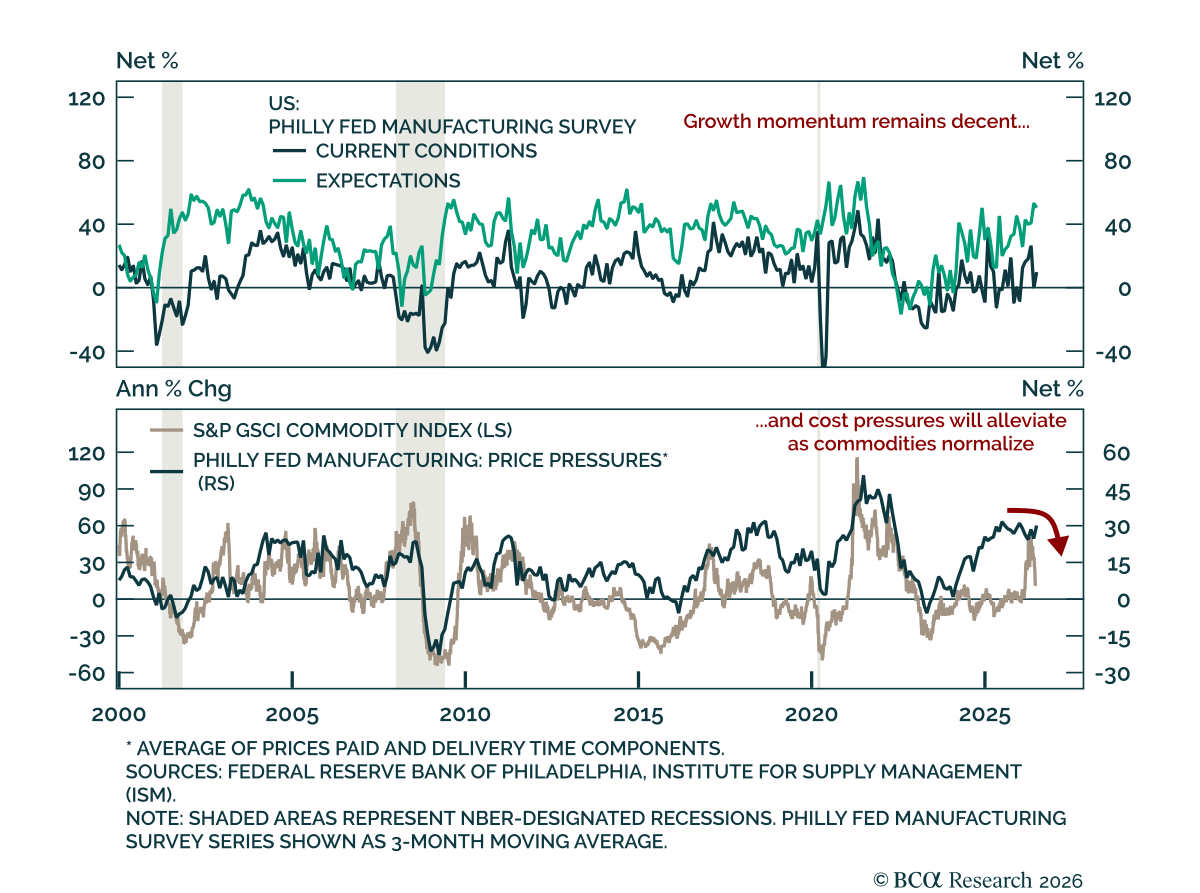
The June Philadelphia Fed survey improved, pointing to still-decent US growth. The headline index rose to 10.3 from -0.4, in line with estimates. New orders and employment also moved back into expansionary territory, while shipments increased. Despite its…
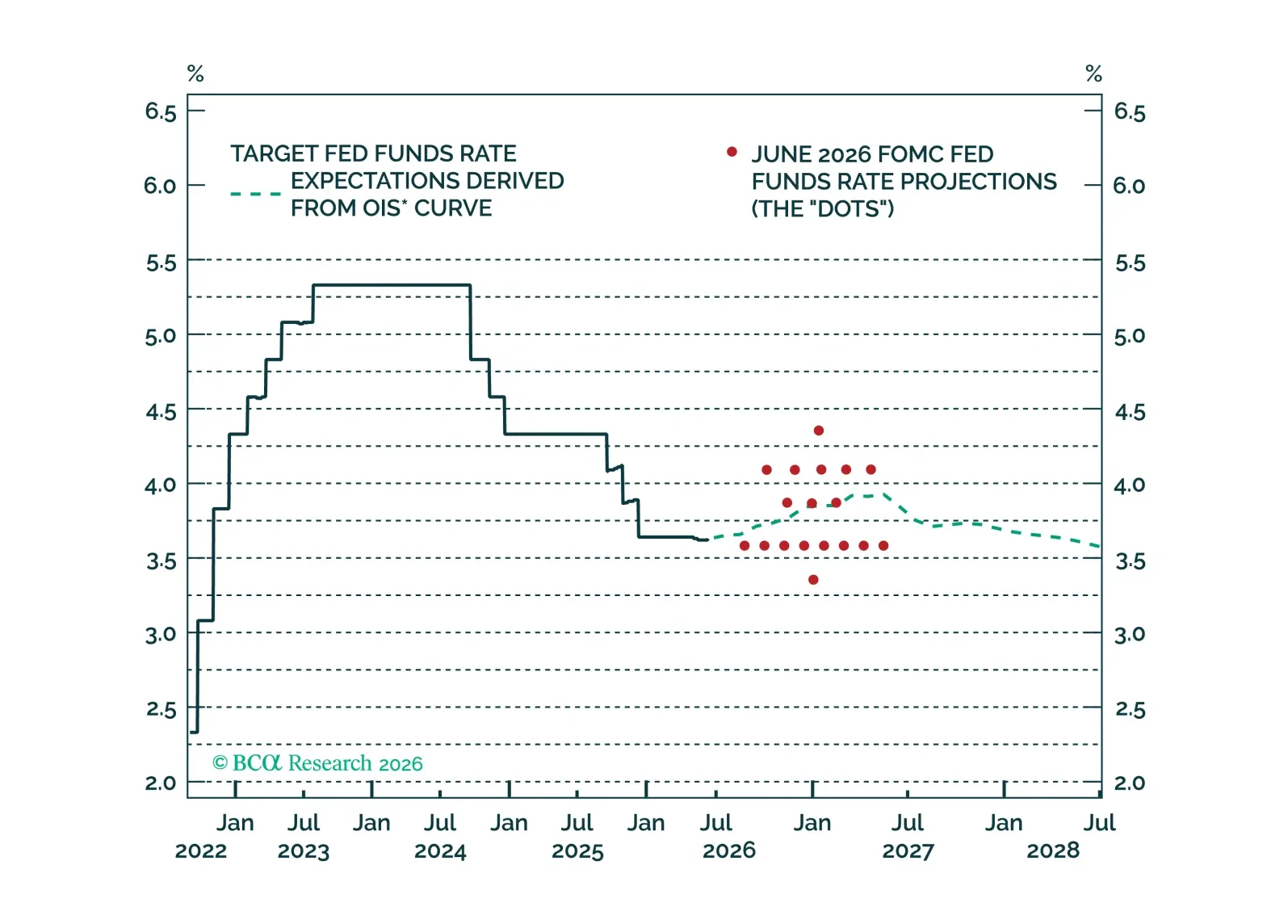
Kevin Warsh announced an ambitious reform agenda for the Federal Reserve. We discuss the potential impact and the current outlook for interest rates.
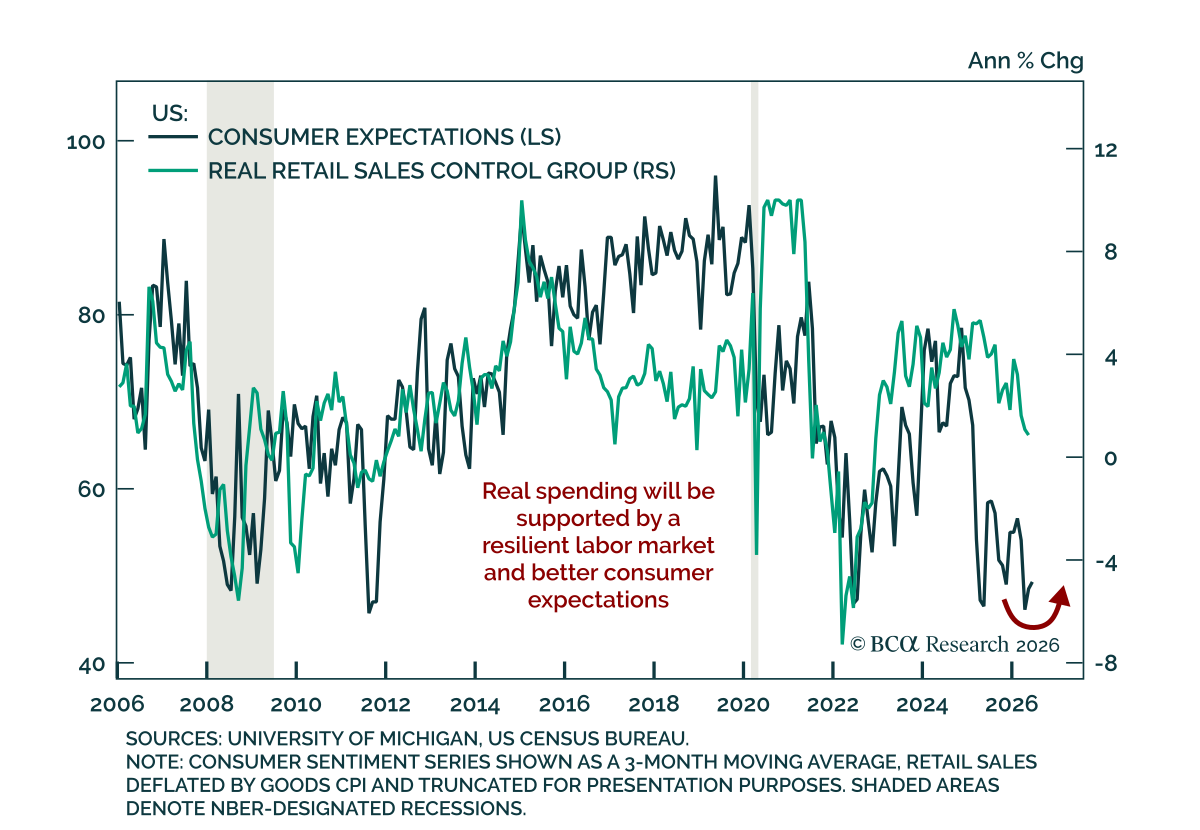
May retail sales beat estimates, reinforcing the picture of a resilient consumer and a macro backdrop that still favors equities over bonds. Headline sales rose 0.9% m/m from 0.4% in April. The core measure, excluding autos and gas, also beat estimates at…
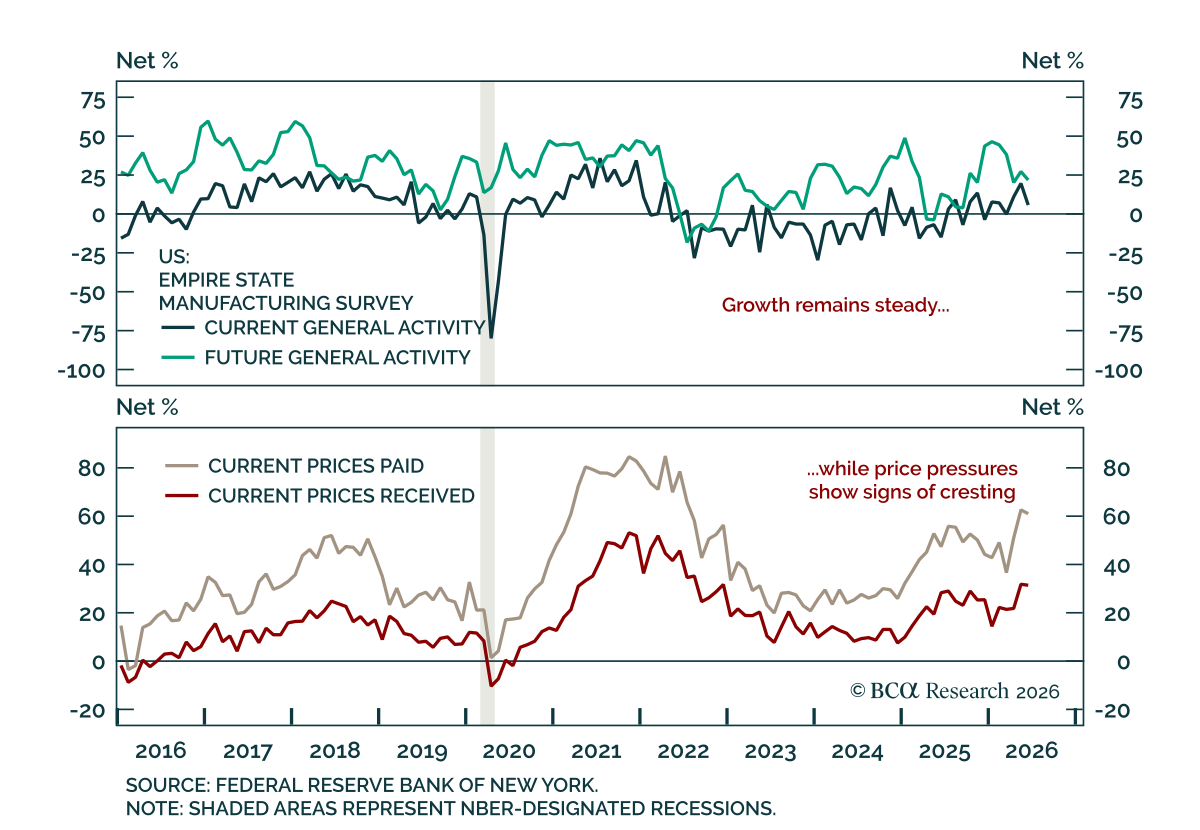
The June Empire survey cooled from May’s pace, but still pointed to continued US manufacturing growth. The headline fell to 5.7 from 19.6, missing estimates. The headline fell sharply from May, but still pointed to slower growth rather than contraction. The…
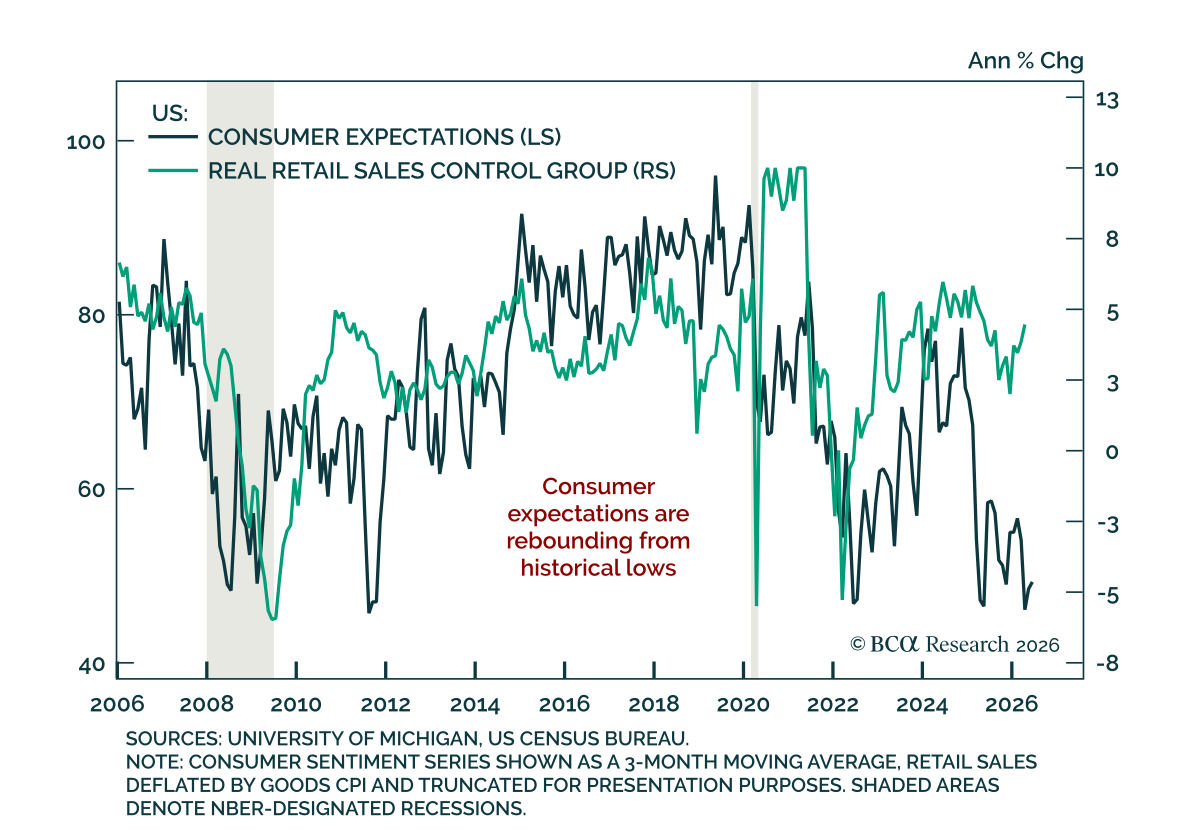
The June University of Michigan survey beat estimates, and lower inflation expectations gave the Fed more room to stay on hold. The headline index rose to 48.9 from 44.8, driven by better expectations and a firmer assessment of current conditions. Consumers’…
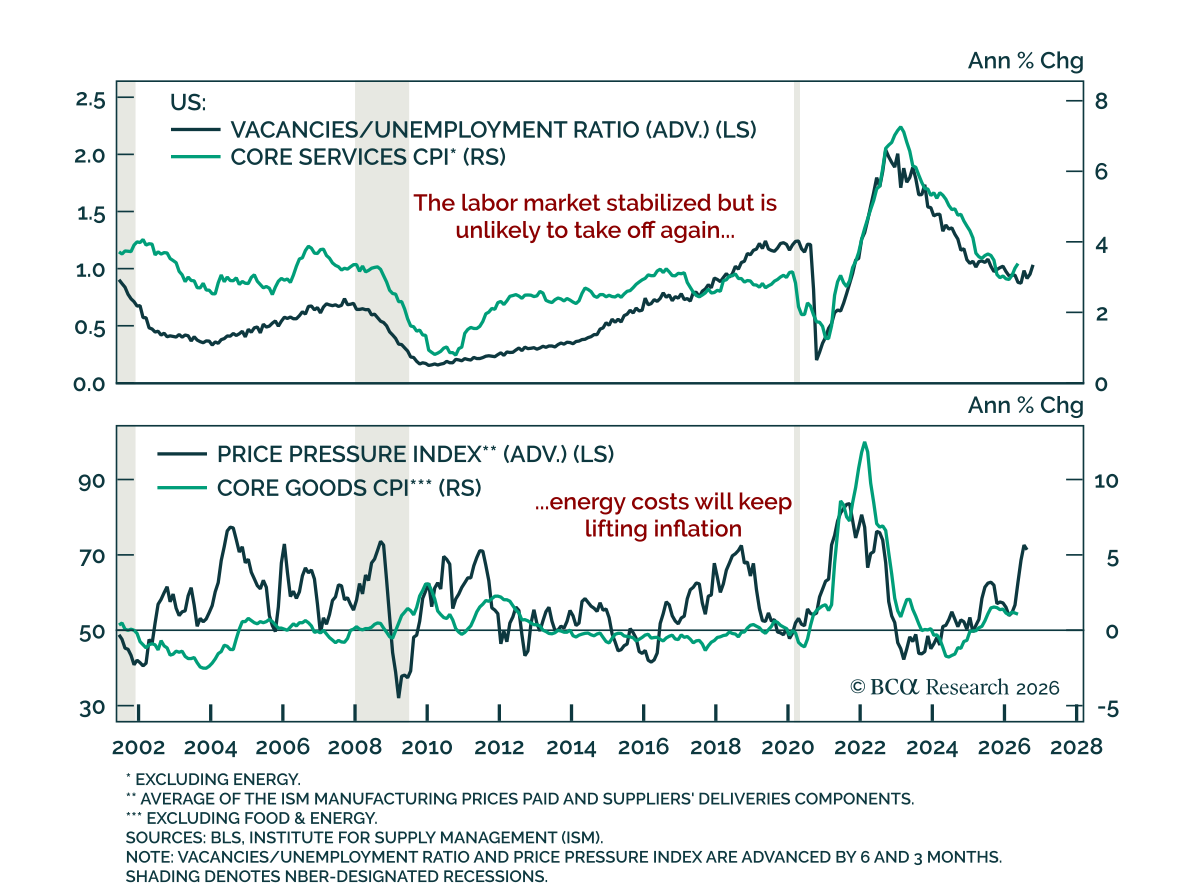
May US CPI was roughly in line with estimates and still shows no evidence of energy passing through to core inflation. Headline CPI rose 0.5% m/m, accelerating to 4.2% y/y from 3.8%. Core came in cooler than estimates at 0.2% m/m, down from 0.4% in April,…
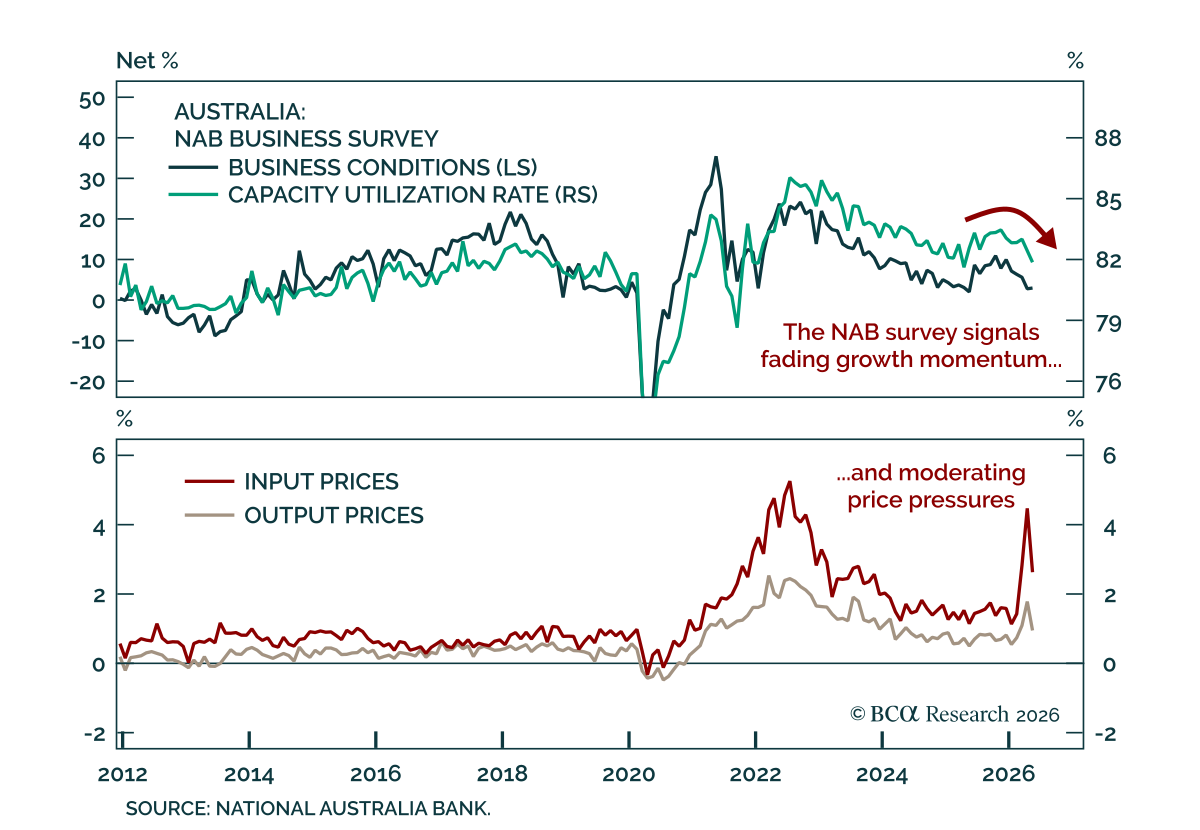
Australia's May NAB survey pointed to softer growth, with moderating price pressures reinforcing the case that the RBA's tightening cycle is over. Business conditions held steady at +3, firmly below the long-term average, after falling every month this year.…
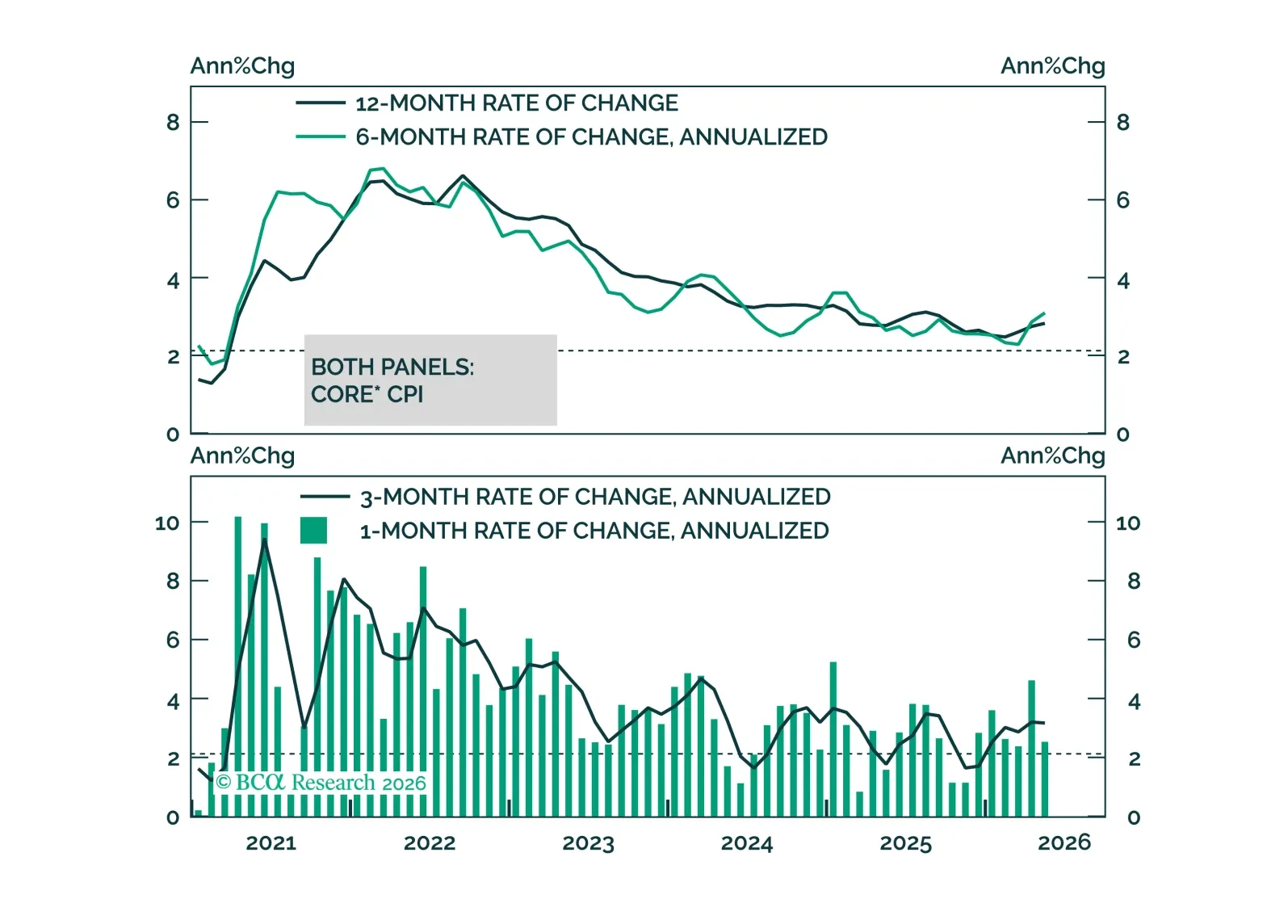
May CPI data show no evidence of passthrough from energy prices to core inflation. This will keep the Fed on hold for the time being.
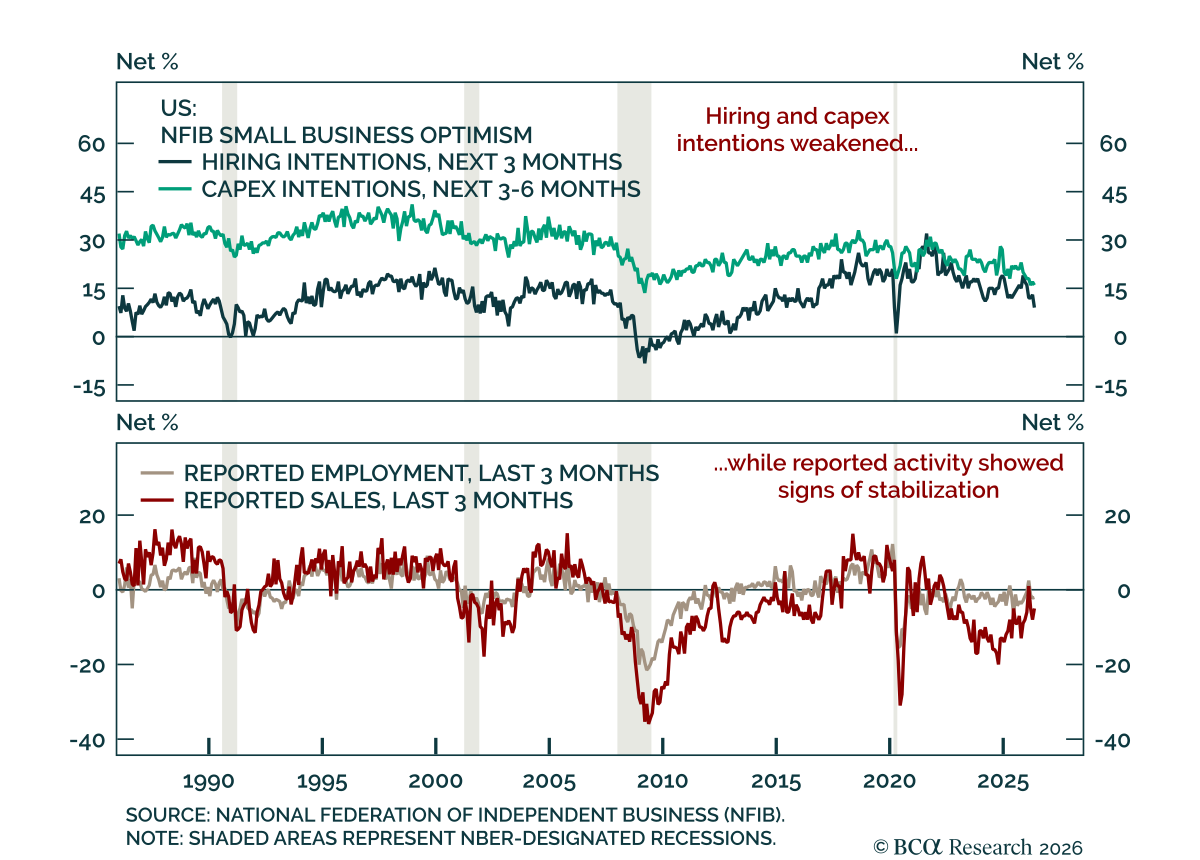
The May NFIB survey missed estimates and pointed to softer small-business conditions, though the signal on the broader labor market remains mixed. The headline index fell to 95.3 from 95.9. The overall picture was soft, with both capex and hiring intentions…